Assessment of Pulmonary Function Tests in Patients with Chronic Kidney Disease: A Cross-Sectional Study
- Bakyaraj S , Senior Assistant Professor, Department of General Medicine, Government Medical College and ESI Hospital, Coimbatore, Tamil Nadu, India.
- Sivagami G , Associate Professor, Department of Physiology, KMCH Institute of Health Sciences and Research, Coimbatore, Tamil Nadu, India.
- A. S. Kanietha priya , Associate Professor, Department of Physiology, KMCH Institute of Health Sciences and Research, Coimbatore, Tamil Nadu, India.
Article Information:
Abstract:
Background: Chronic kidney disease (CKD) is a progressive systemic condition that affects several organs, including the respiratory system. Pulmonary problems in CKD patients include restrictive lung disease, pulmonary edema, and pleural effusion. These anomalies are thought to be caused by fluid overload, metabolic acidosis, uremic toxins, and chronic inflammation of the lung parenchyma and respiratory muscles. Objective: The goal is to examine pulmonary function tests (PFTs) in patients with chronic renal disease and determine the pattern of pulmonary impairment. Materials and Methods: A cross-sectional study was conducted on 100 diagnosed CKD patients at a tertiary care hospital. Spirometry was used to quantify pulmonary function measures such as forced vital capacity (FVC), forced expiratory volume in one second (FEV1), FEV1/FVC ratio, and peak expiratory flow rate (PEFR). Patients were classified based on their stage of chronic kidney disease. SPSS version 25.0 was used for statistical analysis, with data reported as mean ± SD. Results: The average age of participants was 52.3 ± 11.6 years, with 62% being male. Restrictive lung pattern was the most prevalent anomaly found in 54% of patients, followed by obstructive pattern in 18%. FVC and FEV1 decreased significantly as CKD stage increased (p < 0.05). Conclusion: Pulmonary dysfunction is common in CKD patients, particularly restrictive ventilatory abnormalities. Early screening with pulmonary function testing may aid in the detection and treatment of respiratory problems in CKD patients.
Keywords:
Article :
INTRODUCTION:
Chronic kidney disease (CKD) is a chronic disorder that causes gradual decrease of kidney function over time. It has become a major global health issue, affecting between 10-13% of the adult population worldwide. CKD causes a variety of systemic consequences, including cardiovascular, metabolic, hematological, and pulmonary problems, which considerably increase morbidity and death among patients [1]. The lungs and kidneys are responsible for regulating acid-base balance, fluid homeostasis, and electrolyte management in the body. Dysfunction in one organ can have a major impact on the function of another. In CKD, poor renal function causes the accumulation of uremic toxins, fluid overload, metabolic acidosis, and chronic inflammation, all of which can harm pulmonary structure and function [2].
Pulmonary problems in chronic kidney disease patients include pulmonary edema, pleural effusion, pulmonary hypertension, sleep apnea, and respiratory muscle weakness. These disorders can cause decreased lung compliance and volume, eventually leading to compromised pulmonary function [3]. Pulmonary function tests (PFTs) are effective non-invasive methods for assessing respiratory mechanics and ventilatory capacity. The most often used PFT is spirometry, which evaluates parameters such as forced vital capacity (FVC), forced expiratory volume in one second (FEV1), and FEV1/FVC ratio. These measures aid in detecting obstructive or restrictive patterns of lung disease [4].
Several investigations have found that CKD patients frequently exhibit restrictive ventilatory abnormalities caused by interstitial lung alterations, pulmonary congestion, and respiratory muscle weakening. The severity of pulmonary impairment is frequently associated with the stage of renal disease and drop in glomerular filtration rate (GFR) [5]. Fluid retention is another key component that contributes to pulmonary dysfunction in chronic kidney disease. Excess fluid accumulation can cause pulmonary congestion and interstitial edema, which reduces lung compliance and limits lung expansion [6].
Additionally, chronic inflammation and oxidative stress in CKD patients may damage the alveolar-capillary membrane and reduce the lungs' gas exchange capacity. These pathological alterations may contribute to impaired pulmonary function in this patient population [7]. Despite the significant prevalence of respiratory problems in CKD, pulmonary function testing is not commonly conducted in clinical settings. Spirometry can help diagnose pulmonary dysfunction early on, allowing for more timely treatment and better patient outcomes. As a result, the current study was conducted to examine pulmonary function tests in patients with chronic renal disease and determine the pattern of pulmonary impairment [8].
MATERIALS AND METHODS:
This hospital-based cross-sectional investigation was carried out over a one-year period in the Department of Medicine of a tertiary care teaching hospital. The study comprised individuals with chronic renal disease who visited the outpatient department and inpatient wards during the study period. The study included 100 patients who met the clinical and laboratory criteria for chronic kidney disease. Patients were chosen using a convenient sampling method after providing informed consent. Before undergoing pulmonary function testing, all subjects had their demographics, clinical history, and pertinent laboratory data recorded.
Inclusion Criteria
• Patients aged ≥18 years
• Diagnosed cases of chronic kidney disease based on clinical and laboratory criteria
• Patients willing to provide informed consent
• Both male and female patients
Exclusion Criteria
• Patients with known chronic respiratory diseases (COPD, asthma, pulmonary fibrosis)
• Active pulmonary infection such as tuberculosis or pneumonia
• Patients with cardiac failure or acute pulmonary edema
• Patients unable to perform spirometry
Data Collection
Detailed history including demographic details, duration of CKD, comorbidities, and clinical examination findings were recorded.
Pulmonary function tests were performed using computerized spirometry following American Thoracic Society guidelines. The following parameters were measured:
• Forced Vital Capacity (FVC)
• Forced Expiratory Volume in 1 second (FEV1)
• FEV1/FVC ratio
• Peak Expiratory Flow Rate (PEFR)
CKD staging was done based on estimated glomerular filtration rate (eGFR) according to KDIGO guidelines.
Statistical Analysis
All collected data were entered into Microsoft Excel and analyzed using Statistical Package for Social Sciences (SPSS) version 25.0. Continuous variables such as pulmonary function parameters were expressed as mean ± standard deviation (SD), while categorical variables were presented as frequency and percentages. Comparison of pulmonary function parameters among different stages of chronic kidney disease was performed using one-way analysis of variance (ANOVA). The Chi-square test was used to assess the association between categorical variables. A p-value of less than 0.05 was considered statistically significant.
Ethical Approval
The study was conducted after obtaining approval from the Institutional Ethics Committee, and informed consent was obtained from all participants.
RESULTS:
A total of 100 patients with chronic kidney disease were included in the present study. The demographic characteristics of the study population are shown in Table 1, and the distribution of patients according to CKD stage is presented in Table 2. The mean pulmonary function parameters and the pattern of pulmonary dysfunction are presented in Table 3 and Table 4, respectively. Additional clinical characteristics are illustrated in Figure 1, Figure 2, and Figure 3.
Table 1: Demographic Characteristics of Study Population.
|
Variable |
Number (n=100) |
Percentage |
|
|
Age |
<40 |
18 |
18% |
|
40–60 |
54 |
54% |
|
|
>60 |
28 |
28% |
|
|
Gender |
Male |
62 |
62% |
|
Female |
38 |
38% |
|
|
Residential Area |
Urban |
46 |
46% |
|
Rural |
54 |
54% |
|
|
BMI |
Normal |
41 |
41% |
|
Overweight |
36 |
36% |
|
|
Obese |
23 |
23% |
|
|
Smoking Status |
Smoker |
34 |
34% |
|
Non-smoker |
66 |
66% |
|
Table 2: Distribution of Patients According to CKD Stage.
|
CKD Stage |
Number |
Percentage |
|
Stage 3 |
22 |
22% |
|
Stage 4 |
36 |
36% |
|
Stage 5 |
42 |
42% |
Table 3: Mean Pulmonary Function Parameters.
|
Parameter |
Mean ± SD |
|
FVC (% predicted) |
64.8 ± 10.2 |
|
FEV1 (% predicted) |
66.1 ± 9.8 |
|
FEV1/FVC ratio |
0.79 ± 0.06 |
|
PEFR (% predicted) |
68.4 ± 11.5 |
Table 4: Pattern of Pulmonary Dysfunction.
|
PFT Pattern |
Number |
Percentage |
|
Normal |
28 |
28% |
|
Restrictive |
54 |
54% |
|
Obstructive |
18 |
18% |
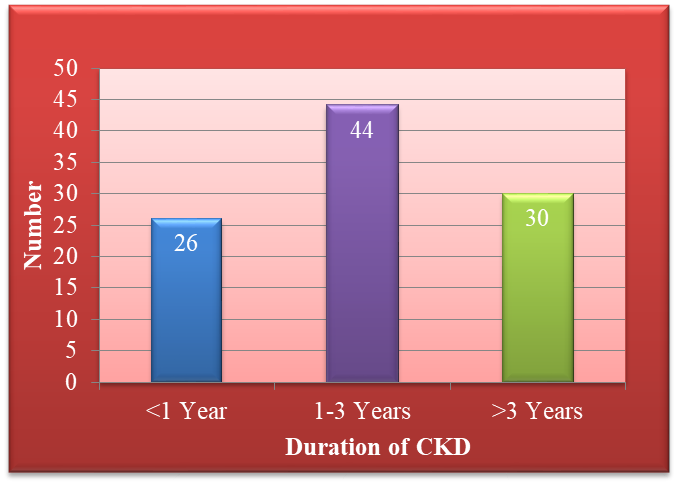
Figure 1: Distribution of patients according to duration of chronic kidney disease.
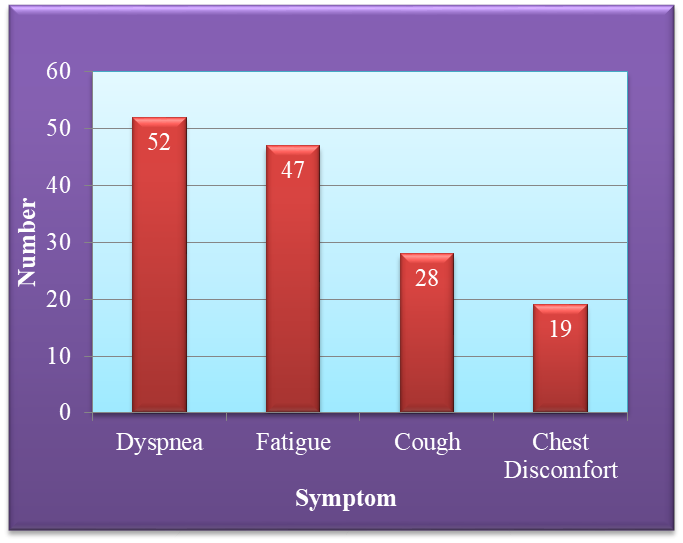
Figure 2: Common respiratory symptoms observed among patients with chronic kidney disease.
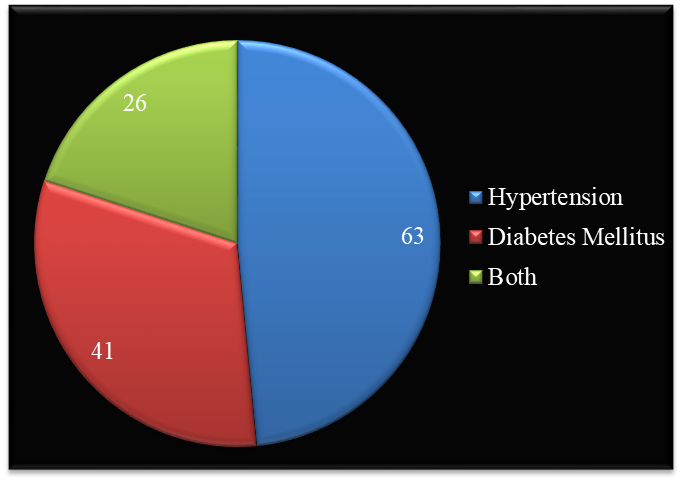
Figure 3: Distribution of comorbidities among patients with chronic kidney disease.
DISCUSSION:
The current study examined pulmonary function impairments in chronic renal disease patients and found that respiratory impairment is frequent in this population. In our investigation, the most commonly seen aberration was a restrictive ventilatory defect, which indicated lower lung capacities in CKD patients. Several recent investigations assessing pulmonary function in renal failure [9] have revealed similar findings. The decrease in FVC and FEV1 seen in our study could be attributable to a variety of pathophysiological processes associated with CKD. Fluid overload, interstitial pulmonary edema, and decreased respiratory muscle power can all dramatically diminish lung expansion and ventilation capacity [10].
Previous research has revealed that uremic toxins and metabolic acidosis may cause respiratory muscle fatigue and decreased pulmonary compliance. These characteristics contribute to restrictive ventilatory abnormalities in individuals with severe renal disease [11]. Another significant finding from the current study was the steady reduction in pulmonary function metrics with increasing CKD stage. Patients with advanced stages of CKD had considerably lower FVC and FEV1 values than those in the early stages. Other investigations have revealed similar findings, indicating a clear link between deteriorating renal function and reduced pulmonary function [12].
Chronic inflammation and oxidative stress associated with CKD may potentially contribute to lung structural alterations. Persistent inflammatory processes can damage the alveolar-capillary membrane, resulting in poor gas exchange and decreased lung flexibility [13]. Furthermore, anemia, which is common in CKD patients, might worsen respiratory symptoms by lowering blood oxygen-carrying capacity. This may result in lower exercise tolerance and greater dyspnea in affected persons [14].
Several studies have found that pulmonary problems in CKD patients go undiagnosed because respiratory assessments are not frequently performed during clinical evaluations. Routine spirometry screening may aid in the detection of early pulmonary dysfunction, allowing for timely therapeutic measures [15]. The current study's findings underscore the relevance of assessing pulmonary function in patients with chronic renal disease. Early diagnosis and treatment of respiratory problems can minimize morbidity and improve quality of life in this patient population [16].
Furthermore, the current study's findings on the distribution of respiratory symptoms and comorbidities among CKD patients indicate chronic kidney disease's systemic effects. These findings underscore the importance of comprehensive clinical evaluation and early detection of respiratory problems in CKD patients.
CONCLUSION:
Pulmonary dysfunction is a prevalent but often overlooked consequence in people with chronic renal failure. The current study found that restrictive ventilatory abnormalities are the most common pulmonary abnormality among CKD patients, with gradual deterioration in pulmonary function as CKD progresses. Routine pulmonary function testing should thus be regarded an important component of the clinical evaluation of CKD patients. Early detection and treatment of respiratory problems can improve quality of life and minimize morbidity in this patient population.
REFERENCES:
1. Webster AC, Nagler EV, Morton RL, Masson P. Chronic kidney disease. Lancet. 2017; 389(10075):1238–1252.
2. Gembillo G, Siligato R, Santoro D. Lung dysfunction and chronic kidney disease: A complex network of multiple interactions. Int J Mol Sci. 2023; 24(6):5127.
3. Al-Harbi A, Al-Sayed A, Al-Rashidi K. Pulmonary complications in patients with chronic kidney disease. Nephrol Rev. 2019; 11(2):45-52.
4. Pellegrino R, Viegi G, Brusasco V, Crapo RO, Burgos F, Casaburi R, et al. Interpretative strategies for lung function tests. Eur Respir J. 2015; 26(5):948-968.
5. Yilmaz S, Yildirim Y, Yilmaz Z. Evaluation of pulmonary function tests in patients with chronic kidney disease. Respir Med. 2016; 112:1-6.
6. Mukai H, Ming P, Lindholm B, Heimburger O, Barany P, Stenvinkel P, et al. Fluid overload and pulmonary complications in chronic kidney disease. Kidney Int Rep. 2018; 3(4):912-920.
7. Hsu CY, Bansal N. Measured GFR as “gold standard” – all that glitters is not gold? Kidney Int. 2014; 86(6):1039-1041.
8. Agarwal R. Pulmonary dysfunction in chronic kidney disease. Clin Nephrol. 2013; 79(3):183-190.
9. Sharma R, Sharma S, Gupta A. Pulmonary function abnormalities in patients with chronic kidney disease. Indian J Nephrol. 2018; 28(3):210-215.
10. Singh NP, Gupta S, Bansal R. Respiratory dysfunction in chronic renal failure patients. J Assoc Physicians India. 2016; 64(4):45-49.
11. Bush A, Gabriel R. Uremic toxins and respiratory muscle dysfunction in renal failure. Chest. 2015; 147(3):742-748.
12. Han S, Kim Y, Lee J. Association between pulmonary function and rapid kidney function decline. BMJ Open Respir Res. 2024; 11:e002107.
13. Zoccali C, Tripepi G, Mallamaci F. Inflammation and pulmonary complications in chronic kidney disease. Nephrol Dial Transplant. 2014; 29(5):963-969.
14. Vaziri ND. Anemia and impaired oxygen transport in chronic kidney disease. Kidney Int. 2012; 82(1):19-22.
15. Siddiqui H, Khan MA. Respiratory complications in chronic kidney disease patients. Respir Med. 2021; 176:106246.
16. Ramulu M, Rao P. Clinical profile and spectrum of respiratory disorders in chronic kidney disease patients. Int J Med Pharm Res. 2025; 9(2):101-106.