Comparative study on topical versus intravenous administration of Tranexamic acid to minimise peri-operative blood loss in caesarean section
- Meghna Das , Associate Professor, Department of Obstetrics and Gynaecology, Nalbari Medical College, Assam, India.
- Sitalakshmi Srinivasan , Senior Resident, Department of Obstetrics and Gynaecology, Nalbari Medical College, Assam, India.
- Pranita Thakuria , Assistant Professor, Department of Obstetrics and Gynaecology, Nalbari Medical College, Assam, India.
Article Information:
Abstract:
Background: Peri-operative haemorrhage during caesarean section remains a significant concern, with rising surgery rates in India and Assam increasing the burden of postoperative complications. While intravenous (IV) Tranexamic Acid (TXA) is an established antifibrinolytic used to reduce postpartum haemorrhage, it is associated with systemic side effects such as nausea, vomiting, and a potential risk of thrombosis. Topical administration offers an alternative by achieving high drug concentrations at the surgical site with low systemic absorption. This study compared the efficacy and safety of topical versus intravenous TXA in minimising blood loss during caesarean sections. Methodology: A study was conducted over six months involving 500 women undergoing caesarean section, randomised into two groups of 250 each. The IV TXA group received a 10 mg/kg bolus followed by a 2 mg/kg/h infusion. The Topical TXA group received 1.5 g of TXA in 100 ml of saline applied to the raw surface of the uterus before peritoneal closure. Primary outcomes included intra-operative and postoperative blood loss, while secondary outcomes focused on TXA-related side effects and the need for blood transfusions. Results: The mean postoperative blood loss during the first 24 hours was significantly lower in the topical group ($62.16 \pm 14.39$ ml) compared to the intravenous group ($71.09 \pm 22.82$ ml) ($p = 0.006$). Furthermore, 90% of the topical group experienced blood loss under 100 ml, compared to 77.14% in the IV group. Notably, side effects were significantly more prevalent in the IV group (53%) than in the topical group (20%). No significant difference in the mean surgical duration was observed between the two groups. Conclusion: Topical administration of Tranexamic Acid is a safe and effective alternative to the intravenous route for reducing peri-operative blood loss in caesarean sections. It provides superior localised haemostatic control and a markedly improved safety profile by significantly reducing the incidence of systemic side effects. Given its efficacy and low cost, topical TXA is a viable technique for optimising maternal outcomes in obstetric surgery.
Keywords:
Article :
INTRODUCTION:
Peri-operative haemorrhage during caesarean section is defined as surgical blood loss over 1000 ml or an amount of blood loss necessitating transfusion of blood.1 Since blood transfusion has its cons, intraoperative haemostatic procedures are needed during caesarean section, such as surgical haemostasis in the form of haemostatic sutures (or clamping), electrocoagulation, ultrasonically activated scalpel, etc.1,2 Moreover, haemostatic medications can also be used to minimise haemorrhage during surgery. One such drug is Tranexamic acid.3
Tranexamic acid (TXA) is an antifibrinolytic drug that prevents plasminogen activation and clot disintegration. It is also used to control bleeding due to fibrinolysis.4 It binds to plasminogen's lysine-binding site, preventing fibrinolysis when fibrin combines with it.5 It is seven times more effective than Epsilon animo-caproic Acid (EACA), hence it is recommended for the prevention or management of excessive bleeding caused by fibrinolytic medications, menorrhagia, recurrent epistaxis, hyphaema from eye injuries, peptic ulcers, tonsillectomy, prostatic surgery, tooth extraction in haemophiliacs, cardiopulmonary bypass surgery, etc.5
Though intravenous TXA has been routinely used in many surgical settings, it has been associated with adverse effects such as thrombosis, elevated risk of seizures and renal impairment.6 A growing number of the medical fraternity is interested in using TXA topically to stop bleeding during major surgeries because of the safety issues associated with intravenous TXA. The possible risk of thrombosis necessitates research into alternate haemostatic techniques, as there are only a few published cases of thromboembolism with TXA given intravenously. However, meta-analyses do not point to an increased risk of thromboembolic events with intravenous TXA.7
TXA used topically has a low systemic concentration with an elevated drug concentration at the wound area. Research from orthopaedic and cardiac surgeries has demonstrated that topical application of TXA has an equivalent or better effect on bleeding and thus, the need for transfusion can be comparatively reduced. There have been no reports of side effects or drug interactions with topical therapy, and TXA is reasonably priced.11 Therefore, topical usage of TXA to reduce blood loss following major surgical procedures has currently emerged as a potential technique.8
There is currently literature demonstrating promising results for the use of topical TXA as a haemostatic agent in gynaecological surgery.9,10 In obstetrics, intravenous TXA has been established as an efficacious pharmacological method to reduce postpartum haemorrhage. However, there are not many studies on the application of topical TXA during caesarean section, which may lead to fewer systemic side effects.
Rathore and Gupta11 established in 2021 that prophylactic TXA used intravenously before skin incision or topical application on the placental bed after placental delivery in patients undergoing caesarean section for placenta praevia, significantly reduces intra-operative blood loss. They also concluded that TXA reduces the incidence of postpartum haemorrhage, need for blood transfusion, and need for additional uterotonics or additional surgical interventions in the form of haemostatic sutures, balloon tamponade, uterine artery ligation or caesarean hysterectomy.
In 2023, Hany et al.10 concluded that TXA-soaked gelatin sponges are safe and effective in reducing postoperative drainage with blood loss during caesarean section. They found a significantly lower incidence of sub-rectal hematomas in cases where TXA-soaked sponges were used.
Considering the above facts regarding the advantages of topical TXA administration, we have chosen topical TXA to minimise peri-operative blood loss in caesarean section as a topic of research for the present study.
METHODOLOGY:
The study was conducted over 6 months at the Department of Obstetrics and Gynaecology, Nalbari Medical College and Hospital, Nalbari, Assam. 500 women undergoing caesarean section who qualified the inclusion criteria were chosen. The following women were excluded
from our study:
a) Patients with preoperative haemoglobin < 8gm/dl.
b) Patients with a history of epilepsy, thromboembolic events, coagulopathy and those on low-dose aspirin or another antiplatelet or anticoagulant drug like warfarin.
c) Allergy to TXA.
d) Women with preeclampsia/HELLP syndrome
e) Patients undergoing emergency hysterectomy.
f) Patients undergoing surgeries other than caesarean section.
g) Patients who are haemodynamically unstable.
Of these, 250 women were randomised to the Intravenous TXA group, and the remaining 250 to the Topical TXA group.
a) Intravenous TXA Group: After administering anaesthesia, a 10 mg/kg intravenous bolus of TXA was administered in 50 ml of 0.9% saline over a period of 10 minutes. Following this, a continuous infusion of 2 mg/kg/h of TXA was given in 100 ml of 0.9% saline until the procedure was completed.
b) Topical TXA Group: After the procedure was completed and just before closing the peritoneum, 1.5 g of TXA was mixed with 100 ml of 0.9% saline and applied topically to the raw surface of the uterus.
Intraoperative blood loss was assessed by measuring the weight of used sponges and the volume of blood collected in suction bottles, with fluids introduced during the procedure subtracted from total losses. The surgery duration and hospital stay was recorded.
Postoperative blood loss was evaluated from the surgical drain (if present) for the first 24 hours, with any additional fluids used during surgery deducted. Secondary outcomes included changes in haematocrit at 24 hours postoperatively and the need for any blood transfusions. Patients with a postoperative haemoglobin below 8 gm/dl received packed red blood cells (PRBC).
Patients were also monitored for TXA side effects, such as nausea and thromboembolic events, during their hospital stay. They will also have follow-up appointments after two weeks to check for any complications.
RESULTS:
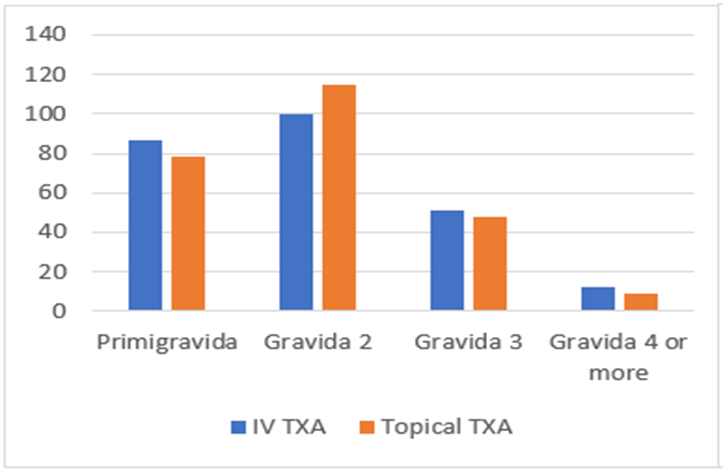
Figure 1: Obstetric history
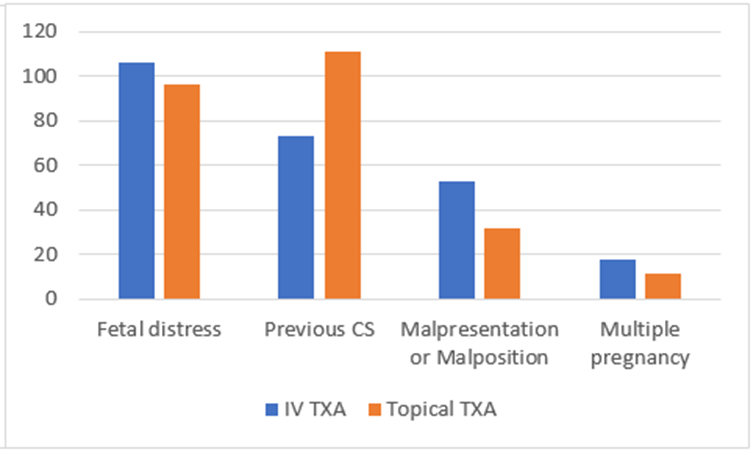
Figure 2: Indication for caesarean sectiom
The majority of the study participants were 2nd gravida and primigravida (Figure 1). The indications for caesarean section in both groups are listed in Figure 2.
The mean duration of surgery in both groups was not significantly different (See Table 1)
Table 1: Duration of surgery in both groups
|
|
IV TXA |
Topical TXA |
p value |
||
|
Mean |
±S.D. |
Mean |
±S.D. |
||
|
Duration of Surgery (minutes) |
35.50 |
0.38 |
38.03 |
0.40 |
0.191 |
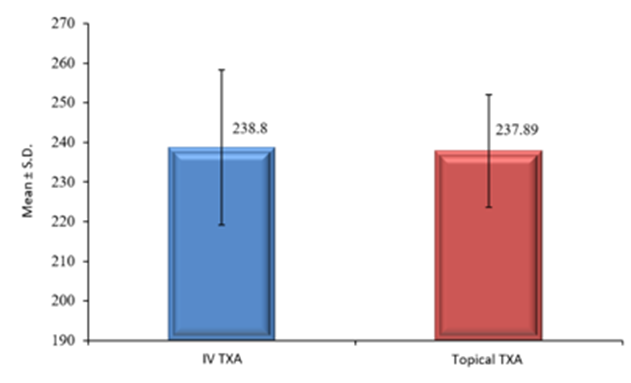
Figure 3: Mean intra-operative blood loss
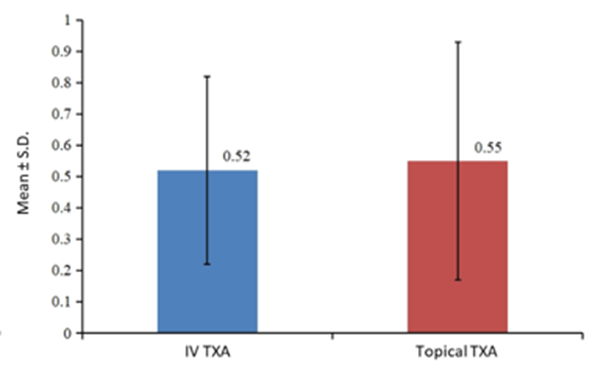
Figure 4: Difference in haemoglobin after 24 hours of surgery
The mean intraoperative blood loss was 238.8±19.54 ml in the intravenous group and 237.89±14.19 ml in the topical group (See Figure 3). There was no significant difference between the two groups having p-value of 0.752. As shown in Figure 4, the mean difference in haemoglobin (between preoperative status and 24 hours after surgery) in the intravenous group is 0.52±0.30 gm/dl, and in the topical group is 0.55±0.38 gm/dl. There was no significant difference between the two groups (p-value = 0.590).
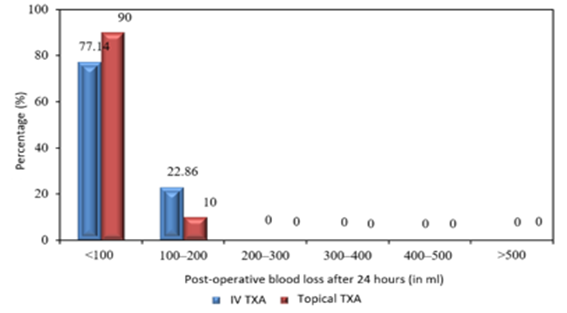
Figure 5: Post-operative blood loss at 24 hours
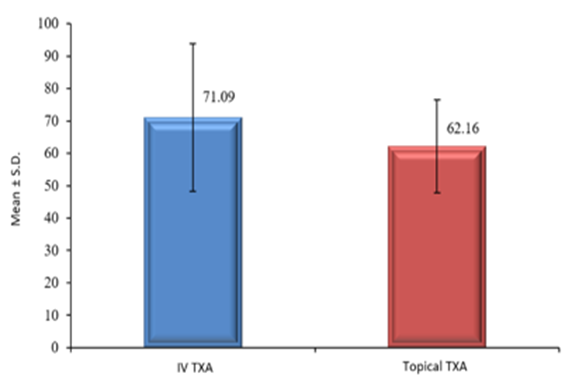
Figure 6: Mean post-operative blood loss
The postoperative blood loss measured during the first 24 hours was <100 ml in 77.14% of the intravenous group and 90 % of the topical group (Figure 5). The mean postoperative blood loss during the first 24 hours was 71.09±22.82 ml in the intravenous group and 62.16±14.39 ml in the topical group (Figure 6). There was a significant difference between the two groups with a p-value of 0.006.
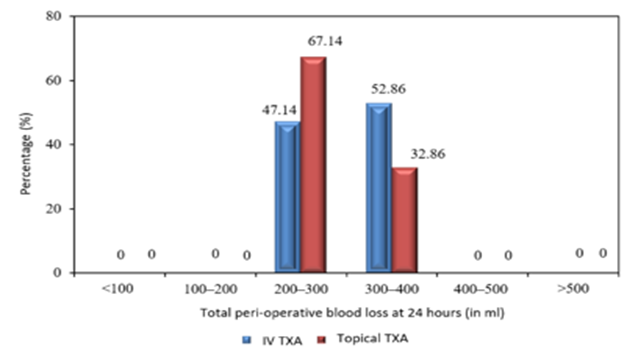
Figure 6: Total peri-operative blood loss at 24 hours
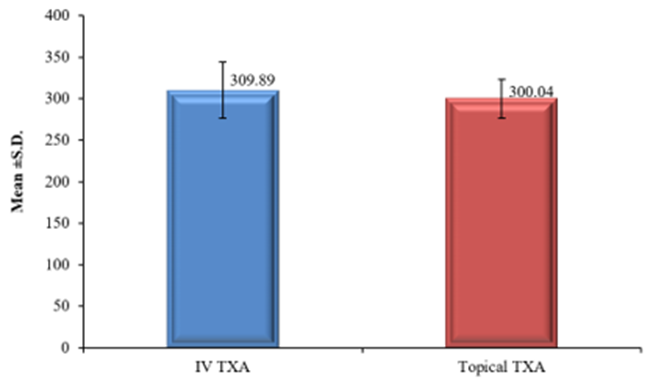
Figure 7: Mean peri-operative blood loss
The peri-operative blood loss showed a significant difference between the two groups with a p-value of 0.017. The majority of the study population, that is, 52.86 % of the intravenous group, had a peri-operative blood loss of 300-400 ml, while 67.14% of the topical group had a peri-operative blood loss of 200-300ml (Figure 6). On calculating the mean peri-operative blood loss there was a significant difference between the two groups with p-value of 0.048. The mean perioperative blood loss was 309.89±33.98 ml in the intravenous group and 300.04±23.34 ml in the topical group (Figure 7).
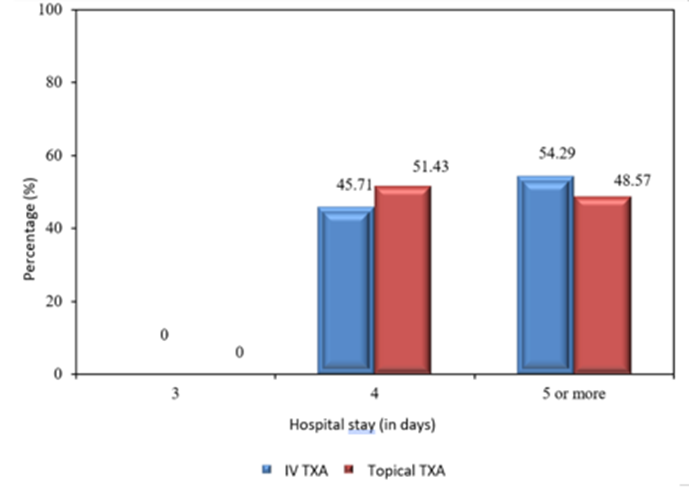
Figure 8: Duration of hospital stay
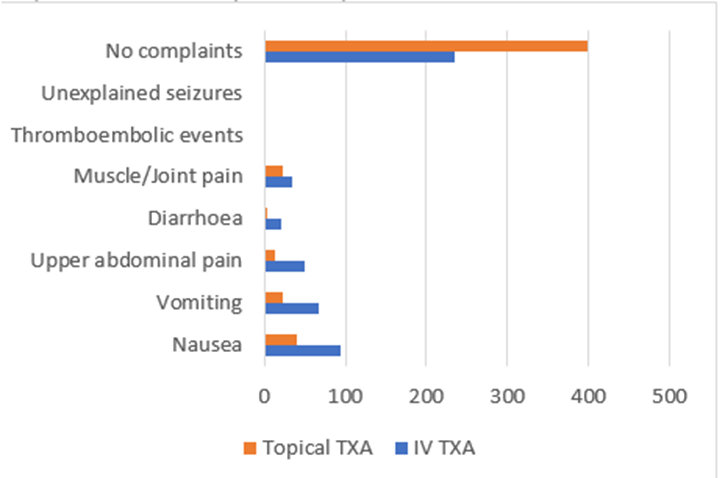
Figure 9: TXA side effects
The duration of hospital stay was seen to be more in intravenous group which was 5 or more days in 54.29% of the study population in that group, while it was seen to be 4 days in 51.43% of the topical group (Figure 8). The p-value is 0.553, indicating no significant difference between the two groups. 53% of the intravenous group experienced at least one TXA side effect (nausea, vomiting, diarrhoea, upper abdominal pain, muscle/joint pain), whereas only 20.4% of the topical group experienced any of these adverse effects (Figure 9).
DISCUSSION:
The rate of caesarean section in India has been steadily rising in the last few decades.12 As per the recent data (NFHS-5, 2019-21), the caesarean rate in India is around 21.5%, a significant jump from 17.2%, as reported in NFHS-4 (2015-16). The NFHS-5 (2019-21) data also reveals that Assam's caesarean rate is 18.1%.13 With this rise comes an increased burden of caesarean-associated morbidities and postoperative complications.1
TXA was first used to treat bleeding problems and severe menstrual bleeding. Later, owing to its efficacy, it was utilised for elective surgeries as well. TXA has been used for decades. But it wasn't until the Clinical Randomisation of an Antifibrinolytic in Significant Haemorrhage (CRASH-2) Trial was published in 2010 by Robert et al.14 in the Health Technology Assessment journal, that the full potential of TXA was acknowledged. This was a randomised controlled trial and economic evaluation of the effects of TXA on death, vascular occlusive events and transfusion requirement in bleeding trauma patients.15 The CRASH-2 trial thus concluded that TXA dramatically decreased mortality in trauma patients with severe bleeding, which enhanced the use of TXA.15
The WOMAN Trial (World Maternal Antifibrinolytic Trial) 2010, by Shakur et al., also serves as evidence for the efficacy of TXA. According to the findings of the WOMAN trial, the impact of intravenous TXA on postpartum haemorrhage is comparable to that observed in trauma and surgery.3 The study further showed that there was no elevated risk of thromboembolic events, and there was a notable decrease in deaths from bleeding, reduced rates of laparotomy and hysterectomy with the use of tranexamic acid.16
Topical application of TXA results in a low systemic concentration while achieving a higher concentration at the wound site. Studies in orthopaedic and cardiac surgery have shown that using TXA topically is as effective, or even more effective, in reducing bleeding compared to other methods, thereby decreasing the need for blood transfusions. There have been no reported side effects or drug interactions associated with topical TXA therapy, and it is also reasonably priced.11 Topical application of TXA shows promise in reducing blood loss after major surgical procedures.8
Mitra et al.9 conducted a randomised controlled study on the topical versus intravenous administration of TXA to reduce blood loss during the perioperative period of abdominal hysterectomy. It was determined that topical administration of TXA is just as effective as its intravenous treatment. Sallam and Shady, in their study in 2018, revealed that both the intravenous and topical TXA groups performed better than a 0.9% saline-only control group in terms of blood loss during abdominal hysterectomy, even though there was no appreciable difference between the two groups.10
As listed above, numerous studies demonstrate promising results for topical TXA as a hemostatic agent in gynaecological surgeries. Yet, there is a dearth of data on the use of topical TXA in caesarean sections, though the efficacy of intravenous TXA is well-established.3,17 Recent studies have suggested that topical TXA may be a non-inferior alternative during caesarean sections.
In 2021, Rathore and Gupta11 demonstrated that the prophylactic administration of TXA, either intravenously prior to skin incision or topically to the placental bed post-delivery, significantly mitigates intraoperative blood loss in patients undergoing cesarean sections due to placenta previa. Their findings also indicated that TXA is associated with a reduced occurrence of postpartum haemorrhage, necessity for blood transfusions, and a lower demand for additional uterotonics or surgical procedures, which may include hemostatic sutures, balloon tamponade, uterine artery ligation, or cesarean hysterectomy.
In 2023, Hany et al.10 determined that the application of gelatin sponges infused with TXA is both a safe and effective method for decreasing postoperative drainage and estimated blood loss in caesarean deliveries. Their investigation revealed a significantly reduced incidence of subrectal hematomas in patients treated with TXA-soaked sponges.
CONCLUSION:
In light of the findings, it is evident that the topical administration of Tranexamic Acid (TXA) serves as a highly effective and safer alternative to the traditional intravenous route for managing peri-operative blood loss during caesarean sections. The study demonstrates that topical application—consisting of 1.5 g of TXA mixed with 100 ml of saline applied to the raw surface of the uterus—resulted in a statistically significant reduction in mean postoperative blood loss compared to intravenous administration. Specifically, 90% of patients in the topical group maintained postoperative blood loss under 100 ml, whereas only 77.14% of the intravenous group achieved the same. This superior haemostatic control was achieved without extending the mean duration of the surgical procedure.
Furthermore, the safety profile of the topical approach is markedly better, as it achieved high drug concentrations at the wound site while maintaining low systemic levels. This clinical advantage is reflected in the dramatic reduction of adverse effects; while over half of the patients in the intravenous group suffered from side effects like nausea, vomiting, or gastrointestinal pain, only 20.4% of those in the topical group reported such complications. Given that topical TXA is reasonably priced and demonstrated no significant drug interactions or thromboembolic events in this study, it offers a promising approach to reducing the need for blood transfusions and additional uterotonics. Ultimately, topical TXA should be considered a non-inferior, and perhaps preferred, pharmacological method for improving maternal outcomes in obstetric surgery.
REFERENCES:
1. Fawcus S, Moodley J. Postpartum haemorrhage associated with caesarean section and caesarean hysterectomy. Best Pract Res Clin Obstet Gynaecol. 2013 Apr;27(2):233–49.
2. Body mass and risk of complications after hysterectomy on benign indications | Human Reproduction | Oxford Academic [Internet]. [cited 2025 Mar 22]. Available from: https://academic.oup.com/humrep/article-abstract/26/6/1512/2914011
3. Shakur H, Elbourne D, Gülmezoglu M, Alfirevic Z, Ronsmans C, Allen E, et al. The WOMAN Trial (World Maternal Antifibrinolytic Trial): tranexamic acid for the treatment of postpartum haemorrhage: an international randomised, double blind placebo controlled trial. Trials. 2010 Apr 16;11:40.
4. Ortmann E, Besser MW, Klein AA. Antifibrinolytic Agents in Current Anaesthetic Practice. Survey of Anesthesiology. 2014 Aug;58(4):192.
5. Tripathi KD. Essentials of Medical Pharmacology. Indian Journal of Pharmacology. 1994 Jun;26(2):166.
6. Ker K, Edwards P, Perel P, Shakur H, Roberts I. Effect of tranexamic acid on surgical bleeding: systematic review and cumulative meta-analysis. Bmj [Internet]. 2012 [cited 2025 Mar 22];344. Available from: https://www.bmj.com/content/344/bmj.e3054.abstract
7. Henry DA, Carless PA, Moxey AJ, O’Connell D, Stokes BJ, Fergusson DA, et al. Anti-fibrinolytic use for minimising perioperative allogeneic blood transfusion. Cochrane database of systematic reviews [Internet]. 2011 [cited 2025 Mar 22];(3). Available from: https://www.cochranelibrary.com/cdsr/doi/10.1002/14651858.CD001886.pub4/abstract
8. Ipema HJ, Tanzi MG. Use of Topical Tranexamic Acid or Aminocaproic Acid to Prevent Bleeding After Major Surgical Procedures. Ann Pharmacother. 2012 Jan;46(1):97–107.
9. Mitra S, Jain K, Singh J, Jindal S, Mehra R, Singh S. Topical vs. intravenous administration of tranexamic acid to minimize blood loss in abdominal hysterectomy perioperatively: A randomized controlled study. Journal of Anaesthesiology Clinical Pharmacology. 2022;38(2):233–9.
10. Sallam HF, Shady NW. Reducing Blood Loss During Abdominal Hysterectomy with Intravenous Versus Topical Tranexamic Acid: A Double-Blind Randomized Controlled Trial. J Obstet Gynecol India. 2019 Apr;69(2):173–9.
11. Rathore DM, Gupta DA. Comparative study of topical and intravenous tranexamic acid for prevention of postpartum haemorrhage in placenta praevia cesarean section. Int J Clin Obstet Gynaecol [Internet]. 2021 [cited 2025 May 13];5(6):213–9. Available from: https://www.gynaecologyjournal.com/archives/2021/vol5issue6/D/5-5-46
12. Tripathy B, Jena A, Pandey AK, Mishra SS, Mishra C. Caesarean Section Delivery in India: A Comparative Assessment of Geographical Variability Using Nationally Representative Survey Factsheet Data. National Journal of Community Medicine [Internet]. 2023 Apr 1 [cited 2024 Jul 2];14(04):260–6. Available from: https://njcmindia.com/index.php/file/article/view/2650
13. National Family Health Survey 5 Assam [Internet]. Ministry of Health and Family Welfare; 2019. Available from: http://rchiips.org/nfhs/NFHS-5Reports/Assam.pdf
14. Edwards P, Shakur H, Barnetson L, Prieto D, Evans S, Roberts I. Central and statistical data monitoring in the Clinical Randomisation of an Antifibrinolytic in Significant Haemorrhage (CRASH-2) trial. Clinical Trials. 2014 Jun;11(3):336–43.
15. Perel P, Al-Shahi Salman R, Kawahara T, Morris Z, Prieto-Merino D, Roberts I, et al. CRASH-2 (Clinical Randomisation of an Antifibrinolytic in Significant Haemorrhage) intracranial bleeding study: the effect of tranexamic acid in traumatic brain injury–a nested randomised, placebo-controlled trial. Health technology assessment (Winchester, England). 2012;16(13):iii–54.
16. Swenson CW, Berger MB, Kamdar NS, Campbell Jr DA, Morgan DM. Risk factors for venous thromboembolism after hysterectomy. Obstetrics & Gynecology. 2015;125(5):1139–44.
17. Pacheco LD, Clifton RG, Saade GR, Weiner SJ, Parry S, Thorp JM, et al. Tranexamic Acid to Prevent Obstetrical Hemorrhage after Cesarean Delivery. New England Journal of Medicine [Internet]. 2023 Apr 12 [cited 2025 May 12];388(15):1365–75. Available from: httpkeys://www.nejm.org/doi/full/10.1056/NEJMoa2207419.