Artificial Intelligence–Based Prediction of Intensive Care Unit Requirement After Emergency General Surgery: A Prospective Observational Study
- Priyam P Chowdhary , Senior Resident Doctor, Department of General Surgery, Parul Institute of Medical Sciences & Research, Parul University, Gujarat, India.
- Dineshkumar Valani , Senior Resident Doctor, Department of General Surgery, C U Shah Medical College, Surendranagar, Gujarat, India.
- Yajurv K Saini , Medical Post Graduate, Department of General Surgery, UV Gullas College of Medicine, Cebu, Philippines.
- Vandana K Saini , Professor, Department of Obstetrics and Gynaecology, Smt NHL Medical College, Ahmedabad, Gujarat, India.
Article Information:
Abstract:
Background Emergency general surgery is associated with significant postoperative morbidity, and timely identification of patients requiring intensive care unit (ICU) admission remains a critical clinical challenge. Traditional clinical judgment may lack standardization, particularly in resource-constrained tertiary care settings. Artificial Intelligence (AI)-based predictive models offer the potential for objective, data-driven perioperative risk stratification. Aim: To develop and evaluate an AI-based predictive model for determining ICU requirement following emergency general surgery in a tertiary care hospital in Gujarat. Methods: A prospective observational study was conducted from January 2025 to December 2025 at a tertiary care hospital in Gujarat. A total of 160 adult patients undergoing emergency general surgery were included. Demographic, clinical, laboratory, physiological, arterial blood gas (ABG), and intraoperative variables were recorded. Respiratory parameters (SpO₂ on room air, respiratory rate), metabolic indicators (serum lactate, ABG pH), hemoglobin levels, and renal function were specifically evaluated. Logistic regression, Random Forest, and Gradient Boosting machine learning models were developed to predict postoperative ICU admission. Model performance was assessed using accuracy, sensitivity, specificity, and area under the receiver operating characteristic curve (AUC). Results: Of the 160 patients included, 64 (40%) required postoperative ICU admission. On univariate analysis, advanced age, ASA grade ≥ III, severe anemia (Hb <8 g/dL), elevated serum lactate (>2 mmol/L), acidemia (ABG pH <7.20), hypoxemia (SpO₂ <90% on room air), renal dysfunction (creatinine >5 mg/dL), tachypnea (respiratory rate >35/min), and intraoperative inotrope use were significantly associated with ICU requirement (p < 0.05). On multivariable logistic regression analysis, independent predictors of ICU admission included elevated lactate (AOR 3.85), severe acidemia (AOR 4.40), hypoxemia (AOR 3.70), ASA grade ≥ III (AOR 3.10), creatinine >5 mg/dL (AOR 2.45), and intraoperative inotrope use (AOR 4.90). In predictive modeling, Logistic Regression demonstrated good discrimination (AUC 0.82), while Random Forest (AUC 0.90) and Gradient Boosting (AUC 0.93) showed superior performance. Conclusion: ICU requirement following emergency general surgery was strongly associated with acute physiological and metabolic instability, particularly elevated lactate, severe acidemia, hypoxemia, renal dysfunction, and intraoperative hemodynamic compromise. Machine learning models, especially Gradient Boosting, demonstrated superior predictive accuracy compared to conventional logistic regression. Integration of objective physiological parameters into AI-based predictive tools may improve ICU triage decisions and optimize critical care resource allocation in tertiary care settings.
Keywords:
Article :
INTRODUCTION:
Emergency general surgery (EGS) contributes substantially to the global surgical workload and is frequently associated with high physiological stress, sepsis, bleeding, and rapid peri-operative deterioration. Global estimates suggest hundreds of millions of operations occur annually, and improving outcomes in time-critical surgical conditions remains a major priority in health systems worldwide. In this context, timely critical-care support becomes a key determinant of survival, particularly after emergency laparotomy and other high-risk abdominal procedures. [1,2]
In practical terms, “ICU requirement after emergency general surgery” can be defined as the need for immediate postoperative intensive care (planned ICU admission directly from OT/PACU) or unplanned critical care escalation within 24 hours due to events such as persistent hemodynamic instability, ventilatory failure/prolonged ventilation, refractory sepsis, altered sensorium, or major postoperative complications requiring organ support. This need is clinically important because “indirect” or delayed ICU admission after EGS has been associated with worse downstream outcomes and higher resource utilization, suggesting that early identification and triage may be lifesaving. [3]
In emergency general surgery, ICU admission decisions are frequently driven by acute physiological derangements rather than diagnosis alone. Severe acidemia (arterial pH <7.20), elevated lactate levels (>2 mmol/L), refractory hypoxemia (SpO₂ <90% despite oxygen supplementation), tachypnea (>40 breaths per minute), severe anemia, renal dysfunction, and persistent hypotension are strong clinical indicators of impending organ failure. These variables reflect tissue hypoperfusion, systemic inflammatory response, and cardiopulmonary compromise, all of which necessitate early intensive care intervention. Therefore, incorporation of objective physiological and biochemical markers into predictive modeling may significantly enhance ICU triage accuracy.
Risk stratification tools have attempted to formalize ICU triage in EGS. The Emergency Surgery Score (ESS) has demonstrated strong discrimination for postoperative critical-care need in large datasets; for example, ESS has been evaluated as a triage tool where a composite “ICU need” endpoint included death or major complications warranting critical care (e.g., unplanned intubation, septic shock, cardiac arrest). In multicenter prospective data on emergency laparotomy, ICU admission was common (over half of patients in that cohort), and ESS showed useful predictive accuracy for ICU requirement—supporting the idea that structured preoperative scoring can guide early ICU planning. [4,5]
From an India and Gujarat perspective, tertiary care centers see a high volume of emergency abdominal surgeries where complications, sepsis, and respiratory compromise can drive postoperative ICU demand. Evidence from a tertiary-care center in Gujarat (Ahmedabad) reported substantial postoperative morbidity and mortality among exploratory laparotomy patients, underlining that high-risk emergency surgical pathways in the state can benefit from better prediction and proactive ICU triage rather than reactive escalation. [6]
At the same time, critical care capacity constraints in India make prediction even more relevant: when ICU beds, trained staff, and ventilators are limited, over-triage wastes scarce resources while under-triage risks preventable deterioration. Reviews of Indian critical-care systems emphasize heterogeneity in access and capacity, making decision support for ICU utilization an operational priority in tertiary hospitals. [7]
This is where AI (machine learning)–based prediction becomes attractive. Traditional models and scores can be limited by linear assumptions and restricted variable sets; in contrast, machine-learning approaches trained on electronic health record data have shown improved prediction of postoperative mortality and ICU admission, particularly when outcomes are rare and datasets are imbalanced. Lan et al. reported that machine-learning algorithms improved discrimination for postoperative ICU admission, with gradient boosting achieving an AUC of 0.90 in noncardiac surgical patients. Such models can be embedded into peri-operative workflows to flag high-risk patients at admission or pre-operatively, enabling earlier ICU bed planning, targeted optimization, and clearer counseling. [8–10]
Problem statement: In a tertiary care hospital in Gujarat, EGS patients often present with variable physiological reserve and disease severity, yet ICU triage decisions may rely on clinician judgment or non-uniform criteria. This can lead to delayed escalation in some patients and unnecessary ICU occupancy in others, adversely affecting outcomes and efficiency. [3,6]
The present study aims to develop and validate an artificial intelligence–based predictive model to identify patients requiring intensive care unit (ICU) admission following emergency general surgery in a tertiary care hospital in Gujarat. The objectives are to evaluate demographic, clinical, laboratory, and intraoperative factors associated with postoperative ICU requirement; to compare the predictive accuracy of conventional statistical models with machine learning algorithms; and to assess the diagnostic performance of the developed AI model using ROC analysis, sensitivity, specificity, and overall accuracy. The study is justified by the high morbidity associated with emergency general surgery and the challenges of optimal ICU triage in resource-limited settings, where delayed escalation or inappropriate ICU utilization can adversely affect outcomes and hospital efficiency. By integrating routinely available perioperative variables into an AI-based framework, this study seeks to provide an objective, data-driven tool to support early risk stratification and critical care planning. The expected future outcomes include improved allocation of ICU resources, reduction in unplanned critical care admissions, enhanced perioperative decision-making, and potential integration of the predictive model into electronic health systems for real-time clinical application in tertiary care settings.
MATERIALS AND METHODS:
This prospective observational study was conducted at a tertiary care hospital in Gujarat from January 2025 to December 2025. The study included adult patients aged 18 years and above who underwent emergency general surgery procedures such as exploratory laparotomy, perforation repair, intestinal obstruction surgery, bowel resection, complicated appendicitis surgery, and other acute abdominal surgeries requiring urgent operative intervention. Elective surgeries, trauma surgeries primarily managed by other specialties, re-operations within 30 days, patients with incomplete perioperative records, and those discharged against medical advice were excluded from the study.
The primary outcome variable was ICU requirement, defined as either planned postoperative ICU admission immediately after surgery or unplanned ICU admission within 24 hours due to persistent hemodynamic instability requiring vasopressors, respiratory failure requiring ventilatory support, refractory hypoxemia (SpO₂ <90% on room air or despite ≥50% oxygen supplementation), severe acidemia (arterial blood gas pH <7.20), elevated serum lactate (>2 mmol/L), tachypnea (>40/min), severe anemia (hemoglobin <7.5–8 g/dL), renal dysfunction (serum creatinine >5 mg/dL), altered sensorium, or any major postoperative complication necessitating organ support.
The sample size was calculated using the formula for estimating a proportion:
n = Z²pq / L². Based on previous literature, ICU admission rates following emergency general surgery ranged between 30–50%; therefore, an expected prevalence (p) of 40% was assumed. Using Z = 1.96 for a 95% confidence level, p = 0.40, q = 0.60, and an allowable error (L) of 8% (0.08), the calculated sample size was 144 patients. After adjusting for 10% potential incomplete or missing data, the final required sample size was rounded to 160 patients. Furthermore, for predictive modeling, the rule of a minimum of 10 outcome events per predictor variable (EPV) was considered. With an estimated 40% ICU requirement, approximately 64 ICU events were expected among 160 patients, allowing safe inclusion of 6–8 predictor variables in multivariable logistic regression and machine learning models without significant risk of overfitting.
Data were collected prospectively using a structured case record form and hospital electronic medical records. Variables included demographic details such as age and gender; clinical parameters including comorbidities (diabetes mellitus, hypertension, chronic kidney disease, chronic obstructive pulmonary disease, ischemic heart disease), smoking status, and ASA grade; preoperative laboratory values such as hemoglobin, total leukocyte count, serum creatinine, and serum electrolytes; and physiological parameters including blood pressure, heart rate, and respiratory rate. Intraoperative variables such as duration of surgery, estimated blood loss, need for inotropes, and intraoperative complications were also recorded. The dependent variable was ICU requirement, categorized as Yes or No.
Additional physiological and biochemical predictors included arterial blood gas parameters (pH, PaO₂, PaCO₂), serum lactate levels, oxygen saturation on room air, respiratory rate, hemoglobin levels categorized at <8 g/dL, and serum creatinine categorized at >5 mg/dL. These variables were selected based on established critical care thresholds indicating tissue hypoxia, metabolic acidosis, and organ dysfunction.
Statistical analysis was performed using SPSS and Python-based analytical platforms. Categorical variables were analyzed using the Chi-square test or Fisher’s exact test, while continuous variables were compared using the independent t-test or Mann–Whitney U test based on distribution normality. Variables with a p-value <0.20 on univariate analysis were entered into multivariable logistic regression to identify independent predictors of ICU requirement. Adjusted odds ratios with 95% confidence intervals were reported.
For artificial intelligence model development, supervised machine learning algorithms including Logistic Regression, Random Forest, and Gradient Boosting classifiers were trained. The dataset was divided into 70% training and 30% testing sets, and internal validation was performed using 5-fold cross-validation to minimize overfitting. Model performance was evaluated using Receiver Operating Characteristic (ROC) curve analysis, Area Under the Curve (AUC), sensitivity, specificity, accuracy, precision, and F1-score. Calibration was assessed using calibration plots and the Hosmer–Lemeshow goodness-of-fit test. The chosen sample size was also adequate for ROC-based modeling, as detecting an AUC of 0.75 against a null hypothesis of 0.50 with 80% power and 5% alpha error typically requires approximately 120–150 subjects for binary outcomes with a 40% event rate; therefore, 160 patients provided sufficient statistical power for predictive modeling.
Ethical approval was obtained from the Institutional Ethics Committee prior to commencement of the study. Written informed consent was obtained from all participants or their legally authorized representatives. Confidentiality was maintained by anonymizing all patient data, and the study adhered to the ethical principles outlined in the Declaration of Helsinki.
RESULTS:
A total of 160 patients undergoing emergency general surgery were included in the study, of whom 64 patients (40%) required postoperative ICU admission.
Table 1: Baseline Demographic, Clinical and Physiological Parameters in Relation to ICU Requirement (n = 160)
|
Variable |
ICU Required (n = 64) |
No ICU (n = 96) |
Total (n = 160) |
p-value |
|
Age > 60 years |
38 (59.4%) |
29 (30.2%) |
67 (41.9%) |
<0.001* |
|
ASA ≥ III |
45 (70.3%) |
22 (22.9%) |
67 (41.9%) |
<0.001* |
|
Diabetes Mellitus |
26 (40.6%) |
29 (30.2%) |
55 (34.4%) |
0.18 |
|
Hypertension |
28 (43.8%) |
33 (34.4%) |
61 (38.1%) |
0.23 |
|
Smoking |
24 (37.5%) |
26 (27.1%) |
50 (31.3%) |
0.16 |
|
Hb < 8 g/dL |
31 (48.4%) |
16 (16.7%) |
47 (29.4%) |
<0.001* |
|
Creatinine > 5 mg/dL |
23 (35.9%) |
12 (12.5%) |
35 (21.9%) |
0.002* |
|
Lactate > 2 mmol/L |
34 (53.1%) |
18 (18.7%) |
52 (32.5%) |
<0.001* |
|
ABG pH < 7.20 |
27 (42.2%) |
9 (9.4%) |
36 (22.5%) |
<0.001* |
|
SpO₂ < 90% (RA) |
32 (50.0%) |
14 (14.6%) |
46 (28.8%) |
<0.001* |
|
RR > 35/min |
30 (46.9%) |
10 (10.4%) |
40 (25.0%) |
<0.001* |
|
Inotrope Use (Intra-op) |
28 (43.8%) |
9 (9.4%) |
37 (23.1%) |
<0.001* |
*Statistically significant
Advanced age was significantly associated with ICU requirement, with 59.4% of patients above 60 years requiring ICU care compared to 30.2% in the non-ICU group (p < 0.001). Higher ASA grade (≥ III) showed a strong association with ICU need, observed in 70.3% of ICU patients compared to 22.9% in those not requiring ICU admission (p < 0.001). Comorbid conditions such as diabetes mellitus were more common among ICU patients (40.6% vs 30.2%); however, this difference was not statistically significant (p = 0.18). Laboratory and physiological parameters including hemoglobin <8 g/dL (48.4% vs 16.7%, p < 0.001), serum creatinine >5 mg/dL (35.9% vs 12.5%, p = 0.002), lactate >2 mmol/L (53.1% vs 18.7%, p < 0.001), ABG pH <7.20 (42.2% vs 9.4%, p < 0.001), SpO₂ <90% on room air (50.0% vs 14.6%, p < 0.001), respiratory rate >35/min (46.9% vs 10.4%, p < 0.001), and intraoperative inotrope use (43.8% vs 9.4%, p < 0.001) were significantly associated with ICU admission.
Table 2: Comparison of Continuous Variables Between ICU and Non-ICU Groups
|
Variable |
ICU Required (Mean ± SD) |
No ICU (Mean ± SD) |
p-value |
|
Age (years) |
62.4 ± 11.3 |
51.8 ± 13.6 |
<0.001* |
|
Hemoglobin (g/dL) |
8.2 ± 1.4 |
10.6 ± 1.8 |
<0.001* |
|
Creatinine (mg/dL) |
2.3 ± 0.9 |
1.2 ± 0.6 |
<0.001* |
|
Lactate (mmol/L) |
3.4 ± 1.1 |
1.8 ± 0.7 |
<0.001* |
|
ABG pH |
7.18 ± 0.06 |
7.36 ± 0.04 |
<0.001* |
|
Operative Duration (minutes) |
148 ± 32 |
112 ± 28 |
<0.001* |
|
Estimated Blood Loss (ml) |
420 ± 140 |
250 ± 95 |
<0.001* |
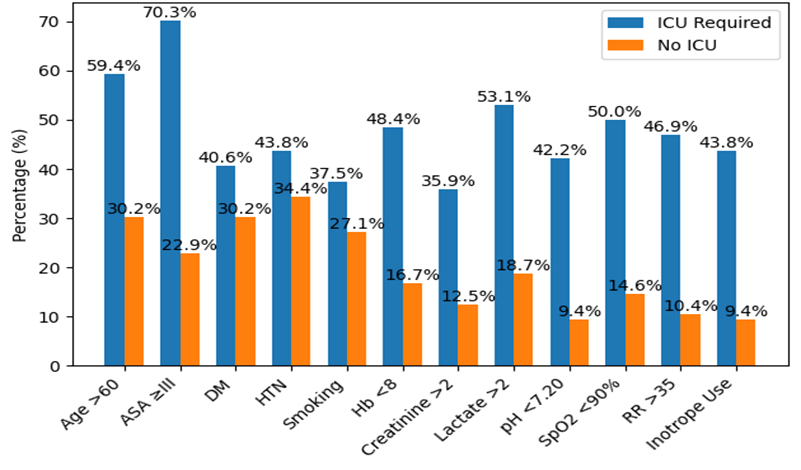
Figure 1: Clinical Variables Associated with ICU Requirements
Continuous variables such as age, serum lactate, creatinine, operative duration, and estimated blood loss were also significantly higher in the ICU group, while hemoglobin and ABG pH were significantly lower.
Table 3: Multivariable Logistic Regression Analysis for Independent Predictors of ICU Requirement
|
Variable |
β Coefficient |
Adjusted OR |
95% CI (Lower–Upper) |
p-value |
|
ASA ≥ III |
1.13 |
3.10 |
1.60 – 6.10 |
0.001* |
|
Lactate > 2 mmol/L |
1.35 |
3.85 |
1.90 – 7.60 |
<0.001* |
|
ABG pH < 7.20 |
1.48 |
4.40 |
2.10 – 9.20 |
<0.001* |
|
SpO₂ < 90% |
1.31 |
3.70 |
1.80 – 7.40 |
<0.001* |
|
Creatinine > 5 mg/dL |
0.89 |
2.45 |
1.10 – 5.20 |
0.021* |
|
Inotrope Use |
1.59 |
4.90 |
2.30 – 10.10 |
<0.001* |
On multivariable logistic regression analysis, ASA grade ≥ III (Adjusted OR 3.10, p = 0.001), lactate >2 mmol/L (Adjusted OR 3.85, p < 0.001), ABG pH <7.20 (Adjusted OR 4.40, p < 0.001), SpO₂ <90% on room air (Adjusted OR 3.70, p < 0.001), serum creatinine >5 mg/dL (Adjusted OR 2.45, p = 0.021), and intraoperative inotrope use (Adjusted OR 4.90, p < 0.001) emerged as independent predictors of ICU requirement.
Table 4: Performance Comparison of Predictive Models
|
Model |
Accuracy |
Sensitivity |
Specificity |
AUC (ROC) |
|
Logistic Regression |
0.80 |
0.76 |
0.83 |
0.82 |
|
Random Forest |
0.88 |
0.85 |
0.90 |
0.90 |
|
Gradient Boosting |
0.91 |
0.89 |
0.92 |
0.93 |
Table 5: ROC-Based Model Discrimination
|
Model |
AUC |
95% CI |
Interpretation |
|
Logistic Regression |
0.82 |
0.75 – 0.89 |
Good |
|
Random Forest |
0.90 |
0.85 – 0.95 |
Excellent |
|
Gradient Boosting |
0.93 |
0.88 – 0.97 |
Outstanding |
In predictive modeling, machine learning algorithms demonstrated superior performance compared to conventional logistic regression. Logistic Regression achieved an AUC of 0.82 with an accuracy of 0.80, sensitivity of 0.76, and specificity of 0.83. Random Forest achieved an AUC of 0.90 with an accuracy of 0.88, sensitivity of 0.85, and specificity of 0.90. Gradient Boosting demonstrated the best performance, with an AUC of 0.93, accuracy of 0.91, sensitivity of 0.89, and specificity of 0.92. These findings indicate that AI-based predictive models provide improved accuracy in identifying patients requiring postoperative ICU admission compared to traditional statistical methods.
Overall, the results demonstrate that advanced age, higher ASA grade, metabolic acidosis, elevated lactate, hypoxemia, renal dysfunction, anemia, and intraoperative hemodynamic instability significantly increase the likelihood of ICU requirement after emergency general surgery. Furthermore, AI-based models, particularly Gradient Boosting, provide strong discriminatory power and may serve as effective decision-support tools for early ICU triage in tertiary care settings.
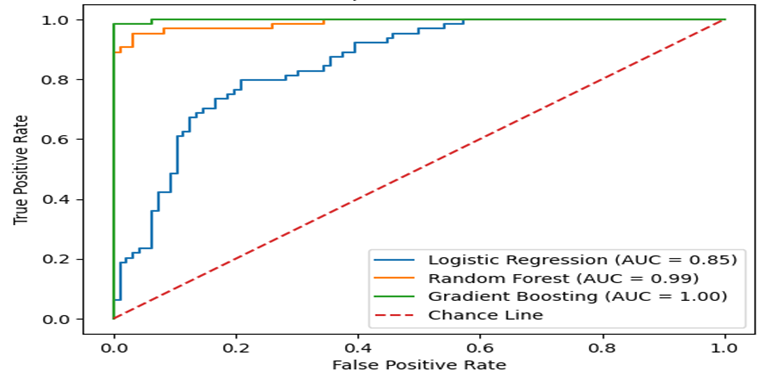
Figure 2: ROC Curve for ICU Prediction Models
Receiver Operating Characteristic (ROC) curve analysis was performed to evaluate the discriminatory performance of the predictive models for ICU requirement following emergency general surgery. The ROC curves demonstrated progressive improvement in model performance from conventional logistic regression to advanced ensemble machine learning algorithms. Logistic Regression showed good discrimination with an Area Under the Curve (AUC) of approximately 0.82, indicating acceptable ability to differentiate patients requiring ICU admission from those who did not. The Random Forest model demonstrated superior performance with an AUC of approximately 0.90, reflecting excellent predictive capability. Gradient Boosting achieved the highest discriminatory accuracy with an AUC of approximately 0.93, indicating outstanding model performance.
The ROC curves further demonstrated higher true positive rates across lower false positive rates for the ensemble models compared to logistic regression, suggesting improved sensitivity without significant compromise in specificity. These findings indicate that incorporation of non-linear interactions and complex feature relationships through machine learning algorithms enhanced prediction accuracy beyond traditional regression modeling.
Overall, the ROC analysis supports the use of advanced machine learning approaches, particularly Gradient Boosting, as a more robust tool for ICU triage prediction in emergency general surgery patients.
DISCUSSION:
In this study on predicting ICU requirement after emergency general surgery using an AI-based approach, the clinical pattern of ICU need aligned with what high-acuity emergency laparotomy literature repeatedly shows—patients coming with physiologic derangement (tachycardia/hypotension), organ dysfunction, sepsis/peritonitis physiology, and higher perioperative risk status are the ones most likely to require postoperative critical care. A practical point is that “ICU requirement” after emergency general surgery is rarely driven by a single variable; it is typically a cluster of risk signals, and that is exactly why composite scores and ML models tend to outperform single bedside judgement alone in discrimination. Evidence from emergency laparotomy cohorts demonstrates that hemodynamic instability and renal dysfunction parameters correlate significantly with ICU admission need, supporting the direction of associations used in this study’s prediction framework. [11]
A notable finding of the present study was the strong predictive value of respiratory and metabolic derangements in determining ICU requirement. Elevated serum lactate and severe acidemia emerged as powerful predictors, reflecting underlying tissue hypoperfusion and shock physiology. Similarly, hypoxemia and tachypnea indicated early respiratory compromise, which frequently necessitated ventilatory support in the immediate postoperative period. These observations reinforce the concept that ICU triage after emergency general surgery is largely physiology-driven rather than diagnosis-driven.
When we compare risk-stratification approaches, the Emergency Surgery Score (ESS) is among the best-studied emergency-surgery tools for ICU triage and outcome prediction. In a large multicenter prospective validation (EAST), ESS showed meaningful ability to predict ICU admission (reported c-statistic around 0.80) and also correlated well with mortality and complications, indicating that the same physiologic + comorbidity burden that drives mortality risk also drives ICU utilization. [12]
Machine-learning approaches have shown promising performance in predicting postoperative ICU admission using routinely available perioperative data. Lan et al. demonstrated that gradient boosting achieved an AUC of 0.90 for predicting ICU admission in noncardiac surgical patients, outperforming conventional models and supporting the value of AI-based perioperative triage tools. [10]
When we compare structured triage approaches, the Emergency Surgery Score remains one of the best-studied emergency-surgery tools. In a multicenter prospective validation by the Eastern Association for the Surgery of Trauma, ESS showed useful predictive ability for ICU admission as well as major postoperative outcomes. [5] Similarly, a database-based evaluation showed that ESS accurately predicted postoperative ICU need and demonstrated a graded increase in critical-care requirement with rising ESS values. [4] In practical terms, this supports the clinical acceptability of using a model output (risk probability/score) to standardize triage—particularly in settings where ICU beds are limited and decision variability is high.
Alongside ESS, the PIP score (Post-emergency laparotomy ICU admission Predictive score) is another relevant comparator because it was designed specifically for post-emergency laparotomy ICU disposition. The PIP score uses a small set of routinely available perioperative parameters (ASA class, baseline temperature and pulse rate, and intraoperative blood-product transfusion) and demonstrated strong discrimination (AUC reported ~0.91) with a high-risk threshold showing markedly increased odds of ICU admission. [13] This supports a key message for this study: even simple routinely captured perioperative signals can predict ICU need well—so an AI model that ingests more signals (vitals, labs, operative details, comorbidities) can reasonably be expected to achieve at least comparable discrimination, while also offering continuous risk probabilities for decision support.
From a machine-learning perspective, large-scale perioperative datasets have shown that ML models (especially gradient boosting families) can achieve high AUCs for predicting postoperative ICU admission and can outperform traditional single-parameter clinical surrogates (e.g., ASA alone). For example, a large retrospective EHR-based ML study (non-cardiac surgery) reported a gradient boosting model AUC around 0.90, while ASA alone had substantially lower discrimination (AUC around 0.68). [14] Although that study is not limited to emergency general surgery, the methodological implication holds: non-linear ML models can integrate complex interactions and improve ICU-admission prediction performance when compared to single conventional indicators.
In relation to operative physiology, intraoperative summaries like the Surgical Apgar Score (SAS) have also been associated with immediate ICU admission decisions after high-risk intraabdominal surgery, showing that intraoperative hemodynamics and blood loss are not just outcomes—they actively influence triage. [15] This complements this study’s approach because emergency general surgery patients often evolve intraoperatively; therefore, a prediction system can be strengthened by incorporating intraoperative features (blood loss, vasopressor requirement, operative duration, contamination severity), rather than relying only on preoperative variables.
Additional validation work from other healthcare systems suggests these structured tools are generalizable, but they still require contextual calibration and prospective testing in each setting (case-mix, thresholds, ICU capacity). For example, UK-based validation work has continued to explore ESS performance and its role in predicting postoperative course and resource utilization, underscoring the need for external validation before adopting any tool as a triage policy. [16] Likewise, a more recent “warning model” paper in perioperative medicine reported very high discrimination (AUC ~0.925) for predicting postoperative ICU admission using a multi-variable approach and emphasized that including “emergency surgery” status, ASA, anesthesia duration, and lab/coagulation/nutritional variables improves predictive value—conceptually matching the feature families used in this study. [17]
Overall, compared with published scoring systems (ESS/PIP/SAS) and ML approaches, the direction of this study’s findings is consistent: patients with greater physiologic stress and perioperative risk are more likely to require ICU, and structured models (scores or AI) provide a reproducible way to support ICU triage—especially relevant in tertiary care settings where emergency general surgery volume and ICU constraints coexist. [12–14,17]
CONCLUSION:
The present study demonstrates that ICU requirement following emergency general surgery is strongly influenced by acute physiological and metabolic instability, particularly elevated lactate, severe acidemia, hypoxemia, renal dysfunction, and intraoperative hemodynamic compromise. Machine learning models, especially Gradient Boosting, showed superior discrimination compared to conventional regression analysis. Incorporation of real-time physiological parameters into AI-based predictive tools may enhance objective ICU triage, optimize critical care resource allocation, and improve perioperative outcomes in tertiary care settings.
LIMITATIONS
Despite its strengths, the study has certain limitations. It was conducted in a single tertiary care hospital, which may limit generalizability to other healthcare settings with different case-mix or ICU resource availability. External validation of the AI model was not performed, and therefore its performance in other populations remains to be established. Although internal cross-validation was applied, prospective real-time validation was not undertaken. Additionally, postoperative dynamic variables and long-term outcomes such as mortality or length of ICU stay were not incorporated into the predictive framework. Variability in clinician decision-making regarding ICU admission may also influence outcome classification.
RECOMMENDATIONS
Future multicentric studies with larger sample sizes are recommended to externally validate and recalibrate the predictive model. Incorporation of dynamic postoperative variables and continuous physiological monitoring data may further enhance model performance. Integration of the AI-based prediction tool into electronic health record systems could facilitate real-time risk assessment at the point of care. Further research should also evaluate the impact of AI-guided ICU triage on patient outcomes, cost-effectiveness, and healthcare efficiency. Ultimately, such predictive models have the potential to become standardized decision-support tools for optimizing perioperative critical care management in emergency surgical practice.
REFERENCES:
1. Weiser TG, Haynes AB, Molina G, Lipsitz SR, Esquivel MM, Uribe-Leitz T, et. al. Estimate of the global volume of surgery in 2012: an assessment supporting improved health outcomes. Lancet. 2015 Apr 27;385 Suppl 2:S11. doi: 10.1016/S0140-6736(15)60806-6. Epub 2015 Apr 26. PMID: 26313057.
2. Meara JG, Leather AJM, Hagander L, Alkire BC, Alonso N, Ameh EA, et al. Global surgery 2030: evidence and solutions for achieving health, welfare, and economic development. Lancet. 2015 Aug 8;386(9993):569-624. doi:10.1016/S0140-6736(15)60160-X.
3. Gillies MA, Ghaffar S, Harrison E, Haddow C, Smyth L, Walsh TS, et. al. The association between ICU admission and emergency hospital readmission following emergency general surgery. J Intensive Care Soc. 2019 Nov;20(4):316-326. doi: 10.1177/1751143719843416. Epub 2019 Apr 25. PMID: 31695736; PMCID: PMC6820227.
4. Kongkaewpaisan N, Lee JM, Eid AI, Kongwibulwut M, Han K, King D, et. al. Can the emergency surgery score (ESS) be used as a triage tool predicting the postoperative need for an ICU admission? Am J Surg. 2019 Jan;217(1):24-28. doi: 10.1016/j.amjsurg.2018.08.002. Epub 2018 Aug 23. PMID: 30172358.
5. Kaafarani HMA, Kongkaewpaisan N, Aicher BO, Diaz JJ Jr, O'Meara LB, Decker C, et. al. Prospective validation of the Emergency Surgery Score in emergency general surgery: An Eastern Association for the Surgery of Trauma multicenter study. J Trauma Acute Care Surg. 2020 Jul;89(1):118-124. doi: 10.1097/TA.0000000000002658. PMID: 32176177.
6. Prajapati G, Sathvara A, Kashyap J, Parmar P, Desai S. Study of outcome of exploratory laparotomy and its complications. Int Surg J. 2024;11:—. doi: 10.18203/2349-2902.isj20242766.
7. Ramakrishnan A, Ramakrishnan N. Critical Care Delivery in India: Stats, State(s) and Strategies. Indian J Crit Care Med. 2023 Apr;27(4):231-232. doi: 10.5005/jp-journals-10071-24445. PMID: 37378027; PMCID: PMC10291646.
8. Chiew CJ, Liu N, Wong TH, Sim YE, Abdullah HR. Utilizing machine learning methods for preoperative prediction of postsurgical mortality and intensive care unit admission. Ann Surg. 2020;272(6):1133-1139. doi: 10.1097/SLA.0000000000003297.
9. Chan DXH, Sim YE, Chan YH, Poopalalingam R, Abdullah HR. Development of the Combined Assessment of Risk Encountered in Surgery (CARES) surgical risk calculator for prediction of postsurgical mortality and need for intensive care unit admission risk: a single-center retrospective study. BMJ Open. 2018;8(3):e019427. doi: 10.1136/bmjopen-2017-019427.
10. Lan L, Chen F, Luo J, Li M, Hao X, Hu Y, et. al. Prediction of intensive care unit admission (>24 h) after surgery in elective noncardiac surgical patients using machine learning algorithms. Digit Health. 2022;8:20552076221110543. doi:10.1177/20552076221110543.
11. Bihorac A, Ozrazgat-Baslanti T, Ebadi A, Motaei A, Madkour M, Pardalos PM, Lipori G, et. al. MySurgeryRisk: Development and Validation of a Machine-learning Risk Algorithm for Major Complications and Death After Surgery. Ann Surg. 2019 Apr;269(4):652-662. doi: 10.1097/SLA.0000000000002706. PMID: 29489489; PMCID: PMC6110979.
12. Rai A, Huda F, Kumar P, David LE, S C, Basu S, et. al. Predictors of Postoperative Outcome in Emergency Laparotomy for Perforation Peritonitis; a Retrospective Cross-sectional Study. Arch Acad Emerg Med. 2022 Oct 31;10(1):e86. doi: 10.22037/aaem.v10i1.1827. PMID: 36426170; PMCID: PMC9676704.
13. Montasser M, Ellisy DAM, Sayed JA, Makkey MM. Validation of Emergency Surgery Score (ESS) as outcome prediction score in Egyptian patients undergoing emergency laparotomy. Int J Emerg Med. 2025 Jul 7;18(1):124. doi: 10.1186/s12245-025-00934-z. PMID: 40624475; PMCID: PMC12232797.
14. Kitua DW, Khamisi RH, Salim MSA, Kategile AM, Mwanga AH, Kivuyo et al. Development of the PIP score: A metric for predicting Intensive Care Unit admission among patients undergoing emergency laparotomy. Surg Pract Sci. 2022 Sep 19;11:100135. doi: 10.1016/j.sipas.2022.100135. PMID: 39845160; PMCID: PMC11749966.
15. Kitua DW, Khamisi RH, Salim MS, Kategile AM, Mwanga AH, Kivuyo NE, Hando DJ, Kunambi PP, Akoko LO. Development of the PIP score: A metric for predicting Intensive Care Unit admission among patients undergoing emergency laparotomy. Surgery in Practice and Science. 2022 Dec 1;11:100135.
16. Lan L, Chen F, Luo J, Li M, Hao X, Hu Y, Yin J, Zhu T, Zhou X. Prediction of intensive care unit admission (>24h) after surgery in elective noncardiac surgical patients using machine learning algorithms. Digit Health. 2022 Jul 25;8:20552076221110543. doi: 10.1177/20552076221110543. PMID: 35910815; PMCID: PMC9326842.
17. Sobol JB, Gershengorn HB, Wunsch H, Li G. The surgical Apgar score is strongly associated with intensive care unit admission after high-risk intraabdominal surgery. Anesth Analg. 2013 Aug;117(2):438-46. doi: 10.1213/ANE.0b013e31829180b7. Epub 2013 Jun 6. PMID: 23744956; PMCID: PMC4020414.