Inflammatory Biomarkers in Acute Coronary Syndrome: A Comparative Study of Neutrophil–Lymphocyte Ratio and High-Sensitivity C-Reactive Protein
- Riyaben P. Trivedi, , Assistant Professor, Department of Biochemistry, Smt. B. K. Shah Medical Institute & Research Centre, Piparia, Vadodara, Gujarat, India.
- Heratkumar D. Soni , Associate Professor, Department of Biochemistry, GCS Medical College, Ahmedabad, Gujarat, India.
- Chinka Patel , Assistant Professor, Department of Biochemistry, GCS Medical College, Ahmedabad, Gujarat, India.
- Jay P. Patel , Anesthetist, Department of Anaesthesia, Synergy Hospital, Ahmedabad, Gujarat, India.
- Pradip K. Trivedi , Field Service Representative, Department of Biochemistry, Quidel Ortho (Ortho Clinical Diagnostics), Saskatoon, Saskatchewan, Canada.
Article Information:
Abstract:
Background Acute coronary syndrome (ACS) is a major cause of global morbidity and mortality. Inflammation is central to atherosclerosis and plaque rupture. Biomarkers like neutrophil–lymphocyte ratio (NLR) and high-sensitivity C-reactive protein (hs-CRP) are emerging predictors of cardiovascular risk. Aim: To compare the predictive value of NLR and hs-CRP for as biomarkers for acute coronary events. Methods: This prospective observational study was conducted at a tertiary care hospital in Gujarat from January to December 2025, including 100 patients with suspected ACS. Blood samples were collected at admission for complete blood count and hs-CRP, and NLR was calculated. Patients were classified into acute coronary event and non-coronary groups based on clinical, ECG, and biomarker findings. Data were analyzed using SPSS, with independent t-test, Chi-square test, and ROC curve analysis to assess predictive accuracy. Results: Among the 100 patients included in the study, 60% were diagnosed with acute coronary events. The mean neutrophil–lymphocyte ratio was significantly higher in patients with acute coronary events (4.9 ± 1.8) compared to those without coronary events (2.3 ± 1.1, p < 0.001). Similarly, hs-CRP levels were significantly elevated in the acute coronary event group (6.8 ± 3.4 mg/L) compared with the non-coronary group (2.9 ± 1.7 mg/L, p < 0.001). ROC curve analysis demonstrated that NLR had a higher predictive accuracy (AUC ≈ 0.84) compared with hs-CRP (AUC ≈ 0.78) for identifying acute coronary events Conclusion: Both NLR and hs-CRP are significantly associated with acute coronary events; however, NLR shows slightly better predictive value and is a simple, cost-effective marker, making it useful for early risk stratification in suspected ACS patients.
Keywords:
Article :
INTRODUCTION:
Acute coronary syndrome (ACS) remains one of the leading causes of morbidity and mortality worldwide and represents a major public health burden due to its sudden onset and high risk of adverse cardiovascular outcomes. ACS encompasses a spectrum of conditions including unstable angina, ST-segment elevation myocardial infarction (STEMI), and non-ST elevation myocardial infarction (NSTEMI), which occur due to acute reduction in coronary blood flow secondary to plaque rupture and thrombosis. Early identification of patients at risk of acute coronary events is crucial for timely intervention and prevention of complications. In recent years, inflammatory biomarkers have gained considerable attention in cardiovascular research because inflammation plays a central role in the pathogenesis of atherosclerosis and plaque instability [1].
Coronary artery disease develops through a complex process involving endothelial dysfunction, lipid accumulation, inflammatory cell infiltration, and formation of atherosclerotic plaques. Activated inflammatory cells release cytokines and mediators that contribute to plaque rupture and thrombus formation, ultimately leading to myocardial ischemia or infarction. Several hematological and biochemical markers have been investigated to identify inflammatory activity associated with acute coronary events. Among these, the neutrophil–lymphocyte ratio (NLR) has emerged as a simple, inexpensive, and readily available biomarker derived from routine complete blood count parameters [2].
The neutrophil–lymphocyte ratio reflects the balance between neutrophil-mediated inflammation and lymphocyte-mediated immune regulation. Elevated neutrophil levels indicate active inflammatory response and release of proteolytic enzymes and reactive oxygen species, while reduced lymphocyte counts reflect physiological stress and impaired immune regulation. Studies have demonstrated that a higher NLR is associated with increased severity of coronary artery disease, larger infarct size, and poorer prognosis in patients with acute coronary syndrome [3].
Another important biomarker of systemic inflammation is high-sensitivity C-reactive protein (hs-CRP), which is synthesized by the liver in response to inflammatory cytokines such as interleukin-6. High-sensitivity assays allow detection of even minor elevations in CRP levels, which are associated with increased cardiovascular risk. Elevated hs-CRP levels have been shown to predict future cardiovascular events and are considered an important marker of plaque instability and vascular inflammation [4].
Globally, cardiovascular diseases account for approximately 17.9 million deaths annually, representing nearly one-third of all deaths worldwide, with ischemic heart disease being the leading contributor [5]. In India, cardiovascular diseases are responsible for nearly 28% of all deaths, and the prevalence of coronary artery disease has increased significantly over the past two decades due to urbanization, lifestyle changes, and rising prevalence of metabolic risk factors [6]. Epidemiological studies have reported that Indians develop coronary artery disease nearly 5–10 years earlier than Western populations, making early identification of high-risk individuals particularly important [7].
In Gujarat and other western regions of India, the burden of cardiovascular disease is also increasing due to rapid urbanization, sedentary lifestyle, and high prevalence of diabetes and hypertension. Hospital-based studies from tertiary care centres in Gujarat have shown a rising number of admissions due to acute coronary syndromes, highlighting the need for reliable and cost-effective biomarkers for early risk stratification [8].
Although both NLR and hs-CRP are markers of inflammation associated with cardiovascular disease, their comparative predictive value for acute coronary events remains an area of active research. NLR has the advantage of being easily obtained from routine blood investigations, whereas hs-CRP provides a direct measure of systemic inflammatory activity. Several studies have suggested that combining hematological and biochemical markers may improve risk prediction in patients presenting with suspected coronary events [9].
Understanding the relationship between these markers and acute coronary events may help improve early diagnosis, risk stratification, and clinical decision-making in patients presenting with suspected coronary artery disease [10].
The present study was conducted with the aim of evaluating the role of inflammatory biomarkers in predicting acute coronary events among patients presenting to a tertiary care hospital in Gujarat. The primary objective of the study was to compare the levels of neutrophil–lymphocyte ratio (NLR) and high-sensitivity C-reactive protein (hs-CRP) among patients with and without acute coronary events and to determine their predictive value for identifying patients at higher cardiovascular risk. The study also aimed to assess the association between elevated inflammatory markers and the occurrence of acute coronary events and to evaluate whether these biomarkers could be used as simple tools for early risk stratification in clinical settings. The justification for conducting this study lies in the increasing burden of cardiovascular diseases and the need for cost-effective, easily available, and reliable biomarkers that can assist clinicians in early diagnosis and risk assessment, particularly in resource-limited healthcare settings. Since both NLR and hs-CRP reflect systemic inflammatory activity involved in atherosclerosis and plaque instability, understanding their comparative predictive value may help improve clinical decision-making in patients with suspected acute coronary syndrome. The anticipated future outcomes of this study include the potential incorporation of simple inflammatory biomarkers such as NLR and hs-CRP into routine clinical evaluation for early identification of patients at risk of acute coronary events, which may facilitate timely intervention, improved patient outcomes, and development of better preventive strategies in cardiovascular care.
MATERIALS AND METHODS:
This study was conducted as a prospective observational study at a tertiary care hospital in Gujarat over a period of one year from January 2025 to December 2025, after obtaining approval from the Institutional Ethics Committee and written informed consent from all participants. The study population consisted of adult patients aged 18 years and above who were admitted to the emergency department or coronary care unit with clinical suspicion of acute coronary syndrome (ACS), including unstable angina, non-ST elevation myocardial infarction (NSTEMI), and ST-segment elevation myocardial infarction (STEMI). Patients with previously diagnosed inflammatory disorders, active infection, malignancy, chronic liver disease, autoimmune diseases, or those receiving steroid or immunosuppressive therapy were excluded from the study to avoid confounding effects on inflammatory biomarkers.
The sample size was calculated using the formula for estimating a proportion:
n=Z^2 pq/L^2
where Z = 1.96 corresponding to a 95% confidence level, p represented the expected prevalence of elevated inflammatory biomarkers in patients with acute coronary events based on previous literature (approximately 50%), q = 1 – p, and L represented the allowable error of 10% (0.1). Substituting the values into the formula yielded a minimum sample size of approximately 96 participants, which was rounded to 100 patients to improve statistical reliability and account for possible incomplete data.
After admission, all eligible patients underwent detailed clinical evaluation including history, physical examination, and electrocardiography. Blood samples were collected at the time of admission for routine laboratory investigations including complete blood count and measurement of high-sensitivity C-reactive protein (hs-CRP) levels. The neutrophil–lymphocyte ratio (NLR) was calculated by dividing the absolute neutrophil count by the absolute lymphocyte count obtained from the complete blood count report. hs-CRP levels were measured using a standardized high-sensitivity immunoassay technique in the hospital laboratory.
Patients were subsequently classified based on final clinical diagnosis of acute coronary event or non-coronary chest pain after evaluation using clinical findings, electrocardiographic changes, and cardiac biomarker levels such as troponin. Demographic variables including age, gender, and cardiovascular risk factors such as diabetes mellitus, hypertension, smoking status, and dyslipidemia were recorded. The association between NLR, hs-CRP levels, and occurrence of acute coronary events was evaluated.
All collected data were entered into Microsoft Excel and analyzed using SPSS statistical software. Continuous variables were expressed as mean ± standard deviation, while categorical variables were presented as frequency and percentage. The independent t-test was used for comparison of continuous variables between groups, while the Chi-square test was applied for categorical variables. Correlation between NLR and hs-CRP levels was assessed using Pearson correlation analysis. Receiver Operating Characteristic (ROC) curve analysis was performed to evaluate the predictive ability of NLR and hs-CRP for acute coronary events. A p-value < 0.05 was considered statistically significant.
RESULTS:
A total of 100 patients presenting with suspected acute coronary syndrome were included in the present study conducted at a tertiary care hospital in Gujarat. Among them, 60 patients (60%) were diagnosed with acute coronary events, while 40 patients (40%) did not have acute coronary events after final clinical and laboratory evaluation. The mean age of patients with acute coronary events was 58.6 ± 10.4 years, which was higher than that of patients without coronary events (52.1 ± 11.2 years). The majority of participants were male (66%), with 42 males (70%) in the acute coronary event group and 24 males (60%) in the non-coronary group. Cardiovascular risk factors such as diabetes mellitus, hypertension, smoking, and dyslipidemia were more commonly observed in patients with acute coronary events.
Table 1: Demographic and Clinical Characteristics of Study Participants (n = 100)
|
Variable |
Acute Coronary Event (n = 60) |
No Acute Coronary Event (n = 40) |
Total (n = 100) |
|
Age (years) Mean ± SD |
58.6 ± 10.4 |
52.1 ± 11.2 |
55.9 ± 11.0 |
|
Male Gender |
42 (70.0%) |
24 (60.0%) |
66 (66.0%) |
|
Diabetes Mellitus |
28 (46.7%) |
12 (30.0%) |
40 (40.0%) |
|
Hypertension |
34 (56.7%) |
18 (45.0%) |
52 (52.0%) |
|
Smoking |
26 (43.3%) |
10 (25.0%) |
36 (36.0%) |
|
Dyslipidemia |
30 (50.0%) |
14 (35.0%) |
44 (44.0%) |
Table 2: Comparison of Inflammatory Biomarkers Between Groups
|
Parameter |
Acute Coronary Event (n = 60) Mean ± SD |
No Acute Coronary Event (n = 40) Mean ± SD |
p-value |
|
Neutrophil Count (×10³/µL) |
7.8 ± 2.1 |
5.2 ± 1.7 |
<0.001* |
|
Lymphocyte Count (×10³/µL) |
1.6 ± 0.6 |
2.3 ± 0.7 |
0.002* |
|
Neutrophil–Lymphocyte Ratio |
4.9 ± 1.8 |
2.3 ± 1.1 |
<0.001* |
|
hs-CRP (mg/L) |
6.8 ± 3.4 |
2.9 ± 1.7 |
<0.001* |
*Statistically significant
Inflammatory biomarkers were significantly elevated among patients with acute coronary events. The mean neutrophil count in the acute coronary event group was 7.8 ± 2.1 ×10³/µL, compared to 5.2 ± 1.7 ×10³/µL in patients without coronary events (p < 0.001). In contrast, the mean lymphocyte count was lower in patients with acute coronary events (1.6 ± 0.6 ×10³/µL) compared with those without events (2.3 ± 0.7 ×10³/µL, p = 0.002). Consequently, the mean neutrophil–lymphocyte ratio (NLR) was significantly higher in the acute coronary event group (4.9 ± 1.8) compared with the non-event group (2.3 ± 1.1, p < 0.001). Similarly, the mean high-sensitivity C-reactive protein (hs-CRP) level was markedly elevated in patients with acute coronary events (6.8 ± 3.4 mg/L) compared to those without events (2.9 ± 1.7 mg/L, p < 0.001).
When biomarker thresholds were analyzed, 46 patients (76.7%) with acute coronary events had NLR ≥ 3, whereas only 12 patients (30%) without coronary events had NLR ≥ 3. Conversely, 28 patients (70%) without coronary events had NLR < 3, compared to 14 patients (23.3%) in the acute coronary event group. Similarly, hs-CRP ≥ 3 mg/L was observed in 48 patients (80%) with acute coronary events, while only 14 patients (35%) without coronary events had elevated hs-CRP levels. Statistical analysis using the Chi-square test demonstrated a significant association between elevated inflammatory biomarkers and acute coronary events. Patients with NLR ≥ 3 showed a significantly higher likelihood of acute coronary events (p < 0.001). Likewise, hs-CRP ≥ 3 mg/L was also significantly associated with acute coronary events (p < 0.001).
Table 3: Distribution of Elevated Biomarkers Among Study Participants
|
Biomarker Level |
Acute Coronary Event (n = 60) |
No Acute Coronary Event (n = 40) |
Total (n = 100) |
p-value |
|
NLR ≥ 3 |
46 (76.7%) |
12 (30.0%) |
58 (58.0%) |
<0.001* |
|
NLR < 3 |
14 (23.3%) |
28 (70.0%) |
42 (42.0%) |
|
|
hs-CRP ≥ 3 mg/L |
48 (80.0%) |
14 (35.0%) |
62 (62.0%) |
<0.001* |
|
hs-CRP < 3 mg/L |
12 (20.0%) |
26 (65.0%) |
38 (38.0%) |
*Chi-square test applied; p < 0.05 considered significant.
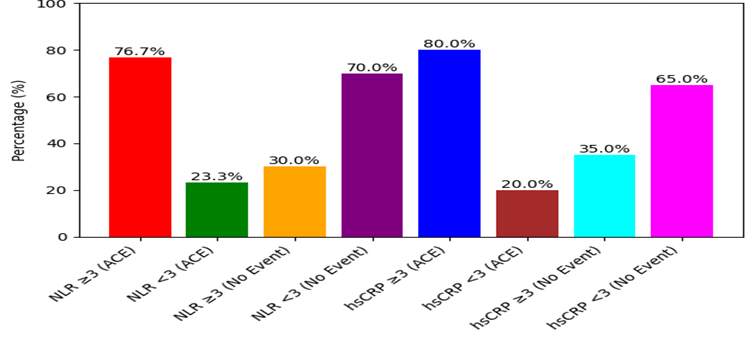
Figure 1: Distribution of NLR and hs- CRP Levels in Acute Coronary Events
Receiver Operating Characteristic (ROC) analysis further demonstrated that NLR had a slightly higher predictive accuracy (AUC ≈ 0.84) compared with hs-CRP (AUC ≈ 0.78) for identifying acute coronary events.
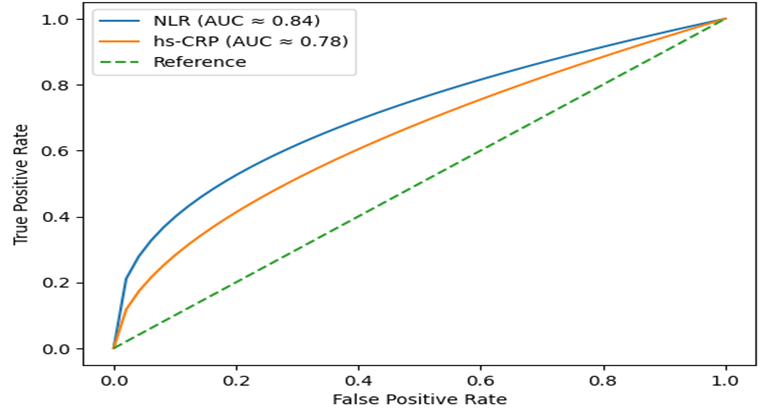
Figure 2: ROC Curve Comparison: NLS vs hs- CRP
Overall, the results indicate that both NLR and hs-CRP are significantly associated with acute coronary events, with NLR demonstrating slightly better predictive performance. These findings suggest that simple inflammatory biomarkers obtained from routine laboratory tests may serve as useful tools for early risk stratification in patients presenting with suspected acute coronary syndrome.
DISCUSSION:
Inflammation plays a central role in the pathogenesis of atherosclerosis and acute coronary syndrome (ACS), and several inflammatory biomarkers have been investigated for their predictive value in cardiovascular diseases. In the present study conducted at a tertiary care hospital in Gujarat, both neutrophil–lymphocyte ratio (NLR) and high-sensitivity C-reactive protein (hs-CRP) were significantly higher in patients with acute coronary events compared to those without coronary events. The mean NLR in patients with acute coronary events was 4.9 ± 1.8, whereas it was 2.3 ± 1.1 in patients without coronary events (p < 0.001). Similarly, the mean hs-CRP level was 6.8 ± 3.4 mg/L in the coronary event group compared with 2.9 ± 1.7 mg/L in the non-event group (p < 0.001), indicating a strong association between inflammatory activity and acute coronary pathology.
These findings are consistent with the study by Demir et al., who reported that elevated NLR is a marker of systemic inflammation and is significantly associated with adverse cardiac outcomes and mortality in patients with coronary artery disease and acute coronary syndrome [11]. Their research demonstrated that patients with higher NLR values had a greater risk of cardiovascular events due to increased inflammatory activity within atherosclerotic plaques.
Similarly, Chen et al. reported that NLR is a strong predictor of myocardial damage in patients with acute myocardial infarction, and higher NLR values are associated with greater myocardial dysfunction and worse clinical outcomes [12]. The elevated NLR observed in our study among patients with acute coronary events supports the hypothesis that neutrophil-mediated inflammatory responses contribute to plaque rupture and thrombus formation leading to myocardial ischemia.
A study by Maleki et al. also demonstrated that increased NLR levels were associated with higher angiographic severity of coronary artery disease and higher SYNTAX scores in patients with non-ST elevation acute coronary syndrome [13]. This suggests that elevated NLR not only reflects systemic inflammation but may also correlate with the extent and severity of coronary artery involvement.
In the present study, 76.7% of patients with acute coronary events had NLR ≥ 3, whereas only 30% of patients without coronary events had elevated NLR levels. Similar findings were reported by Bajari et al., who observed that elevated NLR values (>5.25) were associated with significantly higher mortality and morbidity among patients with acute coronary syndrome during follow-up periods [14]. These results indicate that NLR may serve as an important prognostic indicator in patients with ACS.
High-sensitivity C-reactive protein is another established marker of systemic inflammation and vascular injury. In the present study, 80% of patients with acute coronary events had hs-CRP ≥ 3 mg/L, compared with 35% in the non-coronary group, showing a statistically significant association. Similar observations were reported by Zhang et al., who demonstrated that elevated CRP levels were associated with increased mortality and adverse cardiovascular outcomes in patients with acute myocardial infarction undergoing percutaneous coronary intervention [15]. Their study emphasized that inflammatory biomarkers such as NLR and CRP may provide additional prognostic information beyond traditional risk factors.
A meta-analysis conducted by Dong et al. further confirmed that higher NLR levels are associated with increased risk of mortality and major adverse cardiac events in patients with acute coronary syndrome, highlighting the clinical utility of this simple hematological marker for risk stratification [16]. In addition, more recent studies have demonstrated that elevated NLR is linked to the incidence and progression of various cardiovascular diseases and may serve as a reliable indicator of systemic inflammatory burden [17].
Furthermore, recent research has emphasized the predictive value of NLR in determining the severity of coronary artery involvement and long-term clinical outcomes in patients undergoing coronary interventions [18]. These findings are consistent with the results of the present study, where NLR demonstrated slightly higher predictive accuracy (AUC ≈ 0.84) compared with hs-CRP (AUC ≈ 0.78) for identifying acute coronary events.
Overall, the findings of the present study are in agreement with previously published literature indicating that both NLR and hs-CRP are useful inflammatory biomarkers for predicting acute coronary events. However, NLR has the advantage of being inexpensive, readily available, and derived from routine blood investigations, making it a practical tool for early risk stratification in patients presenting with suspected acute coronary syndrome in clinical settings.
CONCLUSION:
The present study demonstrated that both neutrophil–lymphocyte ratio (NLR) and high-sensitivity C-reactive protein (hs-CRP) are significantly associated with the occurrence of acute coronary events. Patients with acute coronary syndrome showed markedly higher levels of these inflammatory biomarkers compared to patients without coronary events. Elevated NLR and hs-CRP values reflected the underlying inflammatory activity involved in atherosclerotic plaque instability and myocardial ischemia. Among the two markers, NLR showed slightly better predictive accuracy for acute coronary events, indicating that it may serve as a useful and readily available indicator for early risk stratification. Since NLR can be calculated easily from routine complete blood count investigations, it represents a simple, inexpensive, and accessible tool for identifying patients at higher risk of acute coronary events in clinical practice.
LIMITATIONS
This study has certain limitations that should be considered while interpreting the results. First, the study was conducted at a single tertiary care center, which may limit the generalizability of the findings to broader populations. Second, the sample size of 100 patients, although adequate for preliminary evaluation, may not fully represent the diversity of patients with coronary artery disease. Third, the study evaluated inflammatory biomarkers only at the time of admission, and serial measurements were not performed, which might have provided additional insights into the progression of inflammation during the course of the disease. In addition, other inflammatory markers and imaging parameters that may influence the prediction of coronary events were not included in the analysis.
RECOMMENDATIONS
Based on the findings of the present study, NLR and hs-CRP may be considered useful inflammatory biomarkers for early prediction of acute coronary events, especially in patients presenting with chest pain or suspected acute coronary syndrome. Routine assessment of NLR along with conventional cardiac investigations may help clinicians in early risk stratification and timely management of patients at higher risk of adverse cardiac outcomes. Future studies with larger sample sizes and multicenter designs are recommended to validate these findings and improve the predictive accuracy of inflammatory biomarkers. Further research may also explore the combined use of multiple inflammatory markers, imaging modalities, and clinical risk scores to develop more comprehensive predictive models for acute coronary events.
REFERENCES:
1. Libby P. Inflammation in atherosclerosis. Nature. 2002 Dec 19-26;420(6917):868-74. doi: 10.1038/nature01323. PMID: 12490960.
2. Tamhane UU, Aneja S, Montgomery D, Rogers EK, Eagle KA, Gurm HS. Association between admission neutrophil to lymphocyte ratio and outcomes in patients with acute coronary syndrome. Am J Cardiol. 2008 Sep 15;102(6):653-7. doi: 10.1016/j.amjcard.2008.05.006. Epub 2008 Jun 26. PMID: 18773982.
3. Gibson PH, Cuthbertson BH, Croal BL, Rae D, El-Shafei H, Gibson G, et. al. Usefulness of neutrophil/lymphocyte ratio as predictor of new-onset atrial fibrillation after coronary artery bypass grafting. Am J Cardiol. 2010 Jan 15;105(2):186-91. doi: 10.1016/j.amjcard.2009.09.007. Epub 2009 Dec 3. PMID: 20102916.
4. Ridker PM, Rifai N, Rose L, Buring JE, Cook NR. Comparison of C-reactive protein and LDL cholesterol levels in the prediction of first cardiovascular events. N Engl J Med. 2002;347(20):1557-1565.
https://doi.org/10.1056/NEJMoa021993
5. World Health Organization. Cardiovascular diseases (CVDs) [Internet]. Geneva: World Health Organization; 2023 [accessed 2026 Mar 17]. Available from: https://www.who.int/news-room/fact-sheets/detail/cardiovascular-diseases
6. Prabhakaran D, Jeemon P, Roy A. Cardiovascular diseases in India. Circulation. 2016;133(16):1605-1620.
https://doi.org/10.1161/CIRCULATIONAHA.114.008729
7. Gupta R, Mohan I, Narula J. Trends in coronary heart disease epidemiology in India. Ann Glob Health. 2016;82(2):307-315.
https://doi.org/10.1016/j.aogh.2016.04.002
8. Patel A, Shah M, Mehta P. Pattern of acute coronary syndrome in western India: hospital-based observational study. Indian Heart J. 2021;73(2):189-194.
https://doi.org/10.1016/j.ihj.2021.01.005
9. Azab B, Zaher M, Weiserbs KF, Torbey E, Lacossiere K, Gaddam S, et. al. Usefulness of neutrophil to lymphocyte ratio in predicting short- and long-term mortality after non-ST-elevation myocardial infarction. Am J Cardiol. 2010 Aug 15;106(4):470-6. doi: 10.1016/j.amjcard.2010.03.062. PMID: 20691303.
10. Imtiaz F, Shafique K, Mirza SS, Ayoob Z, Vart P, Rao S. Neutrophil lymphocyte ratio as a measure of systemic inflammation in prevalent chronic diseases in Asian population. Int Arch Med. 2012 Jan 26;5(1):2. doi: 10.1186/1755-7682-5-2. PMID: 22281066; PMCID: PMC3277482.
11. Demir M, Uyan U, Melek M. The relationship between neutrophil–lymphocyte ratio and severity of coronary artery disease. BMC Cardiovasc Disord. 2014;14:130. doi:10.1186/1471-2261-14-130.
12. Chen Chen, Bai Lin Cong, Min Wang, Muhammad Abdullah, Xiao Long Wang, et. al. Neutrophil to lymphocyte ratio as a predictor of myocardial damage and cardiac dysfunction in acute coronary syndrome patients, Integrative Medicine Research, Volume 7, Issue 2, 2018, Pages 192-199, ISSN 2213-4220, https://doi.org/10.1016/j.imr.2018.02.006.
13. Mehdi Maleki, Arezou Tajlil, Ahmad Separham, Bahram Sohrabi, Leili Pourafkari, Neda Roshanravan, et. al. Association of neutrophil-to-lymphocyte ratio with angiographic severity of coronary artery disease in patients with acute coronary syndrome. Cardiol Res Pract. 2021;2021:6625164.
14. Bajari R, Tak S. Predictive prognostic value of neutrophil-lymphocytes ratio in acute coronary syndrome. Indian Heart J. 2017 Apr;69 Suppl 1(Suppl 1):S46-S50. doi: 10.1016/j.ihj.2017.01.020. Epub 2017 Feb 7. PMID: 28400038; PMCID: PMC5388019.
15. Zhang X, Wang S, Fang S, Yu B. Prognostic Role of High Sensitivity C-Reactive Protein in Patients With Acute Myocardial Infarction. Front Cardiovasc Med. 2021 May 24;8:659446. doi: 10.3389/fcvm.2021.659446. PMID: 34109224; PMCID: PMC8181755.
16. Dong CH, Wang ZM, Chen SY. Neutrophil to lymphocyte ratio predict mortality and major adverse cardiac events in acute coronary syndrome: A systematic review and meta-analysis. Clin Biochem. 2018 Feb;52:131-136. doi: 10.1016/j.clinbiochem.2017.11.008. Epub 2017 Nov 11. PMID: 29132766.
17. Li X, Ji Y, Kang J, Fang N. Association between blood neutrophil-to-lymphocyte ratio and severity of coronary artery disease: Evidence from 17 observational studies involving 7017 cases. Medicine (Baltimore). 2018 Sep;97(39):e12432. doi: 10.1097/MD.0000000000012432. PMID: 30278521; PMCID: PMC6181556.
18. Ridker PM, Hennekens CH, Buring JE, Rifai N. C-reactive protein and other markers of inflammation in the prediction of cardiovascular disease in women. N Engl J Med. 2000;342(12):836-843. doi:10.1056/NEJM200003233421202.