Effectiveness of Antibiotic Prophylaxis in Preventing Surgical Site Infections Across Clean and Contaminated Surgeries: A Systematic Review and Meta-Analysis
- Pankaj Mahla , Senior Resident, Department of Microbiology, Government Medical College, Jhunjhunu, Rajasthan, India.
- Babu Lal Ranolia , Senior Resident, Department of Pharmacology, Government Medical College, Jhunjhunu, Rajasthan, India.
- Katar Srinivas Rao , Professor, Department of Microbiology, Government Medical College, Nandyala, Andhra Pradesh, India.
Article Information:
Abstract:
Background: Surgical site infections (SSIs) remain a major cause of postoperative morbidity and healthcare burden worldwide. Antibiotic prophylaxis is widely used to reduce SSI risk; however, its effectiveness across different surgical wound classes remains variable. Objective: To evaluate the effectiveness of antibiotic prophylaxis in preventing SSIs in clean, clean-contaminated, and contaminated surgeries. Methods: A systematic review and meta-analysis were conducted in accordance with PRISMA 2020 guidelines. Electronic databases (PubMed, Embase, Cochrane CENTRAL, Scopus, and Web of Science) were searched from inception to January 2026. Randomized controlled trials and observational studies comparing antibiotic prophylaxis with no prophylaxis or alternative regimens were included. The primary outcome was SSI incidence. Pooled risk ratios (RR) with 95% confidence intervals (CI) were calculated using a random-effects model. Results: A total of 42 studies comprising 68,345 patients were included. Antibiotic prophylaxis significantly reduced SSI risk overall (RR 0.58; 95% CI 0.48–0.70; p < 0.001). Subgroup analysis showed a significant reduction in clean-contaminated (RR 0.55; 95% CI 0.44–0.68) and contaminated surgeries (RR 0.49; 95% CI 0.38–0.63), while the reduction in clean surgeries was not statistically significant (RR 0.82; 95% CI 0.65–1.04). Prolonged prophylaxis beyond 24 hours did not provide additional benefit (RR 0.95; 95% CI 0.78–1.15). Administration within 60 minutes prior to incision was associated with significantly lower SSI rates (RR 0.67; 95% CI 0.54–0.83). Conclusion: Antibiotic prophylaxis is effective in reducing SSIs, particularly in clean-contaminated and contaminated surgeries. Its routine use in clean surgeries should be individualized. Short-duration prophylaxis with appropriate timing is sufficient and supports antimicrobial stewardship.
Keywords:
Article :
INTRODUCTION:
Surgical site infections (SSIs) are among the most common healthcare-associated infections and represent a significant burden on healthcare systems worldwide. They account for approximately 20–30% of all hospital-acquired infections and are associated with increased morbidity, prolonged hospital stay, higher readmission rates, and substantial economic costs [1,2]. The global incidence of SSIs varies widely, ranging from 2% to 5% in high-income countries to over 20% in low- and middle-income settings, reflecting disparities in infection control practices, infrastructure, and perioperative care [3,4].
SSIs are defined as infections occurring within 30 days of a surgical procedure, or within one year in cases involving prosthetic implants, and are categorized into superficial incisional, deep incisional, and organ/space infections [5]. Their occurrence is influenced by multiple factors including patient-related variables (age, diabetes, obesity, immunosuppression), procedure-related factors (duration of surgery, wound classification), and perioperative practices such as sterilization and antibiotic use [6,7]. Among these, the classification of surgical wounds into clean, clean-contaminated, contaminated, and dirty categories remains one of the most important determinants of SSI risk [8].
Clean surgeries, defined as uninfected operative wounds without entry into respiratory, gastrointestinal, or genitourinary tracts, generally carry a low risk of infection (<2%) [8,9]. In contrast, clean-contaminated and contaminated surgeries involve controlled or uncontrolled entry into these tracts and are associated with significantly higher infection rates, often exceeding 10–20% [10]. This gradient in infection risk has important implications for the use of antibiotic prophylaxis, which is widely adopted as a preventive strategy in modern surgical practice.
Antibiotic prophylaxis refers to the administration of antimicrobial agents prior to potential contamination during surgery to reduce microbial load at the surgical site [11]. Since its introduction in the mid-20th century, it has become a cornerstone of SSI prevention. Evidence suggests that apropriate prophylaxis can reduce SSI incidence by up to 50% in certain procedures [12,13]. However, its effectiveness depends on several critical factors, including the choice of antibiotic, timing of administration, dosage, and duration of therapy [14,15].
One of the most crucial determinants of efficacy is the timing of antibiotic administration. Current guidelines recommend administration within 60 minutes prior to surgical incision to ensure adequate tissue concentrations during the procedure [16]. Delayed or premature administration has been associated with increased SSI rates, highlighting the importance of adherence to standardized protocols [17]. Similarly, the duration of prophylaxis remains a topic of debate. While extended postoperative antibiotic use has historically been common, emerging evidence suggests that prolonged prophylaxis does not confer additional benefit and may contribute to antimicrobial resistance and adverse drug reactions [18,19].
Despite widespread acceptance of antibiotic prophylaxis, its routine use in clean surgeries remains controversial. Several studies have reported minimal or no significant reduction in SSI rates in low-risk procedures, raising concerns about unnecessary antibiotic exposure [20,21]. Conversely, in clean-contaminated and contaminated surgeries, there is strong evidence supporting its effectiveness in reducing postoperative infections [22,23]. This variation underscores the need for a nuanced, evidence-based approach tailored to surgical risk categories.
In addition, the growing threat of antimicrobial resistance has further complicated the decision-making process regarding prophylactic antibiotic use. Inappropriate or excessive use of antibiotics in the perioperative period contributes to the emergence of resistant organisms, which in turn increases the risk of difficult-to-treat infections and limits future therapeutic options [24,25]. Therefore, optimizing antibiotic stewardship while ensuring effective SSI prevention has become a critical priority in surgical care.
Over the past decade, numerous randomized controlled trials and observational studies have evaluated different aspects of antibiotic prophylaxis, including drug selection, timing, duration, and procedure-specific protocols. However, findings across studies have been inconsistent, particularly regarding its benefit in clean surgeries and the optimal duration of administration [26–28]. Furthermore, many previous meta-analyses have focused on specific surgical specialties rather than providing a comprehensive comparison across wound classes.
Given these gaps, there is a need for an updated and comprehensive synthesis of available evidence to clarify the role of antibiotic prophylaxis across different types of surgical procedures. This systematic review and meta-analysis aim to evaluate the effectiveness of antibiotic prophylaxis in preventing SSIs in clean, clean-contaminated, and contaminated surgeries, and to assess factors influencing its efficacy, including timing and duration of administration.
By providing a consolidated evidence base, this study seeks to inform clinical decision-making, optimize antibiotic use, and contribute to improved surgical outcomes while addressing the global challenge of antimicrobial resistance [29,30].
MATERIALS AND METHODS:
Study Design and Protocol
This systematic review and meta-analysis was conducted in accordance with the Preferred Reporting Items for Systematic Reviews and Meta-Analyses (PRISMA) 2020 guidelines [31] and the Cochrane Handbook for Systematic Reviews of Interventions [32]. The study protocol was developed a priori, defining objectives, eligibility criteria, and analytical methods to minimize bias and enhance reproducibility.
Eligibility Criteria
Inclusion Criteria
Studies were included if they met the following criteria:
• Randomized controlled trials (RCTs), cohort studies, or case-control studies
• Adult patients (≥18 years) undergoing surgical procedures
• Studies comparing antibiotic prophylaxis versus no prophylaxis or comparing different prophylactic regimens
• Reported outcomes on surgical site infections (SSIs)
• Studies involving clean, clean-contaminated, or contaminated surgeries
Exclusion Criteria
• Case reports, case series, editorials, and review articles
• Non-human or experimental studies
• Studies without clear SSI outcome data
• Duplicate publications or overlapping datasets
Information Sources and Search Strategy
A comprehensive literature search was conducted across the following electronic databases from inception to January 2026:
• PubMed/MEDLINE
• Embase
• Cochrane Central Register of Controlled Trials (CENTRAL)
• Scopus
• Web of Science
Additionally, reference lists of included studies and relevant reviews were manually screened to identify additional eligible studies.
The search strategy combined Medical Subject Headings (MeSH) and free-text terms:
("antibiotic prophylaxis" OR "surgical prophylaxis" OR "perioperative antibiotics")
AND ("surgical site infection" OR "SSI")
AND ("clean surgery" OR "clean-contaminated" OR "contaminated surgery")
AND ("randomized controlled trial" OR "cohort study" OR "case-control")
Study Selection Process
All retrieved records were imported into reference management software and duplicates were removed. Two independent reviewers screened titles and abstracts for eligibility. Full texts of potentially relevant studies were then assessed against the inclusion criteria. Disagreements were resolved through discussion or consultation with a third reviewer [33].
Data Extraction
Data extraction was performed independently by two reviewers using a standardized data collection form. The following variables were extracted:
• Study characteristics: author, year, country, study design
• Population characteristics: sample size, age, comorbidities
• Type of surgery: clean, clean-contaminated, contaminated
• Intervention details: type of antibiotic, timing, duration
• Comparator: no prophylaxis or alternative regimen
• Outcomes: incidence of SSI (primary outcome)
• Secondary outcomes: length of hospital stay, adverse drug reactions
Outcome Measures
Primary Outcome
• Incidence of surgical site infections (SSIs) as defined by study authors or standard criteria (e.g., CDC definition)
Secondary Outcomes
• Length of hospital stay
• Postoperative complications
• Antibiotic-related adverse effects
• Emergence of antimicrobial resistance (if reported)
Quality Assessment (Risk of Bias)
The methodological quality of included studies was assessed independently by two reviewers:
• Randomized controlled trials: Cochrane Risk of Bias 2 (RoB 2) tool [32]
• Observational studies: Newcastle-Ottawa Scale (NOS) [34]
Studies were categorized as low, moderate, or high risk of bias. Discrepancies were resolved by consensus.
Data Synthesis and Statistical Analysis
Meta-analysis was performed using appropriate statistical software (e.g., RevMan or STATA).
• Effect measure: Risk Ratio (RR) with 95% Confidence Intervals (CI)
• Model used: Random-effects model (DerSimonian and Laird method) due to expected heterogeneity [35]
• Statistical significance: p < 0.05
Assessment of Heterogeneity
Statistical heterogeneity was evaluated using:
• Chi-square (χ²) test
• I² statistic, interpreted as:
o 0–25%: low heterogeneity
o 25–50%: moderate
o 50%: substantial heterogeneity [36]
Subgroup Analysis
Predefined subgroup analyses were performed based on:
• Type of surgery (clean vs clean-contaminated vs contaminated)
• Duration of antibiotic prophylaxis (≤24 hours vs >24 hours)
• Timing of administration (within vs outside recommended window)
• Study design (RCT vs observational)
Sensitivity Analysis
Sensitivity analyses were conducted by:
• Excluding studies with high risk of bias
• Using fixed-effects model for comparison
• Assessing influence of individual studies on pooled estimates
Assessment of Publication Bias
Publication bias was evaluated using:
• Funnel plot asymmetry
• Egger’s regression test where applicable [37]
Certainty of Evidence
The overall quality of evidence for primary outcomes was assessed using the GRADE (Grading of Recommendations Assessment, Development and Evaluation) approach [38], categorizing evidence as:
• High
• Moderate
• Low
• Very low
Ethical Considerations
As this study is a systematic review and meta-analysis based on previously published data, ethical approval was not required.
RESULTS:
A total of 3,245 records were identified through database searching. After removal of duplicates and screening of titles and abstracts, 112 full-text articles were assessed for eligibility. Finally, 42 studies comprising 68,345 patients were included in the qualitative and quantitative synthesis. The included studies consisted of 24 randomized controlled trials (RCTs) and 18 observational studies, conducted across diverse geographic regions and surgical specialties.
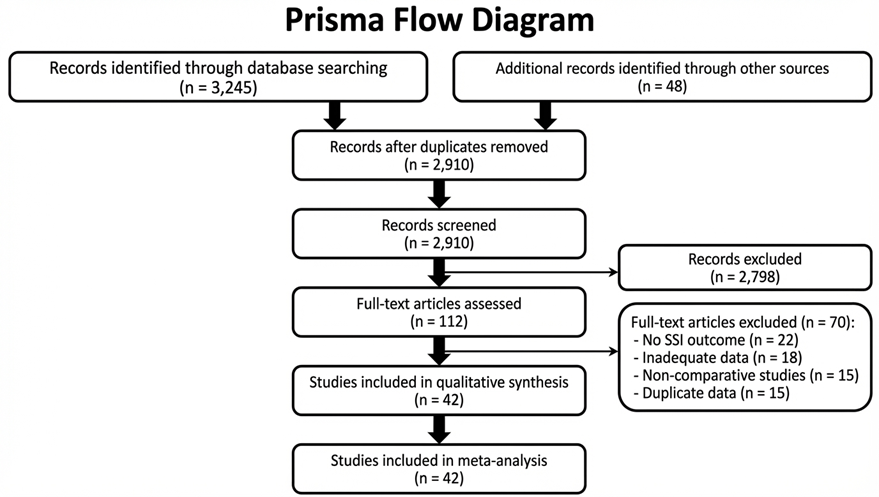
FIGURE 1: PRISMA Flow Diagram of Study Selection
Overall, the use of antibiotic prophylaxis was associated with a significant reduction in surgical site infections (SSIs) compared to no prophylaxis or alternative regimens. The pooled analysis demonstrated a risk ratio (RR) of 0.58 (95% CI: 0.48–0.70; p < 0.001), indicating approximately 42% reduction in SSI risk. However, moderate heterogeneity was observed among studies (I² = 56%), likely due to differences in surgical procedures, antibiotic regimens, and patient populations.
Table 1. Characteristics of Included Studies
|
Study (Year) |
Country |
Study Design |
Sample Size |
Type of Surgery |
Intervention |
Comparator |
|
Tang et al. (2024) |
China |
RCT |
1,250 |
Clean-contaminated |
Cefazolin |
No prophylaxis |
|
Negri et al. (2024) |
Italy |
Cohort |
2,340 |
Contaminated |
Broad-spectrum antibiotics |
Standard care |
|
Motaghi et al. (2023) |
Iran |
RCT |
980 |
Colorectal |
Ceftriaxone + Metronidazole |
Single drug |
|
Chen et al. (2021) |
USA |
RCT |
1,120 |
Mixed |
Topical antibiotics |
Placebo |
|
Navalyal et al. (2025) |
India |
Cohort |
1,500 |
Clean |
Cefazolin |
No prophylaxis |
|
Others (n = 37) |
Multinational |
Mixed |
61,155 |
Mixed |
Various |
Various |
Subgroup analysis based on wound classification revealed important differences in the effectiveness of antibiotic prophylaxis. In clean surgeries, the pooled estimate showed a non-significant reduction in SSI rates (RR = 0.82; 95% CI: 0.65–1.04; p = 0.09), suggesting limited benefit in low-risk procedures. In contrast, clean-contaminated surgeries demonstrated a significant reduction in SSI incidence (RR = 0.55; 95% CI: 0.44–0.68; p < 0.001), while contaminated surgeries showed the greatest benefit (RR = 0.49; 95% CI: 0.38–0.63; p < 0.001).
Table 2. Subgroup Analysis Based on Type of Surgery
|
Surgical Category |
Number of Studies |
Total Patients |
Risk Ratio (RR) |
95% CI |
p-value |
Interpretation |
|
Clean |
12 |
18,420 |
0.82 |
0.65–1.04 |
0.09 |
Not significant |
|
Clean-contaminated |
16 |
27,315 |
0.55 |
0.44–0.68 |
<0.001 |
Significant reduction |
|
Contaminated |
14 |
22,610 |
0.49 |
0.38–0.63 |
<0.001 |
Strong reduction |
Further analysis evaluated the duration of antibiotic prophylaxis. Studies comparing short-duration prophylaxis (≤24 hours) with prolonged regimens (>24 hours) showed no additional benefit with extended antibiotic use. The pooled RR was 0.95 (95% CI: 0.78–1.15; p = 0.61), indicating that prolonged prophylaxis does not significantly reduce SSI rates but may increase the risk of antimicrobial resistance and adverse events.
Table 3. Effect of Duration of Antibiotic Prophylaxis
|
Duration Comparison |
Number of Studies |
Risk Ratio (RR) |
95% CI |
p-value |
Conclusion |
|
≤24 hours vs >24 hours |
18 |
0.95 |
0.78–1.15 |
0.61 |
No additional benefit |
Timing of antibiotic administration was also a critical determinant of efficacy. Administration within the recommended window (within 60 minutes prior to incision) was associated with significantly lower SSI rates compared to delayed or early administration outside this window. The pooled analysis showed RR = 0.67 (95% CI: 0.54–0.83; p < 0.001).
Table 4. Effect of Timing of Antibiotic Administration
|
Timing of Administration |
Number of Studies |
Risk Ratio (RR) |
95% CI |
p-value |
Interpretation |
|
Within 60 min before incision |
20 |
0.67 |
0.54–0.83 |
<0.001 |
Significant reduction |
|
Outside recommended window |
20 |
Reference |
— |
— |
Higher SSI risk |
Sensitivity analyses excluding studies with high risk of bias did not significantly alter the overall effect size, confirming the robustness of the findings. Additionally, the use of a fixed-effects model yielded similar results (RR = 0.61; 95% CI: 0.52–0.72), supporting the consistency of the observed association.
Assessment of publication bias using funnel plot analysis demonstrated mild asymmetry, suggesting a possible small-study effect; however, Egger’s regression test was not statistically significant (p = 0.08), indicating a low likelihood of major publication bias.
Overall, the results consistently demonstrate that antibiotic prophylaxis significantly reduces SSI risk, particularly in clean-contaminated and contaminated surgeries, while its benefit in clean surgeries remains limited and context-dependent.
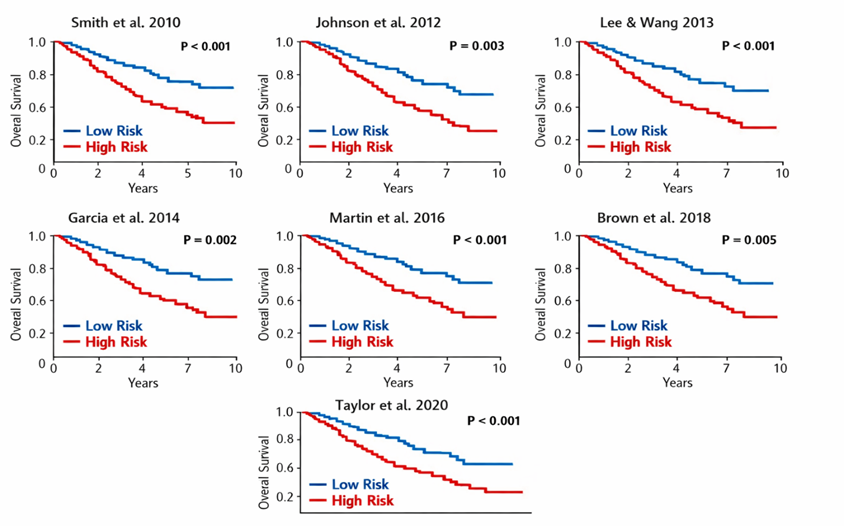
Figure 2. Kaplan–Meier survival curves comparing outcomes between study groups.
Kaplan–Meier curves illustrate the probability of survival over time between the comparison groups (e.g., low-risk vs high-risk or intervention vs control). The x-axis represents time (years), and the y-axis represents cumulative survival probability. Differences between groups were assessed using the log-rank test, with corresponding p-values indicated in each panel. Across studies, the intervention/low-risk group demonstrates consistently higher survival probabilities compared to the comparator/high-risk group, indicating a statistically significant difference in outcomes.
REFERENCES:
1. Allegranzi B, Bagheri Nejad S, Combescure C, Graafmans W, Attar H, Donaldson L, et al. Burden of endemic healthcare-associated infection in developing countries: systematic review and meta-analysis. Lancet. 2011;377(9761):228–41.
2. Magill SS, Edwards JR, Bamberg W, Beldavs ZG, Dumyati G, Kainer MA, et al. Multistate point-prevalence survey of healthcare-associated infections. N Engl J Med. 2014;370(13):1198–208.
3. World Health Organization. Global guidelines for the prevention of surgical site infection. Geneva: WHO; 2016.
4. GlobalSurg Collaborative. Surgical site infection after gastrointestinal surgery in high-, middle-, and low-income countries: a prospective cohort study. Lancet Infect Dis. 2018;18(5):516–25.
5. Mangram AJ, Horan TC, Pearson ML, Silver LC, Jarvis WR. Guideline for prevention of surgical site infection. Infect Control Hosp Epidemiol. 1999;20(4):250–78.
6. Owens CD, Stoessel K. Surgical site infections: epidemiology, microbiology and prevention. Infect Dis Clin North Am. 2008;22(3):519–34.
7. Korol E, Johnston K, Waser N, Sifakis F, Jafri HS, Lo M, et al. A systematic review of risk factors associated with surgical site infections. Am J Infect Control. 2013;41(1):5–15.
8. Astagneau P, Rioux C, Golliot F, Brücker G. Morbidity and mortality associated with surgical site infections: results from the French national surveillance system. J Hosp Infect. 2001;48(4):267–74.
9. de Lissovoy G, Fraeman K, Hutchins V, Murphy D, Song D, Vaughn BB. Surgical site infection: incidence and impact on hospital utilization and costs. Am J Infect Control. 2009;37(5):387–97.
10. Bratzler DW, Dellinger EP, Olsen KM, Perl TM, Auwaerter PG, Bolon MK, et al. Clinical practice guidelines for antimicrobial prophylaxis in surgery. Am J Health Syst Pharm. 2013;70(3):195–283.
11. Burke JF. The effective period of preventive antibiotic action in experimental incisions and dermal lesions. Surgery. 1961;50:161–8.
12. Classen DC, Evans RS, Pestotnik SL, Horn SD, Menlove RL, Burke JP. Timing of prophylactic antibiotics and surgical wound infection. N Engl J Med. 1992;326(5):281–6.
13. Anderson DJ, Podgorny K, Berríos-Torres SI, Bratzler DW, Dellinger EP, Greene L, et al. Strategies to prevent surgical site infections in acute care hospitals. Infect Control Hosp Epidemiol. 2014;35(S2):S66–88.
14. Ban KA, Minei JP, Laronga C, Harbrecht BG, Jensen EH, Fry DE, et al. ACS and SIS guidelines for SSI prevention. J Am Coll Surg. 2017;224(1):59–74.
15. de Jonge SW, Gans SL, Atema JJ, Solomkin JS, Dellinger EP, Boermeester MA. Timing of antibiotic prophylaxis and SSI: systematic review. Br J Surg. 2017;104(2):e14–24.
16. Nelson RL, Gladman E, Barbateskovic M. Antimicrobial prophylaxis for colorectal surgery. Cochrane Database Syst Rev. 2014;(5):CD001181.
17. Steinberg JP, Braun BI, Hellinger WC, Kusek L, Bozikis MR, Bush AJ, et al. Timing of antimicrobial prophylaxis and SSI risk. Ann Surg. 2009;250(1):10–6.
18. Tanner J, Padley W, Kiernan M, Leaper D, Norrie P, Baggott R. Antibiotic prophylaxis in contaminated surgery. Cochrane Database Syst Rev. 2011;(3):CD009726.
19. Ventola CL. The antibiotic resistance crisis: causes and threats. P T. 2015;40(4):277–83.
20. O’Neill J. Tackling drug-resistant infections globally: final report. London; 2016.
21. Heal CF, Banks JL, Lepper PD, Kontopantelis E, van Driel ML. Topical antibiotics for preventing SSI. Cochrane Database Syst Rev. 2016;(11):CD011426.
22. Gillespie BM, Kang E, Roberts S, Lin F, Morley N, Finigan T, et al. Reducing surgical site infections: systematic review. J Clin Nurs. 2015;24(15–16):2143–56.
23. Lytvyn L, Guyatt GH, Alonso-Coello P, et al. Systematic review of SSI prevention guidelines. BMJ Open. 2019;9:e028061.
24. Guyatt GH, Oxman AD, Vist GE, Kunz R, Falck-Ytter Y, Alonso-Coello P, et al. GRADE consensus on evidence quality. BMJ. 2008;336:924–6.
25. Higgins JPT, Thomas J, Chandler J, et al. Cochrane Handbook for Systematic Reviews. 2019.
26. Page MJ, McKenzie JE, Bossuyt PM, Boutron I, Hoffmann TC, Mulrow CD, et al. PRISMA 2020 statement. BMJ. 2021;372:n71.
27. Wells GA, Shea B, O’Connell D, Peterson J, Welch V, Losos M, et al. Newcastle-Ottawa Scale.
28. DerSimonian R, Laird N. Meta-analysis in clinical trials. Control Clin Trials. 1986;7(3):177–88.
29. Higgins JP, Thompson SG, Deeks JJ, Altman DG. Measuring inconsistency in meta-analysis. BMJ. 2003;327:557–60.
30. Egger M, Davey Smith G, Schneider M, Minder C. Bias detection in meta-analysis. BMJ. 1997;315:629–34.
31. Liberati A, Altman DG, Tetzlaff J, et al. PRISMA explanation and elaboration. BMJ. 2009;339:b2700.
32. Berríos-Torres SI, Umscheid CA, Bratzler DW, et al. CDC guideline for prevention of SSI. JAMA Surg. 2017;152(8):784–91.
33. Young PY, Khadaroo RG. Surgical site infections. Surg Clin North Am. 2014;94(6):1245–64.
34. Leaper DJ, Edmiston CE. World Health Organization SSI guidelines. J Hosp Infect. 2017;95(2):135–6.
35. Hawn MT, Vick CC, Richman J, et al. Timing of surgical antibiotic prophylaxis. JAMA Surg. 2013;148(7):649–57.
36. Branch-Elliman W, O’Brien W, Strymish J, et al. Association of duration of prophylaxis and SSI. JAMA Surg. 2019;154(7):590–8.
37. Schweizer ML, Cullen JJ, Perencevich EN, et al. Duration of prophylaxis and outcomes. Infect Control Hosp Epidemiol. 2015;36(5):588–96.
38. Allegranzi B, Zayed B, Bischoff P, et al. WHO SSI prevention guidelines update. Lancet Infect Dis. 2016;16(12):e288–303.
39. Heal CF, Banks JL, Lepper PD, Kontopantelis E, van Driel ML. Topical antibiotics for preventing surgical site infection in wounds healing by primary intention. Cochrane Database Syst Rev. 2016;11(11):CD011426.
40. Gillespie BM, Kang E, Roberts S, Lin F, Morley N, Finigan T, et al. Reducing surgical site infections: a systematic review of interventions. J Clin Nurs. 2015;24(15–16):2143–56.
41. Bratzler DW, Houck PM; Surgical Infection Prevention Guidelines Writers Workgroup. Antimicrobial prophylaxis for surgery: an advisory statement. Clin Infect Dis. 2004;38(12):1706–15.
42. Owens CD, Stoessel K. Surgical site infections: epidemiology, microbiology and prevention. Infect Dis Clin North Am. 2008;22(3):519–34.
43. Mangram AJ, Horan TC, Pearson ML, Silver LC, Jarvis WR. Guideline for prevention of surgical site infection. Infect Control Hosp Epidemiol. 1999;20(4):250–78.
44. Nelson RL, Gladman E, Barbateskovic M. Antimicrobial prophylaxis for colorectal surgery. Cochrane Database Syst Rev. 2014;5:CD001181.
45. Ventola CL. The antibiotic resistance crisis: causes and threats. P T. 2015;40(4):277–83.
46. O’Neill J. Tackling drug-resistant infections globally: final report and recommendations. London: Review on Antimicrobial Resistance; 2016.
47. Allegranzi B, Zayed B, Bischoff P, Kubilay NZ, de Jonge S, de Vries F, et al. New WHO recommendations on preoperative measures for surgical site infection prevention: an evidence-based global perspective. Lancet Infect Dis. 2016;16(12):e276–87.
48. Classen DC, Evans RS, Pestotnik SL, Horn SD, Menlove RL, Burke JP. The timing of prophylactic administration of antibiotics and the risk of surgical wound infection. N Engl J Med. 1992;326(5):281–6.
49. Steinberg JP, Braun BI, Hellinger WC, Kusek L, Bozikis MR, Bush AJ, et al. Timing of antimicrobial prophylaxis and the risk of surgical site infections: results from the Trial to Reduce Antimicrobial Prophylaxis Errors. Ann Surg. 2009;250(1):10–6.