CASE SERIES OF TEN PATIENTS UNDERGOING MODIFIED RADICAL MASTECTOMY UNDER SEGMENTAL THORACIC SPINAL ANAESTHESIA WITH DEXMEDETOMIDINE SEDATION IN A TERTIARY CARE CENTRE OF KOLKATA, INDIA
- Dr. Pabitra Biswas , Associate Professor, MD (Anaesthesiology), Department of Anaesthesiology, Calcutta National Medical College & Hospital, 24, Gorachand Road, Kolkata – 700014, West Bengal, India.
- Tanmoy Bhadra , Assistant Professor, MD (Anaesthesiology), Department of Anaesthesiology, Calcutta National Medical College & Hospital, 24, Gorachand Road, Kolkata – 700014, West Bengal, India.
- Mausumi Niyogi3 , Professor, MD (Anaesthesiology), Department of Anaesthesiology, Calcutta National Medical College & Hospital, 24, Gorachand Road, Kolkata – 700014, West Bengal, India
Article Information:
Abstract:
Background: Modified radical mastectomy (MRM) is commonly performed under general anaesthesia. However, patients with breast cancer frequently present with multiple comorbidities that may increase the risk associated with general anaesthesia. Segmental thoracic spinal anaesthesia has emerged as a potential alternative technique that provides targeted dermatomal blockade with minimal systemic effects. Dexmedetomidine, an alpha-2 adrenergic agonist, offers sedation and analgesia during surgical procedures. Aims and Objectives: To evaluate the feasibility, effectiveness, and patient satisfaction of segmental thoracic spinal anaesthesia combined with dexmedetomidine sedation in patients undergoing modified radical mastectomy. Materials and Methods: A prospective case series of ten patients undergoing MRM under segmental thoracic spinal anaesthesia was conducted in a tertiary care centre in Kolkata, India. After obtaining informed consent, spinal anaesthesia was administered at the T5–T6 interspace using 7.5 mg isobaric bupivacaine with 25 mcg fentanyl. Dexmedetomidine infusion was administered intraoperatively for sedation. Parameters studied included onset of dermatomal block, number of needle insertion attempts, intraoperative haemodynamic stability, postoperative pain scores, and patient and surgeon satisfaction. Results: Ten patients (age 45–65 yrs, BMI 17.4–21.4 kg/m², ASA II–III) underwent modified radical mastectomy under segmental thoracic spinal anaesthesia with dexmedetomidine, with 60% completing needle insertion in one attempt. T2–T7 block onset was ≤5 min in 70%, and all cases were completed without conversion to general anaesthesia. Postoperative pain was minimal (no/mild pain 90%), with 100% patient satisfaction and 70% of surgeons rating conditions as good or very good. Conclusion: Segmental thoracic spinal anaesthesia with dexmedetomidine sedation appears to be a feasible and effective alternative to general anaesthesia for modified radical mastectomy. The technique provided adequate surgical anaesthesia, good haemodynamic stability, minimal postoperative pain, and high patient satisfaction.
Keywords:
Article :
INTRODUCTION:
Breast cancer is one of the most common malignancies affecting women worldwide and remains a major public health concern. Surgical management continues to play a crucial role in the treatment of breast cancer, particularly in early and locally advanced stages of the disease. Among the various surgical options available, modified radical mastectomy (MRM) remains one of the most frequently performed procedures for the management of carcinoma of the breast. The procedure involves removal of the entire breast tissue along with the nipple–areola complex and axillary lymph node dissection while preserving the pectoralis major muscle. This approach provides adequate oncological clearance and allows effective regional disease control in a large number of patients undergoing treatment for breast malignancies [1,2].
Traditionally, modified radical mastectomy is performed under general anaesthesia with endotracheal intubation. General anaesthesia provides complete unconsciousness, airway control, muscle relaxation, and optimal operating conditions for the surgeon. However, the use of general anaesthesia may be associated with several perioperative complications, particularly in elderly patients and in those with multiple comorbidities such as hypertension, diabetes mellitus, chronic obstructive pulmonary disease, or cardiovascular disease. Breast cancer patients often belong to an older age group and may present with these associated medical conditions, making anaesthetic management more challenging. Complications related to general anaesthesia include airway difficulties, hemodynamic instability, postoperative nausea and vomiting, delayed recovery from anaesthetic agents, increased opioid consumption, and postoperative cognitive dysfunction [3,4].In recent years, there has been increasing interest in the use of regional anaesthetic techniques for breast surgeries in order to reduce the complications associated with general anaesthesia. Regional anaesthesia provides effective analgesia, minimizes systemic drug exposure, and allows early postoperative recovery. Various regional techniques such as thoracic epidural block, paravertebral block, and pectoral nerve blocks have been described for breast surgery. These techniques can reduce postoperative pain, decrease opioid requirements, and improve overall patient satisfaction [5,6].
Segmental thoracic spinal anaesthesia has emerged as a promising alternative regional anaesthetic technique for selected breast surgical procedures. In this method, a small dose of local anaesthetic is injected into the subarachnoid space at the thoracic level, producing a targeted sensory blockade of the dermatomes involved in the surgical field. The technique allows adequate anaesthesia for breast surgery while minimizing extensive sympathetic blockade and motor impairment. As a result, patients experience stable haemodynamics, rapid recovery, and effective intraoperative analgesia. Recent studies have demonstrated that segmental thoracic spinal anaesthesia can be successfully used for modified radical mastectomy with high patient and surgeon satisfaction and minimal complications [7,8].Historically, anaesthesiologists have been cautious about performing spinal anaesthesia above the level of the conus medullaris because of the perceived risk of spinal cord injury. However, advances in anatomical understanding, improved needle design, and better procedural techniques have shown that thoracic spinal anaesthesia can be performed safely when appropriate precautions are followed. Several clinical studies have reported favourable outcomes with thoracic spinal anaesthesia in breast and upper abdominal surgeries without significant neurological complications [8].
Dexmedetomidine, a highly selective alpha-2 adrenergic receptor agonist, has gained widespread use in modern anaesthetic practice as a sedative and analgesic agent. It produces cooperative sedation, anxiolysis, and analgesia without significant respiratory depression. Dexmedetomidine also has opioid-sparing properties and helps maintain haemodynamic stability during surgical procedures. When used as an adjunct to regional anaesthesia, dexmedetomidine can enhance the quality of sensory blockade, prolong postoperative analgesia, and reduce the incidence of postoperative nausea and vomiting. These properties make it particularly useful for procedures performed under regional anaesthetic techniques [9,10]. Despite the potential advantages of segmental thoracic spinal anaesthesia combined with dexmedetomidine sedation, its use in modified radical mastectomy is still relatively limited, and the available literature remains scarce. Most breast surgeries are still performed under conventional general anaesthesia in many institutions. Therefore, further clinical evaluation is necessary to determine the feasibility, safety, haemodynamic stability, and patient outcomes associated with this technique.Hence, the present study was undertaken to evaluate the effectiveness and safety of segmental thoracic spinal anaesthesia with dexmedetomidine sedation in patients undergoing modified radical mastectomy at a tertiary care centre in Kolkata, India. The study aims to assess intraoperative haemodynamic parameters, adequacy of surgical anaesthesia, postoperative recovery profile, and overall patient satisfaction associated with this anaesthetic technique.
MATERIALS AND METHODS:
Study design: This study was conducted as a prospective case series involving ten patients undergoing modified radical mastectomy under segmental thoracic spinal anaesthesia.
Study Setting: The study was conducted in a tertiary care centre in Kolkata, India.
Preoperative Assessment
A detailed preoperative evaluation was performed for each patient. This included:
• Recording of vital signs
• Systemic examination
• Review of laboratory investigations
• Assessment of fitness for surgery
The anaesthetic procedure was discussed with the surgical team to ensure appropriate coordination. Patients and their relatives were informed about the procedure, including its benefits and potential risks, and written informed consent was obtained.
Patient Preparation
All patients followed standard ASA fasting guidelines. Peripheral intravenous access was established using an 18-gauge cannula and crystalloid infusion was started.
Standard ASA monitoring was instituted, including:
• Electrocardiography (ECG)
• Non-invasive blood pressure (NIBP)
• Pulse oximetry
• Temperature monitoring
Although regional anaesthesia was planned, complete airway management equipment including laryngoscope, endotracheal tubes, laryngeal mask airway, and oropharyngeal airway were kept readily available.
Anaesthetic Technique
Patients were positioned sitting on the operating table with their feet supported on a stool and asked to flex the spine slightly.
The T5–T6 interspace was identified and prepared with antiseptic solution. After sterile draping, local infiltration of the skin was performed using 0.5 ml of 2% lignocaine.
A 25-gauge Quincke spinal needle was inserted at the T5–T6 interspace. After confirmation of cerebrospinal fluid flow, 2 ml of the prepared solution was injected slowly. The solution consisted of:
• 1.5 ml of 0.5% preservative-free isobaric bupivacaine (7.5 mg)
• 0.5 ml fentanyl citrate (25 mcg)
Due to the downward inclination of thoracic spinous processes, the procedure required careful technique to avoid spinal cord injury.
Intraoperative Management
Following spinal injection, patients were placed in the supine position.
The spread of anaesthesia was assessed using pinprick sensation. The initial subjective sensory change in the dermatome (ISSC) was used to estimate the dermatomal spread.
Oxygen was administered via face mask at 4 L/min.
Dexmedetomidine infusion was administered as:
• Loading dose: 1 mcg/kg over 10 minutes
• Maintenance infusion: 0.5 mcg/kg/hr
Sedation level was assessed using the Modified Observer’s Assessment of Alertness/Sedation (MOAA/S) scale, targeting a score less than 5 but greater than 1.
Hypotension defined as mean arterial pressure <60 mmHg was treated with intravenous mephentermine boluses of 6 mg.
Postoperative Management
At the end of surgery, dexmedetomidine infusion was discontinued. Once the patient regained adequate awareness (MOAA/S = 5) and vital signs were stable, the patient was transferred to the post-anaesthesia care unit (PACU).
Statistical Analysis: For statistical analysis, data were initially entered into a Microsoft Excel spreadsheet and then analyzed using SPSS (version 27.0; SPSS Inc., Chicago, IL, USA) and GraphPad Prism (version 5). Numerical variables were summarized using means and standard deviations, while Data were entered into Excel and analyzed using SPSS and GraphPad Prism. Numerical variables were summarized using means and standard deviations, while categorical variables were described with counts and percentages. Two-sample t-tests were used to compare independent groups, while paired t-tests accounted for correlations in paired data. Chi-square tests (including Fisher’s exact test for small sample sizes) were used for categorical data comparisons. P-values ≤ 0.05 were considered statistically significant.
RESULTS:
Table 1: Demographic Characteristics of Patients (n = 10)
|
|
Range |
|
Age (years) |
45 – 65 |
|
Weight (kg) |
41 – 60 |
|
Height (cm) |
152 – 167 |
|
Body Mass Index (kg/m²) |
17.4 – 21.4 |
|
ASA Physical Status |
II – III |
Table 2: Number of Needle Insertion Attempts During Segmental Thoracic Spinal Anaesthesia (n = 10)
|
Number of Attempts |
Number of Patients |
Percentage |
|
One attempt |
6 |
60% |
|
Two attempts |
3 |
30% |
|
Three attempts |
1 |
10% |
|
More than three |
0 |
0% |
Table 3: Onset Time of T2–T7 Dermatomal Sensory Block (n = 10)
|
Time to Block Onset |
Number of Patients |
Percentage |
|
≤ 5 minutes |
7 |
70% |
|
5 – 10 minutes |
3 |
30% |
|
> 10 minutes |
0 |
0% |
Table 4: Anaesthetic Technique Outcome (n = 10)
|
Outcome |
Number of Patients |
Percentage |
|
Successful segmental thoracic spinal anaesthesia with dexmedetomidine sedation |
10 |
100% |
|
Conversion to general anaesthesia |
0 |
0% |
Table 5: Postoperative Pain Assessment Using Verbal Rating Scale (n = 10)
|
Pain Intensity |
Number of Patients |
Percentage |
|
No pain |
5 |
50% |
|
Mild pain |
4 |
40% |
|
Moderate pain |
1 |
10% |
|
Severe pain |
0 |
0% |
Table 6: Patient Satisfaction Score (Likert Scale) (n = 10)
|
Satisfaction Level |
Number of Patients |
Percentage |
|
Dissatisfied |
0 |
0% |
|
Satisfied |
5 |
50% |
|
Very satisfied |
5 |
50% |
Table 7: Surgeon Satisfaction Score (Likert Scale) (n = 10)
|
Satisfaction Level |
Number of Patients |
Percentage |
|
Very bad |
0 |
0% |
|
Bad |
0 |
0% |
|
Moderate |
3 |
30% |
|
Good |
5 |
50% |
|
Very good |
2 |
20% |
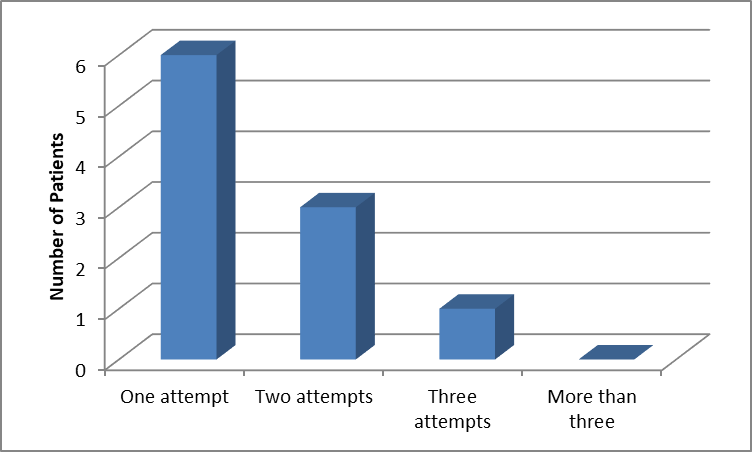
Figure 1: Number of Needle Insertion Attempts During Segmental Thoracic Spinal Anaesthesia.
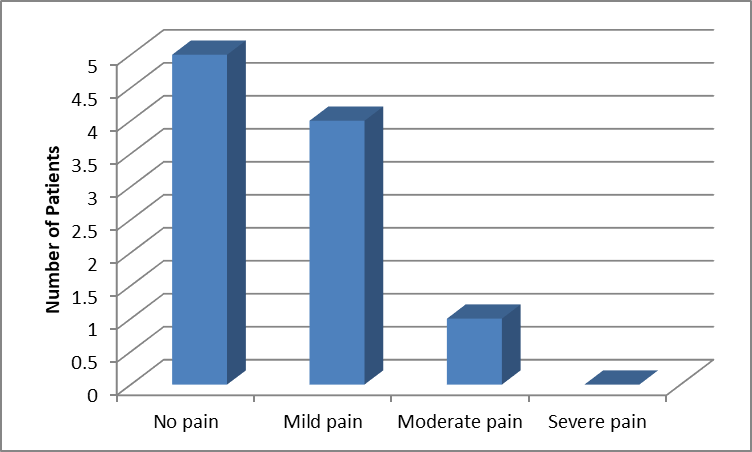
Figure 2: Postoperative Pain Assessment Using Verbal Rating Scale
Demographic Characteristics of Patients
A total of 10 patients were included in the case series. The age of the patients ranged from 45 to 65 years. The body weight ranged between 41 and 60 kg, while the height of the patients varied from 152 to 167 cm. The body mass index (BMI) ranged from 17.4 to 21.4 kg/m², indicating that most patients were within the normal or slightly lower BMI range. Regarding pre-operative physical status, all patients belonged to American Society of Anesthesiologists (ASA) physical status II–III.
Number of Needle Insertion Attempts
Out of the 10 patients included in the study, 6 patients (60%) required only one attempt for successful segmental thoracic spinal needle insertion. Three patients (30%) required two attempts, while one patient (10%) required three attempts. None of the patients required more than three attempts for successful spinal anaesthesia.
Onset of T2–T7 Dermatomal Sensory Block
The onset of sensory block at the T2–T7 dermatomal level occurred within ≤ 5 minutes in 7 patients (70%). In 3 patients (30%), the block onset was observed within 5–10 minutes. None of the patients experienced a block onset time of more than 10 minutes.
Anaesthetic Technique Outcome
All 10 patients (100%) successfully underwent modified radical mastectomy under segmental thoracic spinal anaesthesia with dexmedetomidine sedation. None of the patients required conversion to general anaesthesia during the procedure.
Postoperative Pain Assessment (Verbal Rating Scale)
Postoperative pain assessment revealed that 5 patients (50%) experienced no pain, while 4 patients (40%) reported mild pain. One patient (10%) experienced moderate pain, and none of the patients reported severe pain.
Patient Satisfaction (Likert Scale)
Patient satisfaction with the anaesthetic technique was assessed using a Likert scale. None of the patients reported dissatisfaction. Five patients (50%) were satisfied, while five patients (50%) reported being very satisfied with the procedure.
Surgeon Satisfaction (Likert Scale)
Surgeon satisfaction with the operative conditions was assessed using a Likert scale. None of the cases were rated as very bad or bad. Three cases (30%) were graded as moderate, while five cases (50%) were rated as good. Two cases (20%) received a rating of very good.
DISCUSSION:
Anaesthetic techniques continue to evolve as clinicians seek safer and more effective alternatives to conventional methods. In some cases, older techniques re-emerge with modifications that make them suitable for modern clinical practice. Segmental thoracic spinal anaesthesia represents one such technique, offering targeted sensory blockade while minimizing systemic effects [11,12]. Historically, anaesthesiologists have been cautious about performing spinal anaesthesia above the conus medullaris due to the risk of spinal cord injury. However, recent anatomical and imaging studies have demonstrated that the distance between the posterior dura mater and the spinal cord at the T5–T6 level is greater than previously assumed, providing a reasonable margin of safety when the procedure is performed with appropriate precautions [13,14]. This anatomical understanding has paved the way for the wider adoption of thoracic spinal anaesthesia for upper abdominal and breast surgeries. One of the primary advantages of thoracic spinal anaesthesia is the use of very low doses of local anaesthetic agents, which selectively block the targeted dermatomes while minimizing motor blockade and sympathetic inhibition. Consequently, the incidence of hypotension and venous pooling in the lower extremities is reduced compared with conventional lumbar spinal anaesthesia [15,16]. Previous studies have reported improved haemodynamic stability and shorter recovery times with thoracic spinal anaesthesia. Patients undergoing surgery under this technique often experience faster discharge from recovery areas and report higher satisfaction scores [17,18]. Breast cancer patients frequently present with comorbidities such as fatigue, dyspnoea, and nutritional deficiencies. General anaesthetic agents, including inhalational drugs, opioids, and neuromuscular blockers, may prolong recovery or increase the risk of respiratory complications in such patients. Thoracic segmental spinal anaesthesia offers a valuable alternative, allowing avoidance of systemic anaesthetic exposure while providing effective intraoperative analgesia [19]. Multimodal analgesia remains an integral component of enhanced recovery after surgery protocols. Techniques such as ultrasound-guided erector spinae plane block and pectoral nerve blocks may be combined with thoracic spinal anaesthesia to further enhance analgesia and reduce opioid requirements [20]. Dexmedetomidine, a highly selective alpha-2 adrenergic agonist, is an important adjunct in multimodal anaesthesia. It provides sedation, anxiolysis, and analgesia without significant respiratory depression. It also reduces intraoperative opioid requirements and decreases the incidence of postoperative nausea and vomiting, contributing to improved patient comfort. Its use as a sedative adjunct in thoracic spinal anaesthesia allows patients to remain cooperative while maintaining haemodynamic stability. In the present case series, all ten patients underwent modified radical mastectomy successfully under thoracic spinal anaesthesia with dexmedetomidine sedation. Adequate dermatomal block from T2 to T7 was achieved rapidly in most patients, and none required conversion to general anaesthesia. Postoperative pain was minimal, with most patients reporting no or mild pain, highlighting the effectiveness of the anaesthetic technique. Patient satisfaction was uniformly high, with 100% of patients being either satisfied or very satisfied, and surgeons reported acceptable operating conditions, with the majority grading their experience as good or very good. The limitations of this study include the small sample size and the observational design. Larger randomized controlled trials are required to compare thoracic spinal anaesthesia with conventional general anaesthesia in terms of safety, analgesic efficacy, and long-term outcomes.
CONCLUSION:
Segmental thoracic spinal anaesthesia with dexmedetomidine sedation appears to be a safe and effective alternative to general anaesthesia for modified radical mastectomy. The technique provides adequate surgical anaesthesia, stable haemodynamics, reduced postoperative pain, and high patient satisfaction. Although the findings of this case series are encouraging, larger randomized controlled studies are required to further validate the safety and efficacy of this technique.
REFERENCES:
1. Fisher B, Anderson S, Bryant J, Margolese RG, Deutsch M, Fisher ER, et al. Twenty-year follow-up of a randomized trial comparing total mastectomy, lumpectomy, and lumpectomy plus irradiation. N Engl J Med. 2002;347(16):1233-41.
2. Veronesi U, Cascinelli N, Mariani L, Greco M, Saccozzi R, Luini A, et al. Twenty-year follow-up of a randomized study comparing breast-conserving surgery with radical mastectomy. N Engl J Med. 2002;347(16):1227-32.
3. Butterworth JF, Mackey DC, Wasnick JD. Morgan & Mikhail’s Clinical Anesthesiology. 6th ed. New York: McGraw-Hill; 2018.
4. Apfelbaum JL, Chen C, Mehta SS, Gan TJ. Postoperative nausea and vomiting. Anesthesiology. 2012;118(3):713-5.
5. Karmakar MK. Thoracic paravertebral block. Anesthesiology. 2001;95(3):771-80.
6. Blanco R. The pectoral nerves block: a novel technique for providing analgesia after breast surgery. Anaesthesia. 2011;66(9):847-8.
7. Ullah MM, Kamal MM, Begum SA, Hassan AFU, Islam MJ, Khan MS. Effectiveness of segmental thoracic spinal anaesthesia in breast surgery. J Shaheed Suhrawardy Med Coll. 2022;14(2):47-52.
8. Mueed KMA, Ali M, Islam MA, Jahan KI, Hossain MS. Segmental thoracic spinal anaesthesia for modified radical mastectomy: a novel use of spinal anaesthesia. J Com Med Col Teachers Assoc. 2025;29(1):20-25.
9. Belleville JP, Ward DS, Bloor BC, Maze M. Effects of intravenous dexmedetomidine in humans. Anesthesiology. 1992;77(6):1125-33.
10. Weerink MAS, Struys MMRF, Hannivoort LN, Barends CRM, Absalom AR, Colin P. Clinical pharmacokinetics and pharmacodynamics of dexmedetomidine. Clin Pharmacokinet. 2017;56(8):893-913.
11. Abdallah FW, Brull R. The alpha-2 adrenergic agonists clonidine and dexmedetomidine in peripheral nerve blocks: a review. Br J Anaesth. 2011;107(6):905–15.
12. Longrois D, Petitjeans F, Simonet O, Kock MD, Belliveau M, Pichot C, Lieutaud T, Ghignone M, Quintin L. How should dexmedetomidine and clonidine be prescribed in the critical care setting?. Revista Brasileira de Terapia Intensiva. 2021;33:600-15.
13. Reina MA, López A, De Leon Casasola O, et al. Ultrasound imaging of the thoracic spinal canal: relevance for thoracic spinal anaesthesia. Reg Anesth Pain Med. 2016;41(2):211–8.
14. Lee RA, van Zundert AA, Botha CP, Lataster LA, van Zundert TC, van der Ham WG, Wieringa PA. The anatomy of the thoracic spinal canal in different postures: a magnetic resonance imaging investigation. Regional Anesthesia & Pain Medicine. 2010 Jun 1;35(4):364-9.
15. Market M, Tennakoon G, Auer RC. Postoperative natural killer cell dysfunction: the prime suspect in the case of metastasis following curative cancer surgery. International journal of molecular sciences. 2021 Oct 21;22(21):11378.
16. Tsui BC, Suresh S. Thoracic spinal anesthesia: a new approach for upper abdominal and thoracic surgery. Can J Anaesth. 2010;57(11):1042–3.
17. Ueshima H, Otake H. Case reports and series on thoracic spinal anesthesia for breast and upper abdominal surgery: a review. J Clin Anesth. 2017;39:104–9.
18. Kacirova I, Grundmann M, Brozmanova H. Concentrations of carbamazepine and carbamazepine-10, 11-epoxide in maternal and umbilical cord blood at birth: Influence of co-administration of valproic acid or enzyme-inducing antiepileptic drugs. Epilepsy research. 2016 May 1;122:84-90.
19. Paliwal N, Maurya N, Suthar OP, Janweja S. Segmental thoracic spinal anesthesia versus general anesthesia for breast cancer surgery: A prospective randomized-controlled open-label trial. Journal of Anaesthesiology Clinical Pharmacology. 2022 Oct 1;38(4):560-5.
20. Forero M, Adhikary SD, Lopez H, et al. The erector spinae plane block: a novel analgesic technique in thoracic surgery. Reg Anesth Pain Med. 2016;41(5):621–7.