An Observational Study of Preoperative Skin Disorders and Their Influence on Postoperative Wound Outcome in General Surgery Patients
- Goutham Krishna Reddy M , Assistant Professor, Department of General Surgery, Government Medical College, Vikarabad, Telangana, India
- M Prasanna Kumari , Assistant Professor, Department of Dermatology, Venereology and Leprosy, Government Medical College, Vikarabad, Telangana, India.
Article Information:
Abstract:
Surgical site infection remains an important cause of postoperative morbidity in general surgery, and cutaneous abnormalities present before operation can compromise the skin barrier and increase microbial burden. Objectives: To determine the prevalence of preoperative skin disorders and evaluate their influence on postoperative wound outcomes in patients undergoing general surgical procedures. Methods: This hospital-based observational study was conducted in the Department of General Surgery, Government Medical College, Vikarabad, Telangana, from February 2025 to January 2026. One hundred adult patients undergoing elective or emergency general surgical procedures were enrolled by consecutive sampling. Preoperative dermatologic findings were documented by clinical examination, and postoperative wounds were followed for early complications. Data were analyzed using descriptive statistics and chi-square testing. Results: Preoperative skin disorders were identified in 42% of patients, while 58% had no detectable abnormality. Fungal infection was the most frequent disorder. Overall, 22% developed postoperative wound complications, with surgical site infection being the commonest adverse outcome. Complications occurred in 42.9% of patients with preoperative skin disorders compared with 6.9% of those without. This association was statistically significant. Conclusion: Preoperative skin disorders were common and were strongly associated with poorer postoperative wound outcomes. Careful skin examination before surgery, recognition of treatable skin disease, and targeted perioperative optimization could help reduce wound-related morbidity in general surgery patients.
Keywords:
Article :
INTRODUCTION:
Surgical wound complications continue to represent an important challenge in perioperative care despite advances in asepsis, antimicrobial prophylaxis, anesthesia, and operative technique [1,2]. Surgical site infection, delayed healing, seroma formation, hematoma, and wound dehiscence increase patient discomfort, prolong hospitalization, raise treatment costs, and can adversely affect functional recovery [3]. The burden is particularly relevant in general surgery, where patients frequently present with contaminated gastrointestinal pathology, urgent operations, metabolic comorbidities, and variable wound classes that together influence postoperative healing [2].
The development of a healthy surgical wound depends on an intact cutaneous barrier, adequate perfusion, effective host immunity, and meticulous intraoperative handling. The patient’s own skin flora remain a major source of microorganisms responsible for postoperative wound infection [5]. For this reason, preoperative assessment traditionally emphasizes hair removal practices, cleansing, antiseptic preparation, glycaemic control, smoking status, and antibiotic prophylaxis [4-8]. However, visible pre-existing skin disorders are often under-recognized during routine surgical work-up, especially when attention is focused primarily on the underlying surgical disease.
Preoperative skin disorders such as fungal intertrigo, bacterial skin infection, eczema, xerosis with excoriation, psoriasis, scabies, and chronic ulcerative lesions can alter the normal epidermal barrier and increase local microbial colonization. These abnormalities can also provoke itching, scratching, excoriation, maceration, or inflammation, thereby creating a more vulnerable field for operative contamination and impaired repair. Reviews of SSI risk factors consistently identify patient-related vulnerabilities such as diabetes, obesity, smoking, hypoalbuminemia, emergency surgery, contaminated wounds, and prolonged operative time. Yet the direct contribution of overt cutaneous abnormalities before surgery has received less focused attention in routine general surgical research.
International guidance strongly supports careful skin preparation and optimization before incision because the condition of the skin surface influences bacterial burden at the operative field [4-8]. From a practical standpoint, identifying preoperative skin disease is inexpensive, feasible at bedside, and potentially modifiable before surgery in selected cases. In resource-constrained settings, this simple clinical observation could contribute meaningfully to risk stratification and wound surveillance.
Against this background, the present study was undertaken to assess preoperative skin disorders among patients undergoing general surgical procedures at Government Medical College, Vikarabad, Telangana. The objectives of the study were to determine the frequency and pattern of preoperative skin disorders, to describe postoperative wound outcomes, and to evaluate the association between preoperative skin disorders and postoperative wound complications in general surgery patients. The study also aimed to document selected demographic and clinical co-variables that commonly influence healing, so that the observed association could be interpreted in an appropriate perioperative context.
METHODOLOGY:
Study design and setting:
This was a hospital-based observational study conducted in the Department of General Surgery, Government Medical College, Vikarabad, Telangana, over a 12-month period from February 2025 to January 2026. The study was designed to document the presence of preoperative skin disorders and examine their relationship with early postoperative wound outcomes in routine general surgical practice.
Study population:
Adult patients aged 18 years and above who underwent elective or emergency general surgical procedures during the study period were screened for eligibility. Patients were enrolled by consecutive sampling. A total of 100 eligible and consenting patients constituted the final study sample.
Eligibility criteria:
Patients undergoing clean, clean-contaminated, contaminated, or dirty general surgical procedures were included. Patients who refused consent, those undergoing minor bedside procedures without formal operative wound assessment, patients with severe immunosuppression, major burn injuries, or those in whom postoperative wound assessment could not be completed were excluded. Patients requiring repeated surgery for the same wound during the same admission were also excluded from final analysis to avoid duplication of outcome assessment.
Preoperative assessment:
A structured clinical proforma was used to record age, sex, type of surgery, wound class, and selected comorbid conditions including diabetes mellitus, hypertension, smoking history, and obesity. All participants underwent routine preoperative clinical examination. Particular attention was given to the condition of the skin, and visible disorders were documented before surgery. Skin abnormalities were categorized as fungal infection (tinea/intertrigo), bacterial skin infection, eczema/dermatitis, xerosis with excoriation, scabies, psoriasis, ulcerative or chronic skin lesions near the operative field, or no detectable skin disorder.
Operative and postoperative assessment:
Surgical procedures were categorized as elective or emergency. Wounds were classified using standard operative wound categories. Postoperative wound surveillance was performed during hospital stay and subsequent follow-up up to 30 days after surgery. Outcomes assessed were normal wound healing, surgical site infection, delayed wound healing, seroma, wound gaping/dehiscence, and hematoma. Surgical site infection was identified clinically in accordance with standard wound surveillance principles [4,8].
Statistical analysis:
Data were entered into a spreadsheet and analyzed using standard statistical methods. Categorical variables were summarized as frequencies and percentages. The association between preoperative skin disorders and postoperative wound complications was evaluated using the chi-square test. A p value of less than 0.05 was considered statistically significant.
Ethical considerations:
The study was conducted after approval from the Institutional Ethics Committee of Government Medical College, Vikarabad. Written informed consent was obtained from all participants before enrollment. Confidentiality of patient information was preserved throughout data collection, analysis, and manuscript preparation.
RESULTS:
A total of 100 patients undergoing general surgical procedures were included in this observational study. The results were analyzed with respect to demographic and clinical characteristics, preoperative skin disorders, and postoperative wound outcomes.
Table 1. Baseline demographic and clinical characteristics of study participants [n = 100]
|
Variable |
Number |
Percentage [%] |
|
Age group [years] |
|
|
|
18-30 |
18 |
18.0 |
|
31-45 |
28 |
28.0 |
|
46-60 |
32 |
32.0 |
|
>60 |
22 |
22.0 |
|
Sex |
|
|
|
Male |
58 |
58.0 |
|
Female |
42 |
42.0 |
|
Type of surgery |
|
|
|
Elective |
64 |
64.0 |
|
Emergency |
36 |
36.0 |
|
Wound class |
|
|
|
Clean |
34 |
34.0 |
|
Clean-contaminated |
42 |
42.0 |
|
Contaminated |
16 |
16.0 |
|
Dirty |
8 |
8.0 |
|
Diabetes mellitus |
24 |
24.0 |
|
Hypertension |
30 |
30.0 |
|
Smoking history |
26 |
26.0 |
|
Obesity [BMI ≥30 kg/m²] |
18 |
18.0 |
The age of the patients ranged from 19 to 74 years, with a mean age of 46.8 ± 15.2 years. The largest proportion of patients belonged to the 46-60 years age group [32%]. Male patients constituted 58% of the study population. Most procedures were elective [64%], and clean-contaminated surgeries formed the largest wound class category [42%] (Table 1).
Table 2. Distribution of preoperative skin disorders among study participants [n = 100]
|
Preoperative skin status/disorder |
Number |
Percentage [%] |
|
No skin disorder |
58 |
58.0 |
|
Any preoperative skin disorder |
42 |
42.0 |
|
Fungal infection [tinea/intertrigo] |
14 |
14.0 |
|
Bacterial skin infection |
8 |
8.0 |
|
Eczema/dermatitis |
7 |
7.0 |
|
Xerosis with excoriation |
6 |
6.0 |
|
Scabies |
3 |
3.0 |
|
Psoriasis |
2 |
2.0 |
|
Ulcerative/chronic skin lesion near operative field |
2 |
2.0 |
Preoperative skin disorders were observed in 42% of patients, while 58% had no detectable skin abnormality before surgery. Among the identified disorders, fungal infections were the most common [14%], followed by bacterial skin infections [8%] and eczema/dermatitis [7%] (Table 2).
Table 3. Postoperative wound outcomes among study participants [n = 100]
|
Postoperative wound outcome |
Number |
Percentage [%] |
|
Normal wound healing |
78 |
78.0 |
|
Any wound complication |
22 |
22.0 |
|
Surgical site infection |
14 |
14.0 |
|
Delayed wound healing |
10 |
10.0 |
|
Seroma |
6 |
6.0 |
|
Wound gaping/dehiscence |
5 |
5.0 |
|
Hematoma |
3 |
3.0 |
Overall, 78% of patients had normal postoperative wound healing, whereas 22% developed at least one wound-related complication. Surgical site infection was the commonest adverse outcome, noted in 14% of cases, followed by delayed wound healing in 10%. Seroma, wound gaping, and hematoma were less frequent (Table 3).
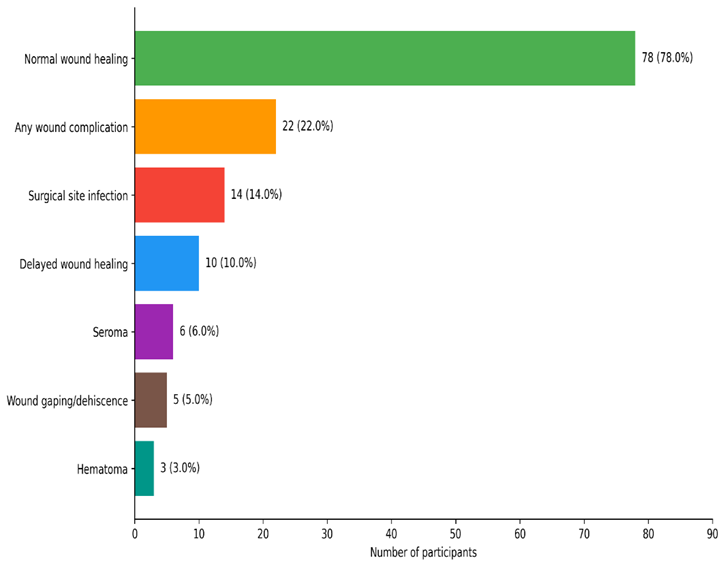
Figure 1: Postoperative wound outcomes among study participants
Table 4. Association of preoperative skin disorders with postoperative wound complications [n = 100]
|
Preoperative skin status |
Wound complication present |
Wound complication absent |
Total |
|
Skin disorder present |
18 |
24 |
42 |
|
No skin disorder |
4 |
54 |
58 |
|
Total |
22 |
78 |
100 |
Postoperative wound complications were substantially more frequent among patients with preoperative skin disorders. Of the 42 patients with a skin disorder, 18 [42.9%] developed postoperative wound complications, compared with only 4 of 58 patients [6.9%] without a skin disorder. This association was statistically significant on chi-square testing [χ² = 16.32, p < 0.001], indicating that preoperative skin disorders were strongly associated with poorer postoperative wound outcome (Table 4).
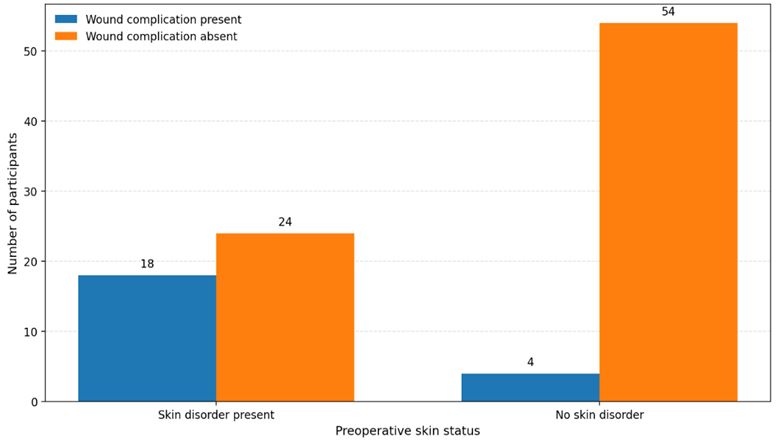
Figure 2: Association of preoperative skin disorders with postoperative wound complications
DISCUSSION:
The present observational study demonstrates that preoperative skin disorders were common in general surgery patients and were associated with a substantially higher frequency of postoperative wound complications. In the current series, 42% of patients had a clinically detectable skin disorder before surgery, and postoperative wound complications occurred in 22% overall. Most importantly, the complication rate was 42.9% in patients with preoperative skin disorders compared with only 6.9% in those without such abnormalities, and this association remained highly significant on chi-square testing. These findings support the clinical importance of careful skin examination during routine preoperative assessment.
The overall pattern of postoperative wound morbidity observed in this study is consistent with the wider SSI literature, which identifies wound-related complications as a persistent source of morbidity in surgical care [8,13]. Surgical site infection was the most frequent adverse outcome in our cohort, followed by delayed wound healing, seroma, and wound dehiscence. General reviews and large observational studies have shown that male sex, diabetes, obesity, smoking, contaminated wound class, longer preoperative stay, emergency surgery, and procedure-related factors influence the likelihood of SSI [11-14]. The baseline distribution of diabetes, smoking, obesity, emergency surgery, and contaminated wounds in the present study provides a biologically plausible background against which skin disorders can further compromise wound healing.
The observed association between skin disorders and poor wound outcome is also pathophysiologically credible. Cutaneous disease can disrupt epidermal integrity, increase colonization by pathogenic or opportunistic organisms, and promote inflammation, maceration, excoriation, or scratching. Such changes are likely to undermine the protective barrier function of skin at a time when the operative field depends heavily on local antisepsis and intact tissue defense. Evidence from SSI prevention guidelines and systematic reviews emphasizes that meticulous skin preparation before incision is central to prevention strategies [8]. Our findings extend that principle by suggesting that the pre-existing quality of the skin itself deserves greater attention.
Fungal infection was the most frequent skin disorder in this cohort, followed by bacterial skin infection and eczema/dermatitis. Although this study was not powered for disorder-specific comparative inference, the clinical implication is important: several of these conditions are recognizable and potentially treatable before surgery. This is particularly relevant in elective procedures, where targeted therapy, improved hygiene, and postponement of surgery in selected infected cases could reduce wound contamination risk. Smoking and diabetes are known to impair wound healing through tissue hypoxia, microvascular dysfunction, and altered immune response [9,10], and these factors likely amplified the adverse effect of skin disease in some of our patients.
This study highlights a simple but neglected message for surgical practice. Preoperative skin evaluation should not be limited to antiseptic painting on the day of surgery; it should begin with deliberate identification of active skin pathology during admission and pre-anesthetic work-up. Integrating skin assessment into routine surgical checklists could improve risk stratification and allow early intervention, especially in resource-limited settings where advanced laboratory screening is not always feasible.
Limitations
This study was conducted at a single tertiary-care teaching hospital and included 100 patients, which restricts external generalization. Classification of skin disorders was based mainly on clinical examination, and microbiological confirmation was not obtained for every lesion. Operative duration, antibiotic timing, nutritional indices, and serum albumin were not analyzed in multivariable models. Follow-up centered on early postoperative wound events, so late complications beyond the surveillance window were not captured fully.
CONCLUSION:
Preoperative skin disorders constituted an important clinical finding in this cohort of general surgery patients and showed a strong association with adverse postoperative wound outcomes. Nearly half of the patients with preoperative skin abnormalities developed wound-related complications, whereas complications were uncommon in patients without such disorders. Surgical site infection remained the leading complication, followed by delayed wound healing. These findings underline the value of systematic preoperative skin examination as part of surgical evaluation. Early recognition of fungal, bacterial, inflammatory, and excoriative skin lesions, together with perioperative optimization, can strengthen wound surveillance and support safer surgical care. Incorporating skin assessment into preoperative protocols could help reduce postoperative wound morbidity in general surgical practice.
REFERENCES:
1. Mangram AJ, Horan TC, Pearson ML, Silver LC, Jarvis WR. Guideline for prevention of surgical site infection, 1999. Hospital Infection Control Practices Advisory Committee. Am J Infect Control. 1999;27(2):97-132
2. Owens CD, Stoessel K. Surgical site infections: epidemiology, microbiology and prevention. J Hosp Infect. 2008;70 Suppl 2:3-10.
3. Cheadle WG. Risk factors for surgical site infection. Surg Infect (Larchmt). 2006;7 Suppl 1:S7-11.
4. World Health Organization. Global guidelines for the prevention of surgical site infection. Geneva: World Health Organization; 2018.
5. Allegranzi B, Bischoff P, de Jonge S, Kubilay NZ, Zayed B, Gomes SM, et al. New WHO recommendations on preoperative measures for surgical site infection prevention: an evidence-based global perspective. Lancet Infect Dis. 2016;16(12):e276-e287.
6. Kamel C, McGahan L, Polisena J, Mierzwinski-Urban M, Embil JM. Preoperative skin antiseptic preparations for preventing surgical site infections: a systematic review. Infect Control Hosp Epidemiol. 2012;33(6):608-617.
7. Dumville JC, McFarlane E, Edwards P, Lipp A, Holmes A. Preoperative skin antiseptics for preventing surgical wound infections after clean surgery. Cochrane Database Syst Rev. 2013;(3):CD003949.
8. Seidelman JL, Mantyh CR, Anderson DJ. Surgical site infection prevention: a review. JAMA. 2023;329(3):244-252.
9. Sorensen LT. Wound healing and infection in surgery. The clinical impact of smoking and smoking cessation: a systematic review and meta-analysis. Arch Surg. 2012;147(4):373-383.
10. Sandy-Hodgetts K, Carville K, Leslie GD. Determining risk factors for surgical wound dehiscence: a literature review. Int Wound J. 2015;12(3):265-275.
11. Haridas M, Malangoni MA. Predictive factors for surgical site infection in general surgery. Surgery. 2008;144(4):496-501; discussion 501-503.
12. de Carvalho RLR, Campos CC, Franco LMC, Rocha ADM, Ercole FF. Incidence and risk factors for surgical site infection in general surgeries. Rev Lat Am Enfermagem. 2017;25:e2848.
13. Alkaaki A, Al-Radi OO, Khoja A, Alnawawi A, Alnawawi A, Maghrabi A, et al. Surgical site infection following abdominal surgery: a prospective cohort study. Can J Surg. 2019;62(2):111-117.
Marzoug OA, Anees A, Malik EM. Assessment of risk factors associated with surgical site infection following abdominal surgery: a systematic review. BMJ Surg Interv Health Technol. 2023;5(1):e000182.