Maternal Hemodynamic Effects of Prophylactic Glycopyrrolate after Spinal Anaesthesia for Elective Caesarean Section.
- Padmavathi Bodiga , Associate Professor , Department of Anaesthesiology, Gandhi medical College Secunderabad, Telangana.
- Gouthami M , Associate professor , Department Anaesthesia, Government Medical College, Kamareddy, Telangana.
- Madhavi Gandhay , Associate Professor , Dept of Anaesthesia , Government Medical College, Maheshwaram, Telangana.
- Aishwarya Pasham , Senior Resident, Department of Anaesthesiology, Government Medical College, Maheshwaram, Telangana.
- Muralidhar Aavula , Professor, Dept of Anaesthesiology, Gandhi medical College, Secunderabad, Telangana.
Article Information:
Abstract:
Background: Spinal anaesthesia is widely used for elective caesarean section, yet maternal hypotension and bradycardia remain common complications. Glycopyrrolate may improve intraoperative haemodynamic stability by preventing vagally mediated bradycardia and reducing rescue vasopressor requirement. Methods: This comparative hospital-based study included 100 pregnant women undergoing elective caesarean section under spinal anaesthesia. Participants were divided into two groups of 50 each. The glycopyrrolate group received intravenous glycopyrrolate 0.2 mg, while the control group received normal saline. Heart rate, systolic blood pressure, diastolic blood pressure, mean arterial pressure, vasopressor use, nausea, vomiting, and dry mouth were compared. Results: Baseline characteristics were comparable. The glycopyrrolate group maintained significantly higher heart rate and blood pressure values at most measured time points. Mean arterial pressure became significantly higher from 2 minutes onward. Rescue mephentermine and phenylephrine requirements were lower with glycopyrrolate. Nausea was markedly reduced, while dry mouth was more frequent. Conclusion: Prophylactic glycopyrrolate improved maternal haemodynamic stability during elective caesarean section under spinal anaesthesia and reduced vasopressor requirement and intraoperative nausea, although it was associated with more dry mouth
Keywords:
Article :
INTRODUCTION:
Spinal anaesthesia remains the preferred anaesthetic technique for elective caesarean section because it provides rapid onset, dense sensory blockade, excellent muscle relaxation, and avoids airway manipulation [1,2]. Despite these advantages, sympathetic blockade following intrathecal local anaesthetic administration frequently produces maternal hypotension and may be accompanied by bradycardia, nausea, vomiting, dizziness, and reduced uteroplacental perfusion [3-5]. These physiological disturbances are particularly relevant in obstetric anaesthesia because maternal cardiovascular instability can adversely affect both maternal comfort and fetal wellbeing [5].
Post-spinal hypotension continues to be a major challenge during caesarean delivery, with published data showing a high incidence even in modern practice [3,8,9]. Standard preventive measures include intravenous fluid loading, left uterine displacement, and rescue vasopressor therapy. Although effective, these approaches do not always prevent bradycardia and may require repeated drug administration or close titration [14,17-19].
Glycopyrrolate is a quaternary ammonium antimuscarinic drug that increases heart rate by blocking vagal action on the sinoatrial node and does not significantly cross the blood-brain or placental barriers [2,7].
Several investigators have suggested that prophylactic glycopyrrolate may attenuate spinal anaesthesia- related haemodynamic instability and decrease vasopressor requirement [4-6,9-13,16]. The present study was undertaken to evaluate the maternal haemodynamic effects of prophylactic glycopyrrolate after spinal anaesthesia for elective caesarean section and to assess its influence on rescue vasopressor use and common intraoperative adverse effects.
MATERIALS AND METHODS:
This comparative hospital-based study was conducted in the Department of Anaesthesiology, Gandhi Medical College and Hospital, Secunderabad, over an 18-month period from June 2023 to November 2024. One hundred pregnant women aged 18 to 45 years, belonging to ASA physical status I or II and scheduled for elective caesarean section under spinal anaesthesia, were included after written informed consent. Patients with pregnancy-induced hypertension, fetal anomalies, major cardiovascular or pulmonary disease, coagulopathy, infection at the puncture site, severe spinal deformity, or other contraindications to spinal anaesthesia were excluded.
Participants were divided into two groups of 50 each. Group A received intravenous glycopyrrolate 0.2 mg, whereas Group B received normal saline alone. Baseline heart rate, systolic blood pressure, diastolic blood pressure, and mean arterial pressure were recorded before spinal anaesthesia and subsequently monitored at 0, 2, 5, 10, 15, 30, 45, and 60 minutes. The need for rescue vasopressors, specifically mephentermine and phenylephrine, was documented. Adverse effects including nausea, vomiting, and dry mouth were also recorded.
Data were analysed using SPSS. Continuous variables were expressed as mean ± standard deviation and compared using the independent t test. Categorical variables were expressed as frequencies and percentages and compared using the chi-square test. A p value below 0.05 was considered statistically significant.
RESULTS:
Baseline Age
The age distribution was comparable in both study groups, which suggests that the participants were broadly similar at the time of enrolment. The mean age was 30.02 ± 3.03 years in the control group and 29.73 ± 2.61 years in the glycopyrrolate group, with no statistically significant difference between them (p=0.640). This finding indicates that age was unlikely to have acted as a confounding factor in the interpretation of haemodynamic outcomes later in the study (Table 1, Figure 1).
Baseline Height
The mean height of the participants was also nearly identical in the two groups. Women in the control arm had a mean height of 5.19 ± 0.20 ft, while those in the glycopyrrolate arm had a mean height of 5.21 ± 0.19 ft, and this difference was not statistically significant (p=0.552). This close similarity supports the view that both groups were physically comparable at baseline, thereby strengthening the internal validity of the comparison (Table 2, Figure 2).
Baseline Weight
Body weight was likewise well matched between the two groups. The mean weight was 69.12 ± 6.58 kg in the control group and 69.10 ± 6.52 kg in the glycopyrrolate group, with an almost negligible difference and a non-significant p value of 0.987. Such uniformity in body weight reduces the chance that differences in drug effect or haemodynamic response were due to baseline anthropometric imbalance rather than the intervention itself (Table 3, Figure 3).
Heart Rate at Various Time Points
A clear difference was observed in heart rate between the two groups throughout the monitoring period. From baseline itself, the glycopyrrolate group showed a higher mean heart rate than the control group, and this pattern persisted at 2, 5, 10, 15, 30, 45, and 60 minutes. All comparisons were highly significant, with p values below 0.001. These findings suggest that prophylactic glycopyrrolate effectively prevented the fall in pulse rate that commonly follows spinal anaesthesia and helped maintain more stable maternal cardiovascular status during surgery (Table 4, Figure 4).
Systolic Blood Pressure at Various Time Points
Systolic blood pressure remained consistently better preserved in the glycopyrrolate group across the intraoperative period. At every recorded time point, the mean systolic blood pressure was higher in women who received glycopyrrolate, and the differences were statistically significant throughout (p<0.001). This pattern indicates that glycopyrrolate may have contributed to improved circulatory stability after spinal anaesthesia, thereby reducing the tendency toward intraoperative hypotension (Table 5, Figure 5).
Diastolic Blood Pressure at Various Time Points
The trend seen with systolic pressure was also reflected in diastolic blood pressure. Women in the glycopyrrolate group maintained higher diastolic pressure values at all assessed intervals compared with the control group, and these differences were again statistically significant at every time point (p<0.001). This finding further supports the beneficial haemodynamic effect of glycopyrrolate in maintaining vascular tone and reducing marked blood pressure fluctuations during elective caesarean section under spinal anaesthesia (Table 6, Figure 6).
Mean Arterial Pressure at Various Time Points
Mean arterial pressure showed an interesting pattern. At baseline, the difference between the two groups was not statistically significant (p=0.062), indicating that both groups started with comparable perfusion pressure. However, from 2 minutes onward, the glycopyrrolate group demonstrated clearly higher mean arterial pressure values at every time point, and all these later differences were highly significant (p<0.001). This suggests that the protective haemodynamic effect of glycopyrrolate became evident soon after spinal anaesthesia and continued throughout the observed period (Table 7, Figure 7).
Mephentermine Requirement
The requirement for mephentermine was noticeably lower in the glycopyrrolate group. In the control group, 40% of patients required mephentermine, compared with only 20% in the glycopyrrolate group, and this difference was statistically significant (p=0.029). This finding suggests that prophylactic glycopyrrolate reduced the severity or frequency of hypotensive episodes enough to lessen the need for rescue vasopressor support during surgery (Table 8, Figure 8).
Phenylephrine Requirement
A similar result was noted for phenylephrine use. Nearly half of the women in the control group required phenylephrine, whereas the proportion was substantially lower in the glycopyrrolate group. The difference was statistically significant (p=0.021), indicating that glycopyrrolate was associated with reduced dependence on additional vasopressor agents. Taken together with the mephentermine findings, this points toward a more stable intraoperative haemodynamic profile in the intervention arm (Table 9, Figure 9).
Incidence of Nausea
Nausea was markedly less common among women who received glycopyrrolate. While 26% of patients in the control group experienced nausea, only 2% in the glycopyrrolate group reported this symptom, and the difference was highly significant (p=0.001). Since intraoperative nausea during spinal anaesthesia is often linked to hypotension and vagal predominance, this reduction likely reflects the better haemodynamic control achieved with glycopyrrolate (Table 10, Figure 10).
Incidence of Vomiting
Vomiting was less frequent in the glycopyrrolate group than in the control group, with rates of 2% and 10%, respectively. However, this difference did not reach statistical significance (p=0.092). Even though the statistical threshold was not crossed, the overall trend still favoured glycopyrrolate and may indicate a modest clinical benefit in reducing emetic symptoms during the procedure (Table 11, Figure 11).
Incidence of Dry Mouth
Dry mouth was observed more often in the glycopyrrolate group, affecting 22% of patients compared with 8% in the control group. This difference was at the borderline of statistical significance (p=0.050). The finding is not unexpected, as glycopyrrolate is an anticholinergic drug and reduced salivary secretion is a known pharmacological effect. Thus, while glycopyrrolate appeared beneficial in maintaining maternal haemodynamics, it was also associated with this predictable adverse effect (Table 12, Figure 12).
When the findings are viewed together, the study shows a consistent pattern in favour of prophylactic glycopyrrolate. Baseline variables such as age, height, and weight were well balanced, which supports a fair comparison between groups. Intraoperatively, the glycopyrrolate group maintained higher heart rate and blood pressure values, required fewer rescue vasopressors, and had a much lower incidence of nausea. Although dry mouth was more common and vomiting did not show a statistically significant reduction, the overall results suggest that glycopyrrolate improved maternal haemodynamic stability during elective caesarean section under spinal anaesthesia.
Table 1: Comparison of age between the groups
|
Group |
Mean |
SD |
t value |
p value |
|
Control |
30.02 |
3.03 |
0.47 |
0.640 |
|
Glycopyrrolate |
29.73 |
2.61 |
The mean age was comparable between the two groups, and the difference was not statistically significant.
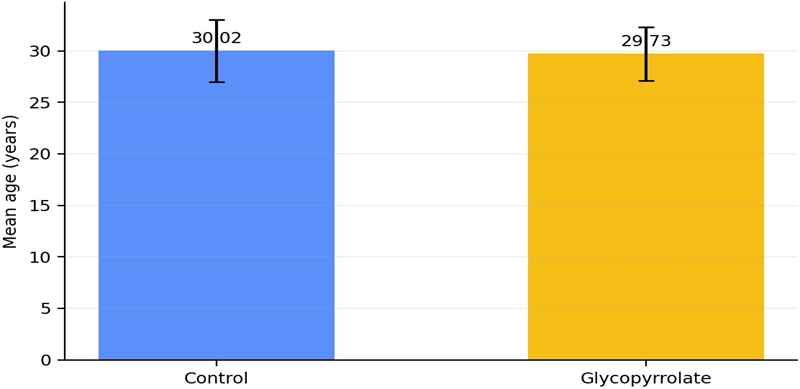
Figure 1: Comparison of age between the groups
Table 2: Comparison of height between the groups
|
Group |
Mean |
SD |
t value |
p value |
|
Control |
5.19 |
0.20 |
-0.60 |
0.552 |
|
Glycopyrrolate |
5.21 |
0.19 |
The mean height was comparable between the two groups, and the difference was not statistically significant.
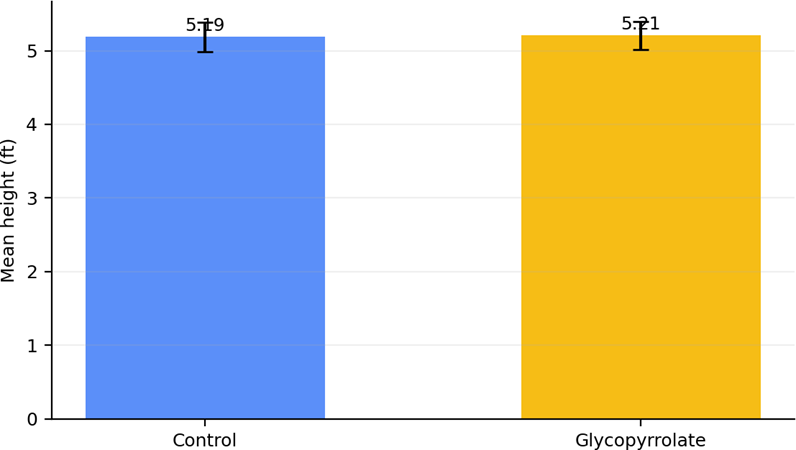
Figure 2: Comparison of height between the groups
Table 3: Comparison of weight between the groups
|
Group |
Mean |
SD |
t value |
p value |
|
Control |
69.12 |
6.58 |
0.02 |
0.987 |
|
Glycopyrrolate |
69.10 |
6.52 |
The mean weight was comparable between the two groups, and the difference was not statistically significant
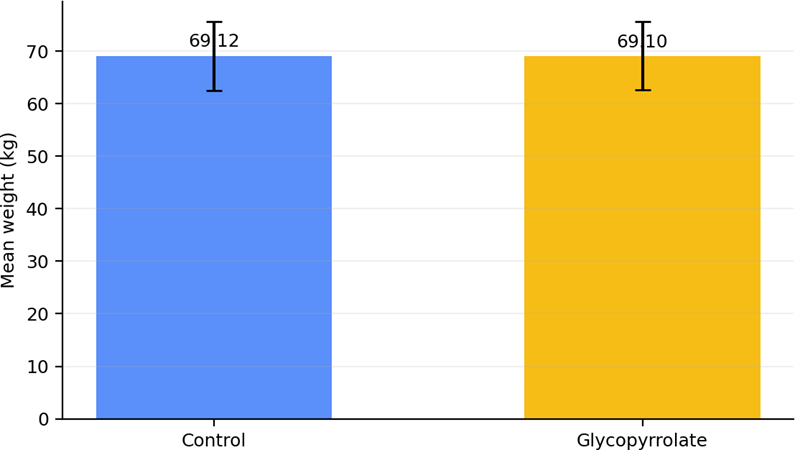
Figure 3: Comparison of weight between the groups
Table 4. Comparison of heart rate at various time points
|
Time point |
Control (Mean ± SD) |
Glycopyrrolate (Mean ± SD) |
t value |
p value |
|
0 min |
90.34 ± 4.56 |
98.90 ± 4.76 |
-8.22 |
<0.001 |
|
2 min |
84.83 ± 4.60 |
101.80 ± 4.77 |
-16.19 |
<0.001 |
|
5 min |
84.69 ± 4.53 |
101.34 ± 5.03 |
-15.55 |
<0.001 |
|
10 min |
85.06 ± 4.47 |
101.34 ± 4.92 |
-15.48 |
<0.001 |
|
15 min |
84.31 ± 4.60 |
101.06 ± 5.14 |
-15.36 |
<0.001 |
|
30 min |
84.66 ± 4.52 |
101.44 ± 5.05 |
-15.67 |
<0.001 |
|
45 min |
84.81 ± 4.94 |
101.39 ± 4.89 |
-15.10 |
<0.001 |
|
60 min |
84.97 ± 4.50 |
101.56 ± 5.08 |
-15.45 |
<0.001 |
The glycopyrrolate group maintained more stable haemodynamic values across the measured period
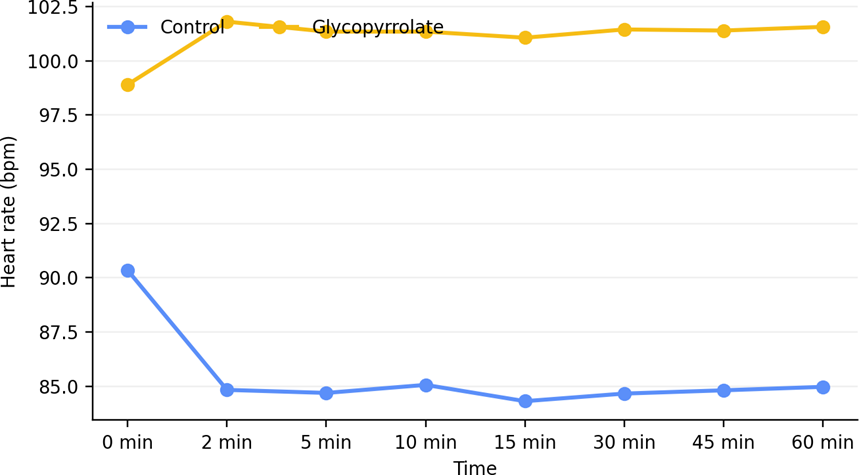
Figure 4: Comparison of heart rate at various time points
Table 5: Comparison of systolic blood pressure at various time points
|
Time point |
Control (Mean ± SD) |
Glycopyrrolate (Mean ± SD) |
t value |
p value |
|
0 min |
110.39 ± 8.30 |
122.79 ± 9.27 |
-6.02 |
<0.001 |
|
2 min |
100.23 ± 8.41 |
122.60 ± 12.28 |
-8.80 |
<0.001 |
|
5 min |
99.68 ± 8.72 |
122.87 ± 11.89 |
-9.28 |
<0.001 |
|
10 min |
100.52 ± 9.30 |
122.32 ± 12.68 |
-8.18 |
<0.001 |
|
15 min |
101.29 ± 9.14 |
122.96 ± 12.57 |
-8.22 |
<0.001 |
|
30 min |
100.89 ± 8.58 |
122.44 ± 12.83 |
-8.16 |
<0.001 |
|
45 min |
100.52 ± 8.92 |
122.81 ± 12.60 |
-8.49 |
<0.001 |
|
60 min |
99.99 ± 9.64 |
122.72 ± 11.86 |
-8.88 |
<0.001 |
The glycopyrrolate group maintained more stable haemodynamic values across the measured period.
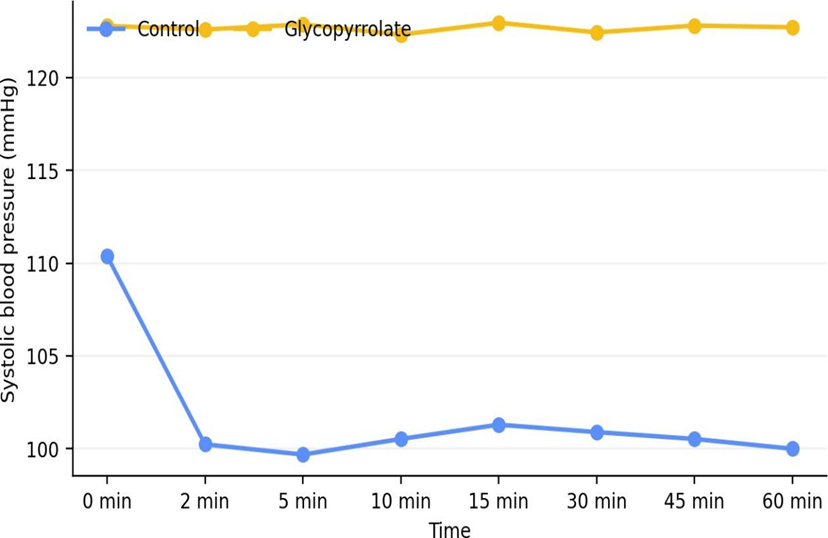
Figure 5: Comparison of systolic blood pressure at various time points
Table 6: Comparison of diastolic blood pressure at various time points
|
Time point |
Control (Mean ± SD) |
Glycopyrrolate (Mean ± SD) |
t value |
p value |
|
0 min |
69.28 ± 5.80 |
78.03 ± 5.92 |
-6.45 |
<0.001 |
|
2 min |
62.43 ± 5.83 |
77.65 ± 8.82 |
-8.40 |
<0.001 |
|
5 min |
62.41 ± 5.74 |
77.91 ± 8.46 |
-8.87 |
<0.001 |
|
10 min |
62.24 ± 6.29 |
78.00 ± 8.42 |
-8.87 |
<0.001 |
|
15 min |
62.50 ± 5.11 |
78.03 ± 8.46 |
-9.09 |
<0.001 |
|
30 min |
62.35 ± 6.30 |
77.78 ± 9.02 |
-8.23 |
<0.001 |
|
45 min |
62.68 ± 6.27 |
77.77 ± 8.65 |
-8.33 |
<0.001 |
|
60 min |
62.52 ± 6.32 |
77.87 ± 8.58 |
-8.51 |
<0.001 |
The glycopyrrolate group maintained more stable haemodynamic values across the measured period
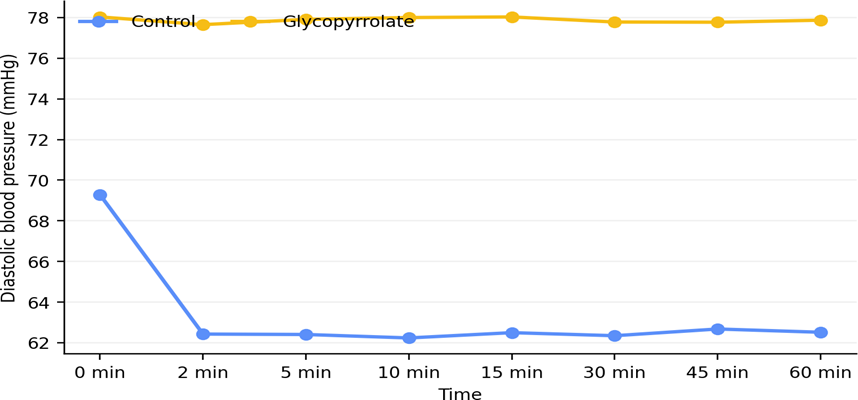
Figure 6. Comparison of diastolic blood pressure at various time points.
Table 7: Comparison of mean arterial pressure at various time points
|
Time point |
Control (Mean ± SD) |
Glycopyrrolate (Mean ± SD) |
t value |
p value |
|
0 min |
89.83 ± 5.51 |
87.45 ± 7.06 |
1.89 |
0.062 |
|
2 min |
75.03 ± 4.79 |
92.64 ± 9.27 |
-9.64 |
<0.001 |
|
5 min |
74.82 ± 4.48 |
92.90 ± 8.82 |
-10.43 |
<0.001 |
|
10 min |
75.00 ± 4.74 |
92.78 ± 9.06 |
-9.95 |
<0.001 |
|
15 min |
75.43 ± 4.44 |
93.01 ± 8.95 |
-10.03 |
<0.001 |
|
30 min |
75.19 ± 4.45 |
92.67 ± 9.42 |
-9.53 |
<0.001 |
|
45 min |
75.29 ± 4.92 |
92.80 ± 9.25 |
-9.56 |
<0.001 |
|
60 min |
75.01 ± 4.93 |
92.82 ± 8.84 |
-10.11 |
<0.001 |
The glycopyrrolate group maintained more stable haemodynamic values across the measured period
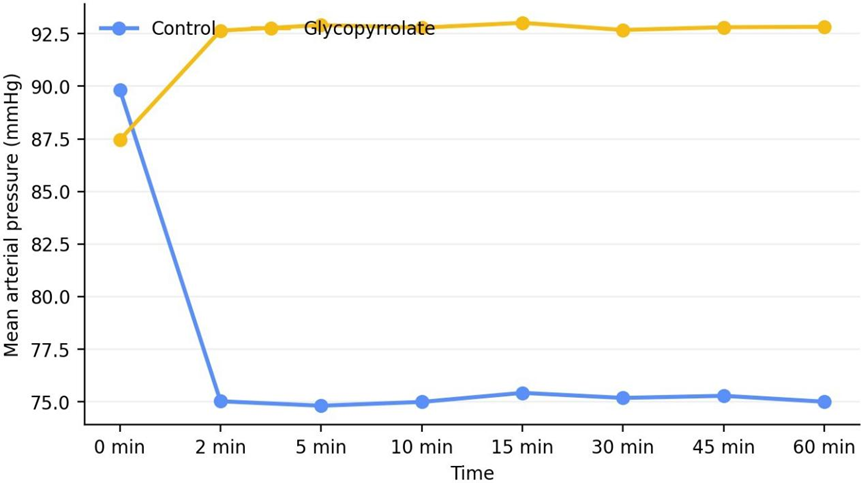
Figure 7: Comparison of mean arterial pressure at various time points
Table 8: Comparison of mephentermine requirement between the groups
|
Group |
Yes, n (%) |
No, n (%) |
Chi-square / p value |
|
Control |
20 (40.0%) |
30 (60.0%) |
χZ=4.76; p=0.029 |
|
Glycopyrrolate |
10 (20.0%) |
40 (80.0%) |
|
The need for mephentermine was lower in the glycopyrrolate group
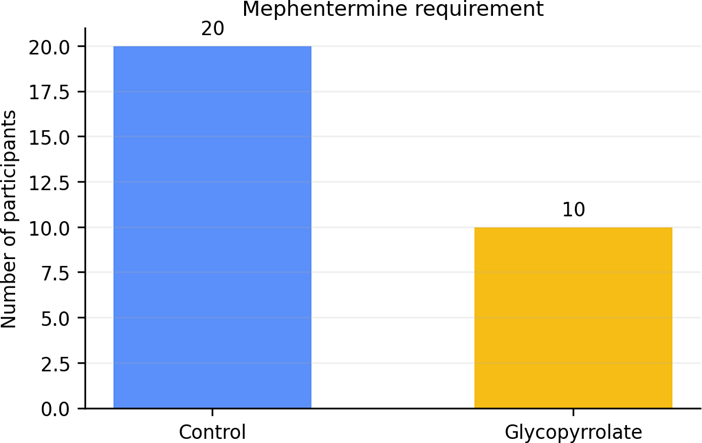
Figure 8: Comparison of mephentermine requirement between the groups.
Table 9: Comparison of phenylephrine requirement between the groups
|
Group |
Yes, n (%) |
No, n (%) |
Chi-square / p value |
|
Control |
23 (46.0%) |
27 (54.0%) |
χZ=5.32; p=0.021 |
|
Glycopyrrolate |
12 (24.0%) |
38 (76.0%) |
|
The need for phenylephrine was lower in the glycopyrrolate group
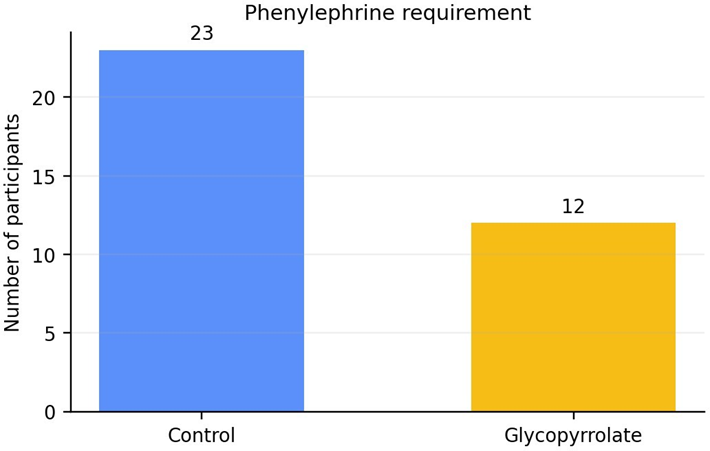
Figure 9: Comparison of phenylephrine requirement between the groups
Table 10. Comparison of nausea between the groups
|
Group |
Yes, n (%) |
No, n (%) |
Chi-square / p value |
|
Control |
13 (26.0%) |
37 (74.0%) |
χZ=11.96; p=0.001 |
|
Glycopyrrolate |
1 (2.0%) |
49 (98.0%) |
|
The incidence of nausea was markedly lower in the glycopyrrolate group.
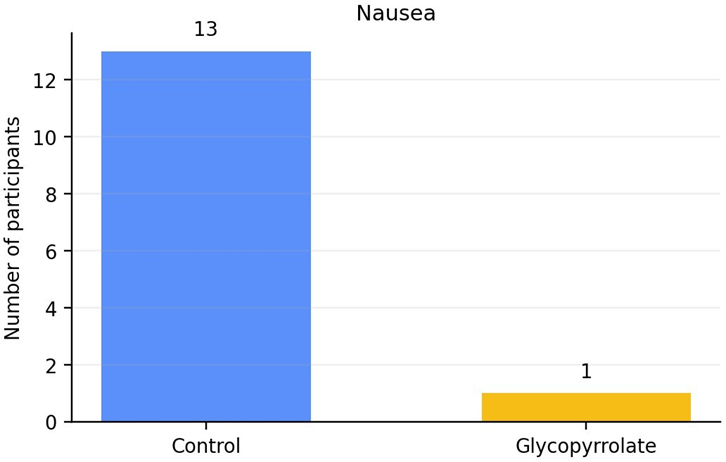
Figure 10. Comparison of nausea between the groups.
Table 11: Comparison of vomiting between the groups
|
Group |
Yes, n (%) |
No, n (%) |
Chi-square / p value |
|
Control |
5 (10.0%) |
45 (90.0%) |
χZ=2.84; p=0.092 |
|
Glycopyrrolate |
1 (2.0%) |
49 (98.0%) |
|
Vomiting was less frequent in the glycopyrrolate group, although the difference was not statistically significant.
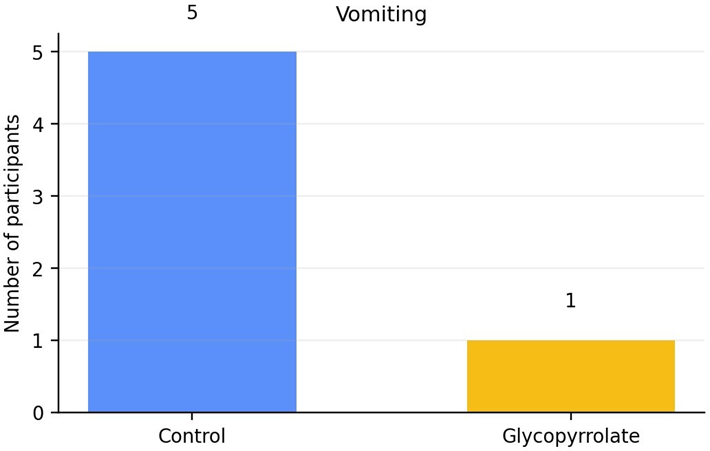
Figure 11: Comparison of vomiting between the groups
Table 12: Comparison of dry mouth between the groups
|
Group |
Yes, n (%) |
No, n (%) |
Chi-square / p value |
|
Control |
4 (8.0%) |
46 (92.0%) |
χZ=3.84; p=0.050 |
|
Glycopyrrolate |
11 (22.0%) |
39 (78.0%) |
|
Dry mouth was more frequent in the glycopyrrolate group, which is consistent with the known anticholinergic effect of glycopyrrolate.
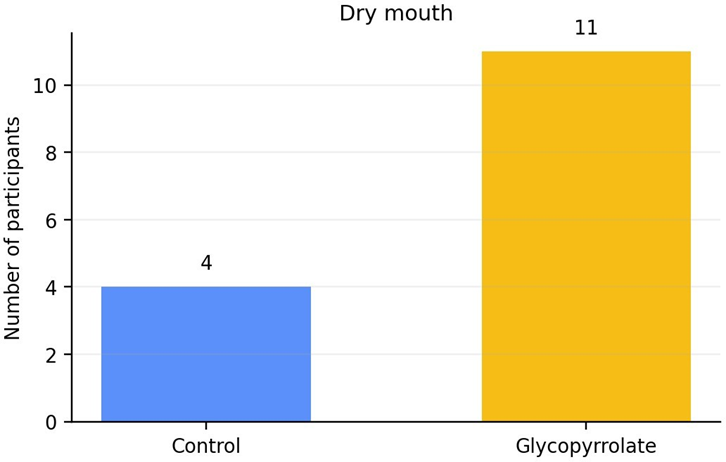
Figure 12: Comparison of dry mouth between the groups
DISCUSSION:
The present study demonstrates that prophylactic glycopyrrolate administered before spinal anaesthesia for elective caesarean section was associated with better intraoperative haemodynamic stability. Women who received glycopyrrolate maintained higher heart rates and blood pressure values and required fewer rescue vasopressors than controls. These findings support the physiological concept that antimuscarinic blockade can offset the vagal predominance and reduced venous return that often accompany spinal anaesthesia in parturients [3,14,15].
The sustained increase in heart rate observed in the glycopyrrolate group is consistent with earlier reports by Yentis et al., Chamchad et al., and Ngan Kee et al., who documented improved heart rate preservation after prophylactic glycopyrrolate [4,6,9]. In obstetric anaesthesia, prevention of bradycardia is clinically valuable because maternal heart rate contributes to cardiac output when preload is already compromised by sympathetic blockade and aortocaval compression [3,25].
A clinically important finding in this study was the reduction in mephentermine and phenylephrine requirement. Rescue vasopressors remain central to the management of post-spinal hypotension, but repeated dosing can be cumbersome, especially in busy or resource-constrained units [17-19]. Patel et al. reported similar findings in a meta-analysis and showed that glycopyrrolate may reduce vasopressor use even when its effect on hypotension incidence varies across studies [13].
The lower incidence of nausea in the glycopyrrolate group is also noteworthy. Intraoperative nausea during caesarean section under spinal anaesthesia is often linked to hypotension and increased vagal activity [5,20]. By supporting blood pressure and blocking vagal input, glycopyrrolate appears to improve both haemodynamic and symptomatic stability. Vomiting was lower in frequency but did not show statistical significance, which agrees with earlier literature suggesting that glycopyrrolate may not be sufficient as stand-alone antiemetic prophylaxis [11,20].
Dry mouth was more frequent with glycopyrrolate, which is expected from its anticholinergic action [2,7]. Even so, the overall balance of benefit favoured glycopyrrolate, especially in women at risk of bradycardia or clinically relevant post-spinal hypotension.
CONCLUSION:
Prophylactic glycopyrrolate given before spinal anaesthesia for elective caesarean section improved maternal haemodynamic stability by maintaining higher heart rate, systolic blood pressure, diastolic blood pressure, and mean arterial pressure during the intraoperative period. It also reduced rescue mephentermine and phenylephrine requirements and substantially lowered the incidence of nausea.
Although dry mouth occurred more frequently, the overall clinical profile supports glycopyrrolate as a useful adjunct during elective caesarean delivery under spinal anaesthesia.
REFERENCES:
1. Miller RD. Miller’s Anesthesia. 6th ed. Pennsylvania: Elsevier Churchill Livingstone; 2005. p. 1661-70.
2. Morgan GE, Mikhail MS, Murray MJ. Clinical Anesthesiology. 4th ed. New York: Lange Medical Books/McGraw-Hill; 2006. p. 240, 317-21.
3. Hasanin A, Mokhtar AM, Badawy AA, Fouad R. Post-spinal anesthesia hypotension during cesarean delivery: a review article. Egypt J Anaesth. 2017;33(2):189-93.
4. Yentis SM, Jenkins CS, Lucas DN, Barnes PK. The effect of prophylactic glycopyrrolate on maternal haemodynamics following spinal anaesthesia for elective caesarean section. Int J Obstet Anesth. 2000;9(3):156-9.
5. Ure D, James K, McNeill M, Booth JV. Glycopyrrolate reduces nausea during spinal anesthesia for caesarean section without affecting neonatal outcome. Br J Anaesth. 1999;82(2):277-9.
6. Chamchad D, Horrow JC, Nakhamchik L, Sauter J, Roberts N, Aronzon B, et al. Prophylactic glycopyrrolate prevents bradycardia after spinal anesthesia for caesarean section: a randomized, double- blinded, placebo-controlled prospective trial with heart rate variability correlation. J Clin Anesth. 2011;23(5):361-6.
7. Ali-Melkkila T, Kaila T, Kanto J, Lisalo E. Pharmacokinetics of glycopyronium in parturients. Anaesthesia. 1990;45(8):634-7.
8. Yoon HJ, Cho HJ, Lee IH, Jee YS, Kim SM. Comparison of hemodynamic changes between phenylephrine and combined phenylephrine and glycopyrrolate groups after spinal anesthesia for caesarean delivery. Korean J Anesthesiol. 2012;62(1):35-9.
9. Ngan Kee WD, Lee SW, Khaw KS, Ng FF. Haemodynamic effects of glycopyrrolate pre-treatment before phenylephrine infusion during spinal anaesthesia for caesarean delivery. Int J Obstet Anesth. 2013;22(3):179-87.
10. Manem A, Krishnamurthy D. Evaluation of pre-emptive intramuscular glycopyrrolate in prevention of spinal anesthesia-induced hypotension in elective caesarean sections. Indian J Anesth Analg. 2019;6(3):705-11.
11. Jain R, Sharma R. A comparative study of effects of glycopyrrolate and ondansetron on nausea and vomiting in caesarean section under spinal anesthesia. Anesth Essays Res. 2015;9(3):348-52.
12. Hwang J, Min S, Kim C, Gil N, Kim E, Huh J. Prophylactic glycopyrrolate reduces hypotensive responses in elderly patients during spinal anesthesia: a randomized controlled trial. Can J Anesth. 2014;61:32-8.
13. Patel SD, Habib AS, Phillips S, Carvalho B, Sultan P. The effect of glycopyrrolate on the incidence of hypotension and vasopressor requirement during spinal anesthesia for cesarean delivery: a meta- analysis. Anesth Analg. 2018;126(2):552-8.
14. Liu SS, McDonald SB. Current issues in spinal anesthesia. Anesthesiology. 2001;94:888-906.
15. Carpenter RL, Caplan RA, Brown DL, Stephenson C, Wu R. Incidence and risk factors for side effects of spinal anesthesia. Anesthesiology. 1992;76:906-16.
16. Piya R, Shrestha A, Pradhan M, Amatya SP, Hirachan N, Ghimire B. Maternal hemodynamic effect of prophylactic glycopyrrolate after spinal anesthesia for elective caesarean section. J Patan Acad Health Sci. 2021;8(1):44-50.
17. Bhardwaj N, Jain K, Arora S, Bharti N. A comparison of three vasopressors for tight control of maternal blood pressure during cesarean section under spinal anesthesia: effect on maternal and fetal outcome. J Anaesthesiol Clin Pharmacol. 2013;29:26-31.
18. Ngan Kee WD, Khaw KS, Ng FF. Prevention of hypotension during spinal anesthesia for cesarean delivery: an effective technique using combination phenylephrine infusion and crystalloid cohydration. Anesthesiology. 2005;103(4):744-50.
19. Fitzgerald JP, Fedoruk KA, Jadin SM, Carvalho B, Halpern SH. Prevention of hypotension after spinal anaesthesia for caesarean section: a systematic review and network meta-analysis of randomised controlled trials. Anaesthesia. 2020;75(1):109-21.
20. Biswas B, Rudra A, Das S, Nath S, Biswas S. A comparative study of glycopyrrolate, dexamethasone and metoclopramide in control of post-operative nausea and vomiting after spinal anaesthesia for caesarean delivery. Indian J Anaesth. 2003;47(3):198-200.