Comparison of percentage body weight changes with dapagliflozin in diabetic vs non diabetic heart failure patients after 6 months follow up: a prospective study from Eastern India.
- Abhishek Ghos , Associate Professor, Department of Pharmacology, Medicine OPD and Diabetes and Lifestyle OPD, College of Medicine & JNM Hospital, Kalyani, India.
- Partha Guha , Post graduate trainee, Department of Pharmacology, Medicine OPD and Diabetes and Lifestyle OPD, College of Medicine & JNM Hospital, Kalyani, India.
- Anik Mondal , Post graduate trainee, Department of Pharmacology, Medicine OPD and Diabetes and Lifestyle OPD, College of Medicine & JNM Hospital, Kalyani, India.
Article Information:
Abstract:
Background: Regardless of whether a patient has diabetes or not, dapagliflozin, an inhibitor of the sodium–glucose cotransporter-2 (SGLT2), has demonstrated notable advantages in heart failure patients. It may help reduce body weight in addition to improving cardiovascular outcomes. Objective: To assess the percentage changes in body weight between diabetic and non-diabetic heart failure patients following six months of dapagliflozin medication. Methods: Over the course of a year, 100 patients with heart failure participated in a prospective observational study. Elevated NT-proBNP levels and ECG results were used to diagnose the patients. Participants were split into two groups: 50 people with diabetes and another 50 people without the disease. Every patient was monitored for six months after receiving dapagliflozin. An independent t-test was used to compute and compare the percentage change in body weight between the groups. Results: Patients with diabetes had a mean percentage drop in body weight of −4.07 ± 1.12%, whereas those without diabetes had a reduction of −3.18 ± 0.96%. There was a statistically significant difference between the groups (p < 0.001). Conclusion: Both diabetic and non-diabetic heart failure patients experienced a considerable decrease in body weight as a result of dapagliflozin medication, with diabetic patients experiencing a larger reduction
Keywords:
Article :
INTRODUCTION:
Heart failure (HF) is a serious worldwide health issue with significant rates of morbidity, mortality, and medical expenses. Patients with heart failure now have much better outcomes thanks to recent developments in medication. Initially created to treat diabetes, sodium–glucose cotransporter-2 (SGLT2) inhibitors have shown significant cardiovascular improvements in heart failure patients, irrespective of their diabetes status.
It has been demonstrated that dapagliflozin lowers mortality and hospitalization in HF 2patients (1). Apart from its cardioprotective benefits, dapagliflozin may cause osmotic diuresis and glucosuria, which might result in slight weight loss.
Patients with heart failure may benefit from better metabolic and cardiovascular outcomes if they lose weight. Few studies, nonetheless, have examined weight changes in dapagliflozin-treated HF patients with diabetes and those without the disease (2). Thus, the purpose of this study was to examine the percentage changes in body weight between diabetes and non-diabetic heart failure patients following six months of dapagliflozin medication.
MATERIALS AND METHODS:
Study Design
A prospective observational study conducted over 12 months in patients diagnosed with heart failure.
Study Population
Total 100 patients with heart failure were enrolled.
• Diabetic HF patients: 50
• Non-diabetic HF patients: 50
Inclusion Criteria
• Age >18 years
• Diagnosed heart failure patients
• Elevated NT-proBNP levels
• ECG evidence supporting heart failure
• Patients receiving dapagliflozin therapy
Exclusion Criteria
• Severe renal impairment
• Acute decompensated heart failure
• Pregnancy
• Patients not completing follow-up
Statistical Analysis
In order to analyze the data, descriptive statistics were used. The mean ± standard deviation (SD) was used to express continuous variables. An independent t-test was used to examine group differences. Statistical significance was defined as a p-value of less than 0.05.
RESULTS:
Table 1: Baseline Characteristics.
|
Variable |
Diabetic HF (n=50) |
Non-Diabetic HF (n=50) |
p value |
|
Mean Age (years) |
60 ± 9 |
58 ± 10 |
0.28 |
|
Male (%) |
64% |
60% |
0.67 |
|
Mean NT-proBNP (pg/ml) |
2100 ± 480 |
1980 ± 520 |
0.19 |
Table 2: Comparison of Weight Reduction Between Groups.
|
Parameter |
Diabetic HF (n=50) |
Non-Diabetic HF (n=50) |
p value |
|
Age (years) |
51.7 ± 10.19 |
64.56 ± 6.25 |
<0.001 |
|
BMI (kg/m²) |
26.91 ± 3.32 |
26.15 ± 3.43 |
0.29 |
|
% Body Weight Reduction |
4.07 ± 1.99 |
1.67 ± 2.63 |
<0.001 |
Table 3: Baseline Characteristics.
|
Group |
Mean Age (years) |
SD |
N |
Mean BMI |
SD |
N |
|
Diabetic HF |
51.70 |
10.19 |
50 |
26.91 |
3.32 |
50 |
|
Non-Diabetic HF |
64.56 |
6.25 |
50 |
26.15 |
3.43 |
50 |
Table 4: Percentage Body Weight Reduction.
|
Group |
Mean % Reduction |
SD |
N |
|
Diabetic HF |
4.07% |
1.99 |
50 |
|
Non-Diabetic HF |
1.67% |
2.63 |
50 |
Highly statistically significant (p < 0.001)
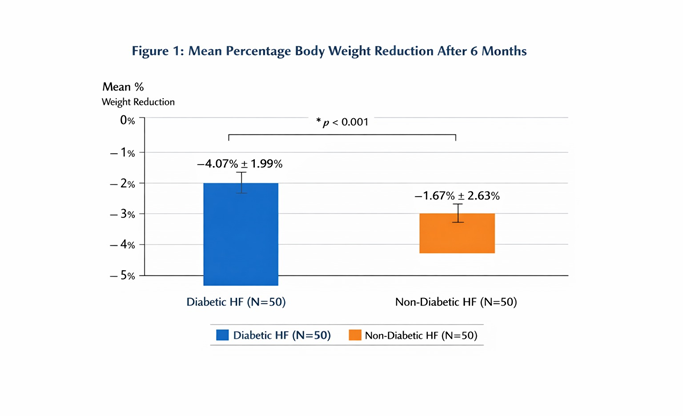
Figure 1: mean percentage weight reduction by BMI category.
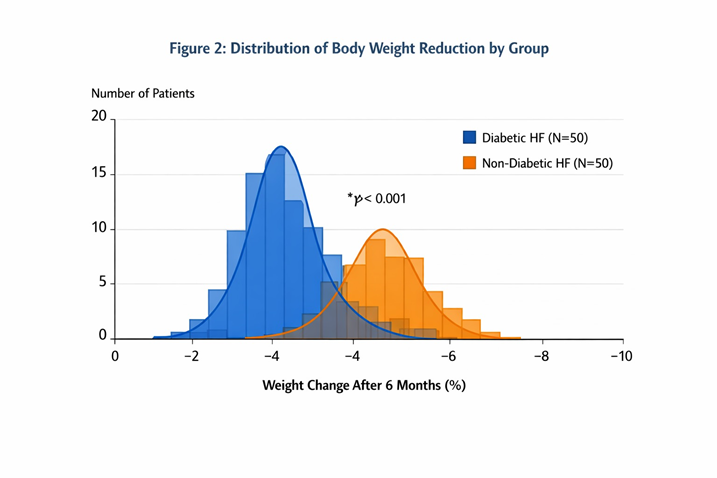
Figure 2: Distribution of body weight reduction by group
DISCUSSION:
After six months of treatment, this study assessed the impact of dapagliflozin on percentage changes in body weight in heart failure patients with and without diabetes. The results show that dapagliflozin was linked to a considerable decrease in body weight in both groups, with diabetes individuals showing a larger reduction(3). The diabetic heart failure group experienced a mean percentage drop in body weight of about 4.07%, while the non-diabetic group experienced a reduction of 1.67%. This difference was highly significant (p < 0.001) according to statistical analysis, suggesting that diabetes patients lost more weight after starting dapagliflozin medication. The box plot shows the distribution and variability of weight changes among research participants, while the bar graph clearly shows the difference in mean weight decrease between the two groups(4).
The pharmacological mechanism of dapagliflozin can account for the increased weight loss seen in diabetes patients. Dapagliflozin, an inhibitor of sodium–glucose cotransporter-2 (SGLT2), increases the excretion of glucose in the urine, which results in osmotic diuresis and calorie loss. Higher plasma glucose levels in diabetics cause increased glucose filtration and glucosuria, which may lead to more significant weight loss(5). Osmotic diuresis may also lessen fluid retention, which is advantageous for heart failure patients in particular. These results align with those of big clinical trials like DAPA-HF, which showed that dapagliflozin produces modest weight loss and improves outcomes for heart failure patients regardless of their diabetes condition. Because even slight weight loss can improve metabolic indices and cardiovascular risk profiles, weight loss with SGLT2 inhibitors is typically mild but clinically significant(6).
The present study's baseline characteristics revealed that, although baseline BMI values were comparatively equal between groups, the non-diabetic group had a greater mean age than the diabetes group. This implies that the variation in weight loss is more likely due to the metabolic effects of diabetes and the mechanism of action of dapagliflozin than it is to variations in baseline BMI. The box plot's variability in the non-diabetic group suggests that weight changes in this group were less reliable than in diabetes patients(7). Weight loss was minor or even negative in certain non-diabetic patients, which could be due to variations in comorbid diseases, nutrition, physical activity, or fluid status. Notwithstanding these results, the study had some drawbacks. Generalizability may have been limited by the study's single-center design and small sample size. Furthermore, variables that might have affected changes in body weight, such as dietary consumption, lifestyle adjustments, and concurrent medications, were not thoroughly controlled. The association between dapagliflozin therapy and weight changes in various patient populations would be further clarified by future research with bigger multi-center populations and longer follow-up periods(8).
CONCLUSION:
In conclusion, following six months of treatment, dapagliflozin therapy was linked to a considerable decrease in body weight in heart failure patients. The percentage decrease in body weight was higher for diabetic patients than for non-diabetic individuals, and this difference was statistically significant. These results show that dapagliflozin has metabolic advantages in addition to its known cardiovascular effects. The medication seems to help heart failure patients lose weight, especially those who have diabetes, which could lead to better clinical results. To confirm these results and investigate the long-term metabolic and cardiovascular effects of dapagliflozin therapy in various heart failure groups, further extensive research is necessary.
REFERENCES:
1. Elena M, Cimino V, Bernasconi D, Gandolfi A, Silvia P, Tinari C, et al. Type 2 diabetes mellitus pharmacological remission with dapagliflozin plus. Pharmacol Res [Internet]. 2024;199(November):107040. Available from: https://doi.org/10.1016/j.phrs.2023.107040
2. Ahmed R, Choudhury SR, Sanyal D, Majumder A. Addition of SGLT2 inhibitors in type 2 diabetes is associated with persistent and significant weight loss : a real-world study from Eastern India. Clin Diabetol. 2022;11(1):26–32.
3. Brown RE, Gupta N, Aronson R. Effect of Dapagliflozin on Glycemic Control, Weight, and Blood Pressure in Patients with Type 2 Diabetes Attending a Specialist Endocrinology Practice in Canada: A Retrospective Cohort Analysis. DIABETES Technol Ther. 2017;19(11):1–7.
4. Bantwal G, Sanyal D, Goswami S, Panda JK, Godbole S, Sinha A, et al. Expert Opinion on the Role of Dapagliflozin in Cardiometabolic Diseases : An Indian Perspective. Int J Cerebrovasc Dis Stroke. 2025;7(01):1–17.
5. Moustafa R, Adawi A, Jassim Z, Elgaily D, Abdelaziz H, Sree B, et al. Assessment of Dapagliflozin Effectiveness as Add-on Therapy for the Treatment of Type 2 Diabetes Mellitus in a Qatari Population. Sci Rep. 2019;9(October):6–11.
6. Kim H, Lee S, Lee H, Yim HW, Cho J, Yoon K, et al. Blood glucose levels and bodyweight change after dapagli fl ozin administration. J Diabetes Investig. 2021;12(9):1–9.
7. Haddad F, Dokmak G, Bader M, Karaman R. A Comprehensive Review on Weight Loss Associated with Anti-Diabetic Medications. Life. 2023;13(1012):1–36.
8. Hong J, Park K, Kim J, Hwang W, Lim D. Effects of 6 Months of Dapagliflozin Treatment on Metabolic Profile and Endothelial Cell Dysfunction for Obese Type 2 Diabetes Mellitus Patients without Atherosclerotic Cardiovascular Disease. J Obes Metab Syndr. 2020;29:215–21.