Cardiac Manifestations in Patients with Thyrotoxicosis: A Prospective Cross-Sectional Observational Study.
- Ajay Reddy Vontela , Senior Consultant, Department of General Medicine, Rohini Hospital, Warangal, Telangana.
- Sanjeevaiah Akula , Senior Consultant, Department of General Medicine, Rohini Hospital, Warangal, Telangana.
- Jaya Nagendra Reddy Ande , PG (DNB) in General Medicine, Department of General Medicine, Rohini Hospital, Warangal, Telangana.
- Sudharshan Reddy J , DM in cardiology, KIMS hospital, Visakhapatnam - 530026, Andhra Pradesh, India.
Article Information:
Abstract:
Background: Thyrotoxicosis has wide-ranging cardiovascular effects, from resting tachycardia to atrial fibrillation and structural cardiac changes. This study evaluated the clinical and cardiac profile of patients with thyrotoxicosis and compared cardiac manifestations across common etiological subgroups. Methods: This prospective cross-sectional observational study included 100 patients with thyrotoxicosis evaluated in the Department of General Medicine, Rohini Medicare Pvt. Ltd., Hanamkonda, Warangal, from June 2019 to March 2021. History, clinical examination, thyroid function tests, electrocardiography, echocardiography, and chest radiography were performed in all participants. Data were analysed using descriptive statistics, chi-square test, and Pearson correlation. Results: Women constituted 70% of the cohort, and the largest age group was 31-40 years (30%). Graves' disease was the commonest diagnosis (78%), followed by multinodular goitre (18%) and solitary nodular goitre (4%). Palpitations (91%), neck swelling (89%), tremors (83%), weight loss (71%), and increased appetite (70%) were the leading clinical features. Mean sleeping pulse rate was 104.72 + 9.57/min. The common cardiac abnormalities were cardiomegaly (14%), diastolic dysfunction (14%), left ventricular hypertrophy (10%), chamber enlargement (10%), atrial fibrillation (8%), ST-T changes (8%), and mitral regurgitation (6%). By diagnosis, significant differences were observed for mitral regurgitation (p=0.001), ST-T changes (p=0.001), left ventricular hypertrophy (p=0.001), and diastolic dysfunction (p=0.02). Correlations between thyroid hormone values and pulse rate or blood pressure were weak and not statistically significant. Conclusion: Thyrotoxicosis was associated with a substantial burden of cardiovascular manifestations, particularly rhythm abnormalities, chamber changes, and impaired diastolic function. Graves' disease was the dominant aetiology, but selected echocardiographic and electrocardiographic abnormalities varied by underlying diagnosis.
Keywords:
Article :
INTRODUCTION:
Thyroid hormones exert major genomic and non-genomic effects on the cardiovascular system. Excess thyroid hormone increases myocardial contractility, resting heart rate, blood volume, and cardiac output while reducing systemic vascular resistance, thereby producing a hyperdynamic circulation [1-5]. These changes may remain clinically silent in some patients, but in others they present as palpitations, systolic hypertension, dyspnoea, atrial arrhythmias, valvular dysfunction, chamber enlargement, or heart failure [3-8].
Atrial fibrillation is the best recognised rhythm disturbance in thyrotoxicosis and carries important thromboembolic implications, particularly in older adults and in those with prolonged untreated disease [9-12]. Structural and functional abnormalities such as left ventricular hypertrophy, diastolic dysfunction, pulmonary hypertension, and cardiomegaly have also been described in untreated or inadequately treated hyperthyroidism [13-16]. In routine clinical practice, the burden of cardiac involvement may vary according to the underlying cause of thyrotoxicosis, duration of symptoms, age, and coexisting cardiovascular risk factors. However, data from Indian hospital-based cohorts remain limited and often focus on a narrower subset of electrocardiographic findings [17-21]. The present study was undertaken to assess the clinical and cardiac profile of patients with thyrotoxicosis and to compare cardiac manifestations across different conditions causing thyrotoxicosis.
MATERIALS AND METHODS:
This prospective, cross-sectional, observational study was conducted in the Department of General Medicine at Rohini Medicare Pvt. Ltd., Hanamkonda, Warangal. The study period extended from June 2019 to March 2021. The protocol was approved by the institutional ethics committee, and informed consent was obtained from all participants.
The study included 100 patients with thyrotoxicosis attending the medical outpatient department or admitted to the medicine wards. Newly diagnosed symptomatic cases confirmed by serum T3, T4, and TSH values were enrolled. Known cases on irregular treatment or not on treatment but currently symptomatic were also included. Patients on regular treatment, asymptomatic patients, and those with major confounders such as pre-existing hypertension, diabetes mellitus, coronary artery disease, severe anaemia, chronic alcohol use, smoking, pregnancy, or cardiotoxic drug exposure were excluded.
The sample size was calculated using a prevalence of 60% from a previous study, 95% confidence level, and 10% absolute precision, yielding a minimum of 92 participants; this was rounded to 100. Each participant underwent detailed clinical evaluation, thyroid function testing by enzyme immunoassay, 12-lead electrocardiography, echocardiography, and chest radiography. Additional supponive investigations included complete blood picture, urine examination, random blood sugar, renal and liver function tests, serum electrolytes, lipid profile, calcium, phosphorus, fine-needle aspiration cytology, and ultrasonography of the neck where indicated.
Categorical variables are presented as number and percentage. Continuous variables are expressed as mean + standard deviation. Associations between categorical variables were evaluated using chi-square test. Pearson correlation was used to assess linear relationships between thyroid function tests and haemodynamic variables. A p value below 0.05 was considered statistically significant.
RESULTS:
Baseline demographic and etiological profile
The study cohort consisted predominantly of women (70%), with a female-to-male ratio of 2.3:1. The largest age stratum was 31-40 years (30%), followed by 41-50 years (23%) and 21-30 years (22%). Graves' disease was the leading aetiology in 78 patients, whereas multinodular goitre and solitary nodular goitre accounted for 18 and 4 cases respectively. Age distribution across the etiological groups did not differ significantly (chi-square=8.16, p=0.61), and sex distribution was also comparable across diagnoses (chi-square=0.72, p=0.69).
Table 1: Baseline demographic and etiological characteristics
|
Variable |
Category |
n (%) |
|
Age group |
<20 years |
15 (15.0) |
|
|
21-30 years |
22 (22.0) |
|
|
31-40 years |
30 (30.0) |
|
Variable |
Category |
n (%) |
|
|
41-50 years |
23 (23.0) |
|
|
51-60 years |
3 (3.0) |
|
|
>61 years |
7 (7.0) |
|
Gender |
Male |
30 (30.0) |
|
|
Female |
70 (70.0) |
|
Diagnosis |
Graves' disease |
78 (78.0) |
|
|
Multinodular goitre |
18 (18.0) |
|
|
Solitary nodular goitre |
4 (4.0) |
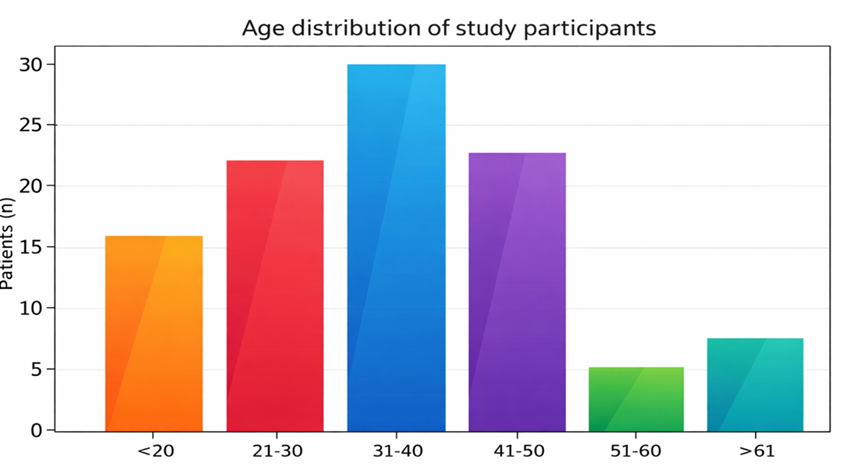
Figure 1: Age distribution of study participants
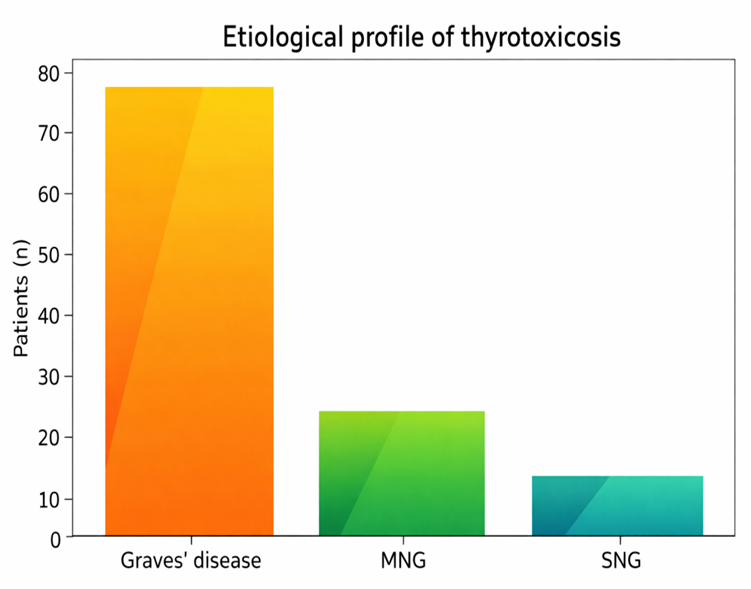
Figure 2: Etiological profile showing predominance of Graves' disease.
Clinical profile and physiological measurements
Palpitations were the commonest symptom and were present in 91% of patients. Other frequent findings were neck swelling (89%), tremors (83%), weight loss (71%), increased appetite (70%), moist skin (54%), diy skin (46%), anxiety (42%), and breathlessness (42%). The mean sleeping pulse rate was 104.72 + 9.57/min, mean systolic blood pressure was 133.92 + 15.79 mmHg, and mean diastolic blood pressure was
79.04 + 9.30 mmHg. Symptoms had been present for 12 months in more than half of the cohort (54%).
Table 2: Major clinical manifestations and physiological variables
|
Parameter |
Value |
|
Palpitations |
91 (91.0%) |
|
Neck swelling |
89 (89.0%) |
|
Tremors |
83 (83.0%) |
|
Weight loss |
71 (71.0%) |
|
Increased appetite |
70 (70.0%) |
|
Breathlessness |
42 (42.0%) |
|
Anxiety |
42 (42.0%) |
|
Heat intolerance |
35 (35.0%) |
|
Sleeping pulse rate (/min) |
104.72 + 9.57 |
|
Systolic blood pressure (mmHg) |
133.92 + 15.79 |
|
Diastolic blood pressure (mmHg) |
79.04 + 9.30 |
|
Parameter |
Value |
|
Pulse pressure (mmHg) |
54.88 + 10.01 |
Thyroid function profile and correlation with haemodynamic variables
Mean serum T3, T4, and TSH values for the overall cohort were 353.32 + 94.68 pg/dL, 18.31 + 2.56 pg/dL, and 0.05 + 0.06 mIU/mL respectively. Men and women showed very similar hormone profiles. Correlations between thyroid function tests and sleeping pulse rate were weak and not statistically significant. Similarly, no significant correlations were observed between thyroid function tests and systolic or diastolic blood pressure.
Table 3: Thyroid function tests and their correlation with pulse rate and blood pressure
|
Variable |
Total mean + SD |
Correlation coefficient (r) |
p value |
|
T3 (pg/dL) |
353.32 + 94.68 |
Pulse rate: 0.127 |
0.208 |
|
T4 (pg/dL) |
18.31 + 2.56 |
Pulse rate: 0.179 |
0.075 |
|
TSH (mIU/mL) |
0.05 + 0.06 |
Pulse rate: -0.040 |
0.695 |
|
T3 vs SBP |
- |
-0.069 |
0.494 |
|
T4 vs SBP |
- |
-0.138 |
0.172 |
|
TSH vs SBP |
- |
0.060 |
0.558 |
|
T3 vs DBP |
- |
0.079 |
0.436 |
|
T4 vs DBP |
- |
-0.083 |
0.414 |
|
TSH vs DBP |
- |
-0.003 |
0.979 |
Electrocardiographic, echocardiographic, and radiographic findings
Cardiovascular abnormalities were common. Diastolic dysfunction and cardiomegaly were each found in 14% of cases. Left ventricular hypertrophy and chamber enlargement were each seen in 10%, whereas atrial fibrillation and ST-T changes were observed in 8% each. Mitral regurgitation was documented in 6%. Raised jugular venous pressure was present in 8% of patients.
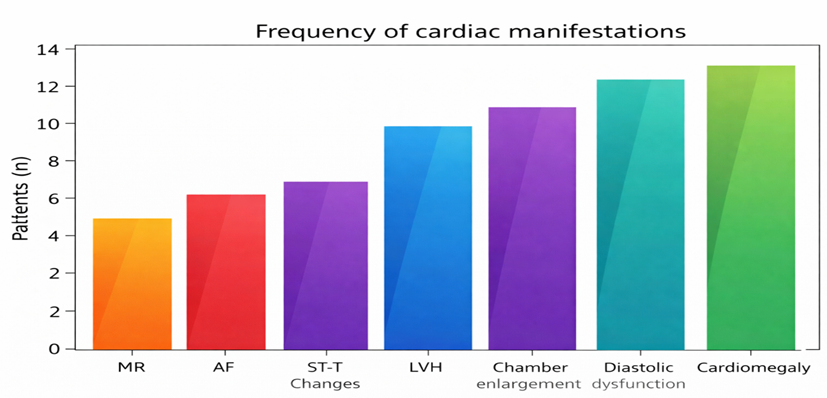
Figure 3: Frequency of major cardiac manifestations in the study population
Table 4: Overall burden of cardiac manifestations
|
Cardiac abnormality |
n (%) |
|
Mitral regurgitation |
6 (6.0) |
|
Atrial fibrillation |
8 (8.0) |
|
ST-T changes |
8 (8.0) |
|
Left ventricular hypertrophy |
10 (10.0) |
|
Chamber enlargement |
10 (10.0) |
|
Diastolic dysfunction |
14 (14.0) |
|
Cardiomegaly on chest radiograph |
14 (14.0) |
Comparison of cardiac manifestations across diagnostic subgroups
Selected cardiac manifestations varied across the underlying causes of thyrotoxicosis. Mitral regurgitation was more evenly distributed across the three diagnostic groups but still showed a significant association with diagnosis (p=0.001), largely because half of the solitary nodular goitre subgroup had this abnormality. ST-T changes and left ventricular hypertrophy were notably more frequent in patients with multinodular goitre, each affecting 33.3% of that subgroup (p=0.001 for both). Diastolic dysfunction was identified in one-third of patients with multinodular goitre compared with 10.3% of those with Graves' disease and none with solitary nodular goitre (p=0.02). In contrast, atrial fibrillation, valvular changes considered as a broader category, chamber enlargement, and cardiomegaly did not differ significantly across diagnoses
Table 5:. Cardiac manifestations according to diagnosis
|
Manifestation |
Graves' diseas n (%) |
MNG n (%) |
SNG n (%) |
p value |
|
Mitral regurgitation |
2 (2.6) |
2 (11.1) |
2 (50.0) |
0.001 |
|
Atrial fibrillation |
6 (7.7) |
2 (11.1) |
0 (0.0) |
0.74 |
|
ST-T changes |
2(2.6) |
6(33.3) |
0 (0.0) |
0.001 |
|
Left ventricular hypertrophy |
4 (5.1) |
6(33.3) |
0 (0.0) |
0.001 |
|
Chamber enlargement |
6 (7.7) |
4 (22.2) |
0 (0.0) |
0.14 |
|
Diastolic dysfunction |
8 (10.3) |
6(33.3) |
0 (0.0) |
0.02 |
|
Cardiomegaly |
10 (12.8) |
4 (22.2) |
0 (0.0) |
0.41 |
DISCUSSION:
The present study shows that cardiac involvement in thyrotoxicosis is frequent and clinically relevant even in a relatively young hospital-based cohort. Women made up 70% of the study population, and Graves' disease was the dominant aetiology. This pattern is in line with the established epidemiology of hyperthyroidism, in which autoimmune Graves' disease contributes the majority of cases and women are affected more often than men [1,3,6,17].
Palpitations, tremors, weight loss, increased appetite, and neck swelling were the leading complaints in this series. The high prevalence of palpitations and the mean sleeping pulse rate above 100/min are consistent with the chronotropic effect of thyroid hormone excess and with the hyperadrenergic clinical picture described in prior studies [2,4,5,18]. Earlier Indian and international reports have similarly identified palpitations as the most frequent cardiovascular symptom in hypenhyroidism [17-19].
The spectrum of objective cardiac abnormalities in this study deserves attention. Atrial fibrillation was documented in 8% of patients, while left ventricular hypertrophy and chamber enlargement were each present in 10%. Diastolic dysfunction and cardiomegaly were each observed in 14% of the cohort. These observations support the concept that thyrotoxicosis affects both rhythm and myocardial performance.
Previous studies have described atrial fibrillation rates ranging from roughly 15% in unselected hyperthyroid cohorts to higher frequencies in older or more symptomatic populations [9-12]. Our lower rate may reflect exclusion of several baseline cardiovascular comorbidities and the relatively younger age structure of the sample.
Diastolic dysfunction emerged as an important echocardiographic finding, panicularly among patients with multinodular goitre. Thyroid hormone excess shortens diastolic filling time, increases myocardial oxygen demand, and alters calcium handling in cardiomyocytes, changes that can contribute to impaired ventricular relaxation when sustained [4,7,13,14]. Other investigators have also noted altered diastolic function in untreated thyrotoxicosis, with partial or complete reversal after treatment [13,14,20].
The diagnostic subgroup analysis yielded several notable findings. ST-T changes, left ventricular hypertrophy, mitral regurgitation, and diastolic dysfunction showed statistically significant differences across etiological groups. Although the solitaiy nodular goitre subgroup was small and should be interpreted cautiously, the multinodular goitre group consistently demonstrated a relatively higher proportion of structural and repolarisation abnormalities. This may indicate later presentation, longer disease duration, or greater cumulative haemodynamic stress in that subgroup, although these explanations cannot be tested directly from the available dataset.
In contrast, the correlations between thyroid hormone values and pulse rate or blood pressure were weak and not statistically significant. This suggests that cardiovascular expression in thyrotoxicosis is not determined solely by absolute hormone levels. Duration of disease, tissue sensitivity to thyroid hormone, age, baseline autonomic state, and unmeasured cardiovascular reserve may all influence the phenotype [5,8,15,16].
The study has practical implications. First, even when overt heart failure is absent, simple non-invasive cardiovascular assessment in thyrotoxic patients can identify arrhythmias and early functional abnormalities. Second, the demonstration of diastolic dysfunction, atrial fibrillation, and radiographic cardiomegaly supports the routine use of ECG and echocardiography in symptomatic patients or in those with prolonged disease. Third, recognising the cardiovascular burden early can guide timely beta-blockade, rhythm evaluation, and endocrine management [10,11,21].
This study has limitations. It was conducted at a single centre with a sample size of 100 and included a very small solitary nodular goitre subgroup. Longitudinal outcome assessment after achieving euthyroid status was not incorporated into the present manuscript, so reversibility of cardiac abnormalities could not be analysed. In addition, advanced multivariable modelling was not available to adjust for potential confounders. Even so, the study provides a coherent snapshot of the clinical and cardiac burden of thyrotoxicosis in an Indian tertiary care setting.
CONCLUSION:
Thyrotoxicosis in this cohort was characterised by a high prevalence of palpitations and a meaningful burden of electrocardiographic, echocardiographic, and radiographic abnormalities. Graves' disease was the predominant cause, but multinodular goitre showed a higher proportion of several structural and repolarisation changes. Diastolic dysfunction and cardiomegaly were the most frequent objective cardiac abnormalities, while atrial fibrillation remained an important rhythm disturbance. Systematic cardiovascular assessment should form part of the evaluation of symptomatic patients with thyrotoxicosis.
REFERENCES:
1. Weetman AP. Graves' disease 1835-2002. Horm Res. 2003;59 Suppl 1:114-118.
2. Kahaly GJ, Dillmann WH. Thyroid hormone action in the heart. Endocr Rev. 2005;26(5):704-728.
3. Klein I, Ojamaa K. Thyroid hormone and the cardiovascular system. N Engl J Med. 2001;344(7):501-509.
4. Kiss E, Jakab G, Kranias EG, Edes I. Thyroid hormone-induced alterations in phospholamban protein expression: regulatory effects on sarcoplasmic reticulum Ca2+ transport and myocardial relaxation. Circ Res. 1994;75(2):245-251.
5. Dillmann WH. Cellular action of thyroid hormone on the heart. Thyroid. 2002;12(6):447-452.
6. Danzi S, Klein I. Thyroid hormone and the cardiovascular system. Minerva Endocrinol. 2004;29(3):139-150.
7. Davis PJ, Davis FB. Nongenomic actions of thyroid hormone on the heart. Thyroid. 2002;12(6):459-466.
8. Polikar R, Burger AG, Scherrer U, Nicod P. The thyroid and the heart. Circulation. 1993;87:1435-1441.
9. Sawin CT, Geller A, Wolf P, et al. Low serum thyrotropin concentrations as a risk factor for atrial fibrillation in older persons. N Engl I Med. 1994;331:1249-1252.
10. Forfar J, Miller HC, Toft AD. Occult thyrotoxicosis: a reversible cause of 'idiopathic' atrial fibrillation. Am I Cardiol. 1979;44:9-12.
11. Osman F, Franklyn JA, Holder RL, Sheppard MC, Gammage MD. Cardiovascular manifestations of hyperthyroidism before and after antithyroid therapy. I Am Coll Cardiol. 2007;49(1):71-81.
12. Ertek S, Cicero AF. Hyperthyroidism and cardiovascular complications: a narrative review on the basis of pathophysiology. Arch Med Sci. 2013;9(5):944-952.
13. Mintz G, Pizzarello R, Klein I. Enhanced left ventricular diastolic function in hyperthyroidism: noninvasive assessment and response to treatment. J Clin Endocrinol Metab. 1991;73:146-150.
14. Smit JW, Eustatia-Rutten CF, Corssmit EP, et al. Reversible diastolic dysfunction after long-term exogenous subclinical hyperthyroidism: a randomized placebo-controlled study. I Clin Endocrinol Metab. 2005;90(11):6041-6047.
15. Biondi B, Palmieri EA, Lombardi G, Fazio S. Effects of thyroid hormone on cardiac function: the relative importance of heart rate, loading conditions, and myocardial contractility in the regulation of cardiac performance in human hyperthyroidism. I Clin Endocrinol Metab. 2002;87(3):968-974.
16. Fazio S, Palmieri EA, Lombardi G, Biondi B. Effects of thyroid hormone on the cardiovascular system. Recent Prog Horm Res. 2004;59:31-50.
17. Sonawale A, Chichkhede A. Cardiovascular manifestations in newly diagnosed hyperthyroid patients and their outcome with anti-thyroid treatment. I Assoc Physicians India. 2018;66:22-26.
18. Kandan V, Sathyamurthy P, Rajkumar M, Narayanan L. Cardiovascular manifestations in hyperthyroidism. Int I Res Med Sci. 2016;4(7):3032-3038.
19. Anakwue RC, Onwubere BJ, Ikeh V, et a1. Echocardiographic assessment of left ventricular function in thyrotoxicosis and implications for the therapeutics of thyrotoxic cardiac disease. Ther Clin Risk Manag. 2015;11:189-200.
20. Jing XC, Liu Y, Huang H. Leh ventricular diastolic function of patients with newly diagnosed hyperthyroidism. Sichuan Da Xue Xue Bao Yi Xue Ban. 2012;43(3):462-466.
21. Aronow WS. Cardiovascular manifestations of hyperthyroidism. I Clin Case Rep. 2013;3:e120.