ASSOCIATION OF HBA1C WITH CARDIOVASCULAR RISK FACTORS IN PATIENTS WITH TYPE 2 DIABETES MELLITUS.
- Deorao Ramrao Thenge. , Professor and Head, MBBS, MD (General Medicine), Department of Medicine, Malti Multispecialty Hospital and Medical College, Turkhed, Taluka Murtizapur, District Akola, Maharashtra, India.
- Dhumal Dhananjay Digambarrao. , Professor, MBBS, MD (Pathology), Department of Pathology, Malati Multispeciality Hospital and Medical College, Turkhed, Taluka Murtizapur, District Akola, Maharashtra, India.
Article Information:
Abstract:
Introduction: Type 2 Diabetes Mellitus (T2DM) is a chronic metabolic disorder characterized by insulin resistance and progressive β-cell dysfunction, leading to persistent hyperglycaemia. It has emerged as a major global public health concern due to its rapidly increasing prevalence and strong association with macrovascular and microvascular complications. Aims &objectives: The aim of this study was to evaluate the association between HbA1c and cardiovascular risk factors in patients with Type 2 Diabetes Mellitus. The primary objective was to assess its relationship with blood pressure, lipid profile, BMI, and duration of diabetes, while the secondary objective was to determine whether HbA1c can serve as an integrated marker for overall cardiovascular risk to aid early risk stratification and better clinical management. Materials & Methods: This was a hospital-based observational analytical cross-sectional study conducted at Malti Medical College, Turkhed, Murtizapur, District Akola, and Maharashtra (444107). The study was carried out over a period of 1 year and included a total sample size of 100 patients with Type 2 Diabetes Mellitus. Result: HbA1c showed a statistically significant positive correlation with all cardiovascular risk parameters, strongest with triglycerides (r = 0.50), followed by LDL cholesterol (r = 0.48), total cholesterol (r = 0.45), systolic blood pressure (r = 0.42), and diastolic blood pressure (r = 0.36). Overall, poorer glycaemic control was associated with an increased cardiovascular risk profile in Type 2 Diabetes Mellitus patients. Conclusion: We concluded that to assess the relationship between HbA1c and cardiovascular risk variables in patients with Type 2 Diabetes Mellitus, the current hospital-based observational analytical cross-sectional research was carried out. The research involved one hundred patients in all.
Keywords:
Article :
INTRODUCTION:
Type 2 Diabetes Mellitus (T2DM) is a chronic metabolic disorder characterized by insulin resistance and progressive β-cell dysfunction, leading to persistent hyperglycaemia. It has emerged as a major global public health concern due to its rapidly increasing prevalence and strong association with macrovascular and microvascular complications. According to the International Diabetes Federation, the global burden of diabetes continues to rise, with a significant proportion of cases contributed by T2DM, particularly in low- and middle-income countries. Cardiovascular disease (CVD) remains the leading cause of morbidity and mortality among patients with T2DM, accounting for nearly half of all diabetes-related deaths. Glycated haemoglobin (HbA1c) is widely accepted as a reliable marker of long-term glycaemic control, reflecting average blood glucose levels over the preceding 8–12 weeks. Beyond its role in monitoring diabetes management, HbA1c has also been increasingly recognized as a potential predictor of cardiovascular risk.
Chronic hyperglycaemia contributes to endothelial dysfunction, oxidative stress, inflammation, and advanced glycation end-product formation, all of which accelerate atherosclerosis and increase cardiovascular risk [1].Several landmark studies have demonstrated the relationship between glycaemic control and diabetic complications. The UK Prospective Diabetes Study (UKPDS) established that improved glycaemic control significantly reduces the risk of microvascular complications, and also suggested a trend toward reduction in macrovascular events with lower HbA1c levels [2]. Similarly, long-term follow-up data from large cohort studies indicate that even modest elevations in HbA1c are associated with an increased risk of myocardial infarction, stroke, and overall cardiovascular mortality in patients with T2DM [3].In addition to glycaemic status, multiple cardiovascular risk factors commonly cluster in patients with T2DM, including hypertension, dyslipidaemia, obesity, and central adiposity. These factors act synergistically to enhance atherogenesis and worsen cardiovascular outcomes. Studies have shown that HbA1c may correlate with several of these risk factors, particularly lipid abnormalities and elevated blood pressure, suggesting that HbA1c could serve as an integrated marker of cardiometabolic risk [4].Despite extensive research on diabetes and cardiovascular disease, there remains a need to further elucidate the association between HbA1c and individual cardiovascular risk factors in different populations.
The aim of this study is to evaluate the association between glycated haemoglobin (HbA1c) and various cardiovascular risk factors in patients with Type 2 Diabetes Mellitus. The primary objective is to assess the relationship of HbA1c with key cardiovascular risk factors such as blood pressure, lipid profile, body mass index, and duration of diabetes. The secondary objective is to determine whether HbA1c can serve as an integrated marker of overall cardiovascular risk in patients with Type 2 Diabetes Mellitus, thereby aiding in early risk stratification and improved clinical management.
MATERIALS AND METHODS:
Type of Study:
A hospital-based observational analytical cross-sectional study
Place of Study:
Malti Medical College, Turkhed, Murtizapur, District: Aokla MS. 444107
Study Duration:
1 year
Sample Size:
100 patients
Inclusion Criteria:
• Patients diagnosed with Type 2 Diabetes Mellitus according to ADA criteria.
• Age ≥ 18 years.
• Patients attending outpatient or inpatient department during the study period.
• Patients with available HbA1c report within the last 3 months.
• Patients who give informed written consent for participation in the study.
Exclusion Criteria:
• Patients with Type 1 Diabetes Mellitus or gestational diabetes.
• Patients with acute diabetic complications.
• Patients with known chronic kidney disease (stage 4 or 5) or end-stage renal disease.
• Patients with chronic liver disease or other severe systemic illnesses affecting HbA1c interpretation.
• Patients on medications affecting glucose metabolism.
• Pregnant or lactating women.
• Patients with hemoglobinopathies or conditions affecting HbA1c accuracy.
Study Variables:
• Age
• Sex
• Duration of Type 2 Diabetes Mellitus
• Body Mass Index (BMI)
• Blood pressure (Systolic and Diastolic)
• Fasting Blood Glucose (FBG)
• Postprandial Blood Glucose (PPBG)
• Hypertension
• Dyslipidaemia
• Obesity (BMI, waist circumference if included)
• Smoking status
• Family history of cardiovascular disease
Statistical Analysis:
Data were entered into Excel and subsequently analyzed using SPSS and GraphPad Prism. Continuous variables were summarized as means with standard deviations, while categorical variables were presented as counts and percentages. Comparisons between independent groups were performed using two-sample t-tests, and paired t-tests were applied for correlated (paired) data. Categorical data were compared using chi-square tests, with Fisher’s exact test applied when expected cell counts were small. A p-value of ≤ 0.05 was considered statistically significant
RESULTS:
Table 1: Baseline Demographic and Clinical Characteristics
|
Variable |
Mean ± SD / n (%) |
|
Age (years) |
55.2 ± 10.8 |
|
Male |
54 (54%) |
|
Female |
46 (46%) |
|
BMI (kg/m²) |
27.6 ± 4.3 |
|
Duration of diabetes (years) |
8.1 ± 5.2 |
|
Total patients |
100 (100%) |
Table 2: Distribution of HbA1c Levels
|
HbA1c Category |
Number |
Percentage (%) |
|
<7% |
28 |
28% |
|
7–8% |
32 |
32% |
|
>8% |
40 |
40% |
|
Total |
100 |
100% |
Table 3: Prevalence of Cardiovascular Risk Factors
|
Risk Factor |
Number |
Percentage (%) |
|
Hypertension |
62 |
62% |
|
Dyslipidaemia |
58 |
58% |
|
Obesity (BMI ≥30 kg/m²) |
35 |
35% |
|
Smoking |
22 |
22% |
|
Family history of CVD |
18 |
18% |
Table 4: Association of HbA1c with Hypertension (Chi-square test)
|
HbA1c Group |
Hypertensive |
Normotensive |
p-value |
|
<7% |
12 (42.9%) |
16 (57.1%) |
0.012 |
|
7–8% |
20 (62.5%) |
12 (37.5%) |
|
|
>8% |
30 (75%) |
10 (25%) |
Table 5: Association of HbA1c with Lipid Profile (ANOVA test)
|
HbA1c Group |
TC (mg/dl) |
LDL |
HDL |
TG |
p-value |
|
<7% |
178 ± 22 |
102 ± 18 |
46 ± 6 |
145 ± 30 |
<0.001 |
|
7–8% |
195 ± 25 |
118 ± 20 |
42 ± 5 |
165 ± 35 |
|
|
>8% |
215 ± 28 |
135 ± 24 |
38 ± 6 |
190 ± 40 |
Table 6: Correlation of HbA1c with Cardiovascular Risk Parameters
|
Parameter |
Correlation coefficient (r) |
p-value |
|
Systolic BP |
0.42 |
<0.001 |
|
Diastolic BP |
0.36 |
0.002 |
|
Total Cholesterol |
0.45 |
<0.001 |
|
LDL Cholesterol |
0.48 |
<0.001 |
|
Triglycerides |
0.5 |
<0.001 |
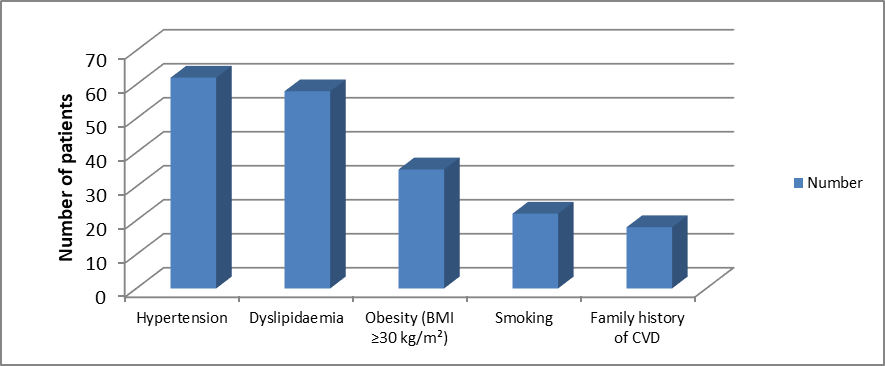
Figure 1: Prevalence of Cardiovascular Risk Factors
In our study out of 100 patients with Type 2 Diabetes Mellitus were included in this hospital-based observational analytical cross-sectional study. The mean age of the study population was 55.2 ± 10.8 years, with a slight male predominance (54% males and 46% females). The mean body mass index (BMI) was 27.6 ± 4.3 kg/m², and the mean duration of diabetes was 8.1 ± 5.2 years, indicating a moderately long-standing disease in most patients.Regarding glycaemic status, 28% of patients had HbA1c <7%, 32% had HbA1c between 7–8%, and 40% had HbA1c >8%, reflecting poor glycaemic control in a substantial proportion of the study population. Among cardiovascular risk factors, hypertension was present in 62%, dyslipidaemia in 58%, obesity in 35%, smoking in 22%, and family history of cardiovascular disease in 18% of patients. A statistically significant association was observed between HbA1c levels and hypertension (p = 0.012), with increasing prevalence of hypertension across HbA1c categories (42.9% in HbA1c <7%, 62.5% in 7–8%, and 75% in >8%). Similarly, lipid profile parameters showed significant deterioration with increasing HbA1c levels (p < 0.001), with higher total cholesterol, LDL cholesterol, and triglycerides, and lower HDL cholesterol observed in patients with poor glycaemic control. Correlation analysis demonstrated a significant positive relationship between HbA1c and cardiovascular risk parameters, including systolic blood pressure (r = 0.42), diastolic blood pressure (r = 0.36), total cholesterol (r = 0.45), LDL cholesterol (r = 0.48), and triglycerides (r = 0.50), all of which were statistically significant. Overall, the study findings indicate that higher HbA1c levels are strongly associated with an increased burden of cardiovascular risk factors in patients with Type 2 Diabetes Mellitus.
DISCUSSION:
The present hospital-based observational analytical cross-sectional study was conducted to evaluate the association between HbA1c and cardiovascular risk factors in patients with Type 2 Diabetes Mellitus. A total of 100 patients were included. The mean age was 55.2 ± 10.8 years, with 54% males and 46% females. The mean BMI was 27.6 ± 4.3 kg/m², and the mean duration of diabetes was 8.1 ± 5.2 years, indicating a moderately long-standing disease burden. In the present study, 40% of patients had HbA1c >8%, 32% had HbA1c 7–8%, and 28% had HbA1c <7%, indicating poor glycaemic control in a significant proportion of patients. Similarly, Selvin et al. (2004) reported that patients with higher HbA1c levels (>8%) had a significantly increased risk of cardiovascular events, with a progressive rise in risk per 1% increase in HbA1c [3].Hypertension was present in 62% of patients, and its prevalence increased significantly with rising HbA1c levels (42.9% in HbA1c <7%, 62.5% in 7–8%, and 75% in >8%; p = 0.012). This is comparable to Stratton et al. (UKPDS 35, 2000), where patients with poorly controlled HbA1c (>8%) showed a higher incidence of macrovascular complications, including hypertension and coronary artery disease, with risk increasing progressively with rising HbA1c levels [4].Dyslipidaemia was observed in 58% of patients, with a significant worsening lipid profile across HbA1c categories.
In the present study, total cholesterol increased from 178 ± 22 mg/dl (<7%) to 215 ± 28 mg/dl (>8%), LDL from 102 ± 18 mg/dl to 135 ± 24 mg/dl, triglycerides from 145 ± 30 mg/dl to 190 ± 40 mg/dl, and HDL decreased from 46 ± 6 mg/dl to 38 ± 6 mg/dl (p < 0.001). Correlation analysis showed a significant positive association between HbA1c and systolic blood pressure (r = 0.42), diastolic blood pressure (r = 0.36), total cholesterol (r = 0.45), LDL cholesterol (r = 0.48), and triglycerides (r = 0.50). These findings are in agreement with the Emerging Risk Factors Collaboration (2010), which demonstrated that individuals with higher HbA1c levels had a progressively increased risk of vascular events, with hazard ratios rising significantly across HbA1c categories (e.g., >8% associated with markedly higher cardiovascular risk compared to <7%) [5].Overall, the present study findings are consistent with previous literature and clearly demonstrate that increasing HbA1c levels are associated with worsening cardiovascular risk profiles, including hypertension and dyslipidaemia, in patients with Type 2 Diabetes Mellitus.
CONCLUSION:
We concluded that to assess the relationship between HbA1c and cardiovascular risk variables in patients with Type 2 Diabetes Mellitus, the current hospital-based observational analytical cross-sectional research was carried out. The research involved one hundred patients in all. The results suggest that although a lower number of patients had ideal control, a significant fraction had poor glycaemic control, with a high percentage exhibiting increased HbA1c values. Additionally, the research found that the study population had a significant burden of cardiovascular risk factors, such as smoking, obesity, dyslipidemia, hypertension, and a family history of cardiovascular disease.
There was a gradual increase in prevalence across all HbA1c categories and a statistically significant correlation between rising HbA1c levels and hypertension. In a similar vein, lipid profile characteristics clearly declined as glycaemic control deteriorated, suggesting that individuals with greater HbA1c levels had a negative cardiovascular risk pattern. Poor glycaemic management is strongly linked to a higher cardiovascular risk load, as correlation analysis further revealed a substantial positive association between HbA1c and blood pressure as well as lipid markers. Overall, the research finds that in individuals with Type 2 Diabetes Mellitus, HbA1c is a significant indication of cardiovascular risk in addition to being a measure of glycaemic state. Effective risk stratification, the avoidance of complications, and better long-term clinical outcomes for diabetes patients depend on routine HbA1c monitoring in conjunction with early identification and treatment of related cardiovascular risk factors.
REFERENCES:
1. Brownlee M. The pathobiology of diabetic complications: a unifying mechanism. diabetes. 2005 Jun 1;54(6):1615.
2. UK Prospective Diabetes Study (UKPDS) Group. Intensive blood-glucose control with sulphonylureas or insulin compared with conventional treatment and risk of complications in patients with type 2 diabetes (UKPDS 33). The lancet. 1998 Sep 12;352(9131):837-53.
3. Selvin E, Marinopoulos S, Berkenblit G, Rami T, Brancati FL, Powe NR, Golden SH. Meta-analysis: glycosylated hemoglobin and cardiovascular disease in diabetes mellitus. Annals of internal medicine. 2004 Sep 21;141(6):421-31.
4. Stratton IM, Adler AI, Neil HA, Matthews DR, Manley SE, Cull CA, Hadden D, Turner RC, Holman RR. Association of glycaemia with macrovascular and microvascular complications of type 2 diabetes (UKPDS 35): prospective observational study. bmj. 2000 Aug 12;321(7258):405-12.
5. Sarwar N, Gao P, Seshasai SR, Gobin R, Kaptoge S, Di Angelantonio E, Ingelsson E, Lawlor DA, Selvin E, Stampfer M, Stehouwer CD. Emerging Risk Factors Collaboration Diabetes mellitus, fasting blood glucose concentration, and risk of vascular disease: a collaborative meta-analysis of 102 prospective studies. Lancet. 2010 Jun;375(9733):2215-22.