ROLE OF MICROALBUMINURIA AS A PREDICTOR OF MORTALITY IN SEPSIS PATIENTS.
- Dhwani Shah , Assistant Professor, Department of General Medicine, Smt. NHL Municipal Medical College and S.V.P.I.M.S.R Hospital, Ahmedabad, Gujarat, India.
- Kruti Rajvansh , Assistant Professor, Department of General Medicine, Smt. NHL Municipal Medical College and S.V.P.I.M.S.R Hospital, Ahmedabad, Gujarat, India
- Jigar Shaherawala , Associate Professor, Department of Biochemistry, Smt. NHL Municipal Medical College, Ahmedabad, Gujarat, India.
- P N Palat , Professor, Department of General Medicine, Smt. NHL Municipal Medical College and S.V.P.I.M.S.R Hospital, Ahmedabad, Gujarat, India.
- Rutika Pathakjee. , 3rd Year Resident, Department of General Medicine, Smt. NHL Municipal Medical College and S.V.P.I.M.S.R Hospital, Ahmedabad, Gujarat, India.
Article Information:
Abstract:
Background: Sepsis remains a major cause of morbidity and mortality worldwide. Early identification of high-risk patients is crucial for improving outcomes. Microalbuminuria, reflecting endothelial dysfunction, has emerged as a potential early prognostic marker in critically ill patients. Objective: To evaluate the role of microalbuminuria (UACR) as a predictor of mortality in patients with sepsis and compare its prognostic value with established scoring systems. Methods: A prospective study was conducted in Smt N H L Municipal Medical College, Ahmedabad, including 100 sepsis patients. Urinary Albumin-Creatinine Ratio (UACR) was measured at admission (UACR1) and at 24 hours (UACR2). Clinical parameters, APACHE II, and NEWS scores were recorded. Results: Majority of the patients (25%) were 51-60 years age group, with slight male predominance (53%). Lower respiratory tract infection was the most common (35%) cause of sepsis. Higher UACR levels was significantly associated with mortality. Median UACR values were significantly higher in deceased patients compared to survivors (p < 0.001). UACR showed strong predictive ability, comparable to APACHE II score. Conclusion: Microalbuminuria is a reliable, simple, and early predictor of mortality in sepsis patients and can be used as a practical alternative to complex scoring systems in resource-limited settings.
Keywords:
Article :
INTRODUCTION:
Sepsis is a life-threatening condition characterized by a dysregulated host response to infection leading to organ dysfunction and high mortality rates worldwide [1]. Despite advances in critical care, early identification of patients at risk of deterioration remains a major challenge [2]. Traditional scoring systems such as APACHE II, SOFA, and NEWS are widely used but are often complex and time-consuming [3].
Endothelial dysfunction plays a central role in the pathophysiology of sepsis, resulting in increased vascular permeability and capillary leak [4]. This leads to the excretion of albumin in urine, manifesting as microalbuminuria. Microalbuminuria has been recognized as an early marker of systemic inflammation and endothelial injury [5]. Urinary Albumin-Creatinine Ratio (UACR) provides a convenient and rapid method to assess microalbuminuria without the need for 24-hour urine collection [6]. Several studies have suggested that elevated UACR correlates with disease severity, organ dysfunction, and mortality in critically ill patients [7]. Given its simplicity and early rise in response to inflammation, microalbuminuria may serve as a valuable bedside tool for prognostication in sepsis.
Aims: This study aims to evaluate the role of microalbuminuria in predicting mortality and compare it with established clinical scoring systems.
MATERIALS AND METHODS:
This prospective observational study was conducted in the intensive care unit, department of general medicine, Smt N H L Municipal Medical College, Ahmedabad, India, over a period of 19 months from January 2023 to July 2024. A total of 100 patients diagnosed with sepsis were included.
Inclusion Criteria
• Age >12 years
• Patients admitted to ICU with suspected or confirmed infection
• SOFA score ≥2 (as per Sepsis-3 criteria)
Exclusion Criteria
• Patients with chronic kidney disease
• Patients with anuria
• Patients on long-term renal replacement therapy
• Pregnant or menstruating females
• Patients with hematuria due to urinary tract pathology
Data Collection
Clinical and demographic data including age, gender, comorbidities, addiction history, and etiology of sepsis were recorded. Urine samples were collected within 6 hours of admission (UACR1) and repeated at 24 hours (UACR2) for estimation of urinary albumin-creatinine ratio. APACHE II and NEWS scores were calculated within the first 24 hours of admission.
Outcome Measures
Patients were categorized as:
• Recovered
• Deceased
Statistical Analysis
Data were analyzed using SPSS version 26.0. Continuous variables were expressed as median (interquartile range), and categorical variables as frequencies and percentages. The Mann–Whitney U test was used for comparison between groups, while the Chi-square test assessed associations between categorical variables. ROC curve analysis was performed to evaluate the predictive ability of UACR, APACHE II, and NEWS scores. A p-value <0.05 was considered statistically significant.
Ethical Approval
The study was approved by the Institutional Ethics Committee, and informed consent was obtained from all participants.
RESULTS:
A total of 100 patients diagnosed with sepsis were included in the study. The baseline demographic and clinical characteristics of the study population are presented in Table 1. Further analysis was carried out to assess the association between clinical parameters, microalbuminuria, and patient outcomes.
Table 1: Baseline Demographic and Clinical Characteristics of the Study Population
|
Variables |
Frequency |
Percentage |
|
|
Age group (years) |
11-20 |
7 |
7% |
|
21-30 |
7 |
7% |
|
|
31-40 |
14 |
14% |
|
|
41-50 |
18 |
18% |
|
|
51-60 |
25 |
25% |
|
|
61-70 |
22 |
22% |
|
|
>70 |
7 |
7% |
|
|
Gender |
Male |
53 |
53% |
|
Female |
47 |
47% |
|
|
Addiction |
Bidi smoker |
10 |
10% |
|
Chronic alcoholic |
6 |
6% |
|
|
Tobacco chewer |
7 |
7% |
|
|
Bidi smoker & Alcoholic |
1 |
1% |
|
|
Nil addiction |
76 |
76% |
|
The study population had a balanced gender distribution with a slight male predominance. Most patients belonged to the 51–60 and 61–70 age groups. The majority of patients had no addiction history.
Table 2: Distribution of Comorbidities among Study Participants
|
Comorbidity |
Percentage |
|
CVA |
12% |
|
Diabetes |
6% |
|
Hypertension |
35% |
|
IHD |
12% |
|
Valvular heart disease |
1% |
|
Nil comorbidity |
50% |
Hypertension was the most common comorbidity among the study participants, followed by CVA and IHD, while half of the patients had no associated comorbid conditions.
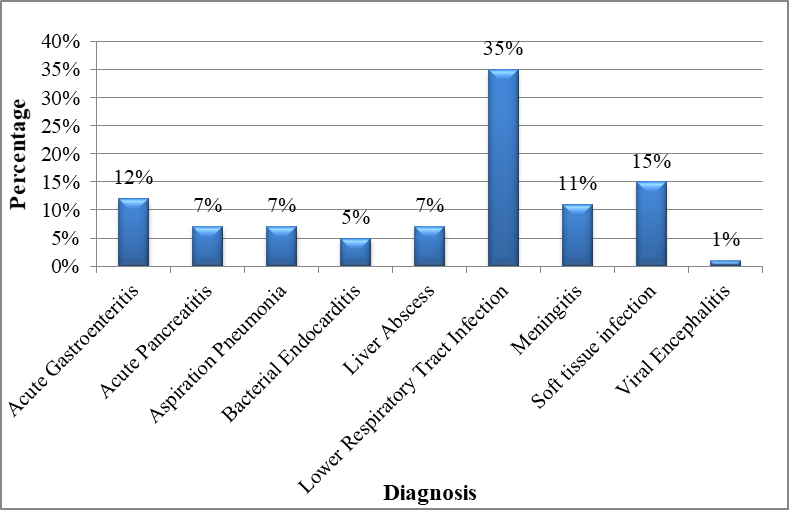
Figure 1: Distribution of Etiology of Sepsis among Study Participants
Lower respiratory tract infection was the most common cause of sepsis, followed by soft tissue infections and meningitis, while other causes were less frequent.
Table 3: Distribution of Patients Based on Requirement of Mechanical Ventilation
|
Mechanical ventilation |
Frequency |
Percentage |
|
No |
59 |
59% |
|
Yes |
41 |
41% |
A significant proportion of patients (41%) required mechanical ventilation, indicating the severity of illness in a substantial number of cases.
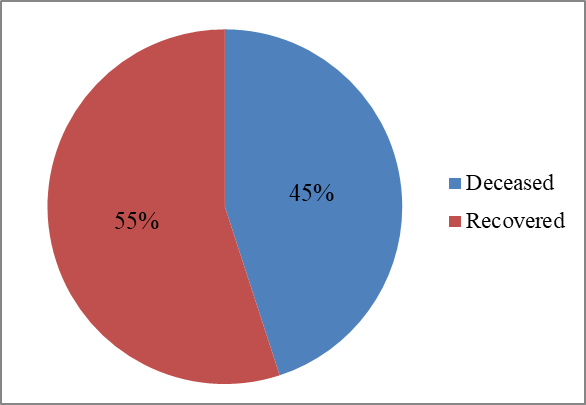
Figure 2: Outcome Distribution among Study Participants
Among the study participants, 55% recovered while 45% were deceased, indicating a substantial mortality rate in patients with sepsis.
Table 4: Association between Inotropic Support and Patient Outcome
|
|
Outcome |
P value |
||
|
Deceased |
Recovered |
|||
|
Inotropic support |
No |
23 |
39 |
0.04 |
|
Yes |
22 |
16 |
||
Inotropic support was significantly associated with patient outcome, with a higher proportion of deceased patients requiring inotropic support compared to survivors (p = 0.04).
Table 5: Comparison of UACR, APACHE II, and NEWS Scores between Survivors and Non-Survivors
|
|
Outcome |
N |
Median |
P value |
Mean difference |
|
UACR 1 |
Deceased |
45 |
155 |
0.001 |
126.53 |
|
Recovered |
55 |
58 |
|||
|
UACR 2 |
Deceased |
45 |
222 |
0.001 |
175.648 |
|
Recovered |
55 |
88 |
|||
|
UACR 2-1 |
Deceased |
45 |
45 |
0.001 |
59.751 |
|
Recovered |
55 |
20 |
|||
|
APACHE II Score |
Deceased |
45 |
22 |
0.001 |
8.396 |
|
Recovered |
55 |
14 |
|||
|
NEWS Score |
Deceased |
45 |
7 |
0.001 |
1.487 |
|
Recovered |
55 |
4 |
UACR 1, UACR 2, and ΔUACR values were significantly higher in deceased patients compared to survivors. Similarly, APACHE II and NEWS scores were also significantly elevated in non-survivors, indicating their strong association with mortality (p < 0.001).
DISCUSSION:
Sepsis continues to be a major global health concern, with high morbidity and mortality despite advances in critical care management [8]. Early identification of high-risk patients remains crucial for timely intervention and improved outcomes. In the present study, this biomarker was significantly associated with mortality, highlighting its role as an early indicator of endothelial dysfunction. Endothelial injury is a key feature in the pathophysiology of sepsis, leading to increased vascular permeability and capillary leakage [4]. This results in the excretion of albumin in urine, which can be detected as increased urinary albumin excretion. The present study demonstrated significantly higher UACR levels in non-survivors compared to survivors, supporting the concept that it reflects the severity of systemic inflammation [5,9].
This finding supports the role of endothelial dysfunction in sepsis, where increased vascular permeability leads to early urinary albumin excretion. The early rise of this biomarker within hours of ICU admission makes it a valuable prognostic marker. Unlike conventional biomarkers that may take longer to change, UACR provides rapid bedside assessment of patient status. Similar observations have been reported in critically ill patients, where urinary albumin levels correlate with disease severity and clinical outcomes [7]. In addition, the present study found that UACR was comparable to established scoring systems such as APACHE II in predicting mortality. Although APACHE II is widely used, it requires multiple clinical and laboratory parameters, which may limit its utility in emergency settings [10].
In contrast, UACR is simple, inexpensive, and readily available, making it particularly useful in resource-limited healthcare settings. The requirement of inotropic support was also significantly associated with mortality in this study. Patients with higher UACR levels were more likely to require hemodynamic support, indicating a relationship between urinary albumin excretion and circulatory instability. Similar findings have been reported in previous studies, where this biomarker was associated with worse outcomes in critically ill patients [11]. Furthermore, studies have demonstrated that urinary albumin excretion correlates not only with disease severity but also with response to treatment in patients with sepsis [12]. This suggests that serial monitoring of UACR may provide additional prognostic information and help guide clinical decision-making. Overall, the findings of this study reinforce the utility of microalbuminuria as an early, reliable, and practical prognostic marker in patients with sepsis.
CONCLUSION:
Microalbuminuria is a reliable and early predictor of mortality in patients with sepsis. Elevated UACR levels are significantly associated with poor clinical outcomes and show good correlation with established scoring systems such as APACHE II and NEWS. Given its simplicity, rapid availability, and cost-effectiveness, UACR can serve as a practical bedside tool for early risk stratification, especially in resource-limited settings. Early identification of high-risk patients using microalbuminuria may facilitate timely intervention and improve patient outcomes
REFERENCES:
1. Singer M, Deutschman CS, Seymour CW, Shankar-Hari M, Annane D, Bauer M, et al. The Third International Consensus Definitions for Sepsis and Septic Shock (Sepsis-3). JAMA. 2016 Feb 23;315(8):801-10. doi: 10.1001/jama.2016.0287.
2. Fleischmann C, Scherag A, Adhikari NK, Hartog CS, Tsaganos T, Schlattmann P et al. Assessment of Global Incidence and Mortality of Hospital-treated Sepsis. Current Estimates and Limitations. Am J Respir Crit Care Med. 2016 Feb 1;193(3):259-72. doi: 10.1164/rccm.201504-0781OC.
3. Raith EP, Udy AA, Bailey M, McGloughlin S, MacIsaac C, Bellomo R et al. Prognostic Accuracy of the SOFA Score, SIRS Criteria, and qSOFA Score for In-Hospital Mortality Among Adults With Suspected Infection Admitted to the Intensive Care Unit. JAMA. 2017 Jan 17; 317(3):290-300. doi: 10.1001/jama.2016.20328.
4. Ince C, Mayeux PR, Nguyen T, Gomez H, Kellum JA, Ospina-Tascón GA et al. THE ENDOTHELIUM IN SEPSIS. Shock. 2016 Mar;45(3):259-70. doi: 10.1097/SHK.0000000000000473.
5. Nawal CL, Barasara S, Chejara RS, Meena PD, Singh A, Meena VK. Microalbuminuria: As an Indicator of Sepsis and to Predict Mortality in Patients Admitted to Intensive Care Unit. J Assoc Physicians India. 2022 Mar;70(3):11-12.
6. Vincent JL, Opal SM, Marshall JC, Tracey KJ. Sepsis definitions: time for change. Lancet. 2013 Mar 2;381(9868):774-5. doi: 10.1016/S0140-6736(12)61815-7.
7. Nismath S, Rao SS, Baliga BS, Kulkarni V, Rao GM. Comparison of urine albumin creatinine ratio with the pediatric index of mortality 2 score for prediction of pediatric intensive care unit outcomes. Ir J Med Sci. 2021 Nov;190(4):1481-1485. doi: 10.1007/s11845-021-02755-4.
8. Rhodes A, Evans LE, Alhazzani W, Levy MM, Antonelli M, Ferrer R, et al. Surviving Sepsis Campaign: International Guidelines for Management of Sepsis and Septic Shock: 2016. Intensive Care Med. 2017 Mar;43(3):304-377. doi: 10.1007/s00134-017-4683-6.
9. Deng Y, Chi R, Chen S, Ye H, Yuan J, Wang L et al. Evaluation of clinically available renal biomarkers in critically ill adults: a prospective multicenter observational study. Crit Care. 2017 Mar 7;21(1):46. doi: 10.1186/s13054-017-1626-0.
10. Anil AB, Anil M, Yildiz M, Kamit Can F, Bal A, Gokalp G, Aksu N, Helvaci M. The importance of microalbuminuria in predicting patient outcome in a PICU. Pediatr Crit Care Med. 2014 Jun;15(5):e220-5. doi: 10.1097/PCC.0000000000000113.
11. Sachdev A, Raheja K, Gupta N, Chugh P. Association of Urinary Albumin:Creatinine Ratio with Outcome of Children with Sepsis. Indian J Crit Care Med. 2020 Jun;24(6):465-472. doi: 10.5005/jp-journals-10071-23463.
12. Bhadade RR, deSouza R, Harde MJ, Sridhar B. Microalbuminuria: a biomarker of sepsis and efficacy of treatment in patients admitted to a medical intensive care unit of a tertiary referral center. J Postgrad Med. 2014 Apr-Jun;60(2):145-50. doi: 10.4103/0022-3859.132320.