Pattern and Determinants of Complications Following Knee Arthroscopy in a Tertiary Care Hospital.
- Yash S. Shah , Senior resident, Department of Orthopaedic, Narendra Modi Medical College, LG hospital, Maninagar, Ahmedabad, Gujarat, India.
- Krishnakant R. Sharma , Second Year Resident, Department of Orthopaedic, Narendra Modi Medical College, LG hospital, Maninagar, Ahmedabad, Gujarat, India.
- Chintan P. Dave. , Senior Resident, Department of Orthopaedic, Tibra Hospital, Sikar, Rajasthan.
Article Information:
Abstract:
Background: Knee arthroscopy is a widely performed minimally invasive procedure used for the diagnosis and management of various intra-articular knee disorders. Although considered relatively safe, it is associated with certain intraoperative and postoperative complications that may affect patient outcomes. Objectives: To evaluate the intraoperative and postoperative complications of knee arthroscopy and to assess their association with selected demographic and procedural variables. Methods: A hospital-based cross-sectional analytical study was conducted over a period of two years at a tertiary care hospital in Western India. A total of 50 patients undergoing knee arthroscopy were included. Data were collected using a structured proforma, including demographic details, clinical profile, indications, intraoperative findings, and postoperative complications. Statistical analysis was performed using SPSS, with descriptive statistics expressed as frequency and percentage, and inferential analysis done using Chi-square test. A p-value < 0.05 was considered statistically significant. Results: The majority of patients belonged to the 21–40 years age group (36%) with male predominance (64%). Meniscal injury (40%) and ACL injury (30%) were the most common indications. Intraoperative complications were relatively low, with portal-related difficulty (8%) and cartilage injury (6%) being the most frequent. Postoperative complications were more common, with persistent pain (16%), hemarthrosis (12%), and joint stiffness (10%) predominating. Infection (4%) and deep vein thrombosis (2%) were less frequent. A statistically significant association was found between operative duration >60 minutes and occurrence of complications (p = 0.02). Conclusion: Knee arthroscopy is a safe procedure with low intraoperative complication rates; however, postoperative complications remain clinically relevant. Careful surgical technique, reduced operative time, and effective postoperative management are essential to improve patient outcomes.
Keywords:
Article :
INTRODUCTION:
Knee arthroscopy is a minimally invasive surgical technique that has revolutionized the management of intra-articular knee disorders by allowing direct visualization and treatment through small incisions. It is widely used for conditions such as meniscal injuries, ligament tears, synovial disorders, and cartilage lesions, making it one of the most frequently performed orthopedic procedures globally. The advantages of arthroscopy include reduced postoperative pain, shorter hospital stay, faster rehabilitation, and improved functional outcomes compared to open surgical procedures [1].
Despite its minimally invasive nature, knee arthroscopy is associated with a spectrum of intraoperative and postoperative complications. Although the overall complication rate is low, usually around 1% or less, the large number of procedures performed worldwide makes these complications clinically significant [2]. Intraoperative complications include instrument breakage, iatrogenic cartilage injury, nerve damage, vascular injury, fluid extravasation, and technical errors such as improper portal placement [3,4]. Rare but serious intraoperative complications like compartment syndrome due to fluid extravasation have also been reported, emphasizing the need for careful intraoperative monitoring [5].
Postoperative complications are relatively more common and include infection, hemarthrosis, deep vein thrombosis (DVT), pulmonary embolism, synovitis, persistent pain, and joint stiffness. Infection rates are typically reported to be less than 1%, but can lead to severe consequences such as septic arthritis if not managed promptly [6]. Hemarthrosis is one of the most common complications, particularly in ligament reconstruction procedures, while prolonged pain and stiffness may affect up to 10–12% of patients [1].
Thromboembolic complications, although rare, remain a significant concern. Studies have reported that DVT incidence may vary widely depending on patient risk factors, with some reports suggesting higher subclinical rates if actively screened [4]. Rare delayed complications such as heterotopic ossification have also been reported following knee procedures, though they are uncommon in routine arthroscopic practice [7]. Risk factors for postoperative complications include advanced age, obesity, diabetes mellitus, prolonged operative duration, and complexity of the surgical procedure. Additionally, perioperative challenges such as difficult positioning, anesthesia-related issues, and rehabilitation difficulties may further influence outcomes, especially in high-risk populations like obese patients [8,9].
The classification of complications into intraoperative (technical), postoperative (clinical), and device-related categories helps in better understanding and management of these adverse events. Technical complications include chondral damage, nerve injury, and incomplete lesion management, whereas postoperative complications include infection, thromboembolism, synovitis, and chronic pain syndromes [4]. Proper surgical technique, adherence to aseptic precautions, and early rehabilitation are crucial in minimizing these complications.
There is increasing use of arthroscopic procedures and the need for region-specific data, particularly in Western India, where limited literature is available regarding complication profiles. Understanding these complications is essential for improving surgical safety, optimizing perioperative care, and enhancing patient outcomes. Therefore, this study was conducted to evaluate the intraoperative and postoperative complications associated with knee arthroscopy in a tertiary care hospital setting, with the aim of identifying the pattern and frequency of complications in patients undergoing arthroscopic procedures.
MATERIALS AND METHODS:
This hospital-based observational study with a cross-sectional analytical design was conducted over a period of two years at a tertiary care hospital in Western India. The study included patients who underwent knee arthroscopy for various indications during the study period. A total of 50 patients were included in the study based on predefined inclusion and exclusion criteria. Patients of all age groups who underwent diagnostic or therapeutic knee arthroscopy and provided informed consent were included, while those with incomplete records or unwilling to participate were excluded.
Data were collected prospectively using a predesigned, pretested structured proforma. Detailed information regarding sociodemographic characteristics, clinical diagnosis, indication for arthroscopy, and type of procedure performed was recorded. Intraoperative complications such as instrument breakage, iatrogenic cartilage injury, difficulty in portal placement, and any neurovascular events were documented during the procedure. Postoperative complications including infection, hemarthrosis, deep vein thrombosis, persistent pain, joint stiffness, and other adverse outcomes were recorded during the postoperative period and follow-up visits.
All procedures were performed under standard aseptic precautions by experienced orthopedic surgeons using conventional arthroscopic techniques. Patients were monitored intraoperatively and postoperatively for any complications. Follow-up was carried out at regular intervals to assess delayed complications and functional recovery.
The collected data were entered into Microsoft Excel and analyzed using Epi Info version 7.2.5.0 (Centers for Disease Control and Prevention, Atlanta, USA). Descriptive statistics were expressed as frequency and percentage for categorical variables and mean ± standard deviation for continuous variables. Chi-square test or Fisher’s exact test were applied to assess the association between variables, and p-value < 0.05 was considered statistically significant. Ethical approval was obtained from the Institutional Ethics Committee prior to commencement of the study, and confidentiality of patient information was maintained throughout the study.
RESULTS:
A total of 50 patients undergoing knee arthroscopy were included in this study.
Table 1: Demographic and Clinical Profile of Patients (n = 50)
|
Variable |
Category |
Frequency (%) |
|
Age Group (years) |
<20 |
6 (12.0) |
|
21–40 |
18 (36.0) |
|
|
41–60 |
16 (32.0) |
|
|
>60 |
10 (20.0) |
|
|
Gender |
Male |
32 (64.0) |
|
Female |
18 (36.0) |
|
|
Side Involved |
Right |
28 (56.0) |
|
Left |
22 (44.0) |
|
|
Indication for Arthroscopy |
Meniscal injury |
20 (40.0) |
|
ACL injury |
15 (30.0) |
|
|
Synovitis |
8 (16.0) |
|
|
Others |
7 (14.0) |
|
|
Type of Procedure |
Diagnostic |
12 (24.0) |
|
Therapeutic |
38 (76.0) |
The majority of patients belonged to the age group of 21–40 years (36%), followed by 41–60 years (32%), indicating that arthroscopic procedures were most commonly performed in the active adult population. Male predominance was observed (64%), with the right knee being more commonly involved (56%) compared to the left. The most common indication for arthroscopy was meniscal injury (40%), followed by anterior cruciate ligament (ACL) injury (30%), while synovitis and other conditions constituted a smaller proportion. Therapeutic procedures accounted for the majority (76%) of cases, whereas diagnostic arthroscopy was performed in 24% of patients [Table 1].
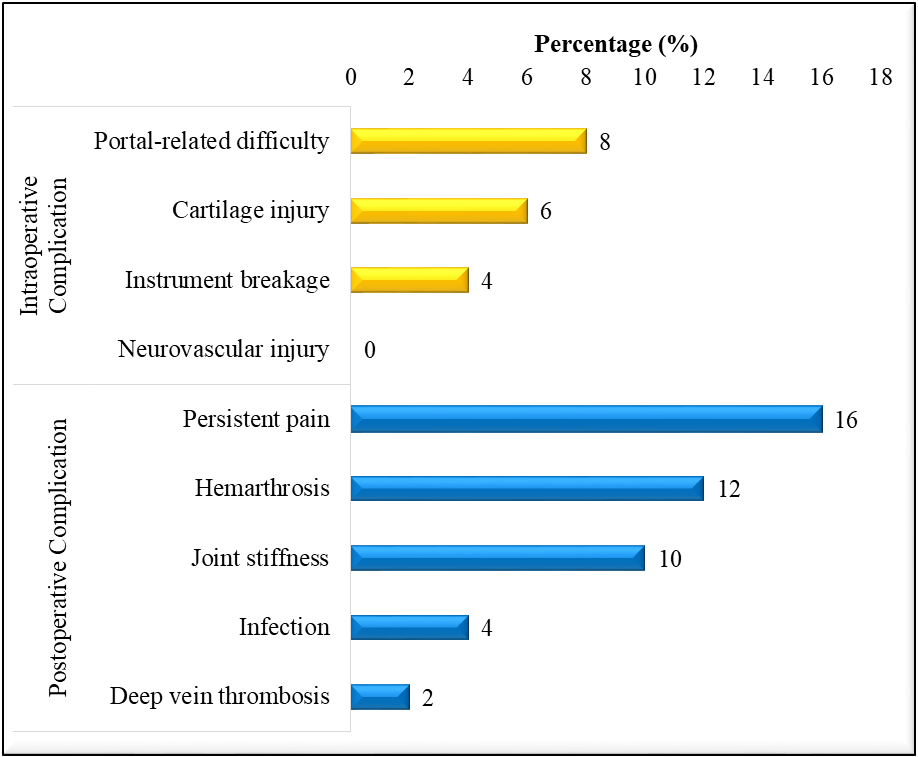
Figure 1: Intraoperative and Postoperative Complications (n = 50)
Intraoperative complications were relatively infrequent, with portal-related difficulty being the most common (8%), followed by cartilage injury (6%) and instrument breakage (4%). No cases of neurovascular injury were reported, indicating a generally safe intraoperative profile. In contrast, postoperative complications were more commonly observed, with persistent pain being the most frequent complication (16%), followed by hemarthrosis (12%) and joint stiffness (10%). Infection was noted in 4% of cases, while deep vein thrombosis was observed in 2% of patients [Figure 1].
Table 2: Association Between Selected Variables and Complications
|
Variable |
Complication Present (%) |
Complication Absent (%) |
p-value |
|
Age (>40 yrs) |
12 (60.0) |
14 (46.7) |
0.32 |
|
Gender (Male) |
14 (70.0) |
18 (60.0) |
0.48 |
|
Type (Therapeutic) |
16 (80.0) |
22 (73.3) |
0.59 |
|
Procedure Duration (>60 min) |
15 (75.0) |
12 (40.0) |
0.02* |
On analysis of factors associated with complications, it was found that procedures with a duration of more than 60 minutes had a significantly higher incidence of complications (p = 0.02), whereas variables such as age, gender, and type of procedure did not show a statistically significant association. Overall, the findings suggest that knee arthroscopy is a relatively safe procedure with low intraoperative complication rates; however, postoperative complications, particularly pain and hemarthrosis, remain clinically relevant and warrant careful postoperative monitoring and management [Table 2].
DISCUSSION:
In this study, the majority of patients undergoing knee arthroscopy were males (64%) and the largest age group was 21–40 years (36%). Meniscal injury was the most common indication (40%), followed by ACL injury (30%). This pattern is broadly consistent with the available literature, where meniscal and ligamentous pathologies have been reported as the most frequent indications for knee arthroscopy. Sherman et al. reviewed 3,261 arthroscopic knee procedures and identified meniscal and ligament-related conditions among the dominant indications, reflecting the same general trend observed in this study [10]. Similarly, Pajalic et al. analyzed 18,735 patients who underwent knee arthroscopy and reported a mean age of 39 years, which is close to the younger adult predominance seen in this study [2].
Intraoperative complications in this study were relatively infrequent, with portal-related difficulty observed in 8%, cartilage injury in 6%, and instrument breakage in 4%, while no neurovascular injury was recorded. These findings are in line with previous reports indicating that intraoperative arthroscopic complications are uncommon but remain clinically relevant. Small et al. recorded 173 complications among 10,262 arthroscopic procedures, giving an overall complication rate of 1.68%, and noted that instrument-related and technical complications formed an important subgroup, though less common than postoperative events [11]. Balglei et al. also highlighted that intraoperative complications of knee arthroscopy include port disposition problems, instrument breakage, nerve and vascular injury, and compartment syndrome, supporting the spectrum observed in this study [12].
Postoperative complications were more frequent than intraoperative complications in this study. Persistent pain was the most common postoperative complication (16%), followed by hemarthrosis (12%), joint stiffness (10%), infection (4%), and DVT (2%). This pattern is comparable to the findings reported by Musa et al., who, in a prospective cohort of 300 arthroscopic knee surgery patients, found prolonged pain and stiffness in 12%, hemarthrosis in 3.5%, infection in 0.8%, DVT in 0.5%, and nerve damage in 1% [1]. While the proportions of pain, stiffness, and hemarthrosis were somewhat higher in this study, the hierarchy of complications was similar, with pain-related morbidity and hemarthrosis being more common than infection or thromboembolic events [1].
With respect to infection, this study reported a postoperative infection rate of 4%, which is higher than rates generally reported in larger published series. Babcock et al., in their review of postarthroscopy surgical site infections, noted that overall arthroscopy complication rates are usually low at 0.1%–0.6%, while infectious complications alone are reported in the range of 0.01%–0.48% [13]. Likewise, Musa et al. reported an infection rate of 0.8% [1]. The higher infection rate observed in this study may be attributable to the smaller sample size, case-mix variation, and the inclusion of more complex therapeutic procedures. This suggests that local perioperative factors, including patient selection and procedural complexity, may influence infection risk substantially.
The incidence of DVT in this study was 2%, which is again low in absolute terms but clinically important. This is comparable to the findings of Said et al., who studied 50 patients after arthroscopic knee surgery and reported a DVT incidence of 2% within two weeks postoperatively [14]. In contrast, Small et al. found that thromboembolic disease accounted for 6.9% of all recorded complications in their multicenter series, though the overall absolute rate remained low [11]. These observations suggest that although thromboembolic complications after knee arthroscopy are uncommon, vigilance and risk stratification remain necessary, especially in patients with additional risk factors.
In this study, complications were more frequent in patients with longer operative duration, and procedure duration greater than 60 minutes showed a statistically significant association with complications (p = 0.02). This finding is supported by the literature. Pajalic et al. reported that the absolute risk of one or more complications after knee arthroscopy was 1.1%, significantly higher than in the reference population, and highlighted that complication risk increases with procedural and patient-related complexity [2]. These findings reinforce the present study observation that procedure-related burden and patient comorbidity may materially influence postoperative outcomes.
Overall, this study showed that postoperative complications were more common than intraoperative complications, and that persistent pain, hemarthrosis, and stiffness constituted the major morbidity burden. This pattern is in agreement with the broader literature, which has consistently shown knee arthroscopy to be a relatively safe procedure, but one in which minor to moderate postoperative complications remain clinically significant and deserve careful surveillance. Structured rehabilitation programs have been shown to significantly improve pain, mobility, and functional recovery in patients with knee joint disorders, highlighting the importance of early postoperative physiotherapy in reducing complications such as stiffness and persistent pain [15,16]. Appropriate patient selection, meticulous surgical technique, strict infection control practices, and structured postoperative rehabilitation are therefore essential to minimize complication rates and optimize outcomes.
CONCLUSION:
This study concludes that knee arthroscopy is a relatively safe and effective minimally invasive procedure with a low incidence of intraoperative complications. However, postoperative complications were more frequently observed, with persistent pain, hemarthrosis, and joint stiffness being the most common. Although serious complications such as infection and deep vein thrombosis were rare, their presence highlights the need for careful monitoring. A statistically significant association was found between longer operative duration and increased complication rates, indicating that procedure complexity plays an important role in outcomes. Overall, the findings emphasize the importance of meticulous surgical technique, appropriate patient selection, and structured postoperative care in minimizing complications and improving patient outcomes.
LIMITATIONS
This study had certain limitations that should be considered while interpreting the results. The sample size was relatively small, which may limit the generalizability of the findings. Being a single-center hospital-based study, the results may not represent the broader population. The duration of follow-up was limited, and therefore long-term complications and functional outcomes could not be fully assessed. Additionally, variation in surgical expertise and procedure type could have influenced complication rates, which were not separately analyzed in detail.
RECOMMENDATIONS
Based on the findings of this study, it is recommended that careful patient selection and thorough preoperative evaluation should be emphasized to minimize complication risks. Surgeons should focus on reducing operative time and maintaining strict aseptic precautions to prevent postoperative complications, particularly infections. Early mobilization and structured rehabilitation protocols should be implemented to reduce stiffness and persistent pain. Further multicentric studies with larger sample sizes and longer follow-up duration are recommended to validate these findings and provide more comprehensive evidence. Continuous monitoring and reporting of arthroscopy-related complications should also be encouraged to improve surgical outcomes and patient safety.
REFERENCES:
1. Musa SM, Hossain MS. Various complications after arthroscopic knee surgery. Sch Acad J Biosci. 2013;1(7):386–390.
10.36347/sajb.2013.v01i07.008
2. Friberger Pajalic K, Turkiewicz A, Englund M. Update on the risks of complications after knee arthroscopy. BMC Musculoskelet Disord. 2018 Jun 1;19(1):179. doi: 10.1186/s12891-018-2102-y. PMID: 29859074; PMCID: PMC5984803.
3. Shah DBA, Kabir SK, Hayat S, Khan MA, Akhtar W. Knee Arthroscopic Procedures and Complications at a Tertiary Care Hospital. J Med Sci 2020 April;28(2):149-153
4. Bert JM, Bert TM. Complications of knee arthroscopy. In: Sgaglione NA, Lubowitz JH, Provencher MT, editors. The Knee: AANA Advanced Arthroscopic Surgical Techniques. Philadelphia: Elsevier; 2015. p. 37–44.
5. Sivalingarajah P, Guraiah S, Tahir SH, Mahmood MJ. Catastrophic complication during arthroscopic knee surgery (compartment syndrome). Malays Orthop J. 2021;15(Suppl):ET03.
6. Cole BJ. Knee arthroscopy informed consent and complications [Internet]. Chicago (IL): Midwest Orthopaedics at Rush; [cited on 10th March 2026]. Available form: https://www.briancolemd.com/wp-content/themes/ypo-theme/pdf/informed-consent-surgery.pdf
7. Kanani J, Sheikh MI. A puzzling case: a unique presentation of massive heterotopic ossification on the spleen’s outer surface. Journal of Medicine, Surgery, and Public Health. 2024 Apr 1;2:100080.
8. Abinav MR, Sanjay AK, Murali V, Ravi P, Perumal S, Sivaraman A. Knee Arthroscopy in Morbidly Obese Patients: Perioperative Challenges and Technical Considerations to Optimize Outcomes. Journal of Orthopaedic Case Reports 2026 February;16(02):371-8
9. Allum R. Complications of knee arthroscopy. In: Bentley G, editor. European Surgical Orthopaedics and Traumatology. Berlin: Springer; 2014. p. 2729–43.
10. Sherman OH, Fox JM, Snyder SJ, Del Pizzo W, Friedman MJ, Ferkel RD, et al. Arthroscopy—no-problem surgery. J Bone Joint Surg Am. 1986;68(2):256–65.
11. Small NC. Complications in arthroscopic surgery performed by experienced arthroscopists. Arthroscopy. 1988;4(3):215–21. doi:10.1016/S0749-8063(88)80030-6
12. Balglei AG, Tkachenko AN, Khaydarov VM, Mansurov DS, Urazovskaya IL. Frequency and structure of arthroscopy complications in patients with knee joint osteoarthritis. Herald of North-Western State Medical University named after I.I. Mechnikov. 2022;14(2):35–47. doi:10.17816/mechnikov108370
13. Babcock HM, Matava MJ, Fraser V. Postarthroscopy surgical site infections: review of the literature. Clin Infect Dis. 2002;34(1):65–71. doi:10.1086/324627.
14. Zein Said AB, Abdel-Moneim H. The incidence of deep vein thrombosis after knee arthroscopy. The Egyptian Orthopaedic Journal. 2017 Oct 1;52(4):273-7. doi:10.4103/eoj.eoj_72_17.
15. Baladaniya M, Baldania S, Reddy TK, Choudhary AK, Periasamy P. Rehabilitation across the spectrum: a case series evaluating a structured program for knee osteoarthritis and musculoskeletal impairments. J Pharm Bioallied Sci. 2025;17(2):100–2. doi:10.4103/jpbs.jpbs_897_25.
16. Baldania S, Baladaniya M. Improved movement, improved life: the vital contribution of physical therapy to orthopaedic resilience. Int J Physiother. 2024;2(1):1–8.