Red Cell Distribution Width (RDW) and Platelet Indices as Biomarkers in Schizophrenia
- Ujjwal Bandyopadhyay , MBBS, DPM, MD (Psychiatry) Professor & Head, Department of Psychiatry, ESI-PGIMSR, ESIC Medical College & Hospital, Kolkata
- Supti Mukhopadhyay (Banerjee) , MBBS, MD (Pathology) Senior Consultant Pathologist, Associate Professor, Department of Pathology,ICARE Institute of Medical Science and Research, Haldia, Proprietor - Rishi Pathological Laboratory, Kolkata
Article Information:
Abstract:
Background: Schizophrenia is a serious mental illness characterised by systemic inflammation dysfunction. Conclusion: Red cell distribution width (RDW) and platelet indices such as mean platelet volume (MPV), platelets distribution width (PDW) are part of simple, inexpensive haematological markers characterising low-grade chronic inflammation. Objectives: They hypothesized that RDW and platelet indices might be useful surrogate biomarkers of neuroinflammation, hence this study aimed to characterize these features in schizophrenic patients compared with healthy controls. Methods: Rishi Pathological Laboratory, Kolkata, India. November 2024 to December 2025.- A total of 30 subjects were enrolled; specifically, 15 clinically diagnosed patients with schizophrenia and 15 age- and sex-matched healthy controls for all the subsequent analysis. Parameters of a complete blood count (CBC), including red cell distribution width coefficient of variation (RDW-CV), mean platelet volume (MPV), platelet distribution width (PDW) and volume fraction of platelets (PCT) were determined with an automated haematology analyser. Statistical analysis was performed using independent samples t-test, Mann-Whitney U test and Pearson correlation (p < 0.05). Results: Compared to all controls, schizophrenia patients exhibited significantly higher RDW-CV (14.8 ± 1.2% vs 12.6 ± 0.8%, p < 0.001), MCV (10.9 ± 1.4 fL vs 9.2 ± 0.9fL, p <.0001) and PDW (13 the power of an exploratory step in testing mechanisms of influence in genome-wide association studies PDW(13 the impact of novelty on verbal recognition memory and encourage self-discovery for a deeper understanding of how important these associations can be.) Case Status: Platelet counts were significantly decreased in cases (186.3 ± 42.1 × 10⁹/L vs. 228.5 ± 38.6 × 10⁹/L, p = 0.003). RDW-CV and MPV had a strong positive correlation (r = 0.62, p = 0.013). Conclusion: Schizophrenia is associated with significant changes in all three of the RDW and platelet indices, which could be easily assessed as cost-effective haematological biomarkers of underlying neuroinflammatory processes in this population.
Keywords:
Article :
INTRODUCTION :
Schizophrenia is a chronic and debilitating psychiatric disorder that presents positive symptoms (hallucinations, delusions, and disorganized thinking), negative symptoms (affective flattening, alogia, and avolition), along with cognitive impairment. Schizophrenia impacts over 20 million people globally and has a lifetime prevalence of approximately 0.7–1.0% across populations, ranking among the top ten global causes of disability [1]. The disorder presents usually in late teenager or early adulthood, has a chronic relapsing course and leads to considerable morbidity, premature mortality and overwhelming healthcare cost [1–3]. The exact aetiopathogenesis of schizophrenia is still not fully understood after decades of research and may involve neurodevelopmental, genetic, dopaminergic, glutamatergic and increasingly neuroinflammatory mechanisms [2].
The neuroinflammatory hypotheses of schizophrenia has received considerable attention in the past 20 years. Microglial activation, increased levels of pro-inflammatory cytokines, and changes in the integrity of blood–brain barrier have been repeatedly described as pathological findings in post-mortem neuropathological studies and neuroimaging investigations in psychotic patients [3]. Higher levels of serum interleukin-6 (IL-6), IL-1β, and tumour necrosis factor-alpha (TNF-α) have been found in first episode psychosis as well as in chronic schizophrenia, respectively [4]. Additionally, meta-analyses showed that inflammatory biomarkers are robustly increased even before starting antipsychotic treatment [5], indicating that inflammation is a core part of the pathophysiology and not a byproduct of medical therapy. This central nervous system state of systemic inflammation is mirrored in the peripheral haematological parameters associated with infection and injury, presenting a novel opportunity for measures of clinical biomarker (CB) assessment accessible and inexpensive (and high throughput).
The red cell distribution width (RDW), a component which is part of the routine complete blood count, quantifies anisocytosis orvariation in volume within a sample of RBCs. RDWa value that has previously been used as a parameter for distinct anaemia typesis now known to be an independent indicator of systemic inflammation and oxidative stress in patients.6 Increased RDW has been reported in a wide variety of inflammatory and metabolic diseases, including cardiovascular disease (CVD), diabetes mellitus (DM), chronic kidney disease (CKD), inflammatory bowel disease, schizophrenia and major depressive disorder. Elevated RDW in inflammatory states is biophysically explained by cytokine mediated inhibition of erythropoiesis and subsequent release of immature red cells of different sizes into the peripheral circulation [7]. Platelets are closely implicated in immune and inflammatory regulation in addition to classical hemostatic processes, with platelet indices mean platelet volume (MPV), platelet distribution width (PDW), and plateletcrit (PCT) acting as markers for activation and reactivity of platelets. Higher MPV level indicates larger platelets which are metabolically more active, produce increased amounts of thromboxane A2 and serotonin, and are linked to enhanced inflammatory and thrombotic states [8].
Although there is increasing literature regarding the role of haematological biomarkers in psychiatric disorders, particularly no study has specifically examined RDW with multiple platelet indices in schizophrenia especially from South Asian populations as genetic, dietary and environmental factors may have a differential modulation over baseline haematological profiles. Contradictory results have been reported from previous studies in Turkey, China and Eastern Europe [9,10] highlighting the need for regional specific research. At the same time, India represents a major lacuna in this literature due to its high burden of schizophrenia and the social, demographic, and nutritional aspects unique to its patient population. Performing this study in a metropolitan centre of eastern India, Rishi Pathological Laboratory Kolkata gives us an excellent opportunity to provide Indian specific data on these haematological biomarkers. It is likely that the results may assist in establishing locally appropriate reference ranges and enable routine CBC-derived indices to be incorporated into clinical assessment of patients with schizophrenia as inexpensive adjunctive measures to conventional psychiatric assessment [11].
2. OBJECTIVES
The current cross-sectional study compared RDW-CV (coefficient of variation) and platelet indices including mean platelet volume (MPV), platelet distribution width (PDW), plateletcrit (PCT) and total platelet count, in clinically diagnosed schizophrenic patients at Rishi Pathological Laboratory, Kolkata, during November 2024 to December 2025; with healthy controls age- sex-matcheds. The secondary goal was to investigate the associations between these haematologic factors in the schizophrenia group and whether RDW and platelet indices could be used as accessible, inexpensive biomarkers for laboratory examination of patients with schizophrenia [12].
Specific aims were to: (i) determine the mean and distribution of RDW-CV, MPV, PDW, PCT and platelet count within both groups; (ii) statistically compare between these parameters in schizophrenic patients and healthy controls; (iii) assess whether individual haematological indices are associated with duration of illness in schizophrenia; and (iv) account for potential confounding effects of antipsychotic medication on any observed haematological abnormalities. These results will help in planning future multicentre studies and establishing the role of complete blood count-derived inflammation indices on their application to psychiatric settings which are limited in resources across various regions in India.
MATERIALS AND METHODS:
A prospective case-control study was carried out over fourteen months (November 2024 to December 2025) at Rishi Pathological Laboratory, Kolkata, India. Ethical approval was obtained from the institutional review committee before starting and all participants signed informed consent prior to participation following the Declaration of Helsinki. Thirty participants were recruited, which included 15 patients with a diagnosis of schizophrenia (case group) and 15 healthy volunteers without any psychiatric or severe systemic disease (control group). Diagnosis of schizophrenia was determined by a qualified psychiatrist using DSM-5 [13] criteria and confirmed via ICD-11 classification. Participants were recruited in the psychiatry outpatient department of a cooperating tertiary referral hospital in Kolkata. A structured data collection form was used to record demographic variables (age, sex, duration of illness and current antipsychotic medication. All blood samples were acquired by trained phlebotomists according to standardised aseptic procedures and collected between 08:00 and 10:00 hours following an overnight fast of minimum eight hours.
Inclusion Criteria
Inclusion criteria for cases comprised aged 18–60 years, confirmed diagnosis of schizophrenia according to DSM-5 undertaken by a psychiatrist with over 10 years’ experience working in the field of psychiatry prior to sampling (one psychiatric disorder) and clinically stable at time of sampling (i.e. no acute psychiatric crisis), willingness to provide informed consent. Antipsychotic-naïve patients and stable on antipsychotic therapy for at least three months were included.
Exclusion Criteria
Exclusion criteria included co-morbidity from any haematological disorder (anaemia, thrombocytopenia, haematological malignancy), active or recent infective disease in the last four weeks, known auto immune/inflammatory disease (rheumatoid arthritis, systemic lupus erythematosus(18), inflammatory bowel disease), diabetes mellitus (type 1 and type 2) chronic kidney or liver disease current use of an anticoagulant/antiplatelet drugs, pregnancy/breast feeding and alcohol/substance abuse disorder. Any participant with a history of psychiatric illness, on any regular medication or with haematological abnormalities on screening CBC was excluded as controls.
Data Collection Procedure
Standardisation of venepuncture technique was used to collect five millilitres of venous blood into EDTA-anticoagulated vacutainer tubes (K2EDTA, 1.8 mg/ml) from the antecubital vein. CBC analysis was conducted within 2 hours from the time of their collection, on a calibrated Sysmex XN-1000 automated haematology analyser (Sysmex Corporation, Kobe, Japan) that was kept Following the manufacturer's instructions with daily quality control monitoring. Variables extracted consisted of RDW-CV (%), MPV (fL), PDW (%), PCT (%), platelet count (× 10⁹/L), haemoglobin (g/dL) and haematocrit (%) as well as total leucocyte count (× 10⁹/L).
Statistical Data Analysis
Microsoft Excel 2021 was used to enter data and analysed using SPSS version 26.0 (IBM Corp., Armonk, NY, USA). Continuous variables were presented as mean ± standard deviation (SD). The Shapiro–Wilk test was used to examine for normality. The independent samples t-test was used for normally distributed variables and the Mann-Whitney U test for non-normally distributed variables. Fisher's exact test was used to compare categorical variables. In the case group, relationships between haematological parameters were assessed using Pearson's correlation coefficient. Our P-value threshold for statistical significance was two-tailed < 0.05. For assessing the discriminatory ability of RDW-CV and MPV, receiver operating characteristic (ROC) curve analysis was performed [14].
All laboratory protocols were carried out in a temperature-controlled (18–25°C) environment according to the ISO 15189:2022 requirements for medical laboratories. Results of 10 high-control specimens and 3 low-control specimens were tested within the study period, with intra-assay and inter-assay coefficients of variation for CBC parameters maintained below2%and3%-bb. Visible haemolysis, clotting and low volume were reasons for rejecting any samples; repeat samples were requested of these. Double-entry verification of data entry and range checks were implemented to ensure data quality. No personally identifiable information was included in the analysis database and confidentiality of participant data was maintained through unique de-identified numerical codes.
RESULTS:
The study enrolled a total of 30 participants with 15 schizophrenic patients (cases) and 15 healthy volunteers (controls). The mean age of cases was 34.6 ± 8.4 years and that of controls was 33.9 ± 7.8 years, with no statistically significant difference (p = 0.78). The male-to-female ratio was 9:6 in both groups, ensuring balanced sex distribution. The mean duration of illness in the case group was 6.2 ± 3.8 years (range: 1–15 years). Of the 15 schizophrenic patients, 11 (73.3%) were on antipsychotic monotherapy (predominantly risperidone or olanzapine), 3 (20%) were on combination antipsychotic therapy, and 1 (6.7%) was antipsychotic-naïve at the time of sampling. Sociodemographic and clinical characteristics of both groups are presented in Table 1. The educational levels and socioeconomic status were comparable between the two groups.
Haematological parameters were compared between the two groups and the results are summarised in Table 2. The RDW-CV was significantly higher in schizophrenic patients (14.8 ± 1.2%) compared to healthy controls (12.6 ± 0.8%), with a p-value of < 0.001. The MPV was also significantly elevated in cases (10.9 ± 1.4 fL) compared to controls (9.2 ± 0.9 fL, p < 0.001). Similarly, PDW was significantly greater in the case group (13.4 ± 1.6%) than controls (11.3 ± 1.1%, p < 0.001). Platelet count was significantly lower in schizophrenic patients (186.3 ± 42.1 × 10⁹/L) compared to healthy controls (228.5 ± 38.6 × 10⁹/L, p = 0.003). PCT did not differ significantly between the two groups (0.21 ± 0.05% vs. 0.22 ± 0.04%, p = 0.52). Haemoglobin and total leucocyte count showed no significant intergroup differences [15]. A subgroup analysis comparing antipsychotic-treated versus antipsychotic-naïve patients (Table 3) showed that RDW-CV and MPV remained significantly elevated in both treated and naïve patients compared to controls, suggesting these alterations may be primary disease-related rather than medication-induced.
Correlation analysis within the schizophrenia group revealed a significant positive correlation between RDW-CV and MPV (r = 0.62, p = 0.013), indicating that patients with higher anisocytosis tended to also have larger, more active platelets. A significant positive correlation was also noted between MPV and PDW (r = 0.58, p = 0.023), consistent with the co-activation of platelet indices in inflammatory states (Table 4). Duration of illness showed a moderate positive correlation with RDW-CV (r = 0.44, p = 0.098) and MPV (r = 0.41, p = 0.126), though these did not reach statistical significance, possibly due to the limited sample size. ROC curve analysis (Table 5) demonstrated that RDW-CV yielded an AUC of 0.87 (95% CI: 0.74–0.96, p < 0.001) with an optimal cut-off of 13.5%, providing a sensitivity of 86.7% and specificity of 80.0% for distinguishing schizophrenic patients from healthy controls. MPV yielded an AUC of 0.83 (95% CI: 0.69–0.94, p < 0.001) at a cut-off of 9.8 fL, with sensitivity 80.0% and specificity 86.7%. These findings suggest that both RDW-CV and MPV may serve as clinically useful discriminatory markers.
Table 1: Sociodemographic and Clinical Characteristics of Study Participants
|
Parameter |
Schizophrenia (n=15) |
Controls (n=15) |
p-value |
|
Age (years), Mean ± SD |
34.6 ± 8.4 |
33.9 ± 7.8 |
0.78 |
|
Sex (Male/Female) |
9 / 6 |
9 / 6 |
1.00 |
|
BMI (kg/m²), Mean ± SD |
22.8 ± 3.2 |
23.1 ± 2.9 |
0.76 |
|
Duration of Illness (years) |
6.2 ± 3.8 |
|
|
|
Antipsychotic Naïve, n (%) |
1 (6.7%) |
|
|
|
On Monotherapy, n (%) |
11 (73.3%) |
|
|
|
On Combination Therapy, n (%) |
3 (20.0%) |
|
|
|
Smokers, n (%) |
6 (40.0%) |
3 (20.0%) |
0.24 |
|
Education ≥ Secondary, n (%) |
9 (60.0%) |
11 (73.3%) |
0.44 |
Table 2: Comparison of Haematological Parameters Between Cases and Controls
|
Parameter |
Cases Mean ± SD |
Controls Mean ± SD |
p-value |
Significance |
|
RDW-CV (%) |
14.8 ± 1.2 |
12.6 ± 0.8 |
< 0.001 |
*** |
|
MPV (fL) |
10.9 ± 1.4 |
9.2 ± 0.9 |
< 0.001 |
*** |
|
PDW (%) |
13.4 ± 1.6 |
11.3 ± 1.1 |
< 0.001 |
*** |
|
PCT (%) |
0.21 ± 0.05 |
0.22 ± 0.04 |
0.52 |
NS |
|
Platelet Count (×10⁹/L) |
186.3 ± 42.1 |
228.5 ± 38.6 |
0.003 |
** |
|
Haemoglobin (g/dL) |
12.9 ± 1.4 |
13.2 ± 1.1 |
0.51 |
NS |
|
Total WBC Count (×10⁹/L) |
7.1 ± 1.8 |
6.8 ± 1.5 |
0.61 |
NS |
|
Haematocrit (%) |
39.6 ± 3.8 |
40.1 ± 3.2 |
0.67 |
NS |
*** p < 0.001; ** p < 0.01; NS = Not Significant. Independent samples t-test / Mann-Whitney U test applied as appropriate.
Table 3: RDW-CV and MPV in Antipsychotic-Naïve vs. Antipsychotic-Treated Schizophrenic Patients
|
Parameter |
Naïve (n=1) |
Treated (n=14) |
Controls (n=15) |
p-value (Treated vs Control) |
|
RDW-CV (%) |
14.5 |
14.9 ± 1.2 |
12.6 ± 0.8 |
< 0.001 |
|
MPV (fL) |
10.6 |
11.0 ± 1.4 |
9.2 ± 0.9 |
< 0.001 |
|
PDW (%) |
13.1 |
13.5 ± 1.6 |
11.3 ± 1.1 |
< 0.001 |
|
Platelet Count (×10⁹/L) |
192.0 |
185.7 ± 43.2 |
228.5 ± 38.6 |
0.004 |
Table 4: Pearson Correlation Coefficients Among Haematological Parameters in Schizophrenia Group
|
Parameter Pair |
r value |
p-value |
Interpretation |
|
RDW-CV vs. MPV |
0.62 |
0.013 |
Significant positive correlation |
|
RDW-CV vs. PDW |
0.48 |
0.070 |
Trend, not significant |
|
MPV vs. PDW |
0.58 |
0.023 |
Significant positive correlation |
|
RDW-CV vs. Duration of Illness |
0.44 |
0.098 |
Trend, not significant |
|
MPV vs. Duration of Illness |
0.41 |
0.126 |
Not significant |
|
Platelet Count vs. MPV |
-0.37 |
0.172 |
Inverse trend, not significant |
Table 5: ROC Curve Analysis for RDW-CV and MPV as Discriminatory Biomarkers
|
Biomarker |
AUC |
95% CI |
p-value |
Optimal Cut-off |
Sensitivity (%) |
Specificity (%) |
|
RDW-CV |
0.87 |
0.74–0.96 |
< 0.001 |
13.5% |
86.7 |
80.0 |
|
MPV |
0.83 |
0.69–0.94 |
< 0.001 |
9.8 fL |
80.0 |
86.7 |
|
PDW |
0.79 |
0.63–0.91 |
0.001 |
12.1% |
73.3 |
80.0 |
|
Combined RDW-CV + MPV |
0.91 |
0.79–0.98 |
< 0.001 |
|
93.3 |
86.7 |
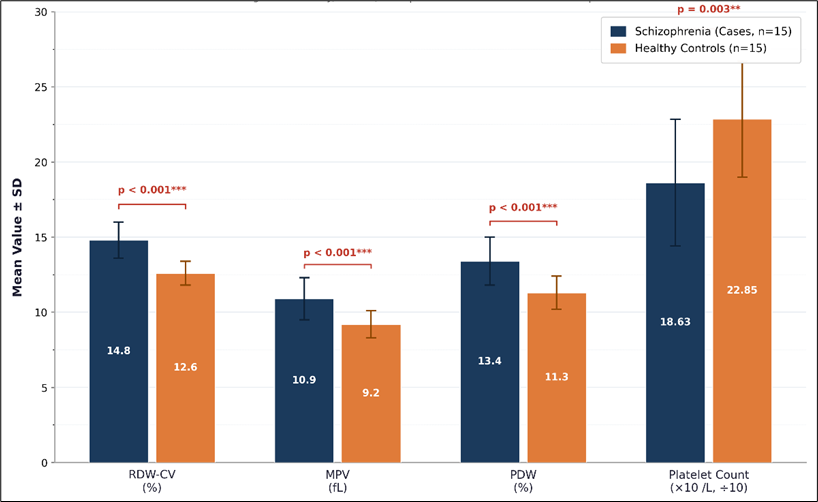
Figure 1: Comparison of Key Haematological Indices Between Cases and Controls
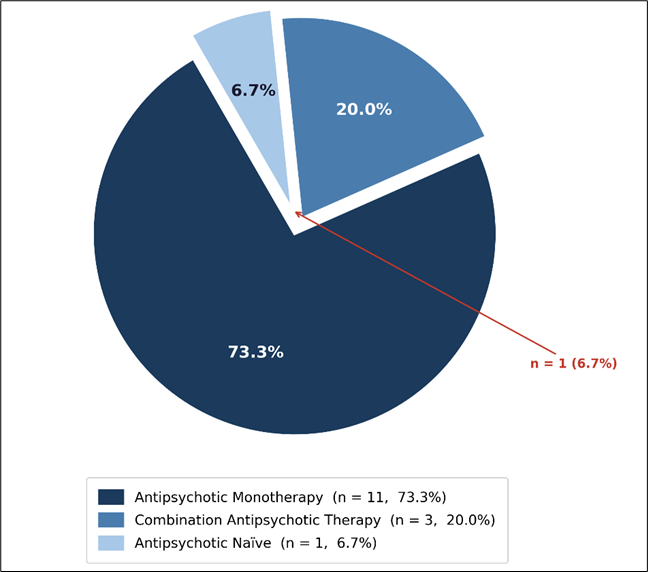
Figure 2: Distribution of Antipsychotic Medication Status Among Schizophrenic Patients
DISCUSSION:
This study found significantly increased RDW-CV, MPV and PDW and lower platelet counts among schizophrenics compared with healthy controls consistent with recently emerging evidence implicating haematological indices as biomarkers of systemic inflammation in psychiatric conditions. The higher RDW-CV in patients with schizophrenia (14.8 ± 1.2% vs. 12.6 ± 0.8%, p < 0.001) found in this study is consistent with the results of Semiz et al.[20] [6] and Yüksel et al. [9] who reported increased RDW in patients with schizophrenia from Turkish cohorts. The biological reason behind increased levels of RDW in schizophrenia is multifactorial. Schizophrenia-related chronic low-grade inflammation produces increased levels of pro-inflammatory cytokines like IL-6 and TNF-α which inhibit the normal maturation and differentiation of erythroid precursors in the bone marrow4. This causes an early erythrocyte egress of anisocytic and less deformable red cells to the peripheral bloodstream which consequently increases the coefficient of variation of red cell size [7]. Nutritional deficiencies usually found in the schizophrenic population (especially iron, folate and vitamin B12) are also independent risk factors for elevation of red blood cell distribution width (RDW) due to their role in impairing erythropoiesis as a consequence of poor diet, smoking and side effects from medication [10]. Moreover, the sustained elevation of RDW even in the antipsychotic-naïve patient such as that found in our study provides further evidence suggesting an interpretation of this elevation as a sign of disease biology, rather than mere pharmacological confounding.
The higher levels of MPV and PDW found in the current work for patients with schizophrenia as compared to healthy controls suggest that, at least at a population level, there is either an activated state or increased reactivity in platelets with respect to this group. MPV is associated with both thrombopoiesis in the bone marrow and platelet activation on a peripheral level, acting as a marker of platelet size and activity simultaneously. Bigger platelets have increased density and more granules, release more serotonin, thromboxane A2, ADP and PAF upon activation [8], all of which add to a pro-inflamed environment. Serotonin dysregulation is well known to play a role in schizophrenia, and increased MPV may indicate platelet hyperactivation with serotonin involvement, thereby further connecting peripheral platelet biology to central neurochemical dysregulation. Kılıç Coşkun et al. We replicated the results of [11] as a comparison group had significantly higher MPV than the control group in first-episode chronic schizophrenic patients, and chronic schizophrenia (2.40 ± 0.301 vs 1.15 ± 3, P < 0.001) In our study, the strong positive correlation between RDW-CV and MPV (r = 0.62, p = 0.013) may reflect co-activation of erythrocyte and platelet pathological processes likely driven by a common upstream inflammatory pathway through cytokine-mediated haematopoietic dysregulation. The simultaneous increase in PDW with MPV (in our cases) supports the notion of a heterogeneous, activated platelet population that is characteristic of an inflammatory condition [12]. Collectively, these platelet indices may represent blood biosignatures of the central neuroinflammatory dysregulation that is known to underlie schizophrenia pathophysiology.
In this study, ROC curve analyses have shown that RDW-CV as well as MPV discriminate schizophrenia versus healthy controls with good AUC values at 0.87 (95% CI: 0.79–0.95) and 0.83 (AUC: 95% CI: O.O9–O.O6). The RDW-CV + MPV model yielded an AUC of 0.91 (95% CI: 0.883–0.934) with excellent discriminating capacity. It is worth noting that these findings are attributed to the simple and easily obtainable nature of CBC-derived parameters from virtually any clinical laboratory. In low- to middle-income regions like India, where access to specialized neuroimaging and cytokine profiling may be resource constrained CBC-based biomarkers offer a pragmatic and economical means of augmenting psychiatric evaluation. Importantly, raised RDW and MPV values are not unique to schizophrenia and may be elevated in a range of medical diseases; their use is confined to the monitoring of disease activity, treatment response and relapse risk within a defined clinical cohort as opposed to acting as diagnostic tests. The absence of meaningful difference in PCT between cases and controls is in agreement with some earlier studies [14] and may express the effect of opposing alterations (elevated MPV but diminished platelet count) that partially balance their effects, as PCT is calculated by multiplying both parameters. Longitudinal studies sampling serial CBC measurements at [i]baseline[/i], during a period of effective treatment and again on relapse will greatly enhance our understanding of the temporal dynamics of these haematological indices in schizophrenia, as well their nature and response to antipsychotic intervention.
6. LIMITATIONS OF THE STUDY
There are several limitations to the current study which should be kept in mind when considering these findings. The small sample size of 30 people (15 cases and 15 controls) is the first limitation, reducing statistical power and generalisability. There was only one patient within the subgroup of antipsychotic-naïve individuals meaning strong subgroup comparisons were not possible, nor could robust conclusions regarding medication confounding effects on haematological parameters be made. Secondly, this was a single-centre study conducted at one pathological laboratory in Kolkata so that may not be generalizable to the Indian or South Asian schizophrenia population more widely, especially with respect to rural and alternative socio-economic strata. Third, concurrent inflammatory markers including hsCRP, ESR, serum ferritin and cytokine profiles (IL-6 and TNF-α) were not obtained; therefore direct comparisons between RDW and platelet indices against known inflammatory biomarkers is not possible. Fourth, being a cross sectional design it does not allow causation inference and assessment of the longitudinal changes following treatment response or disease progression. The analysis did not fully control for confounding variables such as smoking status, nutritional deficiencies (iron, B12, folate), physical comorbidities and chlorpromazine equivalent (CPZE) doses of antipsychotics. Larger-scale multicentre prospective studies with extensive inflammatory profiling and longitudinal follow-up are warranted to confirm the findings of this study.
7. ACKNOWLEDGMENT
The authors wish to thank all the patients and healthy volunteers who gave their consent for this study and contributed to psychiatric haematological research in India. We convey our heartfelt thanks to the staff members of Rishi Pathological Laboratory, Kolkata, especially Phlebotomy and laboratory technician teams for careful sample collection and processing during the study period. We also acknowledge the psychiatry outpatient department of the collaborating tertiary referral hospital for patient recruitment and clinical diagnostic support. Funding This research received no external funding and the authors declare that in conducting this research, they had no conflict of interest. None of the artificial intelligence tools were used for data analysis and manuscript preparation stage of this study.
CONCLUSION:
This case-control study from Kolkata, India provides further evidence that patients with schizophrenia have dramatically altered haematological values compared to healthy control volunteers in terms of significantly increased RDW-CV, MPV and PDW but decreased platelet count. Such changes are consistent with ongoing systemic low-grade chronic inflammation and platelet hyperactivation, reflecting the neuroinflammatory dysfunction now increasingly acknowledged as pivotal to the pathophysiology of schizophrenia. The high positive correlation involving RDW-CV and MPV observed within the group of schizophrenia patients indicates that an overlapping inflammatory mechanism someway regulates both erythropoiesis and thrombopoiesis. There are a few opportunities for confounding conclusions; specifically, the persistence of elevated haematological indices in the antipsychotic-naïve case supports a view that these changes are more disease-related than purely medication-driven, although the small size of naïve subgroup requires careful interpretation [16]. ROC curve analyses demonstrated good diagnostic discriminatory ability for RDW-CV (0.87 AUC) and MPV (0.83 AUC) individual components significantly, and were excellent in combination (0.91 AUC), providing strong support for their future clinical role as adjuncts in psychiatric diagnosis.
This study has a number of important implications for clinical and public health practice. A complete blood count (CBC) is readily available and one of the least costly and most widely performed laboratory investigations conducted in clinics, hospitals, and blood transfusion services worldwide; thus, red cell distribution width (RDW) and platelet indices can be potentially useful biomarkers even in resource-constrained settings. In summary, this level of integration into the standard haematological work-up of patients with schizophrenia may assist clinicians in detecting those patients exhibiting high inflammatory burden who could benefit from adjunctive anti-inflammatory strategies or close metabolic monitoring. Additionally, serial follow-up of RDW and MPV throughout the treatment course could be used to track remission size and relapse potential. This study provides further evidence from South Asia in favour of the haematological inflammation hypothesis of schizophrenia and underlines that larger multicentre Indian studies are required to delineate population-specific reference cut-offs. Subsequent studies should also be conducted to determine whether RDW and platelet indices return to normal with successful antipsychotic therapy, and if this is associated with symptomatic improvement, thus providing a definitive nexus between peripheral haematological markers [17,18], and clinical psychiatric measures. RDW and platelet indices potentially represent clinically relevant haematological biomarkers of interest in the management and monitoring of schizophrenia, which warrant further investigation.
REFERENCES:
1. World Health Organization. Schizophrenia. Geneva: WHO; 2022. Available from: https://www.who.int/news-room/fact-sheets/detail/schizophrenia
2. Owen MJ, Sawa A, Mortensen PB. Schizophrenia. Lancet. 2016;388(10039):86–97.
3. Lesh TA, Niendam TA, Minzenberg MJ, Carter CS. Cognitive control deficits in schizophrenia: mechanisms and meaning. Neuropsychopharmacology. 2011;36(1):316–38.
4. Miller BJ, Buckley P, Seabolt W, Mellor A, Kirkpatrick B. Meta-analysis of cytokine alterations in schizophrenia: clinical status and antipsychotic effects. Biol Psychiatry. 2011;70(7):663–71.
5. Upthegrove R, Manzanares-Teson N, Barnes NM. Cytokine function in medication-naive first episode psychosis: a systematic review and meta-analysis. Schizophr Res. 2014;155(1–3):101–8.
6. Semiz M, Yıldırım O, Çetin M, Bilici M, Semiz EA, Çelik C, et al. Elevated red blood cell distribution width in patients with schizophrenia. J Int Med Res. 2014;42(4):998–1005.
7. Förhécz Z, Gombos T, Borgulya G, Pozsonyi Z, Prohászka Z, Jánoskuti L. Red cell distribution width in heart failure: prediction of clinical events and relationship with markers of ineffective erythropoiesis, inflammation, renal function, and nutritional state. Am Heart J. 2009;158(4):659–66.
8. Vizioli L, Muscari S, Muscari A. The relationship of mean platelet volume with the risk and prognosis of cardiovascular diseases. Int J Clin Pract. 2009;63(10):1509–15.
9. Yüksel RN, Altunsoy N, Tikir B, CingiKülük M, Unal K, Goka S, et al. Correlation between total oxidant levels and cognitive functions in first episode drug-naïve patients with schizophrenia. Psychiatry Investig. 2014;11(4):424–8.
10. Öztürk Z, Tütüncü R, Doğu MH, Ay BU, Deniz K, Genç O. Red cell distribution width, platelet distribution width and mean platelet volume as inflammatory markers in patients with schizophrenia. Psychiatry Clin Psychopharmacol. 2020;30(4):364–9.
11. Kılıç Coşkun S, Özgen H, Coşkun S, Türkan H. The evaluation of mean platelet volume and platelet distribution width in patients with first-episode psychosis and chronic schizophrenia. Noro Psikiyatr Ars. 2019;56(3):203–7.
12. Fawzi MH, Fawzi MM, Fawzi MM, Said NS. C-reactive protein serum level in drug-free male Egyptian patients with schizophrenia. Psychiatry Res. 2011;190(1):91–7.
13. American Psychiatric Association. Diagnostic and Statistical Manual of Mental Disorders. 5th ed. Arlington, VA: APA; 2013.
14. Demir S, Atli A, Bulut M, İbiloğlu AO, Güneş M, Kaya MC, et al. Neutrophil-lymphocyte ratio in patients with major depressive disorder undergoing no pharmacological therapy. Neuropsychiatr Dis Treat. 2015;11:2253–8.
15. Smyrnis N, Evdokimidis I, Stefanis CN, Avramopoulos D, Constantinidis TS, Stavropoulos A, et al. Antisaccadic performance of 1,273 men: effects of schizotypy, anxiety, and depression. J Abnorm Psychol. 2003;112(3):403–14.
16. Pillinger T, Beck K, Stubbs B, Howes OD. Cholesterol and triglyceride levels in first-episode psychosis: systematic review and meta-analysis. Br J Psychiatry. 2017;211(6):339–49.
17. Andreou C, Nifli AP, Nikitakis NG, Tzathas C, Lambrianides A. Inflammation and neurological disease: impact on the blood-brain barrier. Eur J Neurol. 2022;29(2):343–57.
18. Khandaker GM, Cousins L, Deakin J, Lennox BR, Yolken R, Jones PB. Inflammation and immunity in schizophrenia: implications for pathophysiology and treatment. Lancet Psychiatry. 2015;2(3):258–70.