CLINICAL AND ETIOLOGICAL PROFILE OF ACUTE KIDNEY INJURY: A STUDY OF 200 PATIENTS IN A TERTIARY CARE HOSPITAL SETTING.
- Mukesh K Sarna , Professor & Unit Head, Department of General Medicine, Mahatma Gandhi Medical College & Hospital, Jaipur.
- Ankit Beniwal , Junior Resident, Department of General Medicine.
- Manish Pahadia , Professor, Department of General Medicine.
- Saurabh Singh , Junior Resident, Department of General Medicine.
- Akash Aggarwal , Junior Resident, Department of General Medicine.
- Jaswant Yadav , Junior Resident, Department of General Medicine.
- Nilesh Raj , Junior Resident, Department of General Medicine.
- Sudha Sarna , Professor and Head, Department of Palliative Medicine.
Article Information:
Abstract:
Background: Acute kidney injury (AKI) is a major cause of morbidity and mortality among hospitalized patients, particularly in low- and middle-income countries. Seasonal variation in AKI has been increasingly recognized, but data from tropical regions remain limited. Objectives: To evaluate seasonal variation in the incidence, etiology, and severity of AKI in a tropical tertiary care setting. Materials and Methods: This prospective observational study included 200 consecutive patients diagnosed with AKI based on Kidney Disease: Improving Global Outcomes (KDIGO) criteria. Patients were categorized into four seasonal groups (summer, monsoon, winter, and spring). Associations between season, etiology, and severity of AKI were analyzed statistically. Results: AKI incidence showed a bimodal distribution, with peaks in summer (35%) and monsoon (30%), followed by winter (25%) and spring (10%). A significant association was found between season and etiology (p < 0.001), with dehydration predominating in summer and sepsis in monsoon. Although severe AKI (Stage 3) was more frequent during monsoon, the variation in severity across seasons was not statistically significant (p = 0.17). Conclusion: AKI in tropical regions demonstrates distinct seasonal patterns, largely influenced by environmental heat stress and infectious burden. These findings emphasize the importance of season-specific preventive strategies and improved healthcare resource planning.
Keywords:
Article :
INTRODUCTION:
Acute kidney injury (AKI) is a complex and multifactorial clinical syndrome characterized by an abrupt decline in renal function, resulting in impaired regulation of fluid, electrolyte, and acid–base homeostasis, along with accumulation of metabolic waste products (1). It is increasingly recognized as a global public health concern due to its strong association with prolonged hospitalization, increased healthcare costs, and high short- and long-term mortality (2,3). The burden of AKI is particularly pronounced in low- and middle-income countries, where delayed presentation, limited healthcare infrastructure, and a higher prevalence of infectious diseases contribute to worse outcomes (2,4). Epidemiological studies have reported a wide variation in AKI incidence, ranging from 7% to over 50% among hospitalized patients, with even higher rates in critically ill populations (4–6). Importantly, AKI is not only an independent predictor of in-hospital mortality but also a significant risk factor for the development of chronic kidney disease and end-stage renal disease (3,5).
In recent years, there has been growing interest in understanding the role of environmental and seasonal factors in the epidemiology of AKI. Seasonal variation is well established in several disease processes, including infectious, cardiovascular, and respiratory conditions, where fluctuations in temperature, humidity, and environmental exposures influence disease patterns (4-6). These variations may indirectly affect kidney function through mechanisms such as dehydration, hemodynamic instability, systemic infections, and toxin exposure. For instance, extreme heat during summer months can lead to volume depletion and prerenal azotemia, while increased prevalence of infections during rainy seasons may predispose individuals to sepsis-associated intrinsic renal injury (5,6).
Most of the existing literature on seasonal variation in AKI originates from temperate regions, where a higher incidence during winter months has been attributed to increased cardiovascular events and infections (6-8). However, these findings may not be directly applicable to tropical regions, where climatic conditions, disease patterns, and healthcare challenges differ substantially. In tropical settings, high ambient temperatures, monsoon-related infections, and socioeconomic factors may create a unique epidemiological profile of AKI. Despite this, data from such regions remain limited, and there is a lack of comprehensive prospective studies examining seasonal trends in AKI incidence, etiology, and severity (9).
Understanding these seasonal patterns is crucial for developing targeted preventive strategies, improving early recognition, and optimizing healthcare resource allocation, particularly in resource-limited settings. Therefore, the present study was designed to evaluate the seasonal variation in incidence, etiological spectrum, and severity of AKI among patients admitted to a tertiary care hospital in a tropical region.
MATERIALS AND METHODS:
This study was conducted in a tertiary care teaching hospital and included 200 adult patients diagnosed with acute kidney injury (AKI) based on KDIGO criteria. Patients aged 18 years and above were included, while kidney transplant recipients and those with pre-existing chronic kidney disease were excluded. Detailed clinical evaluation was performed for all patients, including demographic data, clinical features, laboratory parameters, etiological classification, and outcomes. The causes of AKI were categorized into sepsis-related, hypovolemia, nephrotoxic, cardiorenal, obstructive, and intrinsic renal causes. Data analysis was carried out using SPSS software, with categorical variables expressed as percentages. The chi-square test was used for comparisons, and a p-value of less than 0.05 was considered statistically significant.
RESULTS:
Table 1. Baseline Demographic, Socioeconomic and Clinical Characteristics (n=200)
|
Variable |
Category |
Number (n) |
Percentage (%) |
|
Age |
<30 years |
24 |
12 |
|
|
31–50 years |
62 |
31 |
|
|
51–70 years |
78 |
39 |
|
|
>70 years |
36 |
18 |
|
Gender |
Male |
122 |
61 |
|
|
Female |
78 |
39 |
|
Socioeconomic Class |
Upper (I) |
12 |
6 |
|
|
Upper Middle (II) |
28 |
14 |
|
|
Lower Middle (III) |
54 |
27 |
|
|
Upper Lower (IV) |
72 |
36 |
|
|
Lower (V) |
34 |
17 |
|
AKI Stage |
Stage 1 |
72 |
36 |
|
|
Stage 2 |
64 |
32 |
|
|
Stage 3 |
64 |
32 |
|
Admission |
General Ward |
120 |
60 |
|
|
ICU |
80 |
40 |
|
Outcome |
Recovered |
128 |
64 |
|
|
Dialysis |
42 |
21 |
|
|
Mortality |
30 |
15 |
The study population had a mean age of 52.43 ± 16.78 years, with the majority in the 51–70 year age group (39%). Males constituted 61% of the cohort. A significant proportion of patients belonged to lower socioeconomic strata, reflecting disparities in healthcare access. Out of 200 patients, the majority 120 (60%) were admitted to the general ward, while 80 (40%) required ICU admission. Out of 200 patients, the majority 128 (64%) recovered, while 42 (21%) required dialysis and 30 (15%) resulted in mortality.
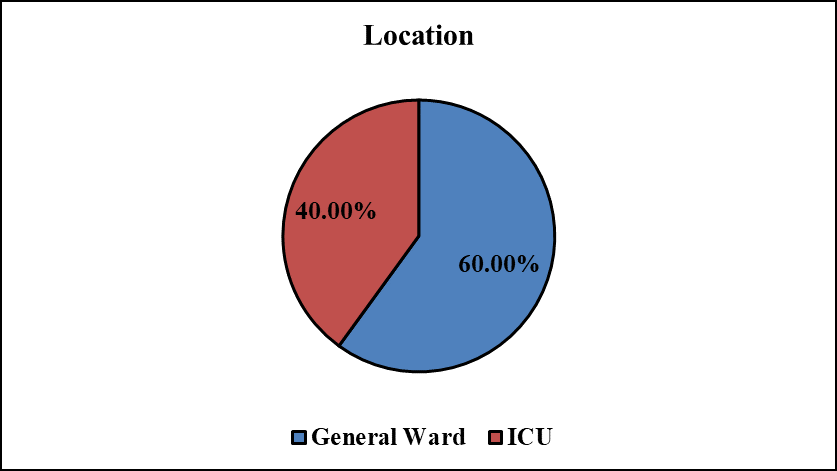
Fig.3: Graphical Distribution of Patients According to Location of Admission.
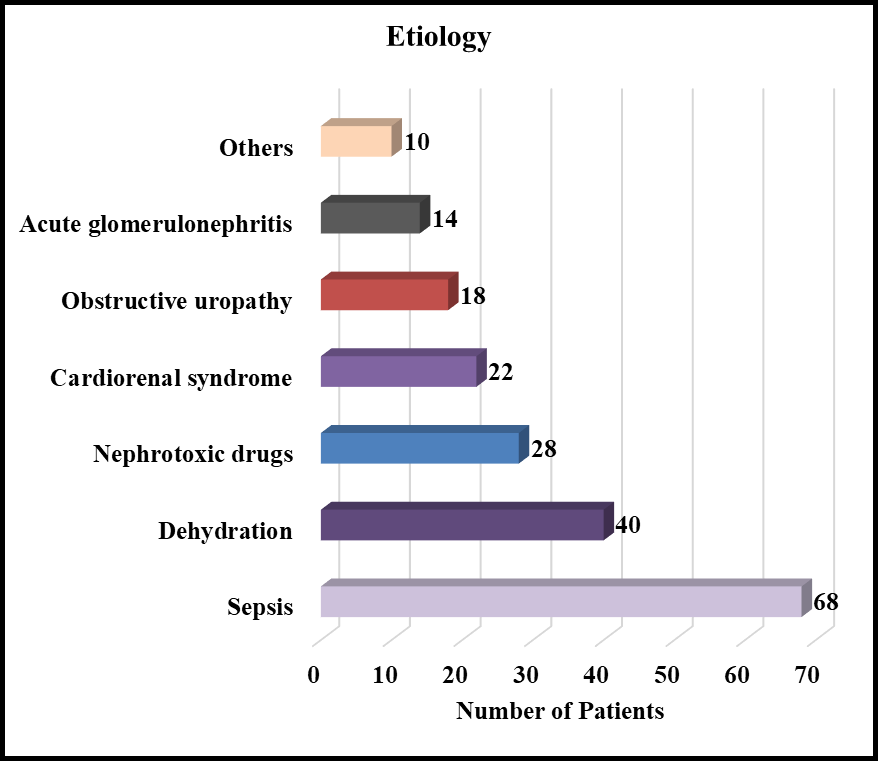
Fig.2: Graphical Distribution of Patients According to Etiology
Fig 2 shows that among the 200 patients, sepsis was the most common etiology (34%), followed by dehydration (20%) and nephrotoxic drugs (14%). Less frequent causes included cardiorenal syndrome (11%), obstructive uropathy (9%), and acute glomerulonephritis (7%), while other causes accounted for 5%.
Table 2. Detailed data on etiology
|
Causes of AKI |
Number of Patients |
% |
|
Sepsis |
||
|
Scrub typhus |
28 |
14.00% |
|
Urinary tract infection |
15 |
7.50% |
|
Pneumonia |
16 |
8.00% |
|
H1N1 influenza |
3 |
1.50% |
|
Infected diabetic foot |
2 |
1.00% |
|
Viral hepatitis |
1 |
0.50% |
|
Leptospirosis |
1 |
0.50% |
|
Febrile neutropenia |
1 |
0.50% |
|
Bacterial peritonitis |
1 |
0.50% |
|
Hypovolemia |
||
|
Diarrheal illness |
30 |
15.00% |
|
Biological toxins |
10 |
5.00% |
|
Nephrotoxic drugs/chemicals |
28 |
14.00% |
|
Cardiac causes |
22 |
11.00% |
|
Acute glomerulonephritis |
14 |
7.00% |
|
Surgical causes |
||
|
Obstructive uropathy |
18 |
9.00% |
|
Postoperative |
10 |
5.00% |
Table.3: Comparison of Etiological Distribution Between General Ward and ICU Patient
|
Etiology |
No Of Patients (%) |
|
|
General Ward |
ICU |
|
|
Sepsis (n=68) |
30 (25.00) |
38 (47.50) |
|
Dehydration (n=40) |
32 (26.67) |
8 (10.00) |
|
Nephrotoxic drugs (n=28) |
18 (15.00) |
10 (12.50) |
|
Cardiorenal syndrome (n=22) |
14 (11.67) |
8 (10.00) |
|
Obstructive uropathy (n=18) |
12 (10.00) |
6 (7.50) |
|
AGN (n=14) |
8 (6.67) |
6 (7.50) |
|
Others (n=10) |
6 (5.00) |
4 (5.00) |
|
Total Patients |
120 |
80 |
|
P-Value |
0.024 |
|
The distribution of etiological factors differed significantly between patients admitted to the general ward and ICU (p = 0.024). Sepsis was more common in ICU patients (47.5%), indicating its association with severe illness requiring intensive care. In contrast, dehydration was more prevalent in ward patients (26.67%), suggesting relatively less severe presentation. Other etiologies showed relatively similar distribution between the two groups.
Table:4. Distribution of Sepsis Cases by Demographic and Clinical Variables
|
Sepsis Cases (n=68) |
|||
|
Variable |
Category |
Number of Patients |
% |
|
Age Group |
<30 yrs |
8 |
11.80% |
|
31–50 yrs |
21 |
30.90% |
|
|
51–70 yrs |
27 |
39.70% |
|
|
>70 yrs |
12 |
17.60% |
|
|
Gender |
Female |
27 |
39.70% |
|
Male |
41 |
60.30% |
|
|
Season |
Summer |
24 |
35.30% |
|
Monsoon |
20 |
29.40% |
|
|
Winter |
17 |
25.00% |
|
|
Spring |
7 |
10.30% |
|
|
AKI Stage |
Stage 1 |
24 |
35.30% |
|
Stage 2 |
22 |
32.40% |
|
|
Stage 3 |
22 |
32.40% |
|
Among the sepsis cases (n = 68), the majority of patients belonged to the 51–70 years age group (39.7%), followed by 31–50 years (30.9%). Males (60.3%) were more commonly affected than females. Seasonal distribution showed a higher incidence during summer (35.3%), followed by monsoon (29.4%). Regarding severity, sepsis-associated AKI was fairly evenly distributed across stages, with Stage 1 (35.3%) being slightly more common than Stage 2 and Stage 3 (32.4% each).
DISCUSSION:
The present study demonstrates a clear and clinically relevant seasonal variation in the incidence and etiology of acute kidney injury in a tropical tertiary care setting. Unlike observations from temperate regions, where AKI incidence typically peaks during winter months (6-8), our findings reveal a distinct bimodal distribution with a primary peak in summer and a secondary peak during the monsoon season. This divergence underscores the importance of geographical and climatic context in shaping the epidemiology of AKI. The summer peak is largely attributable to dehydration and volume depletion resulting from high ambient temperatures, leading predominantly to prerenal forms of AKI. In contrast, the monsoon peak appears to be driven by a surge in infectious diseases, with sepsis emerging as the leading etiology, reflecting the increased burden of waterborne and vector-borne infections during this period (5,6).
The strong association between season and etiology observed in this study highlights the interplay between environmental factors and disease mechanisms. The predominance of sepsis during the monsoon season is consistent with established patterns of infectious disease transmission in tropical regions, where heavy rainfall, poor sanitation, and water contamination contribute to increased infection rates (5,6). These infections often precipitate systemic inflammatory responses and hemodynamic instability, culminating in intrinsic renal injury. On the other hand, the high incidence of dehydration-related AKI during summer can be explained by excessive fluid loss, inadequate intake, and heat stress, which are common in regions with extreme temperatures. This also explains the observed trend toward milder AKI stages during summer, as prerenal injury is often reversible with timely fluid resuscitation.
Although a higher proportion of severe AKI (Stage 3) was observed during the monsoon season, the lack of statistical significance suggests that factors beyond season alone may influence disease severity. Potential explanations include the relatively modest sample size, overlapping etiologies, and variability in patient comorbidities and healthcare-seeking behavior. Nevertheless, the observed trend toward more severe disease during infection-prone periods is clinically meaningful and aligns with prior studies linking sepsis-associated AKI to worse outcomes (7–9).
When compared with global literature, our findings reinforce the concept of regional heterogeneity in AKI epidemiology. While studies from Europe and Japan have emphasized winter-associated AKI driven by cardiovascular and infectious triggers, the current study highlights the dominant roles of dehydration and infection in tropical climates. This has important implications for healthcare planning, as it suggests that preventive and management strategies must be tailored to local environmental conditions. For instance, public health interventions focusing on hydration awareness and heat mitigation may be particularly beneficial during summer months, whereas strengthening infection control measures and early sepsis management could help reduce AKI burden during the monsoon season (5,6).
From a clinical perspective, recognizing these seasonal trends can facilitate early diagnosis and risk stratification, enabling clinicians to anticipate common etiologies and initiate timely interventions. Furthermore, healthcare systems can use this information to optimize resource allocation, such as ensuring adequate availability of dialysis services and intensive care facilities during peak seasons. Despite its strengths, including a prospective design and comprehensive etiological assessment, this study is limited by its single-center nature and moderate sample size, which may affect generalizability. Future research should focus on multicenter cohorts and integration of climatic data to develop predictive models for AKI occurrence (9). Overall, this study provides important insights into the seasonal dynamics of AKI in tropical settings and emphasizes the need for context-specific strategies to reduce its burden.
CONCLUSION:
Acute kidney injury in this study demonstrated a clear seasonal variation, with a bimodal peak during summer and monsoon months, reflecting the strong influence of environmental and infectious factors in tropical settings. Sepsis emerged as the most common etiology overall, particularly among critically ill patients requiring ICU care, while dehydration and hypovolemia were predominant during the summer and more frequently observed in general ward patients. Nephrotoxic exposure also contributed significantly to the disease burden. Although severe AKI was more frequently observed during the monsoon season, likely due to infection-related complications, the difference in severity across seasons was not statistically significant.
These findings highlight the importance of early recognition of seasonal trends and etiological patterns in AKI. Targeted preventive strategies such as promoting adequate hydration during hot months, strengthening infection control measures during monsoon, and cautious use of nephrotoxic agents can play a crucial role in reducing disease burden. Furthermore, improved risk stratification, timely intervention, and optimal allocation of healthcare resources, including dialysis and intensive care facilities, are essential to minimize morbidity and mortality. Overall, a season-specific and context-based approach is vital for effective management and prevention of AKI in tropical regions.
REFERENCES:
1. Kellum JA, Lameire N; KDIGO AKI Guideline Work Group. Diagnosis, evaluation, and management of acute kidney injury. Kidney Int Suppl. 2013;3(1):1–138.
2. Susantitaphong P, Cruz DN, Cerda J, Abulfaraj M, Alqahtani F, Koulouridis I, et al. World incidence of AKI: a meta-analysis. Clin J Am Soc Nephrol. 2013;8(9):1482–1493.
3. Chawla LS, Eggers PW, Star RA, Kimmel PL. Acute kidney injury and chronic kidney disease as interconnected syndromes. N Engl J Med. 2014;371(1):58–66.
4. Hoste EAJ, Bagshaw SM, Bellomo R, Cely CM, Colman R, Cruz DN, et al. Epidemiology of acute kidney injury in critically ill patients: the multinational AKI-EPI study. Intensive Care Med. 2015;41(8):1411–1423.
5. Iwagami M, Yasunaga H, Noiri E, Horiguchi H, Matsui H, Fushimi K, et al. Potential survival benefit of renal replacement therapy for acute kidney injury in the ICU. Kidney Int. 2018;94(1):137–144.
6. Waikar SS, Curhan GC, Wald R, McCarthy EP, Chertow GM. Declining mortality in patients with acute renal failure, 1988–2002. J Am Soc Nephrol. 2006;17(4):1143–1150.
7. Mehta RL, Cerdá J, Burdmann EA, Tonelli M, García-García G, Jha V, et al. International Society of Nephrology’s 0by25 initiative for AKI. Lancet. 2015;385(9987):2616–2643.
8. AKI-EPI Study Investigators. Global epidemiology of acute kidney injury and outcomes. Intensive Care Med. 2015;41(8):1411–1423.
9. Vincent JL, Marshall JC, Namendys-Silva SA, François B, Martin-Loeches I, Lipman J, et al. Assessment of the worldwide burden of critical illness: the ICON study. Lancet Respir Med. 2014;2(5):380–386.