Anosmia and Dysgeusia: Is it a Residual Effect of COVID-19 or a Similar Wave Again?.
- Reena Vare , Professor, Department of ENT, MGM, Medical College and Hospital, Chh Sambhajinagar, India.
- Anil Vare , Professor Department of Pathology, MGM, Medical College and Hospital, Chh Sambhajinagar, India.
- Daanish Shaikh , Junior Resident, Department of ENT, MGM, Medical College and Hospital, Chh Sambhajinagar, India.
Article Information:
Abstract:
Background: Persistent anosmia and dysgeusia remain significant complications following COVID-19 infection. This study evaluates the prevalence, severity, and clinical correlation of olfactory and gustatory dysfunction 3–4 years after the COVID-19 wave, between November 2025 and January 2026. Methods: A prospective observational study was conducted among 48 laboratory-confirmed COVID-19 patients presenting with smell and/or taste dysfunction lasting more than four weeks. Olfactory function was assessed using the Sniffin’ Sticks Test (SST), and gustatory function using Taste Strip testing. Demographic data and symptom duration were recorded. Data were analyzed using SPSS version 26. Results: Among 48 patients, 22 (44%) were males and 26 (56%) females, with a mean age of 36.2 ± 12.8 years. Taste recognition scores demonstrated overall reduced gustatory function across all modalities, with sweet taste showing the highest recognition (8%), followed by salty (7%), sour (6%), bitter (5%), and umami (4%). Threshold scores were significantly lower than discrimination and identification scores in olfactory assessment. A weak correlation was observed between olfactory and gustatory dysfunction. Conclusion: Post-COVID-19 anosmia and dysgeusia remain prevalent. Olfactory dysfunction appears predominantly peripheral in origin. Nasal saline spray, placentrix ointment, and vitamin B12, C, and D3 supplementation were associated with symptomatic improvement. Structured olfactory testing is essential for clinical evaluation and rehabilitation planning.
Keywords:
Article :
INTRODUCTION:
The global outbreak of COVID-19 caused by SARS-CoV-2 has resulted in a wide spectrum of clinical manifestations, ranging from asymptomatic infection to severe respiratory distress and multi-organ failure. Olfactory and gustatory dysfunction quickly were recognized among the several presenting symptoms as unique and early signs of infection, frequently before other systemic symptoms including fever, cough, and exhaustion.1,2 These sensory abnormalities demonstrated the virus's neurotropic potential in addition to aiding in an early identification.
During the pandemic, dysgeusia—defined as altered or impaired taste sensation—and anosmia—defined as the total loss of scent perception—became defining characteristics.3 Although acute symptoms received most of the attention at first, it quickly became clear that some patients had chronic sensory impairment even after they had recovered from the acute stage of illness.4 This illness is now understood to be a component of the wider range of post-COVID or "long COVID" syndrome, which encompasses a number of persistent symptoms impacting several organ systems.5
In the past, there has been ample evidence linking respiratory viruses including influenza, rhinovirus, and parainfluenza to post-viral olfactory impairment.6 However, compared to other viral infections, the frequency and severity of gustatory and olfactory abnormalities were much greater in COVID-19 individuals. Up to 60–80% of COVID-19 patients had some degree of taste or smell abnormalities during the acute period, according to seven studies.7,8 A considerable percentage of patients continue to have partial or whole impairments for months or even years, despite the fact that many recover in a matter of weeks.9
Olfactory impairment in COVID-19 has a complicated etiology that is yet poorly understood. According to available data, the virus does not directly harm olfactory neurons, but rather largely affects the olfactory epithelium.10 Viral entrance is facilitated via the ACE2 receptor on sustentacular and epithelial supporting cells, which causes inflammation, cellular damage, and disruption of the olfactory signaling system.11 It has also been suggested that the olfactory bulb and elements of the central nervous system are involved, especially in cases of persistent anosmia.12
Similar to this, it is thought that the expression of ACE2 receptors on the tongue and buccal mucosa's epithelial cells causes gustatory dysfunction by permitting viral invasion and the ensuing inflammation of taste buds.13 Additionally, dysgeusia may be caused by indirect processes such brain malfunction, changed saliva composition, and involvement of the salivary glands.14 Because taste perception can be greatly impacted by diminished smell, the interaction between olfactory and gustatory circuits further complicates the clinical presentation.15
Patients' quality of life is significantly impacted by persistent anosmia and dysgeusia. Reduced hunger, weight loss, and nutritional inadequacies can arise from an inability to detect smells, whereas alterations in taste perception can lead to dietary modifications and a diminished pleasure of food.16 These sensory impairments also raise safety issues since patients might not be able to recognize environmental dangers including gas leaks, smoke, or tainted food.17 Affected people have also experienced psychological repercussions, such as social disengagement, anxiety, and sadness.18
Understanding the long-term effects of COVID-19 has received more focus in recent years. The length, prognosis, and best course of treatment for chronic gustatory and olfactory impairment are still up for debate, despite tremendous advancements in the identification of risk factors and processes.19 A number of treatment strategies have been investigated with varying degrees of effectiveness, including as topical remedies, corticosteroids, vitamin supplements, and olfactory training.20
Given the current chronology, which is about three to four years after the COVID-19 pandemic peaked, it is critical to ascertain if persistent instances of anosmia and dysgeusia suggest the advent of fresh viral activity or comparable waves, or if they are the lingering consequences of a previous infection. Clinical management, public health initiatives, and patient counseling all depend on an understanding of this difference.
The purpose of this study is to assess the clinical connection, prevalence, and severity of gustatory and olfactory impairment in patients who report with persistent symptoms between November 2025 and January 2026. This study aims to offer objective insights into the nature of these sensory disruptions through the use of standardized evaluation instruments like the Taste Strip and Sniffin' Sticks tests. Additionally, the study looks at the clinical implications of olfactory and gustatory impairment in the post-pandemic era and investigates possible links between them. By doing this study, we hope to improve knowledge of the long-term effects of the illness on sensory function and add to the expanding body of research on post-COVID sequelae.
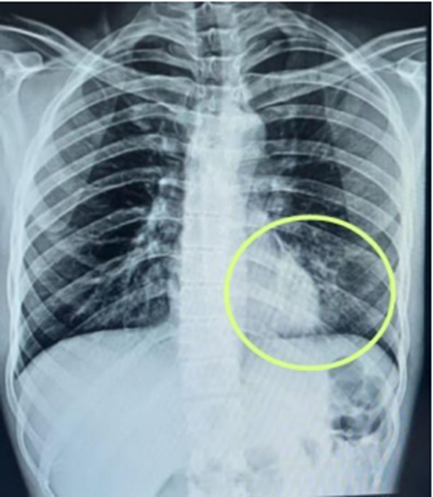
PHOTO 1. Chest x-ray showing consolidation patch in left lower lobe
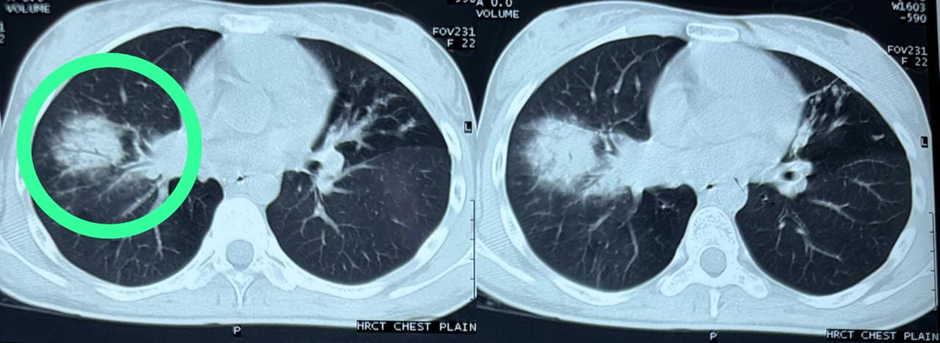
PHOTO 2: Consolidation in left lobe as seen in hrct chest
AIMS AND OBJECTIVES:
Aim
To evaluate whether anosmia and dysgeusia observed in patients represent residual post-COVID-19 effects or indicate a possible resurgence of similar viral patterns.
Objectives
1. To determine the prevalence of anosmia and dysgeusia in post-COVID-19 patients.
2. To assess the severity of olfactory and gustatory dysfunction using standardized tools.
3. To evaluate the correlation between olfactory and gustatory dysfunction.
4. To analyze demographic and clinical characteristics associated with persistent symptoms.
5. To assess the effectiveness of supportive treatment measures.
MATERIALS AND METHODS:
Study Design and Setting
This was a prospective observational study conducted at a tertiary healthcare center to evaluate persistent olfactory and gustatory dysfunction in post-COVID-19 patients.
Study Duration
The study was carried out over a period of three months, from November 2025 to January 2026.
Study Population
A total of 48 patients with laboratory-confirmed COVID-19 infection presenting with persistent anosmia and/or dysgeusia were included in the study. All participants reported symptoms lasting for more than four weeks following the acute phase of infection.
Inclusion Criteria
Patients were included in the study if they met the following criteria:
• Age ≥18 years
• Laboratory-confirmed COVID-19 infection
• Persistent olfactory and/or gustatory dysfunction lasting more than four weeks
Exclusion Criteria
Patients were excluded if they had:
• A prior history of olfactory or gustatory dysfunction before COVID-19 infection
• Any other medical condition post-COVID that could independently affect smell or taste perception
Ethical Considerations
Ethical approval for the study was obtained from the Institutional Ethics Committee. All participants were informed about the nature and purpose of the study, and written informed consent was obtained prior to enrollment.
Data Collection
Data collection involved detailed clinical evaluation of all participants. Demographic details, including age and gender, were recorded along with a comprehensive clinical history. A thorough physical examination was performed for each patient. Laboratory investigations, including complete blood count (CBC), were conducted to assess general health status. Radiological evaluation using chest X-ray was performed to rule out other pulmonary conditions.
Additionally, nasal brush cytology was carried out in a subset of 20 patients. Smears were obtained from the inferior turbinate using a sterile brush to assess epithelial and inflammatory changes.
Assessment of Olfactory Function
Olfactory function was assessed using the standardized Sniffin’ Sticks Test (SST), which evaluates three components: threshold, discrimination, and identification. The combined score of these components provides a comprehensive measure of olfactory performance, with a maximum score of 48. This objective tool allowed classification of patients into anosmia, hyposmia, or normosmia.
Assessment of Gustatory Function
Gustatory function was evaluated using the Taste Strip Test. This method assesses the ability to recognize five primary taste modalities: sweet, salty, sour, bitter, and umami. The test provides an objective measure of taste perception and helps identify the presence and extent of dysgeusia.
Statistical Analysis
All collected data were entered and analyzed using SPSS version 26.0. Quantitative variables were expressed as mean ± standard deviation, while qualitative variables were presented as frequencies and percentages. Statistical significance was determined using a p-value of less than 0.05.
RESULTS:
Table 1: Demographic Characteristics of Study Participants (N = 48)
|
Parameter |
Value |
|
Total Patients |
48 |
|
Mean Age (years) |
36.2 ± 12.8 |
|
Gender (Female) |
26 (56%) |
|
Gender (Male) |
22 (44%) |
This table summarizes the baseline demographic profile of the study population. A total of 48 patients were included, with a mean age of 36.2 ± 12.8 years. There was a slight female predominance, with females constituting 56% (n = 26) and males 44% (n = 22) of the study cohort.
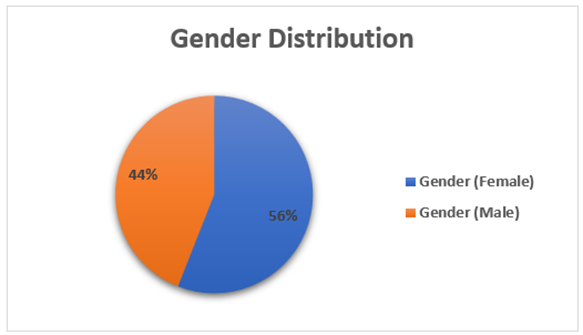
Figure 1: Gender Distribution
Table 2: Distribution of Olfactory Dysfunction (N = 48)
|
Olfactory Status |
Number (n) |
Percentage (%) |
|
Anosmia |
13 |
27.1% |
|
Hyposmia |
26 |
54.2% |
|
Normosmia |
9 |
18.7% |
|
Total |
48 |
100% |
This table depicts the distribution of olfactory function among study participants. Hyposmia was the most common finding, observed in 54.2% (n = 26) of patients, followed by anosmia in 27.1% (n = 13). A smaller proportion, 18.7% (n = 9), exhibited normal olfactory function, indicating persistent olfactory impairment in the majority of patients.
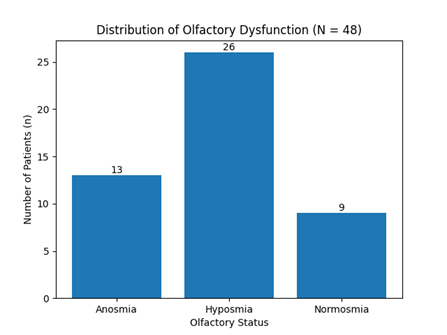
Figure 2: Distribution of Olfactory Dysfunction among Study Participants (N = 48)
Table3: Taste Recognition Scores Among Study Participants
|
Taste Modality |
Recognition Score (%) |
|
Sweet |
8% |
|
Salty |
7% |
|
Bitter |
5% |
|
Sour |
6% |
|
Umami |
4% |
This table shows the distribution of taste recognition scores among different taste modalities in post-COVID-19 patients. Sweet taste demonstrated the highest recognition score, while umami showed the lowest, indicating variable impairment across taste modalities.
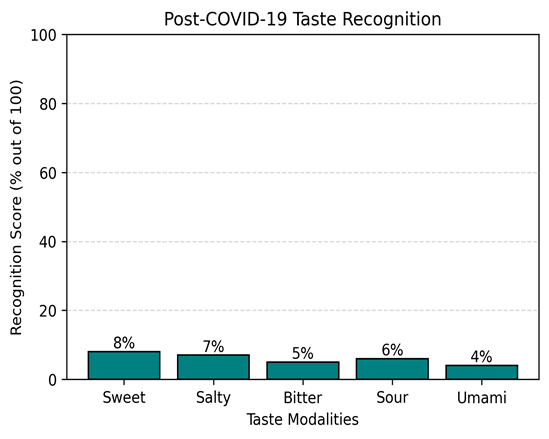
Figure 3: Taste Recognition Scores
Table 4: Laboratory, Cytology, and Radiological Findings
|
Investigation |
Findings |
|
Nasal Brush Cytology |
Damage to nasal epithelial cells |
|
Absence of tissue cyst architecture |
|
|
Presence of mast cells and eosinophils |
|
|
Complete Blood Count (CBC) |
Mostly within normal limits |
|
Total Leukocyte Count (TLC) |
Reduced in 10 patients |
|
Chest X-ray |
Within normal limits |
This table outlines the supportive laboratory and diagnostic findings. Nasal brush cytology revealed damage to nasal epithelial cells along with the presence of mast cells and eosinophils, indicating inflammatory changes. Complete blood count parameters were largely within normal limits, except for reduced total leukocyte count in a subset of patients (n = 10). Chest X-ray findings were normal in all patients, suggesting the absence of active pulmonary pathology.
DISCUSSION:
This prospective observational study highlights that persistent olfactory and gustatory dysfunction continues to be a clinically relevant issue even 3–4 years after the peak of COVID-19.21 Only a small percentage (18.7%) of the 48 individuals in our group showed normal olfactory function; hyposmia was the most prevalent appearance (54.2%), followed by anosmia (27.1%). These results show that a significant percentage of people still have quantifiable sensory deficiencies, even when partial healing happens over time. This finding is in line with other research showing that post-COVID patients experience chronic olfactory impairment.22,4
The preponderance of hyposmia over total anosmia indicates that many individuals have partially recovered their olfactory function, which may be due to the olfactory epithelium gradually regenerating.23
However, long-term morbidity is a worry due to the persistence of malfunction in a large proportion of individuals. Our study's mean age of 36.2 ± 12.8 years and slight female preponderance (56%) are similar to previously documented demographic patterns, indicating that a reasonably youthful and economically active population is affected by chronic olfactory impairment.4,24
The preponderance of lower olfactory threshold scores in comparison to discrimination and identification components is one of our study's main findings. The idea that peripheral pathways predominate in post-COVID olfactory impairment is highly supported by this trend. Through the ACE2 receptor, the virus mainly targets sustentacular and supporting cells in the olfactory epithelium, causing epithelial destruction, local inflammation, and impairment of odor perception.13,2,24 Although some studies have shown involvement of the central nervous system, our results indicate that peripheral epithelial damage is the main cause in the majority of instances.
This theory is further supported by the results of nasal brush cytology. Ongoing mucosal inflammation is indicated by the presence of inflammatory cells such mast cells and eosinophils as well as evidence of epithelial cell damage. The correlation with post-viral alterations is strengthened by the lack of tissue cyst architecture, which aids in ruling out other disease processes. Further evidence that the dysfunction is localized rather than systemic comes from benign radiological findings and generally ordinary complete blood counts.6
The present findings demonstrate a generalized reduction in taste recognition across all modalities among post-COVID-19 patients, indicating persistent gustatory dysfunction as an important sequela. Sweet taste showed the highest recognition score (8%), followed by salty (7%), sour (6%), bitter (5%), and umami (4%), suggesting variable involvement of different taste modalities. The overall low scores across all categories indicate a severe deterioration in gustatory function, even if sweet taste seems to be better retained. This pattern suggests that dysgeusia may include direct damage to taste receptors, which is probably caused by the interaction of COVID-19 with the ACE2 receptor expressed on oral epithelial cells, rather than being merely secondary to olfactory dysfunction. The comparatively higher impairment of bitter and umami taste may indicate variations in receptor renewal or preferential susceptibility of specific receptor pathways. Clinically, such diminished taste perception may result in changed eating patterns, diminished appetite, and possible nutritional deficiencies, all of which may have an impact on general quality of life. These results highlight the necessity of objective gustatory assessment and suitable supportive care for those with chronic taste impairment following COVID-19.9,12.
Persistent anosmia and dysgeusia have clinical ramifications that go beyond sensory impairments. Due to poor taste and smell perception, patients frequently report decreased appetite, changed eating habits, and unintentional weight loss. Safety issues are also raised by the incapacity to identify environmental dangers like smoke or rotten food. Anxiety, despair, and social disengagement are among the psychological impacts that are frequently documented and have a substantial impact on quality of life.24 These elements highlight how crucial it is to recognize and treat sensory impairment in post-COVID patients as soon as possible.
In order to measure the degree of dysfunction and track recovery, objective evaluation utilizing established instruments like the Sniffin' Sticks Test and Taste Strip Test is essential.6 These techniques enable more effective patient counseling and follow-up by producing repeatable and clinically meaningful data.18
As of right now, post-COVID olfactory and gustatory impairment has no well recognized pharmaceutical therapy. Supportive treatments, such as nasal saline spray, placentrix ointment, and vitamin supplements (B12, C, and D3), were used to treat patients in our research and were linked to improvements in symptoms.1,22 These therapies may aid in brain repair and mucosal healing, while the precise mechanism of effect is still unknown. Olfactory training, which entails frequent exposure to particular scents, has demonstrated encouraging outcomes in earlier research and need to be taken into account as a component of the management approach.6 To create uniform treatment regimens and ascertain long-term results, however, more extensive longitudinal studies are needed.
CONCLUSION:
This study confirms that anosmia and dysgeusia remain prevalent and clinically significant complications following COVID-19 infection, even several years after the initial pandemic wave. Measurable olfactory impairment was found in most individuals, with hyposmia and anosmia being the most frequent presentations. Over half of the research participants had gustatory impairment, which was also often noted. The results imply that olfactory dysfunction in post-COVID patients is mostly peripheral in origin, most likely because of injury to the olfactory epithelium rather than involvement of the central nervous system. This emphasizes how crucial it is to pay close attention to mucosal health and do a thorough nasal examination during clinical evaluation.
Accurate diagnosis and monitoring depend on objective evaluation with standardized instruments. Better results might result from early discovery, patient education, and the start of supporting therapy including nose care and olfactory training. The substantial influence that persistent sensory impairment has on quality of life highlights the necessity of ongoing therapeutic attention and long-term monitoring. To successfully manage post-COVID olfactory and gustatory dysfunction, future research should concentrate on identifying predictors of recovery, comprehending underlying processes, and creating focused therapy strategies.
LIMITATIONS OF THE STUDY
When evaluating the results, it is important to take into account the many limitations of this study. First off, the results may not be as applicable to a wider population due to the small sample size (n = 48). Furthermore, the trial was carried out in a single tertiary care facility, which might introduce selection bias because patients who present to these facilities are more likely to have severe or chronic symptoms. It was challenging to fully rule out pre-existing subclinical impairment since baseline pre-COVID olfactory and gustatory function of the subjects was not accessible, despite the use of objective assessment techniques as the Sniffin' Sticks Test and Taste Strip Test. Additionally, the study's observational approach makes it more difficult to determine causative linkages or track the development and resolution of symptoms over time. Additionally, only a portion of patients underwent nasal brush cytology, which could not accurately reflect the total research population. Although a minor association between gustatory and olfactory impairment was reported, the strength of interpretation may have been impacted by the lack of a thorough analysis of precise statistical measurements. Finally, it was challenging to reach firm conclusions about the effectiveness of the treatment because it was supportive in character and lacked a control group or defined therapeutic process.
REFERENCES:
1. Huang C, Wang Y, Li X, et al. Clinical features of patients infected with SARS-CoV-2. Lancet. 2020;395:497–506.
2. Lechien JR, Chiesa-Estomba CM, De Siati DR, et al. Olfactory and gustatory dysfunctions as clinical presentation of COVID-19. Eur Arch Otorhinolaryngol. 2020;277:2251–61.
3. Parma V, Ohla K, Veldhuizen MG, et al. More than smell—COVID-19 affects taste. Chem Senses. 2020;45:609–22.
4. Boscolo-Rizzo P, Menegaldo A, Fabbris C, et al. Six-month psychophysical evaluation of olfactory dysfunction. Rhinology. 2021;59:230–7.
5. Nalbandian A, Sehgal K, Gupta A, et al. Post-acute COVID-19 syndrome. Nat Med. 2021;27:601–15.
6. Seiden AM. Postviral olfactory loss. Otolaryngol Clin North Am. 2004;37:1159–66.
7. Hopkins C, Surda P, Kumar N. Presentation of anosmia in COVID-19. Rhinology. 2020;58:295–8.
8. Tong JY, Wong A, Zhu D, et al. Prevalence of olfactory and gustatory dysfunction. Otolaryngol Head Neck Surg. 2020;163:3–11.
9. Printza A, Constantinidis J. Smell and taste disorders in COVID-19. Curr Allergy Asthma Rep. 2020;20:1–7.
10. Brann DH, Tsukahara T, Weinreb C, et al. Non-neuronal expression of SARS-CoV-2 entry genes. Sci Adv. 2020;6:eabc5801.
11. Sungnak W, Huang N, Bécavin C, et al. SARS-CoV-2 entry factors in nasal epithelial cells. Nat Med. 2020;26:681–7.
12. Meinhardt J, Radke J, Dittmayer C, et al. Olfactory transmucosal invasion of SARS-CoV-2. Nat Neurosci. 2021;24:168–75.
13. Xu H, Zhong L, Deng J, et al. ACE2 expression in oral mucosa. Int J Oral Sci. 2020;12:8.
14. Vaira LA, Salzano G, Deiana G, et al. Gustatory dysfunction in COVID-19. J Clin Med. 2020;9:2731.
15. Small DM, Prescott J. Odor/taste integration. Exp Brain Res. 2005;166:345–57.
16. Croy I, Nordin S, Hummel T. Olfactory disorders and quality of life. Chem Senses. 2014;39:185–94.
17. Temmel AF, Quint C, Schickinger-Fischer B, et al. Characteristics of olfactory disorders. Arch Otolaryngol Head Neck Surg. 2002;128:635–41.
18. Kohli P, Soler ZM, Nguyen SA, et al. Psychological impact of olfactory dysfunction. Am J Rhinol Allergy. 2016;30:123–7.
19. Hopkins C. Management of post-COVID anosmia. Clin Otolaryngol. 2021;46:928–30.
20. Hummel T, Rissom K, Reden J, et al. Effects of olfactory training. Laryngoscope. 2009;119:496–9.
21. Transient Anosmia and Dysgeusia in COVID-19 Disease: A Cross Sectional Study. Dove Press.
22. Persistent olfactory and taste dysfunction after COVID-19. Life (Basel). 2024;14(3):317.
23. Landis BN, et al. Taste Strips—A gustatory bedside test. J Neurol. 2009;256:242–248.
24. Agyeman AA, Chin KL, Landersdorfer CB, et al. Smell and Taste Dysfunction in COVID-19. Mayo Clin Proc. 2020;95:1621–1631.