Acute Kidney Injury in Polytrauma: Incidence and Risk Determinants in Emergency Department Admissions.
- Mohammed Mubashir Ahmed Subhani , Senior Resident, Department of Emergency Medicine, Nizam’s Institute of Medical Sciences, Hyderabad, India.
- Akheeluddin Khaja Mohammed , Associate Professor, Department of General Surgery, Nizam’s Institute of Medical Sciences, Hyderabad, India
- . Mohammed Imran Khaleel , Associate Professor, Department of General Surgery, Nizam’s Institute of Medical Sciences, Hyderabad, India.
- Mohammed Ismail Nizami , Additional Professor, Department of Emergency Medicine, Nizam’s Institute of Medical Sciences, Hyderabad, India.
- Suneel Kumar Gadikota , Professor, Department of Emergency Medicine, Nizam’s Institute of Medical Sciences, Hyderabad, India.
Article Information:
Abstract:
Background: Polytrauma can often result in shock and multi-organ dysfunction during the course of treatment. Among the complications, acute kidney injury (AKI) stands out as a significant contributor to heightened morbidity and mortality following polytrauma. Studies have reported the prevalence of AKI in trauma patients to be as high as 40%. Timely detection and appropriate management are crucial for improving patient outcomes. Methodology: A prospective observational study involving the adult polytrauma patients presenting to the emergency department was carried out at a tertiary care trauma center in India. A score of ≥18 on the New Injury Severity Score (NISS) screening tool was used to identify polytrauma patients. The Kidney Disease Improving Global Outcomes (KDIGO) criteria was used to identify patients who developed acute kidney injury. Results: In our study, most of the patients were between the age group of 18-50 yrs and 85% of the study population were males. 36% of the polytrauma patients had AKI over a period of 7 days from the day of trauma, with maximum incidence of AKI on day 3 (22%). Overall, 30% developed Stage 1 AKI during the 7 days following trauma. The mean NISS of the patients was 30.06± 9.49 and the incidence of renal replacement therapy was 31%. Conclusion: There is high prevalence of AKI among polytrauma patients. Elderly patients, multiple blood transfusion, high NISS and alcohol intoxication are associated with high mortality in polytrauma apart from the other usual risk factors of AKI.
Keywords:
Article :
INTRODUCTION:
During the year 2021, a total number of 4,12,432 road accidents have been reported from India, claiming 1,53,972 lives and leaving the rest morbidly injured. Unfortunately, the worst affected age group in road accidents is 18-45 years, which accounts for about 67 percent of total accidental deaths in India [1].Trauma meets the conditions of a pandemic, with 5.8 million people dying every year globally. It is one of the main five causes of mortality and morbidity for all age groups below 60 years and most deaths are caused by road traffic accidents [2].The term polytrauma is defined as a New Injury Severity Score (NISS) of ≥18 [3].
There are complex pathophysiological changes that happen inpolytraumawhich requires effective treatment for improving the outcomes. Acute kidney injury (AKI) is a clinical syndrome characterized by a decrease in glomerular filtration rate and electrolyte imbalances.The Kidney Disease Improving Global Outcomes (KDIGO) criteria measures serial serum creatinine and urine output to identify AKI [4].Haemorrhage, Systemic Inflammatory Response Syndrome (SIRS), Multiple Organ Dysfunction Syndrome (MODS) are some of the complications of trauma, the effects of which are not only local but also systemic. The systemic response aggravates Cardiovascular shock, alters Homeostasis, fastens Apoptosis, triggers Organ dysfunction and Immune suppression (CHAOS) [5].These local and systemic pathophysiological changes that occur in polytrauma (CHAOS) eventually lead to Acute Kidney Injury (AKI) which further worsens their outcomes [6].It is important to rec¬ognize that AKI is a clinical diagnosis and not a structural one. A patient may have AKI with or without injury to the kidney parenchyma. AKI can range in severity from asymptomatic and transient changes in labo¬ratory parameters of glomerular filtration rate (GFR) to overwhelming and rapidly fatal derangement in effective circulating volume and acid-base composition of the plasma.AKI incidences as high as 50% have been reported after trauma with an independent association to mortality and prolonged hospital length of stay [7].
AKI is often clinically silent and may not be promptly recognized. Established kidney injury is often difficult to treat and hence there is a need for early detection to initiate treatment promptly. Even a minor acute reduction in kidney function has an adverse prognosis. AKI is common, harmful and potentially treatable if recognized early.
MATERIALS AND METHODS:
This prospective observational study was conducted at a tertiary care emergency department of a teaching hospital in India. Calculated sample size obtained was 92. However, a sample size of 100 was contemplated to cover for any exclusions later. A total of 104 polytrauma patients were enrolled in the study out which 4 were excluded as 2 didn’t give consent and 2 were lost to follow up. The remaining 100 were included in the study. The proposal was approved the institutional ethical committee.
All polytrauma cases who attended the emergency department were assessed according to the NISS screening tool and those with a score ≥ 18 were included in the study. Patients presenting after 7 days of trauma were not included. Pregnant females and those patients with trauma to genito urinary tract were also excluded. The other exclusion criteria was a history of chronic kidney disease or renal transplant. Informed consent was obtained from the patient or next of kin after explaining the objectives of the study, ensuring confidentiality. Refusal to participate did not affect patient management. For those who were not able to give their consent (for example due to brain trauma) consent was sought from the next of kin. A standard structured questionnaire was used to record the mechanism and time of injury. All the vital parameters including the urine output and GCS were recorded. The fluid management in the first 6 hours of arrival and whether the patient received blood or blood components were noted. The patients were managed as per the Advanced Trauma Life Support (ATLS) protocol. E-FAST was performed on all trauma patients included in the study. Blood tests for full blood picture, blood grouping, random blood glucose and serum creatinine were obtained. Serum creatinine was repeated at day 7 to establish diagnosis of AKI from the baseline according to standard KDIGO criteria. The Creatine phosphokinase and Lactate dehydrogenase values were measured on day 2 of arrival to our facility. All participants were followed up for 30 days. The statistical analysis was performed with Statistical package forthe social science (SPSS) software program for Windows (Version 18.0). Eachparameter like age, gender, etiology, management and the association betweentreatment and outcome was analyzed using descriptive statistics. P value lessthan 0.05wasconsideredstatisticallysignificant.
RESULTS:
A total of 100 participants were included in the study.78 patients were between the productive age group of 18-50 years. 85 patients were males and the remaining 15 females. The socio-demographic and clinical characteristics of patients at presentation are shown in Table 1. In this study, 83 patients did not have any prior comorbidities. Among the remaining, 5 had hypertension, 3 had diabetes mellitus, 3 had diabetes and hypertension together, 3 had asthma, 2 had epilepsy and 1 patient had cardiovascular disease. The mean new injury severity score was 30.06± 9.49 in the study participants. More than half of the patients were brought to our institute on the same day of trauma and the remaining were initially resuscitated at some other hospital and shifted later. Road traffic accident was the most common cause of polytrauma (85%) followed by a fall from height (13%).
68 patients had a GCS of 15 on arrival, 16 had GCS ≤8 and rest of the patients had GCS in between 9 to 14.73 patients had a blood pressure ≥ 90/60 mm Hg and the remaining 27had pressures ≤ 90/60 mm Hg on arrival. 18 participants required vasopressor support during the initial 7 days of treatment. The duration of vasopressor support is depicted in figure 1. Blood was transfused in 55 patients among whom 21 required 1, 24 required 2, 3 required 3 and 7 required 4 units of packed red blood cells. The incidence of AKI was highest seen in the group who didn’t receive any PRBC transfusion followed by group who received ≥4 PRBC transfusion (Figure 2).Nephrotoxic drugs like Diclofenac, Kerorolac and Amikacin were used in 65 participants out of which 14 developed AKI.
31 participants required contrast based radiological imaging among whom 4 developed AKI. 16 patients developed AKI among the remaining 69 who didn’t require contrast based imaging. The serum creatine phosphokinase levels were > 5 times of upper normal limit in 38% patients, followed by 1- 3 times of upper normal limit in 36% patients, 3-5 times upper normal in 19% patients. CPK levels were within normal limits in 7% patients. The Lactate dehydrogenase levels were > 5 times upper than normal limit in 6% patients, 1 - 3 times upper than normal in 49% patients, 3 - 5 times upper than normal in 18% patients and within normal limits in 27% patients. Overall, 63% patients had LDH higher than the normal limits which is a risk factor for AKI (P<0.001). In our study, 67 patients had hypocalcemia and 1 had hypercalcemia. 14 had hypomagnesemia and 5 had hypermagnesemia. 25 had hypophosphatemia and 8 had hyperphosphatemia. 14 had hypouricemia and 17 had hyperuricemia. Hypocalcemia, hypomagnesemia, hypophosphatemia and hyperuricemia were found to be significantly correlating with the development of AKI (p<0.001) as shown in table 2. In all participants, size of both kidneys were measured by ultrasonography and was found to be normal. 7 patients required renal replacement therapy which was provided in form of peritoneal dialysis only. Patients who underwent RRT had a 100% mortality. The all-cause mortality at the end of 30 days was 31%. The trend of AKI in polytrauma is shown in a line chart over a period of 7 days (Figure 3).
Table 1: Socio-demographic and clinical characteristics of study participants
|
CHARACTERISTICS |
NON-AKI |
AKI |
P-VALUE |
|
Gender |
|
|
|
|
Male |
67 |
18 |
>0.05 |
|
Female |
13 |
2 |
|
|
Age |
|
|
|
|
18-20 |
9 |
2 |
>0.05 |
|
21-30 |
17 |
8 |
|
|
31-40 |
17 |
3 |
|
|
41-50 |
20 |
2 |
|
|
51-60 |
13 |
4 |
|
|
>60 |
4 |
1 |
|
|
BP on arrival |
|
|
|
|
<90/60 |
22 |
5 |
>0.05 |
|
>90/60 |
58 |
15 |
|
|
Oxygenation |
|
|
|
|
Requiring invasive ventilation within 7 days of trauma |
21 |
3 |
<0.04 |
|
Oxygen support including NIV, HFNC |
27 |
9 |
|
|
>96% on Room air |
32 |
8 |
|
|
GCS |
|
|
|
|
≤8 |
13 |
3 |
>0.05 |
|
9-12 |
5 |
1 |
|
|
13-14 |
11 |
- |
|
|
15 |
53 |
15 |
|
|
NISS |
|
|
|
|
19-30 |
51 |
16 |
<0.01 |
|
31-75 |
29 |
4 |
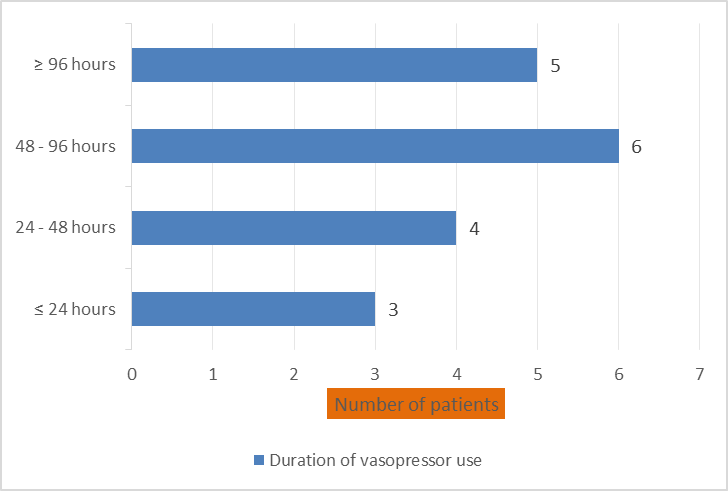
Figure 1. Bar chart showing duration of vasopressor use
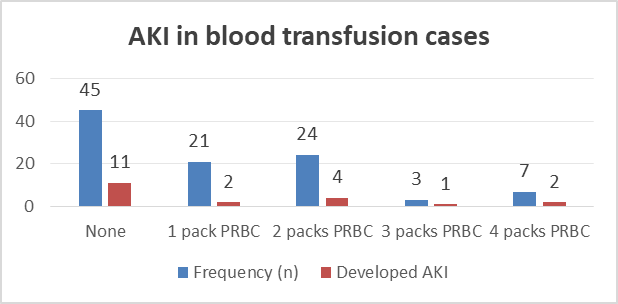
Figure 2. ColumnchartshowingAKI post bloodtransfusion
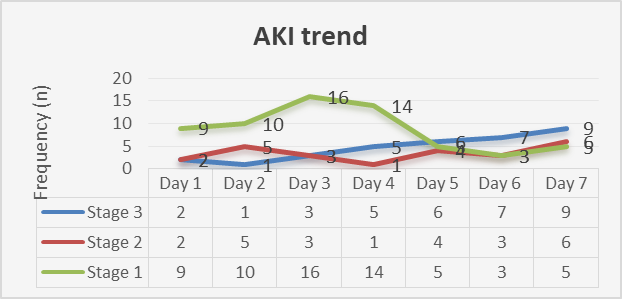
Figure 3. Line chart demonstrating trend of AKI in Polytrauma.
Table 2. Laboratory parameters in both groups.
|
Laboratory parameter |
Non AKI |
AKI |
P value |
|
Creatine Phosphokinase levels |
|||
|
>5 times upper limit of normal |
28 |
10 |
<0.001 |
|
3-5 times upper limit of normal |
14 |
5 |
|
|
1-3 times upper limit of normal |
31 |
5 |
|
|
Normal limits |
7 |
- |
|
|
Lactate Dehydrogenase levels |
|||
|
>5 times upper limit of normal |
1 |
5 |
<0.001 |
|
3-5 times upper limit of normal |
13 |
5 |
|
|
1-3 times upper limit of normal |
39 |
10 |
|
|
Normal limits |
27 |
- |
|
|
Serum Calcium |
|||
|
Hypercalcemia |
1 |
- |
|
|
Hypocalcemia |
52 |
15 |
|
|
Normal range |
27 |
5 |
|
|
Serum Magnesium |
|||
|
Hypermagnesemia |
2 |
3 |
|
|
Hypomagnesemia |
11 |
3 |
|
|
Normal range |
67 |
14 |
|
|
Serum Phosphorus |
|||
|
Hyperphosphatemia |
4 |
4 |
|
|
Hypophosphatemia |
19 |
6 |
|
|
Normal range |
57 |
10 |
|
|
Serum Uric Acid |
|||
|
Hyperuricemia |
7 |
10 |
|
|
Hypouricemia |
14 |
- |
|
|
Normal range |
59 |
10 |
|
DISCUSSION:
In this prospective observational study of 100 adult polytrauma patients with a NISS ≥18, the incidence of acute kidney injury (AKI) within the first 7 days post-trauma was 36%, with the highest occurrence on day 3 (22%). This prevalence is consistent with previous reports, which estimate post-traumatic AKI incidence between 20–50% depending on study population, injury severityand diagnostic criteria used [8,9].Our study population predominantly consisted of young males (85%), reflecting the demographic distribution of road traffic accident victims in India [10]. The high burden of AKI in this group has important socioeconomic implications, as it affects the most economically productive age group.
The significant association between higher NISS scores and AKI incidence in our cohort aligns with earlier work showing that injury severity independently predicts AKI risk [11,12].In our study, patients with NISS 31–75 had a significantly higher AKI rate compared to those with NISS 19–30. This finding suggests that systemic injury burden and inflammatory response may be key mediators of renal injury in polytrauma, as previously described in the “CHAOS” model (Cardiovascular shock, Homeostasis alteration, Apoptosis, Organ dysfunction, and immune Suppression) [13].
Out of the study subjects, only 17 had preexisting one or more comorbidities at presentation. Patients with comorbidities requiring RRT had a higher incidence of mortality and in our study 35% (6 out of 17) died during the course of treatment. Blood transfusion requirement was also higher among AKI patients, particularly in those receiving ≥4 PRBC units. Multiple transfusions have been associated with AKI due to haemodynamic instability, oxidative stress and storage lesion-related microcirculatory effects [14,15].Interestingly, the highest AKI incidence was seen in the non-transfused group in our study, possibly reflecting delayed presentation, unrecognized shock or severe hypoperfusion prior to arrival.
In our study, 27 patients had hypotension (BP ≤ 90/60 mmHg) at arrival out of which, 9 patients responded well to IV fluids and remaining 18 (66%) patients required vasopressor support. It was observed that the patients requiring vasopressor support for longer durations were at a higher risk of developing AKI. Patients directly transported to a trauma center were less likely to experience AKI than those who were secondarily admitted to the referral trauma center. The most common reasons for such transfers include injuries requiring specialized care that could not be provided in the first hospital the patient was admitted to, thereby corresponding to undertriaging.
Nephrotoxic medication use, particularly NSAIDs and aminoglycosides, was common (65% of patients), with 21.5% of these developing AKI. This reinforces the importance of careful drug selection in trauma care, especially in patients with fluctuating renal perfusion [16]. Similarly, contrast exposure was associated with AKI in a small subset, but its contribution appeared less pronounced than hemodynamic and injury severity factors—consistent with recent evidence that contrast-induced nephropathy risk is often overestimated when adequate hydration is maintained [17].
In our study, out of 100 patients, 52 had alcohol intoxication at presentation among whom 14 developed AKI whereas only 6 out of remaining 48 who were not under alcohol influence developed AKI. The data is statistically significant and indicates alcohol intake is associated with high chances of developing AKI following polytrauma (P value- < 0.01). The higher levels of CPK and LDH at presentation were significantly associated with increased risk of developing AKI (P<0.001). These biomarkers also correlated with the NISS scoring indicating the relationship between the severity of injury and probability of developing AKI. These parameters could be potentially helpful in identifying patients who needed close monitoring of renal functions. Other laboratory parameters which significantly correlated with the development of AKI in polytrauma include hypocalcaemia, hypomagnesemia, hypophosphatemia and hyperuricemia (p<0.001).
The requirement for renal replacement therapy (RRT) was 7% in our cohort, with 100% mortality in this subgroup. This mirrors findings from other studies where AKI requiring RRT after trauma carried mortality rates exceeding 70% [18].The overall 30-day mortality of 31% in our AKI group is within reported ranges for severe trauma with renal involvement [19].
Our findings emphasize the need for early identification of high-risk patients—particularly those with high NISS, multiple transfusionsand nephrotoxic drug exposure. Biomarkers such as serum CPK and LDH, which were elevated in all AKI cases in our study, may be useful for early detection of rhabdomyolysisrelated kidney injury [20].Point-of-care testing and aggressive hemodynamic optimization in the first 48–72 hours may be crucial in reducing AKI incidence and improving outcomes.
LIMITATIONS
This study was conducted in a single tertiary care trauma center, which may limit generalizability. We did not assess novel AKI biomarkers (e.g., NGAL, KIM-1) that might allow earlier detection. The KDIGO criteria for acute kidney injuryused in the study includes serum creatinine and urine output changes within 48 hrs and 7 days.Furthermore, long-term renal outcomes beyond 30 days were not evaluated.
CONCLUSION:
AKI remains a frequent and serious complication of polytrauma with multifactorial etiology. A high index of suspicion is necessary to identify patients with AKI.It is imortant to identify the high risk groups like alcohol intoxicated patients involved in polytrauma, large amount of blood transfusions, high NISS score and extensive musculoskeletal injury patients.Prevention strategies should focus on hemodynamic stabilization, minimizing nephrotoxin exposure and identifying patients at risk using severity scoring systems and early biomarkers.
REFERENCES:
1. https://morth.nic.in/sites/default/files/RA_2022_30_Oct.pdf.
2. Păun S, Beuran M, Negoi I, Runcanu A, Gaspar B. Trauma--epidemiology: where are we today? 2011 1;106(4):439-43.
3. Gebhard F, Huber-Lang M. Polytrauma—pathophysiology and management principles. Langenbeck S Archives of Surgery. 2008;393(6):825-831. doi:10.1007/s00423-008-0334-2.
4. Khwaja A. KDIGO clinical practice guidelines for acute kidney injury. Nephron Clin Pract. 2012;120(4):c179-c184. doi:10.1159/000339789.
5. Keel M, Trentz O. Pathophysiology of polytrauma. Injury. 2005;36(6):691-709. doi:10.1016/j.injury.2004.12.037.
6. Rewa O, Bagshaw SM. Acute kidney injury-epidemiology, outcomes and economics. Nat Rev Nephrol. 2014;10(4):193-207. doi:10.1038/nrneph.2013.282.
7. Ricci Z, Cruz D, Ronco C. The RIFLE criteria and mortality in acute kidney injury: A systematic review. Kidney International. 2007;73(5):538-546. doi:10.1038/sj.ki.5002743.
8. Harrois A, Libert N, Duranteau J. Acute kidney injury in trauma patients. Curr Opin Crit Care. 2017;23(6):447-456.
9. Skinner DL, et al. Acute kidney injury in trauma: A review. Injury. 2014;45(6):850-858.
10. Ministry of Road Transport and Highways. Road accidents in India – 2021. Government of India; 2022.
11. Coca SG, et al. Long-term risk of mortality and other adverse outcomes after acute kidney injury: a systematic review and meta-analysis. Am J Kidney Dis. 2009;53(6):961-973.
12. Tujjar O, et al. Acute kidney injury after trauma: risk factors and outcome. J Trauma Acute Care Surg. 2013;74(3):849-853.
13. Sauaia A, et al. Epidemiology of trauma deaths: a reassessment. J Trauma. 1995;38(2):185-193.
14. Ostermann M, et al. Blood transfusion and risk of acute kidney injury in critically ill patients. Nephrol Dial Transplant. 2012;27(12):4449-4456.
15. Vlaar APJ, Juffermans NP. Transfusion-related acute lung injury: a clinical review. Lancet. 2013;382(9896):984-994.
16. Uchino S, et al. Acute renal failure in critically ill patients: a multinational, multicenter study. JAMA. 2005;294(7):813-818.
17. McDonald RJ, et al. Intravenous contrast material-induced nephropathy: causal or coincident phenomenon? Radiology. 2013;267(1):106-118.
18. Bagshaw SM, et al. Acute kidney injury in critically ill trauma patients: risk factors and outcomes. Injury. 2007;38(8):1021-1028.
19. Hoste EA, et al. Epidemiology of acute kidney injury in critically ill patients: the multinational AKI-EPI study. Intensive Care Med. 2015;41(8):1411-1423.
20. Bosch X, et al. Rhabdomyolysis and acute kidney injury. N Engl J Med. 2009;361(1):62-72.