CONVENTIONAL VERSUS REVERSE INSERTION OF I-GEL: A COMPARATIVE STUDY.
- Vaishnavi Uppal , Resident, Department of Anaesthesiology, Sri Aurobindo Medical College & PG Institute, Indore, Madhya Pradesh, India.
- Meher Shikha Verma , Associate Professor, Department of Anaesthesiology, Sri Aurobindo Medical College & PG Institute, Indore, Madhya Pradesh, India.
- Kapil Kumar Verma , Associate Professor, Department of Medicine, ESIC Medical College, Ahmedabad, Gujarat, India.
Article Information:
Abstract:
Background: Supraglottic airway devices (SADs) have become an integral component of modern airway management and play a key role in both routine anaesthesia practice and difficult airway rescue. The i-gel™ is a second-generation SAD with a non-inflatable thermoelastic cuff. A reverse insertion technique, involving initial concavity facing cephalad followed by 180° rotation, may facilitate easier placement compared to the conventional approach. This study aimed to compare both techniques with respect to feasibility, speed, immediate cardiopulmonary effects, and early airway-related complications during short elective procedures under general anesthesia. Methods: This analytical cross-sectional study was conducted at Sri Aurobindo Medical College & PG Institute from April 2024 to September 2025. A total of 120 adult patients (ASA I–II) were equally allocated into two groups: conventional insertion (Group A) and reverse insertion (Group B). Standardized anesthesia protocols and monitoring were applied. The primary outcome was first-attempt insertion success. Secondary outcomes included insertion time (categorized as 0–10 s, 11–20 s, 21–30 s, 31–40 s), inspired and expired tidal volumes, immediate hemodynamic and ventilatory parameters, and postoperative airway symptoms such as sore throat and hoarseness. Statistical analysis was performed using unpaired t-test and chi-square test with a significance level of α = 0.05. Results: Baseline demographic characteristics and types of procedures were comparable between both groups. Immediate post-insertion heart rate, blood pressure, and ETCO₂ showed no statistically significant differences (all p ≥ 0.33). SpO₂ was marginally higher in Group B (99.8% vs 99.6%, p = 0.027). First-attempt success rates were high and comparable (57/60 vs 52/60; Yates corrected χ² = 1.64, p = 0.20). Insertion time was significantly shorter in the reverse technique group (17.3 ± 6.8 s vs 21.1 ± 6.1 s; p = 0.008), with a mean reduction of 3.8 seconds (95% CI: 1.46–6.14), corresponding to approximately 18% faster insertion (Cohen’s d ≈ 0.59). Time distribution analysis also favored Group B (χ² = 10.84, p = 0.013). Ventilatory parameters were comparable (all p ≥ 0.19). The incidence of postoperative sore throat (13.3% vs 5.0%; χ² = 2.50, p = 0.114) and hoarseness (1.7% vs 1.7%; p = 1.000) did not differ significantly. Conclusions: Reverse i-gel insertion allows faster placement without clinically significant differences in immediate cardiopulmonary parameters, ventilation, first-attempt success rate, or early airway-related complications. These findings support its routine use as an effective alternative to the conventional technique.
Keywords:
Article :
INTRODUCTION:
Airway management in anaesthesia and emergency care typically relies on facemask ventilation, supraglottic airway devices (SADs), or endotracheal intubation. Tracheal intubation remains the most secure option but requires skill in direct laryngoscopy and may trigger a sympathetic response; consequently, SADs are central to rescue oxygenation and difficult-airway algorithms [1].
The laryngeal mask airway (LMA), introduced by Archie Brain in 1988, established the role of SADs by seating an elliptical mask in the hypopharynx to cover the supraglottic structures. In the operating room, LMA insertion has high success and causes less gastric insufflation than bag-valve-mask ventilation, though aspiration risk in non-fasted patients is not eliminated [2].
Supraglottic airway devices (SADs) function as an intermediate airway management option between facemask ventilation and tracheal intubation: they are easier to place, less invasive, and sit above the glottis. Their use in airway management continues to grow. Despite being positioned outside the trachea, modern SADs provide effective ventilation and meaningful airway protection. Many designs are in clinical use, most derived from the laryngeal mask airway (LMA) [3].
Second-generation SADs extend these advantages by improving seal quality and adding gastric drainage. The i-gel™ is a widely used second-generation device with a non-inflatable thermoelastic cuff. A reverse insertion technique (initial concavity cephalad with 180° rotation) may ease placement compared with the conventional approach; we therefore aimed to compare the two techniques for feasibility, speed, immediate cardiopulmonary effects and early airway symptoms during short elective procedures under general anesthesia. Across routine and emergency settings, i-gel shows high first-attempt success and favourable oropharyngeal leak pressures [4].
Insertion technique influences performance. The conventional i-gel approach advances the device with its concavity facing the mandible, similar to the LMA, but the tongue can occasionally impede passage. To mitigate this, alternative paths have been explored. A rotational technique has been shown to improve first-pass success and shorten insertion time compared with the standard method in anaesthetised adults [5]. The reverse technique introduces the i-gel with its concavity facing cephalad—akin to a Guedel airway—and then rotates it 180° once past the tongue. Initial reports described this as feasible and atraumatic [6]; a randomised study demonstrated easier and faster placement than the conventional method; and, in overweight and obese adults, reverse insertion achieved higher oropharyngeal leak pressures and shorter insertion times without additional complications [7].
Given this background, it is clinically relevant to determine whether reverse i-gel insertion offers consistent advantages over the conventional approach in routine practice. The present study compares the two techniques in patients undergoing minor surgical procedures under total intravenous anesthesia, focusing on feasibility, efficiency, seal quality, complications, and hemodynamic responses.
MATERIALS AND METHODS:
After approval from the Institutional Ethics Committee (IEC), this analytical cross-sectional study was conducted in the Department of Anaesthesiology at Sri Aurobindo Medical College and Postgraduate Institute, Indore, Madhya Pradesh, over a period of 18 months (April 2024 to September 2025).
A total of 120 adult patients, aged above 18 years, of either gender and classified as American Society of Anaesthesiologists (ASA) physical status I–II, scheduled for elective short surgical procedures under general anaesthesia at Sri Aurobindo Medical College & PG Institute, were screened for eligibility. Patients meeting the inclusion and exclusion criteria were enrolled after obtaining written informed consent.
Inclusion Criteria:
· Age 18–50 years
· Both sexes
· American Society of Anaesthesiologists (ASA) physical status I–II
· Patients undergoing elective surgery under general anaesthesia for short procedures
Exclusion Criteria:
· Mouth opening < 2 cm
· Increased risk of aspiration or history of symptomatic gastroesophageal reflux/hiatus hernia
· Laryngo-pharyngeal anomalies
· Musculoskeletal abnormalities of the cervical vertebrae
Sample Size and Group Allocation
Total of 120 patients were included, with 60 patients allocated to each group:
· Group A (Conventional insertion) [N=60]
· Group B (Reverse insertion) [N=60]
Allocation was performed by alternate assignment after enrolment.
Methodology
All patients underwent standard preoperative assessment and fasting as per institutional protocol. In the operating room, ASA standard monitoring was applied, including ECG, pulse oximetry, capnography, and noninvasive blood pressure.
Anaesthesia Protocol: Intravenous midazolam (0.02–0.05 mg/kg) and glycopyrrolate (0.01 mg/kg) were administered. After pre-oxygenation with 100% O₂ for 3–5 minutes, anaesthesia was induced with fentanyl (2 µg/kg) and propofol (2–3 mg/kg) until loss of verbal response. Neuromuscular blockade was achieved with atracurium (0.5 mg/kg). Patients’ lungs were manually ventilated with 1–2 L/min sevoflurane and oxygen for 3 minutes.
Insertion Techniques: The i-gel™ size was chosen according to manufacturer guidelines (size 3: 30–60 kg; size 4: 50–90 kg; size 5: >90 kg).
§ Group A: The i-gel was inserted with its concavity facing the mandible using a pen-holding grip until seated over the larynx.
§ Group B: The i-gel was introduced with the concavity facing the hard palate; on reaching the oropharynx, the device was rotated 180° and advanced into position.
§ Correct placement was confirmed by chest movement, auscultation, and the appearance of a square-wave capnography trace. A nasogastric tube was inserted through the drain channel in all cases.
Intraoperative Management: Volume-controlled ventilation was delivered using an anesthesia workstation with tidal volume 8 mL/kg, respiratory rate adjusted to maintain EtCO₂ between 30–40 mmHg, I:E ratio 1:2, peak pressure < 30 cmH₂O, and total fresh gas flow of 1–2 L/min. Anaesthesia was maintained with sevoflurane, fentanyl, and a mixture of oxygen/nitrous oxide. Standard hemodynamic parameters (HR, MAP, SpO₂, EtCO₂) were recorded immediately after i-gel insertion and throughout the procedure. At the end, neuromuscular blockade was reversed, and the airway device removed after adequate recovery.
Outcomes Measured
§ Primary outcome: success rate of i-gel™ insertion at first attempt.
§ Secondary outcomes: insertion time, number of attempts, ease of insertion, and peri-insertion complications (airway trauma, desaturation, laryngospasm, aspiration).
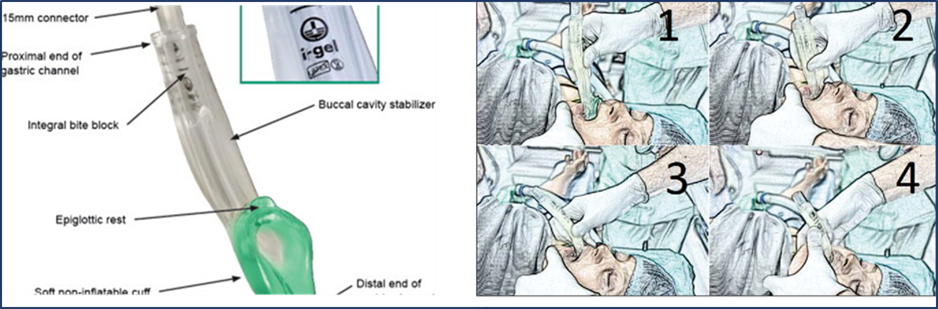
Figure 1. Pictorial illustration of the method of reverse insertion
Statistical Analysis
Data were analyzed using SPSS version 25.0. Continuous variables were expressed as mean ± SD and compared using Student’s t-test. Categorical variables were expressed as frequencies/percentages and compared using Chi-square or Fisher’s exact test. A p value <0.05 was considered statistically significant.
RESULTS:
Baseline characteristics were comparable between groups. Age distribution did not differ (p>0.05), with the 31–40-year band most common in both arms (38.3%). Sex proportions were similar (female 78.3% in GROUP A vs 71.7% in GROUP B; p>0.05). Mean weight was alike (61.28 ± 5.34 kg vs 60.28 ± 4.80 kg; p>0.05). ASA class and Mallampati grade were also balanced (both p>0.05), with ASA I and Mallampati I predominating. Regarding procedures, laparoscopic cholecystectomy was the most frequent operation (51/120, 42.5%), followed by total laparoscopic hysterectomy (18/120, 15.0%). These common procedures were similarly distributed between groups (p>0.05). [Table 1]
Table 1. Baseline demographic, clinical, and airway characteristics by study group (GROUP A vs GROUP B)
|
Variable |
Category |
GROUP A (n=60) |
GROUP B (n=60) |
Total (n=120) |
P value |
|
Age group |
≤30 years |
9 (15.0%) |
4 (6.7%) |
13 (10.8%) |
>0.05* |
|
31–40 years |
23 (38.3%) |
23 (38.3%) |
46 (38.3%) |
||
|
41–50 years |
15 (25.0%) |
17 (28.3%) |
32 (26.7%) |
||
|
51–60 years |
13 (21.7%) |
16 (26.7%) |
29 (24.2%) |
||
|
Sex |
Female |
47 (78.3%) |
43 (71.7%) |
90 (75.0%) |
>0.05* |
|
Male |
13 (21.7%) |
17 (28.3%) |
30 (25.0%) |
||
|
Weight (kg) |
Mean ± SD |
61.28 ± 5.34 |
60.28 ± 4.80 |
— |
>0.05** |
|
ASA grade |
I |
50 (83.3%) |
41 (68.3%) |
91 (75.8%) |
>0.05* |
|
II |
10 (16.7%) |
19 (31.7%) |
29 (24.2%) |
||
|
Surgeries |
Laparoscopic cholecystectomy |
24 |
27 |
51 |
>0.05* |
|
Breast lumpectomy |
6 |
6 |
12 |
||
|
Total laparoscopic hysterectomy |
10 |
8 |
18 |
||
|
Laparoscopic appendectomy |
2 |
2 |
4 |
||
|
Modified radical mastectomy |
5 |
8 |
13 |
||
|
Laparoscopic ovarian cystectomy |
2 |
1 |
3 |
||
|
Laparoscopic hernia repair |
1 |
0 |
1 |
||
|
Exploratory laparotomy |
4 |
0 |
4 |
||
|
Uterine polypectomy |
5 |
0 |
5 |
||
|
Internal fixation radius |
1 |
0 |
1 |
||
|
Laparoscopic inguinal hernioplasty |
0 |
4 |
4 |
||
|
Laparoscopic myomectomy |
0 |
4 |
4 |
*Chi Square applied; **unpaired t test applied; P value>0.05 considered statistically significant
Hemodynamics and ventilation were comparable immediately after i-gel™ insertion: ETCO₂, heart rate, and blood pressures did not differ (all p>0.3). Mean SpO₂ was marginally higher in the Reverse group (99.8% vs 99.6%, p=0.027), a difference that is statistically significant but clinically trivial. [Table 2]
Table 2. Immediate post–i-gel™ hemodynamic and respiratory parameters: Conventional (Group A) vs Reverse (Group B)
|
Parameter |
Group A (n=60) |
Group B (n=60) |
P value |
|
Mean oxygen saturation (%) |
99.6 ± 0.6 |
99.8 ± 0.5 |
0.027 |
|
End-tidal CO₂ (mmHg) |
35.3 ± 5.2 |
34.4 ± 4.9 |
0.330 |
|
Mean heart rate (bpm) |
78.4 ± 10.7 |
78.1 ± 10.2 |
0.890 |
|
Mean systolic BP (mmHg) |
124.9 ± 14.6 |
123.1 ± 14.0 |
0.510 |
|
Mean diastolic BP (mmHg) |
77.3 ± 11.0 |
76.5 ± 11.2 |
0.660 |
*Unpaired t test applied; P value>0.05 considered statistically significant
In both groups, first-attempt i-gel™ insertion was high and comparable (GROUP B 57/60 vs GROUP A 52/60; Yates χ²=1.64, p=0.20). Insertion time was significantly shorter with the Reverse technique than with the Conventional technique (17.3 ± 6.8 s vs 21.1 ± 6.1 s); the independent-samples t test confirmed this difference (p=0.008), with a mean reduction of 3.8 s for Reverse (95% CI 1.46–6.14). This corresponds to ~18% faster placement and a medium effect size (Cohen’s d ≈ 0.59). Inspired/expired tidal volumes were similar between groups (all p≥0.19). [Table 3]
Table 3. Insertion performance and ventilatory parameters after i-gel™ placement: Conventional (Group A) vs Reverse (Group B).
|
Parameter |
Group A (n=60) |
Group B (n=60) |
P value |
|
Successful insertion in first attempt (n) |
52 |
57 |
0.20 |
|
Mean time of insertion (s) |
21.1 ± 6.1 |
17.3 ± 6.8 |
0.008 |
|
Number based on time for insertion (s) |
|
|
0.013 |
|
0–10 |
2 |
6 |
|
|
11–20 |
36 |
45 |
|
|
21–30 |
18 |
4 |
|
|
31–40 |
4 |
5 |
|
|
Mean inspired tidal volume (mL) |
492.5 ± 30.2 |
485.6 ± 37.9 |
0.240 |
|
Expired tidal volume (mL) |
451.1 ± 35.8 |
448.4 ± 37.2 |
0.310 |
*Chi Square applied
Post-operative airway symptoms were uncommon and comparable between techniques. Sore throat occurred more often with the GROUP A than the GROUP B (13.3% vs 5.0%), but this difference was not statistically significant (χ²=2.50, p=0.114). Hoarseness was rare and identical in both groups (1.7% each; χ²=0.00, p=1.000). Overall, insertion technique was not associated with these complications.
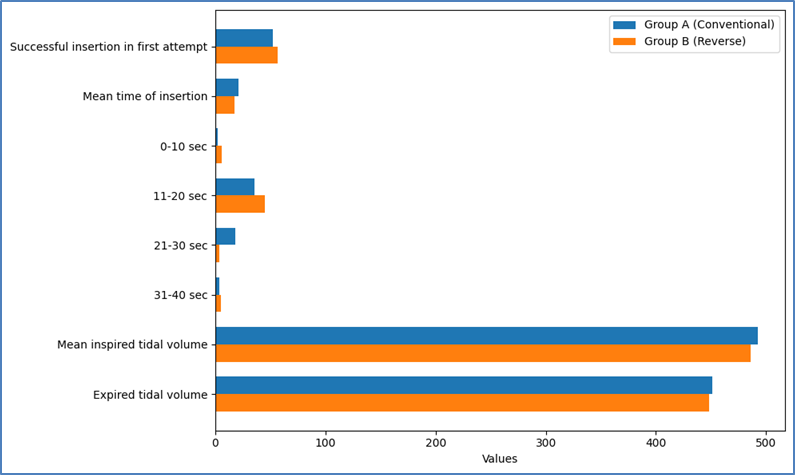
Figure 2. Comparison of Insertion Characteristics and Ventilatory Parameters Between Conventional and Reverse i-gel Techniques.
DISCUSSION:
Kim et al.,[5] who studied the insertion of i-gel by standard and rotational techniques in non-obese patients, reported the insertion of i-gel by a non-conventional technique in a first randomised controlled trial. They encountered difficulty because tongue folding resulted in the i-gel embedding at the posterior pharynx during insertion by the conventional technique. Bhardwaj et al. [6] compared three techniques, standard, rotational and reverse, for i-gel. They studied the insertion characteristics, first-attempt insertion and overall success rate in non-obese patients. They found that i-gel insertion with reverse technique resulted in better positioning in the first attempt and overall success rate. Reversing the device prevents tongue folding and reduces the resistance between i-gel and the posterior pharyngeal wall. The flexible nature of its cuff and the laryngeal soft tissue in the airway helps push the i-gel cuff more effectively.
There was a comparable difference in the ease of i-gel insertion between the two techniques in the current study. The mean time of i-gel insertion in Group B was significantly lesser than that of Group A(P < 0.001).
In the present study, minimal manipulations were required in both groups for the successful placement of i-gel. Furthermore, no postoperative complications were observed during the insertion of the i-gel. Nevertheless, the insertion was performed by an experienced anaesthesiologist.
The main finding is a consistent time advantage with the reverse technique. In practical terms, reversing the concavity to face the hard palate initially, then rotating 180° in the oropharynx, appears to streamline the device’s trajectory toward the laryngeal inlet. This likely reduces soft-tissue impingement at the tongue-base/ epiglottis and minimizes minor adjustments before an adequate seal is achieved. This result is consistent with the angle-of-emergence explanation: reverse orientation produces a flatter approach to the glottis, reducing impingement on the epiglottis or arytenoids and facilitating faster passage [5]. The literature is broadly concordant. Chattrapati et al. observed slightly shorter times with GROUP B, while Pavani et al. found comparable times across attempts [12,13]. Post-operative symptoms were infrequent. The overall sore throat rate was low (9.2 percent) and hoarseness was rare (1.7 percent).
This study has limitations. It was single-center, treatment allocation was not concealed. Blinding was not possible for insertion technique, there was no use of a fibreoptic bronchoscope to grade the view of glottis for proper placement, and we relied on other clinical factors for successful and appropriate placement of i-gel.
CONCLUSION:
In this study, both Conventional and Reverse i-gel™ orientations achieved reliable first-pass placement. The Reverse technique enabled quicker insertion without affecting heart rate, blood pressure, oxygenation, ventilation. Post-operative sore throat was less frequent with Reverse, and hoarseness was rare and comparable between groups. Overall, Reverse insertion offered equivalent efficacy with greater efficiency and similar safety, supporting its use as a practical first-line approach for adult i-gel placement in short elective procedures. Our single-centre setting, predominance of ASA I–II and Mallampati I–II patients, non-concealed allocation, and a few low-frequency differences in case mix limit generalisability
REFERENCES:
1. Sharda M, Kapoor MC, Atray R, Garg S. Insertion of i-gel™ by the reversed technique improves the success rate and reduces the time taken for its placement: A prospective, randomized, controlled, interventional trial. J Anaesthesiol Clin Pharmacol. 2017 Apr-Jun;33(2):226-230.
2. Brain AI. The laryngeal mask--a new concept in airway management. Br J Anaesth. 1983 Aug;55(8):801-5.
3. Levitan RM, Kinkle WC. Initial anatomic investigations of the I-gel airway: a novel supraglottic airway without inflatable cuff. Anaesthesia. 2005 Oct;60(10):1022-6.
4. Reza Hashemian SM, Nouraei N, Razavi SS, Zaker E, Jafari A, Eftekhari P, Radmand G, Mohajerani SA, Radpay B. Comparison of i-gel™ and laryngeal mask airway in anesthetized paralyzed patients. Int J Crit Illn Inj Sci. 2014 Oct-Dec;4(4):288-92.
5. Lu PP, Yang CH, Ho AC, Shyr MH. The LMA: a comparison of insertion techniques with conventional tracheal tubes. Can J Anaesth. 2000; 47: 849-853.
6. Kim HC, Yoo DH, Kim HJ, Jeon YT, Hwang JW, Park HP. A prospective randomised comparison of two insertion methods for i-gel placement in anaesthetised paralysed patients: Standard vs. Rotational technique. Anaesthesia. 2014;69:729–34.
7. Ahuja S, Kaur G, Gupta S. Conventional versus reverse i-gel insertion in overweight and obese patients: randomized trial. Indian J Anaesth. 2023;67:712-719.
8. Kapila A, Addy EV, Verghese C, Brain AI. The laryngeal mask airway: an initial assessment of performance. Br J Anaesth. 1997 Dec;79(6):710-3.
9. Joo H, Rose K. Fastrach- a new laryngeal mask airway: successful use in patients with difficult airways. Can J Anaesth 1998;45(3):253-256.