STUDY OF FACTORS INFLUENCING DELAYED PRESENTATION IN PATIENTS WITH ACUTE ISCHEMIC STROKE.
- Donthireddy Leeladurga , Senior Resident, Department of Emergency Medicine, Great Eastern Medical School & Hospital, Srikakulam, Andhra Pradesh.
- Vindhya Dhanes , Consultant, Saveetha Medical College & Hospital, Chennai.
- BaranasiKedarnath, , Assistant Professor, Department of General Medicine, Great Eastern Medical School & Hospital.
- Potula Namrata , Associate Professor Department of Emergency Medicine, Great Eastern Medical School & Hospital, Srikakulam, Andhra Pradesh.
- Kalyani Dheeravath. , Assistant Professor Department of General Medicine, Great Eastern Medical School & Hospital, Srikakulam, Andhra Pradesh.
- Surya Simha Reddy Molakala , Junior Resident, Department of Emergency Medicine, Great Eastern Medical School & Hospital, Srikakulam, Andhra Pradesh.
- G. Vedantha Reddy , Senior Resident, Department of Radiodiagnosis, Great Eastern Medical School & Hospital, Srikakulam, Andhra Pradesh.
Article Information:
Abstract:
Introduction: Acute ischemic stroke (AIS) is a leading cause of mortality and long-term disability. Early hospital presentation is essential for timely thrombolysis and improved neurological outcomes. However, many patients present beyond the therapeutic window due to multiple delays.The aim of the study was toanalyse the factors influencing delayed presentation in patients with acute ischemic stroke and to assess their relationship with patient outcomes. Material and Methods: This hospital-based cross-sectional observational study was conducted in the Department of Emergency Medicine, Great Eastern Medical School and Hospital, Srikakulam, over 18 months (April 2023–September 2024). A total of 75 adult patients with CT/MRI-confirmed non-traumatic ischemic stroke presenting after 4.5 hours of symptom onset were included. Data regarding demographic, clinical, contextual, cognitive, and behavioural factors were collected using a structured questionnaire and analysed using SPSS software. Results: The majority were male (64%) and rural residents (72%). Hypertension (85.33%) and diabetes mellitus (76%) were the most common comorbidities. Delay in decision-making was observed in 61.33%; lack of knowledge of stroke risk factors in 68%; unawareness of thrombolysis in 74.66%; and transport delay in 44%. Moderate to severe disability was seen in 53.33%, while mortality was 8%. Conclusion: Delayed presentation in Acute Ischemic Stroke (AIS) is mainly influenced by poor awareness, rural residence, referral delays, and transport barriers. Community education, early symptom recognition, and strengthening emergency stroke services are essential to improve timely access and outcomes.
Keywords:
Article :
INTRODUCTION:
Stroke continues to be a major global public health problem and remains one of the leading causes of death and long-term disability worldwide (1). The burden of stroke is increasing steadily in low- and middle-income countries because of rising prevalence of hypertension, diabetes mellitus, obesity, tobacco use, sedentary lifestyle, and ageing populations. Acute ischemic stroke (AIS) is the most common subtype of stroke, accounting for nearly 80–85% of all cases. It occurs due to sudden occlusion of a cerebral artery causing interruption of blood supply to brain tissue, leading to ischemia, neuronal injury, and irreversible infarction if reperfusion is not established promptly (2).
Rapid treatment is the cornerstone of AIS management. The widely accepted concept of “time is brain” reflects the progressive loss of neurons with every minute of untreated cerebral ischemia. Current evidence-based therapies such as intravenous thrombolysis and mechanical thrombectomy are highly time-sensitive. Intravenous thrombolysis with alteplase or tenecteplase is most beneficial when administered within 4.5 hours of symptom onset in eligible patients, while mechanical thrombectomy provides significant benefit in selected large vessel occlusion cases when performed early, and in some patients up to 24 hours based on imaging criteria (3). Therefore, early recognition of symptoms and immediate transport to a stroke-ready hospital are essential to improve survival and functional recovery.Despite advancements in acute stroke treatment, delayed presentation to hospital remains one of the greatest barriers to effective management. Many patients fail to reach healthcare facilities within the therapeutic window and consequently lose the opportunity for reperfusion therapy. Delayed presentation is associated with larger infarct size, severe neurological deficits, prolonged hospital stay, increased disability, and higher mortality (4). Reducing prehospital delay has therefore become an important target in stroke systems of care.
Prehospital delay is commonly defined as the time interval between onset of stroke symptoms and arrival at an appropriate healthcare facility. This delay is multifactorial and influenced by demographic, clinical, behavioural, social, and healthcare system factors. Studies have shown that elderly individuals, females, persons with low literacy, rural residents, and those living alone are more likely to present late (5). Clinical factors such as mild symptoms, transient improvement, wake-up stroke, altered sensorium, aphasia, and inability to recognize deficits may further delay medical attention. In contrast, severe paralysis or sudden collapse may prompt faster action.
Behavioural and cognitive factors are equally important determinants of treatment delay. Lack of awareness regarding warning symptoms such as facial deviation, unilateral weakness, speech disturbance, visual loss, or imbalance often results in underestimation of symptom seriousness. Many patients prefer to wait for spontaneous recovery, consult local practitioners first, use home remedies, or depend on family members for decision-making. Public knowledge regarding FAST (Face drooping, Arm weakness, Speech difficulty, Time to call emergency services) remains inadequate in many communities, directly contributing to delayed hospital arrival (6).Healthcare access and contextual factors also play a major role. Non-availability of ambulance services, long travel distances, poor road connectivity, traffic congestion, inter-hospital referral delays, and financial constraints may substantially increase onset-to-door time. In developing countries such as India, these issues are compounded by rural-urban disparities, limited stroke-ready centres, and high out-of-pocket expenditure for emergency care (7).Although numerous international studies have examined delayed presentation in AIS, findings from developed countries may not be directly applicable to India due to differences in culture, family structure, literacy, healthcare-seeking behaviour, emergency transport systems, and referral pathways. Indian studies on this topic are relatively limited and often focus only on selected demographic predictors.
There remains inadequate evidence evaluating the combined influence of demographic, contextual, behavioural, and cognitive factors in semi-urban and district-level populations. In addition, the relationship between delayed presentation and short-term patient outcomes has not been sufficiently studied in many regional centres (8).Hence, the present study was undertaken to analyse the factors influencing delayed presentation in patients with acute ischemic stroke. The study aims to assess the association of demographic and clinical variables with delayed presentation, evaluate contextual factors affecting hospital arrival, examine cognitive and behavioural determinants influencing healthcare-seeking behaviour, and determine the relationship between delayed presentation and patient outcomes. Identification of modifiable barriers may help in designing focused awareness programmes, strengthening emergency referral systems, and improving timely access to acute stroke therapies.
MATERIALS AND METHODS:
Place of Study
The present study was conducted in the Department of Emergency Medicine at Great Eastern Medical School and Hospital, Srikakulam.This study was designed as a hospital-based cross-sectional observational study.The study was conducted over 18 months, from April 2023 to September 2024.A total of 75 patients fulfilling the eligibility criteria were included in the study.
Study Population: Adult patients presenting with features suggestive of acute ischemic stroke to the emergency department and subsequently confirmed by neuroimaging were evaluated for inclusion in the study.
Inclusion Criteria
Patients meeting the following criteria were enrolled in the study:
1. Age more than 18 years.
2. Patients presenting with neurological symptoms and diagnosed as non-traumatic ischemic stroke by CT scan or MRI of the brain.
3. Patients presenting to the hospital after 4.5 hours of the onset of symptoms.
4. Patients or patient attenders willing to provide informed consent.
5. Patients or patient attenders willing to participate in the study.
Exclusion Criteria
Patients meeting the following criteria were excluded from the study:
1. In-hospital stroke.
2. Lesion-negative transient ischemic attack.
3. Patients diagnosed with brain tumours or traumatic brain injury.
4. Stroke secondary to intracranial aneurysm or arteriovenous malformation.
5. Recurrent stroke cases.
6. Patients who had undergone thrombolysis elsewhere and were referred for further management.
Informed Consent
All eligible patients or their legally authorised attendants were informed in detail about the nature of the study, the disease condition, the purpose of data collection, the possible benefits, and their right to withdraw from the study at any stage without affecting treatment. Written informed consent was obtained in the local language or any understandable language before enrolment.
Study Tool
Data collection was performed using a structured pro forma and a questionnaire-based interview administered to patients or bystanders. The study tool included:
1. Demographic details.
2. Clinical history and symptom onset time.
3. Risk factors and comorbidities.
4. Circumstances related to delayed hospital presentation.
5. Mode of transport and referral details.
6. Neurological examination findings.
7. Imaging confirmation details.
8. Clinical outcome parameters.
Data Collection
All enrolled patients underwent a detailed evaluation. Data collection included:
1. Complete clinical examination.
2. Review of hospital case records.
3. Interview of patient or bystander using a structured questionnaire.
4. Electrocardiogram (ECG).
5. CT brain and/or MRI brain for confirmation of ischemic stroke.
6. Documentation of all findings in the study proforma.
Ethical Considerations
Prior approval was obtained from the Institutional Ethics Committee of Great Eastern Medical School and Hospital, Srikakulam (Reg. No. 93/IEC/GEMS&H/2023) before the commencement of the study. Confidentiality of patient information was strictly maintained throughout the study.
Statistical Analysis
The collected data were entered into a Microsoft Excel Worksheet 2010 and analysed using IBM SPSS Statistics software. Qualitative variables were expressed as frequency and percentage. Quantitative variables were expressed as Mean ± SD. Comparison of means between groups was performed using a paired t-test for normally distributed data, and one-way
RESULTS:
Table 1: Baseline Demographic Characteristics of Study Participants (n=75)
|
Variable |
Category |
Frequency |
Percentage (%) |
|
Age Group |
≤70 years |
40 |
53.33 |
|
>70 years |
35 |
46.67 |
|
|
Sex |
Male |
48 |
64.00 |
|
Female |
27 |
36.00 |
|
|
Marital Status |
Married |
69 |
92.00 |
|
Unmarried |
6 |
8.00 |
|
|
Residence |
Urban |
21 |
28.00 |
|
Rural |
54 |
72.00 |
The table shows the baseline demographic profile of the study participants. A slight majority of patients were aged ≤70 years (53.33%). Males constituted the majority (64%), indicating male predominance in acute ischemic stroke cases. Most participants were married (92%). Rural residents accounted for 72% of the study population, suggesting a higher burden of delayed stroke presentation among rural communities.
Table 2: Socioeconomic and Living Characteristics (n=75)
|
Variable |
Category |
Frequency |
Percentage (%) |
|
Education |
Illiterate |
28 |
37.33 |
|
Primary Education |
21 |
28.00 |
|
|
Secondary Education |
17 |
26.67 |
|
|
Graduate/Postgraduate |
9 |
12.00 |
|
|
Living Status |
Alone |
14 |
18.67 |
|
With Family |
61 |
81.33 |
The table depicts the educational and living status of the participants. Illiteracy was common, seen in 37.33% of patients, while only 12% had graduate or postgraduate education. Most participants had either no formal education or only primary schooling. Regarding living status, the majority (81.33%) were living with family, whereas 18.67% were living alone. Lower educational status may contribute to poor stroke awareness and delayed healthcare seeking.
Table 3: Stroke Onset and Prehospital Contextual Factors (n=75)
|
Variable |
Category |
Frequency |
Percentage (%) |
|
Stroke Onset Time |
3 AM – 11 AM |
37 |
49.33 |
|
11 AM – 7 PM |
21 |
28.00 |
|
|
7 PM – 3 AM |
17 |
22.67 |
|
|
Type of Day |
Working Day |
42 |
56.00 |
|
Weekend |
33 |
44.00 |
|
|
Stroke Occurred |
Home |
29 |
38.67 |
|
Outside |
46 |
61.33 |
|
|
Stroke Onset |
While Awake |
55 |
73.33 |
|
While Sleeping |
20 |
26.67 |
The table presents the contextual pattern of stroke onset among study participants. Nearly half of the strokes occurred between 3 AM and 11 AM (49.33%), indicating a higher early morning incidence. Slightly more events occurred on working days (56%) than weekends. Majority of strokes occurred outside the home (61.33%), and most patients developed symptoms while awake (73.33%), whereas 26.67% experienced stroke during sleep. These factors may influence early symptom recognition and timing of hospital presentation.
Table 4: Access to Care and Hospital Arrival Factors (n=75)
|
Variable |
Category |
Frequency |
Percentage (%) |
|
Mode of Arrival |
Ambulance |
51 |
68.00 |
|
Others |
24 |
32.00 |
|
|
Prior Hospital Visit |
General Practitioner |
14 |
18.67 |
|
Local Hospital/Nursing Home |
26 |
34.67 |
|
|
Direct to Study Hospital |
35 |
46.67 |
|
|
Distance to Hospital |
≤80 km |
30 |
40.00 |
|
81–120 km |
17 |
22.67 |
|
|
>120 km |
28 |
37.33 |
|
|
Bystander Present |
Yes |
23 |
30.67 |
|
No |
52 |
69.33 |
The table summarises the participants' healthcare access and hospital arrival characteristics. Most patients arrived by ambulance (68%), while 32% used other means of transport. Only 46.67% reached the study hospital directly, whereas the remainder first visited other healthcare facilities, which may have contributed to treatment delay. A substantial proportion of patients travelled long distances, with 37.33% residing more than 120 km away. Most patients (69.33%) had no bystander present at symptom onset, which may have further delayed early medical assistance.
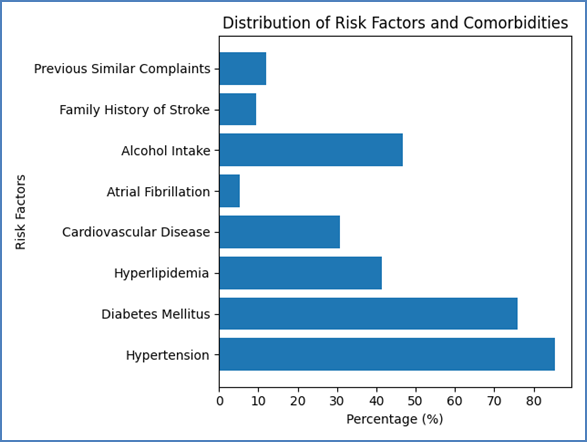
Figure 1: Major Vascular Risk Factors and Comorbidities (n=75)
The figure 1 shows the distribution of major vascular risk factors and comorbidities among study participants. Hypertension (85.33%) was the most common risk factor, followed by diabetes mellitus (76%), indicating a high burden of metabolic and vascular disease. Hyperlipidemia (41.33%) and alcohol intake (46.67%) were also common. Cardiovascular disease was present in 30.67% of patients, whereas atrial fibrillation was relatively uncommon (5.33%). Family history of stroke and previous similar complaints were observed in a smaller proportion of participants.
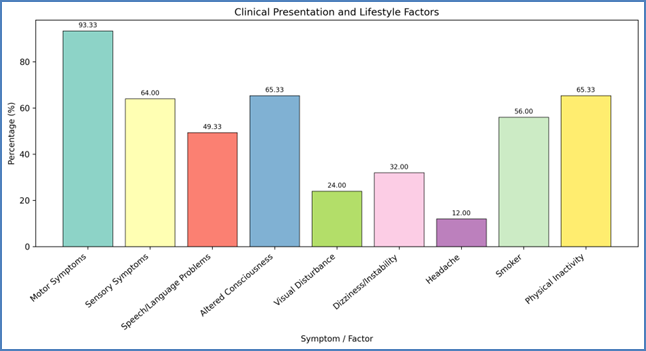
Figure 2: Clinical Presentation at Admission (n=75)
The figure 2 depicts the common clinical manifestations and lifestyle-related factors among the participants. Motor symptoms were the most frequent presentation (93.33%), followed by altered consciousness and physical inactivity (65.33% each). Sensory symptoms were noted in 64% of patients, while nearly half had speech or language disturbances (49.33%). Smoking was present in 56% of cases, indicating an important modifiable risk factor. Visual disturbance, dizziness, and headache were less common presenting symptoms.
Table 5: Stroke Severity and Clinical Outcome Among Study Participants (n = 75)
|
Variable |
Category |
Frequency |
Percentage (%) |
|
NIHSS Severity |
Minor |
24 |
32.00 |
|
Moderate |
25 |
33.33 |
|
|
Moderate to Severe |
19 |
25.33 |
|
|
Severe |
7 |
9.33 |
|
|
Outcome |
Complete Recovery |
3 |
4.00 |
|
Mild Impairment |
26 |
34.67 |
|
|
Moderate-Severe Impairment |
40 |
53.33 |
|
|
Death |
6 |
8.00 |
The table shows stroke severity at presentation and subsequent clinical outcomes. Most patients had moderate (33.33%) or minor stroke (32%) based on NIHSS score, while 34.66% had moderate to severe or severe stroke. Regarding outcomes, complete recovery was observed in only 4% of patients. More than half of the participants (53.33%) had moderate to severe residual impairment, 34.67% had mild impairment, and mortality was 8%. These findings indicate substantial morbidity associated with delayed presentation in acute ischemic stroke.
DISCUSSION:
The present cross-sectional observational study was undertaken to analyse factors influencing delayed presentation in patients with acute ischemic stroke (AIS). Timely hospital arrival is critical in AIS because eligibility for reperfusion therapies depends on narrow therapeutic windows. The findings of the present study demonstrate that delayed presentation is strongly associated with demographic vulnerabilities, poor awareness, logistic barriers, and substantial residual disability.In the present study, the majority of patients were aged ≤70 years (53.33%), while 46.67% were above 70 years. Stroke incidence rises with advancing age due to increasing prevalence of hypertension, diabetes, atrial fibrillation, and vascular atherosclerosis. However, the relatively younger representation in this cohort may reflect the increasing burden of stroke in middle-aged adults in South Asian populations. Recent epidemiological data from India have similarly reported a shift toward younger age at stroke onset compared with Western populations (9).
Male predominance was observed (64%), which is consistent with prior Indian and international studies showing higher stroke incidence in males, partly attributable to greater prevalence of smoking, alcohol use, occupational stress, and cardiovascular risk factors (10).Rural residence was noted in 72% of patients, indicating that delayed presentation is especially common in rural populations. Limited access to stroke-ready centres, poor transport networks, lower health literacy, and dependence on primary centres may explain this observation. Similar findings were reported in a multicentre Indian registry where rural patients had longer onset-to-door times than urban patients (11).
Furthermore, 37.33% of participants were illiterate and only 12% had graduate-level education, highlighting the influence of educational disadvantage on symptom recognition and health-seeking behaviour.With respect to contextual factors, stroke onset was most common between 3 AM and 11 AM (49.33%), which corresponds to the known circadian peak of stroke occurrence during early morning hours due to blood pressure surge, platelet activation, and sympathetic overactivity (12). More than one-fourth of cases occurred during sleep (26.67%), representing wake-up strokes, which are frequently associated with delayed recognition and uncertain onset timing. Similar patterns have been described in recent stroke cohorts (13).Although 68% of patients arrived by ambulance, only 46.67% came directly to the study hospital, while the remainder first visited general practitioners or local hospitals. This indicates that inter-facility referral pathways remain a major source of delay. Earlier studies in India have shown that first contact with non-stroke-ready centres significantly prolongs the time to definitive care (14).
Additionally, 37.33% of patients travelled more than 120 km, emphasising the burden of geographical inaccessibility. Long travel distance has been consistently associated with delayed eligibility for thrombolysis in low-resource settings.The present study identified a high prevalence of vascular risk factors. Hypertension (85.33%) and diabetes mellitus (76%) were the most common comorbidities, followed by smoking (56%), alcohol intake (46.67%), and hyperlipidemia (41.33%). These findings are comparable with contemporary Indian stroke studies, where hypertension and diabetes remain dominant modifiable risk factors (15). Effective control of these conditions may reduce both the incidence and severity of stroke.
Regarding clinical presentation, motor deficits were present in 93.33% of patients, altered consciousness in 65.33%, sensory symptoms in 64%, and speech/language disturbance in 49.33%. Classic focal deficits such as hemiparesis and aphasia are usually recognized earlier; however, delayed presentation despite obvious symptoms suggests that recognition alone is insufficient without prompt action. Lack of emergency response knowledge, fear, denial, or financial concerns may still postpone care.The most important findings of the study relate to cognitive and behavioural determinants. Delay in decision-making regarding hospital selection and treatment was observed in 61.33% of patients. Lack of knowledge of stroke risk factors was present in 68%, while 74.66% were unaware of thrombolysis. In addition, 61.33% did not know that the symptoms represented a stroke. These findings strongly indicate that awareness deficits remain the central cause of delayed presentation. Similar international studies have reported poor public awareness of stroke warning signs and available treatment as major contributors to late arrival (16).
Nearly one-third waited for symptoms to resolve spontaneously, while others relied on prayer or home remedies, reflecting sociocultural influences on care-seeking behaviour.Practical barriers were also substantial. Delay in arranging transport occurred in 44%, financial difficulty in 29.33%, and late ambulance or vehicle availability in 36%. Such barriers are highly relevant in developing settings with fragmented emergency medical systems. Strengthening prehospital stroke pathways and subsidised emergency transport could significantly reduce these delays.Stroke severity assessment showed that most patients had moderate (33.33%) or minor stroke (32%), while 34.66% had moderate-to-severe or severe stroke. Mild or moderate symptoms may contribute to delayed presentation because patients underestimate the seriousness. Severe strokes may also delay arrival due to the inability to call for help or reduced consciousness.
Outcome analysis revealed that only 4% achieved complete recovery, whereas 53.33% had moderate-to-severe impairment and 8% died. These poor outcomes likely reflect missed opportunities for reperfusion therapy secondary to delayed presentation. Previous studies have consistently shown that delayed hospital arrival is associated with worse functional outcomes and higher mortality (17).Overall, the present study confirms that delayed presentation in AIS is a multifactorial problem driven predominantly by low awareness, rural residence, referral delays, transport barriers, and socioeconomic limitations. Public education on FAST symptoms, strengthening ambulance networks, direct triage to stroke centres, tele-stroke referral systems, and decentralisation of stroke-ready services are urgently needed.
CONCLUSION:
Delayed presentation in Acute Ischemic Stroke (AIS) remains a major barrier to effective treatment and favourable outcomes. The present study found that lack of awareness regarding stroke symptoms and thrombolysis, rural residence, long travel distance, referral to peripheral centres, transport delays, and financial constraints were major contributors to late hospital arrival. Hypertension and diabetes were the most common associated risk factors. Most patients suffered residual disability, while mortality remained significant. Targeted community education, improved emergency transport, rapid referral pathways, and expansion of stroke care facilities are essential to reduce delays and improve outcomes.
REFERENCES:
1. Feigin VL, Stark BA, Johnson CO, et al. Global, regional, and national burden of stroke and its risk factors, 1990–2021: a systematic analysis for the Global Burden of Disease Study 2021. Lancet Neurol. 2024;23(3):250-278.
2. Campbell BCV, Khatri P, Hacke W, et al. Acute ischemic stroke. Lancet. 2023;402(10405):456-472.
3. Powers WJ, Rabinstein AA, Ackerson T, et al. Guidelines for the early management of patients with acute ischemic stroke. Stroke. 2023;54(7):e1-e115.
4. Almallouhi E, Al Kasab S, Spiotta AM, et al. Impact of prehospital delay on outcomes in acute ischemic stroke patients. J Stroke Cerebrovasc Dis. 2021;30(8):105921.
5. Wang J, Zhang S, Li C, et al. Sociodemographic predictors of delayed hospital arrival in acute ischemic stroke: multicentre cohort study. BMC Neurol. 2022;22:311.
6. Mellon L, Doyle F, Rohde D, et al. Stroke warning sign recognition and emergency response behaviour: systematic review. Eur Stroke J. 2021;6(4):321-330.
7. Sylaja PN, Srivastava MVP, Khurana D, et al. Acute stroke care pathways and treatment delays in India: multicentre registry analysis. Neurol India. 2023;71(5):1021-1028.
8. Pandian JD, Kalkonde YV, Sebastian IA, et al. Stroke systems of care in India: current evidence and future priorities. Lancet Reg Health Southeast Asia. 2024;8:100126.
9. India State-Level Disease Burden Initiative Stroke Collaborators. The burden of stroke in India by state, 1990–2019. Lancet Glob Health. 2021;9(8):e1071-e1081.
10. Tsao CW, Aday AW, Almarzooq ZI, et al. Heart disease and stroke statistics—2023 update. Circulation. 2023;147:e93-e621.
11. Kamalakannan S, Gudlavalleti ASV, Gudlavalleti VSM, et al. Rural-urban disparities in stroke access and outcomes in India. Neurol India. 2022;70(4):1452-1458.
12. Koton S, Tanne D, Bornstein NM, et al. Circadian variation in ischemic stroke onset: updated systematic review. Stroke. 2021;52(9):2890-2898.
13. Thomalla G, Simonsen CZ, Boutitie F, et al. Wake-up stroke management and outcomes: pooled analysis. Lancet Neurol. 2022;21(3):271-280.
14. Singh RJ, Chen S, Ganesh A, et al. Prehospital pathways and referral delays in acute stroke care. J Stroke Cerebrovasc Dis. 2021;30(11):106045.
15. Srivastava MVP, Khurana D, Pandian JD, et al. Vascular risk factors in Indian ischemic stroke patients: multicentre registry report. Ann Indian Acad Neurol. 2023;26(2):145-152.
16. Mellon L, Doyle F, Rohde D, et al. Stroke warning sign recognition and emergency response behaviour: systematic review. Eur Stroke J. 2021;6(4):321-330.
17. Meretoja A, Keshtkaran M, Saver JL, et al. Effects of onset-to-treatment delay on stroke outcomes in reperfusion therapy. Neurology. 2022;98(8):e801-e812.