Prevalence of Subclinical Hypothyroidism and its Association with Metabolic Syndrome in Adults.
- Aruna Rameshbhai Ganava , Associate Professor, Department of Medicine, Zydus Medical College and Hospital Dahod, India.
- Viral N Damor , Associate Professor, Department of Medicine, Zydus Medical College and Hospital Dahod, India.
- Daxesh F. Bamaniya , Assistant Professor, Department of Medicine, Zydus Medical College and Hospital Dahod, India.
- Suman B. Gupta , 3rd yr Resident, Zydus Medical College and Hospital Dahod, India.
Article Information:
Abstract:
Background: Subclinical hypothyroidism (SCH) is a common endocrine disorder characterized by elevated thyroid-stimulating hormone levels with normal thyroid hormone concentrations. There may be a connection between SCH and metabolic syndrome (MetS), a group of metabolic disorders that raise the risk of cardiovascular disease. However, there is still a lack of data from Indian communities. Aim: To determine the prevalence of subclinical hypothyroidism and its association with metabolic syndrome among adults. Materials and Methods: This hospital-based cross-sectional study was conducted at Zydus Medical College and Hospital, Dahod, over a period of one year (2025). A total of 100 adult participants were included. Clinical evaluation, anthropometric measurements, and biochemical investigations including thyroid profile, fasting blood glucose, and lipid profile were performed. Metabolic syndrome was defined using NCEP ATP III criteria. Statistical analysis was carried out using SPSS version 25.0, with p < 0.05 considered statistically significant. Results: The prevalence of subclinical hypothyroidism was 24%, while metabolic syndrome was present in 38% of participants. A significantly higher proportion of individuals with SCH had metabolic syndrome compared to euthyroid individuals (66.7% vs 28.9%, p < 0.001). Participants with SCH demonstrated significantly higher body mass index, waist circumference, fasting blood glucose, triglyceride levels, and systolic blood pressure, along with lower HDL levels (p < 0.05). Conclusion: Subclinical hypothyroidism is significantly associated with metabolic syndrome and adverse metabolic parameters. These results emphasize how crucial it is to test for thyroid dysfunction in people who have metabolic risk factors. Clinical results may be improved and cardiovascular risk may be decreased with early detection and treatment of SCH.
Keywords:
Article :
INTRODUCTION:
Subclinical hypothyroidism (SCH) is a commonly encountered endocrine disorder characterized by elevated serum thyroid-stimulating hormone (TSH) levels with normal circulating free thyroxine (FT4) concentrations. SCH has grown in clinical significance despite the fact that patients are frequently asymptomatic because of its possible links to metabolic problems, cardiovascular morbidity, and the development of overt hypothyroidism. The incidence of SCH varies greatly around the world, ranging from 4% to 15% based on factors including age, sex, iodine consumption, and demographics; women and the elderly have been found to have greater rates.1
A collection of connected metabolic disorders, such as central obesity, hypertension, dyslipidemia, and impaired glucose metabolism, are together referred to as metabolic syndrome (MetS). Because of its substantial correlation with type 2 diabetes, cardiovascular disease (CVD), and higher mortality, it is a significant public health problem.2 Globally, the incidence of metabolic syndrome is increasing, particularly in emerging nations like India, where dietary changes, urbanization, and lifestyle modifications greatly increase this burden.3
Thyroid function and metabolic parameters appear to interact significantly, according to recent data. Thyroid hormones are essential for controlling vascular function, glucose homeostasis, lipid metabolism, and basal metabolic rate. Metabolic disorders as elevated low-density lipoprotein (LDL) cholesterol, insulin resistance, endothelial dysfunction, and weight gain can result from even minor changes in thyroid hormone levels, as shown in SCH.4 There may be a biological connection between SCH and MetS because these anomalies coincide with elements of metabolic syndrome.
Metabolic syndrome is more common in those with subclinical hypothyroidism, according to several studies. Increased waist circumference, elevated triglyceride levels, decreased HDL cholesterol, and impaired fasting glucose have all been linked to elevated TSH levels. Additionally, even within the upper bounds of the normal range, it has been demonstrated that insulin resistance, a major underlying mechanism of metabolic syndrome, positively correlates with TSH levels.5 These results suggest that SCH may be a contributing factor to metabolic and cardiovascular risk rather than a benign disease.
Metabolic syndrome and SCH are linked by complex pathophysiological pathways. By controlling hepatic LDL receptor activation and cholesterol production, thyroid hormones have an impact on lipid metabolism. Reduced thyroid hormone activity in SCH causes hypercholesterolemia and impaired lipid elimination. Furthermore, reduced insulin sensitivity and altered peripheral tissue glucose absorption are two ways that thyroid disease may affect glucose metabolism.6 Further evidence for the connection between SCH and metabolic syndrome comes from the identification of oxidative stress, adipokine imbalance, and chronic low-grade inflammation.
There is little information available in India about the connection between SCH and metabolic syndrome, especially in semi-urban and rural areas. Early detection of SCH in people with metabolic syndrome—or vice versa—may aid in risk stratification and the avoidance of long-term consequences, given the growing prevalence of both illnesses. Patients with metabolic syndrome may benefit from early intervention and better clinical outcomes if they are screened for thyroid dysfunction.7
There is still variation in results between studies despite mounting evidence, which may be caused by variations in study designs, demographic characteristics, and diagnostic criteria. To better understand the frequency of SCH and its relationship to metabolic syndrome in various groups, more study is thus required. The goal of the current study was to find out how common subclinical hypothyroidism is in adults and assess how it relates to metabolic syndrome in patients who visit a tertiary care facility. The purpose of this study is to add to the body of knowledge and shed light on the clinical importance of SCH in connection to metabolic health.
AIMS AND OBJECTIVES
Aim
To determine the prevalence of subclinical hypothyroidism and its association with metabolic syndrome among adults.
Objectives
1. To estimate the prevalence of subclinical hypothyroidism in the study population.
2. To assess the prevalence of metabolic syndrome among adults.
3. To evaluate the association between subclinical hypothyroidism and components of metabolic syndrome.
4. To analyze the relationship between serum TSH levels and metabolic parameters.
MATERIALS AND METHODS:
Study Design: A hospital-based cross-sectional observational study.
Study Setting: The study was conducted at Zydus Medical College and Hospital, Dahod, a tertiary care teaching hospital.
Study Duration: The study was carried out over a period of 1 year (January 2025 to December 2025).
Study Population: Adult patients attending outpatient and inpatient departments of the hospital.
Sample Size
A total of 100 participants were included in the study.
Inclusion Criteria
• Adults aged ≥18 years
• Patients willing to provide informed consent
• Patients undergoing routine health evaluation
Exclusion Criteria
• Known cases of overt hypothyroidism or hyperthyroidism
• Patients on thyroid hormone replacement therapy
• Pregnant women
• Patients with severe systemic illness
• Patients on medications affecting thyroid function (e.g., amiodarone, steroids)
Operational Definitions
• Subclinical Hypothyroidism (SCH): Elevated TSH (>4.5 mIU/L) with normal FT4 levels.
• Metabolic Syndrome (MetS): Defined according to NCEP ATP III criteria, presence of ≥3 of the following:
o Waist circumference >90 cm (men), >80 cm (women)
o Triglycerides ≥150 mg/dL
o HDL <40 mg/dL (men), <50 mg/dL (women)
o Blood pressure ≥130/85 mmHg
o Fasting blood glucose ≥100 mg/dL
Data Collection Procedure
• Detailed history and clinical examination were conducted.
• Anthropometric measurements (height, weight, BMI, waist circumference) were recorded.
• Blood pressure was measured using a standardized sphygmomanometer.
• Fasting blood samples were collected for:
o Thyroid profile (TSH, FT4)
o Fasting blood glucose
o Lipid profile
Statistical Analysis
The collected data were entered into Microsoft Excel and subsequently analyzed using SPSS version 25.0. Continuous variables were expressed as mean ± standard deviation (SD), while categorical variables were presented as frequencies and percentages. The association between categorical variables was assessed using the Chi-square test. For comparison of means between two groups, the Independent t-test was applied. Additionally, the correlation between thyroid-stimulating hormone (TSH) levels and metabolic parameters was evaluated using Pearson’s correlation coefficient. A p-value of less than 0.05 was considered statistically significant for all analyses.
RESULTS:
The present cross-sectional study included 100 adult participants evaluated for subclinical hypothyroidism (SCH) and metabolic syndrome (MetS). The demographic profile, prevalence, and associations between thyroid status and metabolic parameters were analyzed.
Table 1: Age and Gender Distribution of Study Participants (N = 100)
|
Variable |
Category |
Frequency (n) |
Percentage (%) |
|
Age Group (years) |
18–30 |
22 |
22.0 |
|
31–40 |
28 |
28.0 |
|
|
41–50 |
26 |
26.0 |
|
|
>50 |
24 |
24.0 |
|
|
Gender |
Male |
46 |
46.0 |
|
Female |
54 |
54.0 |
The study included 100 participants with a fairly even distribution across age groups. The largest proportion of participants belonged to the 31–40 years age group (28%), followed by 41–50 years (26%), >50 years (24%), and 18–30 years (22%). Regarding gender distribution, females constituted a slightly higher proportion (54%) compared to males (46%), indicating a near-balanced representation with a female predominance.
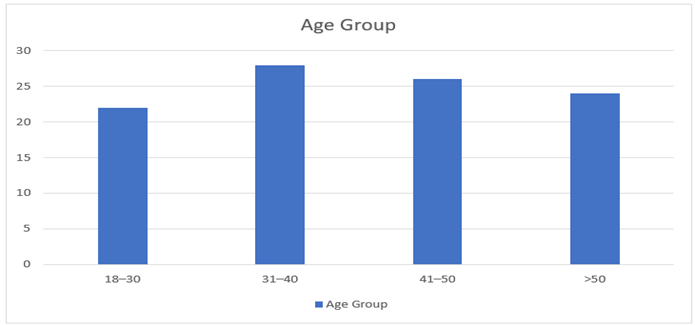
Figure 1A: Age Distribution
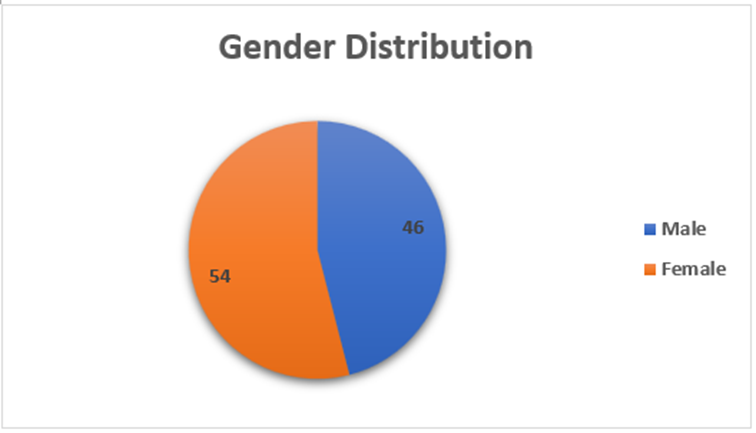
Figure 1B: Sex Distribution
Table 2: Prevalence of Subclinical Hypothyroidism (N = 100)
|
Thyroid Status |
Frequency (n) |
Percentage (%) |
|
Euthyroid |
76 |
76.0 |
|
Subclinical Hypothyroidism |
24 |
24.0 |
Out of the total participants, 24% were found to have subclinical hypothyroidism, while the majority (76%) were euthyroid. This indicates that approximately one-fourth of the study population had subclinical thyroid dysfunction.
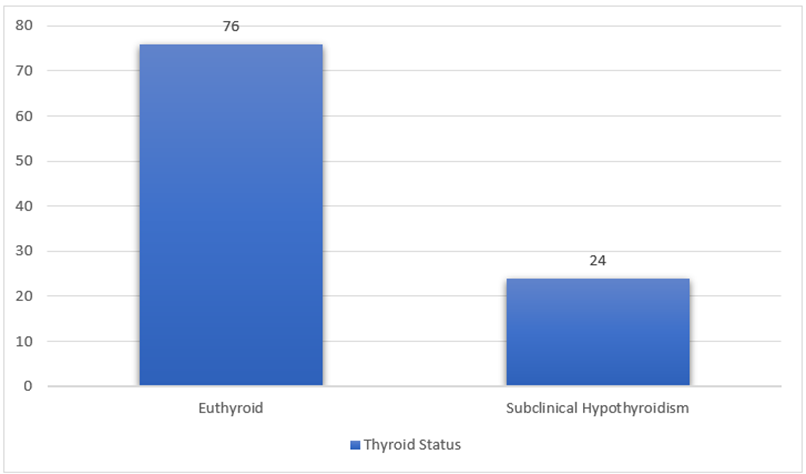
Figure 2: Thyroid Status
Table 3: Prevalence of Metabolic Syndrome (N = 100)
|
Metabolic Syndrome Status |
Frequency (n) |
Percentage (%) |
|
Present |
38 |
38.0 |
|
Absent |
62 |
62.0 |
Metabolic syndrome was present in 38% of participants, whereas 62% did not meet the criteria for metabolic syndrome. This suggests a relatively high burden of metabolic abnormalities within the study group.
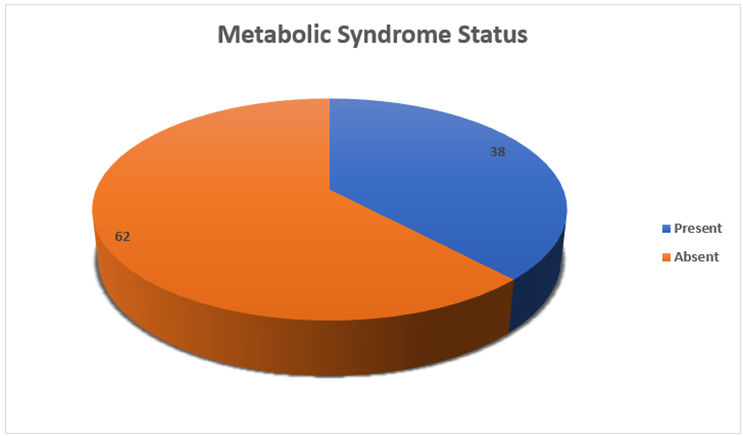
Figure 3: Metabolic Syndrome Status
Table 4: Association Between Subclinical Hypothyroidism and Metabolic Syndrome
|
Thyroid Status |
MetS Present (n, %) |
MetS Absent (n, %) |
Total |
p-value |
|
SCH (n=24) |
16 (66.7%) |
8 (33.3%) |
24 |
|
|
Euthyroid (n=76) |
22 (28.9%) |
54 (71.1%) |
76 |
<0.001 |
|
Total |
38 |
62 |
100 |
A significant association was observed between subclinical hypothyroidism and metabolic syndrome. Among individuals with subclinical hypothyroidism, 66.7% had metabolic syndrome, compared to only 28.9% among euthyroid individuals. Conversely, 71.1% of euthyroid participants did not have metabolic syndrome, compared to only 33.3% in the subclinical hypothyroid group. This association was statistically highly significant (p < 0.001), indicating that individuals with subclinical hypothyroidism are at a markedly higher risk of developing metabolic syndrome.
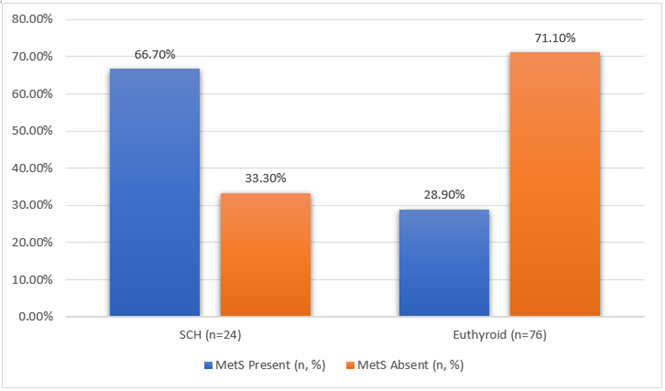
Figure 4: Association Between Subclinical Hypothyroidism and Metabolic Syndrome
Table 5: Comparison of Metabolic Parameters Between SCH and Euthyroid Groups
|
Parameter |
SCH (Mean ± SD) |
Euthyroid (Mean ± SD) |
p-value |
|
BMI (kg/m²) |
27.8 ± 3.2 |
24.6 ± 2.8 |
<0.001 |
|
Waist Circumference (cm) |
94.5 ± 8.6 |
86.2 ± 7.4 |
<0.001 |
|
Fasting Blood Glucose (mg/dL) |
112.4 ± 18.2 |
98.6 ± 14.5 |
0.002 |
|
Triglycerides (mg/dL) |
178.5 ± 35.6 |
142.3 ± 30.1 |
<0.001 |
|
HDL (mg/dL) |
38.2 ± 6.5 |
45.6 ± 7.2 |
<0.001 |
|
Systolic BP (mmHg) |
136.8 ± 12.4 |
124.3 ± 10.8 |
<0.001 |
Participants with subclinical hypothyroidism exhibited significantly worse metabolic profiles compared to euthyroid individuals. The mean BMI and waist circumference were significantly higher in the SCH group (27.8 ± 3.2 kg/m² and 94.5 ± 8.6 cm, respectively) than in the euthyroid group (24.6 ± 2.8 kg/m² and 86.2 ± 7.4 cm). Similarly, fasting blood glucose and triglyceride levels were significantly elevated in the SCH group (112.4 ± 18.2 mg/dL and 178.5 ± 35.6 mg/dL) compared to euthyroid individuals (98.6 ± 14.5 mg/dL and 142.3 ± 30.1 mg/dL).
In contrast, HDL cholesterol levels were significantly lower in the SCH group (38.2 ± 6.5 mg/dL) compared to the euthyroid group (45.6 ± 7.2 mg/dL). Additionally, systolic blood pressure was higher in individuals with SCH (136.8 ± 12.4 mmHg) than in euthyroid participants (124.3 ± 10.8 mmHg). All these differences were statistically significant, indicating that subclinical hypothyroidism is associated with adverse metabolic alterations.
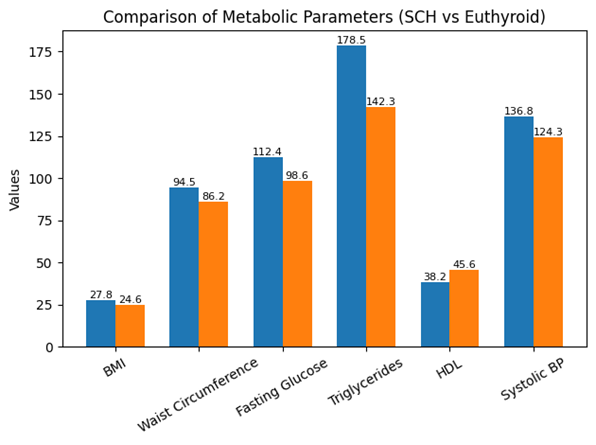
Figure 5: Comparison of Metabolic Parameters Between SCH and Euthyroid Groups
DISCUSSION:
The present cross-sectional study evaluated the prevalence of subclinical hypothyroidism (SCH) and its association with metabolic syndrome (MetS) among 100 adult participants. The results showed a 38% prevalence of metabolic syndrome and a 24% prevalence of SCH, with a substantial correlation between the two illnesses. Furthermore, compared to euthyroid people, those with SCH showed much worse metabolic characteristics.
The somewhat larger percentage of females (54%) in the current research is consistent with the known higher frequency of thyroid dysfunction in women. Due to hormonal factors and immunological vulnerability, prior epidemiological investigations have consistently found a female predominance in SCH (1,2).8 The bulk of people in this research were between the ages of 31 and 50, which is the usual age range where thyroid dysfunction and metabolic diseases start to exhibit more symptoms.
This study's 24% prevalence of SCH is comparatively greater than estimates from throughout the world, which range from 4% to 15%.9 However, comparable higher prevalence rates have been documented in Indian communities, potentially as a result of enhanced screening, genetic susceptibility, and differences in iodine consumption. SCH prevalence in Indian adults ranges from 11% to 19%, according to studies by Unnikrishnan AG et al. and Unnikrishnan et al., confirming the finding that SCH is a major public health issue in this area.10
This study's 38% metabolic syndrome prevalence is in line with other Indian research that found prevalences ranging from 30% to 45%. This growing load is a result of dietary changes, sedentary lifestyles, and rapid urbanization. Thyroid dysfunction and metabolic disorders share pathophysiological pathways, as demonstrated by the coexistence of SCH and metabolic syndrome found in this study.11
The high correlation between SCH and metabolic syndrome—66.7% of SCH patients had MetS, compared to just 28.9% of euthyroid people (p < 0.001)—is one of the study's main findings. The results of earlier research, including those by Teixeira PFDS et al., which showed that increased TSH levels are independently related with metabolic syndrome and its components, are in line with this statistically significant connection. The findings support the idea that SCH could be a disease that increases cardiometabolic risk rather than a benign biochemical anomaly.4
The BMI and waist circumference of SCH participants in this research were considerably greater than those of euthyroid participants. These results point to a robust correlation between SCH and obesity, especially central obesity. Reduced thyroid activity may result in weight gain and fat buildup because thyroid hormones are essential for controlling energy expenditure and lipid metabolism.12 SCH is associated with metabolic abnormalities because central obesity, a major component of metabolic syndrome, is known to contribute to insulin resistance and systemic inflammation.
Additionally, the SCH group's fasting blood glucose levels were much higher, suggesting poor glucose metabolism. Studies demonstrating that even modest thyroid malfunction might change glucose homeostasis and lower insulin sensitivity support this conclusion (10). According to research by Eom YS et al., SCH is linked to greater insulin resistance, which might account for the higher incidence of metabolic syndrome seen in these people.13
This study's lipid profile analysis showed that SCH patients had much higher triglyceride and lower HDL values. These results are in line with earlier research showing that thyroid hormones affect lipid metabolism via controlling the expression of the LDL receptor and hepatic lipase activity. Dyslipidemia, a defining characteristic of metabolic syndrome and a significant risk factor for cardiovascular disease, is caused by impaired lipid clearance as a result of reduced thyroid activity.14
Furthermore, the SCH group's systolic blood pressure was much higher, indicating a connection between hypertension and thyroid dysfunction. This might be explained by endothelial dysfunction linked to decreased thyroid hormone activity and increased peripheral vascular resistance.15 In those with SCH, the combination of hypertension, dyslipidemia, and poor glucose metabolism increases cardiovascular risk.
The pathophysiological processes that connect metabolic syndrome with SCH are intricate and multifaceted. Insulin resistance, modified lipid metabolism, endothelial dysfunction, oxidative stress, and persistent low-grade inflammation are among the suggested pathways. The connection between thyroid function and metabolic parameters may potentially be mediated by adipokines like leptin and adiponectin.7 The study's conclusions have significant therapeutic ramifications. Patients with metabolic syndrome may benefit from frequent thyroid dysfunction screening due to the significant correlation between SCH and metabolic syndrome. Improved metabolic parameters and a lower risk of cardiovascular problems might result from early detection and treatment of SCH. It is crucial to remember that this study's cross-sectional design makes it more difficult to prove causation. To ascertain if SCH directly causes the development of metabolic syndrome or vice versa, longitudinal research is required.
CONCLUSION:
The present study demonstrated that subclinical hypothyroidism (SCH) is relatively common among adults, with a prevalence of 24%, and shows a significant association with metabolic syndrome (MetS). Compared to euthyroid persons, a significant percentage of SCH patients had metabolic syndrome, indicating a substantial correlation between thyroid failure and metabolic abnormalities. Additionally, individuals with SCH had markedly adverse metabolic profiles, such as raised systolic blood pressure, dyslipidemia, elevated fasting blood glucose, increased body mass index, and increased waist circumference.
These results imply that SCH may contribute significantly to cardiometabolic risk rather than being a clinically unimportant disorder. The importance for early detection and adequate treatment of thyroid dysfunction in adults, especially in those with metabolic risk factors, is highlighted by the coexistence of SCH and metabolic syndrome. In those with metabolic syndrome, routine thyroid function testing may help with prompt diagnosis and treatment. Overall, the study highlights how critical it is to identify SCH as a possible risk factor for cardiovascular morbidity and metabolic syndrome. Reducing long-term problems and improving overall health outcomes may be possible with early identification and focused care techniques.
LIMITATIONS OF THE STUDY
This study has certain limitations that should be considered while interpreting the findings. The cross-sectional design makes it more difficult to prove a link between metabolic syndrome and subclinical hypothyroidism. The results' applicability to a larger population may be impacted by the single-center setup and somewhat small sample size (n=100). Furthermore, confounding variables such food patterns, levels of physical activity, and socioeconomic status were not thoroughly examined. To further understand the temporal link and underlying processes between SCH and metabolic syndrome, longitudinal research with larger, more varied populations are advised.
REFERENCES:
1. Jasim S, Abdi H, Gharib H, Biondi B. A Clinical Debate: Subclinical Hypothyroidism. Int J Endocrinol Metab. 2021 Jul 24;19(3):e115948. doi: 10.5812/ijem.115948. PMID: 34567140; PMCID: PMC8453656.
2. Islam MS, Wei P, Suzauddula M, Nime I, Feroz F, Acharjee M, Pan F. The interplay of factors in metabolic syndrome: understanding its roots and complexity. Mol Med. 2024 Dec 27;30(1):279. doi: 10.1186/s10020-024-01019-y. PMID: 39731011; PMCID: PMC11673706.
3. Noubiap JJ, Nansseu JR, Nyaga UF, Ndoadoumgue AL, Ngouo AT, Tounouga DN, Tianyi FL, Foka AJ, Lontchi-Yimagou E, Nkeck JR, Bigna JJ. Worldwide trends in metabolic syndrome from 2000 to 2023: a systematic review and modelling analysis. Nat Commun. 2025 Dec 6;17(1):573. doi: 10.1038/s41467-025-67268-5. PMID: 41350289; PMCID: PMC12808104.
4. Teixeira PFDS, Dos Santos PB, Pazos-Moura CC. The role of thyroid hormone in metabolism and metabolic syndrome. Ther Adv Endocrinol Metab. 2020 May 13;11:2042018820917869. doi: 10.1177/2042018820917869. PMID: 32489580; PMCID: PMC7238803.
5. Karar M, Eltayeb Eltahir SM, Mohammed Ibrahim AM, Mohammed Mahmoud FS, Mohamed Abdalla SA, Hyder Mohammed AA, Osman Ahmed WA. Association Between Metabolic Syndrome and Subclinical Hypothyroidism: A Systematic Review. Cureus. 2025 May 20;17(5):e84475. doi: 10.7759/cureus.84475. PMID: 40539165; PMCID: PMC12178271.
6. Sinha RA, Singh BK, Yen PM. Direct effects of thyroid hormones on hepatic lipid metabolism. Nat Rev Endocrinol. 2018 May;14(5):259-269. doi: 10.1038/nrendo.2018.10. Epub 2018 Feb 23. PMID: 29472712; PMCID: PMC6013028.
7. Walczak K, Siemińska L. The relationships between selected serum adipokines and thyroid function in patients with obesity. Endokrynol Pol. 2022;73(2):353-360. doi: 10.5603/EP.a2022.0030. PMID: 35593684.
8. Boucai L, Hollowell JG, Surks MI. An approach for development of age-, gender-, and ethnicity-specific thyrotropin reference limits. Thyroid. 2011 Jan;21(1):5-11. doi: 10.1089/thy.2010.0092. Epub 2010 Nov 8. PMID: 21058882; PMCID: PMC3012447.
9. Hu X, Chen Y, Shen Y, Tian R, Sheng Y, Que H. Global prevalence and epidemiological trends of Hashimoto's thyroiditis in adults: A systematic review and meta-analysis. Front Public Health. 2022 Oct 13;10:1020709. doi: 10.3389/fpubh.2022.1020709. PMID: 36311599; PMCID: PMC9608544.
10. Unnikrishnan AG, Menon UV. Thyroid disorders in India: An epidemiological perspective. Indian J Endocrinol Metab. 2011 Jul;15(Suppl 2):S78-81. doi: 10.4103/2230-8210.83329. PMID: 21966658; PMCID: PMC3169866.
11. Madhurima D, Shaji JCH, Hemamalini M. Lifestyle risk factors of metabolic diseases among adult women in selected community settings - A community based cross sectional survey. J Educ Health Promot. 2025 Apr 30;14:175. doi: 10.4103/jehp.jehp_936_24. PMID: 40400615; PMCID: PMC12094464.
12. Mullur R, Liu YY, Brent GA. Thyroid hormone regulation of metabolism. Physiol Rev. 2014 Apr;94(2):355-82. doi: 10.1152/physrev.00030.2013. PMID: 24692351; PMCID: PMC4044302.
13. Eom YS, Wilson JR, Bernet VJ. Links between Thyroid Disorders and Glucose Homeostasis. Diabetes Metab J. 2022 Mar;46(2):239-256. doi: 10.4093/dmj.2022.0013. Epub 2022 Mar 24. PMID: 35385635; PMCID: PMC8987680.
14. Jonklaas J. Hypothyroidism, lipids, and lipidomics. Endocrine. 2024 May;84(2):293-300. doi: 10.1007/s12020-023-03420-9. Epub 2023 Jun 17. PMID: 37329413; PMCID: PMC11076307.
15. Olanrewaju OA, Asghar R, Makwana S, Yahya M, Kumar N, Khawar MH, Ahmed A, Islam T, Kumari K, Shadmani S, Ali M, Kumar S, Khatri M, Varrassi G, Mohamad T. Thyroid and Its Ripple Effect: Impact on Cardiac Structure, Function, and Outcomes. Cureus. 2024 Jan 3;16(1):e51574. doi: 10.7759/cureus.51574. PMID: 38318568; PMCID: PMC10840038.