Comparative Study Between Stapled and Open Haemorrhoidectomy in the Management of Grade III and IV Haemorrhoids: An Observational Comparative Study
- Paurav Nath , Post Graduate, Department of General Surgery, Assam Medical College and Hospital
- Biswajit Bora , Associate Professor, Department of General Surgery, Assam Medical College and Hospital
- Dinesh Satnami , Registrar, Department of General Surgery, Assam Medical College and Hospital
Article Information:
Abstract:
Background: Introduction: Haemorrhoidal disease is one of the most common benign anorectal disorders requiring surgical intervention in advanced grades. Conventional open haemorrhoidectomy remains the gold standard but is associated with significant postoperative pain and prolonged recovery. Stapled haemorrhoidectomy has emerged as an alternative technique with the potential for reduced postoperative morbidity. Aim: To compare early postoperative outcomes between stapled haemorrhoidectomy and open haemorrhoidectomy in patients with Grade III and IV haemorrhoids. Methods: This prospective comparative study was conducted in the Department of General Surgery at a tertiary care teaching hospital. A total of 74 patients with Grade III and IV haemorrhoids were included and divided into two groups: 37 underwent open haemorrhoidectomy and 37 underwent stapled haemorrhoidectomy. Patients were followed postoperatively for pain (VAS score), complications, duration of hospital stay, and time to return to work. Results: Patients undergoing stapled haemorrhoidectomy experienced significantly lower postoperative pain scores, fewer early complications, shorter hospital stay, and earlier return to work compared to open haemorrhoidectomy. Bleeding and wound infection were more frequently observed in the open haemorrhoidectomy group. Conclusion: Stapled haemorrhoidectomy provides superior short term postoperative outcomes compared to open haemorrhoidectomy. However, long term follow up is recommended to evaluate recurrence rates and durability of results.
Keywords:
Article :
INTRODUCTION:
Haemorrhoids are normal vascular cushions located in the anal canal that contribute to continence. Pathological enlargement and distal displacement of these cushions result in haemorrhoidal disease. It affects a large proportion of the adult population and commonly presents with painless bleeding, prolapse, and mucous discharge.
Advanced haemorrhoids (Grade III and IV) often require surgical intervention. Conventional open haemorrhoidectomy has long been considered the definitive treatment but is associated with considerable postoperative pain and prolonged recovery due to wounds below the dentate line.
Stapled haemorrhoidectomy was introduced as a minimally invasive alternative. The procedure involves circumferential mucosal resection above the dentate line, restoring normal anatomy and reducing blood supply to haemorrhoidal cushions. Because the staple line lies in the insensitive mucosa, postoperative pain is reduced and recovery is faster.
Despite widespread adoption, controversy remains regarding the superiority of stapled haemorrhoidectomy over conventional surgery. This study was conducted to compare postoperative outcomes between the two procedures.
MATERIALS AND METHODS:
Study Design: Observational Comparative study
Study Setting: Department of General Surgery, Assam Medical College and Hospital
Study Duration:1st October,2024 to 30th September,2025
Sample Size:74 patients
Inclusion Criteria:
• Age >18 years
• Grade III and IV haemorrhoids
• Fit for surgery
Exclusion Criteria:
• Thrombosed haemorrhoids
• Associated anal fistula or fissure
• Recurrent haemorrhoids
• Coagulopathy
• Malignancy
Grouping
Group A: Open haemorrhoidectomy (n=37)
Group B: Stapled haemorrhoidectomy (n=37)
Surgical Technique
Open haemorrhoidectomy: Milligan Morgan
Stapled haemorrhoidectomy: Circular stapling device used to excise mucosal ring 3–5 cm above dentate line and reposition haemorrhoidal cushions.
Postoperative Assessment
Patients were evaluated for:
• Pain using Visual Analog Scale (VAS)
• Postoperative complications
• Duration of hospital stays
Statistical Analysis
Data analysed using appropriate statistical tests. p < 0.05 considered significant
RESULTS:
TABLE 1: COMPARISON ON THE BASIS OF AGE
|
Age in Years |
Open |
Stapled |
||
|
N |
% |
N |
% |
|
|
21-30 |
5 |
6.7 |
5 |
6.7 |
|
31-40 |
3 |
4 |
8 |
10.8 |
|
41-50 |
10 |
13.5 |
11 |
14.8 |
|
51-60 |
9 |
12.1 |
5 |
6.7 |
|
61-70 |
6 |
8.1 |
3 |
4 |
|
>70 |
4 |
5.4 |
5 |
6.7 |
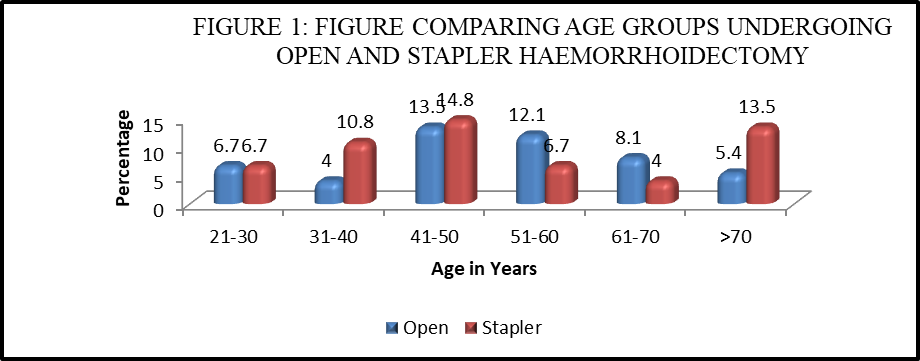
TABLE 2: COMPARISON ON THE BASIS OF GENDER UNDERGOING OPEN AND STAPLER HAEMORRHOIDECTOMY
|
Gender |
Open |
Stapler |
p-value |
||
|
N |
% |
N |
% |
||
|
Male |
20 |
27.02 |
23 |
31.08 |
0.4795 |
|
Female |
17 |
22.97 |
14 |
18.91 |
|
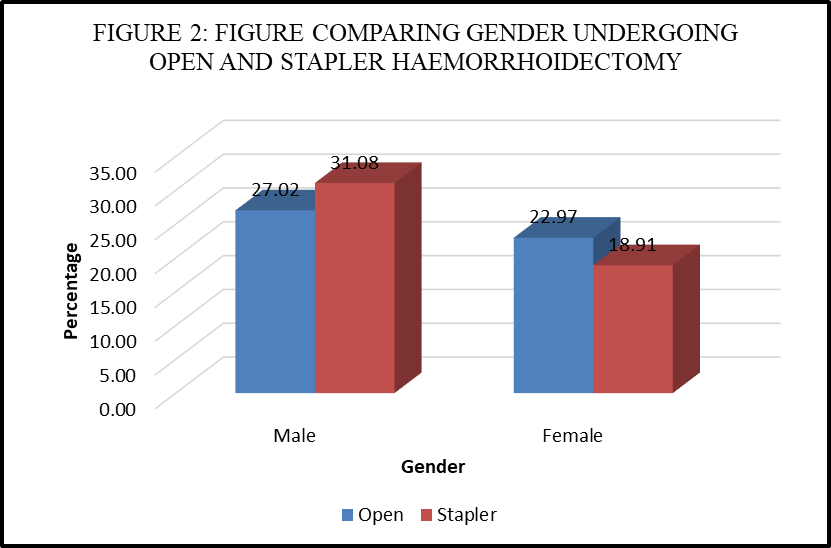
TABLE 3: COMPARISON ON THE BASIS OF GRADE OF HAEMORRHOIDS UNDERGOING OPEN AND STAPLED HAEMORRHOIDECTOMY
|
Grade |
Open |
Stapler |
p-value |
||
|
N |
% |
% |
|||
|
3 |
5 |
6.75 |
20 |
27.02 |
0.0006 |
|
4 |
32 |
43.24 |
17 |
22.97 |
|
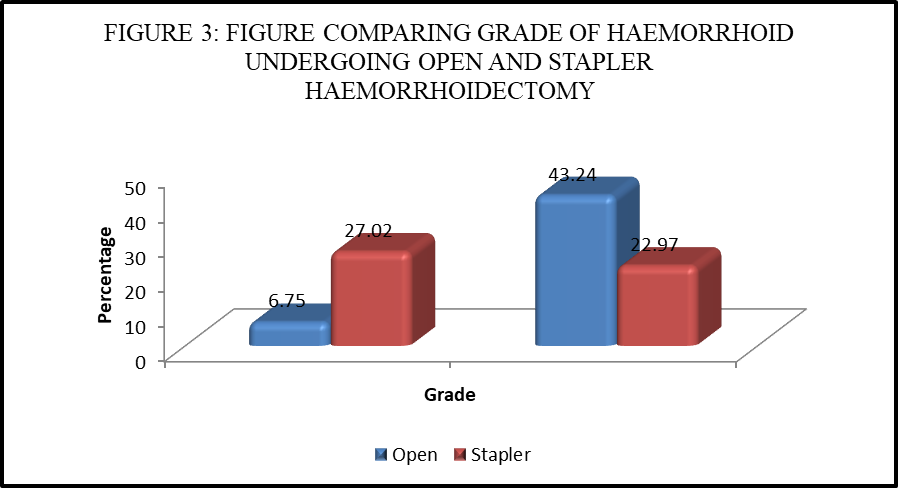
TABLE 4: COMPARISON ON THE BASIS OF DURATION OF HOSPITAL STAY
|
DURATION OF HOSPITAL STAY (in Days) |
Open |
Stapler |
p-value |
||
|
N |
% |
n |
% |
||
|
2 Days |
2 |
2.70 |
23 |
31.08 |
<0.0001 |
|
3 Days |
17 |
22.97 |
9 |
12.16 |
|
|
4 Days |
13 |
17.56 |
5 |
6.75 |
|
|
5 Days |
5 |
6.75 |
0 |
0.00 |
|
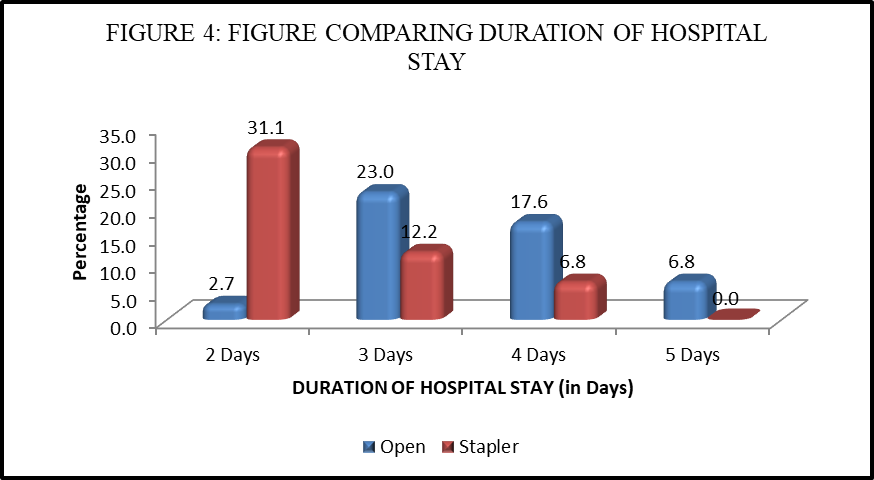
TABLE 5: COMPARISON OF IMMEDIATE AND EARLY POST OPERATIVE COMPLICATIONS
|
Complications |
Open |
Stapled |
||
|
Number |
Percentage |
Number |
Percentage |
|
|
Pain |
25 |
33.78 |
17 |
22.97 |
|
Bleeding |
14 |
18.91 |
7 |
9.45 |
|
Wound infection |
16 |
21.62 |
5 |
6.75 |
|
Urinary retention |
7 |
9.45 |
3 |
4.05 |
|
Incontinence |
2 |
2.70 |
0 |
0 |
|
Stenosis |
1 |
1.35 |
0 |
0 |
|
None |
0 |
0 |
17 |
22.97 |
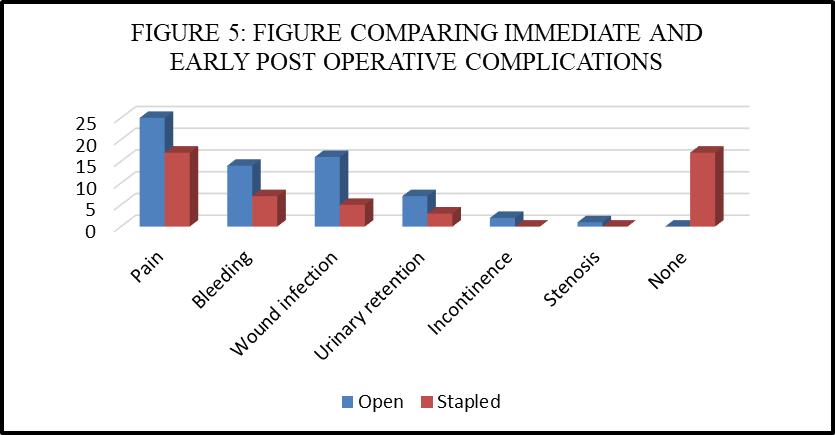
TABLE 6 COMPARISON BETWEEN THE TWO GROUPS RETURNING TO WORK:
|
Return to work |
Open |
Stapled |
p-value |
|
<7 |
12 |
24 |
0.0193 |
|
7 to 14 days |
20 |
11 |
|
|
>14 |
5 |
2 |
DISCUSSION:
Age and Gender Preferences
Among patients aged 41-50 years, 14.8% opted for stapled haemorrhoidectomy, while 13.5% choose open haemorrhoidectomy. Similarly, in the 31-40 age group, more patients (10.8%) preferred the stapled procedure.
In terms of gender distribution, 31.08% of males and 18.91% of females underwent stapled haemorrhoidectomy, whereas 27.02% of males and 22.97% of females underwent open haemorrhoidectomy. This suggests that younger patients and a slightly higher proportion of males preferred the stapled procedure.
Grade of Haemorrhoids and Procedure Choice
Stapled haemorrhoidectomy was more commonly chosen for grade 3 haemorrhoids (27.02%) compared to open haemorrhoidectomy (6.75%). Conversely, open haemorrhoidectomy was more common among patients with grade 4 haemorrhoids (43.24%), compared to stapled haemorrhoidectomy (22.97%). This indicates that stapled haemorrhoidectomy is preferred for less severe cases, whereas open haemorrhoidectomy is chosen for more advanced haemorrhoids.
Duration of Hospital Stay
A significant proportion of patients undergoing stapled haemorrhoidectomy (31.08%) were discharged within 2 days, while most patients undergoing open haemorrhoidectomy (22.97%) had a hospital stay of 3 days. The longer hospital stay in open haemorrhoidectomy cases may be attributed to increased post-operative pain and complications.
Post-Operative Complications
Post-operative pain, bleeding, and wound infections were more common in the open haemorrhoidectomy group (33.78%, 18.91%, and 21.62%, respectively) compared to the stapled haemorrhoidectomy group (22.97%, 9.45%, and 6.75%, respectively). Additionally, incontinence and stenosis were reported only in the open haemorrhoidectomy group44. Notably, 22.97% of patients undergoing stapled haemorrhoidectomy experienced no complications, whereas all patients who underwent open haemorrhoidectomy had at least one complication. These findings highlight the superior safety profile of stapled haemorrhoidectomy in terms of post-operative morbidity.
Return to Work
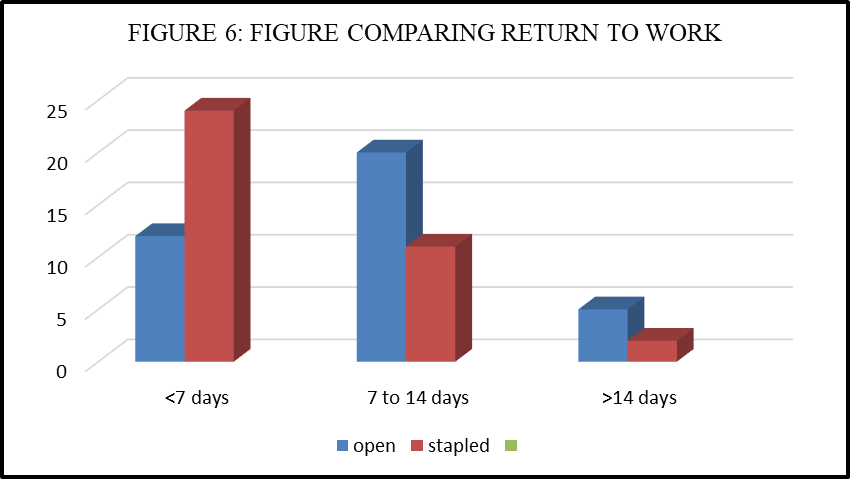
Patients who underwent stapled haemorrhoidectomy had a faster return to work, with 24 patients resuming work within 7 days compared to only 12 in the open haemorrhoidectomy group. In contrast, 20 patients in the open group took 7-14 days to recover, whereas only 11 in the stapled group required this duration. This suggests that stapled haemorrhoidectomy allows for a quicker return to daily activities, further supporting its advantages.
SUMMARY:
The study compared the outcomes of open haemorrhoidectomy versus stapled haemorrhoidectomy which is based on the criteria of age, gender, grading of haemorrhoids, duration of hospital stay, post-operative complications, and return to work post operatively.
In our study it was seen that the maximum of participants were in the age group of 41-50 years (28.38%), with males constituting 58.11% of the total of the study participants. The study shows that majority of the patients presented with grade 4 haemorrhoids49 (66.22%), which suggested a delay in seeking treatment after developing symptoms. In the study it was seen that the average duration of hospital stay was within 3 days, but the study participants undergoing stapled haemorrhoidectomy had a shorter duration of hospital stay as compared to open haemorrhoidectomy.
The most common post operative complication was pain which affected 56.75% of the total study participants in which higher pain scores were observed in participants undergoing open haemorrhoidectomy. The various different complications such as bleeding, wound infection, and urinary retention were also present more in the study participants undergoing open haemorrhoidectomy. It was seen that Stapled haemorrhoidectomy had showed better outcomes in terms of reduced pain, shorter hospital stay along-with very few post operative complications. It was also seen that the study participants who underwent stapled haemorrhoidectomy had a faster return to work, with 24 participants resuming work within 7 days as compared to only 12 study participants undergoing open haemorrhoidectomy.
Our study thus showed that stapled haemorrhoidectomy had proved to be superior in terms of early recovery and reduced post-operative complications, making it a preferable choice for patients with haemorrhoids.
CONCLUSION:
Our study which compared open haemorrhoidectomy to stapled haemorrhoidectomy in management of haemorrhoids showed that stapled haemorrhoidectomy is linked to fewer complications, shorter duration of hospital stays, decreased post-operative pain along-with a quicker return to work. The results concluded are consistent with previous other studies and implies that the severity of the disease, the patient's preferences, and the anticipated recovery after surgery should all be taken into consideration when choosing a treatment procedure in the management of haemorrhoids. But in terms of immediate post operative complications or recovery periods it was found that stapled haemorrhoidectomy was better than open haemorrhoidectomy.
The only significant drawback of the study was that long term recurrences following both the procedures could not be factored in due to the one year study period.
LIMITATIONS
• Small sample size
• Short follow up duration
• Single centre study
REFERENCES:
1. Ellesmore S, Windsor ACJ. Surgical History of Haemorrhoids. In: Khubchandani I, Paonessa N, Azimuddin K, editors. Surgical Treatment of Hemorrhoids [Internet]. London: Springer London; 2009 [cited 2025 Mar 8]. p. 1–5.
2. Graney MJ, Graney CM. Colorectal surgery from antiquity to the modern era. Dis Colon Rectum. 1980;23(6):432–41.
3. Johanson JF, Sonnenberg A. The prevalence of hemorrhoids and chronic constipation: an epidemiologic study. Gastroenterology. 1990;98(2):380–6.
4. Riss S, Weiser FA, Schwameis K, Riss T, Mittlböck M, Steiner G, et al. The prevalence of hemorrhoids in adults. Int J Colorectal Dis. 2012 Feb;27(2):215–20.
5. Lohsiriwat V. Hemorrhoids: from basic pathophysiology to clinical management. World J Gastroenterol WJG. 2012;18(17):2009.
6. Goenka MK, Kochhar R, Nagi B, Mehta SK. Rectosigmoid varices and other mucosal changes in patients with portal hypertension. Am J Gastroenterol Springer Nat [Internet]. 1991 [cited 2025 Mar 9];86(9).
7. Thomson WHF. The nature of haemorrhoids. J Br Surg. 1975 Jul 1;62(7):542–52.
8. Thomson WHF. The Nature and Cause of Haemorrhoids. Proc R Soc Med. 1975 Sep;68(9):574–5.
9. Lunniss PJ, Mann CV. Classification of internal haemorrhoids: a discussion paper. Colorectal Dis. 2004 Jul;6(4):226–32.
10. Committee CP, Association AG. American Gastroenterological Association medical position statement: Diagnosis and treatment of hemorrhoids. Gastroenterology. 2004;126(5):1461–2.