COMPARISON BETWEEN EFFECT OF BOLUS DOSES OF EPHEDRINE, MEPHENTERMINE AND PHENYLEPHRINE FOR THE MANAGEMENT OF HYPOTENSION IN SPINAL ANAESTHESIA FOR CAESAREAN SECTION – A PROSPECTIVE OBSERVATIONAL ANALYTICAL STUDY
- Kaustubh Mani , Senior Resident, Department of Anaesthesiology, North Bengal Medical College and Hospital, Darjeeling.
- Shrutama Haldar. , Junior Resident, Department of Anaesthesiology, North Bengal Medical College and Hospital, Darjeeling.
- Tarapada Das , Assistant Professor, Department of Anaesthesiology, North Bengal Medical College and Hospital, Darjeeling.
Article Information:
Abstract:
Background: Ephedrine, Mephentermine and Phenylephrine are used for the management of hypotension in spinal anaesthesia for caesarean section. We have observed the hemodynamic variations (mother), umbilical artery blood pH variations (neonates) among these drugs and to ascertain if there is superiority of one drug over others. Method: A prospective observational analytical study involving 189 primigravida females undergoing elective LSCS was conducted. Patients were divided into Group E, M and P (each 63 patients). On developing hypotension, Group E received inj. Ephedrine 6 mg i.v. bolus, Group M received inj. Mephentermine 6 mg i.v. bolus and Group P received inj. Phenylephrine 100 mcg i.v. bolus. Umbilical artery blood sample of the newborn was taken for ABG. Result: Demographic and hemodynamic parameters were comparable. Mean bolus doses given to manage hypotension were significantly less in phenylephrine group. Mean SBP and mean DBP were significantly higher and more stable in phenylephrine group. Mean HR was less in phenylephrine group. Mean umbilical artery pH of newborns was less in Ephedrine group followed by Mephentermine group and then by Phenylephrine group. Conclusion: Phenylephrine is a better agent as it has early peak, lesser number of bolus dose and more sustained effect on blood pressure without any significant adverse effects on the mother and foetus in comparison to the other two drugs.
Keywords:
Article :
INTRODUCTION:
Anaesthesia to a parturient is unique and requires highest degree of care because the anaesthesiologist must look after two individuals, the mother and foetus. Spinal Anaesthesia is by far the most common method of anaesthesia for elective and emergency caesarean sections. Intra operative hypotension following spinal anaesthesia for Caesarean section is associated with maternal morbidity and mortality. Because of inconsistent definitions the reported incidence of hypotension varies between 7% and 74% [1]. In elective caesarean section under spinal anaesthesia hypotension has been reported in as many as 85% of patients [2].
Hypotension caused can produce various effects on both mother and neonate. These effects include decreased utero placental blood flow, impaired foetal oxygenation with hypoxial stress and foetal acidosis and maternal symptoms of decreased organ perfusion such as nausea, vomiting, dizziness, bradycardia, and decreased consciousness. Therefore, there has been much attention in the literature or the methods of preventing and treating hypotension in obstetric anaesthesia like careful positioning with left uterine displacement, volume preloading with crystalloids or colloids has been used to prevent it; but these are not complete measures, and vasopressor is required to treat hypotension quickly. Vasopressors, causing an increase in systemic vascular resistance (SVR) and mean arterial pressures (MAP), have traditionally been used for the management and prevention of central neuraxial block-induced hypotension with variable success [3]. Vasopressors like Ephedrine, Mephentermine, Phenylephrine, Metaraminol and Methoxamine are being used for treating the hypotension [4,5].
In this study we compared the efficacy of Ephedrine, Mephentermine and Phenylephrine in treating the hypotension on spinal anaesthesia for caesarean section and their undesirable side effects. We have also tried to ascertain if one drug is superior to others.
MATERIALS AND METHODS:
A prospective observational analytical study was done on parturients undergoing elective caesarean section over a period of one year in North Bengal Medical College and Hospital (NBMC&H) based on following inclusion and exclusion criteria.
Inclusion criteria:
• Age- 18 – 35 years
• ASA I & II grade physical status
• Singleton full term pregnancy
• Elective LSCS
• Patients who have signed a formal consent beforehand
Exclusion criteria:
• Unwilling patients
• Allergy to assigned drugs
• Age > 35 years
• Spinal cord deformity
• Known hypertensive, including PIH, Patients on antihypertensive drugs, MgSO4 therapy
• Patients with h/o Bleeding diathesis
• Patients with significant stenotic valvular cardiac lesions
• Multiple Gestation
• Obese (>90 kg)
• Short stature (<140 cm)
Patients were selected after considering both the inclusion and exclusion criteria. Procedure was explained to the participants, and a written informed consent was obtained from each participant. 189 consenting adult female patients aged 18-35 years were included in our study protocol and were divided into three (3) equal groups, namely; Ephedrine ‘E’ (63 patients), Mephentermine ‘M’ (63 patients) and Phenylephrine ‘P’ (63 patients) as first come first priority basis. Pre-anaesthetic evaluation was performed in each patient and standard anaesthesia monitoring was started. In the operating room, the patients were asked about the fasting time
preoperatively. All montiors, including pulse oximetry, NIBP, ECG were attached. After securing i.v. line with 18-G venous cannula, Ringer Lactate (15ml/kg) was infused over 20 minutes. All the patients were uniformly pre-medicated with inj. Ranitidine 50 mg slow i.v., inj. Ondensteron 4 mg i.v. The parturient was placed in sitting position. Skin over the back was prepared with antiseptic solution and draped. Spinal anaesthesia was given in L3-L4 intervertebral space through a midline approach after local infiltration 1.0 ml of 1% Xylocaine with Adrenaline. After verifying the free flow of cerebrospinal fluid, 2.2 cc of 0.5% Heavy Bupivacaine was administered intrathecally with cephalic orientation of the bevel end of spinal needle aseptically. The patients were then placed in supine position with left uterine displacement and oxygen was administered at a rate of 6 L/min by a face mask to all the patients. The end of injection time was marked as time Zero. inj. Oxytocin 10 IU i.v. was given after clamping the cords and repeated 10 IU when required. The patients were administered Ringer’s Lactate intravenously at a rate of 20ml/kg/hr throughout the surgery.
After patient positioning, heart rate, systolic blood pressure & diastolic blood pressure were monitored. Before administration of anaesthesia, these values were taken as baseline value. The same parameters were monitored every two minutes for first ten minutes and then recorded for every five minutes till the end of surgery and then every twenty minutes for one hour post operatively. Whenever Hypotension (Fall in Systolic BP > 20 % from baseline value or systolic BP < 90 mm Hg [6] ) occurred, the study drugs were given as i.v. bolus.
a) Group ‘E’ received Inj. Ephedrine 6 mg i.v. bolus on developing hypotension.
b) Group ‘M’ received Inj. Mephentermine 6 mg i.v. bolus on developing hypotension.
c) Group ‘P’ received Inj. Phenylephrine 100 microgram i.v. bolus on developing hypotension.
The time of onset of hypotension after subarachnoid block, lowest systolic BP was recorded, total number of boluses and total mg of vasopressor used were recorded. The time of onset of bradycardia (HR < 60 / min) was noted and treated with Inj. Atropine 0.6 mg IV bolus. The highest level of sensory block was assessed by pinprick method 5 min after subarachnoid block. The subarachnoid block-delivery interval was recorded. Neonatal outcome was assessed by the paediatrician by APGAR score at first and fifth minute. Umbilical artery pH of the neonate was also noted. Collected data were checked for consistency and completeness. Data were entered into MS Excel and analysed using the SPSS version 20. Descriptive analysis was done in the form of proportion for categorical variables, mean or median for continuous variables. Data were checked for normal distribution using tests for normality and Kruskal Wallis Test was performed accordingly. The difference between proportions was analyzed using Chi square test; p value of less than 0.05 was considered statistically significant.
RESULTS:
The following observations were made in 189 primigravida females undergoing LSCS, 63 in each group P, group E and group M in North Bengal Medical College & Hospital, Darjeeling from January 2023 to December 2023. Demographic data were noted and hemodynamic parameters were compared between three groups. Data obtained is presented as Mean ± Standard deviation.
Demographic Profile
Most of the study subjects were in the age group of 18-24 years and no significant difference was found in age distribution among the three groups (p value - 0.578). Most of the study subjects were having normal BMI (18.5 - 22.9), and no statistically significant difference was found in the distribution of BMI among the three groups (p value: 0.634).
Table 1: Distribution of study subjects according to systolic blood pressure (SBP) (mmHg)
|
SBP mean (SD) (mmHg) |
p value* |
|||
|
Ephedrine (n=63) |
Mephentermine (n=63) |
Phenylephrine (n=63) |
||
|
Baseline |
121.40 (6.17) |
119.33 (7.46) |
121.15 (7.3) |
0.197 |
|
2 |
123.84 (6.76) |
123.48 (5.68) |
124.80 (7.06) |
0.504 |
|
4 |
91.52 (5.30) |
93.98 (5.91) |
94.70 (10.05) |
0.050 |
|
6 |
100.49 (12.31) |
99.68 (11.25) |
111.94 (18.49) |
<0.001 |
|
8 |
101.83 (7.68) |
105.43 (6.5) |
118.30 (6.47) |
<0.001 |
|
10 |
106.48 (6.6) |
106.73 (4.61) |
110.09 (5.52) |
<0.001 |
|
15 |
115.63 (5.58) |
112.16 (5.74) |
117.48 (9.35) |
<0.001 |
|
20 |
117 (7.49) |
114.38 (5.35) |
119.79 (5.66) |
<0.001 |
|
25 |
115.51 (6.77) |
110.87 (6.11) |
118.60 (7.09) |
<0.001 |
|
30 |
116.76 (5.11) |
112.81 (4.98) |
118.71 (7.10) |
<0.001 |
|
35 |
112.59 (6.6) |
115.65 (5.41) |
117.35 (5.78) |
<0.001 |
|
40 |
116.38 (7.54) |
113.76 (6.35) |
118.22 (7.7) |
0.002 |
Table 1 & Figure 1 shows that after giving the vasopressor in respective groups, the mean systolic blood pressure was higher and more stable among the phenylephrine group than the other two groups of patients, which was statistically significant.
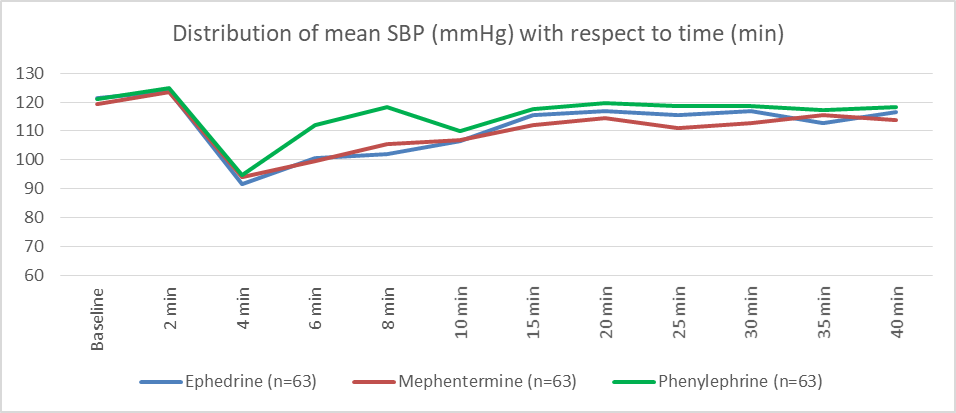
Figure 1: Distribution of study subjects according to mean systolic blood pressure (SBP) (mmHg)
Table 2: Distribution of study subjects according to Diastolic blood pressure (DBP) (mmHg)
|
Timeline (min) |
DBP mean (SD) (mmHg) |
p value* |
||
|
Ephedrine (n=63) |
Mephentermine (n=63) |
Phenylephrine (n=63) |
||
|
Baseline |
80.00 (4.68) |
80.56 (4.96) |
80.25 (4.81) |
0.808 |
|
2 |
82.65 (5.94) |
81.29 (5.23) |
81.37 (3.89) |
0.245 |
|
4 |
50.27 (6.75) |
50.37 (9.32) |
52.71 (8.2) |
0.167 |
|
6 |
62.33 (15.53) |
55.16 (13.34) |
71.59 (17.64) |
<0.001 |
|
8 |
62.49 (14.29) |
65.52 (11.86) |
73.87 (7.22) |
<0.001 |
|
10 |
67.98 (11.9) |
68.52 (10.39) |
73.20 (10.26) |
0.013 |
|
15 |
73.19 (7.22) |
71.87 (5.45) |
75.07 (7.74) |
0.033 |
|
20 |
74.02 (7) |
72.38 (4.42) |
75.10 (5.86) |
0.034 |
|
25 |
70.95 (7.5) |
71.94 (3.69) |
73.71 (6) |
0.032 |
|
30 |
75.13 (4.67) |
72.90 (4.19) |
75.29 (6.55) |
0.018 |
|
35 |
74.10 (5.21) |
72.52 (5.93) |
74.90 (5.65) |
0.049 |
|
40 |
72.14 (4.68) |
73.08 (4.53) |
75.38 (5.45) |
<0.001 |
Table 2 & Figure 2 shows that after administration of the vasopressor in respective groups, the mean diastolic blood pressure was higher and more stable among the phenylephrine group than the other two groups of patients, which was statistically significant.
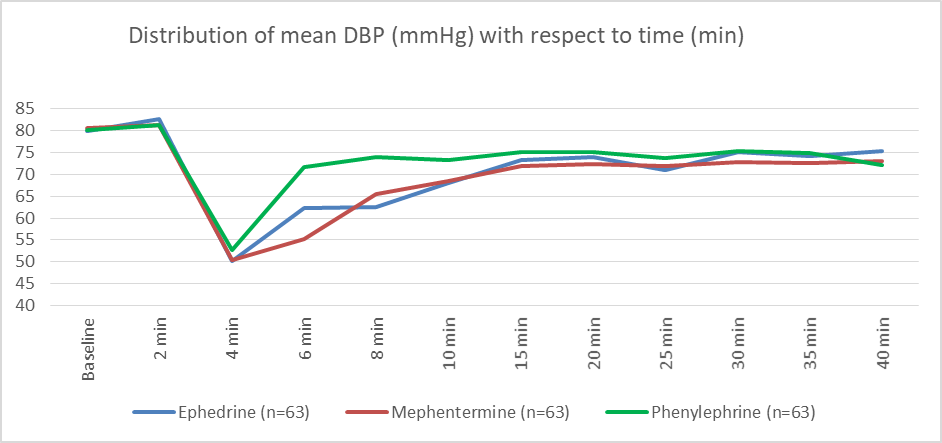
Figure 2: Distribution of study subjects according to mean Diastolic blood pressure (DBP) (mmHg)
Table 3: Distribution of study subjects according to heart rate (bpm)
|
Timeline (min) |
Heart rate mean (SD) |
p value* |
||
|
Ephedrine (n=63) |
Mephentermine (n=63) |
Phenylephrine (n=63) |
||
|
Baseline |
86.94 (11.26) |
84.44 (13.91) |
85.25 (2.82) |
0.496 |
|
2 |
99.35 (15.65) |
98.38 (13.73) |
98.17 (14.32) |
0.762 |
|
4 |
98.16 (12.94) |
96.03 (8.87) |
101.83 (15) |
0.083 |
|
6 |
100.41 (14.35) |
96.49 (10.32) |
95.42 (9.63) |
0.004 |
|
8 |
103.37 (12.57) |
95.76 (10.15) |
92.44 (9.9) |
<0.001 |
|
10 |
101.44 (10.67) |
97.37 (14.89) |
89.63 (8.76) |
<0.001 |
|
15 |
96.63 (15.96) |
96.46 (12.76) |
85.79 (5.82) |
<0.001 |
|
20 |
96.03 (10.2) |
94.51 (17.71) |
86.35 (12.59) |
<0.001 |
|
25 |
98.33 (13.58) |
96.52 (16.12) |
84.37 (12.63) |
<0.001 |
|
30 |
96.78 (11.58) |
94 (15.26) |
83.49 (10.45) |
<0.001 |
|
35 |
94.59 (10.5) |
95.25 (14.7) |
83.60 (10.52) |
<0.001 |
|
40 |
94.57 (12.74) |
94.57 (12.61) |
82.38 (9.2) |
<0.001 |
Table 3 & Figure 3 shows that after administration of study drugs in each group, the mean Heart rate was less among the phenylephrine group than the other two groups of patients from 6 minutes onwards, which was also statistically significant.
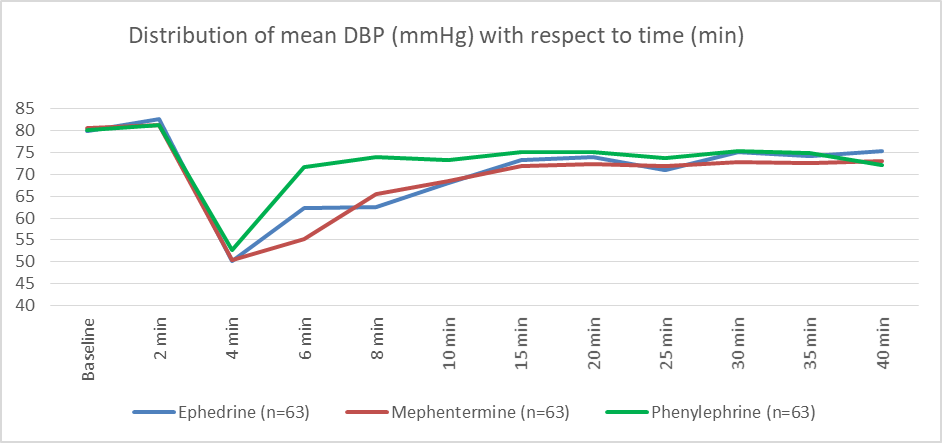
Figure 3: Distribution of study subjects according to mean heart rate.
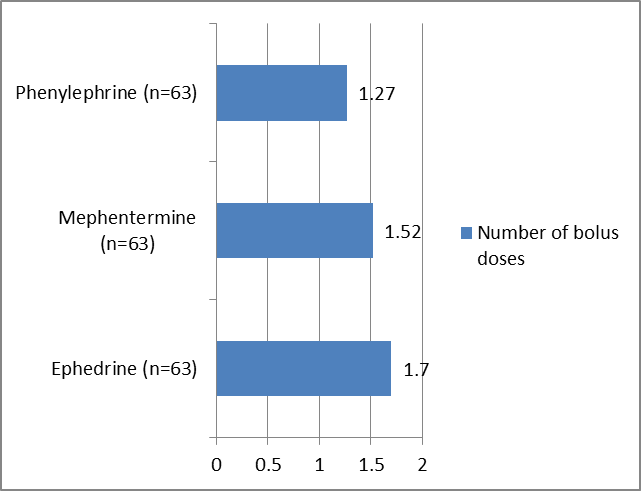
Figure 4: Distribution of mean number of bolus doses needed among the study subjects
Figure 4 shows that the mean number of bolus doses needed was less among the subjects in phenylephrine group than the other two groups, and it was statistically significant (p value-0.001)
Table 4: Distribution of study subjects according to Post-operative hemodynamic parameters
|
Timeline (minutes) |
Heart rate mean (SD) |
p value* |
||
|
Ephedrine (n=63) |
Mephentermine (n=63) |
Phenylephrine (n=63) |
||
|
20 |
84.19 (8.41) |
91.30 (12.27) |
83.94 (8.44) |
<0.001 |
|
40 |
82.16 (8.57) |
90.86 (10.11) |
81.38 (4.87) |
<0.001 |
|
60 |
81.33 (7.63) |
89.84 (9.43) |
81.62 (9.7) |
<0.001 |
|
|
SBP mean (SD) |
|
||
|
20 |
119.35 (7.82) |
114.52 (5.44) |
117.97 (6.1) |
<0.001 |
|
40 |
118.48 (4.85) |
113.63 (4.95) |
119.78 (7.54) |
<0.001 |
|
60 |
117.38 (5.41) |
115.49 (5.16) |
116.78 (5.84) |
0.174 |
|
|
DBP mean (SD) |
|
||
|
20 |
74.62 (5.41) |
72.41 (5.85) |
74.84 (3.87) |
0.038 |
|
40 |
71.14 (5.34) |
71.19 (4.26) |
72.40 (5.91) |
0.169 |
|
60 |
72.90 (5.67) |
72.41 (5.5) |
72.97 (4.87) |
0.833 |
Table 4 shows that hemodynamic parameters were found to be significantly stable among Phenylephrine group in the post operative period. Mean heart rate was less in Phenylephrine group in the post operative period for up to 60 min which was statistically significant. The mean SBP was higher and more stable in Phenylephrine group and was statistically significant for up to 40 minutes in the post operative period. Mean diastolic BP was higher and significant at 20 minutes postoperatively. Mean MAP was higher and significant for up to 40 minutes in the post operative period.
Table 5: Distribution of study subjects according to adverse effects
|
Adverse effects |
Ephedrine (%) (n=63) |
Mephentermine (%) (n=63) |
Phenylephrine (%) (n=63) |
p value* |
|
Bradycardia |
|
0.250 |
||
|
No |
56 (88.9) |
58 (92.1) |
52 (82.5) |
|
|
Yes |
7 (11.1) |
5 (7.9) |
11 (17.5) |
|
|
Tachycardia |
|
0.603 |
||
|
No |
62 (98.4) |
63 (100) |
62 (98.4) |
|
|
Yes |
1 (1.6) |
- |
1 (1.6) |
|
|
Hypertension |
|
0.132 |
||
|
No |
63 (100) |
63 (100) |
61 (96.8) |
|
|
Yes |
- |
- |
2 (3.2) |
|
|
Nausea&vomiting |
|
0.001 |
||
|
No |
34 (54) |
51 (81) |
56(88.9) |
|
|
Yes |
29 (46) |
12(19) |
7 (11.1) |
|
Table 5 shows that the difference in proportions of subject with Bradycardia, Tachycardia and Hypertension was not statistically significant among the groups. Nausea and vomiting was found to be highest among Ephedrine group followed by Mephentermine group and then Phenylephrine group, which was statistically significant (p value-0.001).
Table 6: Distribution of neonates of study subjects according to APGAR score
|
Time |
Mean APGAR score (SD) |
p value* |
||
|
Ephedrine (n=63) |
Mephentermine (n=63) |
Phenylephrine (n=63) |
||
|
1minute |
6.92 (0.27) |
6.95 (0.21) |
6.92 (0.27) |
0.720 |
|
5minute |
7.92 (0.27) |
7.95 (0.21) |
7.92 (0.27) |
0.720 |
*Kruskal Wallis test
Table 6 shows that the difference in APGAR score in both 1 and 5 minute was not statistically significant among the children of the three groups
DISCUSSION:
Caesarean Section is one of the common operations which has been recorded in history, anaesthesia for caesarean section is given for more than 100 years and is not devoid of controversies. Amidst this chaos, regional anaesthesia especially spinal anaesthesia proved to be the most preferred [7]. Hypotension is the commonest serious problem which is encountered with spinal anaesthesia endangering both the mother and the neonate [8]. The present study aimed to compare between effect of bolus doses of Ephedrine, Mephentermine and Phenylephrine for the management of hypotension in spinal anaesthesia for caesarean section in a tertiary care hospital of Eastern India. In our study, block height achieved upto T4 level (p value: 0.183), time to develop hypotension from subarachnoid block (p value: 0.682) and mean time of delivery from the onset of subarachnoid block (p value: 0.835) were comparable between the three groups. The difference in mean baseline parameters like systolic blood pressure, diastolic blood pressure and heart rate was not statistically significant. (Table 1,2,3; figure 1,2,3).From Table 1 and Figure 1, we can see that the mean systolic blood pressure was higher and more stable among the phenylephrine group than other two groups of patients which was statistically significant 6 minutes after starting of administration of the study drugs till the end of the surgery. This result is similar to the study by Sahu et al[6] in which they showed that on inter group comparison rise of systolic blood pressure at 2,4 and 6 min post study drugs were less in ephedrine group as compared to phenylephrine group (p<0.001). Cooper et al [9] noted that the lowest systolic arterial pressure recorded was higher in the phenylephrine group than in the ephedrine group. Madhusudhana et al [10] they reported that there was significant rise in blood pressure after administration of phenylephrine. Hemant Sharma et al [11] and Sahu et al [6], both found that all the three vasopressor effectively maintained arterial pressure within 20% limit of baseline value though phenylephrine maintained better in the first 6 minutes of bolus doses as compared to ephedrine and mephentermine.
Table 2 shows that the mean diastolic blood pressure was higher and more stable among the phenylephrine group than the other two groups of patients which was statistically significant. Sushree Das et al [10] also noted that there was also significant rise of diastolic blood pressure post administration of the drug but rise was more in phenylephrine group than in ephedrine and mephentermine group. Hemant Sharma et al [11] also noted that diastolic BP increased in all the three groups but increase was significant only at 1st min after the bolus vasopressor was given, showing that phenylephrine produced immediate effect. Sahu et al [6] reported that diastolic blood pressure at 6 min was significantly less in ephedrine than the phenylephrine group (p<0.05). Table 3 and figure 3 showed that after administration of study drugs, the heart rate was lower in the phenylephrine group up to 40 min intraoperatively and it was a statistically significant. This is due to the effect of phenylephrine which increases peripheral vascular resistance and causes reflex decrease in the heart rate than other two drugs. Cooper et al [9] also noted in their study that mean heart rate was higher in ephedrine group. Mahajan et al [12] noted in their study that phenylephrine group showed significant reduction in the heart rate when compared with ephedrine and mephentermine groups and responded to atropine boluses without any other significant complications. Hemant et al [11] showed that cardiovascular stability was better with phenylephrine. It caused significant reduction in the heart rate after bolus dose, which was a consistent effect in phenylephrine treated woman. Madhusudhana et al [10] noted in their study that post drug administration there was significant drop in heart rate in phenylephrine group as compared to ephedrine and mephentermine group. These results were similar to our study results. From table 4, mean heart rate remained significantly less for the first 40 minutes post operatively and then started to increase in the group P, as compared with group E and group M which showed a decreasing trend. The systolic blood pressure remained significantly stable in first 40 minutes in group P when compared with group E and group M in the post operative period. The diastolic blood pressure did not change significantly among the three groups after 20 minutes in the post operative period. Table 5 shows that the difference in proportions of subjects side effects. Intraoperative bradycardia was treated with atropine 0.6 mg i.v. The increased incidence of bradycardia in phenylephrine group is because as it lacks the beta adrenergic action. Thomas D.G. et al [13] reported a high (58%) incidence of bradycardia (heart rate less than 60 beats /min) when phenylephrine was given as IV bolus after induction of spinal anaesthesia. Hemant Sharma et al [11] noticed in their study that phenylephrine caused reflex bradycardia which may be desirable in patients with cardiac disease and also whenever tachycardia is undesirable. Nausea and vomiting was found to be higher among group E followed by group M and least in group P, which was statistically significant (p value-0.001). Maternal nausea and vomiting is a major problem during spinal anaesthesia given for caesarean section. Increase in vagal tone has been attributed to the increased incidence of nausea and vomiting during spinal anaesthesia [14]. Cooper et al [9] noted in their study that nausea and vomiting scores were increased in ephedrine group and were lower in phenylephrine group, partly due to increase in vagal tone. Spinal anaesthesia causes reduction in preload due to peripheral pooling of blood which can cause reflex increase in vagal tone, and thus nausea and vomiting.
The chances of this reflex increase in vagal tone are less with Phenylephrine and thus less incidence of nausea and vomiting [9]. Table 6 shows no statistically significant difference in APGAR score in both 1 and 5 minute. Figure 5 shows that pH is significantly lower among the patients of Ephedrine group (p value- 0.001).Cooper et al [9] found that the incidence of foetal acidosis at caesarean delivery under spinal anaesthesia was reduced by giving phenylephrine, alone, or in combination with ephedrine. They emphasized that increased foetal metabolic rate, secondary to ephedrine- induced - adrenergic stimulation, was the most likely mechanism for the increased incidence of foetal acidosis in the ephedrine group. Mahajan et al [12] noted that neonatal outcome assessed by Apgar score and umbilical cord blood gas analysis were acceptable in all the three groups but the pH values were significantly higher in the phenylephrine group when compared with ephedrine and mephentermine. Evidence support that APGAR scores is a better predictor of neonatal outcome than measurement of umbilical artery pH [15]. Ngan Kee et al [16] reported in their study about the umbilical arterial pH that overall phenylephrine has more favourable net effect.
CONCLUSION:
We found that all the three vasopressors namely Ephedrine, Mephentermine and Phenylephrine are effective as IV bolus form for maintenance of maternal blood pressure during spinal anaesthesia in caesarean section. Phenylephrine had quicker peak and more sustained effect on maintaining blood pressure, in comparison to Ephedrine and Mephentermine groups, though the incidence of bradycardia is higher in Phenylephrine group as compared to the other two drugs, which may be advantageous in patients in whom tachycardia is undesirable or in patients with cardiac diseases. All the three vasopressors had no significant adverse effects on neonatal outcome though, in Ephedrine group the umbilical artery pH was significantly lower than the other two groups but study showed that APGAR score was a better predictor of neonatal outcome than umbilical artery pH. The incidence of nausea and vomiting was highest in ephedrine group followed by phenylephrine and lowest in mephentermine group. In conclusion, Phenylephrine is a better agent in treating hypotension during spinal anaesthesia for caesarean section as it has early peak, less number of bolus dose and more sustained effect on blood pressure without any significant adverse effects on the mother and foetus in comparison to the other two drugs.
LIMITATIONS
Our study was not without limitations. The main limitation of the present study was the small sample size of patients. The study was conducted in only one tertiary care institution, which caters to a specific population of northern part of West Bengal. Therefore, the findings of the present study have limited generalizability on to a larger population. A future study preferably a Randomised Controlled Trial involving patients from multiple institutes can provide more generalizable and robust data on the topic.
REFERENCES:
1. Klöhr S, Roth R, Hofmann T, Rossaint R, Heesen M. Definitions of hypotension after spinal anaesthesia for caesarean section: literature search and application to parturients. Acta Anaesthesiol Scand. 2010;54:909–21.
2. Riley ET, Cohen SE, Rubenstein AJ, Flanagan B. Prevention of hypotension after spinal anesthesia for cesarean section: six percent hetastarch versus lactated Ringer's solution. Anesth Analg. 1995;81(4):838-42.
3. Bangash MN, Kong ML, Pearse RM. Use of inotropes and vasopressor agents in critically ill patients. Br J pharmacol.2072; 165:2015-33.
4. Jackson R, Reid JA, Thorburn J-Volume preloading is not essential to prevent spinal induced hypotension at cesarean section, British Journal of anesthesia 1995; 75:262- 65.
5. Karinen J, Rasonen J, Alahutta S, Joupilla R-Effect of crystalloid and colloid preloading on uteroplacental and maternal hemodynamic state during spinal anesthesia for caesarean section, British Journal of anesthesia 1998;75:531-35.
6. Sahu D, Kothari D, Mehrotra A. Comparison of bolus phenylephrine, ephedrine and mephentermine for maintenance of arterial pressure during spinal anaesthesia in caesarean section-A clinical study. Indian J Anaesth. 2003; 47(2): 125-8.
7. Reynolds F, Seed PT. Anaesthesia for caesarean section and neonatal acid base status : A meta analysis. Anaesthesia 2005;60:636-653
8. Chan WS, Irwin MG, Tong WN, Lam YH. Prevention of hypotension during spinal anesthesia for caesarean section : ephedrine infusion versus fluid preload. Anaesthesia 1997;52:908-913.
9. Cooper DW, Carpenter M, Mowbray P, Desira WR, Ryall DM, Kokri MS. Fetal and maternal effects of phenylephrine and ephedrine during spinal anesthesia for cesarean delivery. Anesthesiology 2002;97: 1582–90.
10. Madhusudhana, R.. (2015). A Comparative Study of Phenylephrine, Ephedrine and Mephentermine for Maintainance of Arterial Pressure during Spinal Anaesthesia in Caesarean Section.. IOSR Journal of Dental and Medical Sciences. 13. 80-85.
11. A Comparative Study Of Bolus Phenylephrine, Ephedrine And Mephentermine For Maintenance Of Arterial Pressure During Spinal Anaesthesia In Caesarean Section. European Journal of Molecular & Clinical Medicine, 2021; 8(4): 1744-52.
12. Mahajan L; Anand LK, Gombar KK. A Randomized Double-blinded Comparison of Ephedrine, Phenylephrine and Mephentermine Infusions to Maintain Blood Pressure During Spinal Anaesthesia for Cesarean Delivery: The Effects on Fetal Acid-base Status and Haemodynamic Control. Journal of Anaesthesiology Clinical Pharmacology. 2009;25:427–32.
13. Thomas DG, Robson SC, Redfern N, Hughes D, Boys RJ. Randomized trial of bolus phenylephrine or ephedrine for maintenance of arterial pressure during spinal anaesthesia for Caesarean section. Br. J. Anaesth 1996; 76: 61–65.
14. Ward RJ, Kennedy WF, Bonica JJ, Martin WE, Tolas AG, Akamatsu T: Experimental evaluation of atropine and vasopressors for the treatment of hypotension of high subarachnoid anesthesia. Anesth Analg 1966; 45:621–629
15. Casey BM, McIntire DD, Leveno KJ: The continuing value of the APGAR score for the assessment of newborn infants. N Engl J Med 2001; 344:467–71
16. Ngan Kee WD, Khaw KS, Lee BB, Lau TK, Gin T. A dose-response study of prophylactic intravenous ephedrine for the prevention of hypotension during spinal anesthesia for cesarean delivery. Anesth. Analg 2000; 90: 1390–95.