IMPACT OF LIFESTYLE MODIFICATIONS ON SERUM PROLACTIN AND THYROID-STIMULATING HORMONE LEVELS IN PATIENTS WITH NEWLY DIAGNOSED METABOLIC SYNDROME: AN OBSERVATIONAL STUDY.
- Himanshu Katare , Resident, Department of General Medicine, M.G.M. Medical College and M.Y. Hospital, Indore, Madhya Pradesh, India.
- Dharmendra Jhavar , Professor, Department of General Medicine, M.G.M. Medical College and M.Y. Hospital, Indore, Madhya Pradesh, India.
- Mahendra Chourasiya , Assistant Professor, Department of General Medicine, M.G.M. Medical College and M.Y. Hospital, Indore, Madhya Pradesh, India.
- Navish Meshram , Resident, Department of General Medicine, M.G.M. Medical College and M.Y. Hospital, Indore, Madhya Pradesh, India.
Article Information:
Abstract:
Background: Metabolic syndrome (MetS) is a cluster of cardiometabolic risk factors associated with endocrine dysregulation, including elevated prolactin and thyroid-stimulating hormone (TSH) levels. This study assessed the impact of lifestyle modifications on serum prolactin and TSH in newly diagnosed MetS patients. Objectives: To assess the impact of lifestyle modification on serum prolactin and serum TSH levels in patients with newly diagnosed metabolic syndrome. Materials and Methods: This observational study included 175 patients aged 18–27 years with newly diagnosed metabolic syndrome. Baseline clinical, anthropometric, metabolic, and hormonal parameters were assessed, followed by lifestyle modification advice. Serum prolactin and TSH levels were reassessed after two months. Results: Significant improvements post-intervention included reduced BMI (p<0.001), waist circumference (p<0.001), FBS (p<0.001), triglycerides (p=0.015), and increased HDL (p<0.001). Prolactin decreased from baseline mean 13.2 ng/mL to 10.7ng/mL (p<0.001), and TSH from 4.45 mIU/L to 2.9mIU/L (p<0.001). Waist circumference predicted TSH change (β=0.22, p<0.001). Conclusion: The study highlights a significant association between endocrine parameters and metabolic risk factors in young adults with metabolic syndrome. Early lifestyle intervention leads to meaningful metabolic and hormonal improvements and may help reduce long-term cardiometabolic risk.
Keywords:
Article :
INTRODUCTION:
Rapid urbanization, sedentary lifestyles, and unhealthy dietary patterns have significantly contributed to the rising global burden of metabolic syndrome (MetS). Characterized by central obesity, dyslipidemia, hypertension, and impaired glucose metabolism, MetS is a major public health concern due to its strong association with cardiovascular disease and type 2 diabetes mellitus. Hormonal disturbances, particularly involving prolactin and thyroid-stimulating hormone (TSH), play an important role in its pathophysiology. Elevated prolactin levels are linked to insulin resistance, weight gain, and altered lipid metabolism, while both subclinical and overt thyroid dysfunction associated with abnormal TSH levels can exacerbate metabolic risk. Globally, the prevalence of MetS ranges from 12.5% to 31.4%, depending on diagnostic criteria and regional variations.1 Prolactin is a polypeptide hormone secreted primarily by lactotroph cells of the anterior pituitary, with minor extra-pituitary production in immune cells, adipose tissue, and the endometrium. Although classically involved in mammary gland development and lactation, prolactin exerts diverse biological effects. Over the past two decades, it has been shown to influence reproductive function, immune modulation, cardiovascular regulation, osmoregulation, and energy and metabolic homeostasis.2,3
Metabolic syndrome (MetS) comprises a cluster of metabolic abnormalities—including central obesity, hyperglycemia, dyslipidemia, and hypertension—that significantly increase the risk of cardiovascular disease, type 2 diabetes mellitus, and all-cause mortality. Its global prevalence is rising due to sedentary lifestyles, unhealthy dietary patterns, and genetic predisposition. Early identification and timely management are crucial to reduce long-term morbidity and mortality.4
Despite the rising global prevalence of metabolic syndrome and its well-established link with cardiovascular disease and type 2 diabetes, the role of hormonal factors—particularly prolactin and thyroid dysfunction—remains underexplored, especially in the Indian population. Emerging evidence suggests that alterations in prolactin and TSH levels may contribute to insulin resistance, obesity, and dyslipidemia, thereby influencing the development and severity of MetS.5 However, available data are limited and inconsistent. Therefore, this study is planned to evaluate the association between metabolic syndrome and hormonal parameters, aiming to improve early risk stratification and guide targeted preventive and therapeutic strategies.
RATIONALE
Metabolic syndrome is a growing public health problem in young individuals due to its strong association with obesity, insulin resistance, dyslipidaemia, and cardiovascular risk. Emerging evidence suggests that hormonal factors such as elevated serum prolactin and abnormal TSH levels contribute significantly to metabolic disturbances, yet Indian data on this association are scarce. Hence, this study is planned to evaluate serum prolactin and TSH levels in young patients with newly diagnosed metabolic syndrome and to assess changes following lifestyle modification.
MATERIALS AND METHODS:
Study design & setting: This prospective observational study was conducted in the Department of Medicine, M.G.M. Medical College and M.Y. Hospital, Indore, Madhya Pradesh, over a period of one year from 25 July 2024 to 24 July 2025.
Sample size: A minimum of 175 participants, selected consecutively during the study period.
Study population: Patients with newly diagnosed metabolic syndrome attending M.G.M. Medical College and M.Y. Hospital, Indore.
Inclusion Criteria
• Patients aged 18–60 years
• Newly diagnosed cases of metabolic syndrome based on NCEP ATP III/IDF criteria
• Patients willing to participate and provide informed consent
Exclusion Criteria
• Known cases of Thyroid disorders, Hyperprolactinemia or pituitary disorders or Chronic kidney or liver disease
• Patients on drugs affecting prolactin or thyroid levels
• Critically ill patients or Pregnant or lactating women
• Patients not willing to participate and not provide informed consent
Study procedure: Patients presenting with suggestive clinical features underwent detailed history taking and physical examination to assess risk factors and comorbidities. Baseline laboratory and relevant imaging investigations were performed to confirm the diagnosis of metabolic syndrome and exclude secondary causes. Once diagnostic criteria were fulfilled, hormonal evaluation was carried out, including serum prolactin levels to assess hyperprolactinemia and serum thyroid-stimulating hormone (TSH) levels to detect thyroid dysfunction. Following completion of investigations, patients were counselled regarding lifestyle modifications, including dietary changes, increased physical activity, weight management, and stress reduction, to improve metabolic health and prevent long-term complications.
Ethical status: Ethical approval was obtained from the Institutional Ethics Committee (IEC)
Statistical Analysis: Data were entered into Microsoft Excel and analyzed using SPSS software (version 26). Continuous variables expressed as mean ± standard deviation (SD). Categorical variables expressed as percentage (%). Paired t-test used to compare baseline and follow-up values. Pearson correlation/regression analysis used to assess associations. A p-value < 0.05 was considered statistically significant.
RESULTS:
The study included a total of 175 participants with the age of the participants ranged from 18 to 27 years (Table 1). Regarding sex distribution, the majority of participants were males, accounting for 149 individuals (85.14%), while females constituted 26 participants (14.86%) [Table: 1 & figure :1].
Baseline anthropometric assessment showed a mean height of 171.6 ± 6.8 cm and a mean body weight of 86.4 ± 7.9 kg. The mean body mass index was 28.58 ± 3.42 kg/m², indicating that most participants were in the overweight to obese category. The mean waist circumference was 110.8 ± 5.3 cm, reflecting a high prevalence of central obesity among the study population [Table 2].
Table 1: Age and gender distribution of study participants (n = 175)
|
|
Number (n) |
Percentage (%) |
|
|
Age group (years) |
17–22 |
46 |
26.3% |
|
23–27 |
129 |
73.7% |
|
|
Gender |
Male |
149 |
85.14% |
|
Female |
26 |
14.86% |
|
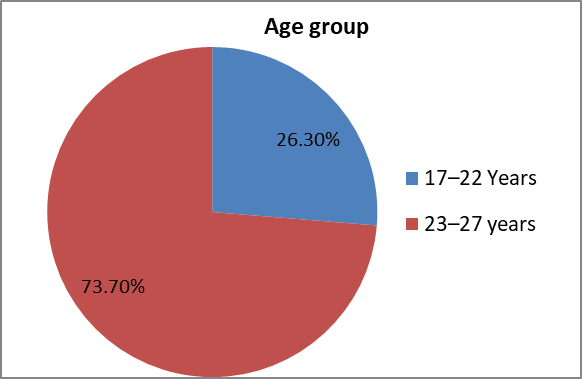
Figure 1: Distribution of Study Participants
Table 2: Baseline anthropometric parameters (n = 175)
|
Parameter |
Mean ± SD |
|
Height (cm) |
170 ± 4.03 |
|
Weight (kg) |
82.3 ± 5.65 |
|
Body mass index (kg/m²) |
28.6 ± 1.86 |
|
Waist circumference (cm) |
105 ± 1.85 |
Table 3: Baseline Clinical, Anthropometric, Biochemical, and Hormonal Parameters of Study Participants (n = 175)
|
Parameter |
Mean ± SD / Percentage (%) |
|
Anthropometric parameters |
|
|
Height (cm) |
170 ± 4.03 |
|
Weight (kg) |
82.3 ± 5.65 |
|
Body mass index (kg/m²) |
28.6 ± 1.86 |
|
Waist circumference (cm) |
105 ± 1.85 |
|
Blood pressure |
|
|
Systolic BP (mmHg) |
133.87 ± 5.18 |
|
Diastolic BP (mmHg) |
83.06 ± 2.50 |
|
Glycaemic status |
|
|
Fasting blood sugar (mg/dL) |
125.0 ± 11.0 |
|
Lipid profile |
|
|
Serum triglycerides (mg/dL) |
143.5 ± 36.2 |
|
Serum HDL cholesterol (mg/dL) |
35.4 ± 6.9 |
|
Hormonal parameters |
|
|
Serum prolactin (ng/mL) |
13.2 ± 3.16 |
|
Serum TSH (mIU/L) |
4.45 ± 1.07 |
|
Metabolic syndrome components |
|
|
Central obesity |
100% |
|
Raised fasting glucose |
100% |
|
Hypertriglyceridaemia |
68.4% |
|
Low HDL cholesterol |
74.1% |
|
Hypertension |
82.2% |
In this table, the correlation coefficient (r) indicates the strength and direction of therelationship between two variables. The value of r ranges from −1 to +1. A positive r value means that as one parameter increases, the other also increases. For example, a positive correlation between serum TSH and BMI suggests that higher TSH levels are associated with higher body mass index. A negative r value indicates an inverse relationship, meaning that as one parameter increases, the other decreases. In this study, the negative correlation between serum prolactin and BMI implies that lower prolactin levels are associated with higher BMI.
The magnitude of r With respect to anthropometric parameters, there was a statistically significant reduction in body mass index after lifestyle modification, as evidenced by a p-value of less than 0.01. Waist circumference also showed a significant decrease with a p-value of less than 0.01, reflecting a meaningful reduction in central obesity among the study participants.
Analysis of metabolic parameters revealed significant improvements following intervention. Fasting blood sugar levels declined significantly from baseline to follow-up, with a p-value of less than 0.01, indicating improved glycaemic control. Serum triglyceride levels also decreased significantly, with a p-value of less than 0.05. In addition, HDL cholesterol levels showed a statistically significant increase after lifestyle modification, with a p-value of less than 0.05, suggesting an overall improvement in lipid profile.
Correlation analysis at baseline showed significant associations between hormonal and metabolic parameters. Serum prolactin exhibited a moderate negative correlation with body mass index and waist circumference, indicating that lower prolactin levels were associated with higher overall and central adiposity. A weak but statistically significant negative correlation was also observed between serum prolactin and fasting blood sugar levels. In contrast, serum TSH showed a significant positive correlation with body mass index, waist circumference, and triglyceride levels, suggesting that higher TSH levels were associated with adverse metabolic parameters. Overall, these statistically significant findings indicate meaningful hormonal and metabolic changes and highlight the interplay between endocrine factors and metabolic syndrome in the study population.
DISCUSSION:
Metabolic syndrome represents a constellation of interrelated metabolic abnormalities that markedly increase the risk of cardiovascular disease and type 2 diabetes mellitus. Increasing evidence suggests that endocrine factors, particularly pituitary and thyroid hormones, play a crucial role in the development and progression of metabolic dysfunction. The present study evaluated the association between serum prolactin, thyroid-stimulating hormone (TSH), and metabolic parameters in young adults with newly diagnosed metabolic syndrome and assessed the effect of lifestyle modification on these parameters.6
An important observation in the present....... Although prolactin is traditionally associated with lactation, emerging evidence suggests that prolactin exerts pleiotropic metabolic effects, including regulation of adipose tissue function, insulin sensitivity, and glucose homeostasis7
Reduced prolactin levels may impair these processes, leading to increased adiposity and dysglycaemia. Similar inverse associations between prolactin and metabolic parameters have been reported by Balbach et al., Wang et al., and Daimon et al., particularly in non-pregnant adults.8, 9, 10
In contrast, serum TSH demonstrated a significant positive correlation with BMI, waist circumference, and triglyceride levels. This finding is consistent with several studies reporting an association between higher TSH levels and obesity, even in individuals with euthyroid status. 11Thyroid hormones are key regulators of basal metabolic rate, lipid metabolism, and energy expenditure. Subtle alterations in thyroid function, reflected by elevated TSH levels, may contribute to weight gain, dyslipidaemia, and insulin resistance. 12
Previous studies have shown that TSH may directly stimulate adipogenesis and leptin secretion, further aggravating metabolic dysfunction. 13The positive correlation between TSH and triglyceride levels observed in the present study aligns with findings from population-based cohorts, which suggest that higher TSH levels are associated with an atherogenic lipid profile.14
Notably, serum prolactin and TSH levels showed a significant decline following lifestyle modification. This suggests that improvements in metabolic health may positively influence pituitary and thyroid axis regulation. Similar reductions in TSH levels following weight loss and lifestyle intervention have been reported in previous studies, indicating reversibility of obesity-related thyroid alterations.15.
CONCLUSION:
This study demonstrates that in young adults with newly diagnosed metabolic syndrome, lifestyle modification leads to significant improvements in both metabolic and hormonal parameters. Reductions in BMI, waist circumference, fasting blood glucose, and triglyceride levels, along with increased HDL cholesterol, indicate enhanced metabolic health. Concurrently, significant declines in serum prolactin and TSH levels suggest that endocrine disturbances associated with metabolic syndrome are reversible with non-pharmacological interventions. The observed correlations between hormonal markers and metabolic risk factors highlight the close interplay between endocrine function and metabolic health. These findings emphasize the importance of early lifestyle intervention and support the inclusion of hormonal assessment in the routine evaluation of metabolic syndrome for more comprehensive and effective management.
REFERENCES:
1. Noubiap JJ, Nansseu JR, Lontchi-Yimagou E, Nkeck JR, Nyaga UF, Ngouo AT, Tounouga DN, Tianyi FL, Foka AJ, Ndoadoumgue AL, Bigna JJ. Geographic distribution of metabolic syndrome and its components in the general adult population: A meta-analysis of global data from 28 million individuals. Diabetes research and clinical practice. 2022 Jun 1;188:109924.
2. Bole-Feysot C, Goffin V, Edery M, Binart N, Kelly PA. Prolactin (PRL) and its receptor: actions, signal transduction pathways and phenotypes observed in PRL receptor knockout mice. Endocr Rev. 1998;19(3):225-68.
3. Freeman ME, Kanyicska B, Lerant A, Nagy G. Prolactin: structure, function, and regulation of secretion. Physiol Rev. 2000;80(4):1523-631.
4. Zhang Y, Lu P, Zhang L, Xiao Y, Sun Y. Relationship between thyroid stimulating hormone and metabolic syndrome components in Chinese adolescents. Endocrine. 2011;40(1):97–102.
5. Neeland IJ, Lim S, Tchernof A, Gastaldelli A, Rangaswami J, Ndumele CE, Powell-Wiley TM, Després JP. Metabolic syndrome. Nature Reviews Disease Primers. 2024 Oct 17;10(1):77.
6. Bole-Feysot C, Goffin V, Edery M, et al. Prolactin and its receptor. Endocr Rev. 1998;19:225–68.
7. Ben-Jonathan N, Hugo ER, Brandebourg TD, et al. Focus on prolactin as a metabolic hormone. Trends Endocrinol Metab. 2006;17:110–6.
8. Balbach L, et al. Diabetes Care. 2013;36:1976–8.
9. Wang T, et al. Diabetes Care. 2013;36:1974–80.
10. Daimon M, et al. PLoS One. 2017; 12:e0171521.
11. Pearce EN. Thyroid hormone and metabolism. Endocr Rev. 2012; 33:593–646.
12. Duntas LH. Thyroid disease and lipids. Thyroid. 2002; 12:287–93.
13. Menendez C, Baldelli R, Camina JP, et al. TSH effects on adipocytes. Endocrinology. 2003; 144:225–31.
14. Lai Y, Wang J, Jiang F, et al. Serum TSH and lipid profile. Clin Endocrinol. 2011; 75:85–92.
Iacobellis G, Ribaudo MC, Zappaterreno A, et al. Thyroid function and weight loss. Obes Res. 2005; 13:174–80