PREVALENCE OF REFRACTIVE ERRORS AMONG SCHOOL-GOING CHILDREN: A CROSS-SECTIONAL STUDY.
- Sandeep Rambhau Tathe. , Professor, MBBS, MS (Ophthalmology), Department of Ophthalmology, Malati Multispeciality Hospital and Medical College, Turkhed, Tq. Murtizapur, Dist. Akola, Maharashtra, India.
Article Information:
Abstract:
Background: Refractive errors are among the most common causes of visual impairment in children and can significantly affect academic performance, social development, and quality of life if left uncorrected. Early detection through school-based screening plays a crucial role in preventing long-term visual disability. Aims: To determine the prevalence and pattern of refractive errors among school-going children and to assess associated demographic factors. Materials and Methods: This was a school-based cross-sectional observational study conducted in the Department of Ophthalmology, Narayana Medical College and Hospital, Chinthareddypalem, Nellore, Andhra Pradesh, India over a period of 1 year. The study population included school-going children aged 5–15 years enrolled in selected schools during the study duration. A total of 100 students were included in the study as the sample size for analysis. Results: Among the 36 children diagnosed with refractive errors, the most common type was myopia, observed in 20 children (55.6%). Hypermetropia was present in 8 children (22.2%), and astigmatism was also found in 8 children (22.2%). Conclusion: Refractive errors are highly prevalent among school children, with myopia being the most common type. Regular vision screening programs in schools and early corrective measures are essential to reduce the burden of visual impairment.
Keywords:
Article :
INTRODUCTION:
Refractive errors are among the leading causes of visual impairment globally and represent a significant public health concern, particularly among children. These conditions occur when the eye is unable to properly focus light on the retina, resulting in blurred vision. The major types of refractive errors include myopia (nearsightedness), hypermetropia (farsightedness), and astigmatism. According to the World Health Organization, uncorrected refractive errors account for a substantial proportion of visual impairment worldwide, many of which are easily diagnosable and correctable through appropriate interventions such as spectacles or contact lenses. Despite the simplicity of treatment, a large number of children remain undiagnosed, particularly in developing countries, leading to avoidable visual disability and its consequences (1,2).
Childhood is a critical period for visual development, and uncorrected refractive errors during this stage can adversely affect educational performance, cognitive development, and social interactions. School-going children are particularly vulnerable, as visual demands increase with academic activities such as reading, writing, and use of digital devices. Poor vision in this age group often goes unnoticed due to lack of awareness among parents and teachers, and children may not report visual difficulties themselves. Consequently, early detection and timely correction are essential to prevent long-term complications such as amblyopia and permanent vision impairment (3,4).
The prevalence of refractive errors among children varies widely across different regions and populations due to factors such as genetic predisposition, environmental influences, lifestyle changes, and socioeconomic conditions. Recent trends indicate a rising prevalence of myopia globally, especially in urban areas, which has been attributed to increased near work activities and reduced outdoor exposure. Studies conducted in Asian countries have reported particularly high rates of myopia among school children, suggesting a growing public health challenge (5,6). In contrast, hypermetropia and astigmatism, although less frequently reported, also contribute significantly to visual morbidity in this age group.
School-based vision screening programs have been recognized as an effective strategy for early identification of refractive errors. These programs provide an opportunity to reach a large number of children in a structured environment and facilitate timely referral for further evaluation and management. Implementation of such programs has shown promising results in reducing the burden of uncorrected refractive errors and improving academic outcomes. However, in many regions, especially in low- and middle-income countries, these programs are either inadequate or inconsistently implemented, leading to gaps in detection and treatment (7,8).
In addition to screening, understanding the pattern and distribution of refractive errors is crucial for planning appropriate public health interventions. Factors such as age, gender, socioeconomic status, and urban–rural differences have been studied extensively to determine their association with refractive errors. Identifying these factors can help in targeting high-risk groups and optimizing resource allocation for preventive and corrective services. Moreover, increasing awareness among parents, teachers, and healthcare providers plays a vital role in ensuring early diagnosis and adherence to treatment (9).
Given the increasing burden of refractive errors and their impact on the overall development of children, there is a need for region-specific data to guide effective intervention strategies. Many existing studies highlight variations in prevalence and associated factors, emphasizing the importance of local epidemiological evidence. Therefore, the present study aims to assess the prevalence and pattern of refractive errors among school-going children and to evaluate associated demographic factors. The findings of this study are expected to contribute to the existing body of knowledge and support the development of targeted screening and management programs to reduce the burden of avoidable visual impairment among children (10).
The present study aims to determine the prevalence and pattern of refractive errors among school-going children in the selected study population. It seeks to identify the different types of refractive errors, including myopia, hypermetropia, and astigmatism, and to assess their distribution across various age groups and gender. Additionally, the study aims to evaluate the association between refractive errors and demographic factors such as age, sex, and socioeconomic status. Another important objective is to highlight the need for early detection through school-based vision screening and to emphasize the importance of timely intervention in preventing visual impairment and improving academic performance among children.
MATERIALS AND METHODS:
Study Design: This was a school-based cross-sectional observational study.
Study Place: Department of Ophthalmology, Narayan Medical College and Hospital, Chintha reddy palem, Nellore, Andhra Pradesh, India.
Study Duration: 1 year
Study Population: The study population comprised school-going children aged 5–15 years enrolled in the selected schools during the study period.
Sample Size: A total of 100 students were included in the study
Study variables:
• Age Group (Years)
• Gender
• Refractive Error Status
• Type of Error
• Age Group and Refractive Errors
Inclusion Criteria:
Children aged 5–15 years attending the selected schools and present on the day of examination, whose parents/guardians provided informed consent, were included in the study.
Exclusion Criteria:
Children with known ocular pathologies other than refractive errors (such as congenital eye diseases, cataract, glaucoma), history of ocular surgery, or those who were uncooperative during examination were excluded from the study.
Statistical Analysis:
For statistical analysis data were entered into a Microsoft excel spreadsheet and then analyzed by SPSS (version 27.0; SPSS Inc., Chicago, IL, USA) and GraphPad Prism version 5. Data had been summarized as mean and standard deviation for numerical variables and count and percentages for categorical variables. Two-sample t-tests for a difference in mean involved independent samples or unpaired samples. Paired t-tests were a form of blocking and had greater power than unpaired tests. A chi-squared test (χ2 test) was any statistical hypothesis test wherein the sampling distribution of the test statistic is a chi-squared distribution when the null hypothesis is true. Without other qualification, 'chi-squared test' often is used as short for Pearson's chi-squared test. Unpaired proportions were compared by Chi-square test or Fischer’s exact test, as appropriate.
Explicit expressions that can be used to carry out various t-tests are given below. In each case, the formula for a test statistic that either exactly follows or closely approximates a t-distribution under the null hypothesis is given. Also, the appropriate degrees of freedom are given in each case. Each of these statistics can be used to carry out either a one-tailed test or a two-tailed test.
Once a t value is determined, a p-value can be found using a table of values from Student's t-distribution .If the calculated p-value is below the threshold chosen for statistical significance (usually the 0.10, the 0.05, or 0.01 level), then the null hypothesis is rejected in favour of the alternative hypothesis.
P-value ≤ 0.05 was considered for statistically significant.
RESULTS:
Table 1: Distribution of Study Population by Age Group
|
Age Group (Years) |
Frequency (N) |
Percent (%) |
|
5–7 |
20 |
20 |
|
8–10 |
30 |
30 |
|
11–13 |
28 |
28 |
|
14–15 |
22 |
22 |
|
Total |
100 |
100 |
Table 2: Gender Distribution of Study Population
|
Gender |
Frequency (N) |
Percent (%) |
|
Male |
52 |
52 |
|
Female |
48 |
48 |
|
Total |
100 |
100 |
Table 3: Prevalence of Refractive Errors
|
Refractive Error Status |
Frequency (N) |
Percent (%) |
|
Present |
36 |
36 |
|
Absent |
64 |
64 |
|
Total |
100 |
100 |
Table 4: Types of Refractive Errors (n = 36)
|
Type of Error |
Frequency (N) |
Percent (%) |
|
Myopia |
20 |
55.6 |
|
Hypermetropia |
8 |
22.2 |
|
Astigmatism |
8 |
22.2 |
|
Total |
36 |
100 |
Table 5: Association between Age Group and Refractive Errors
|
Age Group (Years) |
Refractive Error Present (N, %) |
Refractive Error Absent (N, %) |
Total |
P value |
|
5–7 |
4 (20.0%) |
16 (80.0%) |
20 |
0.034 |
|
8–10 |
9 (30.0%) |
21 (70.0%) |
30 |
|
|
11–13 |
12 (42.9%) |
16 (57.1%) |
28 |
|
|
14–15 |
11 (50.0%) |
11 (50.0%) |
22 |
|
|
Total |
36 (36.0%) |
64 (64.0%) |
100 |
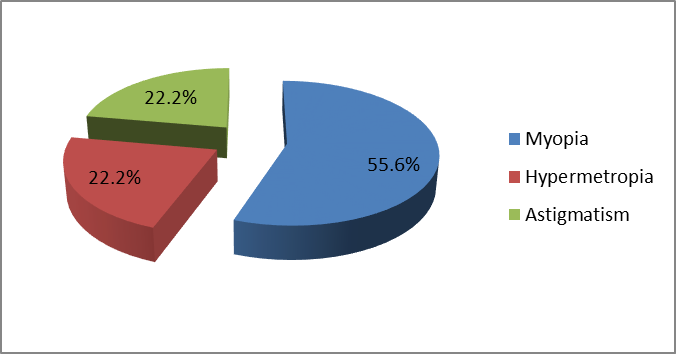
Figure 1: Types of Refractive Errors (n = 36)
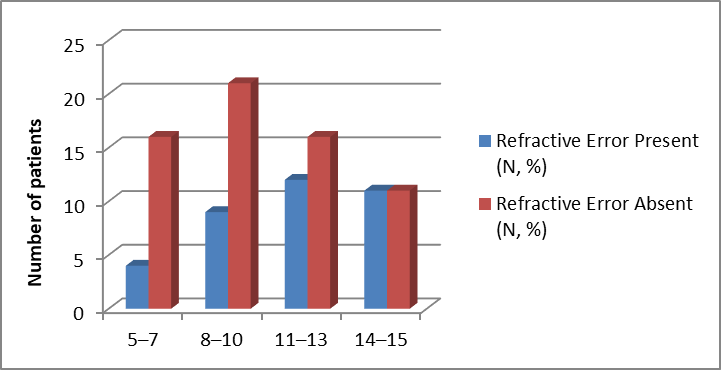
Figure 2: Association Between Age Group and Refractive Errors
A total of 100 school-going children were included in the study. Among them, 20 children (20%) belonged to the 5–7 years age group, 30 children (30%) were in the 8–10 years age group, 28 children (28%) were in the 11–13 years age group, and 22 children (22%) were in the 14–15 years age group.
Out of the total 100 school-going children included in the study, 52 children (52%) were male and 48 children (48%) were female.
Out of the total 100 school-going children included in the study, refractive errors were present in 36 children (36%), while 64 children (64%) did not have any refractive error.
Among the 36 children diagnosed with refractive errors, the most common type was myopia, observed in 20 children (55.6%). Hypermetropia was present in 8 children (22.2%), and astigmatism was also found in 8 children (22.2%).
A total of 100 school-going children were analyzed to assess the association between age group and refractive errors. In the 5–7 years age group, 4 children (20.0%) had refractive errors while 16 children (80.0%) did not have any refractive error. In the 8–10 years age group, 9 children (30.0%) had refractive errors and 21 children (70.0%) were free from refractive errors. Among children aged 11–13 years, 12 (42.9%) had refractive errors whereas 16 (57.1%) had no refractive error. In the 14–15 years age group, 11 children (50.0%) were found to have refractive errors and an equal number, 11 children (50.0%), did not have refractive errors.Overall, there was an increasing trend of refractive errors with advancing age. This association between age group and refractive errors was found to be statistically significant (p = 0.034)
DISCUSSION:
Similar findings were reported by Singh SP et al [11] who observed that refractive errors, particularly myopia, are increasingly prevalent among school-aged children and tend to rise with advancing age due to increased educational demands and near-work activities. In another study, Pan W et al[12]. Highlighted that uncorrected refractive error is the leading cause of vision impairment globally, especially among children in developing and urbanizing regions.
The predominance of myopia in the present study is comparable with the findings of Wu PC et al. [13], who reported a high burden of myopia among East Asian school children, attributing it to reduced outdoor activity and increased screen exposure. Similarly, He M et al. [14] demonstrated that environmental factors, particularly prolonged near work and limited outdoor exposure, significantly contribute to the development of myopia in children.
The increasing trend of refractive errors with age observed in the current study is supported by Martinez-Perez C et al.[15] , who found that older children had a higher risk of developing refractive errors due to progressive ocular changes and academic pressure. Wang Y et al. [16] also reported that refractive errors tend to increase during school years, particularly during early adolescence.
In addition, Iragamreddy VR [17] emphasized that myopia is becoming a global epidemic, particularly in school-going populations, and highlighted the importance of early detection and preventive strategies. Kido A et al. [18] further supported this by reporting that lifestyle modifications such as increased outdoor activity can reduce the onset and progression of refractive errors in children.
The findings of the present study are also in agreement with Jong M et al. [19] who reported a strong association between educational intensity and refractive error prevalence. Similarly, Costa DR et al. [20] highlighted that early screening in school children is essential to prevent long-term visual disability and academic impairment.
CONCLUSION:
The present study demonstrated that refractive errors are a significant health problem among school-going children, with an overall prevalence of 36% in the study population. Myopia was the most common type of refractive error, followed by hypermetropia and astigmatism. A statistically significant association was observed between age and refractive errors, indicating that the prevalence increases with advancing age.The findings highlight that a considerable proportion of school children are affected by uncorrected refractive errors, which may adversely impact their academic performance, visual development, and overall quality of life if not detected and managed early. The study emphasizes the importance of routine school-based vision screening programs for early identification and correction of refractive errors.Early diagnosis, timely intervention with appropriate spectacle correction, and regular follow-up can significantly reduce the burden of visual impairment in children. Strengthening awareness among parents, teachers, and healthcare providers is essential to ensure better eye health outcomes in this vulnerable population.
REFERENCES:
1. World Health Organization. Global data on visual impairments 2010. Geneva: WHO; 2012.
2. Resnikoff S, Pascolini D, Mariotti SP, Pokharel GP. Global magnitude of visual impairment caused by uncorrected refractive errors. Bull World Health Organ. 2008;86(1):63–70.
3. Dandona R, Dandona L. Refractive error blindness. Bull World Health Organ. 2001;79(3):237–243.
4. Gilbert C, Foster A. Childhood blindness in the context of VISION 2020. Bull World Health Organ. 2001;79(3):227–232.
5. Morgan IG, Ohno-Matsui K, Saw SM. Myopia. Lancet. 2012;379(9827):1739–1748.
6. Pan CW, Ramamurthy D, Saw SM. Worldwide prevalence and risk factors for myopia. Ophthalmic Physiol Opt. 2012;32(1):3–16.
7. Murthy GV. Vision testing for refractive errors in schools: ‘screening’ programmes in developing countries. Community Eye Health. 2000;13(33):3–5.
8. Wedner SH, Ross DA, Todd J, et al. Myopia in secondary school students in Tanzania. Invest Ophthalmol Vis Sci. 2002;43(3):834–839.
9. Gupta M, Gupta BP, Chauhan A, Bhardwaj A. Ocular morbidity prevalence among school children in Shimla, India. Indian J Ophthalmol. 2009;57(2):133–138.
10. Naidoo KS, Jaggernath J. Uncorrected refractive errors. Indian J Ophthalmol. 2012;60(5):432–437.
11. Singh SP. Observational study on the prevalence and risk factors of refractive errors in school-going children in urban areas. Int J Life Sci Pharm Res. 2025;14(4):1323-7.
12. Pan W, Saw SM, Wong TY, Morgan I, Yang Z, Lan W. Prevalence and temporal trends in myopia and high myopia children in China: a systematic review and meta-analysis with projections from 2020 to 2050. The Lancet Regional Health–Western Pacific. 2025 Feb 1;55.
13. Wu J, Hao J, Du Y, Cao K, Lin C, Sun R, Xie Y, Wang N. The association between myopia and primary open-angle glaucoma: a systematic review and meta-analysis. Ophthalmic Research. 2022 Dec 9;65(4):387-97.
14. He X, Sankaridurg P, Wang J, Chen J, Naduvilath T, He M, Zhu Z, Li W, Morgan IG, Xiong S, Zhu J. Time outdoors in reducing myopia: a school-based cluster randomized trial with objective monitoring of outdoor time and light intensity. Ophthalmology. 2022 Nov 1;129(11):1245-54.
15. Martinez-Perez C, Alvarez-Peregrina C, Brito R, Sánchez-Tena MÁ, Grupo de Investigação Optovisão ISEC Lisboa. The evolution and the impact of refractive errors on academic performance: A pilot study of Portuguese school-aged children. Children. 2022 Jun 6;9(6):840..
16. Wang Y, Liu L, Lu Z, Qu Y, Ren X, Wang J, Lu Y, Liang W, Xin Y, Zhang N, Jin L. Rural-urban differences in prevalence of and risk factors for refractive errors among school children and adolescents aged 6–18 years in Dalian, China. Frontiers in public health. 2022 Aug 29;10:917781.
17. Iragamreddy VR. The Global Rise of Myopia in Children: Pathophysiology, Early Detection Strategies, and Evidence-Based Interventions for Prevention.
18. Kido A, Miyake M, Watanabe N. Interventions to increase time spent outdoors for preventing incidence and progression of myopia in children. The Cochrane database of systematic reviews. 2024 Jun 12;2024(6):CD013549.
19. Jong M, Naduvilath T, Saw J, Kim K, Flitcroft DI. Association between global myopia prevalence and international levels of education. Optometry and Vision Science. 2023 Oct 1;100(10):702-7.
20. Costa DR, Debert I, Susanna FN, Falabreti JG, Polati M, Susanna R. Vision for the Future Project: Screening impact on the prevention and treatment of visual impairments in public school children in São Paulo City, Brazil. Clinics. 2021 Oct 1; 76:e3062.