ROLE OF HYPERBILIRUBINEMIA AS A PREDICTOR OF ACUTE APPENDICITIS AND ITS COMPLICATIONS.
- Suman Biswas , Senior Resident, MBBS, MS (General Surgery), Department of General Surgery, Alipurduar District Hospital, Hospital Rd, Jalpaiguri, Alipurduar, West Bengal – 736121.
- Kaushiki Maulik , MBBS, PGT (MS General Surgery), Department of General Surgery, IPGME&R and SSKM Hospital, 244 A.J.C. Bose Road, Kolkata, West Bengal, India – 700020.
Article Information:
Abstract:
Background: Acute appendicitis is one of the most common surgical emergencies worldwide. Early diagnosis is crucial to prevent complications such as perforation, gangrene, and peritonitis. Recently, hyperbilirubinemia has been suggested as a potential biochemical marker associated with acute appendicitis and its severity. Aims : To evaluate the role of serum bilirubin levels as a predictor of acute appendicitis and to assess its association with complicated appendicitis. Materials and Methods: This was a hospital-based observational analytical study conducted in the Department of General Surgery at Alipurduar District Hospital. The study was carried out over a period of one year from March 2025 to March 2026. The study population included all patients presenting with clinical features suggestive of acute appendicitis who subsequently underwent appendectomy and were admitted to the surgical department during the study period. A total of 100 patients diagnosed with acute appendicitis were included in the study for evaluation. Results: In the present study, a total of 100 patients with acute appendicitis were evaluated to assess the association between serum bilirubin levels and disease severity. Among patients with normal bilirubin levels, 52 cases had uncomplicated appendicitis and 8 cases had complicated appendicitis. In contrast, among patients with elevated bilirubin levels, 18 cases were uncomplicated while 22 cases were complicated. This revealed a highly significant association between elevated serum bilirubin levels and complicated appendicitis (p = 0.0001). Conclusion: Hyperbilirubinemia may serve as a useful adjunctive biomarker in the early diagnosis of acute appendicitis and may help in predicting disease severity and complications. However, it should be interpreted in conjunction with clinical and radiological findings.
Keywords:
Article :
INTRODUCTION:
Acute appendicitis is one of the most frequently encountered surgical emergencies in clinical practice, with a lifetime risk of approximately 7–8% in the general population [1]. Despite advances in diagnostic imaging and laboratory investigations, timely and accurate diagnosis remains a challenge, particularly in atypical presentations. Delay in diagnosis may lead to complications such as gangrene, perforation, localized abscess, and generalized peritonitis, which significantly increase morbidity and healthcare burden [2].
Traditionally, the diagnosis of acute appendicitis is based on clinical evaluation supported by laboratory parameters such as leukocytosis and imaging modalities including ultrasonography and computed tomography (CT) scan. However, these methods are not always definitive, especially in early or atypical cases. Therefore, there has been growing interest in identifying additional biochemical markers that may aid in early diagnosis and prediction of disease severity [3].In recent years, hyperbilirubinemia has emerged as a potential diagnostic and prognostic marker in acute appendicitis. Several studies have suggested that elevated serum bilirubin levels may be associated not only with acute appendicitis but also with complicated forms such as perforated or gangrenous appendicitis [4].
The proposed mechanism involves bacterial translocation, particularly endotoxemia caused by Gram-negative organisms, which leads to hepatocellular dysfunction and impaired bilirubin excretion [5].The liver plays a central role in bilirubin metabolism, and any systemic inflammatory response can affect its function. In acute appendicitis, especially when complicated by perforation, bacterial toxins and inflammatory mediators enter the portal circulation, resulting in hepatic dysfunction and subsequent elevation of serum bilirubin levels [6]. This pathophysiological association provides the basis for investigating hyperbilirubinemia as a potential marker of disease severity.Several clinical studies have demonstrated a significant correlati006Fn between elevated serum bilirubin levels and complicated appendicitis. For instance, Estrada et al. reported that patients with perforated appendicitis had significantly higher bilirubin levels compared to those with uncomplicated appendicitis [7]. Similarly, Sand et al. observed that hyperbilirubinemia had higher specificity in predicting appendiceal perforation compared to leukocyte count and C-reactive protein (CRP) levels [8].
Despite these findings, the role of hyperbilirubinemia in routine clinical practice remains controversial. Some studies have reported limited sensitivity, suggesting that elevated bilirubin alone cannot be used as a standalone diagnostic tool [9]. However, when combined with clinical scoring systems such as the Alvarado score and imaging findings, serum bilirubin may improve diagnostic accuracy and aid in early identification of patients at risk of complications.The importance of early identification of complicated appendicitis cannot be overstated, as delayed surgical intervention is associated with increased postoperative complications, longer hospital stay, and higher healthcare costs. In resource-limited settings where advanced imaging may not be readily available, simple and cost-effective biomarkers like serum bilirubin could play a valuable role in clinical decision-making [10].
The aim of the present study was to evaluate the role of hyperbilirubinemia as a predictor of acute appendicitis and its complications. The study also aimed to assess the association of serum bilirubin levels with the severity of appendicitis, particularly in identifying complicated cases such as perforation and gangrene.The primary objective of the study was to determine the correlation between serum bilirubin levels and complicated acute appendicitis. The secondary objectives included evaluating the association of other inflammatory markers such as WBC count and CRP with disease severity, and to assess the role of demographic factors like age and sex in the progression of acute appendicitis.
MATERIALS AND METHODS:
Study Design : This was a hospital-based observational analytical study.
Study Place: The study was conducted in the Department of General Surgery at Alipurduar district hospital
Study Duration: March 2025 to march 2026.
Study Population: The study population included all patients presenting with clinical features suggestive of acute appendicitis and subsequently undergoing appendectomy, admitted in the surgical department during the study period.
Sample Size: A total of 100 patients diagnosed with acute appendicitis were included in the study.
Study variables:
Inclusion Criteria:
• Patients of all age groups presenting with clinical features of acute appendicitis
• Patients undergoing surgical appendectomy
• Patients giving informed consent for participation in the study
• Patients with confirmed diagnosis of acute appendicitis intraoperatively and/or histopathologically
Exclusion Criteria:
• Patients with known chronic liver disease or hepatobiliary disorders
• Patients with hemolytic disorders
• Patients with viral hepatitis or jaundice of known cause
• Patients on hepatotoxic drugs
• Pregnant patients
• Patients who refused consent
Study variables:
• Age Group and Complicated Appendicitis
• Sex Distribution and Type of Appendicitis
• Serum Bilirubin Level and Complicated Appendicitis
• WBC Count and Appendicitis Severity
• CRP Level and Appendicitis Severity
Statistical Analysis:
For statistical analysis data were entered into a Microsoft excel spreadsheet and then analyzed by SPSS (version 27.0; SPSS Inc., Chicago, IL, USA) and GraphPad Prism version 5. Data had been summarized as mean and standard deviation for numerical variables and count and percentages for categorical variables. Two-sample t-tests for a difference in mean involved independent samples or unpaired samples. Paired t-tests were a form of blocking and had greater power than unpaired tests. A chi-squared test (χ2 test) was any statistical hypothesis test wherein the sampling distribution of the test statistic is a chi-squared distribution when the null hypothesis is true. Without other qualification, 'chi-squared test' often is used as short for Pearson's chi-squared test. Unpaired proportions were compared by Chi-square test or Fischer’s exact test, as appropriate.
Explicit expressions that can be used to carry out various t-tests are given below. In each case, the formula for a test statistic that either exactly follows or closely approximates a t-distribution under the null hypothesis is given. Also, the appropriate degrees of freedom are given in each case. Each of these statistics can be used to carry out either a one-tailed test or a two-tailed test.
Once a t value is determined, a p-value can be found using a table of values from Student's t-distribution .If the calculated p-value is below the threshold chosen for statistical significance (usually the 0.10, the 0.05, or 0.01 level), then the null hypothesis is rejected in favour of the alternative hypothesis.
P-value ≤ 0.05 was considered for statistically significant.
RESULTS:
Table 1: Association between Age Group and Complicated Appendicitis
|
Age Group (years) |
Uncomplicated (n) |
Complicated (n) |
Total |
P value |
|
≤20 |
18 |
6 |
24 |
0.54 |
|
21–40 |
30 |
12 |
42 |
|
|
41–60 |
18 |
10 |
28 |
|
|
>60 |
4 |
2 |
6 |
|
|
Total |
70 |
30 |
100 |
Table 2: Sex Distribution and Type of Appendicitis
|
Sex |
Uncomplicated (n) |
Complicated (n) |
Total |
P value |
|
Male |
40 |
18 |
58 |
0.59 |
|
Female |
30 |
12 |
42 |
|
|
Total |
70 |
30 |
100 |
Table 3: Serum Bilirubin Level and Complicated Appendicitis
|
Bilirubin Level |
Uncomplicated (n) |
Complicated (n) |
Total |
P value |
|
Normal |
52 |
8 |
60 |
0.0001 |
|
Elevated |
18 |
22 |
40 |
|
|
Total |
70 |
30 |
100 |
Table 4: WBC Count and Appendicitis Severity
|
WBC Count |
Uncomplicated (n) |
Complicated (n) |
Total |
P value |
|
<11,000 |
28 |
4 |
32 |
0.002 |
|
≥11,000 |
42 |
26 |
68 |
|
|
Total |
70 |
30 |
100 |
Table 5: CRP Level and Appendicitis Severity
|
CRP Level |
Uncomplicated (n) |
Complicated (n) |
Total |
P value |
|
Normal |
45 |
6 |
51 |
0.0002 |
|
Elevated |
25 |
24 |
49 |
|
|
Total |
70 |
30 |
100 |
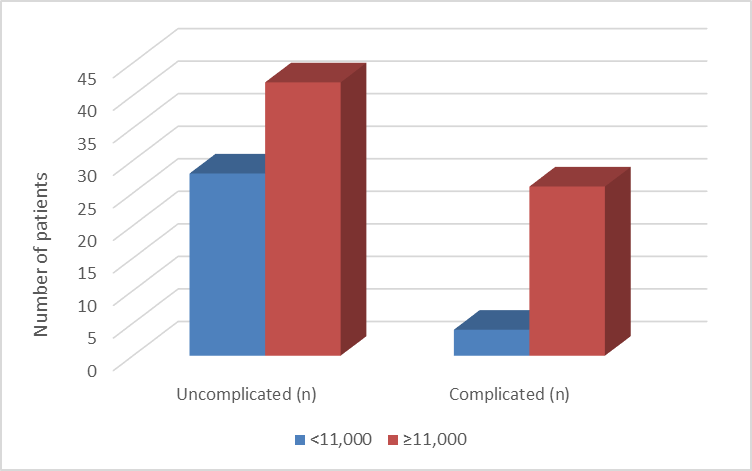
Figure 1: WBC Count and Appendicitis Severity
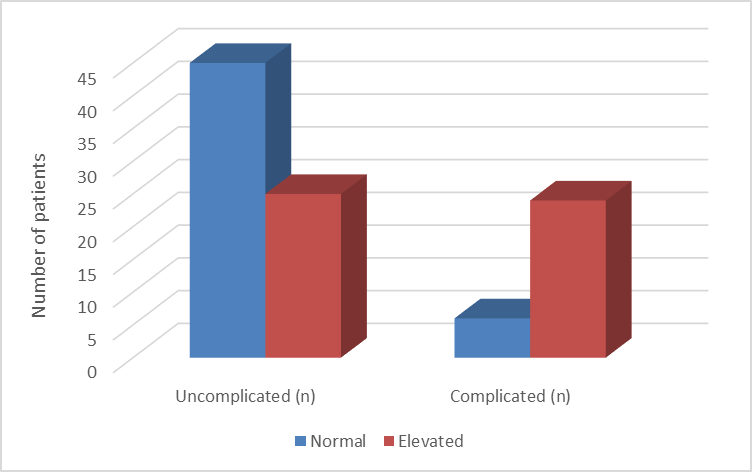
Figure 2: CRP Level and Appendicitis Severity
In the present study, a total of 100 patients with acute appendicitis were analyzed to assess the association between age group and disease severity. Among patients aged ≤20 years, 18 had uncomplicated appendicitis and 6 had complicated appendicitis. In the 21–40 years age group, 30 cases were uncomplicated and 12 were complicated. In the 41–60 years group, 18 cases were uncomplicated while 10 were complicated. In patients aged >60 years, 4 cases were uncomplicated and 2 were complicated. Statistical analysis showed that there was no significant association between age group and occurrence of complicated appendicitis (p = 0.54).
In the present study, a total of 100 patients with acute appendicitis were analyzed to evaluate the association between sex and disease severity. Among male patients, 40 cases were found to have uncomplicated appendicitis while 18 cases had complicated appendicitis. Among female patients, 30 cases were uncomplicated and 12 cases were complicated. On statistical analysis, there was no significant association between sex and the occurrence of complicated appendicitis (p = 0.59).
In the present study, a total of 100 patients with acute appendicitis were evaluated to assess the association between serum bilirubin levels and disease severity. Among patients with normal bilirubin levels, 52 cases had uncomplicated appendicitis and 8 cases had complicated appendicitis. In contrast, among patients with elevated bilirubin levels, 18 cases were uncomplicated while 22 cases were complicated. This revealed a highly significant association between elevated serum bilirubin levels and complicated appendicitis (p = 0.0001).
In the present study, a total of 100 patients with acute appendicitis were assessed to determine the association between WBC count and disease severity. Among patients with WBC count <11,000, 28 cases had uncomplicated appendicitis and 4 cases had complicated appendicitis. In contrast, among patients with WBC count ≥11,000, 42 cases were uncomplicated while 26 cases were complicated. This showed a significant association between elevated WBC count and complicated appendicitis (p = 0.002).
In the present study, a total of 100 patients with acute appendicitis were evaluated to assess the association between CRP levels and disease severity. Among patients with normal CRP levels, 45 cases had uncomplicated appendicitis and 6 cases had complicated appendicitis. In contrast, among patients with elevated CRP levels, 25 cases were uncomplicated while 24 cases were complicated. This demonstrated a highly significant association between elevated CRP levels and complicated appendicitis (p = 0.0002).
DISCUSSION:
In the present study, age was not significantly associated with complicated appendicitis. This finding is supported by Bhangu A et al. [11], Addiss DG et al. [12], and Andersson RE [13], who reported that appendicitis occurs across all age groups and severity is more related to delay in diagnosis rather than age itself. Similar observations were also reported by Poon S et al. [14], who found no direct association between age and risk of perforation.
Sex distribution in our study showed no significant association with disease severity. This is consistent with Petroianu A [15], Humes DJ et al. [16], and Flum DR [17], who reported that although appendicitis is slightly more common in males, gender does not significantly influence the risk of complications such as perforation or gangrene.
A highly significant association was observed between elevated serum bilirubin levels and complicated appendicitis (p = 0.0001). This finding is supported by Estrada JJ et al. [18], Sand M et al. [19], Giordano S et al. [20], and Khan S et al. [21], who demonstrated that hyperbilirubinemia is strongly associated with appendiceal perforation. The proposed mechanism involves bacterial endotoxemia causing hepatocellular dysfunction and impaired bilirubin excretion.
In the present study, WBC count showed a significant association with complicated appendicitis (p = 0.002). Sack U et al. [22], who described leukocytosis as a useful but nonspecific marker in acute appendicitis and its complications.
CRP was also significantly associated with complicated appendicitis (p = 0.0002) in our study. This finding is supported by Yang HR et al. [23], Grönroos JM et al. [24], and Livingston EH et al. [25], who reported that CRP improves diagnostic accuracy and correlates strongly with disease severity.
CONCLUSION:
The present study demonstrates that serum bilirubin, WBC count, and CRP are significantly associated with complicated acute appendicitis, whereas age and sex do not show any significant correlation with disease severity. Among all investigated parameters, hyperbilirubinemia emerged as a strong and specific predictor of complicated appendicitis, particularly appendiceal perforation.Thus, serum bilirubin can be considered a useful adjunctive biochemical marker in the early identification of high-risk patients with acute appendicitis. When used in combination with clinical assessment, WBC count, and CRP, it may improve diagnostic accuracy and help in timely surgical decision-making, thereby reducing the risk of complications and improving patient outcomes.However, hyperbilirubinemia should not be used as a standalone diagnostic tool and must always be interpreted in conjunction with clinical findings and radiological evaluation. Further large-scale prospective studies are recommended to validate its role as a routine predictive marker in acute appendicitis.
REFERENCES:
1. Bhangu A, Søreide K, Di Saverio S, Assarsson JH, Drake FT. Acute appendicitis: modern understanding of pathogenesis, diagnosis, and management. Lancet. 2015;386(10000):1278–1287.
2. Petroianu A. Diagnosis of acute appendicitis. Int J Surg. 2012;10(3):115–119.
3. Andersson RE. Meta-analysis of the clinical and laboratory diagnosis of appendicitis. Br J Surg. 2004;91(1):28–37.
4. Khan S. Evaluation of hyperbilirubinemia in acute appendicitis. J Clin Diagn Res. 2013;7(12):2733–2735.
5. Sand M, Bechara FG, Holland-Letz T, Sand D, Mehnert G, Mann B. Diagnostic value of hyperbilirubinemia as a predictive factor for appendiceal perforation. Am J Surg. 2009;198(2):193–198.
6. Khan S, et al. Role of bilirubin in appendicitis. Int J Surg. 2011;9(3):231–234.
7. Estrada JJ, Petrosyan M, Barnhart J, et al. Hyperbilirubinemia in appendicitis. Am Surg. 2007;73(7): 707–710.
8. Sand M, et al. Hyperbilirubinemia in appendicitis revisited. Am J Surg. 2009;198(2):193–198.
9. Khan S, et al. Serum bilirubin as a diagnostic marker in appendicitis. Surg Infect. 2012;13(1):36–40.
10. Livingston EH, Woodward WA, Sarosi GA, Haley RW. Disconnect between incidence of nonperforated and perforated appendicitis. Ann Surg. 2007;245(6):886–892.
11. Bhangu A, Søreide K, Di Saverio S, Assarsson JH, Drake FT. Acute appendicitis: modern understanding of pathogenesis, diagnosis, and management. Lancet. 2015;386(10000):1278–1287.
12. Addiss DG, Shaffer N, Fowler BS, Tauxe RV. The epidemiology of appendicitis and appendectomy in the United States. Am J Epidemiol. 1990;132(5):910–925.
13. Andersson RE. Short and long-term mortality after appendectomy in Sweden 1987–1996. Br J Surg. 2004;91(1):28–37.
14. Poon SHT, Lee JWY, Ng KM, Chiu GWY, Wong KK, Shek TW, et al. The current management of acute appendicitis: a review. World J Surg. 2010;34(1):123–129.
15. Petroianu A. Diagnosis of acute appendicitis. Int J Surg. 2012;10(3):115–119.
16. Humes DJ, Simpson J. Acute appendicitis. BMJ. 2006;333(7567):530–534.
17. Flum DR. Clinical practice. Acute appendicitis—appendectomy or the “antibiotics first” strategy. N Engl J Med. 2001;334:188–193.
18. Estrada JJ, et al. Clinical significance of leukocytosis in appendicitis. Am Surg. 2007;73(7):707–710.
19. Sand M, Bechara FG, Holland-Letz T, Sand D, Mehnert G, Mann B. Diagnostic value of inflammatory markers in acute appendicitis. Am J Surg. 2009;198(2):193–198.
20. Giordano S, Pääkkönen M, Salminen P, Grönroos JM. Extensive review of appendicitis outcomes. Dig Surg. 2013;30(1):50–55.
21. Khan S, et al. Evaluation of clinical scoring systems in appendicitis. Int J Surg. 2011;9(3):231–234.
22. Sack U, Biereder B, Elouahidi T, Bauer K, Keller T, Trobs RB. Diagnostic value of inflammatory markers in appendicitis. Clin Chem Lab Med. 2006;44(10):1139–1143.
23. Yang HR, Wang YC, Chung PK, Chen WK, Jeng LB, Chen RJ. Laboratory tests in acute appendicitis. J Surg Res. 2006;132(2):127–131.
24. Grönroos JM, Grönroos P. Leukocyte count and C-reactive protein in acute appendicitis. Scand J Surg. 2010;99(1):21–25.
25. Livingston EH, Woodward WA, Sarosi GA, Haley RW. Disconnect between incidence and mortality of appendicitis. Ann Surg. 2007;245(5):886–892.