Clinical Profile and Outcome of Patients with Diabetic Ketoacidosis in a Tertiary Care.
- LIKHITA DASARI , Assistant Professor, Department of General Medicine, Mamata Academy of Medical Sciences, Bachupally, Hyderabad.
Article Information:
Abstract:
Background: Diabetic ketoacidosis (DKA) is a serious acute metabolic complication of diabetes mellitus characterized by hyperglycemia, metabolic acidosis, and ketonemia. Despite advances in management, DKA continues to contribute significantly to morbidity and mortality, particularly in developing countries. Understanding the clinical profile, precipitating factors, and outcomes is essential for improving patient care. Aim of the study was to evaluate the clinical profile, biochemical parameters, precipitating factors, management, and outcomes of patients presenting with diabetic ketoacidosis in a tertiary care hospital. Materials and methods: This hospital-based observational study was conducted in the Department of General Medicine and included 100 adult patients diagnosed with DKA. Data regarding demographic details, clinical features, laboratory parameters, precipitating factors, treatment, and outcomes were collected using a structured proforma. Statistical analysis was performed using appropriate tests, and a p-value <0.05 was considered significant. Result: The mean age of patients was 42.6 ± 15.8 years with a male predominance (58%). Type 2 diabetes mellitus (52%) was the most common underlying condition. Infection (48%) and treatment non-compliance (36%) were the leading precipitating factors. The mean blood glucose, pH, and bicarbonate levels were 412.6 ± 96.4 mg/dL, 7.18 ± 0.12, and 12.4 ± 4.6 mEq/L, respectively. Moderate DKA was most common (44%). ICU care was required in 34% of patients. The mean hospital stay was 6.4 ± 2.8 days. Complications included hypokalemia (22%) and acute kidney injury (18%). The mortality rate was 4%. Conclusion: DKA predominantly affects middle-aged individuals with type 2 diabetes and is commonly precipitated by infection and poor compliance. Early recognition, prompt management, and addressing precipitating factors are crucial in reducing complications and mortality.
Keywords:
Article :
INTRODUCTION:
Diabetic ketoacidosis (DKA) is an acute, life-threatening metabolic complication of diabetes mellitus characterized by the triad of hyperglycemia, metabolic acidosis, and ketonemia resulting from absolute or relative insulin deficiency and excess counter-regulatory hormones such as glucagon, catecholamines, cortisol, and growth hormone (1). It represents one of the most serious acute complications of diabetes and continues to contribute significantly to morbidity and mortality worldwide, particularly in developing countries where delayed diagnosis and limited access to healthcare remain major challenges (2). The global incidence of DKA varies widely depending on geographic, socioeconomic, and healthcare factors, with rates of presentation at diagnosis ranging from 15% to 70% (3). Although advances in management have reduced mortality to less than 1–5% in developed countries, mortality rates remain considerably higher in resource-limited settings, reaching up to 6–24% (4). The burden of DKA is particularly high among newly diagnosed cases of diabetes and in patients with poor glycemic control, infection, or non-compliance with insulin therapy (5).
Clinically, DKA presents with classical symptoms such as polyuria, polydipsia, weight loss, vomiting, abdominal pain, dehydration, Kussmaul respiration, and altered sensorium (6). The severity of DKA is classified based on arterial pH and serum bicarbonate levels into mild, moderate, and severe categories, which correlate with clinical outcomes and guide therapeutic interventions (7). Biochemically, DKA is associated with multiple electrolyte and metabolic derangements, including abnormalities in sodium, potassium, phosphate, and bicarbonate levels, which may significantly influence disease progression and prognosis (8). Complications such as cerebral edema, acute kidney injury, electrolyte imbalance, and shock contribute to increased morbidity, especially in severe cases requiring intensive care (9). Early recognition and standardized management protocols involving fluid resuscitation, insulin therapy, and correction of electrolyte imbalances are crucial in improving patient outcomes (10).
Several studies have evaluated the clinical profile and outcomes of DKA in different populations. Razavi et al. reported that newly diagnosed diabetes accounted for the majority of DKA cases, with common presenting symptoms including polyuria, polydipsia, and gastrointestinal disturbances, and electrolyte abnormalities such as hypokalemia being frequent complications (11). Similarly, Bhardwaj et al. observed that abdominal pain, vomiting, and altered sensorium were common clinical features, with severe DKA present in nearly half of the patients and a mortality rate of 3.4% (12). Other studies have identified factors such as infection, insulin omission, low Glasgow Coma Scale scores, and presence of comorbidities as important determinants of poor outcomes in DKA (13). Despite these findings, there is considerable heterogeneity in clinical presentation, biochemical abnormalities, and outcomes across different regions, emphasizing the need for region-specific data.
In the Indian context, DKA remains a significant cause of hospital admissions and is often associated with delayed presentation and increased severity at admission. Variations in clinical profile, precipitating factors, and outcomes have been reported across different tertiary care centers, reflecting differences in healthcare access, awareness, and management practices (3). However, many existing studies are limited by small sample sizes, retrospective design, or focus on pediatric populations, and there is a paucity of comprehensive prospective data evaluating both clinical and biochemical parameters along with outcomes in adult patients. Furthermore, limited emphasis has been placed on correlating laboratory parameters with severity and outcomes, which could provide valuable prognostic insights.
Therefore, there exists a clear research gap in understanding the comprehensive clinical profile, biochemical characteristics, and outcome determinants of DKA in a tertiary care setting, particularly in the Indian population. Addressing this gap is essential for early identification of high-risk patients, optimization of management strategies, and reduction of morbidity and mortality associated with DKA.
The present study was undertaken to evaluate the clinical profile, biochemical parameters, and outcomes of patients presenting with diabetic ketoacidosis in a tertiary care hospital, and to analyze the association between these variables and disease severity and clinical outcomes.
MATERIALS AND METHODS:
Study Design and Setting
This hospital-based observational study was conducted in the Department of General Medicine in a tertiary care hospital. The study was designed to evaluate the clinical profile, biochemical parameters, precipitating factors, and outcomes of patients admitted with diabetic ketoacidosis (DKA). A total of 100 patients diagnosed with DKA during the study period were included in the study. Patients were enrolled consecutively after satisfying the eligibility criteria. Prior approval from the Institutional Ethics Committee was obtained before commencement of the study, and informed consent was taken from the patients or their attendants wherever applicable.
Study Population
The study population comprised adult patients admitted to the Department of General Medicine with a diagnosis of diabetic ketoacidosis. Diagnosis was made based on clinical features and laboratory criteria suggestive of DKA, including hyperglycemia, ketonemia or ketonuria, and metabolic acidosis. Both known cases of diabetes mellitus and newly diagnosed patients presenting with DKA were included. All eligible patients admitted during the study period were assessed clinically and investigated systematically.
Sample Size
The sample size for the present study was fixed at 100 patients. All consecutive patients fulfilling the inclusion criteria during the study period were recruited until the desired sample size of 100 was achieved.
Inclusion Criteria
• Patients aged 18 years and above
• Patients diagnosed with diabetic ketoacidosis based on clinical and biochemical criteria
• Both male and female patients
• Known cases of diabetes mellitus as well as newly diagnosed diabetes presenting with DKA
• Patients willing to participate in the study
Exclusion Criteria
• Patients below 18 years of age
• Patients with hyperosmolar hyperglycemic state without ketoacidosis
• Patients with metabolic acidosis due to other causes such as lactic acidosis, poisoning, renal failure, or sepsis without evidence of DKA
• Pregnant women with diabetes-related metabolic complications
• Patients with incomplete clinical records or those unwilling to participate in the study
Study Tool
Data were collected using a predesigned and pretested structured proforma. The study tool included sections related to demographic data, clinical history, precipitating factors, physical examination findings, laboratory investigations, treatment details, and clinical outcomes. The proforma was used uniformly for all patients to ensure consistency and completeness of data collection.
Data Collection
Data were collected in a systematic manner using the study proforma. The following information was recorded:
• Demographic details: age, sex
• Clinical history: type of diabetes, duration of diabetes, treatment history, compliance with medication, presenting complaints, duration of symptoms
• Precipitating factors: infection, omission of insulin or oral drugs, newly detected diabetes, myocardial infarction, stroke, pancreatitis, or other associated illnesses
• General examination findings: pulse rate, blood pressure, respiratory rate, temperature, dehydration, level of consciousness
• Systemic examination: cardiovascular, respiratory, abdominal, and nervous system findings
• Laboratory parameters: random blood sugar, arterial or venous pH, serum bicarbonate, urine ketones or serum ketones, serum electrolytes, blood urea, serum creatinine, complete blood count, HbA1c, and other relevant investigations
• Severity assessment: classification of DKA as mild, moderate, or severe based on pH and serum bicarbonate values
• Treatment details: intravenous fluids, insulin therapy, electrolyte correction, need for ICU care, and supportive measures
• Outcome measures: duration of hospital stay, resolution of DKA, complications, discharge status, and mortality
Study Procedure
All patients admitted with suspected DKA were clinically evaluated at admission. Detailed history was obtained from the patient or relatives, followed by a thorough general and systemic examination. Relevant laboratory investigations were performed at the time of admission and during hospital stay as per standard treatment protocol. Patients were managed according to institutional DKA treatment guidelines. Clinical progress was monitored throughout hospitalization, and outcomes were recorded at the time of discharge or death.
Statistical Analysis
The collected data were entered into Microsoft Excel and analyzed using appropriate statistical software. Continuous variables were expressed as mean ± standard deviation, and categorical variables were presented as frequencies and percentages. Associations between clinical and biochemical variables and outcomes were analyzed using suitable statistical tests such as chi-square test for categorical variables and t-test or ANOVA for continuous variables. A p-value of less than 0.05 was considered statistically significant.
RESULTS:
Table 1: Baseline Demographic and Clinical Characteristics (n = 100)
|
Parameter |
Value |
|
Age (years), Mean ± SD |
42.6 ± 15.8 |
|
Male sex |
58 (58.0%) |
|
Type 2 DM |
52 (52.0%) |
|
Type 1 DM |
36 (36.0%) |
|
Newly diagnosed DM |
12 (12.0%) |
|
Duration of diabetes (years), Mean ± SD |
6.8 ± 4.9 |
|
Poor compliance |
62 (62.0%) |
|
Duration of symptoms (days), Mean ± SD |
3.6 ± 1.8 |
The present study population had a mean age of 42.6 ± 15.8 years, indicating that DKA predominantly affected middle-aged individuals, with a male predominance (58%). Type 2 diabetes mellitus (52%) was the most common underlying condition, followed by type 1 diabetes (36%), while 12% of patients were newly diagnosed at presentation, suggesting DKA as the initial manifestation in a subset. The mean duration of diabetes was 6.8 ± 4.9 years, reflecting a predominance of patients with established disease. A significant proportion of patients (62%) demonstrated poor treatment compliance, which likely contributed to the development of DKA. The mean duration of symptoms prior to admission was 3.6 ± 1.8 days, indicating a relatively delayed presentation in many cases.
Table 2: Precipitating Factors and Clinical Presentation
|
Parameter |
n (%) |
|
Infection |
48 (48.0%) |
|
Drug omission (insulin/OHA) |
36 (36.0%) |
|
Newly diagnosed diabetes |
12 (12.0%) |
|
Myocardial infarction |
6 (6.0%) |
|
Stroke |
4 (4.0%) |
|
Pancreatitis |
3 (3.0%) |
|
Polyuria |
72 (72.0%) |
|
Vomiting |
64 (64.0%) |
|
Altered sensorium |
34 (34.0%) |
|
Kussmaul respiration |
46 (46.0%) |
In the present study, infection (48%) was the most common precipitating factor for diabetic ketoacidosis, followed by drug omission (36%), highlighting poor treatment adherence as a major contributor. A notable proportion of patients (12%) presented with newly diagnosed diabetes, indicating DKA as the first manifestation in some cases. Less frequent triggers included myocardial infarction (6%), stroke (4%), and pancreatitis (3%).
Regarding clinical presentation, polyuria (72%) and vomiting (64%) were the most common symptoms, followed by Kussmaul respiration (46%), reflecting metabolic acidosis. Altered sensorium (34%) was observed in a significant proportion, indicating more severe disease at presentation.
Table 3: Biochemical Profile of Patients with DKA
|
Parameter |
Mean ± SD |
|
Random blood glucose (mg/dL) |
412.6 ± 96.4 |
|
pH |
7.18 ± 0.12 |
|
Serum bicarbonate (mEq/L) |
12.4 ± 4.6 |
|
Serum sodium (mEq/L) |
132.6 ± 6.8 |
|
Serum potassium (mEq/L) |
4.8 ± 1.1 |
|
Serum phosphate (mg/dL) |
2.3 ± 0.9 |
|
Blood urea (mg/dL) |
46.8 ± 18.2 |
|
Serum creatinine (mg/dL) |
1.6 ± 0.8 |
|
HbA1c (%) |
9.6 ± 2.1 |
The biochemical profile of patients in the present study demonstrated marked metabolic derangement characteristic of diabetic ketoacidosis. The mean random blood glucose was 412.6 ± 96.4 mg/dL, indicating severe hyperglycemia at presentation. Significant metabolic acidosis was evident with a mean pH of 7.18 ± 0.12 and serum bicarbonate of 12.4 ± 4.6 mEq/L.
Electrolyte analysis revealed hyponatremia (132.6 ± 6.8 mEq/L) and variable potassium levels (4.8 ± 1.1 mEq/L), reflecting shifts due to insulin deficiency and acidosis. The mean serum phosphate level (2.3 ± 0.9 mg/dL) indicated a tendency toward hypophosphatemia. Renal parameters were elevated, with blood urea of 46.8 ± 18.2 mg/dL and serum creatinine of 1.6 ± 0.8 mg/dL, suggesting dehydration and prerenal azotemia. Additionally, the mean HbA1c of 9.6 ± 2.1% reflects poor long-term glycemic control among the study population.
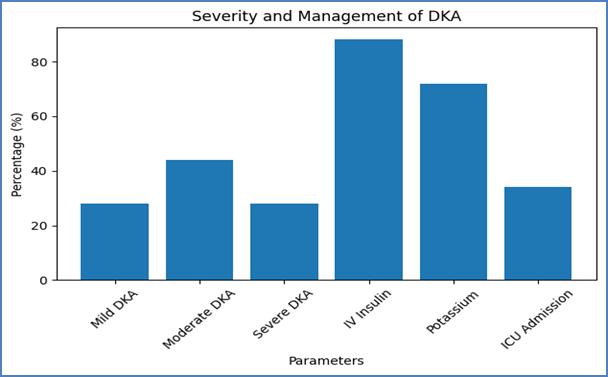
Figure 1: Severity and Management of DKA
In the present study, moderate DKA (44%) was the most common presentation, while mild and severe DKA each accounted for 28% of cases, indicating a substantial proportion of patients presenting with significant disease severity.
With regard to management, the majority of patients (88%) required intravenous insulin therapy, reflecting adherence to standard treatment protocols. Potassium supplementation was administered in 72% of patients, underscoring the importance of electrolyte monitoring and correction during DKA management. Additionally, 34% of patients required ICU admission, indicating that a considerable proportion presented with moderate to severe disease requiring intensive monitoring and care.
Table 4: Clinical Outcomes
|
Parameter |
Value |
|
Hospital stay (days), Mean ± SD |
6.4 ± 2.8 |
|
Complete resolution |
92 (92.0%) |
|
Hypokalemia |
22 (22.0%) |
|
Acute kidney injury |
18 (18.0%) |
|
Mortality |
4 (4.0%) |
In the present study, the mean duration of hospital stay was 6.4 ± 2.8 days, indicating moderate hospitalization requirements for management of DKA. Complete resolution was achieved in 92% of patients, reflecting effective treatment outcomes.
Among complications, hypokalemia (22%) and acute kidney injury (18%) were the most frequently observed, highlighting the need for careful monitoring of electrolytes and renal function. The mortality rate was 4%, which is comparable to findings from similar tertiary care settings, with deaths predominantly occurring in patients with severe DKA and associated complications.
Table 5: Association Between Severity of DKA and Clinical Outcomes (n = 100)
|
Variable |
Mild (n=28) |
Moderate (n=44) |
Severe (n=28) |
p-value |
|
ICU admission |
4 (14.3%) |
12 (27.3%) |
18 (64.3%) |
<0.001* |
|
Hypokalemia |
4 (14.3%) |
10 (22.7%) |
8 (28.6%) |
0.312 |
|
Acute kidney injury |
2 (7.1%) |
8 (18.2%) |
8 (28.6%) |
0.041* |
|
Sepsis |
2 (7.1%) |
6 (13.6%) |
8 (28.6%) |
0.028* |
|
Delayed resolution (>72h) |
1 (3.6%) |
3 (6.8%) |
4 (14.3%) |
0.118 |
|
Mortality |
0 (0%) |
1 (2.3%) |
3 (10.7%) |
0.032* |
*Statistically significant (p < 0.05)
The present study demonstrated a significant association between the severity of DKA and adverse clinical outcomes. The requirement for ICU admission increased markedly with severity, from 14.3% in mild cases to 64.3% in severe DKA (p < 0.001), indicating that patients with severe metabolic derangement required intensive care support more frequently.
Similarly, acute kidney injury and sepsis were significantly more common in severe DKA (p = 0.041 and p = 0.028, respectively), highlighting the impact of severe disease and associated precipitating factors such as infection. Mortality was also significantly higher in severe DKA (10.7%), with no deaths observed in mild cases (p = 0.032), emphasizing severity as a key predictor of poor outcome.
Although hypokalemia and delayed resolution were more frequent in severe cases, these associations were not statistically significant. Overall, these findings suggest that severity at presentation is a strong determinant of complications, need for intensive care, and mortality in patients with DKA.
DISCUSSION:
Diabetic ketoacidosis (DKA) remains a significant acute metabolic emergency with considerable morbidity and mortality, particularly in resource-limited settings. The present study evaluated the clinical profile, biochemical parameters, management, and outcomes of 100 patients admitted with DKA in a tertiary care hospital, and the findings provide important insights when compared with existing literature.
In the present study, the mean age was 42.6 ± 15.8 years with a male predominance (58%), which is consistent with earlier studies by Bhardwaj P and Umpierrez GE, who reported a similar middle-aged predominance and slight male preponderance in DKA patients (12,5). This pattern may be attributed to higher prevalence of type 2 diabetes and lifestyle-related risk factors in this demographic. However, some studies have reported a higher incidence among younger individuals, particularly in type 1 diabetes populations, suggesting demographic variability across regions (3).
Regarding clinical history, type 2 diabetes mellitus (52%) was the most common underlying condition, followed by type 1 diabetes (36%) and newly diagnosed cases (12%). This finding aligns with studies from developing countries where type 2 diabetes-associated DKA is increasingly recognized (14). Newton CA et al. demonstrated that DKA is no longer confined to type 1 diabetes and is increasingly seen in type 2 diabetes due to factors such as infection, stress, and poor compliance (14). The high rate of poor treatment compliance (62%) observed in the present study further supports this observation and has been consistently reported as a major precipitating factor (15).
Among precipitating factors, infection (48%) was the leading cause, followed by omission of insulin or oral hypoglycemic agents (36%). These findings are comparable to those reported by Kitabchi AE et al., who identified infection and insulin omission as the most common triggers of DKA (1). Similarly, studies by Lin SF et al. and Barski L et al. have shown infection rates ranging from 30–60% among DKA patients (16,17). The predominance of urinary and respiratory tract infections in the present study is also in agreement with prior literature.
The general and systemic examination findings in the present study revealed tachycardia (58%), tachypnea (60%), and Kussmaul respiration (46%), which are classical compensatory responses to metabolic acidosis. These findings are consistent with earlier observations by Wolfsdorf JI et al. (6). Additionally, altered sensorium (32%) and coma (16%) were noted, correlating with severity of acidosis and dehydration. Similar neurological involvement has been reported in severe DKA cases (18).
Biochemically, the present study demonstrated mean blood glucose of 412.6 ± 96.4 mg/dL, pH of 7.18 ± 0.12, and bicarbonate of 12.4 ± 4.6 mEq/L, which are comparable to values reported in previous studies (19). Electrolyte disturbances such as hyponatremia and variable potassium levels were commonly observed, reflecting osmotic diuresis and transcellular shifts. The mean serum phosphate level (2.3 ± 0.9 mg/dL) indicated a trend toward hypophosphatemia, which has been described as a frequent but often under-recognized abnormality in DKA (20). However, the clinical significance of hypophosphatemia remains debated, with some studies suggesting it is more of a marker of severity rather than an independent predictor of outcomes (21).
In the present study, moderate DKA (44%) was the most common presentation, followed by mild and severe cases (28% each). This distribution is similar to that reported by Fayfman M et al., who observed a predominance of moderate DKA in hospital-based cohorts (22). The significant proportion of moderate-to-severe DKA highlights delayed healthcare access and inadequate glycemic control in the population.
Management strategies in the present study were consistent with standard guidelines, with all patients receiving intravenous fluids and insulin therapy, and a majority requiring electrolyte correction. ICU care was required in 34% of patients, comparable to other tertiary care studies (23). The use of bicarbonate therapy was limited to severe acidosis, in line with current recommendations (7).
Outcome analysis revealed a mean hospital stay of 6.4 ± 2.8 days and a mortality rate of 4%, which is comparable to previously reported mortality rates ranging from 2–10% in similar settings (24). Mortality was predominantly observed in patients with severe DKA, infection, and comorbid conditions. Desai D et al. also reported that severity of acidosis, presence of infection, and delayed presentation are major predictors of poor outcomes (25). The high rate of successful recovery (90% discharged) reflects the effectiveness of timely and appropriate management.
Despite these findings, the present study has certain limitations. The study was conducted in a single tertiary care center with a relatively small sample size, which may limit generalizability. Additionally, long-term follow-up was not performed, and advanced statistical analyses such as multivariable regression were not included to identify independent predictors of outcomes.
CONCLUSION:
The present study highlights that diabetic ketoacidosis continues to be a common and serious medical emergency, predominantly affecting middle-aged individuals with type 2 diabetes and poor treatment compliance. Infection and insulin omission remain the leading precipitating factors. Moderate-to-severe DKA constitutes a significant proportion of cases, emphasizing delayed presentation. Early recognition, prompt management with fluids, insulin, and electrolyte correction, and identification of precipitating factors are crucial in improving outcomes. Although mortality remains relatively low, it is closely associated with disease severity and comorbid conditions. Strengthening patient education, improving compliance, and early intervention can significantly reduce the burden of DKA.
REFERENCES:
1. Kitabchi AE, Umpierrez GE, Miles JM, Fisher JN. Hyperglycemic crises in adult patients with diabetes. Diabetes Care. 2009;32(7):1335–1343.
2. Lizzo JM, Goyal A, Gupta V. Adult Diabetic Ketoacidosis. StatPearls Publishing; 2025.
3. Dunger DB, Sperling MA, Acerini CL, et al. ESPE/LWPES consensus statement on diabetic ketoacidosis. Arch Dis Child. 2004;89:188–194.
4. Elendu C, et al. Comprehensive review of diabetic ketoacidosis. Cureus. 2023.
5. Umpierrez GE, Khajavi M, Kitabchi AE. Diabetic ketoacidosis and hyperglycemic hyperosmolar syndrome. Am J Med Sci. 1996;311:225–233.
6. Wolfsdorf JI, Allgrove J, Craig ME, et al. ISPAD clinical practice consensus guidelines for DKA. Pediatr Diabetes. 2014;15(S20):154–179.
7. American Diabetes Association. Hyperglycemic crises in diabetes. Diabetes Care. 2022;45(Suppl 1):S109–S119.
8. Adrogué HJ, Madias NE. Management of life-threatening acid-base disorders. N Engl J Med. 1998;338:26–34.
9. Glaser N, Barnett P, McCaslin I, et al. Risk factors for cerebral edema in DKA. N Engl J Med. 2001;344:264–269.
10. Savage MW, Dhatariya KK, Kilvert A, et al. Joint British Diabetes Societies guideline for DKA. Diabet Med. 2011;28:508–515.
11. Razavi Z, Hamidi F. Diabetic ketoacidosis: demographic data, clinical profile and outcome in a tertiary care hospital. Iran J Pediatr. 2017;27(3):e7649.
12. Bhardwaj P, Yadav V, Sharma M. Clinical profile and outcome of the children with diabetic ketoacidosis (DKA) in hilly Himalayan state of North India. Int J Res Med Sci. 2017;5(12):5402-5410.
13. Derse TK, Haile MT, Chamiso TM. Outcome of diabetic keto acidosis treatment and associated factors among adult patients admitted to emergency and medical wards at St. Paul’s Hospital, Addis Ababa Ethiopia, 2023: a cross-sectional study. Diabetes Metab Syndr Obes. 2023;16:2421-2432.
14. Newton CA, Raskin P. Diabetic ketoacidosis in type 1 and type 2 diabetes mellitus. Arch Intern Med. 2004;164:1925–1931.
15. Randall L, Begovic J, Hudson M, et al. Recurrent diabetic ketoacidosis in inner-city minority patients. Diabetes Care. 2011;34:1891–1896.
16. Lin SF, Lin JD, Huang YY. Diabetic ketoacidosis: comparisons of patient characteristics. Chang Gung Med J. 2005;28:24–30.
17. Barski L, Nevzorov R, Rabaev E, et al. Diabetic ketoacidosis: clinical characteristics and outcomes. Diabetes Metab Syndr Obes. 2019;12:117–123.
18. Edge JA, Jakes RW, Roy Y, et al. Cerebral edema in diabetic ketoacidosis. Diabetes Care. 2001;24:1543–1548.
19. Gosmanov AR, Gosmanova EO, Kitabchi AE. Hyperglycemic crises review. Endocrinol Metab Clin North Am. 2014;43:75–104.
20. Fisher JN, Kitabchi AE. A randomized study of phosphate therapy in DKA. J Clin Endocrinol Metab. 1983;57:177–180.
21. Ditzel J, Lervang HH. Disturbances of inorganic phosphate metabolism in diabetes mellitus. Diabetes Metab Syndr Obes. 2010;3:369–375.
22. Fayfman M, Pasquel FJ, Umpierrez GE. Management of hyperglycemic crises. Med Clin North Am. 2017;101:587–606.
23. Alourfi Z, Homsi H. Clinical profile and outcome of DKA in adults. Avicenna J Med. 2015;5:65–69.
24. Zhong VW, Juhaeri J, Mayer-Davis EJ. Trends in DKA hospitalization and mortality. Diabetes Care. 2018;41:1870–1878.
25. Desai D, Mehta D, Mathias P, et al. Clinical characteristics and outcomes of DKA. Indian J Endocrinol Metab. 2017;21:1–5.