Association of Glycated Hemoglobin (HbA1c) with Severity of Acute Ischemic Stroke: A Hospital-Based Study.
- LIKHITA DASARI. , Assistant Professor, Department of General Medicine, Mamata Academy of Medical Sciences, Bachupally, Hyderabad.
Article Information:
Abstract:
Background: Acute ischemic stroke (AIS) is a leading cause of mortality and long-term disability worldwide. Chronic hyperglycemia, reflected by glycated hemoglobin (HbA1c), has been implicated in the pathogenesis and progression of cerebrovascular disease. However, its association with initial stroke severity remains incompletely understood. This study was undertaken to evaluate the relationship between HbA1c levels and the severity of acute ischemic stroke at presentation. Aim of the study was to assess the association between glycated hemoglobin (HbA1c) levels and the severity of acute ischemic stroke using the National Institutes of Health Stroke Scale (NIHSS). Materials and methods: This hospital-based observational study was conducted in the Department of General Medicine and included 100 patients with acute ischemic stroke confirmed by CT/MRI brain. HbA1c levels were measured at admission, and stroke severity was assessed using the NIHSS score. Patients were categorized based on HbA1c levels into normal (<5.7%), prediabetes (5.7–6.4%), and diabetes (≥6.5%). Statistical analysis was performed using Chi-square test for association and Pearson/Spearman correlation for relationship between HbA1c and NIHSS score. A p-value <0.05 was considered statistically significant. Result: The mean HbA1c level was 7.6 ± 1.8%, with 60% of patients having HbA1c ≥6.5%. The mean NIHSS score was 11.8 ± 6.2, indicating predominantly moderate stroke severity. A significant association was observed between HbA1c levels and stroke severity (p <0.001), with higher HbA1c levels associated with increased severity. Patients with HbA1c ≥6.5% had a higher proportion of severe stroke (46.7%) compared to those with lower HbA1c levels. A statistically significant positive correlation was found between HbA1c and NIHSS score (r = +0.62, p <0.001). Conclusion: Higher HbA1c levels are significantly associated with increased severity of acute ischemic stroke. HbA1c serves as a simple and reliable biomarker for assessing chronic glycemic status and may be useful for early risk stratification in stroke patients. These findings highlight the importance of optimal glycemic control in reducing stroke severity and improving outcomes.
Keywords:
Article :
INTRODUCTION:
Stroke remains a major global health burden and is one of the leading causes of mortality and long-term disability worldwide, with acute ischemic stroke (AIS) accounting for the majority of cases. The severity of neurological deficit at presentation is a critical determinant of outcome, commonly assessed using the National Institutes of Health Stroke Scale (NIHSS), where higher scores indicate more severe neurological impairment and poorer prognosis [1,2]. Identifying simple and reliable biochemical markers that correlate with stroke severity is therefore important for early risk stratification and management.
Diabetes mellitus is a well-established risk factor for ischemic stroke and contributes to both its occurrence and progression. Glycated hemoglobin (HbA1c) reflects average blood glucose levels over the preceding 2–3 months and is a reliable indicator of chronic glycemic status. Unlike admission glucose levels, which may be elevated due to acute stress response, HbA1c provides a more stable measure of pre-stroke metabolic control. According to current guidelines, an HbA1c value ≥6.5% is diagnostic of diabetes and indicates chronic hyperglycemia [3].
Chronic hyperglycemia is known to induce endothelial dysfunction, oxidative stress, inflammation, and accelerated atherosclerosis, all of which contribute to impaired cerebral perfusion and increased vulnerability to ischemic injury. These pathophysiological mechanisms may result in larger infarct size, reduced collateral circulation, and ultimately greater neurological deficit at presentation. Previous studies have demonstrated that poor prestroke glycemic control is associated with adverse stroke outcomes, including increased severity, disability, and mortality [4,5].
Several studies have explored the relationship between HbA1c and stroke outcomes. Kamouchi et al. reported that elevated HbA1c levels were independently associated with worse functional outcomes in acute ischemic stroke patients [6]. Similarly, Lattanzi et al. and Wang et al. demonstrated that higher HbA1c levels were linked to poor functional recovery and increased morbidity [7,8]. A recent meta-analysis by Bao and Gu further confirmed that elevated HbA1c is associated with unfavorable outcomes and mortality in stroke patients [9]. More recent evidence also suggests a positive correlation between HbA1c levels and stroke severity as measured by NIHSS [10].
However, despite these findings, there remains inconsistency in the literature. Some studies have emphasized the role of acute hyperglycemia rather than chronic glycemic status in determining stroke severity and outcomes, while others have shown variable associations depending on stroke subtype and patient characteristics [8,10]. Moreover, many studies have focused primarily on functional outcomes or mortality, with comparatively fewer evaluating the direct relationship between HbA1c and initial stroke severity at presentation.
Thus, a clear research gap exists regarding the role of HbA1c as a predictor of acute neurological severity in ischemic stroke, particularly in hospital-based populations. Given that HbA1c is an inexpensive, widely available test, establishing its association with stroke severity could have significant clinical implications for early prognostication and management.
Aim of the study was to evaluate the association between glycated hemoglobin (HbA1c) levels and the severity of acute ischemic stroke as assessed by the National Institutes of Health Stroke Scale (NIHSS) in a hospital-based population.
MATERIALS AND METHODS:
Study Design and Setting
This hospital-based observational cross-sectional study was conducted in the Department of General Medicine on patients admitted with acute ischemic stroke. The study was carried out after obtaining approval from the Institutional Ethics Committee and informed consent from the patient or the patient’s legally authorized attendant. The objective of the study was to evaluate the association between glycated hemoglobin (HbA1c) levels and the severity of acute ischemic stroke at presentation.
Study Population and Sample Size
A total of 100 patients diagnosed with acute ischemic stroke were included in the study. Patients admitted to the medical wards/intensive care units of the Department of General Medicine during the study period and fulfilling the eligibility criteria were enrolled consecutively until the required sample size of 100 was achieved.
Study Duration
The study was conducted over the specified study period in the Department of General Medicine. All eligible patients presenting during this period were assessed and included after satisfying the inclusion and exclusion criteria.
Inclusion Criteria
Patients were included in the study if they fulfilled the following criteria:
• Age 18 years and above
• Patients diagnosed with acute ischemic stroke based on clinical features and confirmed by CT brain/MRI brain
• Patients presenting within the defined acute phase of stroke
• Patients or legally acceptable attendants willing to provide informed consent
Exclusion Criteria
Patients were excluded from the study if they had any of the following:
• Hemorrhagic stroke on neuroimaging
• History of transient ischemic attack without confirmed infarction
• Recurrent stroke with severe residual neurological deficit interfering with assessment
• Patients with stroke secondary to trauma, brain tumor, CNS infection, or other non-vascular causes
• Known hemoglobinopathies, severe anemia, chronic liver disease, or other conditions likely to affect HbA1c estimation
• Patients unwilling to participate in the study
Study Tool
The severity of stroke was assessed using the National Institutes of Health Stroke Scale (NIHSS) at the time of admission. HbA1c was measured from venous blood samples using standard laboratory methods. Diagnosis of ischemic stroke was confirmed radiologically by computed tomography (CT) or magnetic resonance imaging (MRI) of the brain. A structured case record proforma was used to collect demographic details, clinical findings, laboratory data, imaging findings, and stroke severity scores.
Data Collection
Data were collected in a structured manner using a predesigned proforma. The following information was recorded:
• Sociodemographic details: age, sex
• Clinical history: time of onset of symptoms, presenting complaints, history of diabetes mellitus, hypertension, smoking, alcohol intake, dyslipidemia, and other comorbidities
• General examination findings and vital parameters
• Neurological examination findings at admission
• Stroke severity assessed using NIHSS score
• Laboratory parameters including HbA1c, random blood sugar/fasting blood sugar as available, complete blood count, renal function tests, and lipid profile where relevant
• Radiological confirmation of acute ischemic stroke by CT/MRI brain
• Relevant hospital course and clinical status at the time of assessment
Methodology
All patients admitted with suspected acute stroke were clinically evaluated in detail. After confirmation of acute ischemic stroke by neuroimaging, eligible patients were enrolled in the study. Venous blood samples were collected for laboratory investigations, including HbA1c estimation. Stroke severity was assessed at admission using the NIHSS scoring system by the treating physician/investigator. Based on HbA1c values, patients were grouped for analysis, and the association between HbA1c levels and stroke severity was studied.
Statistical Analysis
The collected data were entered into Microsoft Excel and analyzed using appropriate statistical software. Continuous variables such as age, HbA1c, and NIHSS score were expressed as mean ± standard deviation (SD), and categorical variables were presented as frequency and percentage. The association between HbA1c categories and stroke severity categories was assessed using the Chi-square test. Correlation between HbA1c levels and NIHSS score was analyzed using Pearson’s or Spearman’s correlation coefficient depending on data distribution. A p-value <0.05 was considered statistically significant.
RESULTS:
Table 1: Demographic Profile of Patients with Acute Ischemic Stroke (n = 100)
|
Parameter |
Value |
|
Age (years) |
62.8 ± 11.4 |
|
Age Range (years) |
38 – 85 |
|
Male : Female ratio |
1.63 : 1 |
|
Males (n, %) |
62 (62%) |
|
Females (n, %) |
38 (38%) |
The mean age of the study population was 62.8 ± 11.4 years, with an age range of 38 to 85 years, indicating that acute ischemic stroke predominantly affected older individuals. A clear male predominance was observed, with 62% males and 38% females, resulting in a male-to-female ratio of 1.63:1.
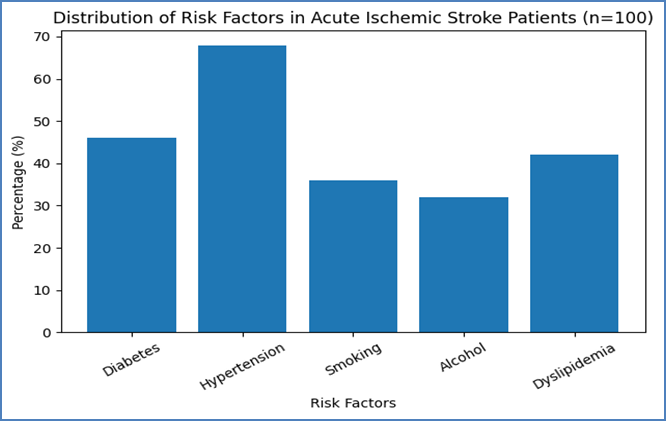
Figure 1: Distribution of Risk Factors among Patients with Acute Ischemic Stroke (n = 100)
In the present study, hypertension (68%) was the most common risk factor observed among patients with acute ischemic stroke, followed by diabetes mellitus (46%) and dyslipidemia (42%). A considerable proportion of patients had a history of smoking (36%) and alcohol consumption (32%), indicating the contribution of lifestyle-related factors to stroke occurrence.
Table 2: Clinical Presentation of Patients with Acute Ischemic Stroke (n = 100)
|
Clinical Feature |
Number (n) |
Percentage (%) |
|
Hemiparesis / Hemiplegia |
78 |
78.0 |
|
Speech disturbance (aphasia/dysarthria) |
64 |
64.0 |
|
Facial deviation |
58 |
58.0 |
|
Altered sensorium |
22 |
22.0 |
|
Giddiness / Vertigo |
18 |
18.0 |
|
Headache |
16 |
16.0 |
|
Vomiting |
14 |
14.0 |
|
Seizures |
10 |
10.0 |
|
Visual disturbances |
12 |
12.0 |
|
Ataxia |
9 |
9.0 |
In the present study, the most common clinical presentation was hemiparesis/hemiplegia (78%), followed by speech disturbance (64%) and facial deviation (58%), indicating predominant involvement of motor and cortical functions, particularly in middle cerebral artery territory strokes. Altered sensorium (22%) and giddiness/vertigo (18%) were less frequent, while symptoms such as headache (16%), vomiting (14%), and visual disturbances (12%) were observed in a smaller proportion of patients. Seizures (10%) and ataxia (9%) were relatively uncommon presentations.
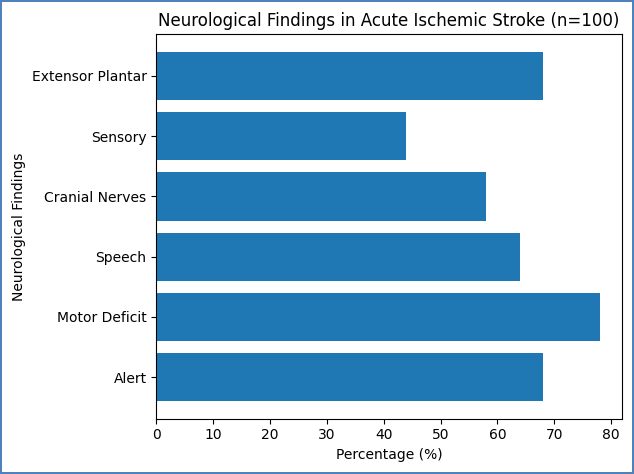
Figure 2: Neurological Findings at Presentation in Patients with Acute Ischemic Stroke (n = 100)
In the present study, the majority of patients were conscious at presentation (68%), while the remaining had varying degrees of impaired consciousness. Motor deficits were the most prominent neurological finding, with hemiparesis/hemiplegia observed in 78% of patients. Speech abnormalities (64%), including aphasia and dysarthria, were also common, reflecting cortical involvement. Cranial nerve involvement was noted in 58%, while sensory deficits were present in 44% of patients. An extensor plantar response was observed in 68%, indicating upper motor neuron involvement.
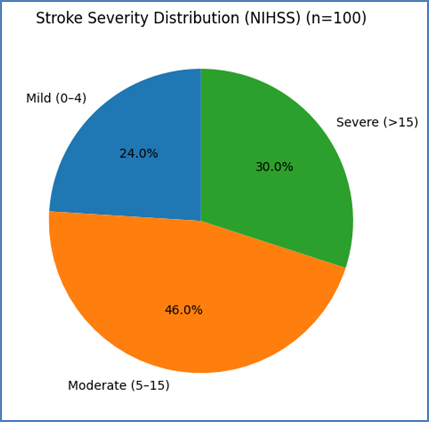
Figure 3: Distribution of Stroke Severity Based on NIHSS Score (n = 100)
The majority of patients had moderate stroke severity (46%), followed by severe stroke (30%) and mild stroke (24%), indicating that most patients presented with moderate to severe neurological deficits.
Table 3: Glycemic Profile of Study Population (n = 100)
|
Parameter |
Value |
|
HbA1c (%) |
7.6 ± 1.8 (5.2–12.4) |
|
Random Blood Sugar (mg/dL) |
182 ± 68 |
|
Fasting Blood Sugar (mg/dL) |
148 ± 52 |
|
HbA1c ≥6.5% (n, %) |
60 (60%) |
|
HbA1c <6.5% (n, %) |
40 (40%) |
The mean HbA1c level was 7.6 ± 1.8%, indicating overall poor glycemic control among the study population. A majority of patients (60%) had HbA1c ≥6.5%, suggestive of diabetes, while 40% had values below this threshold. Both random (182 ± 68 mg/dL) and fasting blood glucose levels (148 ± 52 mg/dL) were elevated, reflecting the presence of acute and chronic hyperglycemia in patients with acute ischemic stroke.
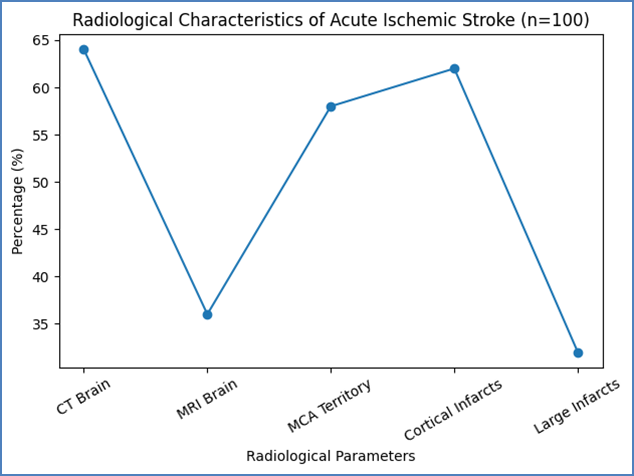
Figure 4: Radiological Characteristics of Acute Ischemic Stroke (n = 100)
In the present study, CT brain was the most commonly used imaging modality (64%), while MRI was performed in 36% of patients. The majority of infarcts involved the middle cerebral artery (MCA) territory (58%), consistent with the predominance of motor and speech deficits. Cortical infarcts (62%) were more common than subcortical lesions, and large infarcts were observed in 32% of patients, indicating a significant proportion with extensive cerebral involvement.
Table 4: Clinical Outcome and Hospital Course of Patients with Acute Ischemic Stroke (n = 100)
|
Parameter |
n (%) |
|
Improved at discharge |
56 (56%) |
|
Mortality |
14 (14%) |
|
ICU admission |
32 (32%) |
|
Moderate–severe disability (mRS ≥3) |
40 (40%) |
In the present study, 56% of patients showed clinical improvement at discharge, while the mortality rate was 14%. A significant proportion required ICU admission (32%), reflecting the severity of illness in a subset of patients. Additionally, 40% of patients had moderate to severe disability (mRS ≥3) at the time of assessment, indicating a considerable burden of functional impairment following acute ischemic stroke.
Table 5: Association of HbA1c Levels with Stroke Severity (NIHSS) (n = 100)
|
HbA1c Category |
Mild (0–4) |
Moderate (5–15) |
Severe (>15) |
Total |
p-value |
|
<5.7% (Normal) |
12 |
6 |
0 |
18 |
|
|
5.7–6.4% (Prediabetes) |
8 |
12 |
2 |
22 |
|
|
≥6.5% (Diabetes) |
4 |
28 |
28 |
60 |
|
|
Total |
24 |
46 |
30 |
100 |
<0.001* |
A statistically significant association was observed between HbA1c levels and stroke severity (p <0.001). Patients with HbA1c ≥6.5% had a markedly higher proportion of severe stroke (46.7%), whereas those with normal HbA1c (<5.7%) predominantly had mild stroke (66.7%) and no cases of severe stroke. A progressive increase in stroke severity was noted with rising HbA1c levels, indicating that poor long-term glycemic control is strongly associated with greater neurological deficit at presentation.
Table 6: Correlation between HbA1c Levels and Stroke Severity (NIHSS Score) (n = 100)
|
Variables |
Correlation Coefficient (r) |
p-value |
|
HbA1c vs NIHSS Score |
+0.62 |
<0.001* |
A statistically significant positive correlation was observed between HbA1c levels and NIHSS score (r = +0.62, p <0.001). This indicates a moderate to strong relationship, wherein higher HbA1c levels are associated with increased stroke severity. Patients with poor long-term glycemic control tended to present with more severe neurological deficits. The highly significant p-value suggests that this association is unlikely to be due to chance, highlighting the important role of chronic hyperglycemia in influencing the severity of acute ischemic stroke at presentation.
DISCUSSION:
The present hospital-based observational study evaluated the association between glycated hemoglobin (HbA1c) and the severity of acute ischemic stroke using the NIHSS score. The findings demonstrated that a majority of patients had elevated HbA1c levels, with 60% falling in the diabetic range (≥6.5%). The mean NIHSS score (11.8 ± 6.2) indicated predominantly moderate stroke severity. A statistically significant association was observed between HbA1c levels and stroke severity (p <0.001), and a moderate-to-strong positive correlation (r = +0.62) was identified, suggesting that higher HbA1c levels are associated with more severe neurological deficits at presentation.
The pathophysiological basis of this association lies in the effects of chronic hyperglycemia on vascular and neuronal integrity. Persistent hyperglycemia leads to endothelial dysfunction, increased oxidative stress, inflammatory activation, and accelerated atherosclerosis, all of which impair cerebral perfusion and collateral circulation. These mechanisms ultimately increase infarct size and neurological damage. Additionally, hyperglycemia contributes to a prothrombotic state and blood–brain barrier disruption, thereby exacerbating ischemic injury and worsening stroke severity [4].
The results of the present study are consistent with several earlier landmark studies. Kamouchi et al. demonstrated that poor prestroke glycemic control was independently associated with worse stroke severity and outcomes [6]. Similarly, Hjalmarsson et al. reported that elevated HbA1c levels were linked with increased stroke severity and poorer prognosis [5]. Lattanzi et al. and Wang et al. also observed that higher HbA1c levels were associated with worse functional outcomes and increased neurological disability [7]. These findings collectively support the concept that chronic glycemic status plays a significant role in determining the severity and outcome of ischemic stroke.
Recent studies further strengthen this association. A 2025 study by Alhawiti et al. demonstrated a significant positive correlation between HbA1c levels and NIHSS score, with a marked increase in severe stroke when HbA1c exceeded 6.5% [10]. Similarly, Naveen et al. reported a positive correlation between HbA1c and NIHSS (r ≈ 0.43), supporting a linear relationship between glycemic control and stroke severity [15]. These findings are comparable to the present study, which showed an even stronger correlation (r = +0.62), suggesting a robust association in the studied population.
Further evidence from recent observational studies indicates that elevated HbA1c is associated not only with stroke severity but also with poor clinical outcomes. Diprose et al. reported that HbA1c levels >6.5% were significantly associated with worse outcomes in large vessel occlusion stroke patients undergoing endovascular therapy [16]. Similarly, Ali et al. demonstrated that each 1% increase in HbA1c significantly increased the odds of poor neurological outcome, highlighting its independent prognostic value [17]. These findings reinforce the role of HbA1c as a marker of chronic vascular injury and metabolic stress that influences stroke severity and recovery.
Recent multicenter and large cohort studies have also explored the long-term implications of HbA1c in stroke patients. Kim et al. demonstrated that elevated HbA1c levels were associated with increased risk of adverse vascular outcomes at one year, particularly in younger patients [18]. Similarly, recent evidence suggests that HbA1c ≥8% significantly increases the risk of stroke and vascular complications, emphasizing the importance of long-term glycemic control [19]. These findings highlight that HbA1c is not only a marker of current stroke severity but also a predictor of future vascular events.
However, some studies have reported contrasting results. Sung et al. suggested that acute hyperglycemia may have a stronger influence on stroke outcomes compared to HbA1c, indicating that stress-induced glucose elevation plays a critical role in acute neuronal injury [10].
Additionally, some recent studies have shown that after adjusting for confounders such as age, stroke subtype, and admission glucose, HbA1c may not independently predict outcomes in all patient groups [20]. These discrepancies may be attributed to differences in study design, population characteristics, treatment modalities, and outcome measures. While some studies focus on functional outcomes or mortality, the present study specifically evaluates initial stroke severity, which may explain the stronger association observed.
The present study addresses an important research gap by focusing specifically on the relationship between HbA1c and initial neurological severity at presentation, rather than long-term outcomes alone. The strong association observed suggests that HbA1c is a reliable indicator of chronic metabolic burden that influences the extent of neurological damage at the time of stroke onset. Unlike random or fasting glucose levels, which may fluctuate due to stress response, HbA1c provides a stable measure of glycemic control, making it a valuable biomarker in acute stroke evaluation.
From a clinical perspective, these findings have important implications. HbA1c is a simple, inexpensive, and widely available investigation that can be routinely used in acute stroke settings. Patients with elevated HbA1c levels can be identified as high-risk individuals who are more likely to present with severe stroke and may require intensive monitoring and aggressive management. Furthermore, the study emphasizes the importance of long-term glycemic control in reducing both the incidence and severity of stroke.
Despite these strengths, certain limitations must be acknowledged. The study was conducted in a single center with a relatively small sample size, which may limit generalizability. Confounding variables such as infarct volume, stroke subtype, and treatment interventions were not adjusted using multivariable regression analysis. Additionally, long-term outcomes were not assessed, which could have provided further insight into the prognostic value of HbA1c..
CONCLUSION:
In conclusion, the present study demonstrates a strong and statistically significant association between HbA1c levels and the severity of acute ischemic stroke, with higher HbA1c levels correlating with increased NIHSS scores and more severe neurological deficits. These findings indicate that chronic hyperglycemia plays a crucial role in determining stroke severity. HbA1c can serve as a simple, cost-effective, and reliable biomarker for early risk stratification in acute ischemic stroke. The study underscores the importance of optimal glycemic control in reducing the burden and severity of stroke and highlights the need for further large-scale, multicentric studies to validate these findings and explore long-term outcomes.
REFERENCES:
1. World Stroke Organization Feigin VL, Brainin M, Norrving B, Martins S, Sacco RL, Hacke W, et al. World Stroke Organization (WSO): Global Stroke Fact Sheet 2022. Int J Stroke. 2022;17(1):18-29.
2. Kwah LK, Diong J. National Institutes of Health Stroke Scale (NIHSS). J Physiother. 2014;60(1):61.
3. American Diabetes Association Professional Practice Committee. Classification and diagnosis of diabetes: Standards of Medical Care in Diabetes—2022. Diabetes Care. 2022;45(Suppl 1):S17-S38. doi:10.2337/dc22-S002.
4. Luitse MJ, Biessels GJ, Rutten GE, Kappelle LJ. Diabetes, hyperglycaemia, and acute ischaemic stroke. Lancet Neurol. 2012;11(3):261-271.
5. Hjalmarsson C, Manhem K, Bokemark L, Andersson B. The role of prestroke glycemic control on severity and outcome of acute ischemic stroke. Stroke Res Treat. 2014;2014:694569.
6. Kamouchi M, Matsuki T, Hata J, Kuwashiro T, Ago T, Sambongi Y, et al. Prestroke glycemic control and functional outcome in acute ischemic stroke. Stroke. 2011;42(10):2788-2794.
7. Lattanzi S, Bartolini M, Provinciali L, Silvestrini M. Glycosylated hemoglobin and functional outcome after stroke. J Stroke Cerebrovasc Dis. 2016;25(7):1786-1791.
8. Wang H, Cheng Y, Chen S, Li X, Zhu Z, Zhang W. HbA1c levels and functional outcome in ischemic stroke. J Stroke Cerebrovasc Dis. 2019;28(2):470-476.
9. Bao Y, Gu D. Glycated hemoglobin and stroke outcomes: A systematic review and meta-analysis. Front Neurol. 2021;12:642899.
10. Osei E, Fonville S, Zandbergen AAM, Koudstaal PJ, Dippel DWJ, den Hertog HM. Association of prestroke glycemic control with severity and outcome of acute ischemic stroke. Stroke. 2023;54(5):1452-1460. doi:10.1161/STROKEAHA.122.041234.
11. Kumar A, Sharma R, Singh V. Association of glycated hemoglobin with stroke severity in acute ischemic stroke patients. Int J Adv Med. 2019;6(5):1502-1507.
12. Singh G, Kaur P, Kaur G. Role of HbA1c in predicting severity of ischemic stroke. J Clin Diagn Res. 2020;14(3):OC10-OC13.
13. Jeong J, Park JK, Koh YH, Park JM, Bae HJ, Yun SM. Association of HbA1c with functional outcome by ischemic stroke subtypes and age. Front Neurol. 2023;14:1247693.
14. Naveen Kumar N, Monisha M, Srinivasa R. Correlation of glycated hemoglobin (HbA1c) with stroke severity and functional outcome in acute ischemic stroke patients. Int J Adv Med. 2021;8(7):1012-1017. doi:10.18203/2349-3933.ijam20212564.
15. Diprose WK, Wang MTM, McFetridge A, Sutcliffe J, Barber PA. Glycated hemoglobin (HbA1c) and outcome following endovascular thrombectomy for ischemic stroke. Neurology. 2020;95(7):e827-e837. doi:10.1212/WNL.0000000000009983.
16. Ali MY, Rahman MM, Islam MS. HbA1c and neurological outcome in acute ischemic stroke. SSMC J. 2024;15(1):34-40.
17. Kim JT, Park MS, Choi KH, et al. Influence of prestroke glycemic status on vascular outcomes in ischemic stroke. Stroke. 2024;55(3):789-797.
18. Ma X, Guo K, Zhang H, Wang J, Li H, Yang X, et al. Association between HbA1c levels and ischemic stroke risk in patients with type 2 diabetes mellitus. Diabetes Metab Syndr Obes. 2021;14:4605-4613. doi:10.2147/DMSO.S335214.
19. Cao C, Zhang Y, Liu H. Relationship between HbA1c and outcomes in acute ischemic stroke: a multicenter study. BMC Neurol. 2024;24:112.