Clinical Utility of Preoperative Upper Gastro Intestinal Endoscopy in Symptomatic Gall Stone Patients Undergoing Cholecystectomy in a Tertiary Care Centre.
- Najim Hiquemat , Assistant Professor, Department of General Surgery, Gauhati Medical College and Hospital (GMCH) Guwahati, Assam, India.
- Mostafa Md. Mottaquin , Assistant Professor, Department of Surgical Gastroenterology, Gauhati Medical College and Hospital (GMCH) Guwahati, Assam, India.
- Prakash Kalita , Assistant Professor, Department of General Surgery, Pragjyotishpur Medical College and Hospital (PMCH), Guwahati, Assam, India.
- Biswajit Nath , Registrar, Department of General Surgery, Dhubri Medical College & Hospital (DMCH), Dhubri, Assam, India.
Article Information:
Abstract:
Background: Cholelithiasis is one of the most common diseases encountered by a surgeon. There is often an overlap in the presenting symptoms of gall stone disease and other upper GI conditions like peptic ulcer disease, GERD, reflux oesophagitis etc. Failure to rule out other GI conditions as the cause of these non specific abdominal symptoms in known gall stone patients often result in unjustifiable cholecystectomies. The persistence of abdominal symptoms even after cholecystectomy is a cause of distress for the patients and is at the same time discouraging for the surgeons. Around a quarter of the patients undergoing cholecystectomy do not experience relief of symptoms following cholecystectomy1. In this regard an upper GI endoscopy is a quick, cheap and effective tool to look for other pathologies that may mimic the presentation of cholecystitis, thereby preventing post cholecystectomy syndrome after elective cholecystectomy. Methods: A cross sectional, single centre (DMCH) observational study was done in the Department of Surgery, Dhubri Medical College and Hospital, Dhubri, Assam, India, for a period of 6 months, between September 2025 and February 2026. All patients planned for cholecystectomy underwent pre operative UGIE 3-7 days before surgery. Endoscopic findings were documented as per the presence and nature of any upper GI pathology (gastritis, ulcers, hiatus hernia). The study noted whether the endoscopic findings altered the planned surgical procedure or led to a new course of medical management. Results and observation: Out of the total of 100 patients included in this study, 47 patients presented with typical symptoms of gallstones and the remaining 53 patients had atypical symptoms. Significant endoscopic findings were noted in 52% of the patients. The most common finding in the study population was gastritis (27%), followed by gastritis with doudenitis (10%) and duodenitis alone (5%). Majority of patients with positive UGE findings had atypical pain as the presenting symptom. Upper GI endoscopy finding of gastric ulcer in 4 patients and duodenal ulcer in 1 patient led to postponement of surgery by 6 weeks to allow for the ulcers to heal following medical management. Conclusion: Majority of the gall stone patients had atypical presentations in the form of abdominal discomfort, dyspepsia, belching, food intolerance, heart burn, vomiting and loss of appetite. Atypical pain in patients with gallstones may be suggestive of coexisting upper gastrointestinal pathologies. Significant findings were noted more in the patients who had atypical pain as compared to those with typical biliary pain. This study supported the fact that performing upper GI endoscopy as a routine pre op investigation will help detecting other gastroduodenal pathologies at an early stage and help in deciding whether gall bladder stones are the source of the symptoms or an incidental finding.
Keywords:
Article :
INTRODUCTION:
Cholelithiasis is one of the most common diseases encountered by a surgeon. There is often an overlap in the presenting symptoms of gall stone disease and other upper GI conditions like peptic ulcer disease, GERD, reflux oesophagitis etc. Failure to rule out other GI conditions as the cause of these non specific abdominal symptoms in known gall stone patients often result in unjustifiable cholecystectomies. The persistence of abdominal symptoms even after cholecystectomy is a cause of distress for the patients and is at the same time discouraging for the surgeons. Around a quarter of the patients undergoing cholecystectomy do not experience relief of symptoms following cholecystectomy.1 Failure to rule out other GI conditions as the cause of these non specific abdominal symptoms in known gall stone patients often result in unjustifiable cholecystectomies. In this regard an upper GI endoscopy is a quick, cheap and effective tool to look for other pathologies that may mimic the presentation of cholecystitis, thereby preventing post cholecystectomy syndrome after elective cholecystectomies
AIMS AND OBJECTIVES
Aims
To evaluate the clinical utility of conducting routine pre operative UGI Endoscopy on symptomatic gall stone patients planned for surgery.
Objectives
• To find the prevalence and types of various incidental UGI pathologies in symptomatic gall stone patients.
• To correlate clinical symptoms with UGI Endoscopy findings (typical vs atypical biliary pain and the presence of underlying pathologies).
• To find the proportion of patients requiring additional medical treatment prior to surgery.
MATERIALS AND METHODS:
This cross sectional, single centre (DMCH) observational study was conducted in the Department of Surgery, Dhubri Medical College and Hospital, Dhubri, Assam, India for a period of 6 months, between September 2025 and February 2026.
Inclusion Criteria
• Age≥18 years
• Documented Gall stones patients planned for cholecystectomy
• Symptomatic for pain abdomen
• Willingness to provide informed consent.
• Patients covered under AYUSHMAN BHARAT/PMJAY
Exclusion Criteria
• Emergency cholecystectomy (severe acute cholecystitis or gall stone pancreatitis)
• History of previous upper GI Surgery that could complicate the endoscopy.
• Known severe coagulopathy or other contraindications for endoscopy
• Unwillingness to provide informed consent.
Sample Size Calculator
The sample size is calculated using the formula:
n=Z2. P(1-P)/ d2
Z- typically 1.96 for a 95% confidence interval
p- prevelance of significant endoscopic finding based on previous literature (58.7% reported in Mullaiventhan et al2)
d- margin of error (0.1)
n=93
A total of 100 patients were included in the study and they were divided into two groups. Group 1 (n=47), included patients who presented with typical biliary colic and Group 2 included patients who presented with atypical symptoms (n=53). Typical biliary colic implied recurrent colicky pain, situated in right upper quadrant or epigastrim and may radiate to the right shoulder or inferior angle of scapula. Atypical symptoms included abdominal discomfort, dyspepsia, nausea, vomiting, belching, heartburn, flatulence and loss of appetite.
Before the endoscopy and surgery a standardised data form was used to collect baseline patient information, including:
• Demographics: age, sex, BMI.
• Clinical history: duration and type of symptoms (biliary colic, dyspepsia, heartburn etc), medical co morbidities and previous abdominal surgery.
All patients planned for cholecystectomy underwent pre operative UGIE 3-7 days before surgery.
• Endoscopic findings: we documented the presence and nature of any upper GI pathologies.
Change in management: whether the endoscopic findings altered the planned surgical procedure or lead to a new course of medical management.
RESULTS:
Majority of the study population (28%) belonged to the age group between 41-50 years followed by 51-60 years age group (23%). Females constituted the majority of the patients (69%). The age group between 51 and 60 comprised most of the male study population. The age group between 41 and 50 comprised most of the female study population.
Table 1: Distribution of the study population according to age and sex
|
Age Group |
Number of Patients |
Male |
Female |
|
≤20 |
1 |
1 |
0 |
|
21-30 |
16 |
5 |
11 |
|
31-40 |
21 |
6 |
15 |
|
41-50 |
28 |
6 |
22 |
|
51-60 |
23 |
7 |
16 |
|
61-70 |
10 |
5 |
5 |
|
≥71 |
1 |
1 |
0 |
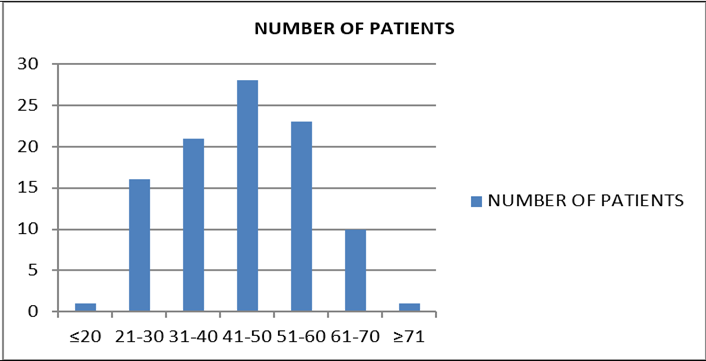
Figure 1: Distribution of the patients according to age
Out of the total of 100 patients included in this study, 47 patients presented with typical symptoms of gallstones (n=47) and were included in the first group (group 1). The remaining 53 patients had atypical symptoms and were included in the second group (group 2) (n=53).
Table 2: Distribution of the study population according to the type of pain
|
Group |
Number |
|
Group1 (Typical Pain Group) |
47 |
|
Group2 (Atypical Pain Group) |
53 |
Significant endoscopic findings were noted in 52% of the patients. The most common finding in the study population was gastritis (27%), followed by gastritis with doudenitis (10%) and duodenitis alone (5%). Among the male study population, 51.6% (15 out of 31) had significant findings, whereas 52.2% (36 out of 69) of the female study population had significant findings on endoscopy. The difference in the occurrence of significant upper GI Endoscopic findings in males and females was not statistically significant. (p=0.96).
Table 3: UGI Endoscopy findings and its distribution in the sexes
|
UGIE Findings |
Male |
Female |
Total |
|
Gastritis |
8 |
19 |
27 |
|
Doudenitis |
1 |
4 |
5 |
|
Gastritis and duodenitis |
3 |
7 |
10 |
|
Gastric ulcer |
2 |
2 |
4 |
|
Duodenal ulcer |
1 |
0 |
1 |
|
Reflux oesophagitis |
1 |
2 |
3 |
|
Hiatus hernia with reflux oesophagitis |
0 |
1 |
1 |
|
Hiatus hernia |
0 |
1 |
1 |
|
Normal finding |
15 |
33 |
48 |
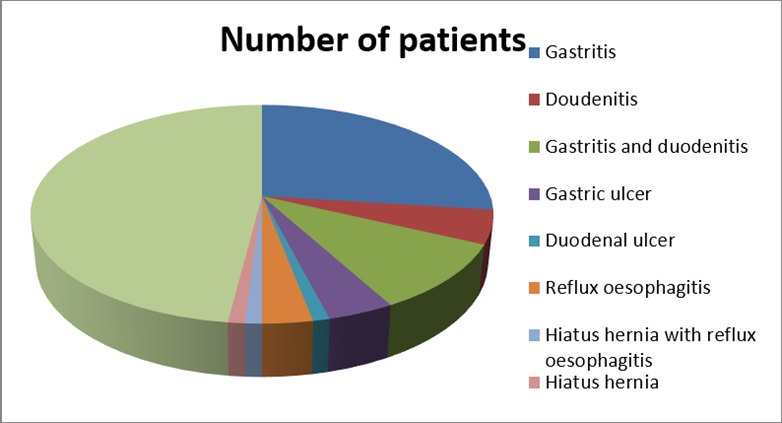
Figure 2: Distribution of UGI Endoscopy findings
Table 4: Age distribution of endoscopic findings
|
Age Group |
Normal Endoscopy Finding |
Significant Endoscopy Finding |
|
≤20 |
1 |
0 |
|
21-30 |
12 |
4 |
|
31-40 |
11 |
10 |
|
41-50 |
9 |
19 |
|
51-60 |
9 |
14 |
|
61-70 |
6 |
4 |
|
≥71 |
0 |
1 |
Most patients with normal endoscopic findings included those between 21-40 years (47.9%). Among the significant endoscopic findings, the majority were in the age group between 41-60 years (63.5%).
Table 5: Endoscopic findings and type of presenting pain
|
Endoscopic Finding |
Patient with Typical Pain for Cholecystitis (Group 1) |
Patient with Atypical Pain for Cholecystitis (Group 2) |
|
Gastritis |
8 |
19 |
|
Doudenitis |
1 |
4 |
|
Gastritis and duodenitis |
2 |
8 |
|
Gastric ulcer |
0 |
4 |
|
Duodenal ulcer |
0 |
1 |
|
Reflux oesophagitis |
0 |
3 |
|
Hiatus hernia with reflux oesophagitis |
0 |
1 |
|
Hiatus hernia |
1 |
0 |
|
Normal finding |
35 |
13 |
Majority of patients with positive UGE findings presented with atypical pain rather than typical biliary colic Among the Group 1 patients (47 patients with typical billiary pain), only 12 had significant upper GI Endoscopy findings with the remaining 35 patients having a normal upper GI endoscopy. Among the Group 2 patients (53 patients with atypical pain), 40 had significant upper GI Endoscopy finding and only 13 had a normal upper GI endoscopy. The difference was statistically significant. (p˂0.0001).
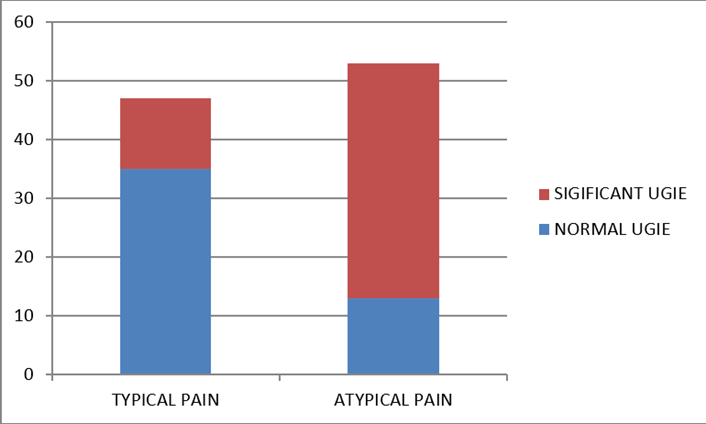
Figure 3: Type of pain and endoscopy findings
Cholecystectomy was performed in 100 patients. However, the procedure was deferred in 4 patients of gastric ulcer and 1 patient of duodenal ulcer by 6 weeks to allow for the ulcers to heal following medical management. All the other patients who had abnormal UGE findings were advised medical management (course of proton pump inhibitors / ulcer coating agents/ antacids/and HP kit) along with cholecystectomy. In case of patients who showed no findings on UGIE, follow up at 1 month after cholecystectomy showed 100% relief of preoperative symptoms. Among those with significant UGIE findings; 91.67% (11 out of 12) patients with typical pain reported relief of symptoms. 87.5% (35 out of 40) patients with atypical pain and abnormal UGIE showed relief of symptoms at the end of 1 month of follow up.
DISCUSSION:
Typical biliary colic is described as sudden colicky pain in right hypochondrium or epigastric region the due to stone in the gall bladder, often associated with nausea and vomiting and radiation of pain to the shoulder or inferior angle of scapula. Atypical presentations include dyspepsia, belching, heart burn, nausea, vomiting, loss of appetite or any other abdominal discomfort. Atypical pain in patients with gallstones may be suggestive of coexisting upper gastrointestinal pathologies2. Incidental gallstones may not be the actual pathology causing these symptoms. Due to the significant overlap in the clinical presentations of upper gastrointestinal diseases, it is important to identify other disease of the esophagus, stomach and duodenum by doing an upper GI endoscopy. In the present study, 69% patients were female while 31% were male. Ure et al3 in their study reported that 75 % of the gallstone patients were females while Mozafar et al4, found that, females made up for for 74.15% of the study population.
Out of the 100 patients included in our study, 48 % had a normal upper GI endoscopy while 52% showed significant findings in upper GI Endoscopy. Mullaiventhan et al5, in their study involving 150 patients with symptomatic gallstones, reported a normal upper GI Endoscopy study in 41.3% of the total patients while 58.7% showed significant lesions on endoscopy. Prashant et al6 on the other hand reported that 67.2 % of cholelithiasis patients had normal UGI endoscopy while only 32.8 % patients show abnormality in UGI endoscopy. Narayan et al2, reported that there only 27.2% of the symptomatic gall stone patients had a normal UGI endoscopy while the remaining 72.8% had some degree of significant UGI endoscopy finding.
In the present study, 51.6% (15 out of 31) of the male study population had significant findings, whereas 52.2% (36 out of 69) of the female study population had significant findings on endoscopy. Mullaiventhan et al5, reported that 57 out of 108 (55.9%) females had significant findings on endoscopy, while 64.6% of the males had positive endoscopic findings. The most common finding in the present study was gastritis (27%), followed by gastritis with doudenitis (10%) and duodenitis alone (5%). Mullaiventhan et al5 reported that the most common finding in their study population was gastritis (24%), followed by gastric ulcer (7.3%), where males presented with gastritis in 20.8% cases and gastric ulcer in 12.5%, while gastritis and duodenititis was seen in 25.5% and 6.6% women respectively. Kadirvel et al7 stated that the most common finding in upper GI endoscopy in cholelithiasis patients was gastritis (28%) followed by gastric erosions. (24%). Bartosz et al8 reported gastritis/gastric ulcer as the most common positive finding, accounting for 43.6%, followed by duodenitis (17.3%), hiatal hernia (16.10%), and duodenal ulcer (8.30%).
In the present study, majority of patients with positive UGE findings presented with atypical pain rather than typical biliary colic. Out of 47 patients with typical billiary pain only 12 had significant upper GI Endoscopy findings while out of 53 patients with atypical pain, 40 had significant upper GI Endoscopy finding. The difference was statistically significant. (p˂0.0001). Karmacharya et al9 stated that the presence of atypical pain in patients with gallstones suggests the likelihood of additional upper gastrointestinal pathologies and hence an upper gastrointestinal endoscopy is necessary in gallstone patients before elective cholecystectomy.
In the present study the procedure was deferred in 4 patients of gastric ulcer and 1 patient of duodenal ulcer by 6 weeks to allow for the ulcers to heal following medical management. All the other patients who had abnormal UGE findings were advised medical management (course of proton pump inhibitors, ulcer coating agents, antacids and HP kit) along with cholecystectomy. Panambur et al10 in their study involving 80 cholelithiasis patients noted that 19 patients required change in the proposed treatment as a result of the UGI Endoscopy findings. Among them 13 patients with H. Pylori required medical management prior to surgery. 5 patients were diagnosed with Malignancy (gastric/ esophageal) and 1 with severe GERD, thereby highlighting the importance of pre operative UGI endoscopy.
In case of patients who showed no findings on UGIE, follow up at 1 month after cholecystectomy showed 100% relief of preoperative symptoms. Among those with significant UGIE findings; 91.67% (11 out of 12) patients with typical pain reported relief of symptoms. 87.5% (35 out of 40) patients with atypical pain and abnormal UGE showed relief of symptoms at the end of 1 month of follow up. Kunnuru et al11 also reported significantly less pain in the cholelithiasis patients with normal UGI endoscopy at 1week post op, whereas no difference was noted at 4th and 6th week. Kadirvel et al7 also noted that significantly lower pain in the group with normal upper GI endoscpy. Khedkar et al12 reported resolution of all discomfort after 3 months with overall response rate of 95%.
CONCLUSION:
The study revealed that majority of symptomatic gall stone patients had significant findings on upper gastrointestinal endoscopy. Among the positive findings, the most common was gastritis followed by duodenitis and gastric ulcers. The significant findings were slightly higher in females as compared to males. Among the patients with significant findings, majority were in the age group of 41-60 years. Significant UGI endoscopic findings were noted more in the patients who had atypical pain as compared to those with typical biliary pain. This study found that routine upper GI endoscopy prior to cholecystectomy helps in detecting other gastroduodenal pathologies and thereby helps to determine whether gall bladder stones are the source of the symptoms or an incidental finding. The patient suffering from dyspepsia due to other causes, can thus be treated accordingly before surgery. The prevalence of post cholecystectomy pain that may occur due to undiagnosed and untreated upper GI pathologies can thus be reduced to a large extent.
REFERENCES:
1. Bitzer E M, Lorenz C, Nickel S, et al. Assesing patient reported outcomes of cholecystectomy in short stay surgery. Surg Endosc 2008;22:2712-9.
2. Narayan H, Ravishankar N, Shivabasappa S, et al. Gall stones and dyspepsia: does upper gastrointestinal endoscopy have a pivotal role? Int Surg J 2019;6:1938.
3. Ure BM, Spangenberger W, Lefering R, et al. Routine gastroscopy before laparoscopic cholecystectomy: evaluation of the technology in 376 patients. Z Gastroenterol 1992;30(3):529-33.
4. Mozafar M, Sobhiyeh MR, Heibatollahi M. Is esophagogastroduodenoscopy essential prior to the elective surgical therapy of symptomatic cholelithaisis? Gastroenterol Hepatol 2010;3(2):77-82.
5. Mullaiventhan M, Vallipriy V, Kumari RR. Study on upper gastrointestinal endoscopy findings in symptomatic gallstone patients: a descriptive study. International Journal of Academic Medicine and Pharmacy 2023;5(6):834-9.
6. Prashant P, Shyam D, Pratap ST. The role of upper gastrointestinal endoscopy in correlation with cholelithiasis. GJMEDPH 2024;13(1).
7. Kadirvel D, Krishnan K, Chandran M, et al. Efficacy of Upper Gastrointestinal Endoscopy in Cholelithiasis before laparoscopic cholecystectomy. International Journal of Pharmaceutical Quality Assurance 2024;15(3):1944-7.
8. Bartosz K, Głuszek S. Need assessment for gastroscopy in patients with gallstones. Polski Przegląd Chirurgiczny 2010;82(8):469-78.
9. Karmacharya A, Malla BR, Joshi HN, et al. The predictive value of preoperative symptoms, including upper gastrointestinal endoscopy before laparoscopic cholecystectomy for elective symptomatic cholecystolithiasis. Kathmandu Univ Med J 2013;11:300-4.
10. Panambur AB, Ignatius AP, Shenoy RR. Unveiling hidden culprits: An observational study of upper gastrointestinal endoscopy findings in symptomatic cholelithiasis patients. Journal of Medical Case Studies 2025;3(1):000139.
11. Kunnuru SK, Kanmaniyan B, Thiyagarajan M, et al. A study on efficacy of UGI scopy in cholelithiasis patients before laparoscopic cholecystectomy. Minimally Invasive Surgery 2021;2021(1):8849032.
12. Khedkar I, Prasad D, Datta A. Diagnostic value of upper gastrointestinal endoscopy prior to elective laparoscopic cholecystectomy for symptomatic cholelithiasis. International Surgery Journal 2018;5(1):105-9.