Association of Pathological Intrapartum Cardiotocography with Caesarean Section Rates and Perinatal Outcomes: A Cross-Sectional Study in a Tertiary Care Centre in Eastern India.
- Swastika Ghosh , Junior resident/ Dept.of G&O/ Medical College Kolkata.
- Samrat Chakrabarti , Associate Professor, Dept.of G&O, Medical College Kolkata.
- Nita Ray , Assistant professor, Dept of G&O, Medical College Kolkata.
Article Information:
Abstract:
Background: Cardiotocography (CTG) is widely used for intrapartum fetal monitoring, but its impact on caesarean section rates and neonatal outcomes remains debated. Objective:To evaluate the effect of pathological CTG findings on caesarean section rates and immediate perinatal outcomes in a tertiary care centre. Methods: A cross-sectional observational study was conducted among 47 term pregnant women in active labour at Medical College Kolkata. CTG tracings were categorized as normal, suspicious, or pathological. Only tracings with pathological features were included. Mode of delivery and neonatal outcomes, including APGAR scores and Special Newborn Care Unit (SNCU) admissions, were analysed. Statistical analysis was performed using Chi-square test, with p < 0.05 considered significant. Results: The caesarean section rate was 48.9%, with pathological CTG strongly associated with operative delivery (p < 0.001). All cases of severe bradycardia and severe tachycardia resulted in caesarean section. A significant proportion of neonates had low APGAR scores at 1 minute, with partial improvement at 5 minutes. SNCU admission was required in 66.0% of cases, and stillbirths occurred in 10.6%. The association between mode of delivery and perinatal outcome was statistically significant (p < 0.001). Conclusion: Pathological CTG is strongly associated with increased caesarean section rates and adverse perinatal outcomes. While CTG remains a valuable screening tool for detecting fetal compromise, its interpretation should be judicious to avoid unnecessary operative interventions.
Keywords:
Article :
INTRODUCTION:
Cardiotocography (CTG) is a widely used method for intrapartum fetal surveillance that enables continuous monitoring of fetal heart rate and uterine contractions. Since its introduction in the mid-20th century, CTG has become an integral component of modern obstetric practice, particularly for the early detection of fetal hypoxia and prevention of adverse perinatal outcomes. Despite its widespread use, the clinical impact of CTG—especially its influence on operative delivery rates—remains a subject of ongoing debate1,2.
Globally, there has been a significant rise in caesarean section rates over the past few decades. While caesarean delivery is a life-saving intervention when appropriately indicated, its overuse has become a major public health concern. The World Health Organization recommends an optimal caesarean section rate of 10–15%, beyond which no additional benefit in maternal or neonatal outcomes has been demonstrated. However, current rates in many regions, including India, far exceed these recommendations, raising concerns regarding unnecessary operative interventions3,4,5.
One of the key factors implicated in this rising trend is the increasing reliance on continuous CTG monitoring during labour. Although CTG is effective in identifying abnormal fetal heart rate patterns suggestive of hypoxia, it is also associated with a high false-positive rate and significant interobserver variability. As a result, non-reassuring or pathological CTG tracings frequently prompt operative interventions, including caesarean section, even in the absence of confirmed fetal compromise. Previous studies have demonstrated that continuous CTG monitoring, particularly in low-risk pregnancies, may increase caesarean section rates without a corresponding reduction in perinatal mortality6,7,8.
At the same time, CTG plays a crucial role in high-risk pregnancies, where timely identification of fetal distress can reduce neonatal morbidity and mortality. Abnormal CTG patterns have been associated with adverse perinatal outcomes such as low APGAR scores, need for neonatal resuscitation, and increased admission to neonatal intensive care units. However, the extent to which CTG-guided interventions improve neonatal outcomes remains variable and context-dependent.
In India, particularly in tertiary care centres, CTG is routinely used for intrapartum monitoring across a wide spectrum of patients, including both low- and high-risk pregnancies. However, there is limited institution-specific data evaluating the relationship between pathological CTG findings, caesarean section rates, and immediate perinatal outcomes. Understanding this relationship is essential to optimize labour management strategies, avoid unnecessary operative interventions, and improve neonatal outcomes9,10.
Therefore, the present study was undertaken to evaluate the association between pathological CTG findings, mode of delivery, and perinatal outcomes among term pregnant women in labour at a tertiary care centre in Eastern India.
MATERIALS AND METHODS:
Study Design and Setting
This was a hospital-based cross-sectional observational study conducted in the Department of Obstetrics and Gynaecology, Medical College and Hospital, Kolkata, a tertiary care referral centre in Eastern India.
Study Period
The study was carried out over a period of 18 months, from June 2024 to December 2025.
Study Population
The study included term pregnant women (gestational age ≥37 weeks) admitted to the labour room in active labour.
Sample Size
The sample size was calculated based on a previous study11 reporting 11% prevalence of pathological CTG. Using the formula:
N = (Z² × p × q) / d²
Where Z = 1.96 at 95% confidence interval, p = 0.11, q = 0.89, and d = 0.09,
The calculated sample size was 47.
Inclusion Criteria
• Singleton pregnancy with live fetus
• Gestational age ≥37 weeks
• Cephalic presentation
• Women in spontaneous or induced labour
• Presence of pathological CTG tracing
Exclusion Criteria
• Known major fetal congenital anomalies
• Intrauterine fetal demise at admission
• Elective caesarean section without labour
Data Collection Procedure
After obtaining institutional ethical clearance and informed consent, eligible participants were enrolled consecutively. A detailed clinical history and obstetric examination were performed, and relevant maternal parameters were recorded using a predesigned proforma.
All participants underwent intrapartum cardiotocography monitoring during the first stage of labour using a standard CTG machine. A 20-minute admission CTG was recorded and interpreted according to standard guidelines. CTG tracings were categorized as normal, suspicious, or pathological.
Clinical management, including mode of delivery, was decided by the attending obstetrician as per institutional protocols and was not influenced by the study.
Outcome Measures
Primary Outcome
Rate of caesarean section in cases with pathological CTG
Secondary Outcomes
APGAR score at 1 and 5 minutes
Need for neonatal resuscitation
Admission to Special Newborn Care Unit (SNCU)
Perinatal outcome (healthy, SNCU admission, stillbirth)
Statistical Analysis
Data were entered into Microsoft Excel and analysed using SPSS version 23. Continuous variables were expressed as mean ± standard deviation, while categorical variables were expressed as frequencies and percentages. Association between CTG findings, mode of delivery, and perinatal outcomes was analysed using Chi-square test or Fisher’s exact test as appropriate. A p-value <0.05 was considered statistically significant.
Ethical Considerations
Ethical approval was obtained from the Institutional Ethics Committee prior to the commencement of the study. Written informed consent was obtained from all participants.
RESULTS:
A total of 47 term pregnant women with pathological cardiotocography (CTG) tracings were included in the study.
Baseline Characteristics
The mean maternal age was 24.98 ± 5.14 years (range: 17–35 years). The majority of participants belonged to the 21–24 years age group (44.7%). Most women were of middle socioeconomic status (55.3%) and were multigravida, with second gravida accounting for 44.7% of cases.
The mean body mass index (BMI) was 24.9 ± 3.3 kg/m². Nearly half of the participants were overweight (48.9%), followed by normal BMI in 40.4% of cases.
CTG Findings
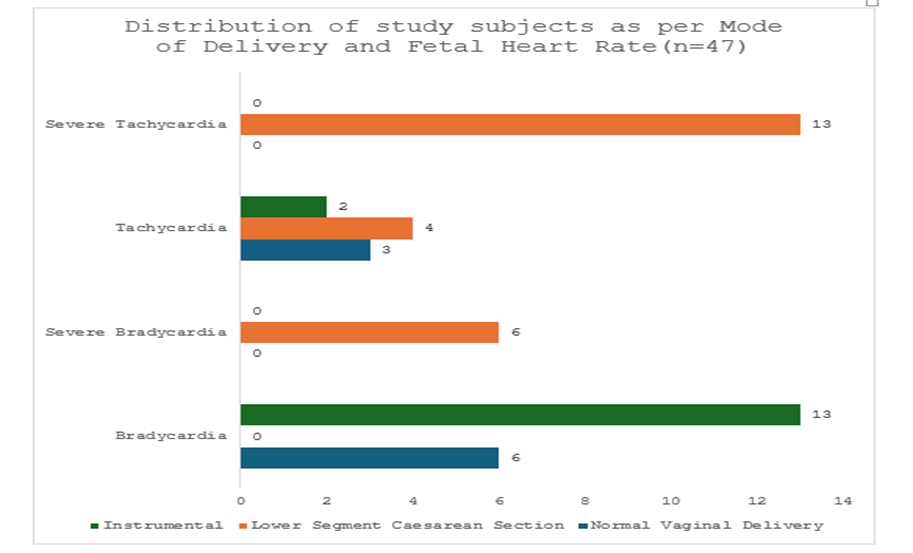
Abnormal baseline fetal heart rate patterns were observed in all cases, as only pathological CTG tracings were included. Bradycardia (61–100 bpm) was the most common finding (40.4%), followed by severe tachycardia (>180 bpm) in 27.7%, tachycardia (161–180 bpm) in 19.1%, and severe bradycardia (<60 bpm) in 12.8%.
Mode of Delivery
Among the study population, caesarean section was the most common mode of delivery, performed in 23 cases (48.9%). Instrumental delivery was conducted in 15 cases (31.9%), while only 9 women (19.1%) had normal vaginal delivery.
A statistically significant association was observed between fetal heart rate pattern and mode of delivery (p < 0.001). All cases with severe bradycardia and severe tachycardia underwent caesarean section, whereas vaginal and instrumental deliveries were more common in cases with mild bradycardia or moderate tachycardia.
Table 1: Distribution of the study subjects as per Mode of Delivery(n=47)
|
Mode of Delivery |
Frequency |
Percentage |
|
Normal Vaginal Delivery |
9 |
19.1 |
|
Lower Segment Caesarean Section |
23 |
48.9 |
|
Instrumental Delivery |
15 |
31.9 |
|
Total |
47 |
100.0 |
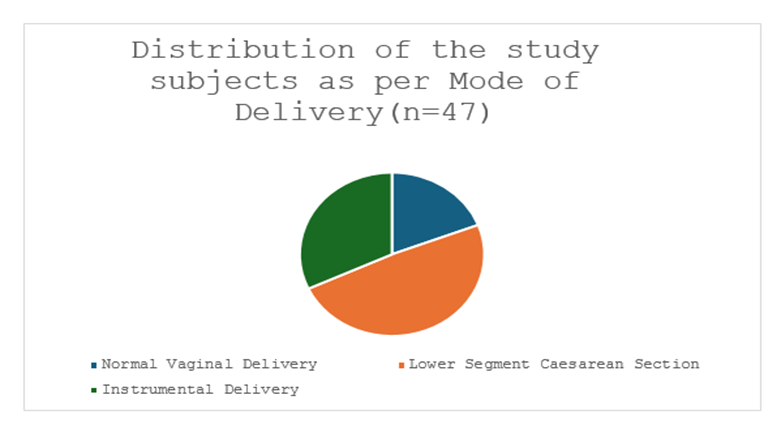
Table 2: Distribution of study subjects as per Mode of Delivery and Fetal Heart Rate(n=47)
|
|
Fetal Heart Rate |
|
||||
|
60-100 (Bradycardia) |
<60 (Severe Bradycardia) |
160-180(Tachycardia) |
>180 (Severe tachycardia) |
Total |
p-value (Chi square) |
|
|
Normal Vaginal Delivery |
6 |
0 |
3 |
0 |
9 |
<0.001 |
|
Lower Segment Caesarean Section |
0 |
6 |
4 |
13 |
23 |
|
|
Instrumental Delivery |
13 |
0 |
2 |
0 |
15 |
|
|
Total |
19 |
6 |
9 |
13 |
47 |
|
Neonatal Characteristics
Low birth weight was highly prevalent, with 55.3% of neonates weighing between 1.5–2.49 kg. Very low birth weight and extremely low birth weight were observed in 17.0% and 14.9% of cases, respectively, while only 12.8% of neonates had normal birth weight.
APGAR Scores
At 1 minute, the majority of neonates had low APGAR scores, with 40.4% scoring 4 and 23.4% scoring 5. Severe neonatal depression (APGAR ≤3) was observed in 19.1% of cases.
At 5 minutes, some improvement was noted; however, a significant proportion of neonates continued to have low scores, with 29.8% scoring 5 and 19.1% scoring 6. Only a minority achieved normal scores (≥8).
Perinatal Outcomes
A substantial proportion of neonates required admission to the Special Newborn Care Unit (SNCU), accounting for 31 cases (66.0%). Stillbirths were recorded in 5 cases (10.6%), while only 11 neonates (23.4%) were healthy at birth.
Perinatal outcomes were significantly associated with mode of delivery (p < 0.001). Stillbirths occurred exclusively in the caesarean section group. SNCU admissions were highest among caesarean (16 cases) and instrumental deliveries (14 cases), whereas only one neonate required SNCU admission following vaginal delivery.
SNCU Outcomes
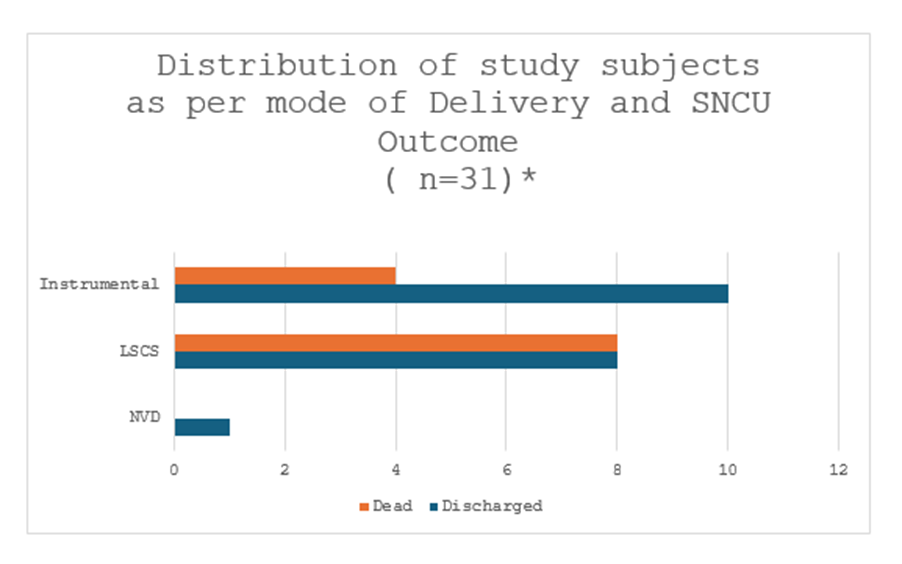
Among the 31 neonates admitted to SNCU, 19 (61.3%) were discharged, while 12 (38.7%) died. Although mortality was higher among neonates delivered by caesarean section, the association between mode of delivery and SNCU outcome was not statistically significant (p = 0.35).
Table 3: Distribution of the study subjects as per APGAR Score in 1 minutes of the newborn(n=47)
|
APGAR Score |
Frequency |
Percentage |
|
Score 0* |
5 |
10.6 |
|
Score 3 |
4 |
8.5 |
|
Score 4 |
19 |
40.4 |
|
Score 5 |
11 |
23.4 |
|
Score 6 |
7 |
14.9 |
|
Score 7 |
1 |
2.1 |
|
Total |
47 |
100.0 |
* Stillborn
Table 3 shows A considerable proportion of neonates had low APGAR scores, with 19 babies (40.4%) scoring 4 and 11 babies (23.4%) scoring 5 at 1 minute, indicating immediate postnatal compromise. Severely depressed neonates with APGAR scores of 3 were observed in 4 (8.5%) cases. Mildly compromised neonates with scores of 6 and 7 were seen in 7 (14.9%) and 1 (2.1%) cases, respectively.
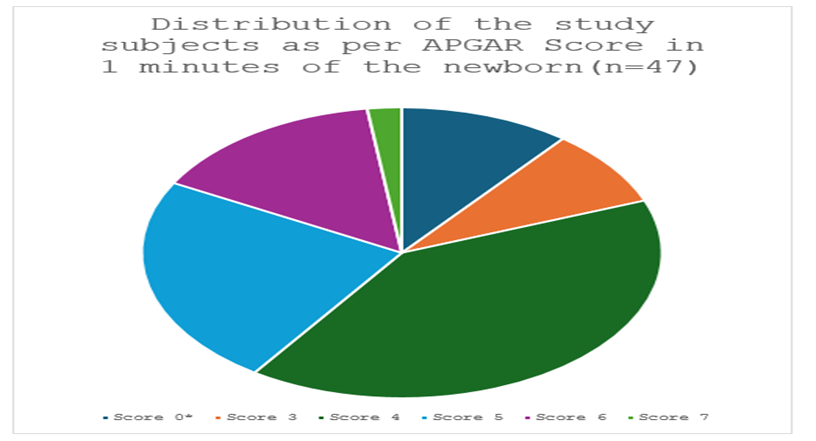
Table 4: Distribution of the study subjects as per APGAR Score in 5 minutes of the newborn(n=47)
|
APGAR Score |
Frequency |
Percentage |
|
Score 0* |
5 |
10.6 |
|
Score 3 |
3 |
6.4 |
|
Score 4 |
3 |
6.4 |
|
Score 5 |
14 |
29.8 |
|
Score 6 |
9 |
19.1 |
|
Score 7 |
3 |
6.4 |
|
Score 8 |
8 |
17.0 |
|
Score 9 |
2 |
4.3 |
|
Total |
47 |
100.0 |
Table 4 presents The majority of neonates showed some improvement compared to the 1-minute scores, with 14 babies (29.8%) scoring 5 and 9 babies (19.1%) scoring 6, indicating partial recovery within the first five minutes after birth. APGAR scores of 8 and 9, representing better neonatal condition, were observed in 8 (17.0%) and 2 (4.3%) newborns, respectively. 3 (6.4%) had scores of 3 and another 3 (6.4%) had scores of 4 suggesting compromise.
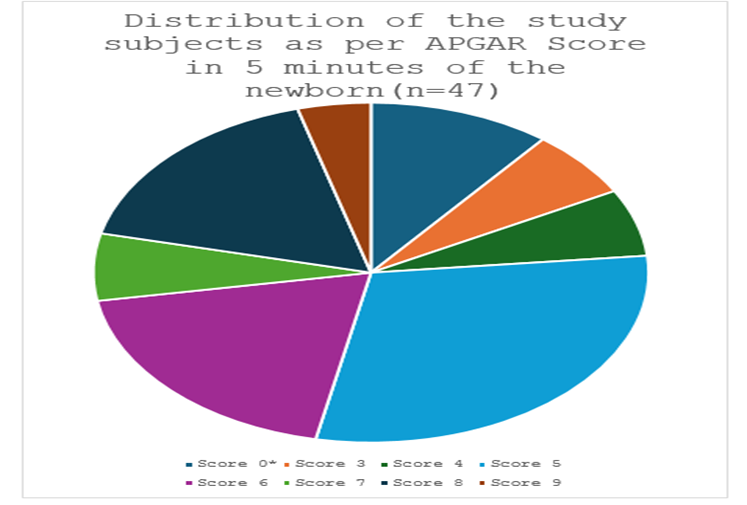
Table 5: Distribution of the study subjects as per Perinatal Outcome(n=47)
|
Perinatal Outcome |
Frequency |
Percentage |
|
Still Born |
5 |
10.6 |
|
Healthy |
11 |
23.4 |
|
Admitted SNCU |
31 |
66.0 |
|
Total |
47 |
100.0 |
Table 5 show Among the 47 newborns, 31 babies (66.0%) required admission to the Special Newborn Care Unit (SNCU), indicating that a significant proportion of neonates experienced complications requiring specialized care. Stillbirths were recorded in 5 cases (10.6%), while only 11 neonates (23.4%) were healthy at birth and did not require any additional intervention.
Table 6: Distribution of study subjects as per mode of Delivery and Perinatal Outcome( n=47)
|
Perinatal Outcome |
|
Mode of Delivery |
|
||
|
Normal Vaginal Delivery |
LSCS |
Instrumental Delivery |
Total |
p-value (Chi square) |
|
|
|
|
||||
|
Stillborn |
0 |
5 |
0 |
5 |
<0.001 |
|
Healthy |
8 |
2 |
1 |
11 |
|
|
Admitted in SNCU |
1 |
16 |
14 |
31 |
|
|
Total |
9 |
23 |
15 |
47 |
|
Table 6 shows Stillbirths were observed exclusively in the Lower Segment Caesarean Section (LSCS) group, accounting for 5 cases, while no stillbirths occurred following normal vaginal or instrumental deliveries. A healthy.
perinatal outcome was most commonly seen in normal vaginal deliveries, with 8 out of 9 neonates being healthy, compared to 2 cases in the LSCS group and 1 case in the instrumental delivery group. Admission to the Special Newborn Care Unit (SNCU) was predominantly associated with operative deliveries, being highest in the LSCS group (16 cases) followed closely by instrumental deliveries (14 cases), while only 1 neonate required SNCU admission after normal vaginal delivery. The association between mode of delivery and perinatal outcome was found to be statistically significant (Chi-square test, p = <0.001).
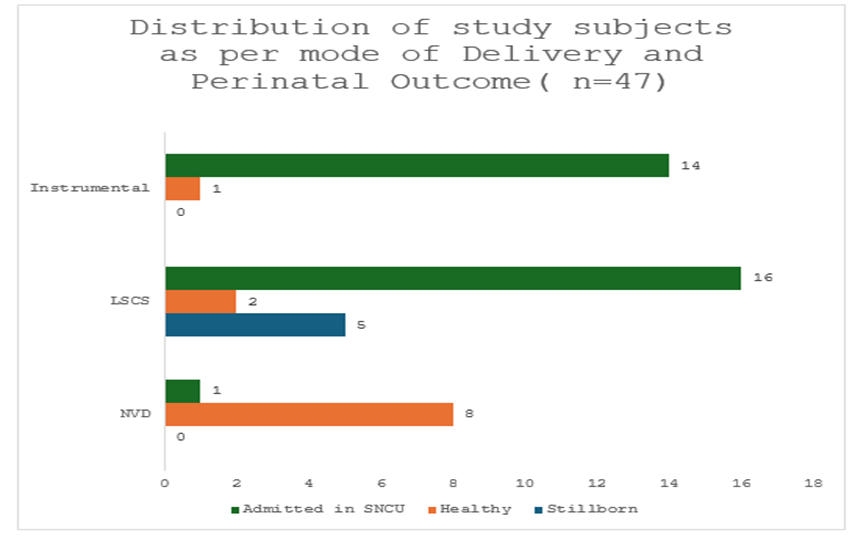
Table 7: Distribution of study subjects as per mode of Delivery and SNCU Outcome
( n=31)*
|
SNCU Outcome |
|
Mode of Delivery |
|
||
|
Normal Vaginal Delivery |
LSCS |
Instrumental Delivery |
Total |
p-value (Chi square) |
|
|
Discharged |
1 |
8 |
10 |
19 |
0.35 |
|
Dead |
0 |
8 |
4 |
12 |
|
*31 babies were admitted
Table 7depicts the distribution of SNCU outcomes among neonates according to the mode of delivery. Out of the 47 study subjects, 31 neonates required admission to the SNCU. Among these admitted babies, 19 (61.3%) were discharged, while 12 (38.7%) expired during the SNCU stay. Discharge was most commonly observed following instrumental delivery (10 cases), followed by LSCS (8 cases) and normal vaginal delivery (1 case). Mortality in SNCU was highest among neonates delivered by LSCS (8 cases), followed by instrumental delivery (4 cases); no deaths were recorded among neonates delivered vaginally. However, the association between mode of delivery and SNCU outcome was not statistically significant (Chi-square test, p = 0.35).
DISCUSSION:
The present study evaluated the association between pathological cardiotocography (CTG) findings, mode of delivery, and perinatal outcomes among term pregnant women in a tertiary care setting. The findings demonstrate a strong relationship between abnormal CTG patterns and increased rates of operative delivery, along with a high burden of adverse neonatal outcomes.
Principal Findings
In this study, caesarean section was performed in 48.9% of cases, indicating a substantial influence of pathological CTG on obstetric decision-making. Notably, all cases of severe bradycardia and severe tachycardia underwent caesarean section, highlighting the critical role of CTG in identifying fetuses at risk of intrapartum compromise and prompting timely intervention.
Neonatal outcomes reflected significant compromise, with 66.0% of neonates requiring SNCU admission and 10.6% resulting in stillbirth. APGAR scores were low in a large proportion of neonates at 1 minute, with only partial improvement at 5 minutes. These findings indicate that pathological CTG is strongly associated with immediate adverse perinatal outcomes.
Comparison with Previous Studies
The high caesarean section rate observed in this study is consistent with previous research demonstrating increased operative delivery in the presence of abnormal CTG findings. Studies by Gupta et al. And Hiwale et al. Have reported significantly higher caesarean rates among women with non-reassuring or pathological CTG tracings, reinforcing the role of CTG as a key determinant in labour management decisions.
Similarly, the high rate of SNCU admissions in our study aligns with findings from multiple Indian studies, where abnormal CTG patterns were strongly associated with neonatal morbidity. Previous authors have demonstrated that non-reactive CTG is a reliable predictor of adverse neonatal outcomes, including low APGAR scores and increased need for neonatal intensive care.
However, it is important to note that while CTG is sensitive in detecting fetal compromise, it is not highly specific. Several studies have highlighted that a significant proportion of caesarean sections performed for non-reassuring CTG may not correlate with severe neonatal morbidity. This suggests that CTG, while valuable as a screening tool, may contribute to increased operative delivery rates due to false-positive interpretations.
Clinical Interpretation of Findings
The findings of the present study support the role of CTG as an effective tool for identifying fetuses at risk of hypoxia, particularly in a high-risk population. The strong association between severe abnormalities in fetal heart rate and caesarean section underscores the importance of timely intervention in preventing further fetal deterioration.
At the same time, the high rates of adverse neonatal outcomes observed in this study reflect the severity of fetal compromise among cases with pathological CTG. Despite timely operative intervention, a significant proportion of neonates required intensive care, and neonatal mortality remained considerable. This highlights that CTG primarily serves as a tool for detection rather than prevention of fetal compromise, and outcomes are influenced by the underlying severity of fetal distress and the timeliness of intervention.
Implications for Clinical Practice
The results emphasize the need for judicious interpretation of CTG findings. While pathological CTG should prompt timely evaluation and intervention, over-reliance on CTG without clinical correlation may lead to unnecessary operative deliveries.
Standardized training in CTG interpretation, adherence to established guidelines, and integration of clinical findings are essential to optimize decision-making during labour. In resource-limited settings, where advanced adjunctive fetal monitoring techniques are not readily available, improving CTG interpretation skills becomes even more critical.
Strengths of the Study
Provides institution-specific data from a high-volume tertiary care centre
Focuses on clinically relevant outcomes including mode of delivery and neonatal status
Demonstrates statistically significant associations between CTG findings and outcomes
Limitations
This study has several limitations. It was conducted in a single tertiary care centre, which may limit generalizability. The sample size was relatively small. As only cases with pathological CTG were included, the study lacks a comparison group with normal CTG, limiting the ability to assess the overall impact of CTG monitoring. Additionally, CTG interpretation may be subject to interobserver variability. The study also assessed only immediate neonatal outcomes without long-term follow-up.
CONCLUSION:
Pathological cardiotocography findings are strongly associated with increased rates of caesarean section and adverse immediate perinatal outcomes. Severe abnormalities in fetal heart rate patterns significantly influence obstetric decision-making and often necessitate operative intervention. Despite timely delivery, a substantial proportion of neonates experience compromise, reflected by low APGAR scores and high SNCU admission rates.
Cardiotocography remains a valuable screening tool for intrapartum fetal surveillance, particularly in high-risk settings. However, its interpretation should be cautious and integrated with clinical assessment to avoid unnecessary operative deliveries. Strengthening training in CTG interpretation and adopting standardized protocols may help optimize its use and improve maternal and neonatal outcomes.
REFERENCES:
1. Rahman H, Renjhen P, Dutta S, Kar S. Admission cardiotocography: Its role in predicting foetal outcome in high-risk obstetric patients. Australas Med J. 2012;5(10):522–27.
2. Al Wattar BH, Honess E, Bunnewell S, Welton NJ, Quenby S, Khan KS, Zamora J, Thangaratinam S. Effectiveness of intrapartum fetal surveillance to improve maternal and neonatal outcomes: a systematic review and network meta-analysis. Cmaj. 2021 Apr 6;193(14):E468-77.
3. Kaban A, Cengiz H, Kaban I, Özcan A, Karakaş S. The success of cardiotocography in predicting perinatal outcome. Journal of clinical and experimental investigations. 2012 Jun 1;3(2):168-71.
4. Bhatia N, Krishna KM. Intraoperative findings in primary caesarean section for non-reassuring fetal status and its correlation with cardiotocography. International Journal of Reproduction, Contraception, Obstetrics and Gynecology. 2018 Jun 1;7(6):2351-5.
5. Shedd JWW. Appropriate technology in intrapartum fetal surveillance. In: Arulkumaran S, Ingemarsson I, editors. Progress in Obstetrics and Gynaecology. Edinburgh: Churchill Livingstone; 1990. p. 127–140.
6. Owmya K, Anusha DG, Vijaya SR. Evaluation of cardiotocography (Ctg) monitoring for intrapartum foetal surveillance and its correlation with Apgar score. IOSR J. Den. Med. Sci. 2018 Jun 17;17:42-50.
7. Faiz Z, Van’t Hof EM, Colenbrander GJ, Lippes R, Bakker PC. The quality of intrapartum cardiotocography in preterm labour. Journal of Perinatal Medicine. 2022 Jan 27;50(1):74-81.
8. Chandraharan E, Arulkumaran S. Electronic foetal heart rate monitoring in current and future practice. J Obstet Gynecol India. 2008;58(2):121–30.
9. Ingermarsson I, Arulkumaran S, Ingermarsson E, Tambyaraja RL, Ratnam SS. Admission test: A screening test for fetal distress in labour. Obstet Gynecol. 1986;68:800–6.
10. Galazios G, Tripsianis G, Tsikouras P, Koutlaki N, Liberis V. Fetal distress evaluation using and analyzing the variables of antepartum computerized cardiotocography. Arch Gynecol Obstet. 2010;281(2):229–33.
11. Sailaja PS, Silpahasa S, Manasa RV, et al.Admission cardiotocography- a screenintest to predict perinatal outcome in high risk and low risk pregnancies. J Evid Based Med Healthc 2020; 7(37), 2000- 2004. DOI: 10.18410/jebmh/2020/416.