COMPARISON OF SERUM BIOMARKERS AND CLINICAL PROFILES BETWEEN TYPE 2 DIABETES MELLITUS PATIENTS WITH AND WITHOUT DIABETIC KIDNEY DISEASE.
- Gurusangappa S Mudagall , Assistant Professor, Department of General Medicine, Oxford Medical College and Research Centre, Bangalore, India
- Ashok Krishna Bhuyan , Professor, Endocrinology Department, Gauhati Medical College, Guwahati, India
- Uma Kaimal Saikia , Professor, Endocrinology Department, Gauhati Medical College, Guwahati, India
- Abhamoni Baro. , Associate Professor, Endocrinology Department, Gauhati Medical College, Guwahati, India.
Article Information:
Abstract:
Background: Diabetic Kidney Disease (DKD) is one of the most serious microvascular complications of Type 2 Diabetes Mellitus (T2DM) and remains a major cause of chronic kidney disease worldwide. Early identification of renal involvement using serum biomarkers and clinical parameters may help in timely diagnosis and prevention of disease progression. Aim: To compare serum biomarkers and clinical profiles between T2DM patients with and without diabetic kidney disease and evaluate their association with renal dysfunction. Materials and Methods: This hospital-based cross-sectional study was conducted in the Department of Endocrinology, Gauhati Medical College and Hospital, Assam, from November 2022 to May 2024. A total of 88 participants were enrolled and divided into three groups: Group 1 – T2DM with DKD (n=30), Group 2 – T2DM without DKD (n=28), and Group 3 – healthy controls (n=30). Clinical parameters, anthropometric measurements, glycemic indices, renal function tests, lipid profile, urine albumin–creatinine ratio (UACR), and serum adiponectin levels were evaluated. Statistical analysis was performed and p<0.05 was considered significant. Results: The duration of diabetes was significantly higher among DKD patients compared to non-DKD patients (p=0.0001). Serum creatinine and UACR were significantly elevated, while eGFR was significantly reduced in Group 1 (p=0.001). Glycemic indices including fasting plasma glucose, postprandial glucose, and HbA1c were significantly higher among diabetic groups than controls (p=0.001). Total cholesterol and LDL cholesterol were significantly increased in diabetic patients (p<0.05). Serum adiponectin levels were significantly elevated in DKD patients compared to non-DKD patients and controls (p=0.001). Retinopathy, neuropathy, and hypertension were more prevalent among DKD patients. Conclusion: Patients with T2DM and DKD demonstrated significantly impaired renal function, poor glycemic control, dyslipidemia, higher albuminuria, and elevated serum adiponectin levels compared to patients without DKD and healthy controls. Serum adiponectin may serve as a useful biomarker for identifying renal involvement and progression of DKD in T2DM patients.
Keywords:
Article :
INTRODUCTION:
Type 2 Diabetes Mellitus is one of the most common chronic metabolic disorders worldwide and represents a major public health challenge. Diabetic Kidney Disease, referred to as diabetic nephropathy, is among the most serious complications of T2DM and remains a leading cause of chronic kidney disease and end-stage renal disease globally [1]. Diabetic Kidney Disease (DKD) develops as a consequence of prolonged hyperglycemia, oxidative stress, inflammation, activation of the renin–angiotensin–aldosterone system, and accumulation of advanced glycation end products. These pathophysiological changes result in glomerular basement membrane thickening, mesangial expansion, podocyte injury, and progressive decline in renal function. Clinically, DKD is characterized by persistent albuminuria, declining estimated glomerular filtration rate (eGFR), hypertension, and increased cardiovascular morbidity and mortality [2, 3]. Albuminuria may not always correlate with the severity of renal injury, and some patients may demonstrate significant renal impairment even in the absence of overt albuminuria. Similarly, serum creatinine levels may remain within normal limits until substantial nephron loss has already occurred. Therefore, there is increasing interest in identifying novel serum biomarkers that may allow earlier detection and better prediction of renal dysfunction in patients with T2DM [4, 5]. Biomarkers such as adiponectin, cystatin C, tumor necrosis factor receptors, interleukins, and other inflammatory mediators have shown significant associations with renal injury in diabetic patients. Among these, adiponectin has attracted considerable attention because of its anti-inflammatory, insulin-sensitizing, and anti-atherogenic properties. Altered serum adiponectin levels have been observed in patients with T2DM and DKD, suggesting its potential role as an early indicator of nephropathy and disease progression [5, 6]. Serum biomarkers in addition with clinical parameters such as duration of diabetes, glycemic control, body mass index, blood pressure, lipid profile, and renal function indices have been associated with the progression of diabetic kidney disease. Comparative evaluation of these biochemical and clinical characteristics may therefore help in identifying high-risk patients at an earlier stage and facilitate timely therapeutic intervention [7].
Despite advances in the understanding of DKD pathogenesis, there remains a need for reliable and easily measurable biomarkers that can aid in the early diagnosis and monitoring of renal involvement in T2DM patients.
AIMS & OBJECTIVES:
The present study was undertaken to compare serum biomarkers and clinical profiles between patients with Type 2 Diabetes Mellitus with and without Diabetic Kidney Disease, and to evaluate their potential association with renal dysfunction and disease progression.
MATERIALS AND METHODS:
Study design & settings: This hospital-based, cross-sectional study was conducted in the Department of Endocrinology, Gauhati Medical College and Hospital, Guwahati, Assam, over a period of 18 months from November 2022 to May 2024.
Study Population: Participants were divided into three groups:
1. Group 1(N=30): T2DM patients with diabetic kidney disease (DKD)
2. Group 2 (N=28): T2DM patients without DKD
3. Group 3 (N=30): Age- and sex-matched healthy controls
Inclusion Criteria
• T2DM patients aged 20–65 years diagnosed with diabetic kidney disease
• T2DM patients without DKD
• Healthy age- and sex-matched controls
• Participants who provided write informed consent for the study
Exclusion Criteria
• Non-diabetic chronic kidney disease
• Established coronary artery disease or Chronic liver disease
• T2DM patients with DKD on hemodialysis
• Patients receiving drugs such as pioglitazone, fibrates, and SGLT2 inhibitors
Diagnostic Criteria: Diabetes mellitus was diagnosed according to the American Diabetes Association (ADA) 2024 criteria [8].
DKD was diagnosed in known or newly diagnosed T2DM patients based on the presence of any of the following:
• Estimated glomerular filtration rate (eGFR) <60 mL/min/1.73 m² on two occasions 3 months apart, or imaging evidence suggestive of chronic kidney disease, and/or
• Microalbuminuria (urine albumin 30–300 mg/g creatinine or 30–300 mg/24 hours) on two occasions 3 months apart, and/or
• Macroalbuminuria (urine albumin >300 mg/g creatinine or >300 mg/24 hours) on two occasions 3 months apart.
Chronic kidney disease staging and albuminuria classification were performed according to KDIGO guidelines [9].
Data collections: Detailed clinical history including duration of diabetes, hypertension, drug history, and diabetic complications was obtained. Anthropometric measurements including height, weight, and body mass index (BMI) were recorded. Blood pressure was measured using standard procedures.
Laboratory Investigations: Venous blood samples were collected for estimation of fasting plasma glucose, postprandial plasma glucose, HbA1c, serum creatinine, lipid profile, and serum adiponectin levels. Urine samples were collected for estimation of urine albumin–creatinine ratio (UACR). Estimated glomerular filtration rate (eGFR) was calculated using standard equations. Serum adiponectin levels were measured using enzyme-linked immunosorbent assay (ELISA).
Ethical consideration: The study was approved from the Institutional Ethics Committee (IEC).
Statistical Analysis: Data were analyzed using appropriate statistical software. Continuous variables were expressed as mean ± standard deviation, while categorical variables were expressed as percentages. Comparison between groups was performed using Student’s t-test or Chi-square test as appropriate. A p-value <0.05 was considered statistically significant.
RESULTS:
The mean age of participants was comparable among all three groups with no statistically significant difference (p=0.986). Duration of diabetes mellitus was significantly higher in Group 1 (T2DM with DKD) compared to Group 2 (T2DM without DKD) (9.47±5.96 vs 4.15±4.72 years; p=0.0001). BMI and waist circumference were comparable across groups. Systolic and diastolic blood pressures were relatively higher in diabetic patients, especially in Group 1, although the differences were not statistically significant.
Table 1: Baseline clinical characteristics of study participants
|
Parameters |
Group1 |
Group2 |
Group3 |
P value |
|
Mean ± SD |
Mean ± SD |
Mean ± SD |
||
|
Age (in years) |
54.20±7.02 |
54.07±7.61 |
54.40±7.67 |
0.986 |
|
Duration of DM (years) |
9.47±5.96 |
4.15±4.72 |
- |
0.0001 |
|
BMI (kg/m2) |
24.68±3.99 |
24.07±3.05 |
24.47±3.92 |
0.812 |
|
WC (cm) |
92.00±7.94 |
86.04±17.40 |
87.70±8.85 |
0.153 |
|
SBP (mmHg) |
140.0±10.24 |
136.0±12.00 |
116.0±10.00 |
0.253 |
|
DBP (mmHg) |
82.00±6.00 |
80.00±10.00 |
78.00±12.00 |
0.456 |
Serum creatinine levels were significantly elevated and eGFR was significantly reduced in Group 1 compared to Groups 2 and 3 (p=0.001), indicating impaired renal function in DKD patients. Fasting plasma glucose, postprandial glucose, and HbA1c levels were significantly higher in diabetic groups than controls (p=0.001). UACR was markedly elevated in Group 1, confirming significant albuminuria (p=0.009). Total cholesterol and LDL cholesterol were significantly higher among diabetic groups (p=0.02 and p=0.048 respectively), while triglycerides and HDL cholesterol did not differ significantly. Serum adiponectin levels were significantly increased in Group 1 compared to Group 2 and controls (p=0.001).
Table 2: Comparison of Baseline Biochemical Parameters among Different Study Groups (Mean ± SD)
|
Parameters |
Group 1 |
Group 2 |
Group 3 |
P value |
|
Creatinine (mg/dl) |
1.29±0.76 |
0.75±0.16 |
0.73±0.15 |
0.001 |
|
eGFR (ml/min/1.73m²) |
75.13±33.39 |
104.32±13.32 |
108.47±13.37 |
0.001 |
|
FPG (mg/dl) |
123.47±22.95 |
128.93±24.12 |
89.93±8.87 |
0.001 |
|
PPG (mg/dl) |
176.40±32.21 |
184.39±25.30 |
128.07±7.52 |
0.001 |
|
HbA1c (%) |
7.32±0.96 |
7.94±1.88 |
5.14±0.31 |
0.001 |
|
UACR (mg/gm creatinine) |
1133.70±2718.53 |
12.12±7.40 |
— |
0.009 |
|
Total Cholesterol (mg/dl) |
184.53±41.52 |
201.25±50.86 |
163.60±56.92 |
0.02 |
|
Triglycerides (mg/dl) |
183.83±82.22 |
186.57±67.94 |
154.85±92.45 |
0.261 |
|
HDL (mg/dl) |
43.37±10.86 |
44.89±12.13 |
40.80±12.18 |
0.408 |
|
LDL (mg/dl) |
104.47±35.36 |
119.25±41.14 |
90.93±50.63 |
0.048 |
|
Adiponectin (ng/ml) |
50.38±18.10 |
34.66±9.05 |
41.27±15.42 |
0.001 |
Moderate non-proliferative diabetic retinopathy (NPDR) was significantly more common in Group 1 compared to Group 2 (70.0% vs 21.4%; p=0.001), while normal fundus findings were more frequent in Group 2. Neuropathy was also significantly more prevalent among patients with DKD than those without DKD (63.3% vs 28.6%; p=0.008).
Table 3: Comparison of Retinopathy and Neuropathy between Group 1 and Group 2
|
Complication |
Category |
Group 1 |
Group 2 |
Total |
P value |
|
Retinopathy |
Normal fundus |
7 (23.3%) |
19 (67.9%) |
26 (29.5%) |
0.001 |
|
Mild NPDR |
1 (3.3%) |
3 (10.7%) |
4 (4.5%) |
||
|
Moderate NPDR |
21 (70.0%) |
6 (21.4%) |
27 (30.7%) |
||
|
Severe NPDR |
1 (3.3%) |
0 (0.0%) |
1 (1.1%) |
||
|
Neuropathy |
Present |
19 (63.3%) |
8 (28.6%) |
27 (46.6%) |
0.008 |
|
Absent |
11 (36.7%) |
20 (71.4%) |
31 (53.4%) |
Hypertension was observed predominantly in patients with DKD (53.3%) compared to patients without DKD (10.7%) and healthy controls (10%). Absence of hypertension was highest among controls and T2DM patients without DKD, suggesting a strong association between hypertension and diabetic kidney disease.
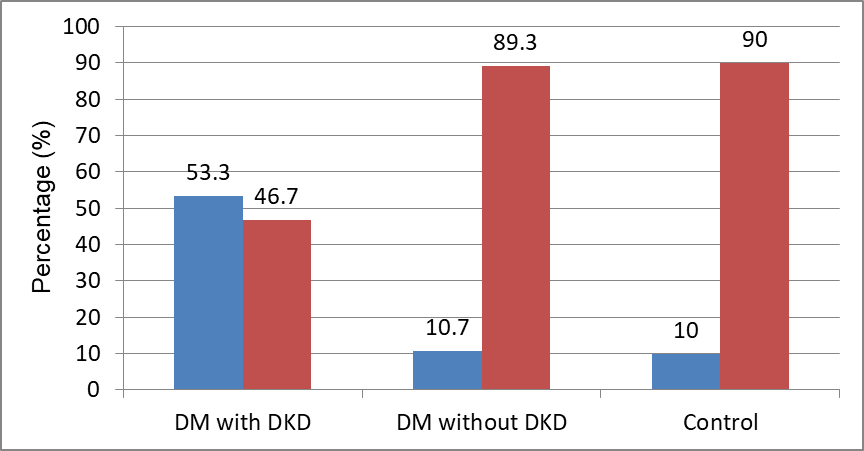
Graph 1: Presence of Hypertension among different study groups
Metformin, gliptins, and sulfonylureas were more commonly used in Group 2 compared to Group 1. Insulin therapy was used in all patients with DKD (100%) but only in a minority of patients without DKD (21.4%). ACE inhibitors/ARBs and calcium channel blockers were more frequently prescribed in Group 1, reflecting greater prevalence of hypertension and renal involvement among DKD patients.
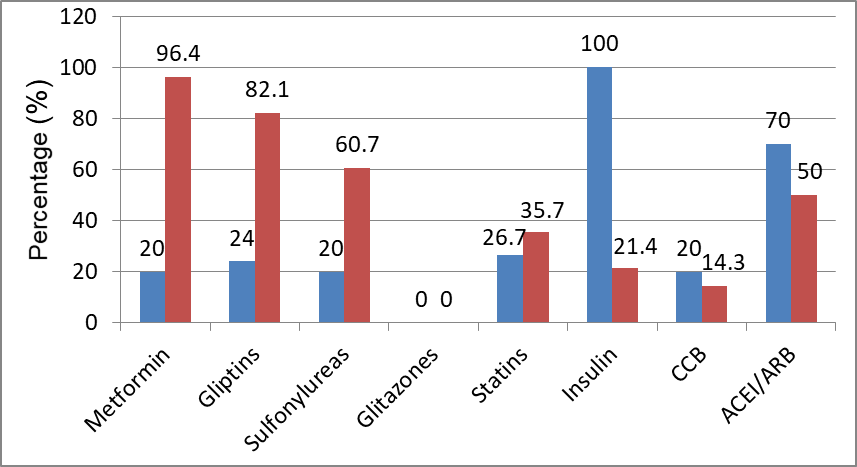
Graph 2: Comparison of various classes of anti diabetics Drugs among groups
Among Group 1 participants, adiponectin levels were lower in hypertensive patients compared to non-hypertensive patients (27.76±5.05 vs 42.77±15.48 ng/ml). In Group 2, adiponectin levels were comparable irrespective of hypertension status. However, these differences were not statistically significant in either group (p>0.05)
Table 4: Comparison of adiponectin levels in participants with and without Hypertension in Group 1 and Group 2 subjects (Mean ± SD)
|
Hypertension Status |
Group 1 ng/ml |
Group 2 ng/ml |
|
Yes |
27.76 ± 5.05 |
36.70 ± 7.59 |
|
No |
42.77 ± 15.48 |
34.22 ± 9.43 |
|
P value |
0.111 |
0.587 |
DISCUSSION:
In the present study, the duration of diabetes mellitus was significantly higher among patients with DKD compared to those without DKD. This finding supports the established concept that prolonged exposure to hyperglycemia contributes to progressive microvascular injury and renal dysfunction. Similar observations were reported by Afkarian et al [10] and Alicic et al [11], found that chronic hyperglycemia remains a major determinant for the development and progression of DKD.
Serum creatinine levels were significantly elevated, while eGFR was significantly reduced in Group 1 compared to Group 2 and controls in current study. These findings are consistent with the Thomas et al [12], and Tuttle et al [13], reported that reduction in eGFR and elevation of serum creatinine remain important indicators of advanced renal involvement in diabetic patients.
The present study demonstrated markedly elevated urinary albumin–creatinine ratio (UACR) among patients with DKD, confirming significant albuminuria, in agreement by Boer et al [14] and Persson et al [15], highlighted that persistent albuminuria reflects ongoing inflammatory and fibrotic changes within renal tissues and serves as a key prognostic marker in DKD progression.
We have observed that the glycemic indices including fasting plasma glucose, postprandial plasma glucose, and HbA1c were significantly elevated in diabetic groups compared to healthy controls; our results were comparable with the Forbes FM, et al [16].
In our study, total cholesterol and LDL cholesterol levels were significantly higher among diabetic patients, particularly those with DKD, consistent with Russo et al [17], reported that dyslipidemia accelerates renal fibrosis and contributes to progression of CKD in Type 2 DM. One of the major findings of the present study was the significantly elevated serum adiponectin levels among T2DM patients with DKD compared to patients without DKD and healthy controls. This observation is in agreement with the Looker et al [18] and Panduru et al [19], demonstrated that increased circulating adiponectin levels in diabetic nephropathy and declining renal function.
We have found the prevalence of diabetic retinopathy and neuropathy was significantly higher among patients with DKD compared to diabetic patients without nephropathy. Moderate non-proliferative diabetic retinopathy was particularly common in Group 1, similar observation seen by Cheung et al [20] and Tesfaye et al [21].
Hypertension was markedly more prevalent among DKD patients in the present study, correlates with the Bakris et al [22], reported that uncontrolled hypertension significantly hastens progression of diabetic kidney disease and increases cardiovascular mortality.
Insulin therapy was used in all patients with DKD, whereas oral hypoglycemic agents were more commonly used among diabetic patients without nephropathy. This may reflect worsening beta-cell dysfunction, reduced renal safety profile of oral agents, and the need for stricter glycemic control in advanced diabetic kidney disease [23].
Although adiponectin levels appeared lower among hypertensive DKD patients compared to non-hypertensive DKD patients, the difference was not statistically significant. Nevertheless, previous study has demonstrated possible interactions between adiponectin, endothelial dysfunction, and hypertension in diabetic nephropathy [24].
CONCLUSION:
The present study demonstrated that patients with Type 2 Diabetes Mellitus with DKD exhibit significantly impaired renal function, poor glycemic status, higher albuminuria, dyslipidemia, and elevated serum adiponectin levels compared to diabetic patients without nephropathy and healthy controls. Diabetic microvascular complications such as retinopathy and neuropathy, along with hypertension, were also more prevalent among patients with DKD. These findings suggest that serum adiponectin, along with routine clinical and biochemical parameters, may serve as a useful marker for identifying renal involvement and disease progression in T2DM patients. Early detection and appropriate management of these abnormalities may help reduce progression of diabetic kidney disease and associated complications.
REFERENCES:
1. Li L, et al. Serum adiponectin level in different stages of type 2 diabetes mellitus with nephropathy. 2022.
2. Khanijou V, et al. Review of potential biomarkers of inflammation and kidney injury in diabetic kidney disease. Diabetes Metab Res Rev. 2022.
3. Alnaggar ARLR, et al. Evaluation of serum adiponectin levels in diabetic nephropathy. Diabetes Metab Syndr. 2019.
4. Jha R, et al. Diabetes and renal complications: An overview on biomarkers and mechanisms. Biomedicines. 2024.
5. Veluri G, et al. Serum adiponectin as a diagnostic marker of nephropathy among patients with Type 2 Diabetes Mellitus: A cross-sectional study. J Clin Diagn Res. 2022;16(11):BC10-BC15.
6. Harkin C, et al. Biomarkers for detecting kidney dysfunction in Type 2 Diabetes. Front Endocrinol. 2022; 13:887237.
7. Baldeón-Rojas L, et al. The linkage between inflammation and the progression of Type 2 Diabetes Mellitus. Preprints. 2025.
8. ElSayed NA, Aleppo G, Aroda VR, et al. Diagnosis and classification of diabetes: Standards of care in diabetes—2024. Diabetes Care. 2024;47(Suppl 1):S20-S42.
9. Kidney Disease: Improving Global Outcomes (KDIGO) Diabetes Work Group. KDIGO 2022 clinical practice guideline for diabetes management in chronic kidney disease. Kidney Int Suppl. 2022; 12(4):S1-S115.
10. Afkarian M, Sachs MC, Kestenbaum B, Hirsch IB, Tuttle KR, Himmelfarb J, et al. Kidney disease and increased mortality risk in Type 2 Diabetes. J Am Soc Nephrol. 2013;24(2):302-8.
11. Alicic RZ, Rooney MT, Tuttle KR. Diabetic kidney disease: Challenges, progress, and possibilities. Clin J Am Soc Nephrol. 2017; 12(12):2032-45.
12. Thomas MC, Brownlee M, Susztak K, Sharma K, Jandeleit-Dahm KA, Zoungas S, et al. Diabetic kidney disease. Nat Rev Dis Primers. 2015; 1:15018.
13. Tuttle KR, Bakris GL, Bilous RW, Chiang JL, de Boer IH, Goldstein-Fuchs J, et al. Diabetic kidney disease: A report from an ADA Consensus Conference. Diabetes Care. 2014;37(10):2864-83.
14. de Boer IH, Rue TC, Hall YN, Heagerty PJ, Weiss NS, Himmelfarb J. Temporal trends in the prevalence of diabetic kidney disease in the United States. JAMA. 2011; 305(24):2532-9.
15. Persson F, Rossing P. Diagnosis of diabetic kidney disease: State of the art and future perspective. Kidney Int Suppl. 2018; 8(1):2-7.
16. Forbes JM, Cooper ME. Mechanisms of diabetic complications. Physiol Rev. 2013; 93(1):137-88.
17. Russo GT, De Cosmo S, Viazzi F, Pacilli A, Ceriello A, Genovese S, et al. Plasma triglycerides and HDL-C levels predict the development of diabetic kidney disease in subjects with Type 2 Diabetes. Diabetes Care. 2016; 39(12):2278-87.
18. Looker HC, Krakoff J, Funahashi T, Matsuzawa Y, Tanaka S, Nelson RG, et al. Adiponectin concentrations are associated with worsening renal function in Type 2 Diabetes. Diabetes Care. 2004;27(10):2451-6.
19. Panduru NM, Forsblom C, Saraheimo M, Thorn LM, Waden J, Rosengård-Bärlund M, et al. Adiponectin is associated with progression of diabetic nephropathy in Type 1 Diabetes patients. J Diabetes Complications. 2015;29(3):378-83.
20. Cheung N, Mitchell P, Wong TY. Diabetic retinopathy. Lancet. 2010;376(9735):124-36.
21. Tesfaye S, Boulton AJM, Dyck PJ, Freeman R, Horowitz M, Kempler P, et al. Diabetic neuropathies: Update on definitions, diagnostic criteria, estimation of severity, and treatments. Diabetes Care. 2010; 33(10):2285-93.
22. Bakris GL, Molitch ME. Microalbuminuria as a risk predictor in diabetes: The continuing saga. Diabetes Care. 2014; 37(3):867-75.
23. American Diabetes Association Professional Practice Committee. Chronic kidney disease and risk management: Standards of care in diabetes—2024. Diabetes Care. 2024; 47(Suppl 1):S219-S230.
24. Sharma K, Ramachandrarao S, Qiu G, Usui HK, Zhu Y, Dunn SR, et al. Adiponectin regulates albuminuria and podocyte function in mice. J Clin Invest. 2008; 118(5):1645-56.