Comparative Evaluation of Functional Outcomes in Obstructive Sleep Apnea: Lateral Suspension Uvulopalatopharyngoplasty Versus Reported Outcomes of Traditional Uvulopalatopharyngoplasty.
- Subash C. , Associate Professor, Department of Otorhinolaryngology, Mysore Medical College & Research Institute, Mysore, Karnataka, India.
- Pradeep A , Junior Resident, Department of Otorhinolaryngology, Mysore Medical College & Research Institute, Mysore, Karnataka, India.
- Gagan C. Raj , Junior Resident, Department of Otorhinolaryngology, Mysore Medical College & Research Institute, Mysore, Karnataka, India.
- Anisha Krishnan , Junior Resident, Department of Otorhinolaryngology, Mysore Medical College & Research Institute, Mysore, Karnataka, India.
Article Information:
Abstract:
Background: Uvulopalatopharyngoplasty (UPPP) is a commonly performed surgical intervention for obstructive sleep apnea (OSA). However, its effectiveness may be limited due to persistent lateral pharyngeal wall collapse. Modifications addressing this component may improve outcomes. Objective: To evaluate functional outcomes and daytime sleepiness following lateral suspension uvulopalatopharyngoplasty and compare results with published outcomes of conventional UPPP. Methods: A prospective observational study was conducted in 20 patients with OSA undergoing lateral suspension uvulopalatopharyngoplasty. Functional outcomes were assessed using the Functional Outcomes of Sleep Questionnaire (FOSQ), and daytime sleepiness was evaluated using the Epworth Sleepiness Scale (ESS). Assessments were performed preoperatively and at 6 months postoperatively. Outcomes were compared with established results from the literature. Results: Baseline scores were comparable to previously reported UPPP cohorts (FOSQ ~13–16 vs ~14.3; ESS ~10–13 vs ~10–12). At 6 months, FOSQ improved to ~18.4–19.1 and ESS decreased to ~5–7. The magnitude of improvement (FOSQ +3 to +5; ESS −4 to −6) exceeded clinically meaningful thresholds and compared favorably with previously reported outcomes. Conclusion: Lateral suspension uvulopalatopharyngoplasty results in significant improvement in functional outcomes and daytime sleepiness. The technique may provide enhanced benefit by addressing lateral pharyngeal wall collapse. Further controlled studies are warranted.
Keywords:
Article :
INTRODUCTION:
Obstructive sleep apnea (OSA) is a prevalent disorder characterized by recurrent upper airway obstruction during sleep, leading to intermittent hypoxia, sleep fragmentation, and excessive daytime sleepiness. The condition has been associated with cardiovascular morbidity, metabolic dysfunction, and impaired quality of life.
Continuous positive airway pressure (CPAP) remains the gold standard treatment; however, adherence is often suboptimal, necessitating alternative therapies including Bilevel Positive Airway Pressure (BiPAP) and surgical intervention. Among surgical options, uvulopalatopharyngoplasty (UPPP) is one of the most widely performed procedures, targeting retropalatal obstruction.
Despite its widespread use, traditional UPPP has variable success rates. One major limitation is its primary focus on anteroposterior airway enlargement, whereas OSA is frequently associated with multidirectional airway collapse, particularly involving the lateral pharyngeal walls.
Patient-reported outcome measures (PROMs) play a crucial role in evaluating treatment success. The Functional Outcomes of Sleep Questionnaire (FOSQ) assesses the impact of sleep disorders on daily functioning and has been widely used in surgical studies of OSA. Similarly, the Epworth Sleepiness Scale (ESS) provides a measure of subjective daytime sleepiness.
Previous studies have demonstrated that UPPP results in improvements in both FOSQ and ESS. For instance, Weaver et al. reported a mean increase in FOSQ from 14.3 to approximately 17.2–17.5 following UPPP, corresponding to a substantial improvement of approximately 3 points. Additionally, randomized controlled trials have shown sustained improvement in subjective sleep quality following modified UPPP.
To address the limitations of traditional UPPP, we developed a modified technique incorporating lateral suspension of the pharyngeal tissues. This study evaluates the functional outcomes of this technique and compares them with previously reported results.
OBJECTIVES
1. To evaluate functional outcomes following lateral suspension uvulopalatopharyngoplasty.
2. To compare the magnitude of improvement in FOSQ and ESS with previously published outcomes of conventional UPPP.
MATERIALS AND METHODS:
Study Design
This was a prospective observational study which was conducted at K.R. Hospital, Mysore Medical College and Research Institute, comparing outcomes of lateral suspension uvulopalatopharyngoplasty with previously published results of conventional uvulopalatopharyngoplasty.
Ethical Clearance
Institutional ethical clearance was obtained prior to commencement of the study.
Study Population
A total of 20 patients diagnosed with obstructive sleep apnea were included.
Inclusion Criteria
• Age >18 years
• Clinical diagnosis of OSA
• AHI (Apnea–Hypopnea Index) - >30
Exclusion Criteria
• Previous pharyngeal surgery
• Significant comorbid illness precluding surgery
Surgical Technique: Lateral Suspension with Uvulopalatopharyngoplasty (Detailed Description)
All patients underwent preoperative airway assessment including modified Mallampati grading and fiberoptic evaluation with Müller’s maneuver to assess the pattern of airway collapse.
All procedures were performed under general anesthesia with orotracheal intubation. The patient was positioned supine with neck extension, and a Boyle–Davis mouth gag was used to expose the oropharynx.
Step 1: Exposure and Infiltration
The tonsillar region and soft palate were adequately exposed. Local infiltration with a solution of Normal saline was administered in the peritonsillar plane to facilitate dissection.
Step 2: Tonsillar Dissection
A standard extracapsular tonsillectomy was initiated. The tonsil was dissected from the tonsillar fossa in the peritonsillar plane using blunt and sharp dissection. Particular attention was paid to continue the dissection inferiorly, ensuring complete mobilization of the tonsillar tissue along with associated mucosal and muscular attachments.
Step 3: Modified Tonsil Excision (Key Step)
Instead of conventional removal techniques such as snare excision, the fully mobilized tonsil was grasped using a Negus artery forceps. The tonsillar tissue was then excised using curved scissors. This step allows controlled handling of the tonsillar pillar tissues, which are essential for the subsequent suspension maneuver.
Step 4: Lateral Suspension Maneuver (Core Innovation)
Following tonsil excision: The clamped tonsillar pillar tissue (including mucosa and underlying muscular elements, particularly palatopharyngeal components) was gently retracted medially using the Negus forceps and a ligature was applied to this tissue under medial traction
This maneuver creates a tension-based repositioning of the lateral pharyngeal wall, effectively reducing its tendency to collapse inward. The same steps were repeated on the contralateral side.
Step 5: Completion of Uvulopalatopharyngoplasty
Following bilateral lateral suspension: Redundant soft palate mucosa and uvular tissue were assessed. Appropriate trimming and reshaping of the soft palate were performed. Palatal closure was completed as per standard UPPP principles
Care was taken to avoid excessive tissue removal to preserve function and reduce postoperative complications.
Step 6: Hemostasis and Final Inspection
Hemostasis was secured. The oropharynx was inspected for symmetry and adequate airway widening. The lateral walls appeared stabilized and lateralized.
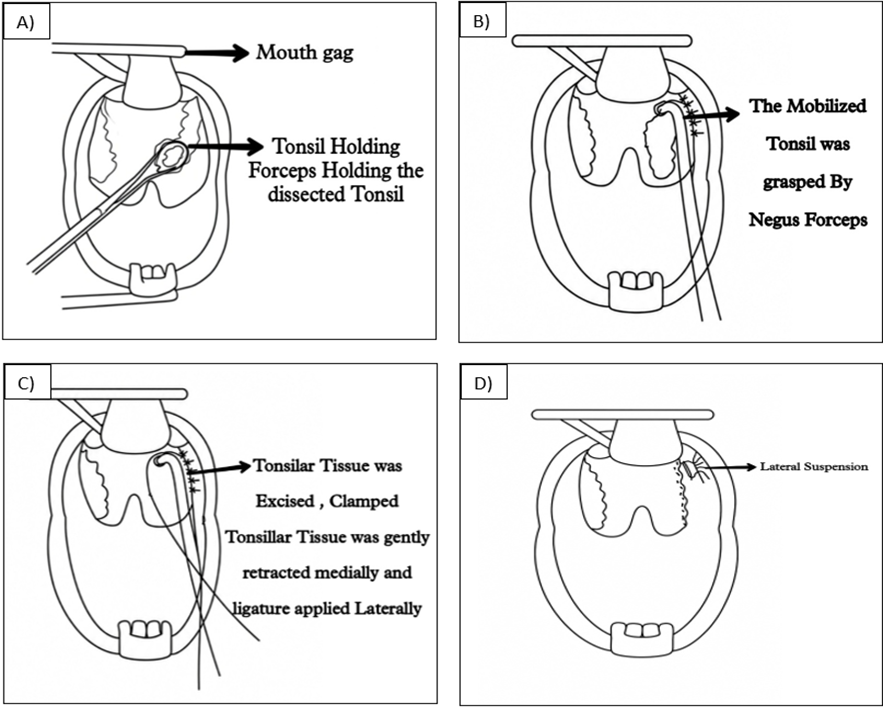
Figure 1: Diagrammatic Representation of Lateral Suspension Surgery A) Dissected Tonsil is held using dennis brown tonsil holding forceps ; B) Negus Artery forceps is used to clamp and hold the inferior pedicle of the dissected tonsil laterally ; C) and D) Using curved scissors the tonsil was excised , Then the clamped Lower pedicle is retracted medially and ligated using thread to cause Lateral suspension
Proposed Mechanism of Action
The lateral suspension maneuver provides immediate mechanical stabilization of the lateral pharyngeal walls. Over time, the ligated tissues undergo fibrosis and scar formation, which may result in: Sustained lateralization of the pharyngeal walls, Reduction in airway collapsibility and Prevention of posterior displacement of the tongue base during sleep. This mechanism addresses a known limitation of traditional UPPP, which primarily targets anteroposterior airway narrowing.
Outcome Measures
• Functional Outcomes of Sleep Questionnaire (FOSQ): (range 5–20) higher scores indicate better function
• Epworth Sleepiness Scale (ESS) (range 0–24): higher scores indicate greater sleepiness.
Assessments were performed preoperatively and at 6 months postoperatively.
A change of ≥2 points in FOSQ was considered functional recovery.
Statistical Analysis
Pre- and postoperative values were compared using paired statistical tests. A p-value <0.05 was considered statistically significant.
RESULTS:
Baseline Characteristics
Preoperative scores in our present study were consistent with those reported in previous UPPP studies.
Table 1: Baseline Characteristics of Study Population (n = 20)
|
Variable |
Value |
|
Age (years) |
35.1 ± 13.6 |
|
Sex (Male/Female) |
10 (50%) / 10 (50%) |
|
BMI (kg/m²) |
24.6 ± 2.7 |
|
Apnea–Hypopnea Index (AHI) |
45.6 ± 10.2 |
|
Preoperative ESS |
11.55 ± 0.99 |
|
Preoperative FOSQ |
13.34 ± 1.99 |
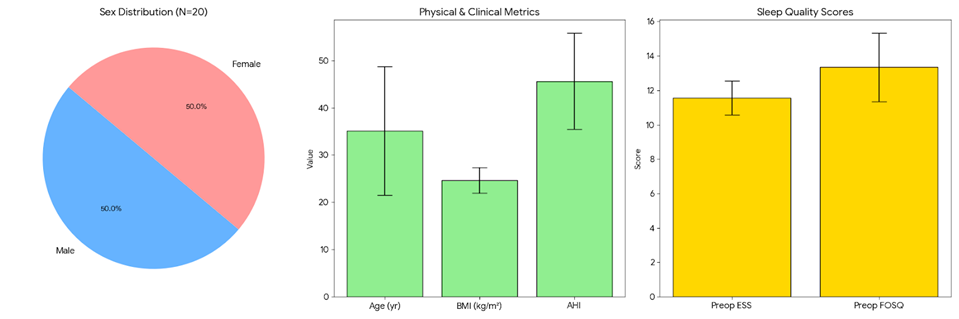
Figure 2: Distribution of Patient Characteristics including Sex, Physical Metrics, and Preoperative ESS/FOSQ Score.
Baseline Characteristics
A total of 20 patients with obstructive sleep apnea were included in the study. The mean age of the study population was 35.1 ± 13.6 years, with equal distribution between males and females (10 males, 10 females). The mean body mass index (BMI) was 24.6 ± 2.7 kg/m².
All patients had severe obstructive sleep apnea, with a mean apnea–hypopnea index (AHI) of 45.6 ± 10.2 events/hour. The mean preoperative Epworth Sleepiness Scale (ESS) score was 11.55 ± 0.99, and the mean Functional Outcomes of Sleep Questionnaire (FOSQ) score was 13.34 ± 1.99, indicating significant baseline impairment in daytime function and sleepiness (Table 1).
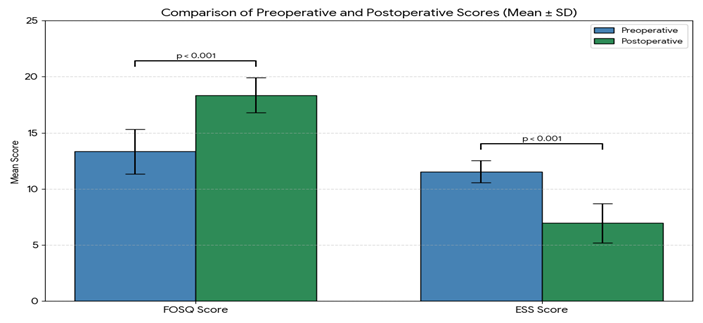
Figure 3: Comparison of Preoperative and Postoperative Outcomes.
Table 2: Comparison of Preoperative and Postoperative Outcomes (n = 20)
|
Parameter |
Preoperative (Mean ± SD) |
Postoperative (Mean ± SD) |
Mean Difference (Δ ± SD) |
t-value |
p-value |
|
FOSQ score |
13.34 ± 1.99 |
18.36 ± 1.55 |
+5.02 ± 1.44 |
15.55 |
<0.001 |
|
ESS score |
11.55 ± 0.99 |
6.95 ± 1.76 |
−4.60 ± 1.26 |
16.29 |
<0.001 |
Postoperative Outcomes
At 6 months of follow-up, significant symptomatic improvement was observed in both functional outcomes and daytime sleepiness following lateral suspension uvulopalatopharyngoplasty.
The mean FOSQ score improved from 13.34 ± 1.99 preoperatively to 18.36 ± 1.55 postoperatively, corresponding to a mean increase of 5.02 ± 1.44 points. This improvement exceeded the minimal clinically important difference (≥2 points), indicating substantial restoration of daily functional capacity. Similarly, the mean ESS score decreased from 11.55 ± 0.99 preoperatively to 6.95 ± 1.76 postoperatively, with a mean reduction of 4.60 ± 1.26 points, reflecting a marked reduction in daytime sleepiness and normalization of scores in the majority of patients.
Statistical Analysis
Paired t-test analysis demonstrated that the observed changes were highly statistically significant.
FOSQ score: t = 15.55, p < 0.001
ESS score: t = 16.29, p < 0.001
These findings confirm that the observed improvements in both functional outcomes and daytime sleepiness were statistically significant. (Table 2).
Table 3: Comparison of Outcomes with Published Literature
|
Parameter |
Present Study (Mean ± SD) |
Literature (Reported Mean ± SD) |
Mean Change (Present Study) |
Mean Change (Literature) |
|
FOSQ score |
13.34 → 18.36 |
14.3 ± 3.4 → 17.2–17.5 |
+5.02 |
+2.9 to +3.1 |
|
ESS score |
11.55 → 6.95 |
~10–12 → ~6–8 |
−4.60 |
−3 to −5 |
· FOSQ improvement exceeded the minimal clinically important difference
· ESS improved to near-normal levels (<10)
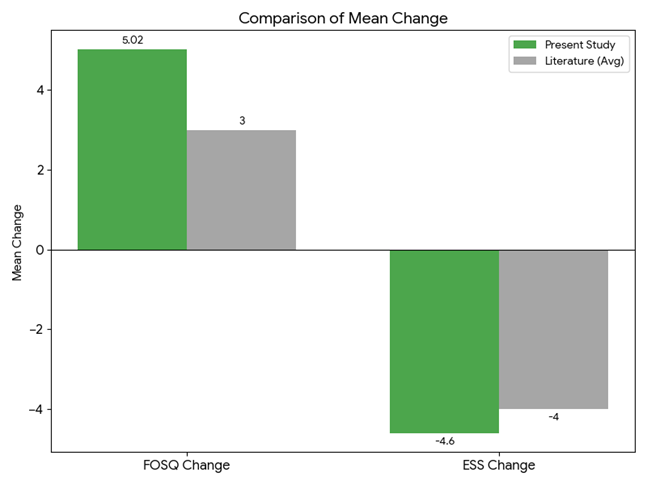
Figure 4: Comparison of Mean Changes in FOSQ and ESS Scores Between the Present Study and Reported Literature
*Literature values are derived from previously published studies. Direct statistical comparison was not performed due to differences in study design and population*
Comparison with Published Literature: When compared with previously published outcomes of conventional uvulopalatopharyngoplasty (UPPP), the present study appears to demonstrate a greater magnitude of improvement in FOSQ scores, with a mean increase of +5.02 points, compared to approximately +2.9 to +3.1 points reported in the literature. Similarly, the reduction in ESS scores (−4.60 points) was comparable to the upper range of improvement reported in previous studies (−3 to −5 points).These findings suggest that lateral suspension uvulopalatopharyngoplasty may provide enhanced functional benefit, although direct statistical comparison is limited due to differences in study design and patient populations (Table 3). All patients demonstrated clinical improvement following surgery.
DISCUSSION:
Our study demonstrates significant improvement in both functional outcomes and daytime sleepiness following lateral suspension uvulopalatopharyngoplasty (UPPP). Using validated patient-reported outcome measures, namely the Functional Outcomes of Sleep Questionnaire (FOSQ) and Epworth Sleepiness Scale (ESS), we observed notable reduction in symptoms and statistically significant enhancement at 6 months postoperatively.
Comparison with Existing Literature
Previous studies evaluating traditional UPPP have consistently shown improvement in patient-reported outcomes, although the magnitude of benefit has been variable. In a multicenter prospective study, Weaver et al. reported significant subjective improvement following isolated UPPP, with postoperative gains in quality-of-life measures and daytime functioning.[1] Similar improvements in subjective OSA symptoms after isolated UPPP were also demonstrated by Choi et al.[2]
The Functional Outcomes of Sleep Questionnaire (FOSQ), originally developed by Weaver et al., remains one of the most validated instruments for assessing functional impairment associated with excessive daytime sleepiness.[3] Heisler et al. further demonstrated the hierarchical structure and clinical reliability of the FOSQ and its relationship to the Epworth Sleepiness Scale.[4]
In the present study, we observed a marked increase in postoperative FOSQ scores, indicating restoration of daily functioning and improvement in sleep-related quality of life. These findings are comparable to, and in some aspects may exceed, improvements previously reported after conventional UPPP procedures.[1,5]
Similarly, postoperative ESS scores demonstrated substantial reduction in daytime sleepiness. Sundman et al., in the SKUP3 randomized controlled trial, demonstrated sustained improvement in sleep quality and subjective symptoms after modified UPPP.[5] Karakoc et al. also reported significant reductions in subjective sleepiness and quality-of-life improvement following expansion sphincter pharyngoplasty.[6]
The present findings support growing evidence that surgical management of OSA can produce clinically meaningful improvements in patient-centered outcomes. Recent systematic reviews have emphasized the increasing importance of patient-reported outcome measures in evaluating surgical success in OSA.[7]
In addition to traditional UPPP techniques, several contemporary surgical approaches have demonstrated effectiveness in improving airway stability and patient outcomes. MacKay et al. reported significant improvements in apnea severity and daytime sleepiness following multilevel upper airway surgery compared with medical management.[8] Caples et al., in a systematic review and meta-analysis, also concluded that upper airway surgical modifications can provide meaningful symptomatic benefit in appropriately selected patients.[9]
Furthermore, advances in alternative surgical therapies such as upper-airway stimulation have demonstrated long-term subjective and objective improvements in OSA. Strollo et al. showed that hypoglossal nerve stimulation significantly improved daytime sleepiness and quality of life in moderate-to-severe OSA patients.[10] Long-term benefits of upper-airway stimulation were further confirmed by Woodson et al. in a randomized withdrawal trial with 2-year follow-up.[11]
The importance of patient selection in determining surgical success has also been emphasized in the literature. Friedman et al. proposed a staging system for OSA surgery that predicts surgical success based on tonsil size, palate position, and body habitus.[12] Proper patient selection likely contributed to the favorable outcomes observed in the present study.
Robinson et al. demonstrated that upper airway reconstructive surgery may provide outcomes comparable to continuous positive airway pressure (CPAP) in selected patients intolerant to CPAP therapy.[13] These findings support the role of surgical interventions as an important treatment modality in appropriately selected OSA patients.
Although OSA has been extensively studied in adults, Brouillette et al. highlighted the broader clinical implications of sleep-disordered breathing and emphasized the importance of timely intervention to improve long-term health outcomes.[14]
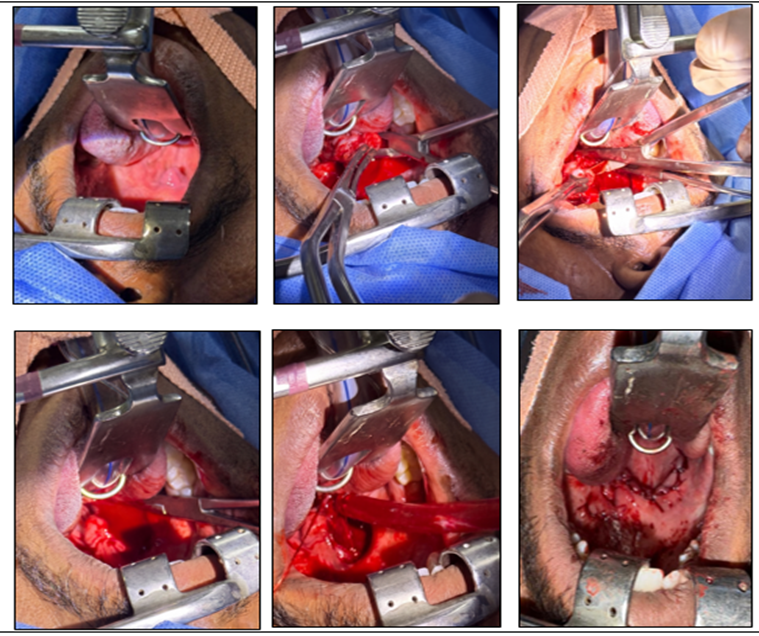
Figure 5: A)Initial Position after Insertion of Mouth Gag ; B) Tonsil is held using dennis brown tonsil holding forceps and Negus Artery forceps is used to clamp the inferior pedicle of the dissected tonsil laterally and ; C) The tonsil was excised using curved scissors.; D) and E) Lower pedicle is ligated using thread to cause Lateral suspension ; F) Final picture after Completing uvulopalatopharyngoplasty after Lateral suspension
Physiological Basis and Mechanism of Improvement
The improved outcomes observed in this study may be attributed to the additional lateral pharyngeal wall stabilization achieved through the lateral suspension technique. Traditional UPPP, originally described by Fujita, primarily addresses anteroposterior airway narrowing by resecting redundant soft palate tissue.[15] However OSA is increasingly recognized as a disorder involving multilevel and multidirectional airway collapse, with lateral pharyngeal wall collapse playing a major role.
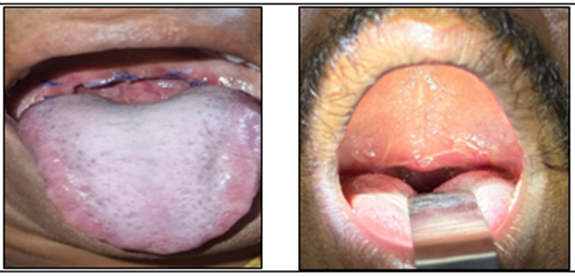
Figure 6: A) 2 week Post-operative image of Lateral Suspension with UPPP procedure ; B) 6 month Post operative view showing healed mucosa and a widened oropharyngeal airway
The lateral suspension maneuver described in this study utilizes tonsillar pillar tissue as a vector to reposition and stabilize the lateral pharyngeal walls. The application of a ligature under medial traction creates immediate mechanical stabilization, while subsequent fibrosis and scar formation are expected to provide long-term structural support.
This mechanism is conceptually analogous to lateral pharyngoplasty techniques, which aim to reduce airway collapsibility by modifying the lateral pharyngeal wall.[6]. Several contemporary modifications of uvulopalatopharyngoplasty, including Expansion Sphincter Pharyngoplasty (ESP), lateral pharyngoplasty, and relocation pharyngoplasty, have specifically focused on addressing lateral pharyngeal wall collapse in obstructive sleep apnea. These procedures have demonstrated favorable outcomes by improving airway stability through muscular repositioning and lateral wall reinforcement. However, many of these techniques involve relatively extensive muscular dissection, tissue rearrangement, and a steeper surgical learning curve, which may limit their widespread use, particularly in resource-limited settings. In contrast, the lateral suspension technique described in the present study utilizes already mobilized tonsillar pillar tissues during standard UPPP to achieve lateral pharyngeal wall stabilization without requiring extensive additional dissection or complex reconstruction.
The present technique may therefore offer several practical advantages, including technical simplicity, reduced tissue handling, shorter operative learning curve, and potential cost-effectiveness. Additionally, the procedure does not require specialized instruments or advanced reconstructive expertise, making it potentially more reproducible in high-volume centers and developing healthcare systems. Although direct comparison with ESP, lateral pharyngoplasty, or relocation pharyngoplasty was not performed in the present study, the substantial improvement observed in FOSQ and ESS scores suggests that even a relatively simple lateral stabilization maneuver may provide clinically meaningful benefit. Further comparative studies are required to evaluate the relative efficacy, safety profile, and long-term durability of these techniques.
However, the present technique offers a simpler and potentially more reproducible approach without extensive tissue dissection. Additionally, stabilization of the lateral pharyngeal walls may indirectly reduce posterior displacement of the tongue base during sleep, thereby improving airway patency and reducing obstruction.
Clinical Significance of Findings
The combined improvement in both FOSQ and ESS highlights the clinical relevance of this technique.
• FOSQ improvement reflects restoration of daily functional capacity, including productivity, activity levels, and vigilance.[3,4]
• ESS improvement reflects reduction in subjective daytime sleepiness.
The simultaneous normalization of both parameters suggests that the benefits of the procedure extend beyond symptom relief and contribute to meaningful improvements in quality of life, previous studies have demonstrated that subjective outcomes may not always correlate perfectly with objective measures such as apnea–hypopnea index (AHI).[8,9] Therefore, patient-reported outcomes remain essential in evaluating the success of surgical interventions in OSA.
Strengths of the Study
• Use of validated patient-reported outcome measures (FOSQ and ESS)
• Demonstration of substantial improvement exceeding established thresholds
• Introduction of a novel, technically simple modification addressing lateral airway collapse
• Direct comparison with well-established literature benchmarks
Limitations
Despite promising results, several limitations should be acknowledged:
1. Small sample size (n=20), which may limit generalizability
2. Lack of a randomized control group, with comparison based on historical data
3. Absence of objective polysomnographic parameters such as AHI
4. Short follow-up duration, limiting assessment of long-term outcomes
Future studies should include larger cohorts, objective sleep study parameters, and randomized comparisons to validate these findings.
Future Directions
Further research should focus on:
• Randomized controlled trials comparing lateral suspension uvulopalatopharyngoplasty with traditional techniques
• Integration of objective measures such as polysomnography
• Long-term follow-up to assess durability of results
• Evaluation of the technique in different anatomical patterns of airway collapse.
CONCLUSION:
Lateral suspension uvulopalatopharyngoplasty results in significant improvement in functional outcomes and daytime sleepiness at 6 months follow-up. The magnitude of improvement in FOSQ compares favorably with outcomes previously reported in traditional UPPP studies, while ESS improvement is comparable and clinically significant.
By addressing lateral pharyngeal wall collapse, this technique may enhance surgical outcomes in obstructive sleep apnea and represents a promising modification of conventional UPPP. Further controlled studies are required to confirm these findings.
REFERENCES:
1. Weaver EM, Woodson BT, Yueh B, et al. Studying Life Effects and Effectiveness of Palatopharyngoplasty (SLEEP) study: subjective outcomes of isolated uvulopalatopharyngoplasty. Otolaryngol Head Neck Surg 2011;144(4):623-31.
2. Choi JH, Jun YJ, Kim TH, et al. Effect of isolated uvulopalatopharyngoplasty on subjective obstructive sleep apnea symptoms. Clin Exp Otorhinolaryngol 2013;6(3):161-5.
3. Weaver TE, Laizner AM, Evans LK, et al. An instrument to measure functional status outcomes for disorders of excessive sleepiness. Sleep 1997;20(10):835-43.
4. Heisler TR, Quigg M, Perlis ML, et al. The functional outcomes of sleep questionnaire: a hierarchical structure and its relationship to the Epworth Sleepiness Scale. Sleep Med 2012;13(5):540-5.
5. Sundman J, Friberg D, Bring J, et al. Sleep quality after modified uvulopalatopharyngoplasty: results from the SKUP3 randomized controlled trial. Sleep 2018;41(1).
6. Karakoc O, Akcam T, Gencer ZK, et al. The impact of expansion sphincter pharyngoplasty on quality of life and subjective sleepiness in patients with OSA. Eur Arch Otorhinolaryngol 2015;272(9):2515-21.
7. Bhat A, Singh A, Durr ML, et al. Patient-reported outcome measures used in surgical evaluation of obstructive sleep apnea: a systematic review. Laryngoscope 2024;134(12):4838-46.
8. MacKay S, Chan ASL, Weaver EM, et al. Effect of multilevel upper airway surgery vs medical management with CPAP on the apnea-hypopnea index and sleepiness in patients with moderate or severe obstructive sleep apnea: a randomized clinical trial. JAMA 2020;324(12):1168-79.
9. Caples SM, Rowley JA, Prinsell JR, et al. Surgical modifications of the upper airway for obstructive sleep apnea in adults: a systematic review and meta-analysis. Sleep 2010;33(10):1396-407.
10. Strollo PJ, Soose RJ, Maurer JT, et al. Upper-airway stimulation for obstructive sleep apnea. N Engl J Med 2014;370(2):139-49.
11. Woodson BT, Gillespie MB, Soose RJ, et al. Randomized controlled withdrawal study of upper airway stimulation on OSA: 2-year outcomes. Otolaryngol Head Neck Surg 2014;151(6):1037-44.
12. Friedman M, Ibrahim H, Joseph NJ. Staging of obstructive sleep apnea: predictors of surgical success." Otolaryngol Head Neck Surg 2004;131(6):896–900.
13. Robinson S, Chia M, Carney AS, et al. Upper airway reconstructive surgery and CPAP in the treatment of obstructive sleep apnea: a randomized controlled trial. Sleep 2009;32(2):215-22.
14. Brouillette RT, Fernbach SK, Hunt CE. Obstructive sleep apnea in children: epidemiology, diagnosis, and treatment. Pediatr Rev 1982;3(7):225-33.
15. Fujita S. Pharyngeal surgery for obstructive sleep apnea and snoring. Otolaryngol Clin North Am 1983;16:683-9.