A CROSS-SECTIONAL STUDY ON THE PREVALENCE, SEVERITY AND RISK FACTORS OF ANAEMIA AMONG UNDERGRADUATE MEDICAL STUDENTS IN SOUTH INDIA.
- Masa Suresh , Assistant Professor, Department of Pathology, Siddhartha Medical College, Vijayawada, Andhra Pradesh, India.
- Sk. Salma , Assistant Professor, Department of Pathology, Siddhartha Medical College, Vijayawada, Andhra Pradesh, India.
- Mandru Vasundhara , Professor & HOD, Department of Pathology, Siddhartha Medical College, Vijayawada, Andhra Pradesh, India.
- Parsim Suma , Senior Resident, Department of Pathology, Siddhartha Medical College, Vijayawada, Andhra Pradesh, India.
- Kottapalli Snigdha , Final Year Postgraduate, Department of Pathology, Siddhartha Medical College, Vijayawada, Andhra Pradesh, India.
- Prachi Sharma , MBBS Final Year Part-1, Siddhartha Medical College, Vijayawada, Andhra Pradesh, India.
Article Information:
Abstract:
Background: Anaemia is a significant global public health concern often overlooked in the medical community. Despite having high health awareness, undergraduate medical students are vulnerable to nutritional deficiencies due to academic stress and irregular dietary habits. This study aims to estimate the prevalence and severity of anaemia and identify associated risk factors within this cohort in South India. Methods: A cross-sectional observational study was conducted from October to December 2025 at Siddhartha Medical College, Vijayawada. A sample of 115 undergraduate MBBS students participated through convenient sampling. Data on demographics, dietary habits, and menstrual history were collected via a structured questionnaire. Laboratory analysis included Complete Blood Count (CBC) parameters using an automated 5-part cell counter and qualitative peripheral smear examination. Anaemia was defined per WHO criteria (Hb <13 g/dL for males and <12 g/dL for non-pregnant females). Results: The overall prevalence of anaemia was 27.83%. A profound gender disparity was observed, with 39.74% of female students being anaemic compared to only 2.7% of males. The majority of cases were mild (22.6%), followed by moderate anaemia (5.21%); no severe cases were detected. Strong positive correlations were found between haemoglobin and Mean Corpuscular Volume (MCV) (r = 0.576) and Mean Corpuscular Haemoglobin (MCH) (r = 0.643), indicating iron deficiency as the primary etiology. Key risk factors included heavy menstrual flow (62.5% prevalence), a vegetarian diet (38.09% prevalence), and weekly junk food consumption. Conclusion: Anaemia, predominantly of the microcytic hypochromic type, remains a significant health issue among medical students. The high prevalence among females highlights the impact of menstrual blood loss and dietary patterns. The study emphasizes the need for routine institutional screening, nutritional counseling, and targeted dietary interventions to improve student well-being and academic performance.
Keywords:
Article :
INTRODUCTION:
Anaemia is one of the most prevalent chronic health conditions worldwide. However, it is often perceived as a problem confined to the general population, with limited attention paid to its presence within the medical community itself. This study aims to assess the prevalence, severity and risk factors of anaemia among undergraduate medical students—a group commonly assumed to be health-aware, yet vulnerable due to academic stress, irregular dietary habits, and lifestyle-related factors.
Anaemia is defined as a condition in which the number of red blood cells or the haemoglobin concentration is lower than normal. According to WHO, haemoglobin levels of <13 g/dL in men and <12 g/dL in non-pregnant women are considered anaemic. Anaemia is further classified by severity into, Mild: 10–11.9 g/dL in non-pregnant women, 10–12.9 g/dL in men, Moderate: 7.0–9.9 g/dL, Severe: <7.0 g/dL [1]
The causes of anaemia are multifactorial, including dietary deficiencies (iron, protein, vitamin B12), gastrointestinal helminthic infections causing blood loss, and certain genetic or acquired disorders. However, nearly 50% of anaemia cases globally are attributed to iron deficiency [1]. The daily iron requirement for Indian adults is approximately 19 mg/day for men and 29 mg/day for women [2]. The predominantly cereal and millet-based Indian diet is typically low in bioavailable iron, especially among vegetarians [3,4].
The consequences of anaemia range from common symptoms like pallor, fatigue, and reduced muscle performance, to more serious outcomes such as impaired cognitive function, memory issues, slower nerve conduction, developmental delays, and adverse pregnancy outcomes [5,6].Given these risks, early detection and timely intervention in medical students are essential to support their health, academic performance, and long-term well-being—thereby fostering a healthier future generation of doctors.
Aim & Objectives
Aim:
To estimate the prevalence and severity of anaemia and identify associated risk factors among undergraduate medical students.
Primary objectives:
1. To determine the prevalence of anaemia among undergraduate medical students.
2. To classify anaemia severity (mild/moderate/severe) per WHO criteria.
3. To assess associations between anaemia and gender, diet type, meal frequency, breakfast skipping, tea/coffee habits, junk-food frequency, and menstrual factors in females.
Secondary objectives:
4. To correlate RBC indices (MCV, MCH, RDW) with haemoglobin and peripheral smear findings..
MATERIALS AND METHODS:
Study design
Cross-sectional observational study.
Study setting
Department of Pathology, Siddhartha Medical College, Vijayawada.
Study period
October 2025 to December, 2025
Sample size calculation
Sample size for the given study was calculated using cochran’s formula.
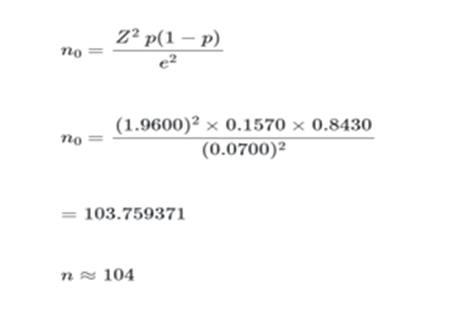
Z= 1.96 (corresponding to 95% confidence level
p= expected prevalence of anaemia (1.57%=0.157)
e= allowable error (7%=0.07)
Adding for 10% non-response → final n ≈ 115
Sampling method
● Population: All undergraduate MBBS students (1st–final year) at SMC during study period.
● Sampling: Convenient sampling was used.
Inclusion criteria
● MBBS students aged ≥18 years who provide written informed consent.
Exclusion criteria
● Known haematological disorders (thalassemia major)
● Recent blood transfusion (last 3 months)
● Those on active iron or B12 supplementation in the last 3 months
Study tools
1. Structured questionnaire (Google Form) — demographic data, dietary habits, menstrual history (females), supplement use, blood donation history. (Annexure: full questionnaire at the end)
2. Laboratory — 2 mL venous blood in EDTA: CBC parameters measured using automated 5-part cell counter (model: ASPEN 5000), peripheral smear prepared and stained using Leishman stain and examined under light microscopy.
Sample collection & processing
● Blood collected by trained phlebotomists under aseptic conditions. Tubes labeled with Participant ID.
● Samples processed within 2 hours; if processing delayed, stored at 2–8°C and analyzed within 24 hours (note as exception). Peripheral smear prepared immediately. Under-filled tubes flagged.
Operational definitions
● Anaemia: Hb <13 g/dL (males), Hb <12 g/dL (non-pregnant females).
● Severity:
Mild (10–11.9 g/dL in women; 10–12.9 in men)
Moderate (7–9.9 g/dL)
Severe (<7 g/dL).
● Diet classification: vegetarian/eggetarian/non-vegetarian.
● Iron-rich diet: ≥2 servings/week.
Data management & quality control
● Data from Google Form exported to Google Sheets.
● Lab results entered and merged using Participant ID.
● Double data entry/check for errors.
● Daily QC logs for analyzer recorded.
Statistical analysis
● Software: Microsoft Excel.
● Descriptive statistics: mean ± SD for continuous variables; frequency and percentage for categorical variables.
● Correlation: Pearson or Spearman between Hb and MCV, MCH and RDW.
Ethical considerations
● Institutional Ethics Committee approval obtained (IEC certificate attached in Annexure).
● Written informed consent from each participant (annexure).
● Confidentiality maintained using coded IDs.
RESULTS:
Table 1. Sample characteristics
A total of 115 participants (age range 18-25, mean±SD= 20.24±1.034) were included.
|
Variable |
Category |
Frequency |
Percentage |
|
Gender |
Male |
37 |
32.2 |
|
Female |
78 |
67.8 |
|
|
Age (yrs) |
Mean± SD |
20.24±1.034 |
|
|
Diet Type |
Non- Veg |
84 |
73 |
|
Veg |
21 |
18.3 |
|
|
Eggetarian |
10 |
8.7 |
|
The study included 115 undergraduate medical students, aged 18–25 years, with a mean age of 20.24 ± 1.03 years, indicating a relatively homogeneous young adult population. The gender distribution showed that 78 participants (67.8%) were female, while 37 (32.2%) were male, reflecting the typical composition seen in many medical cohorts. Regarding dietary patterns, 84 participants (73%) consumed a non-vegetarian diet, 21 (18.3%) were vegetarians, and 10 (8.7%) were eggetarians. The narrow age range also ensures that age-related haematological variation is minimal, making gender and dietary influences.
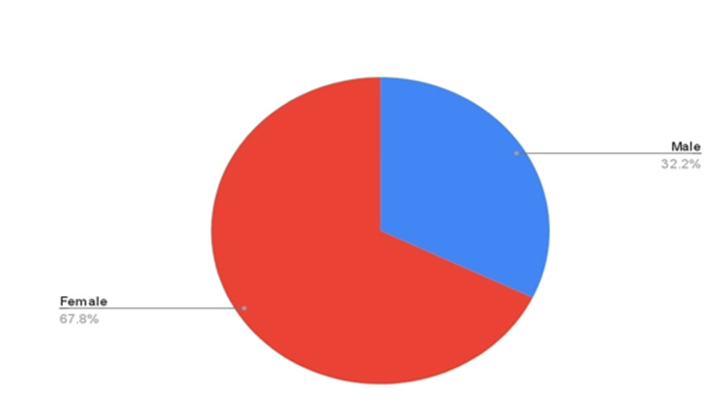
Chart 1: Gender-wise distribution
Table 2. Haematological characteristics
|
Parameter |
Overall |
Females |
Males |
|
Hb (g/dL) |
13.01 ± 1.92 |
11.95 ± 1.92 |
15.24 ± 1.96 |
|
MCV (fL) |
83.83 ± 6.75 |
82.47 ± 6.75 |
86.68 ± 6.91 |
|
MCH (pg) |
29.09 ± 2.98 |
28.34 ± 2.98 |
30.66 |
|
RDW (%) |
14.69 ± 1.67 |
15.03 ± 1.67 |
13.98 ± 1.56 |
The overall mean haemoglobin level was 13.01 ± 1.92 g/dL, with females having a mean of 11.95 ± 1.92 g/dL, and males 15.24 ± 1.96 g/dL. The mean MCV for the total sample was 83.83 ± 6.75 fL, with females showing 82.47 ± 6.75 fL and males 86.68 ± 6.91 fL.The mean MCH was 29.09 ± 2.98 pg overall, 28.34 ± 2.98 pg in females, and 30.66 pg in males.The mean RDW was 14.69 ± 1.67% for the total sample, 15.03 ± 1.67% among females, and 13.98 ± 1.56% among males.Hence, men had higher mean Hb, MCV, MCH mean values and lower mean RDW values than female.
Correlation analysis showed: Hb vs MCV: r = +0.576 (moderate positive correlation); Hb vs MCH: r = +0.643 (moderate-strong positive correlation); Hb vs RDW: r = −0.535 (moderate negative correlation).
These correlations indicate that falling haemoglobin levels are associated with smaller red cells, lower haemoglobin content per cell, and greater size variability—a pattern that is highly characteristic of iron-deficiency anaemia.
Table 3. Prevalence of anaemia
|
Category |
Hb Criteria |
Frequency |
Percentage |
Female |
Male |
|
Non-anaemic |
≥12 F, ≥13 M |
83 |
72.17 |
47 |
36 |
|
Anaemic |
<12 F, <13 M |
32 |
27.82 |
31 |
1 |
|
Mild |
10-11.9 |
26 |
22.6 |
25 |
1 |
|
Moderate |
7-9.9 |
6 |
5.21 |
6 |
0 |
|
Severe |
<7 |
0 |
0 |
0 |
0 |
Using the defined haemoglobin cut-offs, 32 participants (27.82%) were classified as anaemic, and 83 participants (72.17%) were non-anaemic. Among females, 31 out of 78 participants were anaemic, whereas 1 out of 37 males was anaemic.Based on severity:Mild anaemia was present in 26 participants (22.6%), Moderate anaemia was observed in 6 participants (5.21%).No cases of severe anaemia were recorded.
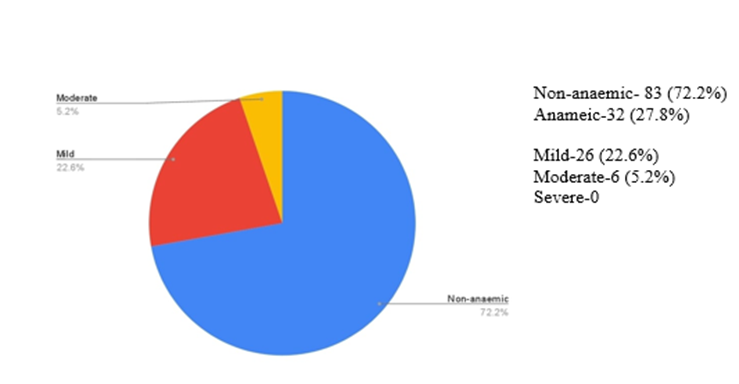
Chart 2: Prevalence and type of anaemia
Table 4. Types based on peripheral smear findings
|
|
Frequency (n=) |
Haemoglobin (gm/dl) |
RBC Count (million/dL) |
HCT (%) |
MCV (Fl) |
MCH (pg) |
MCHC g/dL |
RDW-CV (%) |
|
NC NC Anaemia of mild degree |
10 |
11.62 |
3.97 |
33.46 |
84.23 |
29.24 |
34.72 |
14.49 |
|
MC HC Anaemia of mild degree |
17 |
10.94 |
4.36 |
32.75 |
75.194 |
25.13 |
33.44 |
16.66 |
|
MC HC Anaemia of moderate degree |
5 |
9.1 |
4.1 |
28.02 |
68.48 |
22.26 |
32.46 |
17.5 |
(NC NC- Normocytic-Normochromic anaemia, MC HC- Microcytic-Hypochromic anaemia)
Most common finding is microcytic hypochromic anaemia of mild degree, and it corresponds with lower MCV, MCH, MCHC values and a higher RDW-CV. Other types were normocytic normochromic anaemia of mild degree, higher values for these parameters and lower RDW and microcytic hypochromic showing lower MCV, MCH, MCHC values and an even higher RDW-CV.
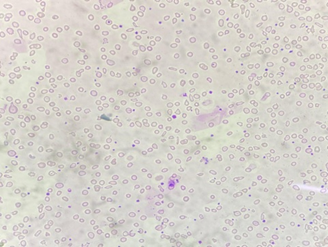
Image 1: Microphotograph of peripheral smear showing microcytic hypochromic RBC, pencil cells and target cells
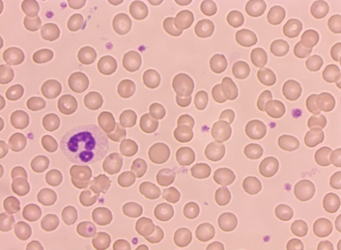
Microphotograph of peripheral smear showing Normocytic normochromic RBC in a case of Normocytic normochromic anemi
Table 5. Diet (veg- nonveg) vs anaemia
|
Diet |
(n) |
Percent |
(n) |
Anaemic (%) |
(n) |
Non-Anaemic (%) |
|
Vegetarian |
21 |
18.26% |
8 |
38.09 |
13 |
61.9 |
|
Non-Vegetarian |
84 |
73.04% |
22 |
26.19 |
62 |
73.8 |
|
Eggetarian |
10 |
8.69% |
1 |
10 |
9 |
90 |
Vegetarians demonstrated higher anaemia prevalence (38%) than non vegetarians and eggetarians.
Table 6. Dietary habits vs anaemia
|
Dietary Factor |
Category |
Anaemic |
Non- anaemic |
|
Iron-rich foods |
Daily |
7 |
15 |
|
2–3/week |
15 |
51 |
|
|
Rarely/Never |
9 |
18 |
|
|
Breakfast skipping |
Yes |
4 |
16 |
|
No |
27 |
68 |
|
|
Junk food |
Daily |
2 |
12 |
|
weekly |
16 |
53 |
|
|
monthly |
9 |
14 |
|
|
Rarely/Never |
4 |
5 |
Anaemia was most common among those consuming iron-rich foods rarely or never. Regular consumption (daily or 2–3 times/week) showed lower anaemia frequency.Skipping of breakfast did not have any significant correlation. Weekly junk food consumption was associated with the highest prevalence of anaemia.
Table 7. Menstrual factors vs anaemia
|
Variable |
Category |
Anaemic |
Anaemic (%) |
Non Anaemic |
Non-Anaemic (%) |
|
Duration Of Flow |
3–5 Days |
25 |
38.46 |
40 |
61.53 |
|
>5 Days |
6 |
46.15 |
7 |
53.84 |
|
|
Flow Intensity
|
Light |
2 |
50 |
2 |
50 |
|
Moderate |
24 |
36.36 |
42 |
63.63 |
|
|
Heavy |
5 |
62.5 |
3 |
37.5 |
Longer flow duration and heavy flow intensity correlate with higher anaemia prevalence.Heavy menstrual bleeding (62.5% anaemia) is the strongest risk factor identified in this table.
DISCUSSION:
The present study assessed the prevalence, severity, and morphological characteristics of anaemia among undergraduate medical students, a population considered to have relatively high health awareness and access to nutritional information. Despite this, the findings indicate that anaemia remains a significant health concern in this group, with an overall prevalence of 27.83%. This suggests that even individuals pursuing medical education are not exempt from nutritional deficiencies and related haematological disorders.
A striking observation was the substantial gender disparity in anaemia prevalence. In the given sample, only one male student was found to be anaemic while almost every 2 in 5 women had some degree of anaemia. Nearly 40% of female students were anaemic, compared to only 2.7% of male students, highlighting a clear biological and lifestyle-driven vulnerability among women. The majority of anaemic cases were mild, with a smaller proportion presenting moderate anaemia. No severe cases were detected, which could indicate either early detection through routine screening or that students do not typically progress to more advanced stages due to intermittent dietary improvements or supplementation.
The haematological indices and correlation analyses strongly suggested iron deficiency as the primary mechanism underlying anaemia in this group. Haemoglobin demonstrated a moderate positive correlation with MCV (r = 0.576) and MCH (r = 0.643), indicating that as haemoglobin decreased, both red-cell size and haemoglobin content declined a classical hallmark of iron-deficient erythropoiesis. Conversely, the negative correlation between haemoglobin and RDW (r = –0.535) showed that anisocytosis increased as haemoglobin levels fell, further supporting the interpretation of disrupted erythropoiesis associated with iron deficiency.
These findings highlight the role of nutritional insufficiency, menstrual blood loss, and dietary and lifestyle habits as key contributors to a major public health concern like anaemia even among informed adults like medical students.
Expected Trends in Young Adult Populations
The prevalence identified in this study aligns with trends reported across similar young adult populations in India. Studies in college and university settings frequently document anaemia prevalence ranging from 20% to 45%, particularly among female students. This similarity suggests that the population under study shares common influences with other young adults, including dietary habits, academic stress, menstrual characteristics, and socioeconomic factors that affect access to iron-rich foods.While medical students are expected to possess better health literacy, their demanding schedules, academic pressure, erratic meals, and inconsistent routines often make them vulnerable to dietary insufficiencies. The finding that even medical students are not spared from anaemia underscores the persistent gap between health knowledge and health practices. It also highlights the possibility that the nutritional and lifestyle challenges faced by students irregular meals, high caffeine consumption, limited time for food preparation which may override theoretical awareness of healthy habits. The high prevalence of anaemia in this study serves as a reminder that knowledge alone does not necessarily translate into healthy behaviours.
Severity Pattern and Its Clinical Implications
The predominance of mild anaemia (22.6%) suggests that most students are in the earlier stages of iron depletion. However, this should not be underestimated. Mild anaemia has been shown in multiple studies to impair concentration, reduce physical stamina, and diminish cognitive efficiency, factors that are particularly crucial for medical students who engage in prolonged periods of academic work, clinical skills training, and examinations. Moderate anaemia (5.21%), observed in a smaller subset, indicates more advanced depletion requiring targeted interventions. The absence of severe anaemia is reassuring, yet it should not lead to complacency. Mild-to-moderate iron deficiency can progress if left unaddressed, eventually affecting the student’s overall health and academic performance. The absence of severe anaemia is likely a reflection of the relatively educated and health-aware nature of the study group, as well as the probable access to supplementation or dietary correction at earlier stages. Nevertheless, this data indicates a need for institution-wide screening and preventive strategies, as many students may not recognise or report symptoms until iron deficiency becomes more advanced.
Interpretation of RBC Indices
The relationship between haemoglobin and RBC indices in this study provides valuable insight into the pathophysiological processes underlying the observed anaemia. The positive correlation between haemoglobin and MCV suggests that as haemoglobin decreases, the erythrocytes become smaller, reflecting classic microcytic changes associated with iron deficiency. Similarly, the strong positive correlation between haemoglobin and MCH indicates decreasing haemoglobin content per red cell as iron stores decline leading to hypochromasia. This pattern was also visible in the descriptive statistics, where females had lower mean MCV (82.47 fL) and MCH (28.34 pg) than males (mean MCV=86.68 fL, mean MCH=30.66 pg), reflecting greater susceptibility to iron-deficiency states. The negative correlation between haemoglobin and RDW suggests increasing variability in RBC size with worsening anaemia. Elevated RDW is often one of the earliest markers of iron deficiency, preceding reductions in MCV and MCH. This pattern supports the conclusion that the majority of anaemic students are in various stages of iron-depletion erythropoiesis.These findings align well with morphological observations from the peripheral smear, reinforcing the overall internal consistency of the study’s results.
Morphological Correlation Through Peripheral Smear Examination
Peripheral smear examination provides a valuable qualitative complement to automated haematological indices. Peripheral smear findings provided morphological confirmation of the haematological patterns observed. The most frequent impression was microcytic hypochromic anaemia of mild degree, observed among 17 participants with a mean haemoglobin of 10.94 g/dL, mean MCV around 75 fL, and RDW of 16.66%, indicating iron-restricted erythropoiesis. Cases classified as moderate microcytic hypochromic (n=5) anaemia showed even more pronounced abnormalities, such as MCV 68.48 fL and RDW 17.5%, reflecting more advanced deficiency. Normocytic normochromic anaemia (n=10) appeared in a subset of students, with a mean haemoglobin of 11.62 g/dL and relatively preserved MCV and MCH values.
This morphology may represent early-stage iron deficiency before microcytosis develops, or non-nutritional anaemia influenced by transient inflammation or stress. The coherence between smear morphology and the correlation analyses (Hb–MCV, Hb–MCH, Hb–RDW) adds strong internal validity to the conclusion that iron deficiency is the major aetiology among the anaemic students in this cohort. Thus peripheral smear is like a qualitative analysis for the quantitative rbc indices.
Gender Disparities and Menstrual factors
The gender disparities observed in this study were profound and directly reflect the influence of biological processes. Menstrual blood loss remains the most significant factor contributing to iron depletion among women of reproductive age.The gender difference in anaemia prevalence (39.74% vs 2.7%) highlights menstrual physiology as a central determinant. This interpretation is reinforced by menstrual-pattern data: students reporting heavy menstrual flow had the highest anaemia frequency at 62.5%, while those with prolonged flow (>5 days) had a prevalence of 46.15%. Even among those with typical flow (3–5 days), more than one-third (38.46%) were anaemic. These findings support a trend-based interpretation that.
As menstrual flow intensity increases, haemoglobin levels tend to decline in a graded fashion. The consistency of these observations across both categorical percentages and correlation-based interpretation strengthens the evidence that menstrual factors are a major contributor to anaemia in this population. The contrast with male participants is stark. With only 2.7% of male students falling into the anaemic range, it is evident that the absence of menstrual blood loss, coupled with possible higher intake of heme iron among males, provides a degree of protection that female students do not share. Among female participants, menstrual factors emerged as a significant contributor. Heavier menstrual flow and prolonged duration were associated with substantially higher anaemia prevalence, supporting existing evidence that menstrual blood loss is one of the strongest determinants of iron deficiency among women of reproductive age.
Dietary Factors in the Medical Student Population
Lifestyle and dietary habits play a central role in determining iron status among young adults, and medical students are no exception. Diet emerged as a major contributor to anaemia risk. Vegetarian students exhibited the highest anaemia prevalence (38.09%), followed by non-vegetarians (26.19%) and eggetarians (10%). Those participants who had moderate consumption of iron rich meals had the lowest levels of anaemia. Noticeably, almost one-third (7 out of 22) participants who claimed to have iron rich meals daily had anaemia, indicating the lack of awareness about iron rich foods. This data indicates a clear directionality: iron deficiency is more common as dietary intake shifts toward patterns low in heme iron. Because non-heme iron absorption is easily inhibited by tea, coffee, and phytates, the high consumption of beverages like tea and coffee among students likely further impairs iron availability.
Despite having greater health awareness, the demands of academic life often lead to irregular meal patterns, skipping breakfast, and reliance on convenience foods with low iron content. In this study, students who rarely consumed iron-rich foods exhibited higher anaemia prevalence, reinforcing the need for dietary counselling in this population. Weekly junk food consumption was also associated with increased anaemia prevalence, possibly due to displacement of nutrient-rich foods. Here again almost half (4 out of 9) participants who claimed to have junk food rarely or never also had anaemia of varying degree. Frequent breakfast skipping did not seem to have any significant correlation with the prevelance of anaemia.
Comparative analysis with contemporary studies
When compared with findings from other states and regions, the prevalence observed in the present study (27.83%) appears consistent with trends reported across diverse student populations, though with some notable variations. Studies from Gujarat [21] and Maharashtra [8] have documented considerably higher anaemia burdens, with prevalences of 40% and 28.66% respectively, suggesting that regional dietary patterns, socioeconomic factors, and differing academic environments may contribute to variations in nutritional status. Kerala [22] and Tamil Nadu [9] have reported anaemia rates of 43.5% and 37.3%, both higher than the prevalence in the current cohort and likely reflective of female-only sampling in some cases, which inherently elevates overall prevalence due to the biological vulnerability of women to iron deficiency. In Karnataka [7], a study distinguishing between academic performance groups reported an anaemia prevalence of 15.57%, lower than that of the present study, possibly due to differences in sampling methods, student lifestyle patterns, or institutional health support systems.
Data from Chhattisgarh[24] (30.2%) and even international cohorts such as Iraq [23] (22%) further illustrate that anaemia among students is a widespread concern, influenced by factors such as BMI, socioeconomic status, and parental education or occupation. The current study's prevalence aligns with these broader observations, reinforcing that anaemia in medical students is not an isolated phenomenon but part of a larger public health pattern shaped by nutritional habits, demographic factors, and regional contexts. The gender disparity and strong association with dietary and menstrual characteristics identified in the present study closely mirror the trends reported elsewhere, suggesting that despite geographical differences, the underlying determinants of anaemia in young adults remain largely consistent.
Strengths of the Study - Combines quantitative parameters (Hb, MCV, MCH, RDW) with qualitative morphology (peripheral smear).Uses clear severity cutoffs tailored for the context.Includes a representative sample of medical students.Provides correlation analysis, adding depth to the interpretation.
Limitations - Cross-sectional design restricts causal inference.Ferritin and transferrin saturation were not available; thus iron deficiency cannot be biochemically confirmed.Some lifestyle factors (menstrual flow volume, interval, duration) were self-reported and may be imprecise.The study was single-centre, limiting external generalizability.
Implications for Medical Student Health and Education
Anaemia has significant implications for student well-being and academic functioning. Even mild anaemia can impair cognitive performance, concentration, and memory—domains essential for medical training. Fatigue and reduced stamina may affect clinical performance and participation in both theoretical and practical activities. Given the academic rigour required in medical training, unaddressed anaemia may contribute to burnout, fatigue, and decreased academic output.
The presence of modifiable contributors such as dietary habits, meal timing, and menstrual management highlights the opportunity for targeted preventive strategies. Medical colleges may benefit from implementing periodic health checks, nutritional counselling, and awareness programs aimed at reducing anaemia and improving overall student wellness.
Future Directions
Future studies should incorporate biochemical iron-status markers to differentiate among iron-deficiency anaemia, anaemia of inflammation, and other haematological disorders. Including validated tools to assess menstrual blood loss would provide more accurate insight into menstrual contributions. Investigate behavioural contributors such as meal timings, iron supplement adherence, and tea/coffee timing. Longitudinal studies could examine changes in iron status over time, particularly during stressful academic periods. Intervention-based research, such as evaluating the effectiveness of dietary modifications or supplementation programs, would also be valuable. Multi-centre studies with larger sample sizes would enhance generalizability and provide a more comprehensive picture of anaemia among medical students.
Recommendations
Routine annual screening for anaemia should be incorporated into student health checks using the same cut-offs applied in this study. Early identification is essential, and reducing the current prevalence of 27.8% to around 15% over the next year would be a realistic institutional goal. Regular nutritional counselling and small-group workshops can help students understand iron-rich food choices, factors affecting iron absorption, and practical meal planning. Given the strong association between anaemia and menstrual factors, screening for heavy menstrual bleeding should be added to routine assessments, with prompt referral to gynaecology for students reporting prolonged or heavy flow.
Targeted behavioural messages—such as increasing intake of iron-rich meals, avoiding tea/coffee around meals, and including vitamin C sources—may further improve iron status. Peer-led initiatives and written educational materials can reinforce these practices. Campus-level measures, including offering affordable iron-rich meals, incorporating fortified foods, and subsidising iron supplements where feasible, may support students in sustaining healthier nutritional patterns. Together, these strategies can meaningfully reduce anaemia prevalence and improve student well-being.
CONCLUSION:
This study demonstrates that anaemia is a significant concern among undergraduate medical students, with an overall prevalence of 27.83%, reflecting that even health-aware populations remain vulnerable to nutritional deficiencies. A marked gender disparity was observed, with 39.74% of female students affected compared to 2.7% of males, primarily due to the influence of menstrual blood loss. Heavy flow (62.5% anaemia) and prolonged bleeding duration (46.15%) were strongly associated with reduced haemoglobin levels. Haematological indices and correlation findings consistently indicated iron-deficiency anaemia as the predominant type, supported by positive correlations of haemoglobin with MCV and MCH, and a negative correlation with RDW. Peripheral smear evidence of microcytic hypochromic patterns further validated this interpretation. Dietary habits, particularly vegetarian diets and infrequent intake of iron-rich foods, also contributed significantly to anaemia risk.
Although most cases were mild, the potential impact on cognitive performance, fatigue, and academic functioning is considerable. These findings emphasise the need for routine screening, nutritional counselling, menstrual health assessment, and campus-based dietary improvements. Addressing these modifiable factors could substantially reduce anaemia prevalence and enhance student well-being.Future studies incorporating biochemical markers and larger, multicentre samples would improve diagnostic accuracy and broaden the applicability of these findings.
REFERENCES:
1. World Health Organization. Anaemia—health topic overview. World Health Organization; [cited 2025]. Available from: WHO website
2. Indian Council of Medical Research – National Institute of Nutrition Expert Group. A brief note on nutrient requirements for Indians, the Recommended Dietary Allowances (RDA) and Estimated Average Requirements (EAR). Hyderabad: NIN; 2020.
3. Gupta RK, Gangoliya SS, Singh NK. Iron content, bioavailability and factors affecting iron status of Indians. Academia.edu;2021.
4. Gupta P, et al. Iron status of vegetarian adults in India: A review. *PubMed Central PMCID: PMC6367879.*
5. National Library of Medicine. Iron—Dietary Reference Intakes for Vitamin A, Vitamin K... National Academies Press; [book online] NIH Bookshelf NBK222309. Available from: NCBI Books online
6. Hu Y, Mao Y, Wang W. Relationship between Anaemia and academic performance in Chinese primary school students: evidence from a large national survey. Electron J Gen Med. 2024;21(2):em576. doi:10.1155/2024/1150608
7. Rani NA, Arasegowda R, Mukherjee P, Dhananjay SY. Prevalence of Nutritional Deficiency Anaemia and Its Impact on Scholastic Performance among Undergraduate Medical Students. J Clin Diagn Res. 2017 Mar;11(3):BC21-BC23. doi: 10.7860/JCDR/2017/25367.9597. Epub 2017 Mar 1. PMID: 28511373; PMCID: PMC5427299.
8. Vibhute, Nupura A.1,; Shah, Unnati1; Belgaumi, Uzma1; Kadashetti, Vidya1; Bommanavar, Sushma1; Kamate, Wasim1. Prevalence and awareness of nutritional Anaemia among female medical students in Karad, Maharashtra, India: A cross-sectional study. Journal of Family Medicine and Primary Care 8(7):p 2369-2372, July 2019. | DOI: 10.4103/jfmpc.jfmpc_353_19
9. 9 Senthilkumar K, Kalaiyazhagan M, Lalamiya Abdul Rahiman B, Ravichandran S. Prevalence of Anaemia, Iron Level, Total Iron Binding Capacity Level, and Body Mass Index of Medical Students Living in Hostels in South India. J.Exp.Life Sci. [Internet]. 2024 Aug. 29 [cited 2025 Dec. 2];14(2):93-9. Available from: https://jels.ub.ac.id/index.php/jels/article/view/561
10. 10 most common nutrient deficiencies in Indians and how to overcome them [Internet].
11. [India]]: Times of India; [30 Oct 2024].
12. Available from: https://timesofindia.indiatimes.com/life-style/health-fitness/diet/3-most-common-nutrient-deficiencies-in-indians-and-how-to-overcome-them/photostory/124954797.cms
13. World Health Organization. Anaemia: A Global Public Health Problem (WHO, 2021).
14. Indian Council of Medical Research (ICMR). Nutrient Requirements for Indians (2020)
15. International Institute for Population Sciences (IIPS) and ICF. National Family Health Survey (NFHS-5), 2019-21: India. Mumbai: IIPS; 2021.
16. Kumar KJ, Shah B, Sharma S, et al. Vitamin B12 status in rural adolescent school girls in North India. Indian J Community Med. 2023;48(5):778-783.
17. Satyanarayana U, Chakrapani U. Textbook of Medical Biochemistry. 4th ed. New Delhi: Books & Allied (or relevant Indian publisher); 2012.
18. Kumar A, Singh A, Rajendran A, et al. Iron deficiency Anaemia: pathophysiology, assessment, and management. J Nutr Sci Vitaminol (Tokyo). 2022;68(6):1-12. Available from:https://www.sciencedirect.com/science/article/pii/S0022316622146730
Peterson AL, McDonald CM, Rogge MM. Iron deficiency and iron deficiency Anaemia: implications and impact in pregnancy. Nutrients. 2022;14(1):48. Available from:https://pmc.ncbi.nlm.nih.gov/articles/PMC8746955
19. World Health Organization. Iron deficiency anaemia: assessment, prevention and control. A guide for programme managers. Geneva: WHO; 2001.
Auerbach M, Ballard H. Intravenous iron: from anathema to standard of care. HematologyAm Soc Hematol Educ Program. 2010:338–347. doi:10.1182/asheducation-2010.1.338
20. Ministry of Health and Family Welfare (MoHFW). National Iron Plus Initiative: Guidelines for Control of Iron Deficiency Anaemia. Government of India; 2013.
21. Lakdawala MZSA. Prevalence of Anaemia and its correlation with menstrual patterns in female medical students. ICR-Heart. 2025 [cited 2025 Dec 10]. Available from: https://icr-heart.com/article/prevalence-of-Anaemia-and-its-correlation-with-menstrual-patterns-in-female-medical-students-2544/
22. Manjula VD, Parameshwari A, Lillykutti P, Sobha V. Prevalence of Anaemia among female undergraduate students of Government Medical College, Kottayam, Kerala. Int J Med Health Sci. 2014;3(2):139–146. Availablefrom:https://www.ijmhs.net/articles/1397656802Prevalence_of_Anaemia_Among_Female_Undergraduate_Students_of_Government_Medical_College_%20Kottayam_Kerala.pdf.
23. Al-Hashimi Z, Abdulwahid A, Kareem S. Prevalence of iron deficiency Anaemia among medical students in Al-Iraqia College of Medicine: correlation with socioeconomic and physiological conditions. 2024. Available from: https://www.researchgate.net/publication/385744625_Prevalence_of_iron_deficiency_Anaemia_among_medical_students_in_ALIraqia_College_of_Medicine_correlation_with_socioeconomic_and_physiological_conditions
24. Medical Research NJof. A CROSS SECTIONAL STUDY OF NUTRITIONAL ANAEMIA AMONG MEDICAL STUDENTS IN A MEDICAL COLLEGE, AT BILASPUR, CHHATTISGARH. National Journal of Medical Research. 2013;3(2):143–6.
25. Kumar V, Abbas AK, Aster JC. Robbins & Cotran Pathologic Basis of Disease. 11th ed. Philadelphia: Elsevier; 2026.