Efficacy of butorphanol versus pentazocine as a premedicant in laparoscopic surgeries: A double-blind randomised controlled study.
- Tilka V. Ghate , Associate Professor, Department of Anesthesiology, N.K.P. Salve Institute of Medical Sciences and Research Centre and Lata Mangeshkar Hospital, Nagpur, India.
- Vaishali C. Shelgaonkar , Professor and Head of the Department, Department of Anaesthesiology, Indira Gandhi Government Medical College & Hospital, Nagpur, India.
- Heena Pahuja , Professor, Department of Anesthesiology, N.K.P. Salve Institute of Medical Sciences and Research Centre and Lata Mangeshkar Hospital, Nagpur, India.
- Megha Tajne , Professor and Head of the Department, Department of Anaesthesiology, Government Medical College, Nagpur, India.
- Sumanti Chandrikapure , Clinical Practitioner, Department of Orthodontics, Jawaharlal Nehru Hospital, Nagpur, India.
- Vivek Ghate , Chief Medical Officer, M.S. General Surgeon, Central Government Health Scheme, Nagpur, India.
Article Information:
Abstract:
Background: With a mixed agonist-antagonist characteristic, butorphanol is a morphinan that is chemically homologous to levorphanol. This research was done to gauge how well butorphanol works as a premedicant with frequently used pentazocine in terms of hemodynamic stability and post-operative pain management. Methods: The 60 adult participants in this prospective, randomized, and double-blind trial were scheduled to undergo elective laparoscopic surgery under general anaesthesia at Tertiary Care Hospital in Nagpur, Maharashtra, between February 2007 and October 2008. They were graded I-II by the American Society of Anesthesiology (ASA). Two groups of 30 patients each were created at random from the patient population. Pentazocine injection (Inj.) (0.3 mg/kg) was given to Group I (n=30), whereas Butorphanol injection (0.02 mg/kg) was given to Group II patients as premedication. Results: Data from 60 patients were analyzed. The mean VAS score of 3.2±0.497 in group II was considerably lower than that of group I, with a VAS of 4.4±1.354. As a result, group II patients' analgesia lasted much longer than group I patients' (p 0.001), with a mean analgesia duration of 50.16±34.851 & 108.83±77.445 in group I and II, respectively. At laryngoscopy and intubation, group I experienced a significant increase in pulse rate (p<0.05) with a mean pulse rate of 99.03±15.11/min compared to group II, who observed a mean pulse rate of95.03±15.38/min. Additionally, mean SBP at laryngoscopy and intubation was markedly lower in group II (140.97±15.96) as compared to group I (129.6±22.28), suggesting better hemodynamic stability. Conclusion: Butorphanol can be accepted as a premedicant in laparoscopic surgeries owing to its favourable aspects of better hemodynamic stability and longer post-operative analgesic duration with minimal negative effects and complications. Categories: Anesthesiology.
Keywords:
Article :
INTRODUCTION:
Nowadays, more than 60% of elective surgeries are performed as outpatient surgical procedures, with the laparoscopic techniques having an edge with multiple post-operative benefits like less trauma, lesser pain, quicker recovery, and shorter hospital stay. The common side effects related to laparoscopic surgeries are intraoperative alteration in hemodynamic parameters, headache, muscle pain, prolonged drowsiness, dizziness, nausea, vomiting, etc. Therefore, the premedication used in laparoscopic surgeries should act to ease the intraoperative course and minimizes postoperative pain with negligible side effects [1,2].
The usefulness of butorphanol in surgery as a premedicant, in particular during laparoscopy, has been consistently evidenced by clinical trials and is an informative addition to balanced anaesthesia. Due to its particular pharmacological properties as a mixed agonist–antagonist opioid, butorphanol offers a predictable analgesic effect, good sedation and a pronounced property of reduced respiratory depression, which is important to consider in minimally invasive abdominal interventions. Correlation study with many other commonly used opioids (fentanyl/dexmedetomidine) has shown that butorphanol reduces sympathetic responses for induction, intubation and pneumoperitoneum and contributes to improved perioperative hemodynamic stability. It has also been observed that butorphanol can extend postoperative analgesia, but without prolonged early postoperative discomfort and thus aid in smooth postoperative recovery without prolonging recovery from anaesthesia. These benefits are therefore instrumental in establishing butorphanol as an optimal premedication for laparoscopic surgery: it presents a well-rounded analgesia, sedation and safety profile, which is appropriate both for the immediate physical and recovery-related status of modern minimally invasive surgery.
Numerous studies have been conducted to determine the effectiveness of butorphanol in laparoscopic procedures. Butorphanol is a morphinan that shares chemical similarities with levorphanol and has mixed agonist-antagonist characteristics, making it a reliable and secure medication for intraoperative analgesia, and has a low detrimental effect on hemodynamic parameters and recovery time [3]. Comparison of butorphanol and pentazocine as premedicants for laparoscopic surgical procedures reveals remarkable differences in the analgesic and hemodynamics of these drugs. Both are part of the class of mixed opioid agonist–antagonists; butorphanol is invariably preferred on clinical evaluation because of its more effective analgesic action, sedative profile, and less occurrence of dysphoria, a known limitation of pentazocine. With regard to the laparoscopic surgical procedure, by which the pneumoperitoneum and airway manipulation induced considerable sympathetic responses may be elicited, butorphanol is proposed to be superior in reducing the perioperative stress responses and in maintaining cardiovascular stability. Its longer time period has been found to make analgesia after surgery less dependent on opioids and to hasten early recovery. Pentazocine has the potential for increased potential for variable sedative levels and a greater chance of adverse psychomimetic events, which may lead to less favorable outcomes under contemporary anaesthesia. Taken from the recent clinical literature, butorphanol is regarded as the more reliable, patient-friendly premedicant for laparoscopically performed cases, as it is a potent analgesic, sedative and safe. Therefore, this study aimed to evaluate the feasibility of butorphanol as a premedicant with frequently used pentazocine with respect to hemodynamic stability and postoperative analgesic effect.
MATERIALS AND METHODS:
A double-blind randomized control trial was conducted at the Tertiary Care Hospital of Indira Gandhi Government Medical College in Nagpur, Maharashtra, between February 2007 and October 2008, with the principal objective of comparing the efficacy of butorphanol versus pentazocine as a premedicant in laparoscopic surgeries.
60 adult patients were allocated ambiguously into two groups of 30 each, and after receiving written informed consent from participants and approval from the institutional study ethics board (IRB approval number- IGGMC/Med./IEC/444-45/07), they were scheduled for a normal laparoscopic procedure under general anaesthesia.
Patients who met the following requirements were approached by the study team: age range of 18-65 years, average weight, ASA and Mallampatti grades I and II, and absence of obvious airway anomalies. Patients who had ASA grades III or IV, Mallampatti grades III or IV, anticipated difficulty managing the airway, a contradiction to laparoscopic surgery, an allergy to butorphanol or pentazocine, a history of drug abuse or were taking psychotherapeutic medications were excluded from the study.
Through a 20-gauge IV cannula, all of the patients received an intravenous (IV) infusion of 50 mg of ranitidine over 30 minutes. All of the standard monitoring devices were attached to the patient inside the OT, and all baseline measurements, such as the haemodynamic parameters, and the oxygen saturation via pulse oximetry (SpO2) were taken. All of the subjects were given an injection containing 0.04 mg of glycopyrrolate and 0.02 mg/kg of midazolam, along with premedication. An anesthesiologist who was not associated with the study administered the test medicines five minutes before inducing anaesthesia with Inj. Thiopentone sodium 4-7 mg/kg with the endpoint of loss of eyelash reflex.
Group I(P) (n=30) was given Inj. Pentazocine 0.3 mg/kg
Group II(B) was given Inj. Butorphanol 0.02 mg/kg intravenously.
Patients were preoxygenated for three minutes using Bain’s circuit, and vital parameters were monitored. To aid in tracheal intubation, succinylcholine 1.5 mg/kg was given as a depolarizing muscle-relaxant. An adequately sized, cuffed endotracheal tube was used to monitor end-tidal carbon dioxide (EtCO2). Vecuronium bromide injection, 0.1 mg/kg bolus dosage, was administered following confirmation of endotracheal intubation. Controlled ventilation using O2+N2O (50:50), isoflurane (0.2 percent-1.2 percent), and an intermittent dose of Inj. Vecuronium Bromide 1mg was used to maintain anaesthesia. Another observation was peritoneal CO2 insufflation. A constant intra-abdominal pressure of 11 to 15 mm Hg was maintained. After administering the medication, following induction, following intubation, at laryngoscopy and intubation, one minute after intubation, for the first five minutes after intubation, for every five minutes for twenty minutes, and then every ten minutes thereafter until the end of the procedure, heart rate (HR), systolic blood pressure (SBP), EtCO2 and SpO2 were monitored throughout the anesthesia. At the end of the procedure, Isoflurane was tapered off at the time when CO2 insufflation was stopped. After confirming the patient's spontaneous breathing activity, inj. of neostigmine (0.05 mg/kg) and glycopyrrolate (10 g/kg) were used to reverse the neuromuscular block.
All patients underwent postoperative monitoring for hemodynamic parameters, SpO2, sedation score, and visual analogue scale (VAS) for measuring pain intensity on a scale of 1 to 10 cm, with (0) representing no pain and (10) as greatest pain. Patients who complained of severe pain with VAS score of more than 6 received injectable Diclofenac sodium 1.5 mg/kg. The overall period of analgesia was noted from the extubation till the patient had a VAS score more than 6 and received a rescue analgesic. The sedation score was calculated using the Ramsay sedation score.
After ensuring stable vital parameters, patients with no vomiting and nausea were discharged to the surgical ward by using standard Wetchler criteria and minor complications like nausea, vomiting, hyperactivity, drowsiness, and pruritus were noted in a few patients in the postoperative period [4].
Statistical analysis
The data was collected, and statistical analysis was performed on it. Depending on the type of data, various tests of significance, such as ANOVA, Kruskal-Wallis test, Student's t-test, and Tukey test, were used for statistical analysis.
RESULTS:
In terms of the demographic factors and length of the surgery, there was no statistically noteworthy difference between the two groups. Groups I (P) and II(B) were found to have similar pre-operative values for mean HR, SBP, and SpO2 (percent) (Table 1).
TABLE 1: Comparison of baseline values between Group I (P) and Group II (B)
|
Baseline |
Group I(P) |
Group II(B) |
p-value |
|
HR |
91.06 ± 14.06 |
95.16 ± 18.736 |
>0.05 |
|
SBP |
127 ± 14.42 |
126.2 ± 11.29 |
>0.05 |
|
SpO2 |
99.08±0.02 |
99.04±0.03 |
>0.05 |
HR- Heart rate; SBP- Systolic blood pressure; SpO2- Oxygen saturation
The comparison of changes in heart rate (HR) values for both groups was done preoperatively, after premedication, after induction, at laryngoscopy and induction, and at 1 min, 2 mins, 5 mins, 10 mins, and 20 mins after intubation. Group I(P) experienced an increase in HR during laryngoscopy and intubation (p<0.05), followed by a gradual decrease 1 min after intubation and constant progression to near baseline value 10 mins after intubation; group II(B) also experienced an increase, although it was not statistically significant. Thereafter, HR gradually returned to the near baseline value. The overall changes in HR over the entire intra-operative period were insignificant for any group.
The comparison of changes in mean systolic blood pressure (SBP) values for both groups was done preoperatively, after premedication, after induction, at laryngoscopy and induction, and at 1 min, 2 mins, 5 mins, 10 mins, and 20 mins after intubation. Overall, SBP decreased after premedication and induction in groups I(P)& II(B), which was a statistically remarkable difference (p<0.05). At laryngoscopy and intubation significant rise in mean SBP was noted in group I(P) (p<0.001), SBP also increased in group II(B), but was not significant. Thereafter, the mean SBP for both groups indicated a steep fall. However, the overall intraoperative mean SBP was significantly lower in group II(B) compared to the pre-op value.
The mean concentration of inhalational agent to maintain the hemodynamic± 20 % of baseline value during the intra-operative period was 0.70 ± 0.14 % and 0.63 ± 0.11% in groups I(P) and II(b), respectively (Table 2).
TABLE 2: Showing requirement of inhalation agent
|
Study group |
5 min after intubation |
10 min after intubation |
20 min after intubation |
30 min after intubation |
40 min after intubation |
60 min after intubation |
Total intraoperative mean |
|
Group I (n=300) |
0.75 ± 0.21 |
0.77 ± 0.21 |
0.72 ± 1.66 |
0.77 ± 0.18 |
0.69 ± 0.21 |
0.51 ± 0.30 |
0.70 ± 0.14 |
|
Group II (n=30) |
0.63 ± 0.20 |
0.62 ± 0.19 |
0.7 ± 0.2017 |
0.71 ± 0.16 |
0.69 ± 0.21 |
0.49 ± 0.24 |
0.63 ± 0.11 |
|
P value |
< 0.05 |
< 0.05 |
>0.05 |
<0.05 |
>0.05 |
<0.05 |
<0.001 |
|
Significance |
S |
S |
NS |
S |
NS |
S |
NS |
S – Significant
NS - Not significant
In both groups, the majority of patients had Ramsay sedation scores of 2 or 3. One patient in group I(P) had a Ramsay sedation score of 4, and two patients in group II(B) had a Ramsay sedation level of 5.
Pain relief was excellent, good, and fair in the maximum participants in group II(B). Excellent analgesia was found in 4 participants in group II(B). 12 patients in group II(B) and 8 individuals in group I(P) experienced satisfactory pain reduction. With VAS scores of 5 and 6, each of the 14 individuals in groups I(P) and II(B) had fair analgesia. Group II(B) had a statistically significantly lower mean pain score (p< 0.05) (Figure 1) (Table 3).
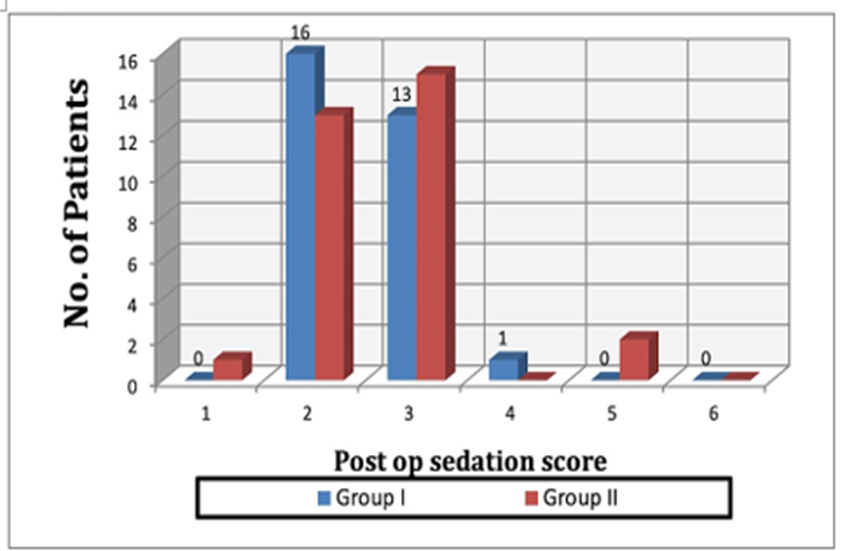
FIGURE 1: Comparison of immediate post-op sedation score between Group I(P) and II(B)
TABLE 3: Comparison of immediate post-op pain score between Group I(P) and II(B)
|
Post score (VAS) |
Group I |
Group II |
Significance |
|
Excellent (0,1,2) |
0 |
4 |
p-0.001 |
|
Good (3,4) |
8 |
12 |
|
|
Fair (5,6) |
14 |
14 |
|
|
Poor (>6) |
8 |
0 |
|
|
Total |
n=30 |
n=30 |
|
|
Mean ± SD |
4.4 ±1.354 |
3.2± 0.997 |
S |
S – significant
Pain relief was excellent, good, and fair in the maximum participants in group II(B). Excellent analgesia was found in 4 participants in group II(B). 12 patients in group II(B) and 8 individuals in group I(P) experienced satisfactory pain reduction. With VAS scores of 5 and 6, each of the 14 individuals in groups I(P) and II(B) had fair analgesia. Group II(B) had a statistically substantially lower mean pain score (p< 0.05) (Figure 2).
Total analgesia duration was noticeably longer in group II patients (p 0.001), with mean analgesia durations of 50.16±34.851 & 108.83 ±77.445 in group I and II, respectively. When compared to 22 patients in group II, no patient in group I received pain relief for more than 120 minutes. The analgesia duration for 5 patients in group II ranged from 121 to 240 minutes. More than 240 minutes of pain alleviation were experienced by 3 patients in group II.
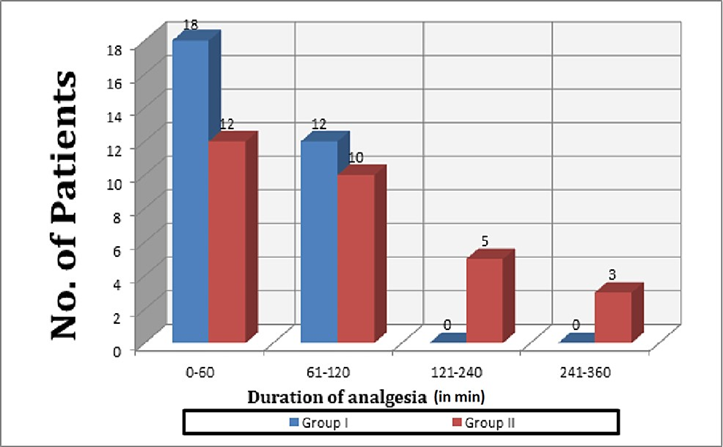
FIGURE 2: Comparison of total duration of analgesia between Group I(P) and II(B)
DISCUSSION:
Nowadays, laparoscopic surgeries are frequently used in clinical settings as they offer considerable perks over open procedures. However, laparoscopic procedures also modify haemodynamic parameters during surgery as a consequence of extra- or intraperitoneal CO2 insufflations to generate pneumoperitoneum. So, the premedication given during laparoscopic surgeries should be such that it does not compromise the advantages of laparoscopy and, at the same time minimizes the haemodynamic changes due to CO2 insufflation. In the practice of anesthesia fentanyl and pentazocine are commonly used opioid analgesics as premedication; however, butorphanol, a member of the benzomorphinan class of drugs, shows potential for analgesia with limited upside for addiction development and acceptable mild respiratory depression [5-8]. It also has effective analgesic characteristics.
The results of the present trial indicate that the administration of lower doses of Butorphanol as a premedicant during laparoscopic surgeries is associated with much lower chances of nausea, vomiting, and dizziness and provides improved analgesic effect and patient satisfaction, which can be corresponded with the findings from Du et al. [9]. Midazolam was administered generally in slightly lower dosages in groups I(P) and II(B) to be comparable in both groups, since butorphanol, which has some sedative effects as well as being an agonist at the k-receptor and having agonist-antagonist activity at the µ-receptor, possesses these properties [9,10].
Isoflurane is a frequently used inhalational agent as haemodynamic stability is better with it, particularly in laparoscopic surgeries where haemodynamic alteration due to insufflation of CO2 are in great extent, so it was considered in our study. It was adjusted according to alteration in systolic BP and pulse rate to maintain the clinical parameters within the range of ± 20% of baseline value and to achieve sufficient depth of anaesthesia.
The overall mean requirement of Isoflurane in the total duration of anaesthesia was less in group II(B), 0.63 ± 0.11 %, as compared to 0.73 ± 0.2 in group I(P), but the difference was not noteworthy (p<0.05). The µreceptor partial agonist-antagonist activity of butorphanol is attributed to the lesser requirement of inhalational agent in group II(B) [9].
Group II(B) saw a decline in mean pulse rate following premedication. The mean pulse rates in groups I(P) and II(B) after premedication were 91.7±12.94 & 92.86±7.62/ min, respectively; however, neither was statistically remarkable (p<0.001) [4].
After induction, the mean pulse rates in groups I(P) and II(B) were 94.5±14.91 and 91.56±15.89/min, respectively. The group I(P) saw a noteworthy increase in heart rate following induction (p<0.05). It was mainly due to thiopentone induced peripheral vasodilatation. Also pulse rate-increasing action of pentazocine was additive to this effect. In group II, variation in pulse rate was not significant as butorphanol opposes the thiopentone induced vasodilatation.
At laryngoscopy and intubation, a significant increase in the pulse rate was noted in group I(P) (p<0.05), with a mean pulse rate of 99.03 ± 15.11/min. An increase in pulse rate at laryngoscopy and intubation was also noted in group II(B), with a mean pulse rate of 95.03 ± 15.38/min, but this was not statistically significant. Similar findings were noted by Sujit K. Pandit et al. [11].
After laryngoscopy and intubation, pulse rate gradually declined and reached near baseline values in both groups within 4-5 min, which remained stable throughout the intra-operative period. Total intraoperative mean pulse rate was 93.38 ± 9.44/min & 96.46 ± 9.66/min in group I(P)& II(B), respectively.
The mean SBP after premedication was 121.8 ± 14.25 mm of Hg and 117.47 ± 11.63 mm of Hg in group I(P) and II(B), respectively. Significant decrease in SBP was noted in group I(P)& II(B) after induction (p<0.05) because of peripheral vasodilatation induced by thiopentone sodium. The mean SBP after induction was 118.87 ± 12.33 mm of Hg and 113.5 ± 12.42 mm of Hg in groups I & II resp. Similar findings were noted by Sujit K. Pandit et al. [11].
At laryngoscopy and intubation significant rise in systolic BP was noted in group I(P)(p<0.001). Rise in SBP was also noted in group II(B), though it was not statistically significant (p<0.05). Our findings were similar to those of Beverly K. Philip et al. [2], and Sujit K. Pandit et al., which is indicative of the butorphanol offering superior defence against the stress reaction to laryngoscopy and intubation [15].
The mean pain score in the immediate post-op period was found to be lower in group II(B)as compared to group I(P), which was statistically significant [12-14].
Mean pain score at 0 hours after extubation was 4.4 ± 13.5& 3.2 ± 0.99 in groups I(P)& II(B), respectively.
The average time of analgesia in group I(P) and group II(B)was observed to be 50.66 ± 34.85 min and 108.83 ± 77.445, respectively, which was found to be significantly greater (p<0.05) in the butorphanol group II(B). This shows that butorphanol group II(B) has better analgesia than pentazocine group I(P). Butorphanol 1.0 mg produces a longer duration of analgesia as observed by Parikh et al. [15], Malcom S. Gilbert [16], F.M. Galloway [17], and North W.C. [18].
Thus, it is obvious from this study that butorphanol, when used as a premedicant, fulfils almost all the properties required for a near ideal premedicant. It leads to better sedation, anxiolysis, offers better obtundation of pressor response and overall haemodynamic stability throughout the surgical procedure and at the same time reduces the requirement of inhalational agent along with a comfortable and pain-free postoperative period.
However, this study's use of 1.0 mg of butorphanol in combination with 1.0 mg of midazolam as a premedication signals a limitation because several trials are indicative of successful employment of a lower dosage (0.5 mg) of butorphanol. Alternatively, because butorphanol also has sedative effects, it may be attempted as a premedicating dosage of 2.0 mg on its own.
Earlier comparative studies investigated butorphanol and fentanyl components in balanced anaesthesia and their ability to inhibit response to laryngoscopy, maintain intraoperative hemodynamics, and facilitate postoperative transition. The study carried out by Siddhi Barodawala et al. (2024) [19] tested hemodynamic, Ramsay sedation scores, VAS pain scores and adverse-event profiles among 50 laparoscopic surgery patients with butorphanol (20 μg/kg) as compared to fentanyl (2 μg/kg). Fentanyl showed a stronger suppression of the intubation-related stress response, and intraoperative hemodynamic differences between the two agents were not statistically significant. Butorphanol, on the other hand, supplied prolonged postoperative analgesia, more intense early sedation and no respiratory depression or delayed recovery. It is concluded from these observations that butorphanol may serve as an alternative in laparoscopic procedures, offering effective analgesia and a smoother postoperative course despite fentanyl’s superior suppression of hemodynamic responses during induction.
Moreover, comparative studies examining dexmedetomidine and butorphanol (Sara Mary Thomas et al., 2022) [20] as a supplement for balanced anaesthesia have already been documented in laparoscopic surgery. A prospective trial involving 54 ASA I–II adults studied a group that utilised either intravenous dexmedetomidine (1 μg/kg) or butorphanol (10 μg/kg) administered before induction and thereafter standard general anaesthesia. Hemodynamic variables were monitored at induction, during intubation, at pneumoperitoneum, and during recovery, while postoperative pain (VAS) and sedation (Ramsay score) were assessed consistently. Both agents decreased HR and blood pressure from baseline, but orphenadrine caused a more profound suppression of the sympathoadrenal response to intubation, pneumoperitoneum, and extubation. Butorphanol was also associated with higher early postoperative sedation as well as lower VAS scores for up to four hours after extubation compared with dexmedetomidine. Taken together, the results reveal that preoperative butorphanol gives better hemodynamic stability and postoperative analgesia, as well as minimal adverse effects, and is a suitable drug for balanced anaesthesia for laparoscopic surgery.
Recent retrospective data have included butorphanol within a multimodal analgesic regimen including dexmedetomidine and ketorolac delivered through patient-controlled intravenous analgesia (PCIA) after hepatobiliary surgery. In a large study of 3437 patients (Xiaodong Xu et al., 2023) [21], propensity score matching indicated that 1816 patients were matched for butorphanol-based PCIA or sufentanil-based PCIA. Postoperative evaluation revealed that butorphanol was associated with lower rates of moderate-to-severe postoperative pain at rest and during movement, and less reliance on supplemental morphine and fewer analgesic pump bolus attempts.
The butorphanol group also had shorter hospital length of stay as well as lower prevalence of postoperative vomiting, but dizziness was a bit more common. Collectively, these data indicate that butorphanol can provide better analgesia with less opioid use and better signs of recovery than sufentanil when utilized in a multimodal PCIA regimen, which underscores its putative clinical benefit in postoperative pain management of hepatobiliary surgery. Yet more comparative research has investigated butorphanol as an induction opioid to lessen postoperative nausea and vomiting (PONV) for older patients undergoing gastrointestinal laparoscopic surgery.
A randomized trial of 110 patients (Fang Xie et al. (2023) [22]), all aged ≥65, received either butorphanol (40 μg/kg) or sufentanil (0.3 μg/kg) during anaesthesia induction. Outcomes evaluated were PONV within 48 h, intraoperative anaesthetic requirements, comfort scores in the PACU, postoperative PCIA use, and time to first flatulence. At 24 hours, butorphanol was associated with a lower incidence of PONV than sufentanil, and both were associated with similar intraoperative drug use, hemodynamics, 48 h PONV rate, and recovery milestones. Patients receiving butorphanol also reported greater comfort in the PACU. Our results suggest that butorphanol may decrease early postoperative PONV and promote immediate recovery comfort in elderly laparoscopic surgery patients, and provide support for its application in perioperative PONV management.
CONCLUSION:
Thus, we concluded that butorphanol can be accepted as a premedicant in laparoscopic surgeries owing to its favorable aspects of anxiolysis, better hemodynamic stability, and lower requirement of an inhalational agent. It offers a pain-free and comfortable post-operative period. Prolonged postoperative sedation can be overlooked owing to other favorable results and longer periods of postoperative analgesia with minimal negative effects and complications.
REFERENCES:
1. Park J-H, Lee C, Shin Y, An J-H, Ban J-S, Lee J-H: Comparison of oxycodone and fentanyl for postoperative patient-controlled analgesia after laparoscopic gynaecological surgery. Korean Journal of Anesthesiology, 2015, 68:153-8. 10.4097/kjae.2015.68.2.153
2. Philip BK, Scott DA, Freiberger D, Gibbs RR, Hunt C, Murray E: Butorphanol compared with fentanyl in general anaesthesia for ambulatory laparoscopy. Canadian Journal of Anaesthesia, 1991, 38:183-6. 10.1007/BF03008141
3. Dobkin AB, Eamkaow S, Caruso FS: Butorphanol and pentazocine in patients with severe postoperative pain. Clinical Pharmacology & Therapeutics, 1975, 18:547-53. 10.1002/cpt1975185part1547
4. Wetchler BV, Alexander CD, Shariff MS, Gaudzels GM: A comparison of recovery in outpatients receiving fentanyl versus those receiving butorphanol. Journal of Clinical Anesthesia, 1989, 1:339-43. 10.1016/0952-8180(89)90072-x
5. Du J, Li J-W, Jin J, Shi C-X, Ma J-H: Intraoperative and postoperative infusion of dexmedetomidine combined with intravenous butorphanol patient-controlled analgesia following total hysterectomy under laparoscopy. Experimental and Therapeutic Medicine. 2018, 16:4063. 10.3892/etm.2018.6736
6. Sibille KT, Kindler LL, Glover TL, Gonzalez RD, Staud R, Riley JL, Fillingim RB: Individual differences in morphine and butorphanol analgesia: a laboratory pain study. Pain Medications. 2011, 12:1076-85. 10.1111/j.1526-4637.2011.01157.x
7. Gupta R, Kaur S, Singh S, Aujla KS: A comparison of Epidural Butorphanol and Tramadol for Postoperative Analgesia Using CSEA Technique. Journal of Anaesthesiology Clinical Pharmacology, 2011, 27:35-8.
8. Jose DE, Ganapathi P, Anish Sharma NG, Shankaranarayana P, Aiyappa DS, Nazim M: Postoperative pain relief with epidural buprenorphine versus epidural butorphanol in laparoscopic hysterectomies: A comparative study. Anesthesia: Essays & Researches, 2016, 10:82-7. 10.4103/0259-1162.173612
9. Study of µ- and δ-Opioid Activities in Agents with Various κ-Receptor Selectivity - PubMed. Accessed:
10. August 27, 2022. https://pubmed.ncbi.nlm.nih.gov/28361412/..
11. Fawcett WJ, Baldini G: Optimal analgesia during major open and laparoscopic abdominal surgery.
12. Anesthesiology Clinics, 2015, 33:65-78. 10.1016/j.anclin.2014.11.005
13. Pandit SK, Kothary SP, Pandit UA, Mathai MK: Comparison of fentanyl and butorphanol for outpatient anaesthesia. Canadian Journal of Anaesthesia, 1987, 34:130-4. 10.1007/BF03015329
14. Zhang XK, Chen QH, Wang WX, Hu Q. Evaluation of dexmedetomidine in combination with sufentanil or butorphanol for postoperative analgesia in patients undergoing laparoscopic resection of gastrointestinal tumors: A quasi-experimental trial. Medicine (Baltimore). 2016 Dec; 95(50):e5604. doi: 10.1097/MD.0000000000005604. PMID: 27977600; PMCID: PMC5268046.
15. Kong M, Yang L, Li J, Zhong Z, Cheng Y, Wu Z, Guo R: Low-dose butorphanol alleviates remifetanil-induced hyperalgesia in patients undergoing laparoscopic cholecystectomy. Journal of Clinical Anesthesia. 2016, 34:41-5. 10.1016/j.jclinane.2016.03.042
16. Nishikawa K, Kimura S, Shimodate Y, Igarashi M: Namiki A: A comparison of intravenous-based and epidural-based techniques for anesthesia and postoperative analgesia in elderly patients undergoing laparoscopic cholecystectomy. Journal of Anesthesia, 2007, 21:1-6. 10.1007/s00540-006-0459-9
18. Gilbert MS, Hanover RM, Moylan DS, Caruso FS: Intramuscular butorphanol and meperidine in postoperative pain. Clin Pharmacol Ther. 1976, 20:359-64. 10.1002/cpt1976203359
21. North WC, Tielens DR: Comparison of butorphanol and pentazocine as postoperative analgesics. South Medical Journal, 1979, 72:578-80. 10.1097/00007611-197905000-00020
22. Siddhi Barodawala, Rupal Kapadia, Sonal Shah, Dimple Pandya, Priyanka Patel, and Namrata Mehta. Study to compare effect of Butorphanol versus Fentanyl on intraoperative anaesthesia course and postoperative recovery characteristics in patients undergoing Laparoscopic Surgery – A prospective observational study. Medical and Research Publications, 2024.
23. Thomas, S. M., Tailor, R., Kanabar. P., Chauhan, D., & Shah, A. (2022). An observational study to compare the efficacy of dexmedetomidine versus butorphanol for balanced anaesthesia and postoperative analgesia in patients undergoing laparoscopic surgery. International Journal of Health Sciences, 6(S3), 1861–1873. https://doi.org/10.53730/ijhs.v6nS3.5851.
24. Xu X, Tao Y, Yang Y, Zhang J, Sun M. Application of Butorphanol versus Sufentanil in Multimode Analgesia via Patient Controlled Intravenous Analgesia After Hepatobiliary Surgery: A Retrospective Cohort Study. Drug Design, Development and Therapy, 2023 Dec 20; 17:3757-3766. doi: 10.2147/DDDT.S433136. PMID: 38144418; PMCID: PMC10749102.
25. Xie F, Sun DF, Yang L, Sun ZL. Effect of anaesthesia induction with butorphanol on postoperative nausea and vomiting: A randomized controlled trial. World Journal of Clinical Cases, 2023; 11(32): 7806-7813.