ASSOCIATION BETWEEN LIFESTYLE INTERVENTIONS AND SERUM CORTISOL LEVELS IN NEWLY DIAGNOSED METABOLIC SYNDROME.
- Navish Meshram , Resident, Department of General Medicine, M.G.M. Medical College and M.Y. Hospital, Indore, Madhya Pradesh, India.
- Dharmendra Jhavar , Professor, Department of General Medicine, M.G.M. Medical College and M.Y. Hospital, Indore, Madhya Pradesh, India.
- Mahendra Chourasiya , Assistant Professor, Department of General Medicine, M.G.M. Medical College and M.Y. Hospital, Indore, Madhya Pradesh, India.
- Himanshu Katare , Resident, Department of General Medicine, M.G.M. Medical College and M.Y. Hospital, Indore, Madhya Pradesh, India.
Article Information:
Abstract:
Background: Metabolic syndrome (MetS) is a cluster of metabolic abnormalities associated with increased risk of cardiovascular disease and type 2 diabetes. Dysregulation of the hypothalamic–pituitary–adrenal axis and elevated cortisol levels play a key role in its pathogenesis. Lifestyle interventions may improve both metabolic parameters and stress-related hormonal imbalance. Aim: To evaluate the association between lifestyle interventions and serum cortisol levels in newly diagnosed metabolic syndrome patients. Methods: This prospective observational study included 175 newly diagnosed MetS patients (aged 18–30 years) based on NCEP ATP III criteria. Baseline anthropometric, biochemical, and serum cortisol levels were recorded. Participants underwent structured lifestyle interventions including dietary modification, physical activity (≥150 min/week), and stress management (yoga, meditation). Follow-up assessment was conducted after 2 months. Statistical analysis was performed using paired t-test and Pearson correlation. Results: At baseline, participants showed features of MetS with elevated BMI (28.57±1.86 kg/m²), fasting glucose (124.98±11.00 mg/dL), triglycerides, and cortisol levels (18.40±1.84 µg/dL). Post-intervention, significant improvements were observed: BMI (28.09±1.79 kg/m²), fasting glucose (114.13±7.60 mg/dL), triglycerides (135.38±17.7 mg/dL), HDL (37.64±3.75 mg/dL), and blood pressure (p<0.001). Serum cortisol levels significantly decreased to 16.12±1.99 µg/dL (p=0.001). Conclusion: Lifestyle interventions significantly reduce serum cortisol levels and improve metabolic parameters in newly diagnosed MetS patients. Early non-pharmacological strategies are effective in restoring hormonal balance and reducing cardiometabolic risk.
Keywords:
Article :
INTRODUCTION:
Metabolic syndrome (MetS) is a cluster of interrelated metabolic abnormalities characterized by central obesity, insulin resistance, dyslipidemia, and hypertension, all of which significantly increase the risk of type 2 diabetes mellitus and cardiovascular disease. It has emerged as a major global public health concern, largely driven by rapid urbanization, sedentary lifestyles, unhealthy dietary patterns, and increasing psychosocial stress [1].
Lifestyle factors play a crucial role in the development and progression of MetS. Sedentary behavior, poor dietary habits, and chronic psychological stress are strongly implicated in its pathogenesis, suggesting that MetS is, to a considerable extent, a lifestyle-induced disorder. The growing burden of MetS in developing countries such as India further emphasizes the need to understand modifiable risk factors and preventive strategies [2, 3].
One of the key biological mechanisms linking lifestyle factors to metabolic disturbances is the dysregulation of the hypothalamic–pituitary–adrenal (HPA) axis. Cortisol, the end-product of HPA axis activation, is a glucocorticoid hormone essential for maintaining metabolic homeostasis and mediating the body’s response to stress. Under normal physiological conditions, cortisol regulates glucose metabolism, immune responses, and cardiovascular function; however, chronic elevation or dysregulation of cortisol levels can have deleterious metabolic effects [4, 5].
Chronic stress and persistent activation of the HPA axis lead to sustained cortisol secretion, which promotes visceral fat accumulation, increases appetite, and induces insulin resistance—key components of metabolic syndrome. Elevated cortisol has also been associated with hypertension and dyslipidemia, further contributing to cardiometabolic risk. Additionally, alterations in cortisol metabolism have been linked with changes in body mass index (BMI), suggesting a complex relationship between stress hormones and obesity [6, 7].
Interestingly, the relationship between cortisol levels and MetS is not entirely consistent across studies. While some evidence suggests increased cortisol levels in individuals with metabolic syndrome, other studies report reduced or altered diurnal cortisol patterns, possibly due to chronic adaptation or downregulation of the HPA axis in response to prolonged metabolic stress. This variability highlights the complexity of cortisol dynamics in metabolic disorders and underscores the need for further investigation [8, 9].
Lifestyle interventions—including dietary modification, regular physical activity, stress management techniques (such as yoga and mindfulness), and adequate sleep—have been shown to positively influence metabolic parameters and may also modulate cortisol levels. These interventions not only improve insulin sensitivity and reduce adiposity but also help restore HPA axis balance and reduce chronic stress [10].
Despite increasing recognition of the role of cortisol in metabolic health, limited studies have specifically examined the association between lifestyle interventions and serum cortisol levels in newly diagnosed MetS patients. Understanding this relationship is crucial, as early-stage intervention may prevent progression to overt diabetes and cardiovascular complications.
AIMS & OBJECTIVES:
The present study aims to evaluate the association between lifestyle interventions and serum cortisol levels in newly diagnosed metabolic syndrome patients, thereby providing insights into the role of stress modulation in the management of metabolic disorders.
MATERIALS AND METHODS:
Study Design & Setting: This was a prospective observational study carried out in the Department of General Medicine, M.G.M. Medical College and M.Y. Hospital, Indore (M.P.), over a period of 12 months.
Study Population: A total of 175 patients fulfilling the inclusion criteria were included in the study
Inclusion Criteria
• Age 18–30 years either gender
• Newly diagnosed cases of metabolic syndrome based on NCEP ATP III criteria
• Patients willing to participate and provide informed consent
Exclusion Criteria
• Known cases of Cushing’s syndrome or adrenal disorders
• Patients on corticosteroid therapy or drugs affecting cortisol levels
• Pregnancy or chronic systemic illnesses (e.g., malignancy, CKD, liver failure)
• Previously diagnosed metabolic syndrome on treatment
Metabolic syndrome was diagnosed using NCEP ATP III criteria, requiring ≥3 of the following:
• Waist circumference: Men >102 cm, Women >88 cm
• Triglycerides ≥150 mg/dL
• HDL: Men <40 mg/dL, Women <50 mg/dL
• Blood pressure ≥130/85 mmHg
• Fasting plasma glucose ≥100 mg/dL
Data collection and analysis: Detailed history (diet, physical activity, stress levels), Anthropometric measurements (Weight, height, BMI) and Blood pressure measurement were done. Laboratory Investigations of Fasting blood glucose, Lipid profile and Serum cortisol levels were measured using chemiluminescent immunoassay (CLIA) / ELISA method
Lifestyle Intervention
All participants were advised structured lifestyle modifications, including:
1. Dietary Modification
• Low-calorie, balanced diet
• Reduced intake of saturated fats and refined carbohydrates
• Increased intake of fruits, vegetables, and fiber
2. Physical Activity
• At least 150 minutes/week of moderate-intensity aerobic exercise
• Brisk walking, cycling, or equivalent activity
3. Stress Reduction Measures
• Yoga and meditation
• Sleep hygiene improvement
• Counseling for stress management
Patients were followed up after 2 months of lifestyle intervention.
Outcome measures were assessed by change in fasting morning serum cortisol levels after lifestyle intervention and association between cortisol levels and BMI, Blood pressure, Lipid profile and Fasting glucose.
Ethical Considerations: Study approved by the Institutional Ethics Committee. Written informed consent obtained from all participants. Confidentiality of patient data maintained
Statistical Analysis: Data were entered in Microsoft Excel and analyzed using SPSS version 26. Continuous variables expressed as mean ± standard deviation (SD). Categorical variables expressed as percentage (%). Paired t-test used to compare pre- and post-intervention cortisol levels. Pearson correlation coefficient used to assess association between cortisol and metabolic parameters. P-value <0.05 considered statistically significant.
RESULTS:
The study population consisted of young adults with a mean age of 23.12±1.05 years. The average height was 169.73±4.03 cm, while the mean body weight was 82.28±5.65 kg, indicating an overweight population. The mean BMI was 28.57±1.86 kg/m², consistent with overweight/obesity. Waist circumference averaged 104.21 ± 2.09 cm, suggesting central obesity in most participants [Table: 1].
Table 1: Descriptive Statistics of age and anthropometric Parameters in study patients
|
Parameter |
Minimum |
Maximum |
Mean ± SD |
|
Age (in years) |
21 |
26 |
23.12 ± 1.05 |
|
Height (cm) |
161 |
178 |
169.73 ± 4.03 |
|
Weight (kg) |
70 |
96 |
82.28 ± 5.65 |
|
BMI (kg/m²) |
24.22 |
34.21 |
28.57 ± 1.86 |
|
Waist Circumference (cm) |
100 |
110 |
104.21 ± 2.09 |
The study population was predominantly male (85.1%), with females comprising 14.9% of participants Graph: 1].
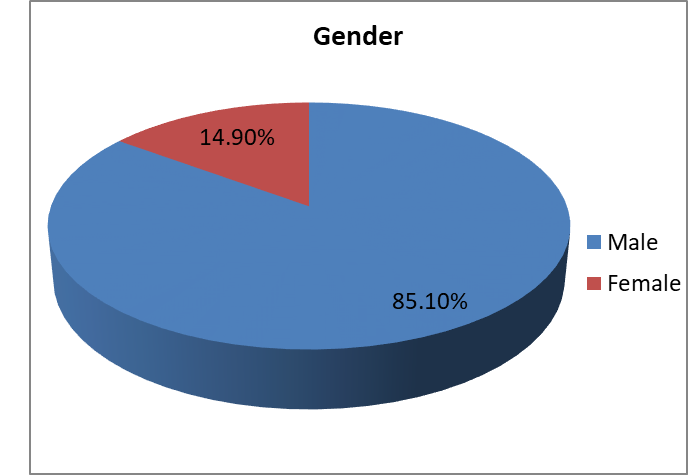
Graph 1: Gender distribution among study subjects
At baseline, participants showed features of metabolic syndrome. Mean systolic and diastolic blood pressures were 133.87±5.18 mmHg and 83.06 ± 2.50 mmHg, respectively. The mean fasting blood glucose was 124.98 ± 11.00 mg/dL, indicating impaired glycemic status. Serum triglycerides were elevated (143.27 ± 39.87 mg/dL), while HDL levels were low (35.46 ± 7.76 mg/dL). The mean serum cortisol level was 18.40±1.84 µg/dL, reflecting increased stress hormone levels [Table: 2].
Table 2: Baseline parameters in study patients
|
Parameter |
Minimum |
Maximum |
Mean ± SD |
|
Systolic blood pressure (mmHg) |
110 |
146 |
133.87 ± 5.18 |
|
Diastolic blood pressure (mmHg) |
76 |
90 |
83.06 ± 2.50 |
|
Fasting Blood Sugar (mg/dL) |
103 |
167 |
124.98 ± 11.00 |
|
Serum Triglycerides (mg/dL) |
67 |
211 |
143.27 ± 39.87 |
|
Serum HDL (mg/dL) |
19.23 |
56.12 |
35.46 ± 7.76 |
|
Serum Cortisol (µg/dL) |
14.1 |
22.9 |
18.40 ± 1.84 |
Following lifestyle intervention, improvements were observed across most parameters. Mean body weight decreased to 80.90 ± 5.49 kg, and BMI reduced to 28.09 ± 1.79 kg/m². Blood pressure also improved, with systolic BP decreasing to 130.77 ± 3.93 mmHg and diastolic BP to 80.30 ± 0.91 mmHg. Biochemical parameters showed favorable changes: fasting blood glucose reduced to 114.13 ± 7.60 mg/dL, triglycerides decreased to 135.38 ± 17.7 mg/dL, and HDL increased to 37.64 ± 3.75 mg/dL. Importantly, serum cortisol levels significantly decreased to 16.12 ± 1.99 µg/dL, indicating reduced physiological stress [Table: 3].
Table 3: Parameters at 2 months following lifestyle modification
|
Parameter |
Minimum |
Maximum |
Mean ± SD |
|
|
Anthropometric Parameters |
Height (cm) |
161 |
178 |
169.73 ± 4.03 |
|
Weight (kg) |
68 |
95 |
80.90 ± 5.49 |
|
|
BMI (kg/m²) |
24 |
33.66 |
28.09 ± 1.79 |
|
|
Waist Circumference (cm) |
100 |
110 |
104.21 ± 2.09 |
|
|
Blood Pressure Parameters |
Systolic blood pressure (mmHg) |
110 |
136 |
130.77 ± 3.93 |
|
Diastolic blood pressure (mmHg) |
76 |
84 |
80.30 ± 0.91 |
|
|
Biochemical Parameters |
Fasting Blood Sugar (mg/dL) |
99.7 |
128 |
114.13± 7.60 |
|
Serum Triglycerides (mg/dL) |
76 |
168 |
135.38±17.7 |
|
|
Serum HDL (mg/dL) |
31 |
44.5 |
37.64 ± 3.75 |
|
|
Serum Cortisol (µg/dL) |
11.4 |
21.9 |
16.12 ± 1.99 |
|
There was a statistically significant improvement in most parameters following lifestyle intervention. Waist circumference and BMI showed significant reductions (p<0.001). Both systolic and diastolic blood pressure decreased significantly (p <0.001). Fasting blood glucose and triglyceride levels showed marked reductions (p <0.001), while HDL levels demonstrated a modest but significant increase (p=0.015). Serum cortisol levels also showed a significant decrease after intervention (p=0.001), suggesting that lifestyle modification effectively reduced stress-related hormonal imbalance.
Table 4: Comparison of all study parameters before and after lifestyle modification
|
Parameter |
Before |
After 2 Months |
P-value |
|
Waist Circumference (cm) |
104.75 ± 1.85 |
104.21 ± 2.09 |
<0.001 |
|
BMI (kg/m²) |
28.57 ± 1.86 |
28.09 ± 1.79 |
<0.001 |
|
Systolic blood pressure (mmHg) |
133.87 ± 5.18 |
130.77 ± 3.93 |
<0.001 |
|
Diastolic blood pressure (mmHg) |
83.06 ± 2.50 |
80.30 ± 0.91 |
<0.001 |
|
Serum Cortisol (µg/dL) |
18.40 ± 1.84 |
16.12 ± 1.99 |
<0.001 |
|
Fasting Blood Sugar (mg/dL) |
124.98 ± 11.0 |
114.13 ± 7.60 |
<0.001 |
|
Serum Triglycerides (mg/dL) |
143.27 ± 39.87 |
135.38 ± 17.71 |
0.015 |
|
Serum HDL (mg/dL) |
35.46 ± 7.76 |
37.64 ± 3.45 |
0.001 |
DISCUSSION:
The present study evaluated the effect of lifestyle interventions on serum cortisol levels and metabolic parameters in newly diagnosed metabolic syndrome (MetS) patients. The findings demonstrate a significant improvement in anthropometric, biochemical, and hormonal parameters following structured lifestyle modification, highlighting the critical role of non-pharmacological interventions in early disease management.
In this study, the majority of participants were young adults with elevated BMI and waist circumference, indicating central obesity—one of the core components of MetS. These findings are consistent with previous reports V. Kucher et al [11], suggesting that increasing urbanization and sedentary lifestyles have led to a rising prevalence of obesity and MetS in younger populations, particularly in developing countries like India, described metabolic syndrome as a global epidemic driven largely by lifestyle factors such as poor diet and physical inactivity. Baseline biochemical parameters in our study revealed elevated fasting blood glucose, high triglycerides, low HDL, and raised blood pressure, all of which are hallmark features of MetS. Importantly, the mean serum cortisol level was elevated; supporting the hypothesis that hypothalamic–pituitary–adrenal (HPA) axis dysregulation plays a significant role in the pathogenesis of metabolic syndrome. Similar observations have been reported by Hamooya BM, et al [12], who proposed that chronic cortisol excess contributes to insulin resistance, visceral adiposity, and cardiovascular risk.
Following lifestyle intervention, a statistically significant reduction in serum cortisol levels was observed (p = 0.001). This finding suggests that interventions such as physical activity, dietary modification, and stress reduction techniques can effectively modulate HPA axis activity. Paragliola RM, et al [13] also reported that psychological stress and elevated cortisol are closely linked with abdominal obesity and metabolic disturbances, reinforcing the importance of stress management in MetS.
The reduction in cortisol levels in our study was accompanied by improvements in BMI, blood pressure, fasting glucose, and lipid profile. This aligns with the findings of Chrousos GP et al [6] and Robinson LA, et al [14] who emphasized that chronic stress and sustained cortisol elevation lead to metabolic derangements, including insulin resistance and hypertension. The observed improvements in metabolic parameters following cortisol reduction indicate a possible causal relationship between stress hormone regulation and metabolic health.
Interestingly, previous studies have reported inconsistent findings regarding cortisol levels in MetS, with some showing elevated levels while others demonstrate altered diurnal patterns. Babalola OO, et al [15] and Jones B, et al [16] suggested that chronic metabolic stress may lead to adaptive changes in HPA axis function, resulting in variable cortisol dynamics. Our findings support the notion that cortisol dysregulation is present in early-stage MetS and is reversible with appropriate lifestyle measures.
The improvement in lipid profile, particularly the increase in HDL and decrease in triglycerides, further supports the beneficial impact of lifestyle interventions. Sedentary behavior has been strongly associated with adverse metabolic outcomes, and reducing inactivity has been shown to improve cardiometabolic risk factors, as highlighted by Khalid S, et al. [17] and Hart J, et al [18].
Additionally, the incorporation of stress reduction techniques such as yoga and meditation likely contributed to the observed hormonal and metabolic improvements. Al Maimani B et al [19]. reported that psychological stress promotes inflammation and insulin resistance, linking stress physiology directly with metabolic disorders [9]. Therefore, addressing stress alongside diet and exercise provides a more holistic approach to MetS management.
Limitation of the Study:
This study was conducted at a single center with a relatively short follow-up period and predominantly young male participants, which may limit the generalizability of the findings. Additionally, the observational design and lack of a control group restrict the ability to establish a definite causal relationship between lifestyle interventions and changes in serum cortisol levels.
CONCLUSION:
Lifestyle interventions, including diet, physical activity, and stress management, significantly reduce serum cortisol levels and improve metabolic parameters in newly diagnosed metabolic syndrome patients. These findings highlight the effectiveness of early non-pharmacological strategies in restoring hormonal balance and reducing cardiometabolic risk.
REFERENCES:
1. Saklayen MG. The global epidemic of the metabolic syndrome. Curr Hypertens Rep. 2018;20(2):12
2. Rosmond R. Role of stress in the pathogenesis of the metabolic syndrome. Psychoneuroendocrinology. 2005; 30(1):1–10.
3. Sharma S, Singh A. Role of cortisol in metabolic syndrome: a review. Res J Pharmacol Pharmacodyn. 2025; 17(4):1–6.
4. Anagnostis P, Athyros VG, Tziomalos K, Karagiannis A, Mikhailidis DP. The pathogenetic role of cortisol in the metabolic syndrome: a hypothesis. J Clin Endocrinol Metab. 2009; 94(8):2692–701.
5. Stalder T, Kirschbaum C. Analysis of cortisol in hair—state of the art and future directions. Brain Behav Immun. 2012; 26(7):1019–29.
6. Chrousos GP. Stress and disorders of the stress system. Nat Rev Endocrinol. 2009; 5(7):374–81.
7. Esler M, Lambert G, Schlaich M. Point: chronic activation of the sympathetic nervous system is the dominant contributor to systemic hypertension. J Appl Physiol. 2010; 109 (6):1996–8.
8. Pasquali R, Vicennati V. Activity of the hypothalamic–pituitary–adrenal axis in different obesity phenotypes. Int J Obes. 2000; 24 (Suppl 2):S47–9.
9. Black PH. The inflammatory consequences of psychologic stress: relationship to insulin resistance, obesity, atherosclerosis and diabetes mellitus. Med Hypotheses. 2006; 67(4):879–91.
10. Thorp AA, Owen N, Neuhaus M, Dunstan DW. Sedentary behaviors and subsequent health outcomes in adults. Am J Prev Med. 2011; 41(2):207–15.
11. Svitlana V. Kucher, Ulyana O. Mudra, Vitalii V. Tkachuk, Mariia M. Ruda, Tetiana Yu. Chernets, Iryna M. Nikitina, Volodymyr H. Dzhyvak, Impact of lifestyle modification interventions on metabolic syndrome and obesity in adults, Wiad Lek. 2025; 78(9):1857-1865. doi: 10.36740/WLek/212515
12. Hamooya BM, Siame L, Muchaili L, Masenga SK, Kirabo A. Metabolic syndrome: epidemiology, mechanisms, and current therapeutic approaches. Front Nutr. 2025 Sep 3; 12:1661603. doi: 10.3389/fnut.2025.1661603. PMID: 40969606.
13. Paragliola RM, Marchetti M, Montagna C, Corsello SM, Peluso G. "Feeding the Rhythm"-Effects of Food and Nutrients on Daily Cortisol Secretion: From Molecular Mechanisms to Clinical Impact. Int J Mol Sci. 2025 Nov 20; 26(22):11230. doi: 10.3390/ijms262211230. PMID: 41303713; PMCID: PMC12653711.
14. Robinson LA, Lennon S, Pegel AR, Strickland KP, Feeley CA, Watts SO, J Van Der Pol W, Roberts MD, Greene MW, Frugé AD. A Randomized Controlled Crossover Lifestyle Intervention to Improve Metabolic and Mental Health in Female Healthcare Night-Shift Workers. Nutrients. 2025 Oct 24;17(21):3342. doi: 10.3390/nu17213342. PMID: 41228416; PMCID: PMC12608408.
15. Olorunfemi Oyewole Babalola, Paul Olamide Ottu, Ebenezer Akinnusi, Precious Olayinka Aturamu and Opeyemi Iwaloye, Lifestyle Interventions to Manage Insulin Resistance, IntechOpen. 2024. DOI: 10.5772/intechopen.1005259
16. Jones B (2024). Impact of Stress Hormones on Metabolic Syndrome Development and Management. Endocrinol Metab Syndr.13:436.
17. Khalid S. Aljaloud. The role of lifestyle changes to diet, physical activity, and sleep during Ramadan in controlling metabolic syndrome in adults: a scoping review. Journal of Men's Health. 2024. 20(4);1-11.
18. Hart J. Metabolic Syndrome: The Impact of Lifestyle Change and Complementary Therapies as Frontline Treatments. Alternative and Complementary Therapies. 2020;26(3):102-105. doi:10.1089/act.2020.29272.jha
19. Al Maimani B, Farhin F, Saha S, et al. (March 18, 2026) The Global Prevalence of Metabolic Syndrome in Adults and Its Association With Lifestyle Factors: A Systematic Review and Meta-Analysis. Cureus 18(3): e105453. doi:10.7759/cureus.105453.