A Cross-Sectional Study of the Clinical Profile of Obstructive Sleep Apnea Patients at a Tertiary Care Hospital.
- Gunavant N Mahajan , Assistant Professor, Department of Respiratory Medicine, Dr. Ulhas Patil Medical College and Hospital, Jalgaon.
- Harsh Rajesh Patel , 3rd year Resident, Department of Respiratory Medicine, Dr. Ulhas Patil Medical College and Hospital, Jalgaon.
- Jitendra Surwade , Associate Professor, Department of Community Medicine, Shri Bhausaheb Hire Government Medical College, Dhule, Maharashtra, India.
Article Information:
Abstract:
Background: Obstructive sleep apnea syndrome (OSAS) is a sleep-related breathing disorder recognized as an important public health problem worldwide. It leads to significant impairment in quality of life of affected subjects and is associated with a number of potential negative health consequences. Hence, the present study was conducted to study clinical profile of obstructive sleep apnea patients at a tertiary care hospital. Material and Methods: This cross-sectional study was conducted at a tertiary care center Shri Ganesh Hopital in North Maharashtra from March 2024 to January 2026. A total of 96 adult patients (≥18 years) with suspected or confirmed Obstructive Sleep Apnea (OSA) were included after informed consent. Data were collected using a pre-tested proforma, including demographic details, anthropometric parameters (BMI, neck circumference), and clinical features such as snoring, daytime sleepiness, witnessed apneas, fatigue, and morning headaches. OSA severity was classified based on Apnea-Hypopnea Index (AHI) into mild, moderate, and severe. Data analysis was performed using SPSS version 22. Results: The majority of patients belonged to the 41–50 years age group (35.42%), with a male predominance observed (65.63%). Half of the patients were obese (50.00%) The most common clinical symptom among patients was night-time snoring (91.67%) The association between BMI and OSA severity was statistically highly significant (χ² = 14.21, p < 0.001). Conclusion: Obstructive sleep apnea was predominantly observed in middle-aged males and showed a strong association with increased BMI.
Keywords:
Article :
INTRODUCTION:
Obstructive sleep apnea (OSA) is increasingly acknowledged as a major global public health issue, affecting approximately 9% of middle-aged men and 4% of adult women.1 The prevalence shows variation across different populations, with most studies reporting rates between 3% and 7%. In India, the prevalence has been estimated at 7.5% in males and 4.5% in females.2
Obstructive sleep apnea syndrome (OSAS) is classified under sleep-related breathing disorders (SRBD) and is characterized by recurrent upper airway collapse during sleep, resulting in intermittent hypoxia and fragmented sleep.3 Common clinical manifestations include loud snoring, repeated sleep interruptions, excessive daytime sleepiness, hypoxemia, hypercapnia, fluctuations in intrathoracic pressure, and heightened sympathetic nervous system activity.4,5.
Recurrent complete or partial obstruction of the upper airway during sleep leads to significant physiological disturbances and is linked to serious health consequences, including increased morbidity and mortality. 6,7 If left untreated, OSA adversely affects multiple organ systems—especially the metabolic, cardiovascular, and cerebrovascular systems—resulting in prolonged and recurrent hospitalizations, poorer clinical outcomes, and increased healthcare expenditure.8.
Obstructive sleep apnea (OSA) leads to significant impairment in quality of life of affected subjects and is associated with a number of potential negative health consequences.6 The timely diagnosis and treatment of OSA with underlying etiology leads to decreased symptoms and increases quality of life among OSA patients.9.
Hence, the present study was conducted to study clinical profile of obstructive sleep apnea patients at a tertiary care hospital.
OBJECTIVE:
· To study the clinical profile of patients with Obstructive Sleep Apnea at tertiary care center.
MATERIALS AND METHODS:
The present cross-sectional study was undertaken to in Department of Respiratory Medicine during the period from March 2024 to January 2026. The study is conducted in tertiary care center Shri Ganesh Hopital in North Maharashtra. A total sample size of 96 patients with Obstructive Sleep Apnea were included in the study population.
Adult patients aged 18 years and above, who were either suspected or diagnosed with Obstructive Sleep Apnea based on clinical features and confirmed by sleep study by Apnealink device by Resmed were enrolled after obtaining informed consent. Patients with central sleep apnea, those with severe comorbid conditions such as advanced malignancy or severe cardiac failure, and those unwilling to participate were excluded from the study.
After obtaining approval from the Institutional Ethics Committee, data were collected using a pre-designed and pre-tested proforma. Detailed demographic information including age, gender, and occupation was recorded. Anthropometric measurements such as height, weight, body mass index (BMI), 10 and neck circumference were assessed.
Clinical history focusing on symptoms like snoring, excessive daytime sleepiness, witnessed apneas, fatigue, and morning headaches was obtained. The Epworth Sleepiness Scale (ESS) 11 was used to evaluate the degree of daytime sleepiness. Information regarding associated comorbidities such as hypertension, diabetes mellitus, cardiovascular diseases, and obesity was also collected. All patients underwent thorough clinical examination and sleep study evaluation by Apnea link software of resmed, including measurement of the Apnea-Hypopnea Index (AHI). 12
Obstructive Sleep Apnea was defined as an Apnea-Hypopnea Index (AHI) of ≥5 events per hour on polysomnography. Based on AHI values, patients were categorized into mild (5–14 events/hour), moderate (15–29 events/hour), and severe (≥30 events/hour) OSA. 13
The collected data were entered into Microsoft Excel and analyzed using SPSS software version 22. A p-value of less than 0.05 was considered statistically significant.
RESULTS:
Table no 1: Distribution according to demographic profile among patients:
|
Demographic profile |
No. of Patients (n=96) |
Percentage |
|
|
Age group (years) |
≤20 |
00 |
0.00 |
|
21-30 |
07 |
7.29 |
|
|
31-40 |
18 |
18.75 |
|
|
41-50 |
34 |
35.42 |
|
|
51-60 |
19 |
19.79 |
|
|
>60 |
18 |
18.75 |
|
|
Gender |
Male |
63 |
65.63 |
|
Female |
33 |
34.38 |
|
Table 1 shows that the majority of patients belonged to the 41–50 years age group (35.42%), with a male predominance observed (65.63%) compared to females (34.38%). The mean age of the patients was 48.42 ±10.73 years.
Table no 2: Distribution according to BMI among patients:
|
BMI category (Kg/m2) |
No. of Patients |
Percentage |
|
Normal |
15 |
15.63 |
|
Overweight |
33 |
34.38 |
|
Obese |
48 |
50.00 |
|
Total |
96 |
100 |
able 2 shows that half of the patients were obese (50.00%), followed by overweight individuals (34.38%), while a smaller proportion had normal BMI (15.63%).
Table no 3: Distribution according to clinical symptoms among patients:
|
Clinical symptoms |
No. of Patients (n=96*) |
Percentage |
|
Night-time snoring |
88 |
91.67 |
|
Feeling of tiredness |
84 |
87.50 |
|
Daytime sleepiness |
51 |
53.13 |
|
Episode of breathing difficulty at night |
31 |
32.29 |
(* Multiple responses present)
Table 3 shows that the most common clinical symptom among patients was night-time snoring (91.67%), followed by feeling of tiredness (87.50%), while daytime sleepiness was reported by 53.13% of patients and episodes of breathing difficulty at night were observed in 32.29%.
Table no 4: Distribution according to co-morbidities among patients:
|
Co-morbidities |
No. of Patients (n=96*) |
Percentage |
|
Hypertension |
48 |
50.00 |
|
Diabetes Mellitus |
23 |
23.96 |
|
Hypothyroidism |
16 |
16.67 |
|
No co-morbidity |
45 |
46.88 |
(* Multiple responses present)
Table 4 shows that hypertension was the most common co-morbidity (50.00%), followed by diabetes mellitus (23.96%) and hypothyroidism (16.67%), while 46.88% of patients had no co-morbid conditions.
Table no 5: Distribution according to Severity of OSA Based on AHI among patients:
|
Severity of OSA |
No. of Patients (n=96) |
Percentage |
|
Normal |
07 |
07.29 |
|
Mild (5-14) |
20 |
20.83 |
|
Moderate (15-29) |
34 |
35.42 |
|
Severe (≥30) |
35 |
36.46 |
|
Total |
96 |
100 |
Table 5 shows that the majority of patients had severe OSA (36.46%), closely followed by moderate OSA (35.42%), while 20.83% had mild OSA and only 7.29% had normal findings.
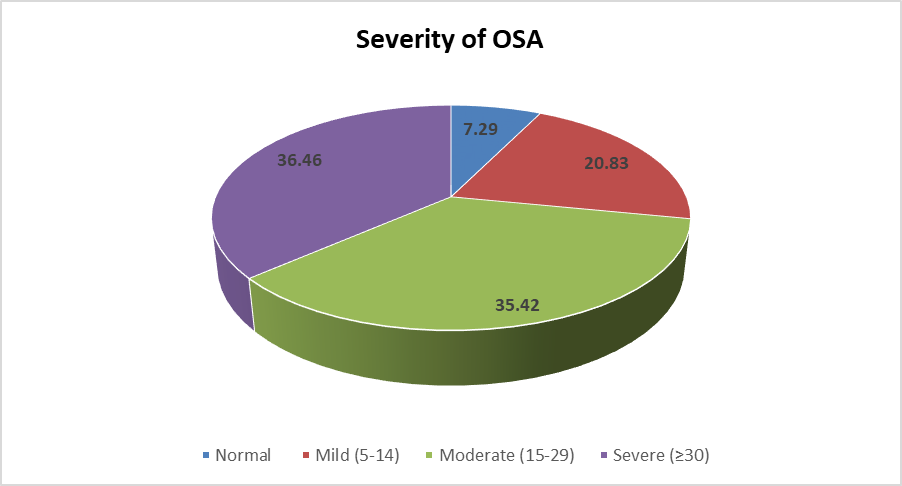
Fig 1: Severity of OSA Based on AHI among patients:
Table no 6: Association of BMI and Severity of OSA among patients:
|
BMI category (Kg/m2) |
Severity of OSA |
P value |
|||
|
Normal (<5) |
Mild (5-14) |
Moderate (15-29) |
Severe (≥30) |
||
|
Normal |
06 (40.0%) |
07 (46.7%) |
02 (13.3%) |
00 (0%) |
Chi-square=14.21 P<0.001 |
|
Overweight |
01 (3.0%) |
04 (12.1%) |
14 (42.4%) |
14 (42.4%) |
|
|
Obese |
00 (0%) |
09 (18.8%) |
18 (37.5%) |
21 (43.8%) |
|
Table 6 demonstrates that OSA severity was highest in the obese group, with the greatest proportions in severe (43.8%) and moderate (37.5%) categories, and this association between BMI and OSA severity was statistically highly significant (χ² = 14.21, p < 0.001)
DISCUSSION:
Obstructive sleep apnea syndrome (OSAS) is a disorder characterized by recurrent upper airway collapse during sleep, resulting in repeated apneic and hypopneic episodes. Clinically, OSA is defined by the occurrence of at least five obstructive respiratory events per hour of sleep-in symptomatic individuals.1,13 These disturbances lead to fragmented sleep, causing excessive daytime sleepiness, fatigue, reduced cognitive performance, and mood disturbances. 13
The present study was conducted to assess the clinical profile of OSA patients in a tertiary care setting. The majority of patients in this study were in the 41–50 years age group (35.42%), with a mean age of 48.42 ± 10.73 years, and a clear male predominance (65.63% males vs. 34.38% females). These findings are comparable to those reported by Deshmukh et al. 9 who observed a mean age of 47.9 ± 14.2 years with 62.12% males and 37.88% females. Similarly, Utpat K et al. 14 reported a mean age of 49.5 years with 71% male patients, while Afriyie-Mensah et al.15 found that 64.7% of participants were aged ≥50 years and predominantly male. The higher prevalence in middle-aged males may be attributed to anatomical factors and hormonal influences affecting airway patency.
Regarding BMI distribution, 50.00% of patients in the present study were obese, 34.38% were overweight, and 15.63% had normal BMI. Comparable findings were reported by Deshmukh et al. 9 where 48.48% of patients were overweight and 30.3% were obese. Reddy S et al. 16 observed that out of 148 patients, 116 were obese and 32 were non-obese. Similarly, Utpat K et al. 14 reported 30% overweight patients, with 27%, 17.7%, and 11.5% having mild, moderate, and morbid obesity, respectively. These findings reinforce the strong association between increased BMI and OSA. Obesity contributes to fat deposition around the upper airway, reducing lumen size and increasing airway collapsibility during sleep. 14,16
In the present study, the most common clinical symptom was night-time snoring (91.67%), followed by feeling of tiredness (87.50%), while daytime sleepiness was reported in 53.13% and nocturnal breathing difficulty in 32.29% of patients. These symptoms reflect the underlying pathophysiology of repeated airway obstruction and sleep fragmentation.
With respect to co-morbidities, hypertension was the most prevalent condition (50.00%), followed by diabetes mellitus (23.96%) and hypothyroidism (16.67%), while 46.88% of patients had no co-morbidities. Similar findings were observed by Deshmukh et al.9 where hypertension (57.58%), diabetes mellitus (25.76%), smoking (31.82%), asthma (13.64%), and COPD (10.61%) were common co-morbidities. Ninan M et al. 17 reported that 61.7% of patients had hypertension and 41% had diabetes. The high prevalence of hypertension in OSA patients can be explained by recurrent hypoxia and sympathetic activation, which contribute to sustained elevation of blood pressure. It is estimated that nearly 50% of hypertensive patients may have coexisting OSA, particularly in resistant cases.
In terms of disease severity, the present study showed that 36.46% of patients had severe OSA, 35.42% had moderate OSA, 20.83% had mild OSA, and 7.29% had normal findings. These findings are consistent with Deshmukh et al. 9 who reported 56.06% severe OSA, 28.79% moderate, 9.09% mild, and 6.06% with no OSA. Similarly, Ninan M et al. 17 found that 87.9% of patients had moderate to severe OSA (AHI >15 events/hour), while Afriyie-Mensah et al. 15 reported that approximately 76% of patients had moderate-to-severe OSA. The predominance of moderate to severe cases may reflect delayed diagnosis and lack of early screening.
A significant finding of the present study was the strong association between BMI and OSA severity. Increasing BMI was associated with a higher proportion of moderate and severe OSA cases, and this relationship was statistically highly significant (χ² = 41.5, p < 0.001). Similar observations were made by Deshmukh et al. 9 who reported a strong correlation between BMI and OSA risk. Peppard PE et al. 18 demonstrated that a 10% increase in body weight is associated with a six-fold increase in the risk of developing OSA. Ninan M et al. 17 also observed a direct correlation between BMI and OSA severity, while Afriyie-Mensah et al.15 reported a positive correlation between BMI and AHI scores (r = 0.252, p = 0.003). Furthermore, weight reduction has been shown to significantly improve OSA severity; Peppard et al. 18 reported a 26% reduction in AHI with a 10% reduction in body weight.
The relationship between obesity and OSA is complex and bidirectional. Obesity contributes to airway narrowing and increased collapsibility due to fat deposition in pharyngeal structures, while OSA may promote further weight gain through reduced physical activity, metabolic dysregulation, and altered appetite control. 17,18 This creates a self-perpetuating cycle that worsens both conditions.
The findings of the present study highlight the increasing burden of OSA, particularly in association with rising obesity rates. OSA, once considered underdiagnosed, is now being recognized more frequently in clinical practice. These results emphasize the need for early identification and management, especially in high-risk groups such as obese individuals and patients with hypertension.
The present study underscores the significant association between BMI and OSA severity and highlights the importance of early diagnosis, weight management, and targeted interventions. Further large-scale prospective studies are needed to better understand the epidemiology of OSA and its relationship with cardiovascular and metabolic co-morbidities.
CONCLUSION:
Obstructive sleep apnea was predominantly observed in middle-aged males and showed a strong association with increased BMI. OSA severity emphasizes the need for early diagnosis and weight management strategies.
REFERENCES:
1. Al Lawati NM, Patel SR, Ayas NT. Epidemiology, risk factors, and consequences of obstructive sleep apnea and short sleep duration. Prog Cardiovasc Dis 2009;51:285e93.
2. Udwadia ZF, Doshi AV, Lonkar SG, Singh CI. Prevalence of sleep disordered breathing and sleep apnea in middle aged urban Indian men. Am J RespirCrit Care Med 2004; 169:168-173.
3. Punjabi NM. The epidemiology of adult obstructive sleep apnea. Proc Am Thorac Soc. 2008;5(2):136-143.
4. Epstein LJ, Kristo D, Strollo Jr PJ, Friedman N, Malhotra A, Patil SP, et al. Clinical guideline for the evaluation, management and long-term care of obstructive sleep apnea in adults. J Clin Sleep Med 2009;5:263e76.
5. Lloberes P, Duran-Cantolla J, Martinez-Garcia MA, Marin JM, Ferrer A, Corral J, et al. Diagnosis and treatment of sleep apnea-hypopnea syndrome. Spanish society of pulmonology and thoracic surgery. Arch Bronconeumol 2011;47: 143e56.
6. Cuspidi C, Tadic M, Gherbesi E, Sala C, Grassi G: Targeting subclinical organ damage in obstructive sleep apnea: a narrative review. J Hum Hypertens. 2021, 35:26-36.
7. Sweed RA, Hassan S, ElWahab NH, Aref SR, Mahmoud MI: Comorbidities associated with obstructive sleep apnea: a retrospective Egyptian study on 244 patients. Sleep Breath. 2019, 23:1079-85.
8. Lutsey PL, Zineldin I, Misialek JR, et al.: OSA and subsequent risk of hospitalization with pneumonia, respiratory infection, and total infection: the Atherosclerosis Risk in Communities Study. Chest. 2023, 163:942-52.
9. Deshmukh PS, Patil DG, Babhalsure SR, Ankushrao DS. Clinical profile of patients with obstructive sleep apnea attending tertiary care hospital. J Cardiovasc Dis Res. 2024;15(9):476.
10. Khanna D, Peltzer C, Kahar P, Parmar MS. Body mass index (BMI): a screening tool analysis. Cureus. 2022 Feb 11;14(2):11-17.
11. Johns MW. A new method for measuring daytime sleepiness: the Epworth sleepiness scale. sleep. 1991 Nov 1;14(6):540-5.
12. Cho JH, Kim HJ. Validation of ApneaLink™ Plus for the diagnosis of sleep apnea. Sleep and Breathing. 2017 Sep;21(3):799-807.
13. Malhotra RK, Kirsch DB, Kristo DA, Olson EJ, Aurora RN, et al. American Academy of Sleep Medicine Board of Directors. Polysomnography for Obstructive Sleep Apnea Should Include Arousal-Based Scoring: An American Academy of Sleep Medicine Position Statement. J Clin Sleep Med. 2018;15(7):1245–7.
14. Utpat K, Bansal S, Desai U, Joshi J. Clinical Profile of Obstructive Sleep Apnea Syndrome in a Tertiary Care Hospital in Western India. Indian Sleep Med 2019;14(1):1-6.
15. Afriyie-Mensah JS, Aryee R, Aryee G, Amaning-Kwarteng E, Kankam O. Profile of Patients With Obstructive Sleep Apnea: An Initial Experience in a Tertiary Health Facility. Cureus. 2024 Jul 9;16(7):e64169.
16. Reddy S, Koul PA, Bhat MH, Shah S, Ganie MA. Comparison of clinical, biochemical, and polysomnographic parameters between obese and nonobese obstructive sleep apnea. Lung India 2022;39:261-6.
17. Ninan M, Krishna S V, Balachandran J , Sukumaran P, Thomas B. Clinical profile of patients with moderate to severe obstructive sleep apnea syndrome in a centre from South Kerala. IP Indian J Immunol Respir Med 2020;5(3):146-151.
18. Peppard PE, Young T, Palta M, Dempsey J, Skatrud J. Longitudinal study of moderate weight change and sleep-disordered breathing. JAMA 2000;284:3015-21.