Prevalence and Psychosocial Risk Factors of Postpartum Depression Among Urban Indian Women: A Cross-Sectional Study at a Tertiary Care Centre.
- Bhavna N. Mewada , Associate Professor, Department of Obstetrics and Gynaecology, Smt NHL Municipal Medical College, Ahmedabad, Gujarat, India.
- Kruti J. Deliwala , Associate Professor, Department of Obstetrics and Gynaecology, Smt NHL Municipal Medical College, Ahmedabad, Gujarat, India.
- Silkey V. Mittal , Assistant Professor, Department of Obstetrics and Gynaecology, Smt NHL Municipal Medical College, Ahmedabad, Gujarat, India.
Article Information:
Abstract:
Background: Postpartum depression (PPD) is a common mental health disorder affecting women during the postnatal period and is associated with adverse maternal, neonatal, and family outcomes. Early identification of postpartum depression and associated psychosocial risk factors is essential for timely intervention and improvement of maternal mental health. This study was conducted to assess the prevalence of postpartum depression and identify associated risk factors among urban Indian women attending a tertiary care centre. Methods: A hospital-based cross-sectional observational study was conducted among 60 postpartum women over a period of one year at a tertiary care centre in India. Sociodemographic, obstetric, and psychosocial information was collected using a predesigned proforma. Screening for postpartum depression was performed using the Edinburgh Postnatal Depression Scale (EPDS). Association between postpartum depression and various risk factors was analyzed using appropriate statistical tests, and a p-value of <0.05 was considered statistically significant. Results: The majority of participants belonged to the age group of 26–30 years (40.0%). Postpartum depression based on EPDS scoring was observed in 30.0% of women. Inadequate family support, financial stress, sleep disturbances, nuclear family structure, and unplanned pregnancy were significantly associated with postpartum depression. Women with inadequate family support showed higher prevalence of depressive symptoms (60.0%), while financial stress and sleep disturbance were associated with postpartum depression in 54.5% and 53.8% of affected women respectively. Conclusion: Postpartum depression was found to be highly prevalent among urban Indian women and was significantly associated with psychosocial and family-related stressors. Routine mental health screening and early supportive interventions during the postpartum period may help improve maternal psychological well-being and overall maternal and neonatal outcomes.
Keywords:
Article :
INTRODUCTION:
Postpartum depression (PPD) is one of the most common mental health disorders affecting women during the postnatal period and represents a major public health concern worldwide. It is characterized by persistent sadness, anxiety, fatigue, irritability, sleep disturbances, feelings of hopelessness, and impaired maternal functioning occurring within weeks to months following childbirth [1]. Unlike transient “postpartum blues,” postpartum depression is more severe, prolonged, and may significantly affect maternal well-being, infant care, breastfeeding practices, mother–child bonding, and overall family functioning [2].
The World Health Organization recognizes maternal mental health as an essential component of reproductive and child health. Globally, postpartum depression affects approximately 10–20% of mothers, with higher prevalence reported in low- and middle-income countries due to socioeconomic stressors, poor social support, gender discrimination, and limited access to mental health services [3]. In India, the burden of postpartum depression is increasingly recognized, with prevalence ranging from 11% to 26% in various hospital- and community-based studies [4]. Urbanization, changing family structures, financial stress, occupational pressures, and reduced social support have contributed to rising mental health concerns among urban Indian women during the postpartum period [5].
Postpartum depression is influenced by multiple biological, psychological, social, and obstetric factors. Hormonal fluctuations following childbirth, sleep deprivation, previous psychiatric illness, unplanned pregnancy, marital conflict, domestic violence, poor family support, cesarean delivery, financial difficulties, and neonatal complications are among the commonly reported risk factors associated with postpartum depression [6]. Identification of these risk factors is important for early screening and intervention.
Despite its high prevalence and serious consequences, postpartum depression often remains underdiagnosed and untreated due to social stigma, lack of awareness, cultural misconceptions, and inadequate routine mental health screening during postnatal care [7]. Untreated postpartum depression can adversely affect emotional and cognitive development of children, increase risk of malnutrition and poor infant care, and negatively impact maternal quality of life [8].
Several screening tools have been developed for early identification of postpartum depression, among which the Edinburgh Postnatal Depression Scale (EPDS) is one of the most widely used and validated instruments [9]. Early recognition of depressive symptoms and timely psychological or psychiatric intervention can substantially reduce maternal morbidity and improve neonatal and family outcomes.
The present study aims to assess the prevalence of postpartum depression and identify associated risk factors among urban Indian women attending a tertiary care centre in India. The objectives of the study are to estimate the prevalence of postpartum depression using a standardized screening tool, evaluate sociodemographic, obstetric, and psychosocial factors associated with postpartum depression, and identify women at increased risk during the postnatal period. Postpartum depression is a common but frequently underdiagnosed mental health disorder that can adversely affect maternal well-being, infant care, breastfeeding practices, mother–child bonding, and family functioning. Rapid urbanization, changing social structures, financial stress, reduced family support, and lack of awareness regarding maternal mental health have contributed to increasing psychological distress among postpartum women in urban India. Despite its significant impact, routine screening for postpartum depression is still limited in many healthcare settings. Early identification of depressive symptoms and associated risk factors may facilitate timely counseling, psychiatric referral, and supportive interventions. The findings of this study are expected to improve awareness regarding maternal mental health, strengthen postpartum screening practices, support development of targeted mental health interventions, and contribute toward improving maternal and neonatal outcomes as well as overall quality of life among postpartum women.
MATERIALS AND METHODS:
The present study was conducted as a hospital-based cross-sectional observational study at a tertiary care centre in India over a period of one year. The study included 60 postpartum women attending the postnatal clinic or admitted in the obstetrics department during the study period.
Women within six weeks postpartum who were willing to participate in the study were included after obtaining written informed consent. Women with known psychiatric illness diagnosed prior to pregnancy, severe medical illness, cognitive impairment, or those unwilling to participate were excluded from the study.
Detailed sociodemographic and obstetric information including age, educational status, occupation, socioeconomic status, parity, mode of delivery, pregnancy planning, family support, marital relationship, history of complications during pregnancy or delivery, neonatal complications, and past obstetric history were recorded using a predesigned proforma. Information regarding psychosocial stressors, sleep disturbances, financial difficulties, domestic issues, and substance abuse in family members was also obtained.
Screening for postpartum depression was performed using the Edinburgh Postnatal Depression Scale (EPDS), a validated questionnaire consisting of 10 items assessing depressive symptoms during the postnatal period. Each participant completed the EPDS questionnaire in the language understandable to her, with assistance provided whenever required. An EPDS score above the standard cutoff value suggestive of postpartum depression was considered positive for depressive symptoms.
General physical examination and relevant obstetric examination findings were recorded. Participants identified as having significant depressive symptoms were counseled and referred for psychiatric evaluation whenever necessary.
The collected data were entered into Microsoft Excel and analyzed using Statistical Package for Social Sciences (SPSS) software. Descriptive statistics such as frequency, percentage, mean, and standard deviation were calculated. Association between postpartum depression and various sociodemographic, obstetric, and psychosocial risk factors was assessed using Chi-square test and other appropriate statistical tests. A p-value of less than 0.05 was considered statistically significant.
RESULTS:
The present study included 60 postpartum women attending a tertiary care centre in India for assessment of postpartum depression and associated risk factors. The majority of participants belonged to the age group of 26–30 years (40.0%), followed by 21–25 years (30.0%). Most women were graduates or had higher education (43.3%), while 70.0% were homemakers. Middle socioeconomic status was observed in 56.7% of participants, and 63.3% belonged to nuclear families.
Regarding obstetric characteristics, primiparous women constituted 53.3% of the study population, while 46.7% were multiparous. Normal vaginal delivery was observed in 60.0% of women, whereas 40.0% underwent cesarean section. Planned pregnancies accounted for 70.0% of cases, while 30.0% of pregnancies were unplanned. Pregnancy-related complications were present in 26.7% of women, and neonatal complications were observed in 16.7% of newborns. Previous history of abortion was reported by 23.3% of participants.
Assessment using the Edinburgh Postnatal Depression Scale (EPDS) revealed that 30.0% of postpartum women had scores suggestive of postpartum depression, while 70.0% had normal scores. Inadequate family support was observed in 33.3% of women, marital conflict in 20.0%, financial stress in 36.7%, and sleep disturbances in 43.3% of participants.
Significant association was observed between postpartum depression and several psychosocial factors. Women belonging to nuclear families showed higher prevalence of postpartum depression compared to joint families (39.5% vs 13.6%, p = 0.03). Unplanned pregnancy was significantly associated with postpartum depression (55.6%, p = 0.01).
Inadequate family support demonstrated a strong association with depressive symptoms, with postpartum depression present in 60.0% of women lacking adequate support (p < 0.001). Financial stress and sleep disturbance were also significantly associated with postpartum depression, observed in 54.5% and 53.8% of affected women respectively (p < 0.05). These findings suggest that psychosocial and family-related factors play an important role in the development of postpartum depression among urban Indian women.
Table 1: Sociodemographic Characteristics of Postpartum Women (n = 60)
|
Variable |
Category |
Frequency (n) |
Percentage (%) |
|
Age Group (Years) |
<20 |
4 |
6.7 |
|
21–25 |
18 |
30.0 |
|
|
26–30 |
24 |
40.0 |
|
|
>30 |
14 |
23.3 |
|
|
Educational Status |
Primary |
10 |
16.7 |
|
Secondary |
24 |
40.0 |
|
|
Graduate & Above |
26 |
43.3 |
|
|
Occupation |
Homemaker |
42 |
70.0 |
|
Working Woman |
18 |
30.0 |
|
|
Socioeconomic Status |
Lower |
16 |
26.7 |
|
Middle |
34 |
56.7 |
|
|
Upper |
10 |
16.7 |
|
|
Type of Family |
Nuclear |
38 |
63.3 |
|
Joint |
22 |
36.7 |
Table 2: Association of Risk Factors with Postpartum Depression (n = 60)
|
Variable |
Category |
Postpartum Depression Present n (%) |
Postpartum Depression Absent n (%) |
p-value |
|
Type of Family |
Nuclear |
15 (39.5) |
23 (60.5) |
0.03 |
|
Joint |
3 (13.6) |
19 (86.4) |
||
|
Pregnancy Planning |
Planned |
8 (19.0) |
34 (81.0) |
0.01 |
|
Unplanned |
10 (55.6) |
8 (44.4) |
||
|
Family Support |
Adequate |
6 (15.0) |
34 (85.0) |
<0.001 |
|
Inadequate |
12 (60.0) |
8 (40.0) |
||
|
Financial Stress |
Present |
12 (54.5) |
10 (45.5) |
0.002 |
|
Absent |
6 (15.8) |
32 (84.2) |
||
|
Sleep Disturbance |
Present |
14 (53.8) |
12 (46.2) |
<0.001 |
|
Absent |
4 (11.8) |
30 (88.2) |
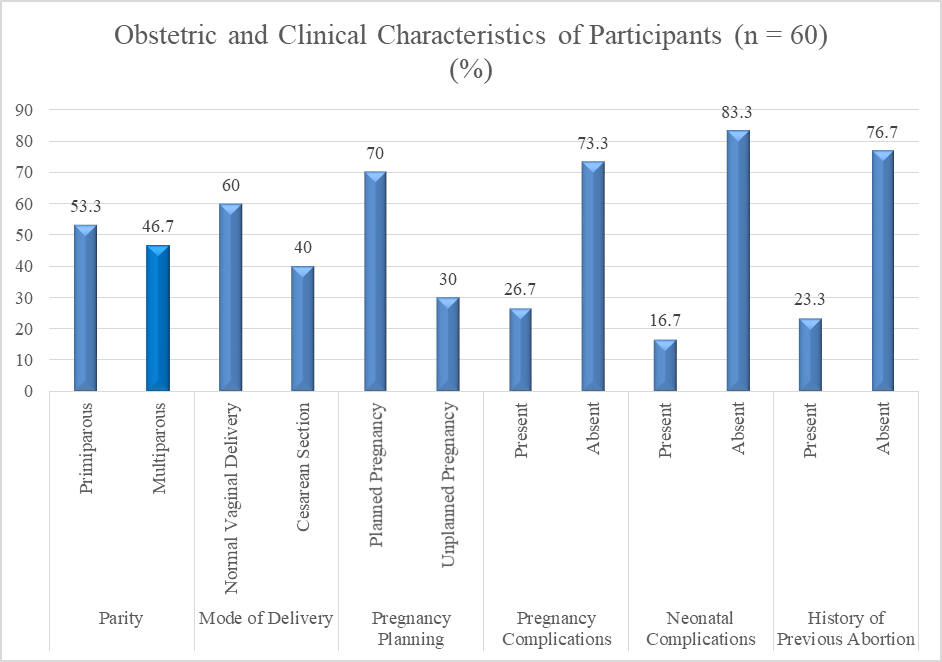
Figure 1: Obstetric and Clinical Characteristics of Participants
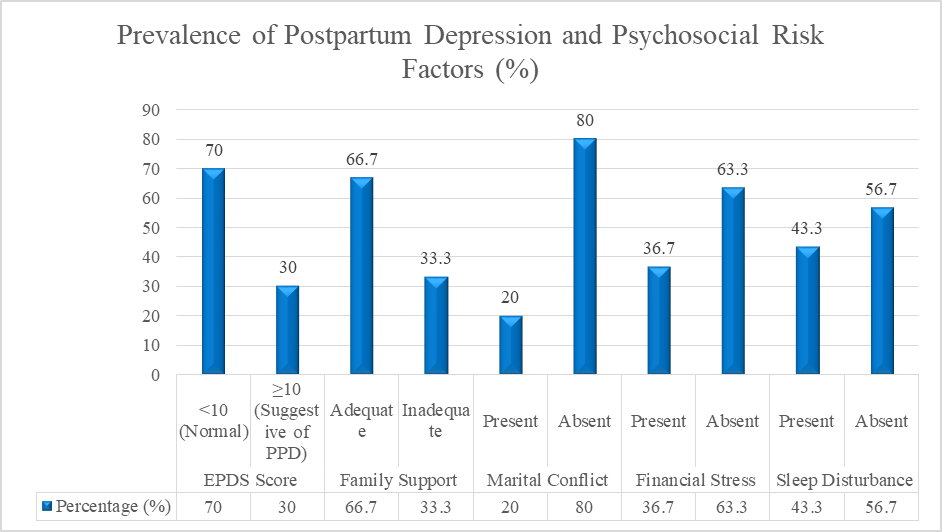
Figure 2: Prevalence of Postpartum Depression and Psychosocial Risk Factors
DISCUSSION:
Postpartum depression (PPD) is an important maternal mental health disorder that affects maternal well-being, infant care, family relationships, and child development. The present study evaluated the prevalence of postpartum depression and associated psychosocial and obstetric risk factors among urban Indian women attending a tertiary care centre.
In the present study, the majority of postpartum women belonged to the age group of 26–30 years (40.0%), followed by 21–25 years (30.0%). Similar findings were reported by Chandran et al., who observed that most women affected with postpartum depression were within the reproductive age group of 20–30 years [10]. Patel et al. also identified younger reproductive-age women as more vulnerable to postnatal psychological stress because of social and economic pressures [4]. These findings indicate that women in the early reproductive period may have greater emotional adjustment difficulties during the postpartum phase.
The present study demonstrated prevalence of postpartum depression in 30.0% of women based on EPDS scoring. Upadhyay et al., in a systematic review and meta-analysis from India, reported postpartum depression prevalence ranging from 11% to 26% across different Indian populations [5]. Chandran et al. observed postpartum depression prevalence of approximately 22% among postpartum mothers in South India [10], while Savarimuthu et al. reported depressive symptoms in nearly 26% of women attending postnatal clinics [11]. The higher prevalence observed in the present study may be due to urban lifestyle stress, nuclear family systems, occupational pressures, and reduced social support.
Inadequate family support was present in 33.3% of women in the present study and showed strong association with postpartum depression, with depressive symptoms observed in 60.0% of women lacking adequate support (p < 0.001). Patel et al. similarly identified poor marital and family support as one of the strongest predictors of postpartum depression among Indian women [4]. Stewart et al. also emphasized that women with poor emotional support were significantly more likely to develop postpartum depressive symptoms [2]. These findings highlight the protective role of emotional and social support during the postpartum period.
The present study demonstrated significantly higher prevalence of postpartum depression among women belonging to nuclear families compared to joint families (39.5% vs 13.6%, p = 0.03). Chandran et al. also reported higher emotional stress and depressive symptoms among women lacking extended family support [10]. In Indian cultural settings, joint family structures may provide practical assistance in infant care and emotional reassurance, thereby reducing maternal psychological stress.
Financial stress was observed in 36.7% of participants in the present study and was significantly associated with postpartum depression, affecting 54.5% of women with financial difficulties. Goyal et al. demonstrated that low socioeconomic status and financial insecurity significantly increased risk of postpartum depressive symptoms among first-time mothers [12]. Beck also identified economic stress and inadequate coping mechanisms as major predictors of postpartum depression [6]. These findings suggest that financial burden and economic dependency contribute substantially to maternal psychological distress.
Unplanned pregnancy was significantly associated with postpartum depression in the present study, with depressive symptoms observed in 55.6% of women with unplanned pregnancies. Goyal et al. similarly reported higher prevalence of emotional stress and depressive symptoms among women with unintended pregnancies [12]. Unplanned pregnancy may increase anxiety related to childcare responsibilities, financial preparedness, and maternal role adaptation.
Sleep disturbance was present in 43.3% of women in the present study and showed significant association with postpartum depression, affecting 53.8% of depressed mothers. Beck reported sleep deprivation, fatigue, and disturbed maternal rest as important contributors to postpartum emotional disturbances [6]. Sleep disruption due to infant feeding patterns and hormonal changes may therefore aggravate depressive symptoms during the postpartum period.
Overall, the findings of the present study were comparable with previous Indian and international studies regarding prevalence of postpartum depression and associated psychosocial risk factors. The study highlights the importance of routine screening for postpartum depression, particularly among women with poor family support, financial stress, sleep disturbances, nuclear family setup, and unplanned pregnancies. Early psychological counseling and supportive interventions may help reduce maternal morbidity and improve overall maternal and neonatal outcomes.
CONCLUSION:
The present study concluded that postpartum depression was highly prevalent among urban Indian women attending a tertiary care centre, with depressive symptoms observed in a significant proportion of postpartum mothers. Psychosocial factors such as inadequate family support, nuclear family structure, financial stress, sleep disturbance, and unplanned pregnancy showed significant association with postpartum depression. The findings highlight that maternal mental health problems during the postpartum period are common yet frequently underrecognized. Early screening using standardized tools such as the Edinburgh Postnatal Depression Scale (EPDS) can help in timely identification of at-risk mothers and facilitate appropriate counseling and psychiatric support. Strengthening emotional, social, and family support systems may contribute significantly toward reducing maternal psychological morbidity and improving overall maternal and neonatal well-being.
LIMITATIONS
The study was conducted at a single tertiary care centre with a relatively small sample size of 60 participants, which may limit generalizability of the findings to the wider population. As the study was cross-sectional in nature, long-term follow-up of postpartum women and progression of depressive symptoms could not be assessed. Information regarding psychosocial stressors and family-related factors was based on self-reporting and may have been affected by recall bias or social desirability bias. Clinical psychiatric evaluation was not performed for all participants, and screening was primarily based on EPDS scores. In addition, cultural stigma associated with mental health issues may have led to underreporting of depressive symptoms by some women.
RECOMMENDATIONS
Routine mental health screening for postpartum depression should be incorporated into standard postnatal care services, especially in urban healthcare settings. Use of validated screening tools such as EPDS at regular postpartum visits may help in early detection of depressive symptoms. Counseling services, psychosocial support, and awareness programs regarding maternal mental health should be strengthened at both hospital and community levels. Family members should be educated regarding the importance of emotional and practical support during the postpartum period. Special attention should be given to women with unplanned pregnancies, inadequate social support, financial stress, and sleep disturbances, as these groups are at higher risk of postpartum depression. Larger multicentric longitudinal studies are recommended to further evaluate maternal mental health outcomes and effectiveness of preventive interventions among postpartum women.
REFERENCES:
1. O’hara, M. W., & Swain, A. M. (1996). Rates and risk of postpartum depression—a meta-analysis. International Review of Psychiatry, 8(1), 37–54. https://doi.org/10.3109/09540269609037816
2. Stewart DE, Robertson E, Dennis CL, Grace SL, Wallington T. Postpartum depression: literature review of risk factors and interventions [Internet]. Toronto: Toronto Public Health; 2003 [cited 2026 May 15]. Available from: https://www.who.int/mental_health/prevention/suicide/lit_review_postpartum_depression.pdf
3. World Health Organization. Maternal mental health and child health and development in low and middle income countries [Internet]. Geneva: World Health Organization; 2008 [cited 2026 May 15]. Available from: https://www.who.int/publications/i/item/9789241597142
4. Upadhyay RP, Chowdhury R, Aslyeh Salehi, Sarkar K, Singh SK, Sinha B, Pawar A, Rajalakshmi AK, Kumar A. Postpartum depression in India: a systematic review and meta-analysis. Bull World Health Organ. 2017 Oct 1;95(10):706-717C. doi: 10.2471/BLT.17.192237.
5. Patel V, Rodrigues M, DeSouza N. Gender, poverty, and postnatal depression: a study of mothers in Goa, India. Am J Psychiatry. 2002;159(1):43-47. doi:10.1176/appi.ajp.159.1.43
6. Beck CT. Predictors of postpartum depression: an update. Nurs Res. 2001 Sep-Oct;50(5):275-85. doi: 10.1097/00006199-200109000-00004. PMID: 11570712.
7. Sharma V, Sharma P. Postpartum depression: diagnostic and treatment issues. J Obstet Gynaecol Can. 2012;34(5):436-442. doi:10.1016/S1701-2163(16)35240-9.
8. Murray L, Cooper PJ. Effects of postnatal depression on infant development. Arch Dis Child. 1997;77(2):99-101.
9. Cox JL, Holden JM, Sagovsky R. Detection of Postnatal Depression: Development of the 10-item Edinburgh Postnatal Depression Scale. British Journal of Psychiatry. 1987;150(6):782-786. doi:10.1192/bjp.150.6.782
10. Chandran M, Tharyan P, Muliyil J, Abraham S. Post-partum depression in a cohort of women from a rural area of Tamil Nadu, India. Incidence and risk factors. Br J Psychiatry. 2002 Dec;181:499-504. doi: 10.1192/bjp.181.6.499.
11. Savarimuthu RJ, Ezhilarasu P, Charles H, Antonisamy B, Kurian S. Post-partum depression in the community: a qualitative study from rural South India. Int J Soc Psychiatry. 2010;56(1):94-102.
12. Goyal D, Gay C, Lee KA. How much does low socioeconomic status increase the risk of prenatal and postpartum depressive symptoms in first-time mothers? Womens Health Issues. 2010 Mar-Apr;20(2):96-104. doi: 10.1016/j.whi.2009.11.003.