Clinical Profile, Symptom Pattern, and Quality of Life Assessment in Patients with Irritable Bowel Syndrome
- Mohan B.R. , Professor & HOD, Department of General Medicine, K.C. General Hospital, Bangalore, Karnataka, India.
- Madhu Kumar , Postgraduate, Department of General Medicine, K.C. General Hospital, Bangalore, Karnataka, India.
- Pramodiah M. , Postgraduate, Department of General Medicine, K.C. General Hospital, Bangalore, Karnataka, India.
Article Information:
Abstract:
Background: Irritable bowel syndrome (IBS) is a disorder of gut-brain interaction that often reaches general medicine clinics with overlapping bowel, pain, bloating, and psychological symptoms. Objective: To describe the clinical profile, symptom pattern, colonoscopy findings, psychiatric profile, and quality of life among IBS patients attending a general medicine outpatient department. Methods: This observational study included 100 IBS patients over a period of one-year study duration. Demographic variables, IBS subtype, symptom duration, abdominal pain frequency, bloating, bowel habit, Bristol stool consistency, urgency, colonoscopy findings, psychiatric counselling status, psychiatric diagnosis, and IBS-QOL score were recorded. Categorical variables were compared using chi-square test, continuous variables by one-way ANOVA or t-test as appropriate, and quality-of-life correlations by Spearman's correlation. Results: The cohort had a mean age of 38.85 ± 10.84 years and included 63 females. IBS-D was the commonest subtype (37%), followed by IBS-C (26%), IBS-M (19%), and IBS-U (18%). Daily abdominal pain was reported by 58%, bloating by 72%, and urgency by 56%. Colonoscopy was normal in 74%, while hemorrhoids and diverticulosis were documented in 13% each. Psychiatric diagnoses were common: anxiety in 25%, depression in 24%, and combined anxiety-depression in 23%. Mean IBS-QOL score was 59.52 ± 14.36. Quality-of-life scores differed significantly across IBS subtypes, being lowest in IBS-D (45.68 ± 6.25) and highest in IBS-U (81.39 ± 3.55; p<0.001). Longer symptom duration showed a negative correlation with quality of life (rho=-0.330; p=0.001). Conclusion: IBS patients attending general medicine outpatient care showed a predominantly female distribution, higher IBS-D burden, frequent bloating and urgency, mostly non-specific colonoscopy findings, and substantial psychiatric comorbidity. Routine symptom subtyping, colonoscopy-based exclusion of organic disease where clinically indicated, and psychiatric counselling may make outpatient IBS care more structured and patient-centred.
Keywords:
Article :
INTRODUCTION:
Irritable bowel syndrome (IBS) is now understood as a disorder of gut-brain interaction rather than a purely functional label. Rome IV shifted the diagnostic focus toward recurrent abdominal pain associated with defecation or change in stool frequency or form, a change that made clinical subtyping more meaningful but also more demanding in busy outpatient settings.[1,2] In general medicine practice, IBS rarely presents as a neat textbook entity. Patients often report abdominal pain, bloating, altered bowel habit, urgency, sleep disturbance, food-related worry, and repeated concern that an organic disease has been missed.
The burden is not trivial. Population estimates vary widely because prevalence changes with diagnostic criteria, geography, consultation behaviour, and cultural tolerance of bowel symptoms.[3] Indian experience has been equally heterogeneous, with symptom overlap, health-seeking delay, and variable access to gastroenterology services shaping how patients reach tertiary or secondary care.[4] For many patients in India, the general medicine outpatient department remains the first sustained point of contact, particularly when bowel symptoms are accompanied by fatigue, anxiety, weight concern, or vague multisystem complaints.
Current guidelines encourage a positive symptom-based diagnosis when clinical features are typical, while also insisting on careful screening for red flags and judicious use of investigations.[5,6] Colonoscopy is not required for every young patient with typical IBS, but it becomes clinically relevant when age, alarm symptoms, persistent patient anxiety, diagnostic uncertainty, or local disease patterns justify endoscopic evaluation. The World Gastroenterology Organisation also notes that the need for sigmoidoscopy or colonoscopy should be shaped by patient characteristics and local epidemiology rather than applied mechanically.[7] NICE similarly frames IBS diagnosis around symptom recognition and limited exclusion of alternative disease where required.[8]
Symptom characterization matters because IBS is not one disease pattern. Stool form, abdominal pain frequency, bloating, and urgency often define both patient distress and treatment direction. The Bristol stool form scale remains a simple clinic-level instrument to classify stool consistency and broadly reflect intestinal transit.[9] Quality of life is equally central, because IBS affects daily work, travel, diet, sexuality, mood, and social confidence. The IBS-QOL instrument was developed to capture these disease-specific consequences and has been validated as a responsive patient-reported outcome measure.[10,11]
Psychiatric assessment is not an optional afterthought in IBS care. The gut-brain model recognizes that anxiety, depression, somatic vigilance, and health worry can intensify symptom perception and treatment-seeking. At the same time, psychiatric symptoms should not be used to dismiss bowel complaints. A structured outpatient pathway that includes symptom assessment, bowel-habit subtyping, colonoscopy features when performed, quality-of-life measurement, and psychiatric counselling may therefore provide a more clinically useful picture than symptom counts alone.[12] This study was undertaken to describe the clinical profile, symptom pattern, colonoscopy findings, psychiatric profile, and quality of life among IBS patients attending a general medicine outpatient department.
Materials and Methods:
Study design and setting
This was an observational study conducted in the Department of General Medicine over a period of one-year study duration. Patients attending the general medicine department with clinical features consistent with IBS were evaluated using a structured clinical record and quality-of-life assessment.
Study population and sample size
A total of 100 patients were included. The sample size was fixed as 100 based on consecutive recruitment during the one-year study duration and the feasibility of completing symptom assessment, colonoscopy evaluation, psychiatric counselling, and quality-of-life scoring for every enrolled patient.
Inclusion criteria
• Adult patients attending outpatient department with recurrent abdominal pain and altered bowel habit consistent with IBS.
• Patients classified into IBS-D, IBS-C, IBS-M, or IBS-U according to the predominant bowel pattern recorded during clinical assessment.
• Patients who underwent colonoscopy as part of the evaluation pathway.
• Patients who received psychiatric counselling and were assessed for anxiety, depression, combined anxiety-depression, or absence of psychiatric diagnosis.
• Patients with complete entries for symptoms, colonoscopy findings, psychiatric profile, and IBS-QOL score.
Exclusion criteria
• Patients with incomplete symptom, colonoscopy, psychiatric, or quality-of-life records.
• Patients with colonoscopy features suggestive of inflammatory bowel disease, colorectal malignancy, obstructive lesion, or another organic disease explaining the bowel symptoms.
• Patients unwilling to undergo the required assessment pathway.
Clinical symptom assessment
The symptom profile included duration of symptoms in months, abdominal pain frequency (daily, weekly, or monthly), bloating, bowel habit category, Bristol stool consistency score, and urgency. Bowel habit was recorded as diarrhea, constipation, mixed, or alternating, corresponding to IBS-D, IBS-C, IBS-M, and IBS-U subtypes respectively.
Colonoscopy features
Colonoscopy findings were categorized as normal, hemorrhoids, or diverticulosis. These findings were used to document the endoscopic profile among patients retained in the IBS cohort and to exclude overt inflammatory, malignant, or obstructive colonic pathology.
Psychiatric counselling and diagnosis
All patients received psychiatric counselling as part of the outpatient evaluation protocol. Psychiatric profile was categorized as anxiety, depression, combined anxiety-depression, or no psychiatric diagnosis.
Quality-of-life assessment
Quality of life was assessed using the IBS-QOL score recorded on a 0-100 scale, where higher scores indicate better disease-specific quality of life. Mean scores were compared across IBS subtypes and symptom/psychiatric categories.
Statistical analysis
Categorical variables were summarized as frequency and percentage, and continuous variables as mean ± standard deviation. Comparisons across IBS subtypes were performed using chi-square test for categorical variables and one-way ANOVA for continuous variables. Two-group comparisons of IBS-QOL scores used independent-samples t-test, and the association between symptom duration and IBS-QOL score was assessed using Spearman's correlation. A p-value <0.05 was considered statistically significant. Because several symptoms and subgroup comparisons were explored, p-values should be interpreted as descriptive rather than confirmatory, and no adjustment for multiplicity was applied.
Results:
One hundred patients were analyzed. The mean age was 38.85 ± 10.84 years, and females constituted 63 (63.0%). IBS-D was the commonest subtype with 37 patients (37%), followed by IBS-C with 26 patients (26%), IBS-M with 19 patients (19%), and IBS-U with 18 patients (18%) (Figure 1).
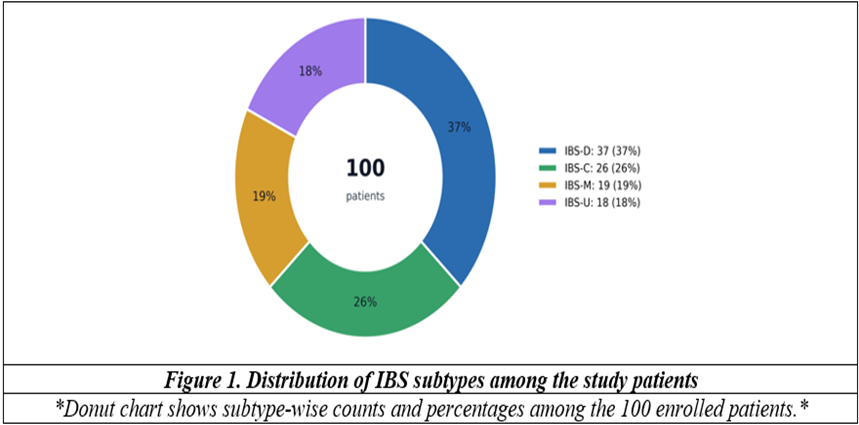
Table 1. Baseline clinical profile according to IBS subtype
|
Variable |
Overall (n=100) |
IBS-D (n=37) |
IBS-C (n=26) |
IBS-M (n=19) |
IBS-U (n=18) |
p-value |
|
Age (years) |
38.85 ± 10.84 |
40.35 ± 11.61 |
44.50 ± 9.44 |
33.89 ± 8.63 |
32.83 ± 8.35 |
<0.001 |
|
Female sex |
63 (63.0%) |
31 (83.8%) |
15 (57.7%) |
9 (47.4%) |
8 (44.4%) |
0.008 |
|
Symptom duration (months) |
35.11 ± 21.37 |
36.84 ± 21.58 |
51.88 ± 19.02 |
27.95 ± 13.36 |
14.89 ± 5.00 |
<0.001 |
|
Bristol stool score |
4.14 ± 1.95 |
6.14 ± 0.75 |
1.50 ± 0.51 |
4.53 ± 0.51 |
3.44 ± 0.51 |
<0.001 |
|
IBS-QOL score |
59.52 ± 14.36 |
45.68 ± 6.25 |
67.23 ± 5.76 |
55.21 ± 4.55 |
81.39 ± 3.55 |
<0.001 |
Values are mean ± SD or n (%). p-values compare the four IBS subtypes.
Age, symptom duration, Bristol stool score, and IBS-QOL score differed significantly across the four IBS subtypes (Table 1). IBS-C patients had the longest mean symptom duration, while IBS-U patients had the shortest duration and the highest mean quality-of-life score.
Symptom distribution showed a clear subtype-linked pattern. Daily abdominal pain was most frequent in IBS-D and IBS-C, bloating was most common in IBS-C and IBS-D, while urgency was universal in IBS-D and IBS-M but absent in IBS-C and IBS-U (Figure 2).
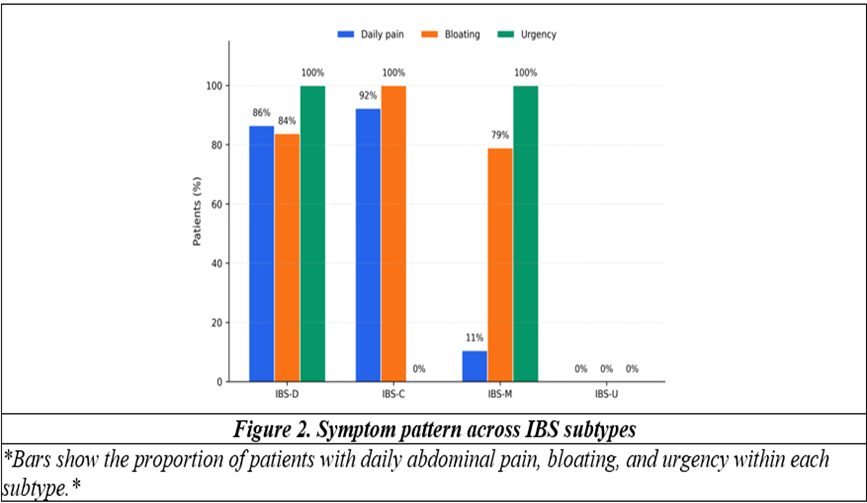
Table 2. Symptom pattern according to IBS subtype
|
Symptom |
Overall |
IBS-D |
IBS-C |
IBS-M |
IBS-U |
p-value |
|
Daily abdominal pain |
58 (58.0%) |
32 (86.5%) |
24 (92.3%) |
2 (10.5%) |
0 (0.0%) |
<0.001 |
|
Weekly abdominal pain |
24 (24.0%) |
5 (13.5%) |
2 (7.7%) |
17 (89.5%) |
0 (0.0%) |
— |
|
Monthly abdominal pain |
18 (18.0%) |
0 (0.0%) |
0 (0.0%) |
0 (0.0%) |
18 (100.0%) |
— |
|
Bloating |
72 (72.0%) |
31 (83.8%) |
26 (100.0%) |
15 (78.9%) |
0 (0.0%) |
<0.001 |
|
Urgency |
56 (56.0%) |
37 (100.0%) |
0 (0.0%) |
19 (100.0%) |
0 (0.0%) |
<0.001 |
The p-value for abdominal pain frequency refers to the full daily/weekly/monthly distribution
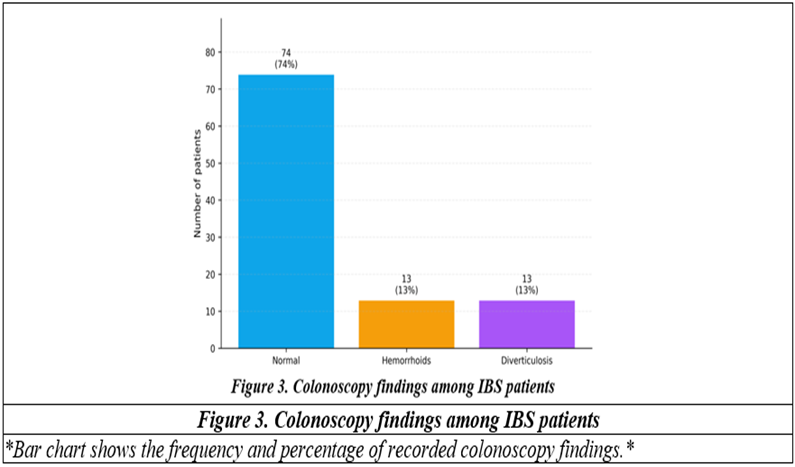
Colonoscopy was normal in 74 patients. Hemorrhoids and diverticulosis were recorded in 13 patients each, and both were confined to the IBS-C group in this cohort (Figure 3). No patient retained in the cohort had colonoscopy findings recorded as inflammatory bowel disease, malignancy, or obstructive pathology.
Psychiatric counselling was documented for all patients. Psychiatric diagnosis was recorded as anxiety in 25 patients, depression in 24, combined anxiety-depression in 23, and no psychiatric diagnosis in 28 (Figure 4).
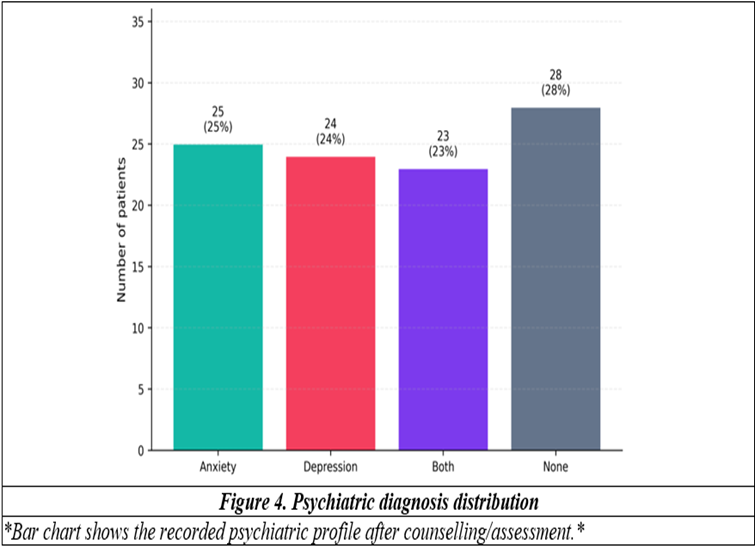
Table 3. Colonoscopy findings and psychiatric profile according to IBS subtype
|
Variable |
Overall |
IBS-D |
IBS-C |
IBS-M |
IBS-U |
p-value |
|
Colonoscopy: Normal |
74 (74.0%) |
37 (100.0%) |
0 (0.0%) |
19 (100.0%) |
18 (100.0%) |
<0.001 |
|
Colonoscopy: Hemorrhoids |
13 (13.0%) |
0 (0.0%) |
13 (50.0%) |
0 (0.0%) |
0 (0.0%) |
— |
|
Colonoscopy: Diverticulosis |
13 (13.0%) |
0 (0.0%) |
13 (50.0%) |
0 (0.0%) |
0 (0.0%) |
— |
|
Psychiatric diagnosis: Anxiety |
25 (25.0%) |
13 (35.1%) |
0 (0.0%) |
4 (21.1%) |
8 (44.4%) |
<0.001 |
|
Psychiatric diagnosis: Depression |
24 (24.0%) |
13 (35.1%) |
2 (7.7%) |
6 (31.6%) |
3 (16.7%) |
— |
|
Psychiatric diagnosis: Both |
23 (23.0%) |
5 (13.5%) |
11 (42.3%) |
4 (21.1%) |
3 (16.7%) |
— |
|
Psychiatric diagnosis: None |
28 (28.0%) |
6 (16.2%) |
13 (50.0%) |
5 (26.3%) |
4 (22.2%) |
— |
|
Psychiatric counselling received |
100 (100.0%) |
100.0% |
100.0% |
100.0% |
100.0% |
— |
p-values for colonoscopy and psychiatric diagnosis refer to the full multi-category distribution.
Mean IBS-QOL score was lowest in IBS-D and highest in IBS-U (Figure 4). Quality-of-life scores also differed across abdominal pain frequency, bloating, urgency, and psychiatric diagnosis categories (Table 4). Longer symptom duration correlated negatively with IBS-QOL score (rho=-0.330; p=0.001), suggesting that chronicity was associated with poorer perceived health status.
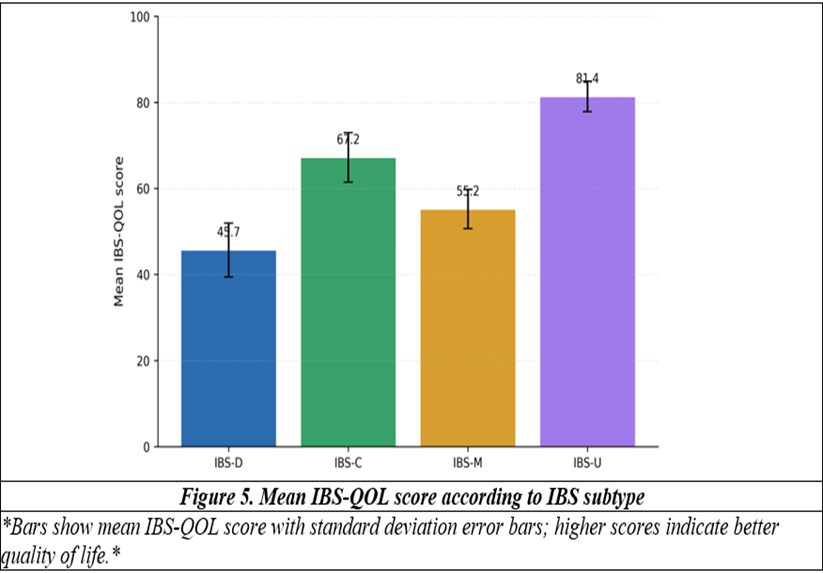
Table 4. Quality-of-life profile across clinical and psychiatric categories
|
Comparison |
Category |
n |
IBS-QOL score |
Statistical test |
p-value |
|
IBS subtype |
IBS-D |
37 |
45.68 ± 6.25 |
One-way ANOVA |
<0.001 |
|
IBS-C |
26 |
67.23 ± 5.76 |
|
|
|
|
IBS-M |
19 |
55.21 ± 4.55 |
|
|
|
|
IBS-U |
18 |
81.39 ± 3.55 |
|
|
|
|
Pain frequency |
Daily |
58 |
54.22 ± 12.37 |
One-way ANOVA |
<0.001 |
|
Weekly |
24 |
55.92 ± 6.37 |
|
|
|
|
Monthly |
18 |
81.39 ± 3.55 |
|
|
|
|
Bloating |
Yes |
72 |
55.35 ± 11.29 |
Welch t-test |
<0.001 |
|
No |
28 |
70.25 ± 15.99 |
|
|
|
|
Urgency |
Yes |
56 |
48.91 ± 7.29 |
Welch t-test |
<0.001 |
|
No |
44 |
73.02 ± 8.59 |
|
|
|
|
Psychiatric diagnosis |
Anxiety |
25 |
60.36 ± 16.27 |
One-way ANOVA |
0.032 |
|
Depression |
24 |
52.38 ± 15.07 |
|
|
|
|
Both |
23 |
64.00 ± 13.61 |
|
|
|
|
None |
28 |
61.21 ± 10.51 |
|
|
|
|
Symptom duration |
Spearman rho |
100 |
rho=-0.330 |
Correlation |
<0.001 |
Higher IBS-QOL scores indicate better disease-specific quality of life.
Discussion:
This outpatient cohort highlights a pattern that will feel familiar to physicians working in Indian general medicine clinics: IBS patients are not merely reporting altered stool form. They bring a layered symptom burden, often with daily pain, bloating, urgency, health-related anxiety, and repeated diagnostic concern. In the present study, IBS-D was the largest subtype, and IBS-D patients had the lowest mean quality-of-life score. This is clinically plausible because diarrhea with urgency tends to interfere with travel, work, food choices, and social confidence more visibly than intermittent constipation.
The predominance of women in this cohort is consistent with much of the global IBS literature, although Indian studies have shown variability depending on whether the sample is community-based, clinic-based, or tertiary-care based. The Indian Society of Gastroenterology task force described the complexity of applying symptom-based categories across diverse regions and care-seeking behaviours in India.[4] More recent Indian consensus statements also emphasize that IBS care should be individualized, with diagnosis made through careful clinical assessment rather than excessive investigation in all patients.[16]
The colonoscopy profile requires careful interpretation. Three-fourths of patients had normal colonoscopy findings, supporting the functional nature of symptoms in most cases. Hemorrhoids and diverticulosis were recorded in smaller proportions and were not inflammatory or malignant explanations for IBS symptoms. This aligns with guideline-based thinking: colonoscopy is not a routine requirement for every typical IBS case, but it has value when age, alarm features, persistent uncertainty, or local clinical judgement supports endoscopic exclusion of organic disease.[6,7] In India, where patients frequently move between informal advice, primary care, and specialist consultation, a documented normal colonoscopy may also reduce illness anxiety for selected patients. But the message should not become over-testing. It should become better selection.
Psychiatric comorbidity was substantial in this cohort, with anxiety, depression, or both recorded in nearly three-fourths of patients. This supports the gut-brain framing of IBS and agrees with meta-analytic work showing higher anxiety and depression burden among IBS patients compared with controls.[13] A network meta-analysis has also shown that anxiety and depressive symptoms vary across IBS subtypes rather than being evenly distributed.[14] Indian data from tertiary-care settings similarly report frequent psychiatric comorbidity among IBS patients, most often anxiety and depressive disorders.[15] Psychiatric counselling in such patients should therefore be viewed as a core component of care, not as a signal that symptoms are imaginary.
The IBS-QOL findings add a clinically important layer. IBS-D had the poorest quality-of-life score, while IBS-U had the best. Patients with urgency and bloating had clearly lower mean scores, and longer symptom duration correlated with poorer quality of life. This means that a patient with a long history of daily pain and urgency may need more than antispasmodics or reassurance. A structured plan may include dietary review, bowel-pattern-specific therapy, education about the diagnosis, management of catastrophic health worry, and timely mental health support.
There are limitations. This was a single-department outpatient study with a sample size of 100, so the findings should not be generalized to community IBS prevalence. Colonoscopy was part of the evaluation pathway, which may have selected patients with higher diagnostic concern than routine primary-care IBS populations. Psychiatric diagnoses were recorded in broad clinical categories rather than through a detailed psychometric scale. The IBS-QOL score was analyzed cross-sectionally, so causality cannot be inferred. Also, several subgroup comparisons were performed without multiplicity correction; the p-values should therefore be read as exploratory.
Despite these limitations, the study has practical value. It brings together bowel subtype, symptom burden, colonoscopy features, psychiatric counselling, and quality-of-life assessment in a format that reflects outpatient clinical work. The findings support a more integrated IBS clinic approach within general medicine: classify the subtype, record stool form and urgency, use colonoscopy thoughtfully, address psychiatric comorbidity openly, and measure quality of life when symptoms are persistent.
Conclusion:
IBS patients attending the general medicine outpatient department showed a predominantly female distribution and IBS-D was the most frequent subtype. Daily abdominal pain, bloating, and urgency were common, and quality of life was poorest among IBS-D patients and those with urgency or bloating. Colonoscopy was normal in most patients, while hemorrhoids and diverticulosis were documented in a minority. Psychiatric comorbidity was frequent, supporting the need for routine counselling and integrated gut-brain care. A structured outpatient assessment combining symptom pattern, Bristol stool consistency, colonoscopy features, psychiatric profile, and IBS-QOL scoring can improve clinical clarity and patient-centred management.
References:
1. Drossman DA. Functional gastrointestinal disorders: history, pathophysiology, clinical features and Rome IV. Gastroenterology. 2016;150(6):1262-1279.e2. doi:10.1053/j.gastro.2016.02.032.
2. Lacy BE, Mearin F, Chang L, Chey WD, Lembo AJ, Simren M, et al. Bowel disorders. Gastroenterology. 2016;150(6):1393-1407.e5. doi:10.1053/j.gastro.2016.02.031.
3. Oka P, Parr H, Barberio B, Black CJ, Savarino EV, Ford AC. Global prevalence of irritable bowel syndrome according to Rome III or IV criteria: a systematic review and meta-analysis. Lancet Gastroenterol Hepatol. 2020;5(10):908-917. doi:10.1016/S2468-1253(20)30217-X.
4. Ghoshal UC, Abraham P, Bhatt C, Choudhuri G, Bhatia SJ, Shenoy KT, et al. Epidemiological and clinical profile of irritable bowel syndrome in India: report of the Indian Society of Gastroenterology Task Force. Indian J Gastroenterol. 2008;27(1):22-28.
5. Lacy BE, Pimentel M, Brenner DM, Chey WD, Keefer LA, Long MD, et al. ACG clinical guideline: management of irritable bowel syndrome. Am J Gastroenterol. 2021;116(1):17-44. doi:10.14309/ajg.0000000000001036.
6. Vasant DH, Paine PA, Black CJ, Houghton LA, Everitt HA, Corsetti M, et al. British Society of Gastroenterology guidelines on the management of irritable bowel syndrome. Gut. 2021;70(7):1214-1240. doi:10.1136/gutjnl-2021-324598.
7. World Gastroenterology Organisation. Irritable bowel syndrome: a global perspective. Update September 2015. Milwaukee: World Gastroenterology Organisation; 2015.
8. National Institute for Health and Care Excellence. Irritable bowel syndrome in adults: diagnosis and management. NICE guideline CG61. London: NICE; 2017.
9. Lewis SJ, Heaton KW. Stool form scale as a useful guide to intestinal transit time. Scand J Gastroenterol. 1997;32(9):920-924. doi:10.3109/00365529709011203.
10. Patrick DL, Drossman DA, Frederick IO, DiCesare J, Puder KL. Quality of life in persons with irritable bowel syndrome: development and validation of a new measure. Dig Dis Sci. 1998;43(2):400-411. doi:10.1023/A:1018831127942.
11. Drossman DA, Patrick DL, Whitehead WE, Toner BB, Diamant NE, Hu Y, et al. Further validation of the IBS-QOL: a disease-specific quality-of-life questionnaire. Am J Gastroenterol. 2000;95(4):999-1007. doi:10.1111/j.1572-0241.2000.01941.x.
12. Lacy BE, Patel NK. Rome criteria and a diagnostic approach to irritable bowel syndrome. J Clin Med. 2017;6(11):99. doi:10.3390/jcm6110099.
13. Fond G, Loundou A, Hamdani N, Boukouaci W, Dargel A, Oliveira J, et al. Anxiety and depression comorbidities in irritable bowel syndrome: a systematic review and meta-analysis. Eur Arch Psychiatry Clin Neurosci. 2014;264(8):651-660. doi:10.1007/s00406-014-0502-z.
14. Hu Z, Li M, Yao L, Wang Y, Wang E, Yuan J, et al. The level and prevalence of depression and anxiety among patients with different subtypes of irritable bowel syndrome: a network meta-analysis. BMC Gastroenterol. 2021;21(1):23. doi:10.1186/s12876-020-01593-5.
15. Saroj A, Tripathi A, Pandey S, Gupta R, Singh S. Psychiatric co-morbidities and profile of patients with irritable bowel syndrome in Northern India. Brain Sci. 2024;14(4):393. doi:10.3390/brainsci14040393.
16. Ghoshal UC, Sachdeva S, Pratap N, Karyampudi A, Singh R, Puri AS, et al. Indian consensus statements on irritable bowel syndrome in adults: a guideline by the Indian Neurogastroenterology and Motility Association and jointly supported by the Indian Society of Gastroenterology. Indian J Gastroenterol. 2023;42(2):249-273. doi:10.1007/s12664-022-01333-5.