LIVING WITH EPILEPSY: A QUANTITATIVE ANALYSIS OF DETERMINANTS OF QUALITY-OF-LIFE.
- VINODH KUMAR J. , Associate professor, Department of Psychiatry, Chettinad Institute of Medical Education & Research, KGF, Karnataka.
Article Information:
Abstract:
Background: Epilepsy is a chronic neurological condition with wide-ranging physical as well as psychosocial impacts. Quality of life (QoL) and sexual function are often compromised in epilepsy patients due to the disease itself or the associated psychiatric comorbidities, and even as a side effect of antiepileptic drugs (AEDs). Aim of the study was to assess the quality of life and sexual dysfunction among epilepsy patients using validated scales and explore associated factors. Material and Methods: The present cross-sectional study included 100 adult patients of either gender diagnosed with epilepsy. QoL was assessed using the World Health Organization Quality of Life – Brief Version (WHOQOL-BREF) and sexual dysfunction using the Arizona Sexual Experiences Scale (ASEX). Sociodemographic, detailed medical history, and EEG findings were also analyzed. Results: Higher episodes of seizure, lower literacy levels, and abnormal EEG patterns were significantly associated with poorer QoL. 29% of participants had Sexual dysfunction and showed a significant correlation with seizure frequency and use of AEDs. Conclusion: QoL and sexual health are significantly affected in epilepsy patients. Integrative management strategies are essential for improving patient-centered outcomes.
Keywords:
Article :
INTRODUCTION:
Seizure is defined as a paroxysmal alteration of neurologic function caused by the excessive, hypersynchronous discharge of neurons in the brain. Whereas, “Epilepsy” is defined as the condition of recurrent, unprovoked seizures. Epilepsy is multifactorial with various types, each reflecting underlying brain dysfunction (1). It is estimated that there are over 12 million people with epilepsy in India (2).
Epilepsy is often associated with significant social stigma, which negatively impacts the quality of life (QOL) of those affected. Individuals with epilepsy frequently experience diminished self-esteem and an increased incidence of anxiety and depression. They also face increased risks of unemployment or underemployment, lower chances of marriage, and heightened social isolation (3).
In many parts of the world, epilepsy is viewed as witchcraft, contagious, and possession by devils and ancestral spirits due to a lack of education, which directly affects the quality of life (4). Recent Indian study projected that urbanization, literacy, per capita income, and population expansion have been the major predictors of QoL in epilepsy (5,6)
Sexual dysfunction has been one of the co-occurring conditions with epilepsy, significantly affecting the quality of life. While 50% of the patients living with epilepsy experience sexual dysfunction, which frequently goes unrecognized. The reported prevalence of sexual dysfunction in people with epilepsy varies due to differences across studies in their study population, type of epilepsy, duration, the class of medications, and severity. Also, the assessment tools employed might be different (7).
Although there are numerous studies assessing the QOL and sexual health of people with epilepsy from all over the world, similar studies from developing countries, especially India, are sparse. It is necessary to ascertain the magnitude of the problem as a part of the systematic approach to challenges in epilepsy management. Thus, we conducted the present study to assess the QOL in epilepsy in our region.
MATERIALS AND METHODS:
The present study was a cross-sectional, hospital-based analysis that included 100 epilepsy patients aged between 18 to 50 years.
INCLUSION CRITERIA
• Male and female patients attending the epilepsy clinic, Neurology department, Government Rajaji Hospital, Madurai, with a definitive diagnosis of Seizure disorder based on clinical semiology, EEG, and neuroimaging.
• Participants between 18 to 50 years of age
• Willing to provide informed consent for the interview
• Patients whose last episode of seizure was more than 7days.
EXCLUSION CRITERIA
• Patients with other co-morbid physical illnesses such as diabetes, hypertension, ischemic heart disease, hypothyroidism
• Patients with known psychiatric illness before the onset of EPILEPSY
• Uncooperative patients
• Refusal to participate in the research
• Refusal to provide informed consent for assessment
Detailed methodology: The present study was conducted after obtaining ethical committee approval. The sample size consisted of 100 seizure disorder patients using by convenience sampling method. These Patients were selected by random sampling with the help of the staff of the Department of Neurology, and those who satisfied the inclusion and exclusion criteria were chosen as for study group. Patients were informed about the nature of the study and were motivated to participate in the detailed clinical psychiatric evaluation after giving informed consent.
Patients were interviewed, and details of the socio-demographic profile were collected, followed by a thorough evaluation of mental status, including detailed physical examination. The standard rating scales were administered to analyse the patients. The following tools were used to evaluate the patients.
Scales Used for analysing the QoL and sexual health:
o Semi-structured proforma for collecting the demographic details and the medical history.
o WHOQOL-BREF: 26 items, four domains indicating the physical, psychological, social, and environmental aspects of quality of life. All 4 areas establish good internal consistency and test-retest dependability. Good construct validity is demonstrated by the physical and psychological domains. The higher the total score, the better the quality of life (8).
o ASEX scoring: 5 items assessing interest, arousal, orgasm, lubrication/erection, satisfaction. A higher score indicated worsening of the condition (9).
Statistical analysis:
Statistical Design was formulated using the data collected as above. For each of the scales and socio-demographic variables, the central values [arithmetic Mean] and Dispersion tendencies [Standard Deviation] were calculated. In comparison of the data, for categorical variables, Chi square, and for numerical variables, Student t-test and ANOVA were used. To know the significance of psychopathological attributes correlation matrix was used.
RESULTS:
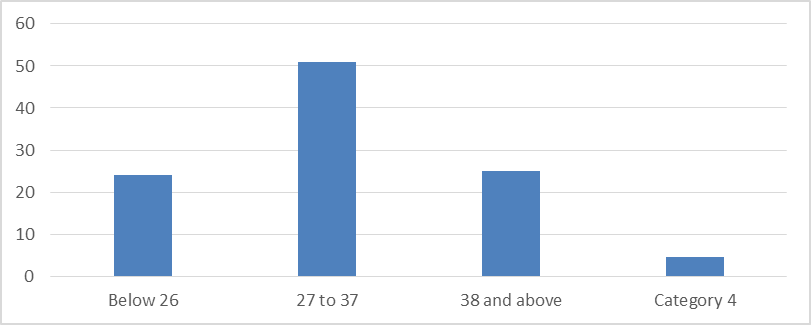
Figure 1. Age Distribution of Epilepsy Patients
Patients aged 38 and above were more numerous than those aged below 26 years, accounting for approximately 25% and 24%, respectively.
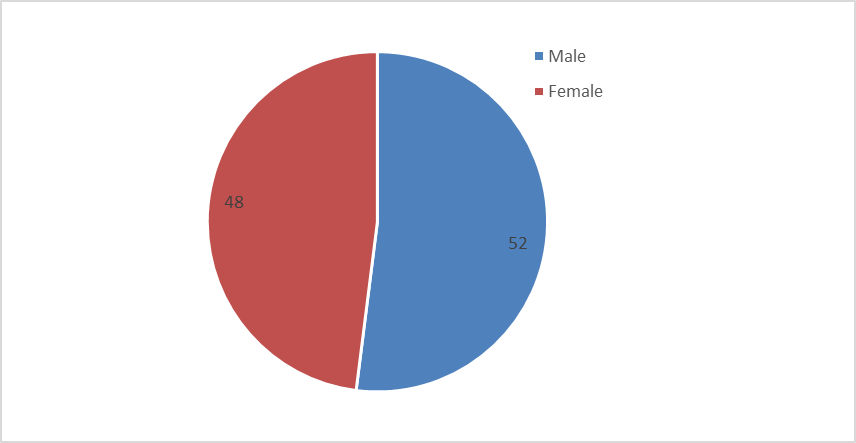
Figure 2. Gender Distribution of Epilepsy Patients
The incidence of the male study population was high compared to females, but did not have any statistical significance.
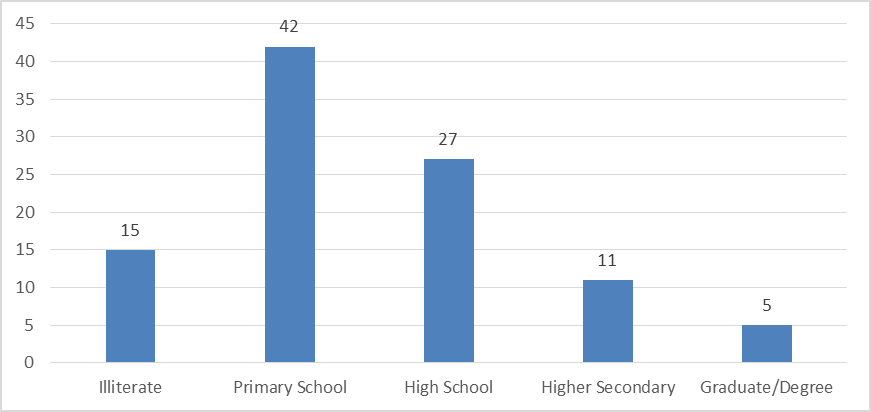
Figure 3: Education Level of Epilepsy Patients
Table 1: WHOQOL-BREF Domain Scores by Seizure Frequency
|
Seizure Frequency (per year) |
Mean QoL Score |
Standard Deviation (SD) |
p-value |
|
≤ 1 |
71.11 |
12.50 |
<0.05 |
|
2–5 |
64.83 |
13.75 |
|
|
≥ 5 |
58.91 |
14.10 |
Patients with a lower frequency of seizures per year had significantly better QoL than others.
Table 2: WHOQOL Scores by Education Level
|
Education Level |
Mean QoL Score |
Standard Deviation (SD) |
p-value |
|
Illiterate |
59.13 |
11.20 |
<0.05 |
|
Primary |
63.60 |
13.10 |
|
|
High School |
67.40 |
13.80 |
|
|
HSC |
72.60 |
14.00 |
|
|
Degree |
77.30 |
12.50 |
We observed that the higher the qualification, the better the quality of life. The patients with a degree had significantly higher QoL than others with lesser qualifications.
Table 3: WHOQOL Scores by EEG Findings
|
EEG Result |
Mean QoL Score |
Standard Deviation (SD) |
p-value |
|
Normal |
67.95 |
13.43 |
>0.05 |
|
Abnormal |
63.84 |
13.87 |
EEG findings did not have much significance associated with QoL.
Table 4: WHOQOL Scores by Seizure Type
|
Seizure Type |
Mean QoL Score |
Standard Deviation (SD) |
p-value |
|
GTCS |
62.90 |
13.10 |
>0.05 |
|
CPSWSG |
61.73 |
13.50 |
|
|
FMSWSG |
66.90 |
14.20 |
|
|
Complex Partial |
65.78 |
13.70 |
|
|
Others |
64.60 |
13.60 |
QoL did not have a significant association with the type of seizure
Table 5. Sexual Dysfunction Prevalence by Seizure Frequency
|
Seizure Frequency |
Sexual Dysfunction Present (%) |
p-value |
|
≤ 1/year |
13.9% |
0.037 |
|
2–5/year |
29.3% |
|
|
≥ 5/year |
47.8% |
The frequency of seizures had a statistically significant association with sexual dysfunction.
Table 6. Sexual Dysfunction by EEG Findings
|
EEG Result |
Sexual Dysfunction Present (%) |
p-value |
|
Normal |
26.7% |
>0.05 |
|
Abnormal |
30.4% |
EEG changes did not have a significant association with sexual dysfunction.
Table 7. Sexual Dysfunction by Seizure Type
|
Seizure Type |
Sexual Dysfunction Present (%) |
p-value |
|
GTCS |
32.4% |
>0.05 |
|
CPSWSG |
21.7% |
|
|
FMSWSG |
35.3% |
|
|
Complex Partial |
28.6% |
|
|
Others |
25.0% |
The distribution of the type of seizure did not have an association with the incidence of sexual dysfunction.
DISCUSSION:
Epilepsy is increasingly recognized not only as a neurological disorder characterized by recurrent seizures but also as a chronic condition with profound effects on physical, psychological, social, and sexual well-being. Beyond seizure control, epilepsy significantly influences overall quality of life (QoL), often leading to psychosocial difficulties, depression, stigma, and sexual dysfunction. Several studies have demonstrated that health-related QoL in epilepsy is determined by a combination of clinical, demographic, and psychosocial factors such as seizure frequency, education, psychiatric comorbidities, and adverse effects of antiepileptic drugs (AEDs) (1,10). The World Health Organization also recognizes QoL assessment as an essential component in the management of chronic neurological diseases, including epilepsy.(11)
The present study evaluated the influence of sociodemographic and clinical variables on QoL and sexual dysfunction among patients with epilepsy. The findings emphasize the importance of seizure control and educational status as major determinants of QoL.
In our study, age did not demonstrate a statistically significant association with QoL, as WHOQOL-BREF scores were comparable across different age groups. This finding differs from the observations of Shetty PH et al., who reported significantly better QoL among younger patients, particularly in the psychological domain (p < 0.05).(12). In their study, nearly 65% of patients were below 30 years of age. Likewise, a South Korean study identified age as a major determinant of QoL among patients with epilepsy (13). Siebenbrodt et al. also demonstrated higher QoL scores among younger individuals, reporting mean scores of approximately 64.2 in patients below 40 years compared to 58.7 in older individuals.10 However, Kalra S et al. similarly observed no significant association between age and QoL, despite younger patients constituting the majority of their cohort (8).
The lack of significant association in the present study may be attributed to the relatively lower proportion of elderly patients. Increasing age is often associated with additional physiological, cognitive, and psychosocial challenges that may worsen epilepsy-related disability and negatively affect QoL.
Gender also did not show a statistically significant association with QoL in our study, with males and females demonstrating comparable WHOQOL-BREF scores. This finding is consistent with the study by Bujan Kovač et al., who similarly reported no gender-based differences in QoL among Croatian patients with epilepsy (14). In contrast, Shetty PH et al. and Anu M et al. observed significantly lower QoL scores among female patients, possibly due to social stigma, gender discrimination, and treatment disparities (12,15). Shilpasree D et al. also reported poorer emotional and psychological outcomes among women, suggesting that cultural and familial expectations may contribute to gender disparities in epilepsy-related QoL.(6).
Women with epilepsy often experience greater social stigma, marital difficulties, reproductive concerns, and psychiatric comorbidities compared to men, all of which may adversely influence perceived QoL (16). However, such differences were not evident in the present study population.
Educational status demonstrated a strong positive association with QoL in our study. Mean WHOQOL-BREF scores progressively increased from 59.13 among illiterate patients to 77.30 among graduates (p < 0.05). These findings are in agreement with those of Shilpasree D et al., who reported significantly better QoL among highly educated individuals across all domains.(6). Similar observations were made by Anu M et al. and Bujan Kovač et al., who attributed improved QoL to greater health awareness, treatment adherence, and social independence among educated patients.14,15 Siebenbrodt et al. also identified education as a major determinant of QoL, emphasizing its role in improving self-management and coping mechanisms.(10).
Education contributes to improved QoL by enhancing health literacy, promoting adherence to treatment, facilitating social integration, and improving access to healthcare resources. Occupation did not show a statistically significant association with QoL in the present study, although students and professionals tended to report comparatively higher scores than homemakers and unskilled workers. Shetty PH et al. observed significantly higher QoL among employed individuals, attributing this to increased social participation and a sense of economic security.12 Similarly, Strzelczyk et al. identified occupational engagement and financial stability as important determinants of QoL, especially in the environmental domain.(17).
Employment may positively influence QoL by providing financial independence, social interaction, self-esteem, and emotional stability, thereby reducing the psychosocial burden associated with epilepsy.(18).
Seizure frequency emerged as one of the strongest predictors of QoL in our study. Patients experiencing ≤1 seizure per year had significantly better QoL scores (71.11 ± 12.50) compared to those with 2–5 seizures/year (64.83 ± 13.75) and ≥5 seizures/year (58.91 ± 14.10) (p < 0.05). These findings are consistent with multiple studies including those by Shetty PH et al., Anu M et al., and Shilpasree D et al., all of whom reported that increased seizure frequency adversely affects physical, psychological, and social functioning. (6,12,15). Siebenbrodt et al. also identified seizure frequency as one of the most robust predictors of QoL, even after adjusting for confounding variables (10). Similarly, Strzelczyk et al. demonstrated significantly lower QoL scores among patients with uncontrolled seizures (17).
Frequent seizures adversely affect day-to-day activities, employment opportunities, driving eligibility, social interactions, and psychological well-being, thereby contributing to anxiety, dependency, and social isolation.
Interestingly, EEG findings did not show a statistically significant association with QoL in the present study, with comparable scores among patients with normal and abnormal EEG patterns (67.95 ± 13.43 vs 63.84 ± 13.87; p > 0.05). Similar findings were reported by Shilpasree D et al. However, Bujan Kovač et al. observed poorer psychological outcomes among patients with temporal lobe abnormalities, while Siebenbrodt et al. suggested that EEG abnormalities may indirectly affect QoL through their association with psychiatric comorbidities and seizure severity (10,14). Earlier studies have also proposed that EEG abnormalities reflect underlying epileptiform activity and disease severity, especially in temporal lobe epilepsy, which is frequently associated with mood disturbances and cognitive dysfunction (18).
With regard to sexual dysfunction, approximately 29% of patients in our study fulfilled ASEX criteria for dysfunction, and the prevalence was significantly higher among patients with frequent seizures (p = 0.037). However, no significant association was observed with EEG findings or seizure type. This prevalence was lower than that reported in the meta-analysis by Zhao S et al., which estimated a global prevalence of nearly 59% among patients with epilepsy (20).
In Indian studies, Malik Y et al. reported a prevalence of nearly 40%, with significant associations noted with depressive symptoms and polytherapy (21). Kumar DP et al. documented even higher rates, particularly among males, with erectile and orgasmic dysfunction being common and strongly associated with enzyme-inducing AEDs (22). In contrast, our study did not identify a significant relationship between AED type and sexual dysfunction, possibly due to greater use of newer-generation AEDs and fewer patients receiving long-term polytherapy. Rozenek H et al. further emphasized the role of sleep quality and psychological well-being in determining sexual satisfaction among epilepsy patients (23).
Sexual dysfunction in epilepsy is multifactorial and may result from hormonal disturbances, psychiatric comorbidities, medication adverse effects, stigma, and impaired interpersonal relationships, all of which contribute to reduced QoL (24).
CONCLUSION:
The present study demonstrates that seizure frequency and educational status are major determinants of quality of life among patients with epilepsy. Patients with better seizure control and higher educational attainment reported significantly improved QoL scores. In contrast, age, gender, seizure type, and EEG findings did not show statistically significant associations with QoL in our cohort. Sexual dysfunction was observed in a considerable proportion of patients and was significantly associated with increased seizure frequency. These findings highlight the need for a comprehensive and multidisciplinary approach in epilepsy management that extends beyond seizure control and addresses psychosocial, educational, and sexual health aspects to improve overall patient well-being.
REFERENCES:
1. Stafstrom CE, Carmant L. Seizures and epilepsy: an overview for neuroscientists. Cold Spring Harb Perspect Med. 2015 Jun 1;5(6):a022426.
2. Chatterjee S, Singh S, Kumar kar S, Shankar R. Knowledge, attitudes and practices of psychiatrists in India regarding sudden unexpected death in epilepsy (SUDEP) and seizure-related harm. Epilepsy &Behavior Reports. 2024; 27(1): 100686
3. Kutlu A, Gökçe G, Büyükburgaz Ü, Selekler M, KOMŞUOğLU S. Self-Esteem, Social Phobia and Depression Status in Patients with Epilepsy. Noro Psikiyatr Ars. 2013 Dec;50(4):320-324.
4. Singh S, Mishra VN, Rai A, Singh R, Chaurasia RN. Myths and Superstition about Epilepsy: A Study from North India. J Neurosci Rural Pract. 2018 Jul-Sep;9(3):359-362.
5. P.S. Rakesh, R. Ramesh, P. Rachel, R. Chanda, N. Satish, V.R. Mohan. Quality of life among people with epilepsy: a cross-sectional study from rural southern India. Natl. Med. J. India. 2012; 25 (5): 261-264
6. Shilpashree D, Sathish M, Ahmed RA, Kumar TP. A cross-sectional, observational study on quality of life in epilepsy patients. Brain disorder. 2025; 19. Online first
7. Rathore C, Henning OJ, Luef G, Radhakrishnan K. Sexual dysfunction in people with epilepsy. Epilepsy Behav. 2019 Nov;100(Pt A):106495.
8. Shivani Kalra, Triza Jiwan, Gagandeep Singh et.al. Health-Related quality of life and the associated predictors among people with epilepsy: WHOQOL-BREF scale. Int J Health Sci Res. 2022; 12(10):191- 199.
9. Kasar U, Dwivedi AK. Sexual Dysfunction and Associated Psychiatric Comorbidities Impacting Quality of Life in Epilepsy: A Review of Literature. Cureus. 2023 Dec 29;15(12):e51266.
10. Siebenbrodt K, Willems LM, von Podewils F, Mross PM, Strüber M, Langenbruch L et al. Determinants of quality of life in adults with epilepsy: a multicenter, cross-sectional study from Germany. Neurol Res Pract. 2023 Aug 3;5(1):41.
11. Eberhart T, Kammer J, Ellßel C, Flemming D, Pelizaus H. Problems and needs in everyday life of people with late-onset epilepsy: A scoping review categorization using the international classification of functioning, disability and health (ICF). Seizure: European Journal of Epilepsy. 2025; 129(1): 88 – 107
12. Shetty PH, Naik RK, Saroja A, Punith K. Quality of life in patients with epilepsy in India. J Neurosci Rural Pract. 2011 Jan;2(1):33-8.
13. Choi-Kwon S, Ching C, Kim H, Lee S, Yoon S, Kho H, et al. Factors affecting the quality of life in epilepsy in Seoul, South Korea. Acta Neurol Scand. 2003;108:428–34.
14. Bujan Kovač A, Petelin Gadže Ž, Tudor KI, Nanković S, Šulentić V, Poljaković Z, Mrak G et al. QUALITY OF LIFE IN PATIENTS WITH EPILEPSY - SINGLE CENTRE EXPERIENCE. Acta Clin Croat. 2021 Dec;60 (3):16-24.
15. Anu M, Suresh K, Basavanna PL. A Cross-Sectional Study of Quality of Life among Subjects with Epilepsy Attending a Tertiary Care Hospital. J Clin Diagn Res. 2016 Dec;10(12):OC13-OC15.
16. Laskar S, Chaudhry N, Choudhury C, Garg D. Gender differences in quality of life and psychiatric comorbidities among persons with juvenile myoclonic epilepsy: A single-center cross-sectional study. J Neurosci Rural Pract. 2023 Jul-Sep;14(3):482-487.
17. Strzelczyk A, Aledo-Serrano A, Coppola A, Didelot A, Bates E, Sainz-Fuertes R, Lawthom C. The impact of epilepsy on quality of life: Findings from a European survey. Epilepsy Behav. 2023 May;142:109179.
18. Fountain NB, Ness PCV, Swain-Eng R, Tonn S, Bever CT. Quality improvement in neurology: AAN epilepsy quality measures. Report of the Quality Measurement and Reporting Subcommittee of the American Academy of Neurology. Journal of Neurology. 2011;76(1):94–99
19. Gilliam F, Kuzniecky R, Faught E, Black L, Carpenter G, Schrodt R. Patient-validated content of epilepsy-specific quality-of-life measurement. Epilepsia. 1997;38(2):233–236.
20. Zhao S, Tang Z, Xie Q, Wang J, Luo L, Liu Y, Zhu Z, Luo J, Zhao Z. Association between epilepsy and risk of sexual dysfunction: A meta-analysis. Seizure. 2019 Feb 1;65:80-8.
21. Malik Y, Mattoo SK, Singh P, Grover S. Prevalence of Sexual Dysfunction in Patients with Epilepsy: A Cross-Sectional Study from a Tertiary Care Facility. Journal of Psychosexual Health. 2024;6(4):372-380.
22. Kumar DP, Wadwekar V, Nair PP, Menon V, Bhatnagar T. Study of Sexual Dysfunction in People Living with Epilepsy at a Tertiary Care Center of South India. Neurol India. 2020 Jul-Aug;68(4):861-866.
23. Rozenek H, Zareba K, Banasiewicz J, Wójtowicz S, Krasuski T, Owczarek K. The Quality of Life in Patients with Epilepsy in the Context of Sleep Problems and Sexual Satisfaction. Brain Sciences. 2021; 11(778): 1- 12
24. Atif, M., Sarwar, M.R, Scahill, S. The relationship between epilepsy and sexual dysfunction: a review of the literature. SpringerPlus 2016; 5: 2070