VOICE CHANGES IN HYPOTHYROIDISM: CLINICAL AND LARYNGOSCOPIC CORRELATION.
- Hari Prasad Garudasu , Associate Professor, Department of ENT, Mamata Medical College, Khammam, Telangana, India.
- Umavani Hiranmayee Kondabattini , Associate Professor, Department of General Medicine, Mamata Medical College, Khammam, Telangana, India.
Article Information:
Abstract:
Introduction: Hypothyroidism is a common endocrine disorder that affects multiple organ systems, including the larynx and vocal apparatus. Voice changes such as hoarseness, vocal fatigue, and low-pitched voice are frequently observed due to edema and structural alterations of the vocal folds. Early recognition of these manifestations is important for prompt diagnosis and treatment.aim of the study was to evaluate the clinical profile of voice changes in patients with hypothyroidism and to correlate these symptoms with laryngoscopic findings. Materials and Methods: The present hospital-based observational cross-sectional study was conducted in the Department of ENT and General Medicine, Mamata Medical College, Khammam, among 75 patients diagnosed with hypothyroidism. Detailed clinical history regarding voice symptoms was obtained and all patients underwent ENT examination and laryngoscopic evaluation. Thyroid function tests including T3, T4, and TSH levels were recorded. Clinical voice symptoms were correlated with laryngoscopic findings. Statistical analysis was performed using appropriate tests, with p < 0.05 considered statistically significant. Results: Hoarseness of voice was the most common symptom (74.7%), followed by vocal fatigue (56.0%) and low-pitched voice (50.7%). Vocal cord edema was the predominant laryngoscopic finding (52.0%). Significant associations were observed between duration of hypothyroidism, elevated TSH levels, and presence of laryngeal abnormalities. Conclusion: Voice changes are common in hypothyroid patients and show significant correlation with laryngoscopic abnormalities. Early clinico-laryngoscopic evaluation can aid in prompt diagnosis and timely management, thereby improving vocal outcomes and quality of life.
Keywords:
Article :
INTRODUCTION:
Hypothyroidism is one of the most common endocrine disorders encountered in clinical practice and is characterized by deficient secretion of thyroid hormones, resulting in generalized slowing of metabolic activity. The disease affects multiple organ systems including the cardiovascular, neuromuscular, respiratory, gastrointestinal, and integumentary systems. Among the lesser recognized but clinically significant manifestations of hypothyroidism are alterations in voice quality and laryngeal function. Voice plays a vital role in communication and social interaction, and even subtle abnormalities can adversely affect quality of life, emotional wellbeing, and occupational performance, particularly in professional voice users. Patients with hypothyroidism commonly present with hoarseness of voice, vocal fatigue, reduced vocal intensity, low-pitched voice, breathiness, and difficulty in phonation due to structural and functional changes within the larynx (1,2).
The pathophysiology of voice changes in hypothyroidism is multifactorial. Thyroid hormone deficiency leads to accumulation of glycosaminoglycans and mucopolysaccharides within the lamina propria of the vocal folds, resulting in edema, thickening, and altered vibratory characteristics of the vocal cords. Infiltration of laryngeal muscles by myxedematous tissue may impair neuromuscular coordination and reduce vocal cord tension. Respiratory muscle weakness and reduced pulmonary support may further contribute to phonatory dysfunction. Laryngoscopic examination in hypothyroid patients may reveal vocal cord edema, congestion, thickened vocal folds, sluggish mobility, incomplete glottic closure, and occasionally Reinke’s edema-like changes (2,3).
Several recent studies have demonstrated a strong association between hypothyroidism and dysphonia. Stogowska et al. reported that voice alterations are common in endocrine disorders and observed significant vocal symptoms among hypothyroid patients including roughness, vocal fatigue, and decreased vocal range (1). Afsah et al. highlighted that hormonal imbalance directly affects vocal fold physiology and may produce clinically significant voice changes even in mild hypothyroidism (2). Iravani et al. demonstrated histopathological changes within laryngeal tissues in hypothyroid experimental models, thereby supporting the biological basis for vocal dysfunction in these patients (3). Junuzović-Žunić et al. reported significant alterations in acoustic voice parameters among individuals with thyroid disorders and emphasized the importance of early vocal assessment (4). Birkent et al. further showed that thyroid hormone replacement therapy can significantly improve voice quality a
nd acoustic parameters, indicating that many of these changes are reversible with appropriate treatment (5).
Despite increasing awareness regarding endocrine influences on voice, hypothyroidism-related dysphonia remains underdiagnosed in routine clinical practice. Most patients presenting with hoarseness are initially evaluated for inflammatory, infective, structural, or neoplastic causes, while endocrine etiologies are often overlooked. Furthermore, many studies available in literature focus primarily on subjective voice complaints and acoustic analysis, with relatively limited emphasis on detailed laryngoscopic correlation. Kravos and Hočevar-Boltežar suggested that thyroid dysfunction may play an important role in the etiology of vocal fold disorders and highlighted the need for comprehensive laryngeal evaluation in hypothyroid patients (6). Similarly, Mihai et al. and Pace-Asciak et al. emphasized the importance of vocal assessment and laryngeal examination in thyroid-related disorders and postoperative thyroid patients to improve voice outcomes and quality of life (7,8). Babu et al. also demonstrated the clinical significance of laryngeal nerve and vocal changes associated with thyroid disorders (9).
The prevalence of thyroid disorders has been steadily increasing worldwide, thereby increasing the importance of recognizing laryngeal manifestations associated with hypothyroidism. Early identification of vocal abnormalities may aid in prompt diagnosis, facilitate timely treatment, and prevent long-term phonatory complications. Flexible laryngoscopy has emerged as a valuable diagnostic modality for detecting subtle laryngeal abnormalities in patients with endocrine disorders. Correlation between clinical symptoms and laryngoscopic findings can provide better understanding regarding the extent of laryngeal involvement and help formulate appropriate management strategies. Gupta and Hosn emphasized that accurate laryngeal evaluation is essential in differentiating endocrine-related dysphonia from inflammatory laryngeal disorders (10).
Hence, the present study titled “Voice Changes in Hypothyroidism: Clinical and Laryngoscopic Correlation” was undertaken to evaluate the clinical profile of voice changes in patients with hypothyroidism and to correlate these symptoms with laryngoscopic findings. The study also aims to bridge the existing research gap by providing a comprehensive clinico-laryngoscopic evaluation of hypothyroid patients, thereby contributing to improved diagnostic accuracy and early therapeutic intervention.
MATERIALS AND METHODS:
Study Design: The present study was designed as a hospital-based observational cross-sectional study conducted to evaluate voice changes in patients diagnosed with hypothyroidism and to correlate the clinical voice symptoms with laryngoscopic findings.
The study was carried out in the Department of ENT and General Medicine, Mamata Medical College, Khammam. The study population included patients attending the ENT outpatient department and patients referred from the General Medicine department with a confirmed diagnosis of hypothyroidism and complaints suggestive of voice change.
Sample Size
A total of 75 patients with hypothyroidism who fulfilled the inclusion and exclusion criteria were included in the study. The study was conducted after obtaining approval from the Institutional Ethics Committee.
Inclusion Criteria
• Patients diagnosed with hypothyroidism based on thyroid function tests.
• Patients aged above 18 years.
• Patients presenting with voice-related symptoms such as hoarseness, vocal fatigue, low-pitched voice, breathiness, or change in voice quality.
• Patients willing to undergo laryngoscopic examination.
• Patients who gave informed written consent for participation in the study.
Exclusion Criteria
• Patients with acute upper respiratory tract infection or acute laryngitis.
• Patients with history of thyroid surgery, neck surgery, or laryngeal surgery.
• Patients with known vocal cord paralysis.
• Patients with benign or malignant laryngeal lesions unrelated to hypothyroidism.
• Patients with history of smoking, alcohol abuse, or occupational voice abuse.
• Patients with neurological disorders affecting voice.
• Patients with gastroesophageal reflux disease causing laryngeal symptoms.
• Patients not willing to participate in the study.
Study Tools
• Pre-designed structured proforma.
• Detailed clinical history and ENT examination.
• Thyroid function test reports including T3, T4, and TSH levels.
• Voice symptom assessment questionnaire.
• Indirect laryngoscopy.
• Flexible fibreoptic laryngoscopy or video laryngoscopy.
• Clinical and laryngoscopic data recording sheet.
Data Collection
• Detailed demographic data including age, sex, occupation, and duration of hypothyroidism were recorded.
• History regarding onset, duration, and type of voice change was documented.
• Symptoms such as hoarseness, vocal fatigue, low-pitched voice, breathiness, throat discomfort, globus sensation, and reduced voice intensity were noted.
• Thyroid function test values were recorded from patient reports.
• Complete ENT examination was performed in all patients.
• Laryngoscopic examination was carried out to assess vocal cord edema, congestion, thickening, mobility, glottic closure, and other laryngeal changes.
• Clinical voice symptoms were correlated with laryngoscopic findings.
• All findings were entered in a structured proforma for further analysis.
Statistical Analysis
The collected data were entered in Microsoft Excel and analyzed using appropriate statistical software. Categorical variables were expressed as frequencies and percentages. Continuous variables were expressed as mean and standard deviation. Association between clinical voice symptoms and laryngoscopic findings was assessed using Chi-square test or Fisher’s exact test where applicable. A p-value < 0.05 was considered statistically significant.
RESULTS:
Table 1: Age Distribution of Study Participants (n = 75)
|
Age Group (Years) |
Number of Patients (n) |
Percentage (%) |
|
18–30 |
12 |
16.0 |
|
31–40 |
18 |
24.0 |
|
41–50 |
24 |
32.0 |
|
51–60 |
15 |
20.0 |
|
> 60 |
6 |
8.0 |
|
Total |
75 |
100.0 |
The majority of patients in the present study belonged to the 41–50 years age group, accounting for 32.0% of the study population, followed by the 31–40 years age group comprising 24.0% of patients. Patients aged 51–60 years constituted 20.0% of the cases, while younger individuals aged 18–30 years represented 16.0%. Only 8.0% of the participants were above 60 years of age. The findings indicate that hypothyroidism-associated voice changes were more commonly observed in middle-aged individuals.
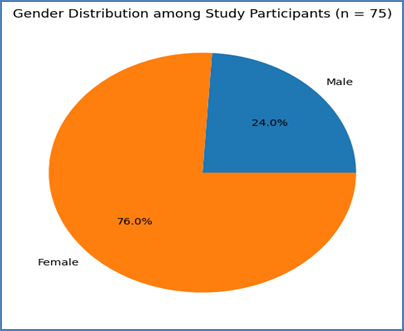
Figure 1: Gender Distribution among Study Participants (n = 75)
Females constituted the majority of the study population, accounting for 76.0% of cases, while males represented only 24.0%. The female predominance observed in the present study is consistent with the known epidemiological pattern of hypothyroidism, which is more common among women due to autoimmune and hormonal influences.
Table 2: Distribution of Voice-Related Symptoms in Hypothyroid Patients (n = 75)
|
Voice Symptom |
Number of Patients (n) |
Percentage (%) |
|
Hoarseness of voice |
56 |
74.7 |
|
Vocal fatigue |
42 |
56.0 |
|
Low-pitched voice |
38 |
50.7 |
|
Breathiness |
24 |
32.0 |
|
Throat discomfort |
29 |
38.7 |
|
Globus sensation |
21 |
28.0 |
|
Reduced voice intensity |
33 |
44.0 |
Hoarseness of voice was the most common presenting symptom observed in 74.7% of patients, followed by vocal fatigue in 56.0% and low-pitched voice in 50.7% of cases. Reduced voice intensity and throat discomfort were also commonly reported symptoms. Breathiness and globus sensation were present in 32.0% and 28.0% of patients respectively. The findings suggest that hypothyroidism can produce a broad spectrum of vocal complaints due to structural and functional alterations in the vocal folds. The predominance of hoarseness and vocal fatigue observed in this study correlates well with previous literature describing dysphonia as a common manifestation of thyroid hormone deficiency.
Table 3: Laryngoscopic Findings among Hypothyroid Patients (n = 75)
|
Laryngoscopic Finding |
Number of Patients (n) |
Percentage (%) |
|
Vocal cord edema |
39 |
52.0 |
|
Thickened vocal folds |
31 |
41.3 |
|
Congestion of vocal cords |
27 |
36.0 |
|
Incomplete glottic closure |
18 |
24.0 |
|
Sluggish vocal cord mobility |
14 |
18.7 |
|
Normal laryngoscopic findings |
16 |
21.3 |
Vocal cord edema was the most frequently observed laryngoscopic abnormality, seen in 52.0% of patients, followed by thickened vocal folds in 41.3% and congestion of vocal cords in 36.0% of cases. Incomplete glottic closure and sluggish vocal cord mobility were observed in a smaller proportion of patients. Normal laryngoscopic findings were noted in 21.3% of individuals despite the presence of voice symptoms. These findings indicate that hypothyroidism produces characteristic laryngeal changes due to mucopolysaccharide deposition and edema within the vocal folds. Similar laryngoscopic abnormalities have been documented in earlier studies evaluating endocrine-related voice disorders.
Table 4: Correlation between Duration of Hypothyroidism and Presence of Voice Changes (n = 75)
|
Duration of Hypothyroidism |
Patients with Voice Changes n (%) |
Patients without Voice Changes n (%) |
Total |
p-value |
|
< 1 year |
10 (58.8%) |
7 (41.2%) |
17 |
|
|
1–3 years |
24 (80.0%) |
6 (20.0%) |
30 |
|
|
> 3 years |
25 (89.3%) |
3 (10.7%) |
28 |
|
|
Total |
59 (78.7%) |
16 (21.3%) |
75 |
0.018* |
*Statistically significant (p < 0.05)
The prevalence of voice changes increased progressively with longer duration of hypothyroidism. Patients with disease duration greater than 3 years demonstrated the highest frequency of voice changes (89.3%), whereas patients with disease duration less than 1 year showed comparatively lower prevalence (58.8%). Statistical analysis revealed a significant association between duration of hypothyroidism and occurrence of voice changes (p = 0.018). These findings suggest that prolonged thyroid hormone deficiency may lead to progressive laryngeal tissue involvement and worsening vocal dysfunction. The results are in accordance with earlier studies which reported increased severity of dysphonia with chronic untreated hypothyroidism.
Table 5: Correlation between Elevated TSH Levels and Vocal Cord Edema (n = 75)
|
TSH Level |
Vocal Cord Edema Present n (%) |
Vocal Cord Edema Absent n (%) |
Total |
p-value |
|
Mild elevation |
11 (36.7%) |
19 (63.3%) |
30 |
|
|
Moderate elevation |
15 (57.7%) |
11 (42.3%) |
26 |
|
|
Severe elevation |
13 (68.4%) |
6 (31.6%) |
19 |
|
|
Total |
39 (52.0%) |
36 (48.0%) |
75 |
0.021* |
*Statistically significant (p < 0.05)
The occurrence of vocal cord edema increased with rising TSH levels. Vocal cord edema was present in 36.7% of patients with mild TSH elevation, 57.7% of patients with moderate elevation, and 68.4% of patients with severe TSH elevation. The association between elevated TSH levels and vocal cord edema was found to be statistically significant (p = 0.021). These findings indicate that the severity of hypothyroidism may directly influence the degree of laryngeal edema and structural vocal fold changes. Similar correlations between biochemical thyroid dysfunction and laryngeal abnormalities have been reported in previous clinical studies.
Table 6: Correlation between Hoarseness of Voice and Laryngoscopic Findings (n = 75)
|
Laryngoscopic Finding |
Patients with Hoarseness n (%) |
Patients without Hoarseness n (%) |
Total |
p-value |
|
Vocal cord edema |
34 (87.2%) |
5 (12.8%) |
39 |
|
|
Thickened vocal folds |
26 (83.9%) |
5 (16.1%) |
31 |
|
|
Normal findings |
5 (31.3%) |
11 (68.7%) |
16 |
|
|
Total |
56 (74.7%) |
19 (25.3%) |
75 |
0.001* |
*Statistically significant (p < 0.05)
Among patients with vocal cord edema, 87.2% presented with hoarseness of voice, while 83.9% of patients with thickened vocal folds also reported hoarseness. In contrast, only 31.3% of patients with normal laryngoscopic findings complained of hoarseness. Statistical analysis demonstrated a highly significant association between hoarseness and abnormal laryngoscopic findings (p = 0.001). The results suggest that structural laryngeal abnormalities play an important role in the development of dysphonia in hypothyroid patients. These findings are comparable to earlier studies which identified vocal cord edema and thickening as major contributors to hoarseness in hypothyroidism.
DISCUSSION:
Hypothyroidism is a common endocrine disorder known to affect multiple organ systems, including the larynx and phonatory apparatus. Thyroid hormone deficiency results in metabolic slowing, interstitial accumulation of mucopolysaccharides, tissue edema, and neuromuscular dysfunction, all of which contribute to alterations in voice quality. The present study was conducted to evaluate the clinical profile of voice changes in hypothyroid patients and to correlate these symptoms with laryngoscopic findings. A total of 75 patients diagnosed with hypothyroidism were evaluated clinically and by laryngoscopic examination.
In the present study, the majority of patients belonged to the 41–50 years age group (32.0%), followed by the 31–40 years age group (24.0%). These findings are consistent with the known epidemiological distribution of hypothyroidism, which commonly affects middle-aged individuals. Similar observations were reported by Junuzović-Žunić et al. (4) and Çuhadaroğlu et al. (11), who noted higher prevalence of voice disorders among middle-aged patients with thyroid dysfunction. The increased frequency of hypothyroidism in this age group may be attributed to autoimmune thyroid disease and hormonal alterations occurring during middle age. Female predominance was observed in the current study, with females constituting 76.0% of cases. This finding correlates with earlier studies demonstrating higher incidence of hypothyroidism among women due to autoimmune predisposition and hormonal influences (1,2,12).
Hoarseness of voice was the most common symptom observed in the present study, affecting 74.7% of patients, followed by vocal fatigue (56.0%), low-pitched voice (50.7%), and reduced voice intensity (44.0%). These findings are comparable to the observations of Stogowska et al. (1), who reported that voice disturbances are common manifestations in endocrine disorders, particularly hypothyroidism. Similarly, Birkent et al. (5), Hamdan et al. (12), and Alghonaim et al. (13) demonstrated that patients with hypothyroidism frequently present with hoarseness, reduced pitch range, and vocal fatigue due to edema and thickening of the vocal folds. The low-pitched voice observed in the present study may be explained by increased vocal fold mass secondary to mucopolysaccharide deposition and fluid retention within the lamina propria.
The pathophysiological basis of voice changes in hypothyroidism has been extensively described in recent literature. Thyroid hormone deficiency leads to deposition of glycosaminoglycans within laryngeal tissues, resulting in edema, thickening, and altered elasticity of the vocal folds. Respiratory muscle weakness and impaired neuromuscular coordination further contribute to phonatory dysfunction. Iravani et al. (3) demonstrated histopathological evidence of laryngeal tissue alterations in hypothyroid experimental models, supporting the biological mechanism behind dysphonia in these patients. Afsah et al. (2) and Nacci et al. (15) also highlighted the direct hormonal influence on vocal fold physiology and emphasized that even mild hormonal disturbances may produce clinically significant voice abnormalities.
Laryngoscopic evaluation in the present study revealed vocal cord edema in 52.0% of patients, making it the most common laryngeal abnormality observed. Thickened vocal folds and congestion of vocal cords were observed in 41.3% and 36.0% of patients respectively. These findings are in agreement with earlier studies that identified vocal fold edema and thickening as characteristic laryngeal manifestations of hypothyroidism (3,6,13,14). Kravos and Hočevar-Boltežar (6) emphasized that thyroid dysfunction may significantly contribute to vocal fold diseases and recommended detailed laryngeal evaluation in hypothyroid patients presenting with dysphonia. Abdel-Aziz et al. (14) and Karakoç et al. (17) also reported significant videolaryngoscopic abnormalities among patients with endocrine-related dysphonia. In the present study, 21.3% of patients had normal laryngoscopic findings despite having voice symptoms, suggesting that functional or early biochemical changes may precede overt structural abnormalities.
The present study demonstrated a statistically significant association between duration of hypothyroidism and presence of voice changes (p = 0.018). Patients with disease duration greater than three years showed the highest prevalence of dysphonia. These findings suggest that chronic untreated or poorly controlled hypothyroidism may lead to progressive laryngeal involvement and worsening vocal dysfunction. Similar observations were reported by Birkent et al. (5), Kamel et al. (16), and Sharma et al. (18), who found improvement in vocal symptoms following thyroid hormone replacement therapy, indicating that prolonged hormonal deficiency contributes to progressive phonatory impairment.
A significant association was also observed between elevated TSH levels and vocal cord edema (p = 0.021) in the present study. Patients with severe TSH elevation demonstrated higher frequency of vocal fold edema compared to those with mild elevation. This finding supports the hypothesis that severity of biochemical hypothyroidism correlates with degree of laryngeal involvement. Earlier studies have similarly demonstrated that worsening thyroid dysfunction is associated with increasing vocal abnormalities and laryngeal edema (1,2,11,13). The current findings further reinforce the importance of biochemical evaluation in patients presenting with unexplained dysphonia.
The present study also demonstrated a highly significant association between hoarseness of voice and abnormal laryngoscopic findings (p = 0.001). Vocal cord edema and thickened vocal folds were strongly associated with hoarseness, indicating that structural laryngeal changes play a major role in development of dysphonia in hypothyroid patients. Similar conclusions were drawn by Pace-Asciak et al. (8), Mihai et al. (7), and Karakoç et al. (17), who emphasized the importance of detailed laryngeal assessment in thyroid-related voice disorders. Babu et al. (9) also highlighted the significance of laryngeal evaluation in patients with thyroid dysfunction and associated voice changes.
The present study highlights the importance of early recognition of voice changes in hypothyroidism. Since dysphonia may occasionally represent an early manifestation of thyroid dysfunction, clinicians should maintain a high index of suspicion in patients presenting with unexplained hoarseness or vocal fatigue.
Flexible laryngoscopy serves as a valuable diagnostic tool for identifying subtle laryngeal abnormalities and correlating them with clinical symptoms and thyroid status. Early diagnosis and initiation of thyroid hormone replacement therapy may improve vocal symptoms and prevent long-term laryngeal complications. Gupta and Hosn (10) emphasized that accurate laryngeal evaluation is essential in differentiating endocrine-related dysphonia from inflammatory laryngeal disorders.
CONCLUSION:
The present study demonstrated that voice changes are common manifestations in patients with hypothyroidism, with hoarseness of voice being the most frequent presenting symptom. Vocal cord edema and thickened vocal folds were the predominant laryngoscopic findings observed. Significant associations were identified between duration of hypothyroidism, elevated TSH levels, and severity of laryngeal abnormalities. The study highlights the importance of detailed clinical and laryngoscopic evaluation in hypothyroid patients presenting with dysphonia. Early diagnosis and appropriate thyroid hormone replacement therapy may help reverse many of these voice changes and improve patient quality of life.
REFERENCES:
1. Stogowska E, Lorusso P, De Virgilio A, et al. Voice changes in reproductive disorders, thyroid disorders and type 2 diabetes mellitus. J Clin Med. 2022;11(6):1540.
2. Afsah O, Hassan S, Elshafei M. Effects of hormonal changes on the human voice: a review. Egypt J Otolaryngol. 2024;40:78.
3. Iravani K, Faramarzi A, Mohammadpour AH, et al. Histopathological characteristics of larynx in hypothyroidism in experimental models. Iran J Otorhinolaryngol. 2022;34(124):263-270.
4. Junuzović-Žunić L, Ibrahimagić A, Altumbabić H, et al. Voice characteristics in patients with thyroid disorders. Acta Inform Med. 2021;29(2):118-123.
5. Birkent H, Karahatay S, Akcam T, et al. Voice changes in hypothyroid patients before and after thyroid hormone replacement therapy. J Voice. 2021;35(5):810.e1-810.e6.
6. Kravos A, Hočevar-Boltežar I. Does thyroid dysfunction have a role in the etiology of vocal fold diseases? J Voice. 2025;39(1):102-108.
7. Mihai R, Randolph G, Dionigi G, et al. Voice and swallowing symptoms after thyroid surgery: current perspectives. Front Endocrinol. 2023;14:1183421.
8. Pace-Asciak P, Zeitouni A, Kost K. Improving voice outcomes after thyroid surgery and laryngeal nerve injury. Curr Opin Otolaryngol Head Neck Surg. 2022;30(6):465-472.
9. Babu RD, Chakravarthy C, Suresh TN, et al. Laryngeal nerves and voice change in thyroid surgery. Indian J Otolaryngol Head Neck Surg. 2021;73(Suppl 1):75-81.
10. Gupta G, Hosn OA. Acute laryngitis. In: StatPearls. Treasure Island (FL): StatPearls Publishing; 2022.
11. Çuhadaroğlu Ç, Özdemir S, Tutar H, et al. Evaluation of voice quality in patients with primary hypothyroidism using acoustic voice analysis. J Voice. 2021;35(6):928.e1-928.e7. doi:10.1016/j.jvoice.2020.02.010.
12. Hamdan AL, Mahfoud L, Sibai A, et al. The effect of thyroid hormone disorders on voice acoustic parameters. Eur Arch Otorhinolaryngol. 2021;278(8):2897-2903. doi:10.1007/s00405-020-06452-1.
13. Alghonaim Y, Algarni M, Alqahtani A, et al. Laryngeal manifestations and voice analysis in hypothyroid patients. Otolaryngol Pol. 2022;76(4):1-7. doi:10.5604/01.3001.0015.9267.
14. Abdel-Aziz M, El-Fattah AMA, Elhamshary A. Correlation between thyroid dysfunction and videolaryngoscopic findings in dysphonic patients. Egypt J Otolaryngol. 2022;38:122. doi:10.1186/s43163-022-00317-8.
15. Nacci A, Fattori B, Ursino F, et al. Voice disorders in endocrine diseases: current evidence and clinical implications. Healthcare (Basel). 2023;11(3):411. doi:10.3390/healthcare11030411.
16. Kamel R, Elsharkawy A, Elsherif H. Acoustic voice analysis before and after treatment in hypothyroid patients. J Otolaryngol Head Neck Surg. 2023;52(1):28. doi:10.1186/s40463-023-00631-4.
17. Karakoç Ö, Çelik Ö, Kaya İ, et al. Clinical significance of laryngoscopic findings in endocrine-related dysphonia. Eur Arch Otorhinolaryngol. 2024;281(2):845-852. doi:10.1007/s00405-023-08166-2.
18. Sharma R, Gupta N, Singh P, et al. Clinicolaryngoscopic correlation in patients with hypothyroidism presenting with dysphonia. Indian J Otolaryngol Head Neck Surg. 2024;76(Suppl 2):1456-1462. doi:10.1007/s12070-023-04001-5.