Learning from Hospital Fire Incident Reporting Using the Swiss Cheese Model: Evidence from a Tertiary Care Hospital in India
- Samina Mufti , Associate Professor, Department of Hospital Administration, Sher-i-Kashmir Institute of Medical Sciences (SKIMS), Srinagar, Jammu & Kashmir, India.
- Tuaiba Ali , Postgraduate Resident, Department of Obstetrics and Gynaecology, Lady Hardinge Medical College, New Delhi, India.
- Farooq A. Jan , Professor and Medical Superintendent, Sher-i-Kashmir Institute of Medical Sciences (SKIMS), Srinagar, Jammu & Kashmir, India.
- Irum Amin , Senior Resident, Department of Hospital Administration, Sher-i-Kashmir Institute of Medical Sciences (SKIMS), Srinagar, Jammu & Kashmir, India.
- Sahibzada Junaid Khurshid , senior Resident, Department of Hospital Administration, Sher-i-Kashmir Institute of Medical Sciences (SKIMS), Srinagar, Jammu & Kashmir, India.
Article Information:
Abstract:
Background: Fire incidents in hospitals often gain attention only when they escalate into major disasters. Systematic reporting and analysis of fire incidents, including minor events, can provide valuable insights into system failures and strengthen hospital fire safety mechanisms. Objectives: (i) To analyze selected hospital fire incidents using the Swiss Cheese Model; (ii) To examine all reported fire incidents over a six-year period in terms of frequency, causes, locations, timing, and response. Methods: A retrospective review of institutional fire incident records was conducted at a 1015-bedded tertiary care teaching hospital in India. Three critical incidents were selected for detailed case analysis using the Swiss Cheese Model. Descriptive statistics were applied to all reported incidents over six years. Results: Analysis identified key contributory factors such as human negligence, electrical causes, and gaps in detection systems. Findings informed targeted improvements in training, infrastructure, and emergency preparedness. Conclusions: Systematic fire incident reporting combined with structured analytical models supports organizational learning and enhances hospital fire safety.
Keywords:
Article :
INTRODUCTION:
Hospitals are complex environments accommodating patients who may be critically ill, physically dependent, or unable to evacuate independently. High occupancy levels and continuous operational activity increase vulnerability during emergencies such as fires. As a result, when a major fire breaks in a hospital it is a disaster as can be seen from many media reports or scholarly publications based on these reports.1,2,3,4. Although hospital fires are not uncommon, their consequences can be significantly reduced through effective planning, infrastructure design, and preparedness.
Regulatory authorities have established comprehensive fire safety guidelines for healthcare facilities in the developed world.5,6 In India, frameworks issued by the National Disaster Management Authority (NDMA), the National Building Code (NBC) 2016, and the National Accreditation Board for Hospitals (NABH) provide guidance from architectural design to routine operations.7,8,9 Ministry of Health and family welfare has also issued a guidance document for Indian hospitals.10 Despite these measures, fire incidents continue to occur even in well-resourced hospitals, indicating the presence of system-level vulnerabilities.11,12,13,14
Incident reporting systems are recognized as essential tools for identifying hazards and preventing recurrence.15 However, structured reporting of fire incidents in hospitals remains limited compared with reporting of clinical adverse events. The Swiss Cheese Model first proposed by James Reason offers a useful framework for examining how multiple system failures can align to result in an incident.16 In his book titled “Managing the risks of organizational Accidents” he wrote “Major accidents are rare events due to the many barriers, safeguards and defences developed by modern technologies. But they continue to happen with saddening regularity and their human and financial consequences are all too often unacceptably catastrophic. One of the greatest challenges we face is to develop more effective ways of both understanding and limiting their occurrence”. Douglas A. Wiegmann, et al in their review article discussed the Theory of Active and Latent Failures upon which the Swiss cheese model is based and explained its application for patient safety.17
Despite available guidelines and reports on catastrophic fires, literature describing systematic learning from minor and near-miss hospital fire incidents in low- and middle-income countries is scarce. This study applies the Swiss Cheese Model to hospital fire incidents to derive actionable lessons for improving fire safety. It also addresses the gap by analysing six years of fire incident data from a tertiary care hospital in India.
MATERIALS AND METHODS:
Study design and setting
A retrospective descriptive study was conducted at a 1015-bedded tertiary care teaching hospital in India.
Data sources and case selection
Fire incident reports maintained by the hospital were reviewed for a six-year period (2019–2024). Three major or critical incidents were selected for detailed case analysis based on severity and location.
Data analysis
All incidents were compiled in Microsoft Excel and analyzed using descriptive statistics, including frequencies, percentages, mean, and interquartile range.
Ethical considerations
The study involved retrospective review of institutional records without patient-identifiable information. Administrative approval was obtained, and formal ethical review was waived as per institutional policy.
RESULTS:
Case study analysis
Three fire incidents were analyzed using the Swiss Cheese Model to identify failures and defenses related to detection, human factors, infrastructure, and emergency response.
Case Study No. 1: Fire in duty room
Incident Command Centre of the hospital received a call from colorectal surgery ward, informing about smoke entering their ward during late evening. Hospital security officer who was taking a round of the premises with his team reached the spot within a minute. The blaze was visible through the window of a duty room located on the third floor of the inpatient block. The team could not enter the site due to the area being filled with dense smoke and heat. Fire station was called and fire tender arrived within five minutes. Sky lift of the fire tender was used to enter the room through the window. Smoke had entered the colorectal ward from the staff room where the fire started through a broken window pane, which called for horizontal evacuation of the patients. Fire was controlled by the fire tender connected to the hydrant system of the hospital by hose reels.
A heating appliance was found as the source of the fire. On duty staff had left their room for dinner after keeping the appliance ‘ON’. The room contained some combustible material and obsolete equipment worth condemnation. There was some old linen and bedding as well in the room which led to quick spread of the fire. The incident was reported on social and local media networks. A Swiss cheese model of the incident is depicted in figure 1.
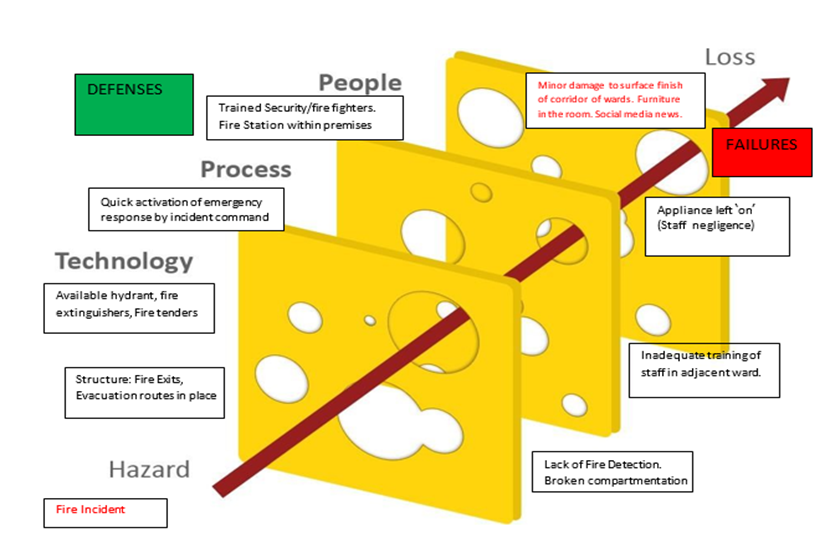
Figure 1: Swiss cheese model of case study No.1
Case Study No.2: Fire in IT Department
Around a year after the first incident a security attendant on duty noticed smoke and flame in the office space adjacent to the IT server room. He wasted no time, picked up a fire extinguisher and delivered the response. Other security staff joined the response and within few minutes the fire was suppressed. The apparent cause of the fire was overload on electric wires from the display board installed outside the office. Switch socket supplying the board & installed in LAN office had sparked & burned. Long curtains used for decor were touching the socket and had caught the flame and lead to quick spread of the fire.
Moreover on duty staff neither reported the fire, nor took part in the first response. Fortunately, the fire was suppressed within 2 minutes using dry powder and CO2 extinguishers. The room had a wood panel finish polished with a PU coat. Its adjacent compartments house IT servers of the hospital, running networking and backup systems of Hospital Information System.
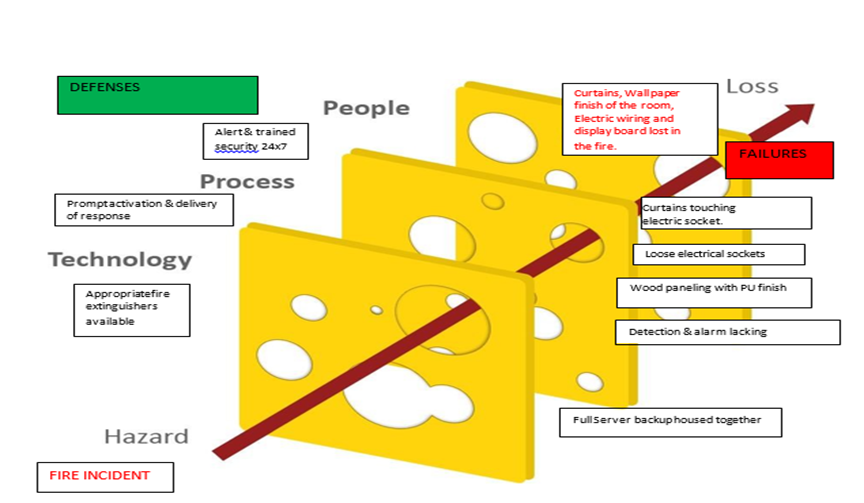
Figure 2: Swiss Cheese Model of case study No.2
Learnings from the incident:
Case Study No. 3: Fire in ICU corridor
On 17th August 2021, morning shift a student technician was preparing to shift a patient. She brought a medium sized oxygen cylinder from the utility room to the ICU and tried to check the regulator in the corridor. As she turned it on, a sudden fire broke out. The sanitation attendant on duty quickly brought the installed clean agent fire extinguisher and used it on the fire. The fire was quickly suppressed, and fortunately, no loss of life or property damage occurred.
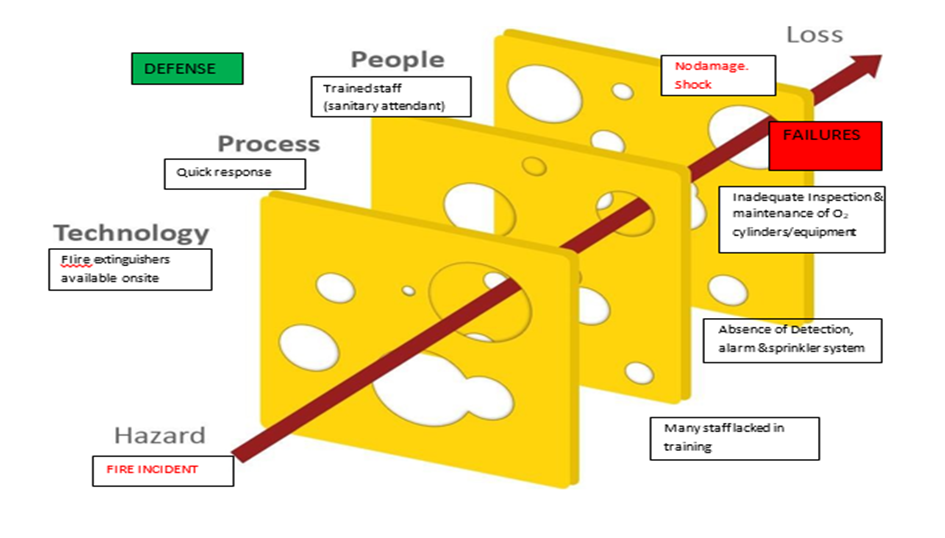
Figure3: Swiss Cheese model of case study No. 3
Analysis of fire incidents (2019–2024)
A total of 59 fire incidents were reported during the study period. All incidents were managed without loss of life or major damage to assets. Electrical causes and human negligence were the most common contributing factors. Security personnel delivered the first response in the majority of cases, with rapid response and extinguishing times. The following graphs/ tables depict the count, cause and trigger factor, site, timing, and response delivered in all the fire incidents that occurred during a time period of six years from the year 2019.
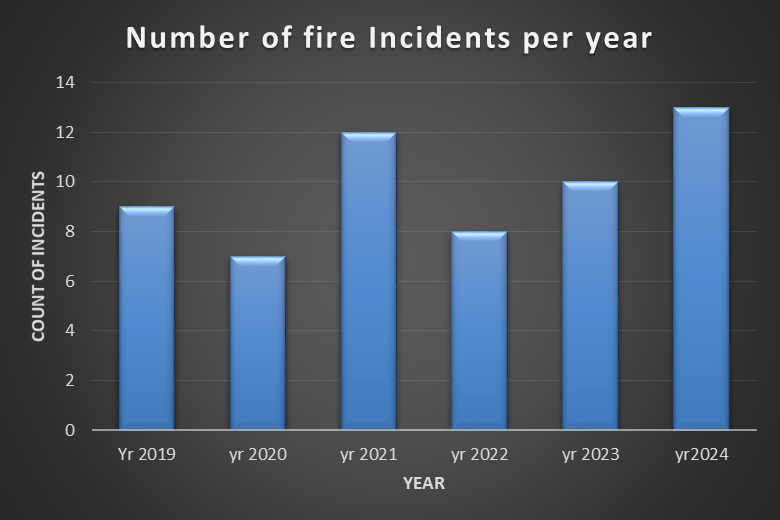
Fig 1: Showing number of fire incidents
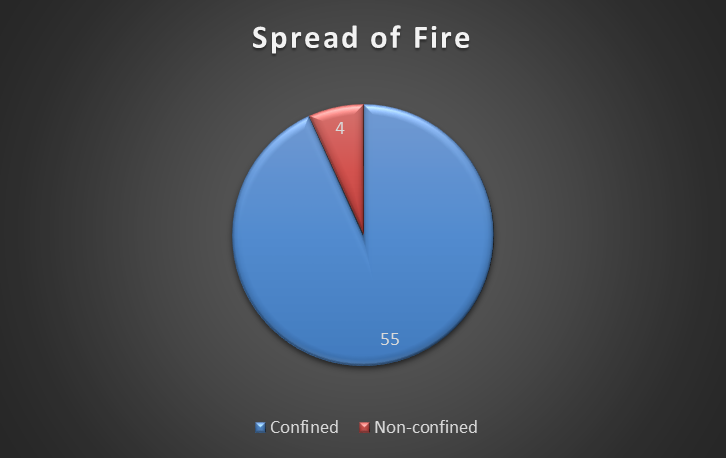
Fig 2: Showing spread of fire
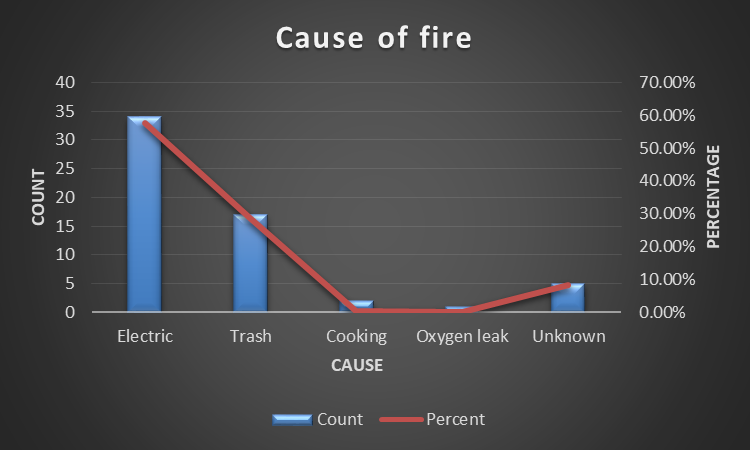
Fig 3: Cause of fire incident
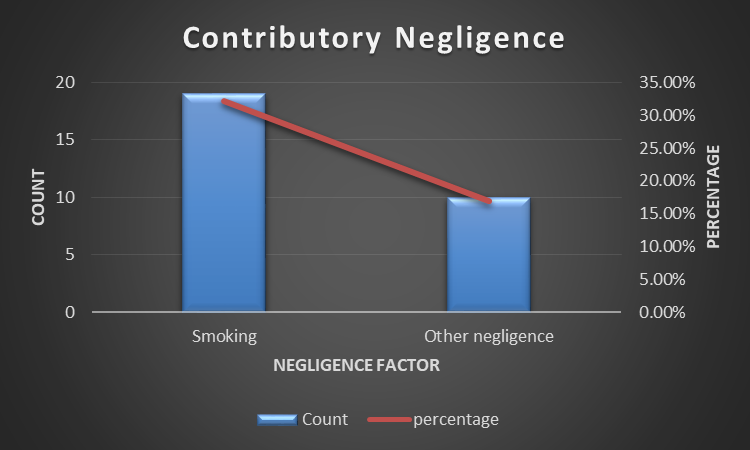
Fig 4: Contributory negligence towards fire incidents
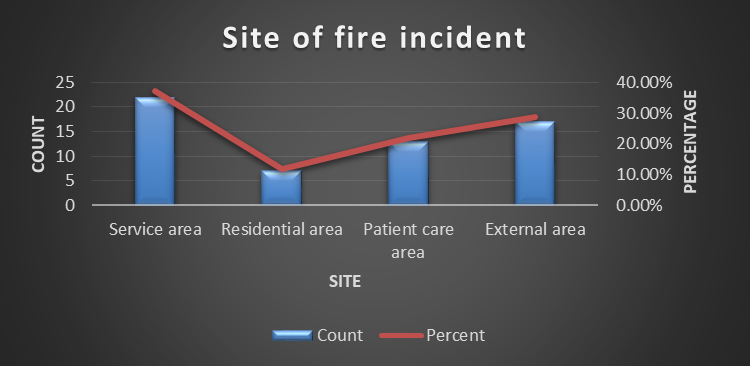
Fig 5: showing site of fire incident
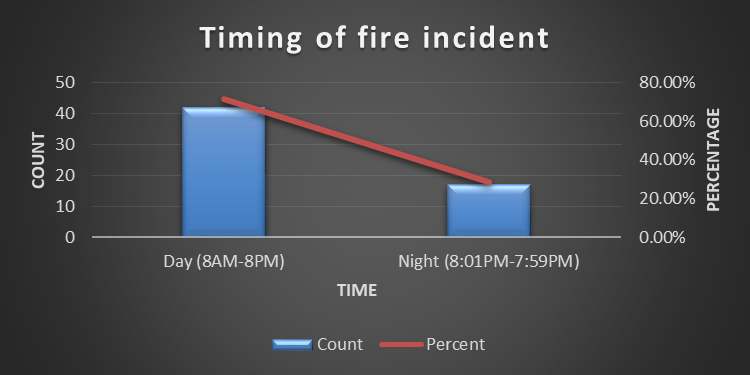
Fig 6: showing number of incidents by shift timing
FIRST RESPONSE TO FIRE :
Concerning the extinguishing medium used, the deliverer of the first response and time taken to extinguish the fire is shown below.
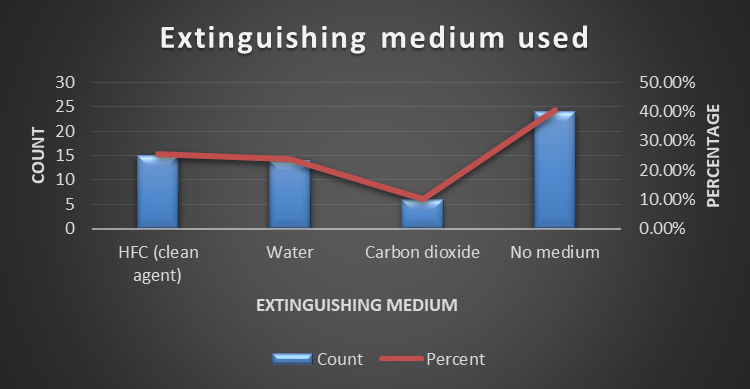
Fig 7: Type of extinguishing medium used.
Table1 : Time taken to extinguish the fire
|
Parameter |
Incident report to response time (minutes) |
Fire extinguishing time(minutes) |
|
Mean |
1.38min |
- |
|
Minimum |
0.5min |
2min |
|
Maximum |
5min |
30min |
|
IQR |
- |
6min |
First responders
Table 2: First response delivery:
|
First responders |
Count |
Percentage |
|
Staff on duty |
10 |
16.95%% |
|
Hospital security |
45 |
76.27%% |
|
Hospital security and Firemen |
4 |
6.78%% |
DISCUSSION:
This study demonstrates the value of systematic fire incident reporting in identifying hazards and strengthening organisational defences. Hospital fires are not infrequent, but only catastrophic hospital fires get highlighted by the media.18,19 Scroll.in sought response through an RTI, and one reputed hospital, which has a reporting system in place, reported 389 incidents in 6 years.20
The application of the Swiss Cheese Model facilitated the identification of defences, active failures and latent system weaknesses. The slices of Cheese represent the organisational barriers that may prevent the hazard (fire incident) from changing into a potential disaster and causing damage to lives and assets in the hospital. These were:
• Structural safety: including the availability of properly designed fire escapes and exits (one staircase and one properly graded ramp) at two opposite ends of each ward, compartmentation in building design, hydrant system with a compliant water reservoir.
• Ready availability of fire suppression equipment, including compatible fire extinguishers and hydrants throughout the hospital.
• Operational safety: An evacuation plan is part of the disaster manual, issued and shared with hospital staff. As a result, horizontal evacuation was successfully carried out in the first case study.
• Trained firefighting security personnel distributed throughout all shifts.
• Quick activation of response by the incident command centre.
While robust emergency response systems mitigated adverse outcomes, holes in the cheese such as, gaps in staff training, detection systems, and compliance with safety practices were evident. Accumulation of unusable stuff, warranting condemnation, was observed. A breach in compartmentation (an engineering hazard) had allowed smoke to spread in an adjoining patient care ward.
Learnings from the Swiss cheese model of case studies
Infrastructural aspects
• Procurement of missing firefighting apparatus, like fire suits & breathing apparatus, was expedited and made available for security/firemen to enter into smoke-filled& hot areas for rescue.
• A new fire alarm and detection system was initiated as a project, as the old one had become defunct.
• Administration decided to use only low-flame-spread material for surfaces like ceramic tiling or concrete walls with fire-retardant paint. Combustible furnishings like fabric curtains were removed and are not to be used in future.
• A decision on backup IT server installation at a separate, distant location was also taken by the management.
• Revised estimation of electric load and upgradation of electric systems to match the increase in load.
• Operational aspects:
• Standard operating procedures regarding the condemnation of unusable and obsolete equipment and supplies were updated and circulated among all staff.
• Awareness and training on escape routes, exits and evacuation protocols under different simulation scenarios were scheduled more frequently. All staff cadres were included. Similar learning has been drawn from a case study in Thailand.21
• Fire response drills on RACE (Rescue, Alarm, Confine and Extinguish/Evacuate) and PASS (Pull, Aim, Squeeze and Sweep) were also a part of training.
• Electric maintenance of loose wires, sockets and plugs was undertaken.
• Inspection of all oxygen equipment was held, and the maintenance schedule was strictly adhered to.
Description of the fire incidents revealed that findings are consistent with previous reports highlighting electrical causes as major contributors to hospital fires in India. Sahu et al, performed a systematic review of newspaper articles narrating fire incidents in hospitals during COVID crisis. They found electrical causes like short circuits in wiring systems, air conditioners, warmers, generators, meter boxes, fans, etc., as the most common causes of electric fires.22 In a root cause analysis Choudhary et al, found that the majority of fires in Indian hospitals had an electrical cause in the oxygen-enriched environment of ICUs and operating rooms.23 Juyal et al and Parthala also found electrical faults as the cause of fire in 75% and 85% of hospital fires, respectively.3,4 Our study comparatively found a smaller percentage (58%) of fire incidents due to electrical causes, the difference, likely due to centralized HVAC system in place and negligible use of Air conditioners.
Out of fifty-nine reported fire incidents, nineteen (32.20%) cases were due to cigarette smoking. People found ways of sneaking cigarettes inside the hospital, smoking in washrooms and negligently throwing cigarette butts into trash bins. These incidents also raise a concern of violation of ‘The Cigarettes and Other Tobacco Products (Prohibition of Advertisement and Regulation of Trade and Commerce, Production, Supply and Distribution) Act, 2003’ (COTPA).24 Hospital authorities need to act strictly on the implementation of COTPA rules. Other kinds of negligence, such as leaving an equipment or appliance in the ON position after leaving the room was found in ten (16.95%) cases. Thus, human negligence was found in approximately half of the reported fire incidents. An indirect negligence due to likely inadequate maintenance of the electric infrastructure was also observed, as some electric fires occurred due to overheating of electric cables and panels in substations. It implied that the hospital authorities needed to augment and maintain their electric systems to match the increasing workload.
Temporal patterns in the current study indicated a higher incidence (71%) during peak operational hours, whereas in Sahu’s study majority (65%) of incidents occurred during night hours. This difference may be because Sahu’s study focused on the COVID-19 crisis, when routine operations were minimal, while ICU load of ventilators, ACs, etc., was higher around the clock.
Fire accidents in patient care areas are of particular concern due to patient dependency and limited mobility, especially when such incidents occur in ICUs. Hospital fires in which deaths have been reported have mostly occurred in the ICUs.19, 25 In our study, no deaths have ever happened due to a fire incident, although two of the 59 incidents occurred in the ICUs, where a quick first response prevented a catastrophe. 28% fires occurred in service areas among which two incidents happened due to welding as part of engineering maintenance work. This underscores the importance of safety measures during maintenance and repair works. Residential fires were the least (7%), but mainly due to negligence for example, leaving a heating appliance ON when not inside.
Trained security staff on duty delivered the first response in the majority of fires with appropriate fire extinguishers, which were readily available. In only three incidents of fire, response was delivered by on duty staff, which implied that awareness and training among staff other than security personnel was poor. Holla et al also found poor knowledge among health staff, working in one hospital, regarding use of fire extinguishers.26 No extinguisher was used in 40.68% of fire incidents, which were merely a spark or burning of a miniature circuit breaker. Fire and Emergency Services stationed within the premises intervened in controlling four non-confined fires.
The Swiss Cheese model and analysis of all reported fire incidents thus provided the hospital with valuable learning about gaps in fire safety practices at infrastructural and operational levels.
Limitations
The study was conducted at a single institution, which may limit generalizability. Minor incidents may still be subject to underreporting despite an established reporting system.
CONCLUSION:
Systematic reporting and analysis of hospital fire incidents enable identification of vulnerabilities and guide targeted improvements in fire safety. Integrating fire incident reporting into routine patient safety practices can contribute significantly to safer hospital environments.
REFERENCES:
1. Pan American Health Organization. Hospitals don’t burn! Hospital fire prevention and evacuation. Washington DC: PAHO; 2014.
2. Fire in Safdarjung ICU ward, 50 patients shifted. Times of India. [ Feb; 2025 ]. 2021. https://timesofindia.indiatimes.com/city/delhi/fire-in-safdarjung-icu-ward-50-patients-shifted/articleshow/81792366.cms https://timesofindia.indiatimes.com/city/delhi/fire-in-safdarjung-icu-ward-50-patients-shifted/articleshow/81792366.cms
3. Juyal S, Tabassum-Abbasi, Abbasi T. An analysis of failures leading to fire accidents in hospitals, with specific reference to India. J Fail Anal Prev. 2023;23:1344–1355. https://doi.org/10.1007/ s11668-023-01668-x
4. Patharla S, Pyreddy S, Panthagani S. A study on reported fire incidents in major hospitals of India. Int J Community Med Public Health. 2020;7:3896–3901. https://doi.org/ 10.18203/2394-6040.ijcmph20204351
5. National Fire Protection Association. The list of 300+ codes and standards. NFPA; 2023.
6. NHS England. Health Technical Memorandum 05-01: Managing healthcare fire safety. London: NHS; 2016.
7. National Disaster Management Authority. National disaster management guidelines: Fire safety in hospitals. New Delhi: NDMA; 2016.
8. Bureau of Indian Standards. National Building Code of India 2016, Part 4: Fire and life safety. New Delhi: BIS; 2016.
9. National Accreditation Board for Hospitals and Healthcare Providers. Fire safety checklist. New Delhi: NABH; 2020.
10. GUIDELINES OF FIRE AND LIFE SAFETV IN HEALTHCARE FACILITIES. Ministry of Health and Family Welfare. Government of India. 3269494/2023/HOSPITAL-I
11. Times of India. Fire breaks out at teaching block of AIIMS-Delhi, doused. Jan 4, 2024.
12. The New Indian Express. Fire breaks out in Nehru block of PGIMER-Chandigarh; patients evacuated. Oct 10, 2023.
13. Leach C. Fire at UK Good Samaritan Hospital results in evacuation and transfer of critical patients.
14. Lexington Herald-Leader. Jan 13, 2024.
15. Achenimie B. Four killed in Germany hospital fire incident. New Telegraph. Jan 5, 2024.
16. World Health Organization. Patient safety incident reporting and learning systems: Technical report and guidance. Geneva: WHO; 2020.
17. Reason J. Managing the risks of organizational accidents. Aldershot: Ashgate; 1997.
18. Wiegmann DA, Wood LJ, Cohen TN, Shappell SA. Understanding the Swiss Cheese Model and its application to patient safety. J Patient Saf. 2022;18(2):119–123. https://doi.org/10.1097/PTS. 0000000000000810
19. Baghdad Hospital Fire Kills at Least 82, Many of Them Coronavirus Patients - The New York Times
20. Hospital fire kills at least six patients in India's Jaipur, officials say. By Reuters October 6, 202511:19 AM GMT+5:30Updated October 6, 2025
21. Barnagarwala T. Why Indian hospitals turn into raging infernos. Scroll.in. 2021.
22. Pitanukroh, P., Siripakarn, Y. & Tienpratarn, W. Hospital fire evacuation and emergency response: a case study from the university-affiliated tertiary hospital in Thailand. J. Emerg. Disaster Med. 1, 3 (2025). https://doi.org/10.1007/s44467-025-00002-9.
23. Sahu SA, Mishra JK, Valsalan A, Rahmi JJ, Saha A. Hospital Fire Incidents: Challenges and Solutions in a Developing Nation. Cureus. 2025 Mar 14;17(3):e80594. doi: 10.7759/cureus.80594. PMID: 40230747; PMCID: PMC11994838.
24. Choudhury K. Fires in Indian hospitals: root cause analysis and recommendations for prevention. J Clin Anesth. 2014;26(5):414–424.
25. MINISTRY OF HEALTH AND FAMILY WELFARE (Department of Health and Family Welfare) NOTIFICATION New Delhi, the 30th May, 2008 Prohibition of Smoking in Public Places Rules, 2008. Rule 4, subrule 3. https://www.indiacode.nic.in/bitstream/123456789/2053/3/A2003-34.pdf
26. Jhansi hospital fire: 10 newborn babies killed, over 35 rescued; CM Yogi orders probe. What happened? | Key updates by HT news Desk. Hindustan Times
27. Holla R, Darshan B, Unnikrishnan B, Thapar R, Mithra P, Kumar N, et al. Fire safety measures: Awareness and perception of healthcare professionals in coastal Karnataka. Indian J Occup Environ Med. 2016;20:246–249.