KNOWLEDGE AND PRACTICE REGARDING BIOMEDICAL WASTE MANAGEMENT AMONG HEALTHCARE WORKERS.
- Mareeswaran Nagendran , Assistant Professor, Department of Community Medicine, Mamata Medical College, Khammam, Telangana.
Article Information:
Abstract:
Introduction: Biomedical waste management is an important component of infection control and environmental safety in healthcare institutions. Improper handling and disposal of biomedical waste can lead to serious health hazards among healthcare workers and the community. Assessment of knowledge and practices among healthcare workers is essential for effective biomedical waste management. Aim of the study was to assess the knowledge and practice regarding biomedical waste management among healthcare workers at Mamata Medical College. Materials and Methods: A hospital-based cross-sectional observational study was conducted in the Department of Community Medicine, Mamata Medical College, among 100 healthcare workers including doctors, nurses, laboratory technicians, and sanitary workers. Data were collected using a predesigned and pretested semi-structured questionnaire. Information regarding knowledge and practices related to biomedical waste management was assessed and analyzed using descriptive statistics. Results: The mean knowledge score among healthcare workers was 15.8 ± 3.1, while the mean practice score was 11.9 ± 2.7. Adequate knowledge regarding biomedical waste management rules was observed in 84% of participants, and 78% had knowledge regarding color coding of waste segregation. Proper biomedical waste management practices were observed in 64% of healthcare workers. Participants who received prior training demonstrated significantly better practice scores compared to untrained workers (p = 0.002). Conclusion: Healthcare workers demonstrated satisfactory knowledge regarding biomedical waste management; however, gaps in practical implementation still existed. Regular training programs and strict monitoring are necessary to improve biomedical waste management practices in healthcare institutions.
Keywords:
Article :
INTRODUCTION:
Biomedical waste (BMW) refers to any waste generated during the diagnosis, treatment, immunization, or research activities related to human beings or animals. Healthcare institutions generate a large quantity of infectious and hazardous waste every day, including sharps, pathological waste, pharmaceutical waste, contaminated plastics, chemical substances, and radioactive materials. Improper segregation, handling, transportation, treatment, and disposal of biomedical waste can lead to serious health hazards for healthcare workers, patients, the community, and the environment. Healthcare workers are particularly vulnerable to infections such as hepatitis B, hepatitis C, HIV/AIDS, and other hospital-acquired infections due to accidental exposure to contaminated waste. In addition, improper biomedical waste management contributes to environmental pollution through soil contamination, air pollution due to incineration, and contamination of water resources. Therefore, effective biomedical waste management has become an essential component of infection control practices and hospital safety protocols worldwide. Recent amendments in biomedical waste management rules and the increased generation of infectious waste during the COVID-19 pandemic have further emphasized the importance of proper waste management practices among healthcare workers.[1,2]
The World Health Organization has estimated that nearly 85% of healthcare waste is non-hazardous, whereas the remaining 15% is considered infectious or hazardous and requires specialized handling and disposal. In developing countries, the problem becomes more significant because of inadequate infrastructure, lack of training, poor awareness, insufficient monitoring, and non-compliance with standard guidelines. Healthcare workers including doctors, nurses, laboratory technicians, sanitary workers, and housekeeping staff play a critical role in the implementation of biomedical waste management protocols. Adequate knowledge regarding color coding, segregation methods, disposal techniques, and personal protective measures is essential for minimizing occupational hazards and ensuring safe waste disposal practices.[3,4]
Several studies conducted in recent years have evaluated the knowledge and practices of biomedical waste management among healthcare workers. Basavaraj et al. observed that although healthcare workers had basic awareness regarding biomedical waste management, gaps existed in practical implementation and adherence to standard protocols.[5] Dalui et al. reported that the COVID-19 pandemic significantly increased biomedical waste generation, thereby increasing the need for proper knowledge and safe handling practices among healthcare workers.[6] Letho et al. demonstrated that inadequate training and poor compliance with waste segregation guidelines were major barriers to effective biomedical waste management in healthcare settings.[3] Similarly, Shekoohiyan et al. found that although healthcare personnel possessed acceptable theoretical knowledge, deficiencies in practice and attitude toward biomedical waste handling persisted.[7]
Recent studies have also highlighted the association between training programs and improved biomedical waste management practices. Ara et al. reported that multimodal educational interventions and continuous monitoring significantly improved waste segregation and disposal practices among healthcare workers.[8] Bizuneh et al. found that healthcare workers had moderate knowledge and positive attitudes toward biomedical waste management, but practical compliance remained poor due to lack of institutional support and inadequate supervision.[4] Alahmari et al. identified lack of training as one of the major contributors to insufficient biomedical waste management knowledge among healthcare professionals.[9] Studies among nurses and laboratory personnel also revealed that demographic factors such as work experience, education level, and prior training significantly influenced knowledge and practice regarding biomedical waste management.[10]
Despite several studies conducted globally and nationally, significant research gaps still exist. Most previous studies have focused either on knowledge or practice alone and were conducted during the COVID-19 pandemic under extraordinary healthcare conditions. Many studies were limited to specific groups such as nurses, laboratory staff, or operation room personnel, without including all categories of healthcare workers. Furthermore, there remains inadequate evidence regarding the correlation between knowledge and actual practice in routine hospital settings, especially in tertiary care hospitals of developing regions. In many institutions, biomedical waste management guidelines are available, but implementation and compliance remain inconsistent. Continuous assessment of healthcare workers’ knowledge and practices is therefore essential to identify deficiencies, improve training strategies, and strengthen infection control measures. Hence, the present study was undertaken to assess the knowledge and practice regarding biomedical waste management among healthcare workers, with the aim of identifying existing gaps and promoting safer waste management practices within healthcare institutions.
MATERIALS AND METHODS:
Study Design
The present study was designed as a hospital-based cross-sectional observational study conducted to assess the knowledge and practice regarding biomedical waste management among healthcare workers. The study was conducted in the Department of Community Medicine, Mamata Medical College, a tertiary care teaching hospital catering to both urban and rural populations.
Study Population
The study population included healthcare workers working in Mamata Medical College and associated teaching hospital, including doctors, nurses, laboratory technicians, sanitary workers, and housekeeping staff who were directly or indirectly involved in handling biomedical waste.
A total of 100 healthcare workers were included in the study. A convenient sampling method was used to recruit eligible healthcare workers who fulfilled the inclusion criteria during the study period.
Inclusion Criteria
The following healthcare workers were included in the study:
• Doctors working in various departments of the hospital
• Nursing staff involved in patient care
• Laboratory technicians handling biomedical samples
• Sanitary workers and housekeeping staff involved in waste handling
• Healthcare workers willing to participate in the study
• Healthcare workers working in the institution for a minimum period of 6 months
Exclusion Criteria
The following participants were excluded from the study:
• Healthcare workers not willing to participate
• Interns and students undergoing temporary postings
• Healthcare workers who were absent during the data collection period
• Administrative staff not involved in biomedical waste handling
• Healthcare workers with less than 6 months of work experience in the institution
Study Tool
Data were collected using a predesigned, pretested, semi-structured questionnaire prepared based on Biomedical Waste Management Rules and standard guidelines.
The questionnaire consisted of the following sections:
• Socio-demographic details of healthcare workers
• Knowledge regarding biomedical waste management
• Awareness about color coding and waste segregation
• Knowledge regarding disposal methods and infection hazards
• Practice-related questions regarding handling and disposal of biomedical waste
• Use of personal protective equipment during waste handling
• Training received regarding biomedical waste management
The questionnaire was prepared in simple language and explained to the participants whenever necessary.
Data Collection Procedure
The data collection procedure was carried out as follows:
• Permission to conduct the study was obtained from the Institutional Ethics Committee and hospital authorities.
• Eligible healthcare workers were approached during their duty hours.
• The purpose and objectives of the study were explained to all participants.
• Written informed consent was obtained prior to participation.
• Confidentiality and anonymity of the participants were maintained throughout the study.
• The questionnaire was administered individually to the participants.
• Adequate time was provided to complete the questionnaire.
• Data regarding knowledge and practices related to biomedical waste management were collected and recorded systematically.
Statistical Analysis
The collected data were entered into Microsoft Excel and analyzed using appropriate statistical software. Descriptive statistics such as frequency, percentage, mean, and standard deviation were used for data analysis. The results were presented in the form of tables, charts, and graphs wherever necessary.
Ethical Considerations
Ethical clearance for the study was obtained from the Institutional Ethics Committee of Mamata Medical College prior to commencement of the study. Informed written consent was obtained from all study participants, and confidentiality of the collected information was strictly maintained throughout the study.
RESULTS:
Table 1: Socio-Demographic Characteristics of Healthcare Workers (n = 100)
|
Variable |
Frequency (n) |
Percentage (%) |
|
Age (years) |
Mean = 34.8 ± 8.6 |
— |
|
20–30 years |
36 |
36.0 |
|
31–40 years |
38 |
38.0 |
|
41–50 years |
18 |
18.0 |
|
>50 years |
8 |
8.0 |
|
Gender |
||
|
Male |
42 |
42.0 |
|
Female |
58 |
58.0 |
|
Occupation |
||
|
Doctors |
24 |
24.0 |
|
Nurses |
36 |
36.0 |
|
Lab Technicians |
18 |
18.0 |
|
Sanitary Workers |
22 |
22.0 |
|
Years of Experience |
Mean = 7.2 ± 4.8 |
— |
|
<5 years |
40 |
40.0 |
|
5–10 years |
34 |
34.0 |
|
>10 years |
26 |
26.0 |
|
Previous BMW Training Received |
68 |
68.0 |
Table 1 depicts the socio-demographic characteristics of the healthcare workers included in the study. The mean age of the participants was 34.8 ± 8.6 years, indicating that most healthcare workers belonged to the young and middle-aged working population. The majority of participants were females (58%), while males constituted 42% of the study population. Among occupational categories, nurses formed the largest group (36%), followed by doctors (24%), sanitary workers (22%), and laboratory technicians (18%). The mean duration of work experience among healthcare workers was 7.2 ± 4.8 years. Nearly 68% of the participants had previously received training regarding biomedical waste management. The findings indicate that the study included healthcare workers from different professional backgrounds with varying levels of experience and training exposure.
Table 2: Knowledge regarding Biomedical Waste Management among Healthcare Workers (n = 100)
|
Knowledge Parameter |
Correct Response n (%) |
Incorrect Response n (%) |
|
Awareness about BMW rules |
84 (84.0) |
16 (16.0) |
|
Knowledge of color coding |
78 (78.0) |
22 (22.0) |
|
Identification of biohazard symbol |
72 (72.0) |
28 (28.0) |
|
Segregation at source |
81 (81.0) |
19 (19.0) |
|
Disposal of sharps |
75 (75.0) |
25 (25.0) |
|
Risks associated with BMW |
88 (88.0) |
12 (12.0) |
|
Knowledge regarding PPE use |
90 (90.0) |
10 (10.0) |
Overall Knowledge Score
|
Parameter |
Mean ± SD |
|
Knowledge Score (Maximum 20) |
15.8 ± 3.1 |
Table 2 shows the knowledge regarding biomedical waste management among healthcare workers. Awareness regarding biomedical waste management rules was present in 84% of participants, indicating satisfactory theoretical understanding. Knowledge regarding color coding of waste segregation was observed in 78% of healthcare workers, while 81% were aware of segregation of waste at source. About 75% of participants had correct knowledge regarding disposal of sharps, and 88% understood the health risks associated with improper biomedical waste handling. Knowledge regarding the use of personal protective equipment was present in 90% of participants. The overall mean knowledge score was 15.8 ± 3.1, suggesting relatively good awareness among healthcare workers regarding biomedical waste management practices.
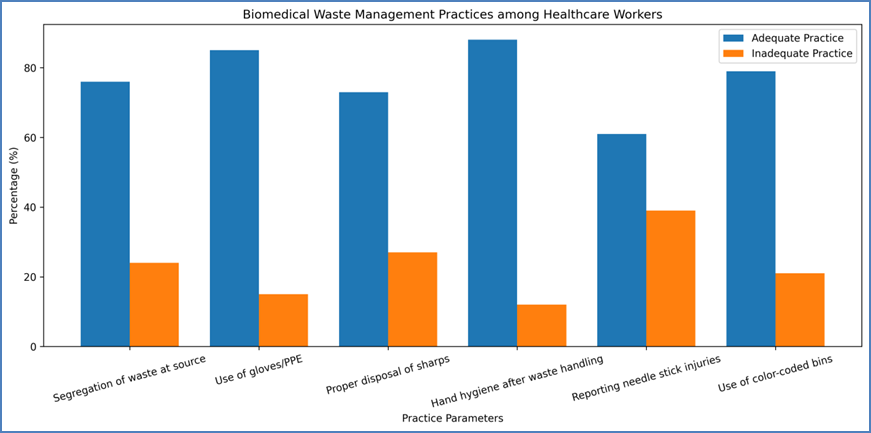
Figure 1: Practice regarding Biomedical Waste Management among Healthcare Workers (n = 100)
Overall Practice Score
|
Parameter |
Mean ± SD |
|
Practice Score (Maximum 15) |
11.9 ± 2.7 |
Figure 1 describes the biomedical waste management practices among healthcare workers. Proper segregation of waste at source was practiced by 76% of the participants, whereas 85% reported regular use of gloves and personal protective equipment during waste handling. Appropriate disposal of sharps was followed by 73% of healthcare workers, and 88% practiced hand hygiene after handling biomedical waste. However, only 61% of participants reported needle-stick injuries appropriately, indicating gaps in occupational safety practices. The use of color-coded bins was observed among 79% of healthcare workers. The mean practice score was 11.9 ± 2.7, showing that although knowledge levels were satisfactory, practical implementation still required improvement.
Table 3: Association between Occupation and Knowledge Scores
|
Occupation |
Mean Knowledge Score ± SD |
p-value |
|
Doctors |
17.8 ± 1.9 |
|
|
Nurses |
16.4 ± 2.4 |
|
|
Lab Technicians |
15.2 ± 2.8 |
|
|
Sanitary Workers |
12.6 ± 3.1 |
|
|
Overall |
15.8 ± 3.1 |
<0.001 |
Table 3 demonstrates the association between occupation and knowledge scores regarding biomedical waste management. Doctors had the highest mean knowledge score (17.8 ± 1.9), followed by nurses (16.4 ± 2.4), laboratory technicians (15.2 ± 2.8), and sanitary workers (12.6 ± 3.1). The overall mean knowledge score among all healthcare workers was 15.8 ± 3.1. The difference in knowledge scores between occupational groups was statistically significant (p <0.001). These findings suggest that professional qualification, educational background, and training exposure significantly influence biomedical waste management knowledge. Lower scores among sanitary workers indicate the need for targeted awareness and training programs for ancillary healthcare staff.
Table 4: Association between Biomedical Waste Management Training and Practice Scores
|
Training Status |
Mean Practice Score ± SD |
p-value |
|
Received training (n = 68) |
12.8 ± 1.9 |
|
|
No training received (n = 32) |
9.8 ± 2.6 |
|
|
Overall |
11.9 ± 2.7 |
0.002 |
Table 4 shows the association between prior biomedical waste management training and practice scores among healthcare workers. Participants who had received previous training demonstrated significantly better practice scores (12.8 ± 1.9) compared to untrained healthcare workers (9.8 ± 2.6). The association between training and practice was statistically significant (p = 0.002). These findings emphasize the positive impact of regular training programs on improving biomedical waste management practices. Healthcare workers who undergo periodic educational sessions are more likely to comply with proper waste segregation, disposal protocols, and infection control measures. The results highlight the importance of continuous training and reinforcement programs within healthcare institutions.
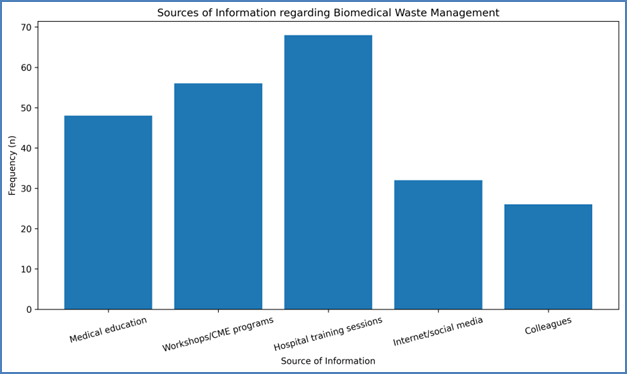
Figure 2: Sources of Information regarding Biomedical Waste Management
Figure 2 presents the various sources of information regarding biomedical waste management among healthcare workers. Hospital training sessions were identified as the most common source of information by 68% of participants. Workshops and continuing medical education programs contributed to awareness among 56% of healthcare workers, while formal medical education was reported by 48% of participants. Internet and social media platforms served as information sources for 32% of healthcare workers, whereas 26% obtained information from colleagues. The findings suggest that institutional training activities play a major role in improving awareness regarding biomedical waste management among healthcare personnel.
Table 5: Overall Knowledge and Practice Categories among Healthcare Workers
|
Score Category |
Frequency (n) |
Percentage (%) |
|
Knowledge Score Category |
||
|
Good knowledge |
58 |
58.0 |
|
Average knowledge |
30 |
30.0 |
|
Poor knowledge |
12 |
12.0 |
|
Practice Score Category |
||
|
Adequate practice |
64 |
64.0 |
|
Inadequate practice |
36 |
36.0 |
Table 5 illustrates the overall distribution of knowledge and practice scores among healthcare workers. Good knowledge regarding biomedical waste management was observed in 58% of participants, while 30% had average knowledge and 12% demonstrated poor knowledge. With respect to practical implementation, 64% of healthcare workers showed adequate biomedical waste management practices, whereas 36% demonstrated inadequate practices. The findings indicate that although the majority of healthcare workers possessed satisfactory knowledge, gaps in practical compliance still existed. This difference between knowledge and practice highlights the need for regular monitoring, refresher training programs, and strict implementation of biomedical waste management guidelines within healthcare settings.
DISCUSSION:
Biomedical waste management is an essential component of hospital infection control practices and environmental safety. Proper segregation, transportation, treatment, and disposal of biomedical waste significantly reduce the risk of healthcare-associated infections and occupational hazards among healthcare workers. The present study assessed the knowledge and practice regarding biomedical waste management among healthcare workers at the Department of Community Medicine, Mamata Medical College. The study included 100 healthcare workers comprising doctors, nurses, laboratory technicians, and sanitary workers.
In the present study, the mean age of healthcare workers was 34.8 ± 8.6 years, and females constituted 58% of the study population. Nurses formed the majority of participants (36%), followed by doctors (24%), sanitary workers (22%), and laboratory technicians (18%). Similar demographic findings were observed in the study conducted by Letho et al., where the majority of healthcare workers were females with a mean age of 32.2 ± 7.6 years.[3] Basavaraj et al. also reported predominance of nursing staff among study participants in their biomedical waste management assessment study.[5]
The present study demonstrated that overall knowledge regarding biomedical waste management among healthcare workers was satisfactory, with a mean knowledge score of 15.8 ± 3.1. About 84% of participants were aware of biomedical waste management rules, 78% had knowledge regarding color coding, and 81% were aware of segregation of waste at source. Similar findings were reported by Basavaraj et al., who observed adequate awareness regarding biomedical waste management guidelines among healthcare workers, although deficiencies persisted in specific technical aspects such as waste categorization and disposal methods.[5] Dalui et al. reported that 82% of healthcare workers had adequate awareness regarding biomedical waste management during the COVID-19 pandemic.[6] Singh et al. found a mean knowledge score of 12.21 ± 2.12 among healthcare workers in COVID hospitals, which was comparatively lower than the present study findings.[11]
In the current study, knowledge regarding the use of personal protective equipment was observed in 90% of healthcare workers, and 88% were aware of risks associated with improper biomedical waste handling. Similar observations were made by Jalal et al., who reported high awareness regarding infection risks and protective measures among healthcare personnel handling COVID-19 biomedical waste.[12] Shekoohiyan et al. also demonstrated acceptable levels of theoretical knowledge among healthcare workers, especially regarding infection transmission and use of protective equipment.[7]
Despite satisfactory knowledge levels, practical implementation of biomedical waste management protocols was comparatively lower in the present study. The mean practice score was 11.9 ± 2.7, and only 64% of participants demonstrated adequate biomedical waste management practices. Proper segregation of waste at source was practiced by 76% of healthcare workers, whereas only 61% reported needle-stick injuries appropriately. These findings suggest that gaps continue to exist between theoretical knowledge and actual implementation practices. Similar discrepancies between knowledge and practice were reported by Bizuneh et al., where healthcare workers had moderate knowledge but poor practical compliance regarding biomedical waste management.[8] Letho et al. also observed inadequate implementation of waste segregation protocols despite reasonable awareness levels among healthcare workers.[3]
The present study observed that doctors had significantly higher knowledge scores (17.8 ± 1.9) compared to sanitary workers (12.6 ± 3.1), and this association was statistically significant (p <0.001). Similar occupational variations were reported by Pravinraj et al., where doctors and nurses demonstrated significantly better knowledge and practice scores compared to ancillary healthcare staff.[13] This difference may be attributed to higher educational status, increased exposure to training programs, and better familiarity with biomedical waste management guidelines among medical professionals.
Training was found to have a significant influence on biomedical waste management practices in the present study. Healthcare workers who had received prior biomedical waste management training showed significantly higher practice scores (12.8 ± 1.9) compared to those without training (9.8 ± 2.6) with statistical significance (p = 0.002). These findings are consistent with the observations of Ara et al., who demonstrated substantial improvement in biomedical waste segregation and disposal practices following multimodal training interventions.[9] Gonibeedu et al. also emphasized that periodic training programs improved compliance with biomedical waste management guidelines among healthcare personnel.[14] Alahmari et al. reported that lack of training was one of the major reasons for moderate knowledge and poor implementation of biomedical waste management protocols among healthcare professionals.[15]
The present study also identified hospital training sessions as the major source of information regarding biomedical waste management among healthcare workers (68%). This finding highlights the importance of institutional training programs in improving awareness and compliance. Similar findings were observed in studies conducted by Dixit et al. and Odonkor et al., where regular institutional sensitization programs significantly contributed to improved biomedical waste management practices.[16,17]
Although the present study demonstrated satisfactory knowledge among healthcare workers, gaps in practical implementation still persist, particularly among sanitary workers and untrained personnel. Lack of regular monitoring, insufficient reinforcement of guidelines, inadequate availability of color-coded bins, and limited refresher training programs may contribute to poor compliance. Similar concerns have been highlighted in several recent studies emphasizing the need for continuous education, strict supervision, and institutional support to improve biomedical waste management practices.[5,8,15]
The findings of the present study emphasize the necessity for regular biomedical waste management training programs, periodic monitoring, strict implementation of biomedical waste management rules, and continuous evaluation of healthcare workers’ practices. Improving practical adherence to biomedical waste management guidelines can substantially reduce occupational hazards, prevent infection transmission, and promote environmental safety within healthcare institutions.
CONCLUSION:
The present study demonstrated that healthcare workers possessed satisfactory knowledge regarding biomedical waste management; however, deficiencies in practical implementation were still evident. Doctors and nurses showed better knowledge and practice scores compared to sanitary workers and ancillary staff. Prior training was significantly associated with improved biomedical waste management practices. Regular training sessions, strict monitoring, reinforcement of biomedical waste management guidelines, and continuous educational interventions are essential to improve compliance and ensure safe biomedical waste handling practices among healthcare workers.
REFERENCES:
1. World Health Organization. Safe management of wastes from health-care activities: WHO guidelines. Geneva: WHO; 2021.
2. Bansod HS, Suralkar AA, Basarkar PW, et al. Biomedical waste management and its importance: a systematic review. Cureus. 2023;15(2):e34527.
3. Letho Z, et al. Awareness and practice of medical waste management among healthcare providers in National Referral Hospital. PLoS One. 2021;16(1):e0243817.
4. Bizuneh YB, et al. Assessment of knowledge, attitude, and practice regarding medical waste management among operation room personnel in a tertiary hospital. Ann Med Surg. 2024;86:109876.
5. Basavaraj TJ, et al. To assess the knowledge, attitude and practices in biomedical waste management among healthcare workers. J Family Med Prim Care. 2021;10(11):4125-4130.
6. Dalui A, Banerjee S, Roy R. Assessment of knowledge, attitude, and practice about biomedical waste management among healthcare workers during COVID-19 pandemic. J Family Med Prim Care. 2021;10(12):4569-4574.
7. Shekoohiyan S, et al. Assessment of knowledge, attitude and practice about biomedical waste management among healthcare staff during COVID-19 pandemic. Environ Sci Pollut Res Int. 2022;29(38):57379-57388.
8. Ara L, et al. Effectiveness of a multi-modal capacity-building initiative for upgrading biomedical waste management practices at healthcare facilities in Bangladesh. J Hosp Infect. 2022;121:49-56.
9. Alahmari MH, et al. Examining biomedical waste management knowledge and training among healthcare professionals in Saudi Arabia. Healthcare (Basel). 2024;12(5):611.
10. Chitroda SM, et al. Knowledge and practices among nurses and laboratory technicians regarding biomedical waste management. Curr Med Res Opin. 2024;14(2):115-122.
11. Singh S, Kumar R, Sharma S, et al. To study the knowledge about the handling of biomedical waste among health-care workers in a COVID-19 hospital setting. J Educ Health Promot. 2022;11:193. doi:10.4103/jehp.jehp_871_21
12. Jalal SM, Alqahtani AS, Kheirallah KA, et al. Assessment of knowledge, practice and attitude about biomedical waste management among healthcare professionals during COVID-19 crisis. Cureus. 2021;13(4):e14416. doi:10.7759/cureus.14416
13. Pravinraj S, Raghupathy NS, Bhat SK, et al. Knowledge, attitude and practice of biomedical waste management among doctors and nurses. J Clin Diagn Res. 2023;17(1):LC01-LC05. doi:10.7860/JCDR/2023/61211.17532
14. Gonibeedu V, Anjum S, Banerjee S, et al. Outcome of biomedical waste management training among healthcare workers in primary healthcare centres. J Family Med Prim Care. 2021;10(3):1277-1282. doi:10.4103/jfmpc.jfmpc_1910_20
15. Alahmari MH, Alqahtani AS, Althobaiti MA, et al. Examining biomedical waste management knowledge and training among healthcare professionals in Saudi Arabia. Healthcare (Basel). 2024;12(5):611. doi:10.3390/healthcare12050611
16. Dixit AM, Pandey CP, Dwivedi S, et al. Assessment of biomedical waste management in health facilities of Uttar Pradesh: An observational study. Cureus. 2021;13(12):e20098. doi:10.7759/cureus.20098
17. Odonkor ST, Mahami T. Healthcare waste management in Ghanaian hospitals: Associated public health and environmental challenges. Waste Manag Res. 2020;38(11):1236-1245. doi:10.1177/0734242X20914784