Left Atrial Strain as a Predictor of Postoperative Atrial Fibrillation in Patients Undergoing Off-Pump Coronary Artery Bypass Grafting: A Prospective Observational Study.
- Ananta Barada , Assistant Professor, Department of Cardiothoracic & Vascular Surgery, S.C.B Medical College & Hospital, Cuttack, Odisha, India.
- Manoj Kumar Pattnaik , Professor & HOD, Department of Cardiothoracic & Vascular Surgery, SCB Medical College and Hospital, Cuttack, Odisha, India.
- Sibasankar Kar , Assistant Professor, Department of Cardiothoracic & Vascular Surgery, SCB Medical College and Hospital, Cuttack, Odisha, India.
Article Information:
Abstract:
Background: Postoperative atrial fibrillation (POAF) remains a common complication after coronary artery bypass grafting (CABG) and is associated with increased morbidity and prolonged hospitalization. Left atrial (LA) structural remodeling has been implicated in POAF development; however, the predictive value of LA strain remains incompletely defined. We aimed to evaluate whether preoperative LA strain predicts POAF in patients undergoing off-pump CABG. Methods: This prospective observational study included 126 patients with coronary artery disease undergoing isolated off-pump CABG. Comprehensive transthoracic echocardiography with speckle-tracking analysis was performed within 24 hours before surgery. Global peak atrial longitudinal strain (PALS) and peak atrial contraction strain (PACS) were measured from apical 4- and 2-chamber views. Patients were monitored for POAF until hospital discharge. Clinical, echocardiographic, and postoperative variables were compared between patients with and without POAF. Results: POAF occurred in 27% of patients, typically within the first three postoperative days. Patients who developed POAF were older and had lower LVEF, higher LAVI, and elevated filling pressures. Global PALS was significantly reduced in the POAF group compared with those without POAF, while LV global longitudinal strain did not differ significantly. PACS showed a weaker association with POAF than PALS. Patients with POAF also had a longer duration of hospitalization. Conclusion: Reduced preoperative LA reservoir strain is significantly associated with early POAF after off-pump CABG. Assessment of global PALS may improve preoperative risk stratification and help identify patients at increased risk of postoperative arrhythmia.
Keywords:
Article :
INTRODUCTION:
Postoperative atrial fibrillation (POAF) is a frequent complication after cardiac surgery, occurring in approximately 20-40% of patients undergoing isolated coronary artery bypass grafting (CABG) [1]. Its development is associated with adverse short- and long-term outcomes, including higher risks of stroke, cardiac arrest, and heart failure, along with prolonged intensive care unit and overall hospital stay, thereby increasing the burden on both patients and healthcare systems [2]. Reliable preoperative risk stratification is therefore essential to identify high-risk individuals and enable targeted preventive and therapeutic strategies while optimizing healthcare resources.
Underlying left atrial (LA) remodeling- whether subtle or overt- can promote reentry circuits within the cardiac conduction system, facilitating the initiation and persistence of POAF [3]. Detecting subclinical LA structural abnormalities before surgery may help identify patients at elevated risk [4]. Speckle-tracking echocardiographic assessment of LA strain provides a rapid, sensitive, and objective measure of LA deformation across reservoir, conduit, and contraction phases, enabling comprehensive functional evaluation. LA strain has emerged as an important predictor of atrial fibrillation recurrence and persistence following medical or interventional treatment and is also considered a surrogate marker of LA fibrosis [5-9].
LA strain parameters have been explored across multiple clinical contexts. Peak atrial contraction strain (PACS) independently predicts atrial fibrillation in cryptogenic stroke, while both peak atrial longitudinal strain (PALS) and PACS correlate with POAF in patients undergoing surgery for aortic stenosis [10, 11]. Although recent studies suggest that impaired baseline LA strain may be associated with POAF in CABG populations, findings remain inconsistent and are largely derived from small cohorts [12-14]. To address this gap, the present prospective study evaluates the predictive value of LA strain measured by speckle-tracking echocardiography for POAF in a large cohort of patients undergoing isolated CABG.
MATERIALS AND METHODS:
Study Design
This prospective observational cohort study was conducted across three tertiary care centers in India between January 2024 and January 2026. The study was designed to evaluate the association between preoperative echocardiographic strain parameters and the development of postoperative atrial fibrillation (POAF) in patients undergoing isolated coronary artery bypass grafting (CABG). Patients were followed from the time of surgery until hospital discharge for detection of POAF.
Study Population
A total of 126 consecutive adult patients with acute or chronic coronary syndrome who underwent isolated CABG after coronary angiography-confirmed significant coronary artery disease were enrolled during the study period. All participants provided written informed consent prior to inclusion.
Inclusion and Exclusion Criteria
Patients aged 18 years or older undergoing isolated CABG for angiographically significant coronary artery disease were eligible for inclusion.
Exclusion criteria included:
• Age <18 years
• Prior history of atrial fibrillation
• Concomitant valvular or aortic surgery
• Previous cardiac surgery
• Thyroid dysfunction
• Inadequate speckle-tracking echocardiography (STE) image quality
Preoperative Assessment
All patients underwent detailed preoperative evaluation, including comprehensive medical history, cardiovascular risk factor assessment, documentation of comorbidities and medications, laboratory investigations, resting 12-lead electrocardiography (ECG), and coronary angiography findings.
Baseline transthoracic echocardiography was performed within 24 hours prior to surgery. Images were acquired using high-quality ultrasound systems and stored for offline analysis.
Echocardiographic and Strain Analysis
Standard two-dimensional echocardiographic measurements were obtained for chamber quantification and valvular assessment. Speckle-tracking echocardiography (STE) analysis was performed from apical 2-, 3-, and 4-chamber views with stable ECG gating and optimal endocardial border delineation. Three consecutive cardiac cycles were averaged, with frame rates maintained between 50-80 frames per second.
Offline strain analysis was conducted by experienced operators blinded to clinical outcomes using vendor-specific software. Reproducibility analysis was performed in a randomly selected subset of patients. Left ventricular global longitudinal strain (LV-GLS) was calculated by averaging strain values from the apical views. Left atrial (LA) strain assessment included peak atrial longitudinal strain (PALS) during the reservoir phase and peak atrial contraction strain (PACS) at the onset of atrial contraction. LA strain values were derived from apical 4- and 2-chamber views. Segments with inadequate tracking were excluded, and strain values were averaged from the remaining adequately tracked segments.
Surgical Procedure and Perioperative Management
CABG procedures were performed according to standard institutional protocols. Operative details recorded included on-pump or off-pump technique, cardioplegia method, cardiopulmonary bypass time, aortic cross-clamp time, and graft types used. Postoperatively, patients were monitored in the intensive care unit followed by step-down ward care. Clinical course, postoperative complications, therapeutic interventions, laboratory trends, and duration of hospitalization were systematically documented, reflecting routine perioperative management practices in Indian tertiary cardiac centers.
Outcome Definition and Monitoring
The primary outcome was the occurrence of atrial fibrillation during the postoperative period until hospital discharge. POAF was defined as an ECG-documented irregular rhythm without discernible P waves lasting ≥30 seconds or requiring pharmacological or electrical cardioversion. Continuous ECG monitoring was maintained in the intensive care unit, followed by daily ECG recordings in the ward and additional recordings when clinically indicated. For patients experiencing multiple AF episodes, the time to first occurrence was used for primary analysis. Episode frequency, duration, cardioversion success, and cumulative AF burden were also recorded.
Statistical Analysis
Statistical analysis was performed using appropriate statistical software. Continuous variables were expressed as mean ± standard deviation or median (interquartile range), depending on distribution, while categorical variables were presented as frequencies and percentages. Comparisons between patients with and without POAF were performed using the independent Student’s t-test. A two-tailed p value <0.05 was considered statistically significant.
RESULTS:
The study population comprised 126 patients undergoing isolated off-pump CABG, with a mean age of 65.8 ± 9.2 years, and a predominance of males (81%). Cardiovascular risk factors were common, including hypertension (72%), diabetes mellitus (39%), and dyslipidemia (62%). Most patients had multivessel coronary artery disease (94%), with slightly more than half presenting with chronic coronary syndrome (56%) and the remainder with acute coronary syndrome (44%). Overall, the cohort reflected a high-risk population typical of patients undergoing surgical myocardial revascularization (Table 1).
Table 1. Baseline Clinical Characteristics of the Study Population
|
Variable |
Overall Population (n = 126) |
|
Age, years |
65.8 ± 9.2 |
|
Male sex, n (%) |
102 (81) |
|
BMI, kg/m² |
26.9 ± 4.1 |
|
Hypertension, n (%) |
91 (72) |
|
Diabetes mellitus, n (%) |
49 (39) |
|
Dyslipidemia, n (%) |
78 (62) |
|
Current smokers, n (%) |
29 (23) |
|
Chronic coronary syndrome, n (%) |
70 (56) |
|
Acute coronary syndrome, n (%) |
56 (44) |
|
Multivessel coronary artery disease, n (%) |
118 (94) |
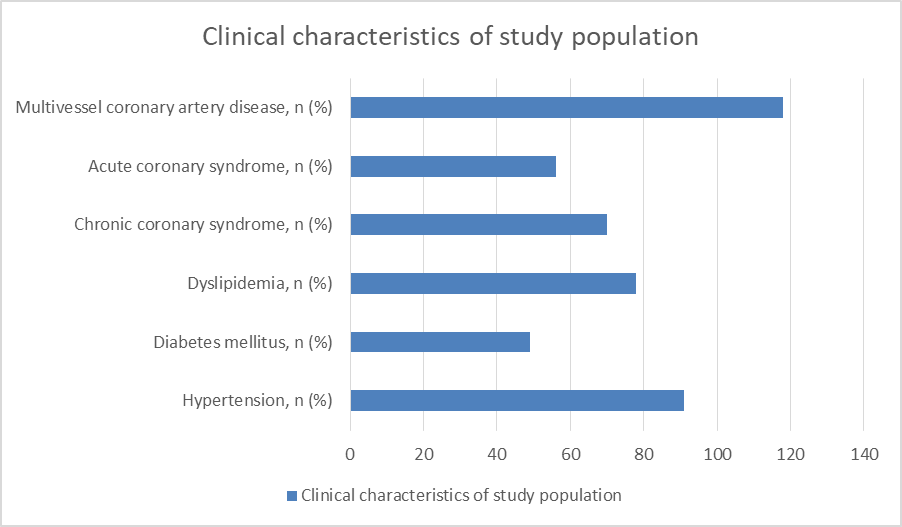
Figure 1: Clinical characteristics of study population.
Baseline conventional echocardiography demonstrated a mean left ventricular ejection fraction of 51 ± 10%, indicating overall preserved to mildly reduced systolic function. Left atrial structural parameters showed mild enlargement, with a mean left atrial area of 20 ± 4 cm² and left atrial volume index (LAVI) of 32 ± 9 mL/m². Diastolic indices revealed an average E/A ratio of 0.88 ± 0.3 and E/E′avg of 10.1 ± 3.8, suggestive of impaired relaxation with mildly elevated filling pressures in a subset of patients. Right ventricular systolic function, assessed by TAPSE, was preserved (21 ± 3 mm) (Table 2).
Table 2. Baseline Echocardiographic Parameters
|
Parameter |
Overall Population (n = 126) |
|
LVEF (%) |
51 ± 10 |
|
LV end-diastolic volume (mL) |
110 ± 34 |
|
LV end-systolic volume (mL) |
58 ± 29 |
|
Left atrial diameter (mm) |
39 ± 5 |
|
Left atrial area (cm²) |
20 ± 4 |
|
LAVI (mL/m²) |
32 ± 9 |
|
E/A ratio |
0.88 ± 0.3 |
|
E/E′avg |
10.1 ± 3.8 |
|
TAPSE (mm) |
21 ± 3 |
All patients underwent off-pump CABG, with a mean of 3.1 ± 0.8 grafts performed. Postoperative atrial fibrillation occurred in 27% of patients, typically within the first 2.3 ± 1.1 days after surgery. The mean length of hospital stay was 8.7 ± 3.9 days. Postoperative anemia (hemoglobin <9 g/dL) was observed in 54% of patients, and peak C-reactive protein levels reached 31 ± 48 mg/dL, reflecting the expected postoperative inflammatory response. These findings highlight a substantial incidence of POAF in this cohort undergoing off-pump CABG (Table 3).
Table 3. Surgical and Postoperative Outcomes
|
Parameter |
Overall Population (n = 126) |
|
Off-pump CABG (%) |
126 (100) |
|
Number of grafts |
3.1 ± 0.8 |
|
Postoperative AF (POAF), n (%) |
34 (27) |
|
Time to POAF onset (days) |
2.3 ± 1.1 |
|
Length of hospital stay (days) |
8.7 ± 3.9 |
|
Postoperative anemia (Hb <9 g/dL), n (%) |
68 (54) |
|
Peak C-reactive protein (mg/dL) |
31 ± 48 |
Patients who developed POAF were significantly older than those who remained in sinus rhythm (70.1 ± 7.5 vs 63.9 ± 8.8 years, p < 0.001). There were no significant differences in sex distribution, BMI, hypertension, or diabetes between the groups. However, the POAF group demonstrated worse renal function (lower eGFR, p = 0.03) and significantly reduced left ventricular systolic function, with lower LVEF (46 ± 11% vs 53 ± 9%, p = 0.002). Markers of left atrial remodeling and diastolic dysfunction were also more pronounced in the POAF group, including higher LAVI (36 ± 10 vs 30 ± 8 mL/m², p = 0.001) and elevated E/E′avg (p = 0.01). TAPSE was modestly lower in patients who developed POAF (p = 0.04). These findings suggest that advanced age, impaired ventricular function, and structural-functional atrial remodeling were associated with postoperative AF (Table 5).
Table 4. Baseline Clinical and Conventional Echocardiographic Characteristics across the two cohorts:
|
Variable |
POAF (n = 34) |
No POAF (n = 92) |
P value |
|
Age, years |
70.1 ± 7.5 |
63.9 ± 8.8 |
<0.001* |
|
Male sex, n (%) |
28 (82) |
74 (80) |
0.81 |
|
BMI, kg/m² |
26.7 ± 4.0 |
27.0 ± 4.2 |
0.68 |
|
Hypertension, n (%) |
28 (82) |
63 (68) |
0.11 |
|
Diabetes mellitus, n (%) |
15 (44) |
34 (37) |
0.47 |
|
eGFR (mL/min/1.73 m²) |
72 ± 24 |
83 ± 26 |
0.03* |
|
LVEF (%) |
46 ± 11 |
53 ± 9 |
0.002* |
|
LAVI (mL/m²) |
36 ± 10 |
30 ± 8 |
0.001* |
|
E/E′avg |
11.4 ± 4.1 |
9.5 ± 3.5 |
0.01* |
|
TAPSE (mm) |
20 ± 3 |
22 ± 3 |
0.04* |
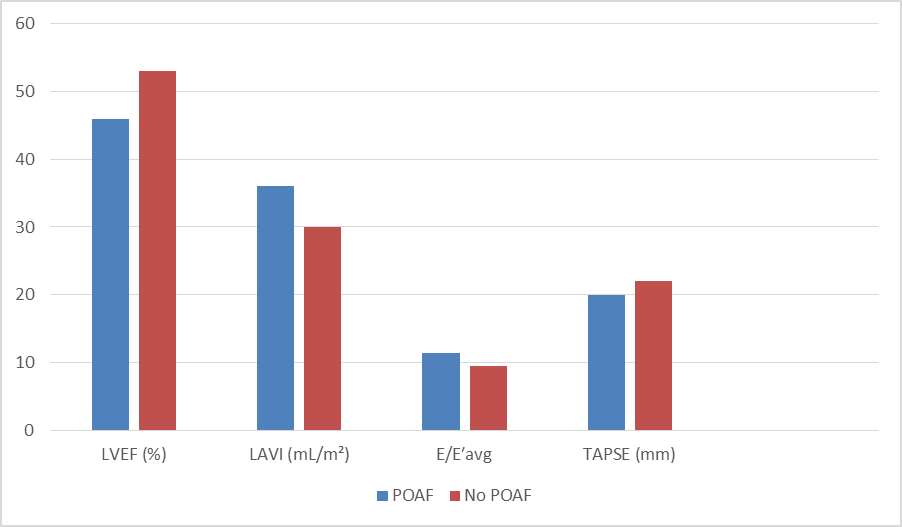
Figure 2: Echocardiographic Characteristics between the two cohorts
Speckle-tracking analysis revealed significantly impaired left atrial function in patients who developed POAF. Global PALS was markedly reduced in the POAF group compared with the no-POAF group (20.9 ± 6.8% vs 27.8 ± 8.1%, p < 0.001), and global PACS was also lower (12.4 ± 4.9% vs 14.6 ± 5.9%, p = 0.02). In contrast, LV GLS did not differ significantly between groups (p = 0.12). Surgical variables, including number of grafts, were comparable. Clinically, patients with POAF had a longer hospital stay (10.2 ± 4.8 vs 8.1 ± 3.4 days, p = 0.01), while postoperative anemia and inflammatory markers were similar between groups. These results underscore the strong association between impaired left atrial strain- particularly reduced PALS- and the occurrence of POAF following off-pump CABG (Table 6).
Table 5. Speckle-Tracking, Surgical, and Postoperative Parameters According to POAF
|
Variable |
POAF (n = 34) |
No POAF (n = 92) |
P value |
|
LV GLS (%) |
−12.8 ± 6.8 |
−14.8 ± 5.4 |
0.12 |
|
Global PALS (%) |
20.9 ± 6.8 |
27.8 ± 8.1 |
<0.001* |
|
Global PACS (%) |
12.4 ± 4.9 |
14.6 ± 5.9 |
0.02* |
|
Number of grafts |
3.0 ± 0.7 |
3.2 ± 0.8 |
0.28 |
|
Time to AF onset (days) |
2.2 ± 1.0 |
— |
— |
|
Length of hospital stay (days) |
10.2 ± 4.8 |
8.1 ± 3.4 |
0.01* |
|
Postoperative anemia (Hb <9 g/dL), n (%) |
19 (56) |
49 (53) |
0.78 |
|
Peak CRP (mg/dL) |
34 ± 55 |
29 ± 42 |
0.59 |
DISCUSSION:
Our prospective observational study of 126 patients undergoing isolated off-pump CABG demonstrates a significant association between impaired preoperative left atrial (LA) strain and the early development of postoperative atrial fibrillation (POAF). In our cohort, POAF occurred in 27% of patients, typically within the first 2-3 postoperative days. Patients who developed POAF were significantly older and had lower LVEF, higher LAVI, and elevated E/E′avg compared with those who remained in sinus rhythm. Most importantly, global peak atrial longitudinal strain (PALS) was markedly reduced in the POAF group, whereas conventional structural parameters alone showed weaker discriminatory ability. These findings support the hypothesis that functional impairment of the left atrium, rather than simple chamber enlargement, represents a key substrate predisposing to POAF in patients undergoing surgical myocardial revascularization.
Current literature examining the relationship between LA speckle-tracking echocardiography (STE) parameters and POAF after CABG remains heterogeneous and largely derived from small, predominantly retrospective studies including ≤100 patients [14-18]. Several investigations were limited by monocentric design, case-control methodology [2], or non-standardized definitions of POAF (eg, episodes >15 minutes), potentially underestimating its incidence [17,18]. Moreover, some authors assessed LA strain using only the 4-chamber view [15, 16], whereas contemporary expert consensus recommends global PALS derived from both 4- and 2-chamber views. In contrast, our study used a standardized definition of POAF (≥30 seconds) and comprehensive LA strain assessment. Importantly, global PALS was significantly lower in patients who developed POAF, while LV GLS did not differ between groups, reinforcing the concept that atrial- rather than ventricular- mechanics drive arrhythmogenesis. Unlike previous reports where the association between PALS and POAF lost significance in multivariate analysis [12, 13], our findings indicate that LA functional impairment remains strongly linked to postoperative arrhythmic risk.
The pathophysiological explanation for the observed association likely lies in preexisting atrial remodeling. Reduced global PALS reflects atrial fibrosis and ultrastructural wall changes that precede overt LA dilation and diastolic dysfunction [19, 20]. Fibrosis promotes conduction heterogeneity and reentry circuits, which may be triggered by perioperative inflammatory stress, oxidative injury, and atrial manipulation during surgery. In our study, patients with POAF were older and had a higher prevalence of renal dysfunction and impaired ventricular function, conditions associated with oxidative stress and systemic inflammation. Aging itself is strongly linked to atrial fibrosis and conduction abnormalities [21], consistent with our finding that advanced age was significantly associated with POAF. Over this preexisting substrate, perioperative factors such as transient inflammation and volume shifts likely act as triggers, whereas extra-atrial variables- including postoperative anemia or inflammatory markers- were not significantly different between groups, supporting the primacy of atrial myocardial dysfunction in POAF genesis.
Notably, conventional echocardiographic indices such as LAVI and diastolic parameters were associated with POAF, but their discriminatory value appeared inferior to that of PALS, consistent with prior studies [5, 11, 22]. Global PACS showed a weaker association than PALS, supporting the concept that PALS (reservoir function) reflects earlier fibrotic remodeling, whereas PACS (contractile function) may deteriorate later in the disease process. STE measures of ventricular strain were not significantly associated with POAF, further underscoring the central role of left atrial mechanics. Clinically, incorporation of advanced echocardiographic assessment- particularly global PALS- into preoperative evaluation may allow improved risk stratification and targeted monitoring strategies. STE is reproducible and increasingly accessible, with strong prognostic value across multiple cardiovascular settings [23]. Nevertheless, certain limitations must be acknowledged, including the relatively modest sample size, potential residual confounding, absence of prolonged rhythm monitoring after ICU discharge, and lack of long-term follow-up. Despite these limitations, our findings reinforce the concept that impaired LA reservoir function is a key mechanistic substrate and clinically relevant predictor of POAF in patients undergoing off-pump CABG.
CONCLUSION:
In this prospective observational study of patients undergoing isolated off-pump CABG, impaired preoperative left atrial reservoir function, as assessed by global peak atrial longitudinal strain (PALS), was significantly associated with the development of early postoperative atrial fibrillation. Reduced PALS values were observed in patients who developed POAF, independent of conventional echocardiographic parameters, whereas ventricular strain indices were not significantly associated with arrhythmic events. These findings highlight left atrial functional remodeling as a key mechanistic substrate for POAF and support the incorporation of LA strain assessment into routine preoperative risk stratification in CABG patients.
REFERENCES:
1. Almassi GH, Schowalter T, Nicolosi AC, Aggarwal A, Moritz TE, Henderson WG, Tarazi R, Shroyer AL, Sethi GK, Grover FL, et al. Atrial fibrillation after cardiac surgery: a major morbid event? Ann Surg. 1997; 226:501-511; discussion 511. doi:10.1097/00000658-199710000-00011.
2. Hindricks G, Potpara T, Dagres N, Arbelo E, Bax JJ, Blomström-Lundqvist C, Boriani G, Castella M, Dan GA, Dilaveris PE, et al; ESC Scientific Document Group. 2020 ESC guidelines for the diagnosis and management of atrial fibrillation developed in collaboration with the European Association for Cardio-Thoracic Surgery (EACTS). Eur Heart J. 2021; 42:373-498. doi:10.1093/eurheartj/ehaa612.
3. Kirchhof P, Bax J, Blomstrom-Lundquist C, Calkins H, Camm AJ, Cappato R, Cosio F, Crijns H, Diener HC, Goette A, et al. Early and comprehensive management of atrial fibrillation: proceedings from the 2nd AFNET/EHRA consensus conference on atrial fibrillation entitled “Research perspectives in atrial fibrillation”. Europace. 2009; 11:860-885. doi:10.1093/europace/eup124.
4. Qureshi M, Ahmed A, Massie V, Marshall E, Harky A. Determinants of atrial fibrillation after cardiac surgery. Rev Cardiovasc Med. 2021; 22:329-341. doi:10.31083/j.rcm2202040.
5. Petre I, Onciul S, Iancovici S, Zamfir D, Stoian M, Scărlătescu A, Diaconeasa A, Acatrinei C, Dorobanțu M. Left atrial strain for predicting atrial fibrillation onset in hypertensive patients. High Blood Press Cardiovasc Prev. 2019; 26:331-337. doi:10.1007/s40292-019-00326-4.
6. Shaikh AY, Maan A, Khan UA, Aurigemma GP, Hill JC, Kane JL, Tighe DA, Mick E, McManus DD. Speckle echocardiographic left atrial strain and stiffness index as predictors of maintenance of sinus rhythm after cardioversion for atrial fibrillation: a prospective study. Cardiovasc Ultrasound. 2012; 10:48. doi:10.1186/1476-7120-10-48.
7. Kuppahally SS, Akoum N, Burgon NS, Badger TJ, Kholmovski EG, Vijayakumar S, Rao SN, Blauer J, Fish EN, Dibella EV, et al. Left atrial strain and strain rate in patients with paroxysmal and persistent atrial fibrillation: relationship to left atrial structural remodeling detected by delayed-enhancement MRI. Circ Cardiovasc Imaging. 2010; 3:231-239. doi:10.1161/CIRCIMAGING.109.865683.
8. Motoki H, Negishi K, Kusunose K, Popović ZB, Bhargava M, Wazni OM, Saliba WI, Chung MK, Marwick TH, Klein AL. Global left atrial strain in the prediction of sinus rhythm maintenance after catheter ablation for atrial fibrillation. J Am Soc Echocardiogr. 2014; 27:1184-1192. doi:10.1016/j.echo.2014.08.017.
9. Cameli M, Lunghetti S, Mandoli GE, Righini FM, Lisi M, Curci V, Tommaso CD, Solari M, Nistor D, Gismondi A, et al. Left atrial strain predicts pro-thrombotic state in patients with non-valvular atrial fibrillation. J Atr Fibrillation. 2017; 10:1641. doi:10.4022/jafib.1641.
10. Bufano G, Radico F, D’Angelo C, Pierfelice F, De Angelis MV, Faustino M, Pierdomenico SD, Gallina S, Renda G. Predictive value of left atrial and ventricular strain for the detection of atrial fibrillation in patients with cryptogenic stroke. Front Cardiovasc Med. 2022; 9:869076. doi:10.3389/fcvm.2022.869076.
11. Pernigo M, Benfari G, Geremia G, Noni M, Borio G, Mazzali G, Zamboni M, Onorati F, Faggian G, Vassanelli C, et al. Atrial function as an independent predictor of postoperative atrial fibrillation in patients undergoing aortic valve surgery for severe aortic stenosis. J Am Soc Echocardiogr. 2017; 30:956-965.e1. doi:10.1016/j.echo.2017.07.001.
12. Kislitsina ON, Cox JL, Shah SJ, Malaisrie SC, Kruse J, Liu M, Andrei AC, McCarthy PM. Preoperative left atrial strain abnormalities are associated with the development of postoperative atrial fibrillation following isolated coronary artery bypass surgery. J Thorac Cardiovasc Surg. 2022; 164:917-924. doi:10.1016/j.jtcvs.2020.09.130.
13. Ozben B, Akaslan D, Sunbul M, Filinte D, Ak K, Sari I, Tigen K, Basaran Y. Postoperative atrial fibrillation after coronary artery bypass grafting surgery: a two-dimensional speckle tracking echocardiography study. Heart Lung Circ. 2016; 25:993-999. doi:10.1016/j.hlc.2016.02.003.
14. Her AY, Kim JY, Kim YH, Choi EY, Min PK, Yoon YW, Lee BK, Hong BK, Rim SJ, Kwon HM. Left atrial strain assessed by speckle tracking imaging is related to new-onset atrial fibrillation after coronary artery bypass grafting. Can J Cardiol. 2013; 29:377-383. doi:10.1016/j.cjca.2012.06.006.
15. Mohamed Sabry AS, El-Kader Mansour HA, Abo El-Azm TH, Sayed Akef ME, Mostafa SA. Clinical and echocardiographic predictors of atrial fibrillation after coronary artery bypass grafting. J Atr Fibrillation. 2020; 13:2320. doi:10.4022/jafib.2320.
16. Başaran O, Tigen K, Gözübüyük G, Dündar C, Güler A, Taşar O, Biteker M, Karabay CY, Bulut M, Karaahmet T, et al. Predictive role of left atrial and ventricular mechanical function in postoperative atrial fibrillation: a two-dimensional speckle-tracking echocardiography study. Turk Kardiyol Dern Ars. 2016; 44:45-52. doi:10.5543/tkda.2015.11354.
17. Verdejo HE, Becerra E, Zalaquet R, Del Campo A, Garcia L, Troncoso R, Chiong M, Marin A, Castro PF, Lavandero S, et al. Atrial function assessed by speckle tracking echocardiography is a good predictor of postoperative atrial fibrillation in elderly patients. Echocardiography. 2016; 33:242-248. doi:10.1111/echo.13059.
18. Abdelrazek G, Mandour K, Osama M, Elkhashab K. Strain and strain rate echocardiographic imaging predict occurrence of atrial fibrillation in post-coronary artery bypass grafting patients. Egypt Heart J. 2021; 73:62. doi:10.1186/s43044-021-00188-z.
19. Smiseth OA, Morris DA, Cardim N, Cikes M, Delgado V, Donal E, Flachskampf FA, Galderisi M, Gerber BL, Gimelli A, et al. Multimodality imaging in patients with heart failure and preserved ejection fraction: an expert consensus document of the European Association of Cardiovascular Imaging. Eur Heart J Cardiovasc Imaging. 2022; 23:e34-e61. doi:10.1093/ehjci/jeab154
20. Lisi M, Mandoli GE, Cameli M, Pastore MC, Righini FM, Benfari G, Rubboli A, D’Ascenzi F, Focardi M, Tsioulpas C, et al. Left atrial strain by speckle tracking predicts atrial fibrosis in patients undergoing heart transplantation. Eur Heart J Cardiovasc Imaging. 2022; 23:829-835. doi:10.1093/ehjci/jeab106
21. Laredo M, Waldmann V, Khairy P, Nattel S. Age as a critical determinant of atrial fibrillation: a two-sided relationship. Can J Cardiol. 2018; 34:1396-1406. doi:10.1016/j.cjca.2018.08.007
22. Pagola J, Juega J, Francisco-Pascual J, Bustamante A, Penalba A, Pala E, Rodriguez M, De Lera-Alfonso M, Arenillas JF, Cabezas JA, et al. Predicting atrial fibrillation with high risk of embolization with atrial strain and NT-proBNP. Transl Stroke Res. 2021; 12:735-741. doi:10.1007/s12975-020-00873-2
23. Pastore MC, De Carli G, Mandoli GE, D’Ascenzi F, Focardi M, Contorni F, Mondillo S, Cameli M. The prognostic role of speckle tracking echocardiography in clinical practice: evidence and reference values from the literature. Heart Fail Rev. 2021; 26:1371-1381. doi:10.1007/s10741-020-09945-9