A Comprehensive Review of Non-Surgical Modalities in the Management of Oral Submucous Fibrosis: Integrative, Pharmacological, and Herbal Perspectives.
- Jayesh Kanjariya , Reader, Department of Oral Pathology, Ahmedabad Dental College, Ahmedabad, Gujarat, India.
- Jinal Koladiya , .PG Student, Department of Oral Pathology, Ahmedabad Dental College, Ahmedabad, Gujarat, India.
- Prutha Barad , .PG Student, Department of Oral Pathology, Ahmedabad Dental College, Ahmedabad, Gujarat, India.
- Srishti Rai , .PG Student, Department of Oral Pathology, Ahmedabad Dental College, Ahmedabad, Gujarat, India.
- . Pankti Mirani , .PG Student, Department of Oral Pathology, Ahmedabad Dental College, Ahmedabad, Gujarat, India.
- Bhargav Suthar , .PG Student, Department of Oral Pathology, Ahmedabad Dental College, Ahmedabad, Gujarat, India.
- Keval Patel , MDS in Orthodontics, Private Clinic.
Article Information:
Abstract:
Background: Oral Submucous Fibrosis (OSMF) is a chronic, progressive, potentially malignant disorder predominantly affecting South Asian populations. It is characterized by submucosal fibrosis, trismus, burning sensation, and restricted oral function, with a malignant transformation risk ranging from 7–13%. Although surgical management is available for advanced cases, it is invasive, expensive, and associated with postoperative morbidity, highlighting the need for effective non-surgical therapeutic strategies. Objectives: This review aims to evaluate and synthesize current evidence regarding non-surgical management modalities for OSMF, including pharmacological therapies, herbal and natural remedies, physiotherapeutic interventions, and supportive lifestyle measures, with emphasis on their efficacy, safety, and role in improving patient outcomes. Methods: A comprehensive literature review was conducted analyzing studies related to non-surgical interventions for OSMF. The review included pharmacological agents such as corticosteroids, hyaluronidase, interferon-gamma, pentoxifylline, and antioxidants; herbal therapies including curcumin, aloe vera, neem, Triphala, licorice, and tulsi; as well as adjunctive approaches like physiotherapy, low-level laser therapy, nutritional supplementation, behavioral modification, and stress-reduction practices. Relevant evidence was critically evaluated for therapeutic effectiveness, symptom relief, and improvement in oral functionality. Results: Pharmacological therapies demonstrated significant benefits in reducing fibrosis, inflammation, burning sensation, and improving mouth opening. Antioxidants such as lycopene, spirulina, vitamin E, and zinc showed promising adjunctive effects. Herbal and natural agents exhibited notable anti-inflammatory, antioxidant, and antifibrotic properties with favorable safety, accessibility, and cost-effectiveness. Physiotherapeutic exercises and low-level laser therapy enhanced mouth opening and functional recovery, while nutritional supplementation and cessation of areca nut use contributed to overall disease control. Integrative approaches combining multiple modalities produced superior symptomatic and functional outcomes compared to isolated interventions. However, current evidence remains limited by small sample sizes, short follow-up durations, and variability in study methodologies. Conclusion: Non-surgical management of OSMF offers substantial potential in halting disease progression, alleviating symptoms, and improving quality of life through a multimodal and patient-centered approach. Combining pharmacological, herbal, physiotherapeutic, and lifestyle interventions appears most effective for comprehensive management. Future research should focus on large-scale multicenter randomized controlled trials, standardized treatment protocols, molecular-targeted therapies, and advanced drug delivery systems to strengthen evidence and optimize non-surgical care for OSMF.
Keywords:
Article :
INTRODUCTION:
Oral Submucous Fibrosis (OSMF) is a chronic, progressive, scarring disease of the oral cavity that predominantly affects individuals of South Asian descent. Characterized by inflammation and progressive fibrosis of the submucosal tissues, OSMF leads to stiffness of the oral mucosa, trismus, burning sensation, and difficulty in speech and mastication. The disease carries a substantial risk of malignant transformation, with rates reported as high as 7–13%, making it a significant public health concern¹.
The etiological spectrum of OSMF is multifactorial, with areca nut chewing identified as the primary causative agent. Other contributors include nutritional deficiencies, genetic predisposition, immunological alterations, and chronic irritants². Pathogenesis involves an imbalance between collagen synthesis and degradation, increased lysyl oxidase activity, reduced collagenase activity, and excessive fibrosis mediated by inflammatory cytokines and growth factors³.
While surgical approaches exist for advanced cases, they are often invasive, expensive, and may require complex reconstruction. Hence, there is a growing interest in non-surgical interventions which aim to halt disease progression, improve mouth opening, and alleviate symptoms without the need for operative procedures. These interventions encompass pharmacological, herbal, and adjunctive therapies, many of which have shown promising outcomes in both clinical and experimental settings⁴⁻⁶.
This review aims to comprehensively examine the current non-surgical treatment modalities for OSMF. It consolidates evidence from pharmacological therapies, herbal medicines, physiotherapeutic interventions, and adjunctive strategies. The objective is to evaluate the efficacy, safety, mechanisms of action, and clinical applicability of these therapies, thereby offering a holistic and evidence-based perspective on the conservative management of OSMF⁷⁻⁸.
Pharmacological Non-Surgical Treatments
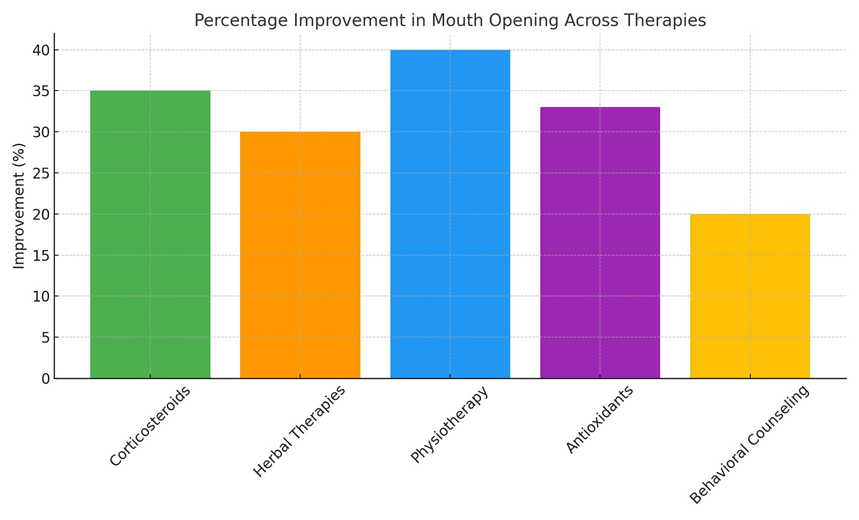
Corticosteroids are among the most widely used pharmacologic agents in the management of OSMF. Their anti-inflammatory and immunosuppressive effects reduce mucosal inflammation and retard fibrotic changes. Triamcinolone acetonide is frequently used either topically or via intralesional injection. Studies have shown that corticosteroids significantly improve mouth opening and reduce burning sensation in early to moderate stages of OSMF⁹. However, long-term use may be associated with mucosal thinning and systemic absorption.
Hyaluronidase is often administered in combination with corticosteroids to enhance mucosal penetration and breakdown hyaluronic acid in fibrotic tissues. It has shown promising results in softening fibrotic bands and improving oral flexibility. A randomized controlled trial demonstrated that combination therapy yielded superior outcomes compared to corticosteroids alone¹⁰.
Interferon-gamma is a cytokine with antifibrotic properties. It inhibits collagen synthesis and promotes collagen degradation, thereby modulating the fibrotic response. Its use in OSMF has been investigated through submucosal injections, showing improvement in tissue pliability and symptom relief¹¹. Despite its efficacy, high cost and limited availability restrict its widespread clinical use.
Pentoxifylline is a methylxanthine derivative that improves microcirculation and reduces inflammation. Its antioxidant and vasodilatory effects contribute to its antifibrotic activity. Multiple clinical trials have reported significant improvements in mouth opening and burning sensation when used as an adjunct therapy. It is well-tolerated and cost-effective, making it suitable for long-term use¹². Antioxidants such as lycopene, spirulina, vitamin E, and zinc have gained attention due to their ability to neutralize free radicals and mitigate oxidative stress, a major factor in the pathogenesis of OSMF. Lycopene, a carotenoid derived from tomatoes, has shown particularly strong results in clinical trials, with significant symptomatic improvement and reversal of fibrotic changes¹³. Spirulina, a cyanobacterium rich in phycocyanin and beta-carotene, also exhibits notable anti-inflammatory and antioxidant effects¹⁴.
Herbal and Natural Therapies
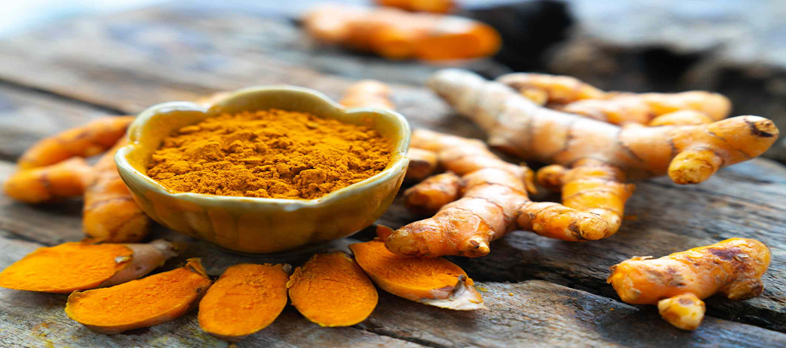
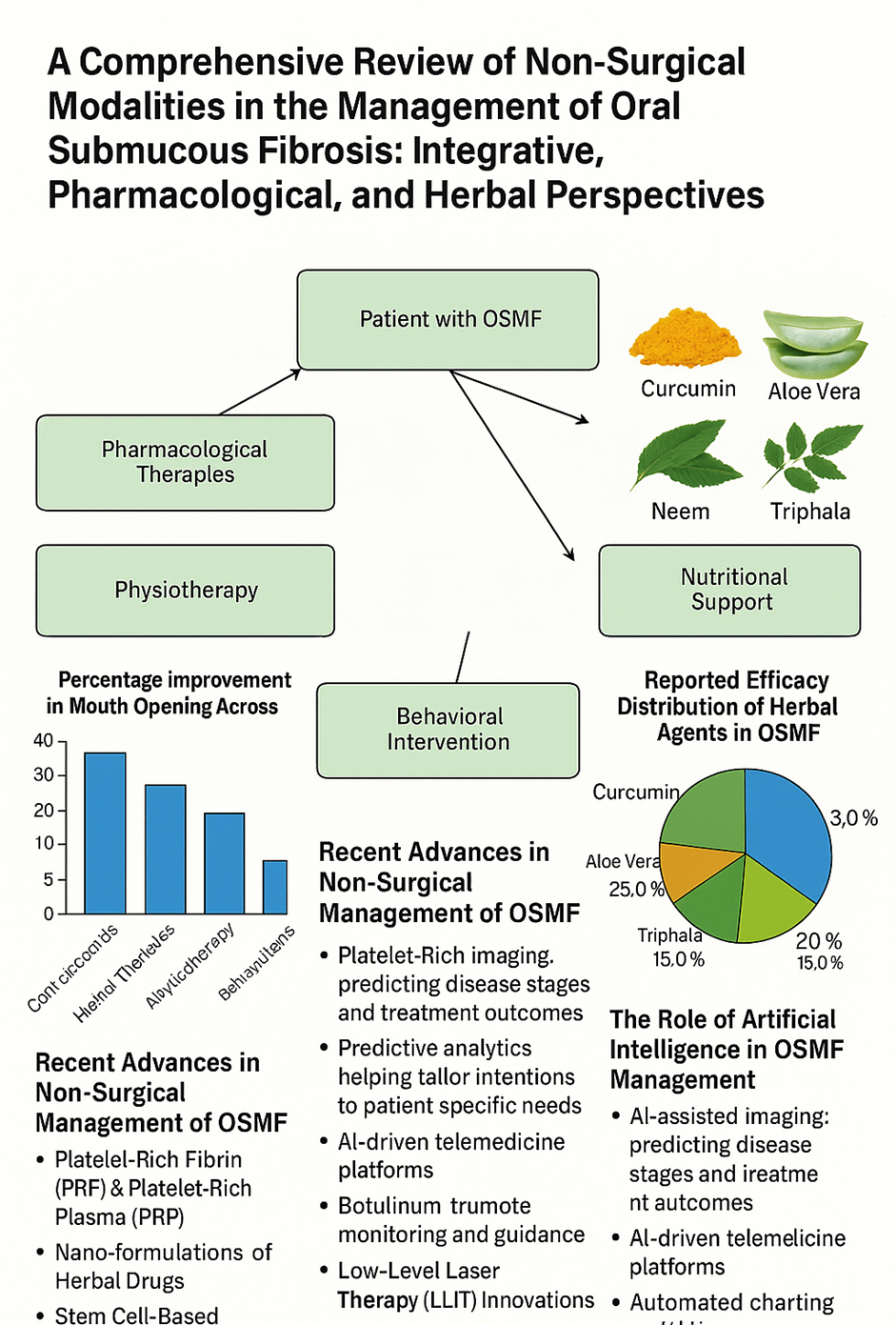
Curcumin, a polyphenolic compound extracted from turmeric (Curcuma longa), exhibits potent anti-inflammatory, antioxidant, and antifibrotic properties. It inhibits nuclear factor-kappa B (NF-κB) and transforming growth factor-beta (TGF-β), both of which are central to the pathogenesis of OSMF. Clinical studies have shown that curcumin significantly improves mouth opening, reduces burning sensation, and enhances the quality of life in patients with early to moderate OSMF¹⁵. Its natural origin, safety profile, and cost-effectiveness make it a preferred adjunct therapy in resource-limited settings.
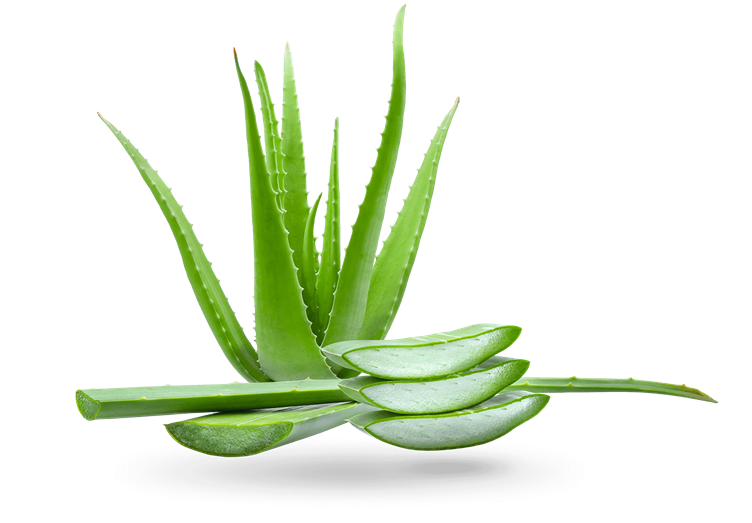
Aloe vera gel, derived from the leaves of Aloe barbadensis miller, possesses mucoprotective, wound-healing, and anti-inflammatory properties. The gel's high mucopolysaccharide content facilitates tissue regeneration and collagen remodeling. In clinical settings, aloe vera has demonstrated effectiveness in improving mouth opening and reducing inflammation in OSMF patients when used as a topical gel or oral rinse¹⁶. It also offers soothing effects on the oral mucosa, making it a patient-friendly intervention.
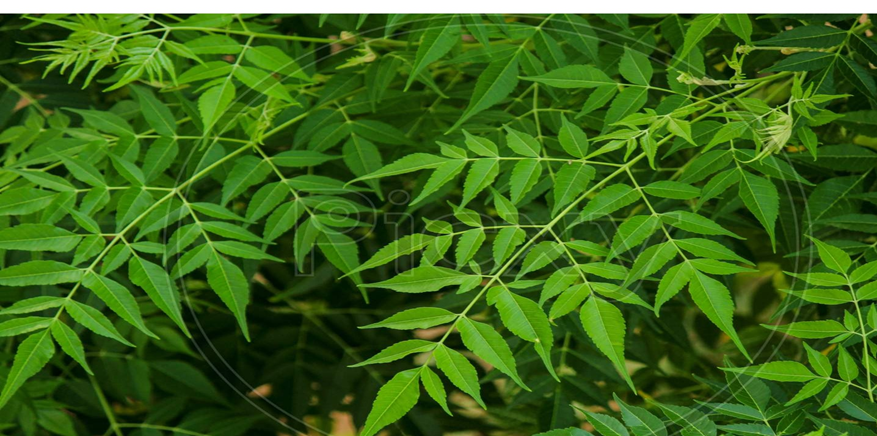
Neem has long been recognized in Ayurvedic medicine for its antimicrobial, immunomodulatory, and anti-inflammatory actions. Extracts from neem leaves contain bioactive compounds such as nimbin, azadirachtin, and quercetin, which inhibit pro-inflammatory mediators and enhance antioxidant defense. Preliminary clinical evidence supports its efficacy in reducing oral burning sensation and limiting fibrotic progression in OSMF¹⁷. Its accessibility and traditional use further justify its inclusion in non-surgical regimens.
Other botanicals like Triphala, a classical Ayurvedic formulation composed of three fruits—Amalaki, Haritaki, and Bibhitaki—have shown antioxidant and mucosal healing properties in preliminary studies¹⁸. Glycyrrhiza glabra (licorice) also demonstrates anti-inflammatory and immunomodulatory effects¹⁹. Tulsi (Ocimum sanctum), green tea polyphenols, and chamomile are additional herbal candidates under investigation for their adjunctive benefits in OSMF²⁰.
Adjunctive Physiotherapy and Supportive Modalities
Physiotherapy plays a crucial role in the non-surgical management of OSMF by improving mouth opening, enhancing tissue flexibility, and minimizing the progression of fibrosis. Therapeutic mouth-opening exercises, when performed consistently, can help break fibrous bands and restore muscle function. Devices such as the Heister jaw opener, wooden spatula stack, or customized mouth-exercising appliances are commonly used for this purpose. Studies have shown that patients who adhere to physiotherapy protocols demonstrate significant improvement in interincisal distance over time²¹.
In addition to mechanical exercises, low-level laser therapy (LLLT) has gained attention for its potential to stimulate fibroblast activity, reduce inflammation, and accelerate healing. Clinical trials using diode lasers in OSMF have reported positive outcomes, including pain relief, improved mouth opening, and reduced tissue stiffness²².
Nutritional supplementation is another essential component of supportive care. Micronutrient deficiencies, particularly of iron, vitamin B-complex, and folic acid, have been linked to the onset and progression of OSMF. Correcting these deficiencies not only improves general health but also enhances the response to pharmacological and herbal interventions²³.
Behavioral modification remains a cornerstone of management. Complete cessation of areca nut, tobacco, and spicy foods is mandatory to prevent disease progression and recurrence. Counseling, nicotine replacement therapy, and community-based interventions have been successfully employed to improve patient compliance²⁴.
Emerging evidence also highlights the role of yoga and mindfulness practices in managing chronic oral diseases like OSMF. Stress has been implicated in the exacerbation of fibrotic diseases, and interventions such as pranayama and guided meditation may offer psychological benefits and enhance patient adherence to therapeutic protocols²⁵.
Together, these adjunctive modalities augment the effects of core pharmacological and herbal therapies. A multimodal approach that integrates physiotherapy, nutrition, behavioral counseling, and stress reduction is more likely to yield sustained clinical benefits and improve patient quality of life²⁶.
CONCLUSION AND FUTURE DIRECTIONS:
The comprehensive management of Oral Submucous Fibrosis (OSMF) necessitates an integrative, patient-centric approach that prioritizes non-surgical therapies to halt disease progression, alleviate debilitating symptoms, and improve oral functionality. This review consolidates current evidence supporting a wide spectrum of pharmacological agents, herbal remedies, physiotherapy techniques, and supportive care strategies—each of which plays a crucial role in addressing the multifaceted nature of OSMF²⁷.
Pharmacological interventions such as corticosteroids, hyaluronidase, interferon-gamma, pentoxifylline, and a variety of antioxidants have consistently demonstrated measurable benefits in reducing fibrosis, alleviating inflammation, and improving interincisal mouth opening²⁸. These agents are often employed in synergistic combinations, maximizing their therapeutic effects while maintaining acceptable safety profiles. The utility of antioxidants, in particular, reflects a deeper understanding of the role of oxidative stress in OSMF pathogenesis and offers an effective, long-term management option²⁹.
Complementing pharmacologic agents, herbal and plant-derived therapies such as curcumin, aloe vera, and neem offer promising, natural adjuncts. These botanicals exhibit strong anti-inflammatory, antioxidant, and antifibrotic activities, validated by emerging clinical evidence³⁰. Their minimal side-effect profiles, affordability, and widespread acceptance enhance their translational value across diverse patient populations. Integrating these remedies into modern protocols supports the global shift towards evidence-based, integrative medicine³¹.
Adjunctive physiotherapeutic modalities—such as structured mouth-opening exercises, low-level laser therapy, and nutritional supplementation—further amplify the efficacy of core treatments³². Behavioral interventions including the cessation of areca nut and tobacco use, combined with psychological support through yoga and mindfulness, provide long-term lifestyle adaptations that prevent recurrence and ensure lasting outcomes. These holistic strategies emphasize the biopsychosocial model of care essential for chronic conditions such as OSMF³³.
Despite these advancements, several knowledge gaps remain. Most existing studies are limited by small sample sizes, short follow-up periods, and heterogeneous outcome measures³⁴. There is an urgent need for large-scale, multicenter randomized controlled trials to validate the efficacy, safety, and cost-effectiveness of these modalities. The development of standardized clinical guidelines, consensus protocols, and validated scoring systems will further streamline the implementation of non-surgical therapies into routine dental practice³⁵.
Future research should also explore the mechanistic pathways underpinning fibrotic progression and therapeutic reversal. Molecular markers and imaging modalities could serve as valuable tools for early diagnosis, prognostication, and treatment monitoring³⁶. Moreover, innovations in drug delivery systems—such as nanocarriers and mucoadhesive gels—may enhance bioavailability and tissue targeting of pharmacological and herbal compounds³⁷.
In conclusion, the utilization of non-surgical treatment modalities in the management of Oral Submucous Fibrosis (OSMF) holds substantial therapeutic promise by offering multifaceted benefits such as effective symptomatic relief, deceleration of fibrotic tissue progression, enhancement of oral function, and overall improvement in patients' quality of life. These modalities integrate a wide array of strategies—including pharmacological interventions, herbal remedies, physiotherapeutic regimens, nutritional supplementation, and behavioral modifications—that collectively target the complex and multifactorial nature of the disease. The interdisciplinary approach combining clinical pharmacology with principles of traditional and complementary medicine, rehabilitative therapies, and lifestyle interventions represents not just a therapeutic innovation but a paradigm shift in the chronic care model for OSMF. Such an approach is inherently patient-centric, sustainable, and adaptable to diverse clinical settings.
Moreover, as global attention increasingly shifts toward holistic and integrative medical practices, the role of conservative OSMF treatments becomes even more crucial. With accumulating clinical evidence and improved mechanistic insights, these modalities are well-positioned to form the backbone of future OSMF management protocols. However, the real-world implementation of these strategies requires coordinated efforts in research, education, and policy-making. Further advancements in evidence-based clinical guidelines, multicenter trials with robust methodology, and standardized outcome assessments will be essential for widespread adoption. Additionally, innovations in drug delivery systems and non-invasive diagnostic tools could significantly amplify the efficacy and precision of these treatments. With sustained research, standardized practices, and strong policy backing, these conservative, non-invasive interventions have the potential to revolutionize the therapeutic landscape for one of the most complex and potentially malignant disorders affecting the oral cavity³⁸.
REFERENCES:
1. Cox S, Zoellner H, Seers CA, Walker DM. Oral submucous fibrosis: review on aetiology and pathogenesis. Oral Health Dent Manag. 2015;14(3):159-63.
2. Angadi PV, Rao SS. Areca nut in pathogenesis of oral submucous fibrosis: revisited. Oral Maxillofac Surg. 2011;15(1):1–9.
3. Tilakaratne WM, Klinikowski MF, Saku T, Peters TJ, Warnakulasuriya S. Oral submucous fibrosis: review on mechanisms of pathogenesis and malignant transformation. J Oral Pathol Med. 2006;35(12): 699–706.
4. Arakeri G, Brennan PA. Oral submucous fibrosis: an overview of the aetiology, pathogenesis, classification, and principles of management. Br J Oral Maxillofac Surg. 2013;51(10):587–93.
5. Kiran Kumar K, Saraswathi TR, Ranganathan K, Uma Devi M, Elizabeth J. Oral submucous fibrosis: a clinico-histopathological study in Chennai. Indian J Dent Res. 2007;18(3):106–11.
6. Pindborg JJ, Sirsat SM. Oral submucous fibrosis. Oral Surg Oral Med Oral Pathol. 1966;22(6):764–79.
7. Kiran Kumar K, Saraswathi TR, Ranganathan K. Effect of interferon gamma on collagen metabolism in oral submucous fibrosis. Indian J Dent Res. 2006;17(3):114–8.
8. Rajendran R. Oral submucous fibrosis: etiology, pathogenesis, and future research. Bull World Health Organ. 1994;72(6):985–96.
9. Chole RH, Gondivkar SM, Gadbail AR, Balsaraf S, Chaudhary S. Review on clinical efficacy of intralesional corticosteroids in OSMF. J Oral Maxillofac Pathol. 2011;15(3):247–52.
10. More CB, Rao NR, More SD. Evaluation of efficacy of intralesional corticosteroids with hyaluronidase in OSMF. J Clin Diagn Res. 2013;7(10):2186–9.
11. Singh M, Niranjan R, Mehrotra D, Gupta SC. Efficacy of interferon gamma in oral submucous fibrosis: a randomized controlled trial. Int J Oral Maxillofac Surg. 2013;42(5):659–65.
12. Patil S, Maheshwari S, Bhoosreddy AR, Kaswan S. Effectiveness of pentoxifylline in the treatment of oral submucous fibrosis. J Clin Diagn Res. 2014;8(6):ZC19–21.
13. Bhatnagar P, Bhatnagar M, Bhatnagar G. Role of lycopene in the management of OSMF. Asian Pac J Cancer Prev. 2014;15(12):5229–32.
14. Sudarshan R, Annigeri RG, Sree Vijayabala G. Comparative study of spirulina with antioxidants in the treatment of oral submucous fibrosis. Indian J Dent Res. 2013;24(3):347–50.
15. Rai B, Kharb S, Jain R, Anand SC. Mouth opening in OSMF treated with curcumin: a randomized clinical study. N Y State Dent J. 2011;77(6):41–4.
16. Gupta D, Sharma SC, Kumar A. Clinical evaluation of aloe vera in the treatment of OSMF. J Indian Acad Oral Med Radiol. 2008;20(4):138–41.
17. Nagpal A, Soni R. Comparative study of neem and turmeric in management of oral submucous fibrosis. Int J Pharm Sci Res. 2013;4(7):2616–9.
18. Chauhan D, Soni ML. Effect of Triphala in the management of oral submucous fibrosis: a clinical study. J Ayurveda Integr Med. 2010;1(4):268–72.
19. Sharma A, Saxena S. Role of licorice in OSMF management. J Oral Biol Craniofac Res. 2014;4(3):174–7.
20. Tandon S, Gupta N, Gupta ND. Effectiveness of tulsi and green tea in OSMF management. J Clin Exp Dent. 2017;9(10):e1220–5.
21. Sharma R, Raj SS, Paul S. Effect of physiotherapy in oral submucous fibrosis patients. J Clin Diagn Res. 2013;7(10):2407–10.
22. Prabhu RV, Rekha K, Sharma R. Diode laser in OSMF: a novel treatment. Lasers Med Sci. 2012;27(2):375–81.
23. Kumar A, Bagewadi A, Keluskar V, Singh M. Micronutrient deficiency in OSMF patients. J Oral Maxillofac Pathol. 2013;17(1):48–52.
24. Hazarey VK, Erlewad DM, Mundhe KA, Ughade SN. Behavioral intervention for areca nut cessation. Oral Health Prev Dent. 2005;3(1):49–56.
25. Pathak LA, Patwardhan V, Majra J, Kaur N. Role of yoga in management of OSMF: preliminary study. J Ayurveda Integr Med. 2018;9(1):44–9.
26. Shah N, Sharma R. Multimodal therapy in oral submucous fibrosis. Indian J Dent Res. 2008;19(4):331–5.
27. Rajendran R, Sivapathasundharam B. Shafer's Textbook of Oral Pathology. 7th ed. Elsevier; 2012.
28. Ranganathan K, Devi MU, Joshua E, Kirankumar K, Saraswathi TR. Oral submucous fibrosis: a case–control study. J Oral Pathol Med. 2004;33(6):386–92.
29. Mathew AL, Pai KM, Sholapurkar AA, Vengal M. Efficacy of spirulina and lycopene in the treatment of OSMF: a comparative study. J Oral Pathol Med. 2014;43(2):122–8.
30. Kotecha B, Hiremath VK, Kale V. Use of turmeric in OSMF: an adjunctive therapy. J Contemp Dent Pract. 2013;14(6):1160–4.
31. Sinha R, Agarwal S, Sinha N. Herbal interventions in OSMF. AYU. 2012;33(3):388–91.
32. More CB, Bhavsar K, Varma SN, Tailor M. Assessment of the effect of physiotherapy in OSMF: a 6-month follow-up study. J Indian Acad Oral Med Radiol. 2013;25(1):14–8.
33. Radhika T, Nirmala SVSG, Sivakumar G. Non-invasive interventions for OSMF: review. J Pharm Bioall Sci. 2012;4(Suppl 2):S259–63.
34. Singh M, Debnath N, Gupta SC. Multimodal therapy for oral submucous fibrosis. J Cancer Res Ther. 2012;8(1):72–7.
35. Bhatnagar G, Bhatnagar P. Standardized treatment protocols in OSMF: need of the hour. Indian J Otolaryngol Head Neck Surg. 2011;63(4):330–2.
36. Mehrotra D, Pradhan R, Gupta S. Fibrotic changes in OSMF: a molecular review. J Oral Maxillofac Surg. 2013;71(10):1803.e1–7.
37. Kharbanda M, Kumar S, Rana R. Nano-formulations in OSMF: potential benefits. Int J Pharma Bio Sci. 2014;5(3):B663–9.
38. Verma D, Verma A. Future directions in non-surgical management of OSMF. J Dent Res Rev. 2019;6(2):50–4.