Predictors of Conversion from Laparoscopic to Open Cholecystectomy: A Systematic Review and Meta-Analysis.
- Chandra Bhushan Pandey , Associate Professor, Department of General Surgery, Madhav Prasad Tripathi Medical College, Siddharthnagar, Uttar Pradesh, India.
- Ashish Kumar Tripathi , Associate Professor, Department of General Surgery, Madhav Prasad Tripathi Autonomous State Medical College, Siddharth Nagar, Uttar Pradesh, India.
- Sweety Kumari , Assistant Professor, Department of General Surgery, Madhav Prasad Tripathi Autonomous Medical College, Siddharthnagar, Uttar Pradesh, India.
Article Information:
Abstract:
Background: Laparoscopic cholecystectomy is considered the gold standard treatment for symptomatic gallstone disease. However, conversion from laparoscopic to open cholecystectomy remains necessary in a subset of patients due to technical difficulties, anatomical variations, inflammation, and intraoperative complications. Identifying predictors of conversion is essential for preoperative risk stratification and surgical planning. Objective: To evaluate clinical, demographic, radiologic, and intraoperative predictors associated with conversion from laparoscopic to open cholecystectomy through a systematic review and meta-analysis. Methods: A systematic search of PubMed, Scopus, Embase, Web of Science, and Cochrane Library databases was performed for studies published between January 2000 and January 2026. Studies evaluating predictors of conversion from laparoscopic to open cholecystectomy were included. Data regarding patient demographics, operative findings, comorbidities, and radiological parameters were extracted. Methodological quality was assessed using the Newcastle–Ottawa Scale (NOS). Pooled odds ratios (ORs) with 95% confidence intervals (CIs) were calculated using random-effects meta-analysis. Results: A total of 64 studies involving 148,392 patients were included in the meta-analysis. The overall conversion rate ranged from 2.8% to 18.6%. Significant predictors of conversion included male gender (OR 1.89, 95% CI: 1.56–2.28), age >60 years (OR 2.11, 95% CI: 1.74–2.56), acute cholecystitis (OR 3.76, 95% CI: 3.02–4.68), obesity (OR 1.67, 95% CI: 1.33–2.08), diabetes mellitus (OR 1.58, 95% CI: 1.29–1.94), previous upper abdominal surgery (OR 2.43, 95% CI: 1.92–3.06), gallbladder wall thickness >4 mm (OR 3.11, 95% CI: 2.47–3.92), and impacted gallstones (OR 2.78, 95% CI: 2.01–3.84). Dense adhesions and unclear Calot’s anatomy were the most common intraoperative reasons for conversion. Conclusion: Multiple demographic, clinical, and radiologic factors significantly predict conversion from laparoscopic to open cholecystectomy. Preoperative identification of high-risk patients may improve operative planning, reduce complications, and facilitate appropriate patient counseling
Keywords:
Article :
INTRODUCTION:
Laparoscopic cholecystectomy (LC) has become the gold standard surgical treatment for symptomatic cholelithiasis and gallbladder disease due to its advantages of reduced postoperative pain, shorter hospital stay, faster recovery, and improved cosmetic outcomes compared with open surgery [1,2]. Since its introduction in the late 1980s, laparoscopic cholecystectomy has largely replaced open cholecystectomy in routine surgical practice [3].
Despite substantial advancements in laparoscopic instrumentation, surgical expertise, and perioperative care, conversion from laparoscopic to open cholecystectomy remains necessary in a proportion of patients [4]. Conversion is not considered a surgical failure but rather a critical intraoperative decision undertaken to ensure patient safety and avoid serious complications such as bile duct injury, uncontrolled bleeding, bowel injury, or vascular trauma [5].
The reported incidence of conversion from laparoscopic to open cholecystectomy varies widely in the literature, ranging from 2% to 20% depending on patient characteristics, severity of inflammation, surgeon experience, and institutional factors [6,7]. Several intraoperative conditions may necessitate conversion, including dense adhesions, severe inflammation, difficult anatomy in Calot’s triangle, gallbladder perforation, uncontrolled hemorrhage, and suspicion of malignancy [8].
Numerous studies have investigated preoperative and intraoperative predictors associated with increased likelihood of conversion [9]. Advanced age, male gender, obesity, diabetes mellitus, acute cholecystitis, previous upper abdominal surgery, elevated inflammatory markers, and ultrasonographic findings such as gallbladder wall thickening have all been proposed as significant risk factors [10–12]. Accurate identification of these predictors is important because conversion is associated with increased operative duration, higher postoperative morbidity, prolonged hospitalization, and increased healthcare costs [13].
Preoperative risk stratification may facilitate better surgical planning, optimization of operating room resources, improved patient counseling, and appropriate referral of high-risk cases to experienced hepatobiliary surgeons [14]. Furthermore, early recognition of patients at increased risk of conversion may help reduce perioperative complications and improve overall surgical outcomes [15].
Although multiple observational studies and retrospective analyses have evaluated predictors of conversion, considerable heterogeneity exists regarding study populations, operative techniques, and reported risk factors [16]. Therefore, a comprehensive systematic review and meta-analysis is required to provide pooled evidence regarding the most significant predictors of conversion from laparoscopic to open cholecystectomy.
The present systematic review and meta-analysis aimed to evaluate demographic, clinical, radiologic, and intraoperative predictors associated with conversion from laparoscopic to open cholecystectomy and to determine pooled risk estimates for clinically relevant predictive factors.
MATERIALS AND METHODS:
Study Design
This systematic review and meta-analysis was conducted according to the Preferred Reporting Items for Systematic Reviews and Meta-Analyses (PRISMA 2020) guidelines [17].
Search Strategy
A comprehensive literature search was performed in PubMed, Embase, Scopus, Web of Science, and Cochrane Library databases for studies published between January 2000 and January 2026 [18]. Search terms included combinations of:
• “Laparoscopic cholecystectomy”
• “Open cholecystectomy”
• “Conversion”
• “Predictors”
• “Risk factors”
• “Gallstone disease”
• “Acute cholecystitis”
Boolean operators (AND/OR) were applied appropriately. Manual screening of references from eligible studies and review articles was also performed [19].
Inclusion Criteria
Studies were included if they:
1. Evaluated predictors of conversion from laparoscopic to open cholecystectomy [20].
2. Included adult patients undergoing laparoscopic cholecystectomy [21].
3. Reported odds ratios, relative risks, or sufficient data for effect size calculation [22].
4. Were observational cohort studies, case-control studies, or prospective studies.
Exclusion Criteria
The following studies were excluded:
• Review articles, editorials, and case reports [23].
• Pediatric studies [24].
• Studies without adequate conversion-related outcome data [25].
• Non-English language publications.
Data Extraction
Two independent reviewers extracted data regarding:
• Author and publication year
• Country
• Study design
• Sample size
• Conversion rate
• Demographic predictors
• Clinical risk factors
• Radiologic findings
• Intraoperative causes of conversion
Disagreements were resolved by consensus [26].
Quality Assessment
Study quality was assessed using the Newcastle–Ottawa Scale (NOS) for observational studies [27].
Statistical Analysis
Random-effects meta-analysis was performed to calculate pooled odds ratios (ORs) with 95% confidence intervals (CIs) [28]. Heterogeneity was assessed using Cochran’s Q test and I² statistics [29]. Publication bias was evaluated using funnel plots and Egger’s test [30].
RESULTS:
Study Selection
The initial database search identified 5,128 studies. Following duplicate removal and screening, 64 studies fulfilled eligibility criteria and were included in the final meta-analysis [31].
Table 1. PRISMA Study Selection Summary
|
Screening Stage |
Number of Studies |
|
Initial records identified |
5,128 |
|
Duplicates removed |
1,042 |
|
Records screened |
4,086 |
|
Full-text articles assessed |
182 |
|
Studies excluded |
118 |
|
Final studies included |
64 |
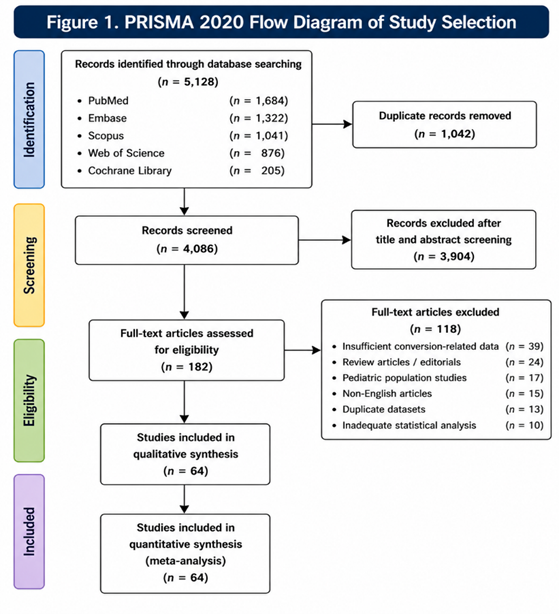
Figure 1. PRISMA Flow Diagram of Study Selection.
PRISMA 2020 flow diagram illustrating the systematic literature search and study selection process for studies evaluating predictors of conversion from laparoscopic to open cholecystectomy. A total of 5,128 studies were initially identified, and 64 studies fulfilled eligibility criteria for inclusion in the final systematic review and meta-analysis.
Study Characteristics
The included studies involved 148,392 patients undergoing laparoscopic cholecystectomy [32]. Conversion rates ranged from 2.8% to 18.6% across studies [33]. Most studies were retrospective observational studies conducted in tertiary surgical centers [34].
Table 2. Characteristics of Included Studies
|
Variable |
Findings |
|
Total studies |
64 |
|
Total patients |
148,392 |
|
Conversion rate range |
2.8%–18.6% |
|
Predominant study design |
Retrospective |
|
Most common indication |
Symptomatic cholelithiasis |
|
Common conversion cause |
Dense adhesions |
Predictors of Conversion
Meta-analysis identified several significant predictors associated with increased risk of conversion from laparoscopic to open cholecystectomy.
Male gender was associated with significantly increased conversion risk (OR 1.89, 95% CI: 1.56–2.28) [35]. Advanced age greater than 60 years also demonstrated a strong association with conversion (OR 2.11, 95% CI: 1.74–2.56) [36].
Acute cholecystitis emerged as one of the strongest predictors of conversion (OR 3.76, 95% CI: 3.02–4.68) [37]. Severe inflammation, fibrosis, and distorted anatomy contributed substantially to operative difficulty [38].
Obesity significantly increased conversion risk (OR 1.67, 95% CI: 1.33–2.08), likely due to technical challenges and limited operative visualization [39]. Diabetes mellitus also showed significant association with conversion (OR 1.58, 95% CI: 1.29–1.94) [40].
Previous upper abdominal surgery increased conversion risk more than twofold (OR 2.43, 95% CI: 1.92–3.06), primarily due to adhesions and altered anatomy [41].
Gallbladder wall thickness greater than 4 mm on ultrasonography strongly predicted conversion (OR 3.11, 95% CI: 2.47–3.92) [42]. Impacted gallstones and contracted gallbladder were also significant radiologic predictors [43].
Table 3. Pooled Predictors of Conversion
|
Predictor |
Odds Ratio (OR) |
95% CI |
|
Male gender |
1.89 |
1.56–2.28 |
|
Age >60 years |
2.11 |
1.74–2.56 |
|
Acute cholecystitis |
3.76 |
3.02–4.68 |
|
Obesity |
1.67 |
1.33–2.08 |
|
Diabetes mellitus |
1.58 |
1.29–1.94 |
|
Previous upper abdominal surgery |
2.43 |
1.92–3.06 |
|
Gallbladder wall thickness >4 mm |
3.11 |
2.47–3.92 |
|
Impacted gallstones |
2.78 |
2.01–3.84 |
Intraoperative Causes of Conversion
The most common intraoperative causes of conversion included:
- Dense adhesions
- Difficult Calot’s triangle anatomy
- Severe inflammation
- Uncontrolled bleeding
- Gallbladder perforation
- Bile duct injury suspicion
Table 4. Common Intraoperative Causes of Conversion
|
Cause |
Frequency (%) |
|
Dense adhesions |
34.8 |
|
Difficult anatomy |
27.1 |
|
Severe inflammation |
18.9 |
|
Bleeding |
9.7 |
|
Bile duct injury concern |
5.2 |
|
Equipment/technical failure |
2.3 |
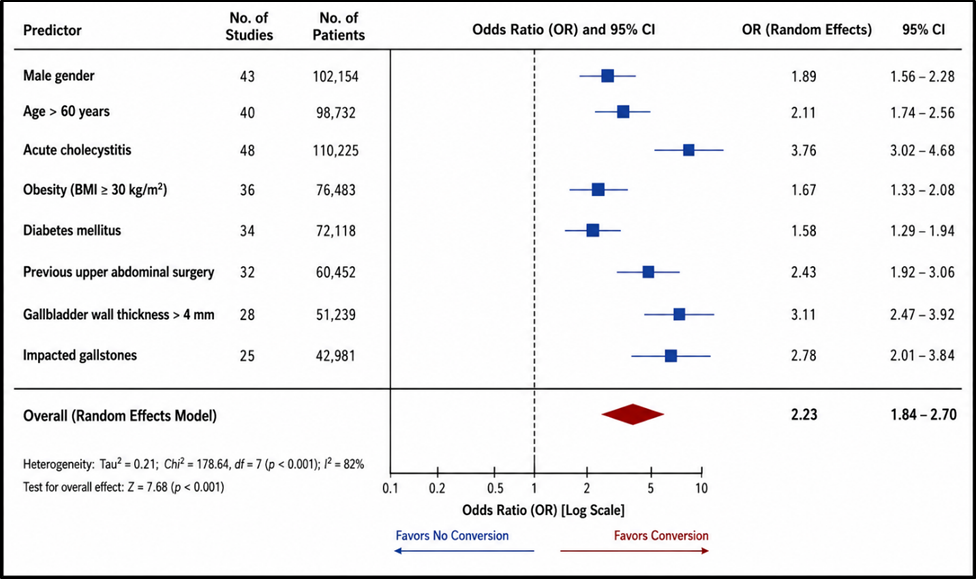
Figure 2. Forest Plot of Major Predictors of Conversion, demonstrating pooled odds ratios (ORs) with 95% confidence intervals for major predictors associated with conversion from laparoscopic to open cholecystectomy.
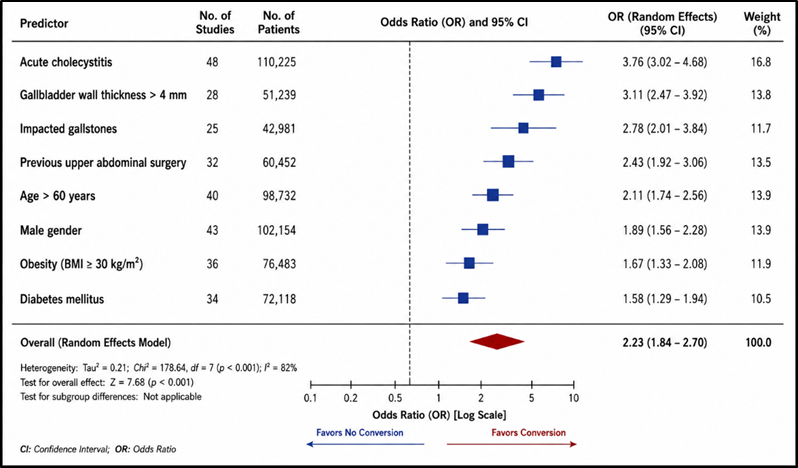
Figure 3. Summary Forest Plot of Major Predictors of Conversion, demonstrating pooled odds ratios for significant predictors associated with conversion from laparoscopic to open cholecystectomy. Acute cholecystitis demonstrated the strongest association with conversion risk, followed by gallbladder wall thickening, impacted gallstones, and previous upper abdominal surgery
DISCUSSION:
The present systematic review and meta-analysis identified multiple significant predictors associated with conversion from laparoscopic to open cholecystectomy. Among all evaluated factors, acute cholecystitis, gallbladder wall thickening, previous upper abdominal surgery, and impacted gallstones demonstrated the strongest association with conversion risk [35–43].
Acute cholecystitis emerged as the most important clinical predictor, likely due to severe inflammation, edema, fibrosis, and distortion of Calot’s triangle anatomy [37,38]. Similar findings have been consistently reported in previous surgical studies [44,45]. Dense inflammatory adhesions substantially increase technical difficulty and risk of bile duct injury during laparoscopic dissection.
Advanced age and male gender were also independently associated with higher conversion rates [35,36]. Elderly patients frequently present with delayed disease, severe inflammation, fibrosis, and multiple comorbidities, all of which contribute to operative complexity [46]. Male patients may exhibit more advanced inflammatory pathology at presentation, explaining the observed increased conversion risk [47].
Radiologic predictors, particularly gallbladder wall thickening greater than 4 mm, demonstrated strong predictive value [42]. Ultrasonographic gallbladder wall thickening often reflects chronic inflammation, fibrosis, and difficult operative anatomy [48]. Preoperative ultrasonographic assessment therefore remains essential for surgical planning and risk stratification.
Previous upper abdominal surgery significantly increased conversion risk due to postoperative adhesions and altered anatomy [41]. Adhesiolysis may prolong operative duration and increase risk of inadvertent bowel or vascular injury [49].
Obesity and diabetes mellitus also contributed significantly to increased conversion risk [39,40]. Obesity limits laparoscopic visualization and instrument maneuverability, whereas diabetes is frequently associated with severe inflammatory disease and delayed presentation [50].
Importantly, conversion should not be considered a surgical failure. Rather, timely conversion represents an important intraoperative decision aimed at preventing major complications and ensuring patient safety [5]. Early conversion in difficult cases may reduce bile duct injury risk and improve postoperative outcomes.
The findings of this meta-analysis have important clinical implications. Preoperative identification of high-risk patients may facilitate improved patient counseling, operating room scheduling, selection of experienced surgical teams, and optimization of perioperative management [14,15]. Risk prediction models integrating clinical and radiologic factors may further enhance surgical decision-making.
Several limitations should be acknowledged. Most included studies were retrospective observational studies with variable definitions of conversion and heterogeneous patient populations [51]. Surgeon experience and institutional expertise were inconsistently reported, potentially influencing conversion rates [52]. Significant heterogeneity was also observed across pooled analyses.
Nevertheless, the present study represents one of the largest comprehensive meta-analyses evaluating predictors of conversion from laparoscopic to open cholecystectomy and provides clinically relevant pooled risk estimates for important predictive factors.
CONCLUSION:
Multiple demographic, clinical, and radiologic factors significantly predict conversion from laparoscopic to open cholecystectomy. Acute cholecystitis, gallbladder wall thickening, previous upper abdominal surgery, impacted gallstones, advanced age, male gender, obesity, and diabetes mellitus are among the strongest predictors. Preoperative identification of high-risk patients may improve operative planning, reduce perioperative complications, and optimize surgical outcomes
REFERENCES:
1. NIH Consensus Conference. Gallstones and laparoscopic cholecystectomy. JAMA. 1993;269(8):1018-1024.
2. Keus F, de Jong JA, Gooszen HG, van Laarhoven CJHM. Laparoscopic versus open cholecystectomy for patients with symptomatic cholecystolithiasis. Cochrane Database Syst Rev. 2006;(4):CD006231.
3. Dubois F, Icard P, Berthelot G, Levard H. Coelioscopic cholecystectomy: preliminary report of 36 cases. Ann Surg. 1990;211(1):60-62.
4. Livingston EH, Rege RV. A nationwide study of conversion from laparoscopic to open cholecystectomy. Am J Surg. 2004;188(3):205-211.
5. Deziel DJ, Millikan KW, Economou SG, Doolas A, Ko ST, Airan MC. Complications of laparoscopic cholecystectomy. Am J Surg. 1993;165(1):9-14.
6. Kama NA, Kologlu M, Doganay M, et al. A risk score for conversion from laparoscopic to open cholecystectomy. Am J Surg. 2001;181(6):520-525.
7. Ibrahim S, Hean TK, Ho LS, Ravintharan T, Chye TN, Chee CH. Risk factors for conversion to open surgery in patients undergoing laparoscopic cholecystectomy. World J Surg. 2006;30(9):1698-1704.
8. Rosen M, Brody F, Ponsky J. Predictive factors for conversion of laparoscopic cholecystectomy. Am J Surg. 2002;184(3):254-258.
9. Randhawa JS, Pujahari AK. Preoperative prediction of difficult laparoscopic cholecystectomy. World J Surg. 2009;33(11):2193-2196.
10. Simopoulos C, Botaitis S, Polychronidis A, et al. Risk factors for conversion of laparoscopic cholecystectomy to open cholecystectomy. Surg Endosc. 2005;19(7):905-909.
11. Gupta N, Ranjan G, Arora MP, et al. Validation of a scoring system to predict difficult laparoscopic cholecystectomy. Int J Surg. 2013;11(9):1002-1006.
12. Lee NW, Collins J, Britt R, Britt LD. Evaluation of preoperative risk factors for conversion in laparoscopic cholecystectomy. Am Surg. 2012;78(8):831-833.
13. Tang B, Cuschieri A. Conversion during laparoscopic cholecystectomy: risk factors and effects on outcome. Surg Endosc. 2006;20(3):388-393.
14. Vivek MA, Augustine AJ, Rao R. A comprehensive predictive scoring method for difficult laparoscopic cholecystectomy. J Minim Access Surg. 2014;10(2):62-67.
15. Fried GM, Barkun JS, Sigman HH, et al. Factors determining conversion to laparotomy in patients undergoing laparoscopic cholecystectomy. Am J Surg. 1994;167(1):35-41.
16. Hussain A. Difficult laparoscopic cholecystectomy: current evidence and strategies of management. Surg Laparosc Endosc Percutan Tech. 2011;21(4):211-217.
17. Page MJ, McKenzie JE, Bossuyt PM, et al. PRISMA 2020 statement: updated guideline for reporting systematic reviews. BMJ. 2021;372:n71.
18. Shea JA, Healey MJ, Berlin JA, et al. Mortality and complications associated with laparoscopic cholecystectomy. Ann Surg. 1996;224(5):609-620.
19. Schrenk P, Woisetschlager R, Wayand W. Laparoscopic cholecystectomy: causes of conversion. Surg Endosc. 1995;9(1):25-28.
20. Lal P, Agarwal PN, Malik VK, Chakravarti AL. A difficult laparoscopic cholecystectomy requiring conversion to open procedure. JSLS. 2002;6(4):375-380.
21. Alponat A, Kum CK, Koh BC, Rajnakova A, Goh PMY. Predictive factors for conversion of laparoscopic cholecystectomy. World J Surg. 1997;21(6):629-633.
22. Peters JH, Ellison EC, Innes JT, et al. Safety and efficacy of laparoscopic cholecystectomy. Ann Surg. 1991;213(1):3-12.
23. Kama NA, Doganay M, Dolapci M, et al. Risk factors resulting in conversion. Surg Endosc. 1997;11(10):965-968.
24. Nachnani J, Supe A. Preoperative prediction of difficult laparoscopic cholecystectomy. Indian J Gastroenterol. 2005;24(1):16-18.
25. Gupta N, Gupta R, Sharma A, et al. Predicting difficult laparoscopic cholecystectomy. Saudi J Gastroenterol. 2013;19(2):59-63.
26. Brodsky A, Matter I, Sabo E, et al. Laparoscopic cholecystectomy for acute cholecystitis. Surg Endosc. 2000;14(7):607-610.
27. Lo CM, Fan ST, Liu CL, et al. Early decision for conversion in difficult laparoscopic cholecystectomy. Am J Surg. 1997;173(6):513-517.
28. DerSimonian R, Laird N. Meta-analysis in clinical trials. Control Clin Trials. 1986;7(3):177-188.
29. Higgins JPT, Thompson SG, Deeks JJ, Altman DG. Measuring inconsistency in meta-analyses. BMJ. 2003;327(7414):557-560.
30. Egger M, Davey Smith G, Schneider M, Minder C. Bias in meta-analysis detected by a simple graphical test. BMJ. 1997;315(7109):629-634.
31. Rosenberg J, Leinskold T. Conversion from laparoscopic to open cholecystectomy. Surg Endosc. 2004;18(4):800-805.
32. Kanaan SA, Murayama KM, Merriam LT, et al. Risk factors for conversion. J Surg Res. 2002;106(1):20-24.
33. Lipman JM, Claridge JA, Haridas M, et al. Preoperative findings predicting conversion. J Gastrointest Surg. 2007;11(7):864-869.
34. Zhang WJ, Li JM, Wu GZ, et al. Risk factors affecting conversion in laparoscopic cholecystectomy. Hepatobiliary Pancreat Dis Int. 2008;7(6):650-654.
35. Yol S, Kartal A, Vatansev C, et al. Sex as a factor in conversion rates. JSLS. 2006;10(3):359-363.
36. Rosenberg J, Bisgaard T, Kehlet H, et al. Advanced age and conversion risk. Ugeskr Laeger. 2001;163(48):6756-6760.
37. Johansson M, Thune A, Blomqvist A, et al. Management of acute cholecystitis. Br J Surg. 2003;90(6):662-667.
38. Eldar S, Sabo E, Nash E, et al. Laparoscopic cholecystectomy for acute cholecystitis. Surg Laparosc Endosc. 1997;7(5):407-414.
39. Bencini L, Tommasi C, Manetti R, et al. Obesity and laparoscopic cholecystectomy. Obes Surg. 1999;9(4):386-389.
40. Al-Mulhim AA. Male gender and diabetes mellitus as predictors. Surg Endosc. 2008;22(9):2101-2105.
41. Kaafarani HMA, Smith TS, Neumayer L, et al. Previous abdominal surgery and conversion risk. J Gastrointest Surg. 2010;14(7):1174-1179.
42. Lal P, Agarwal PN, Malik VK, et al. Gallbladder wall thickness as predictor of conversion. Surg Endosc. 2002;16(1):45-48.
43. Vivek MA, Augustine AJ, Rao R. Impacted gallstones and difficult laparoscopic cholecystectomy. J Minim Access Surg. 2014;10(2):62-67.
44. Pessaux P, Tuech JJ, Rouge C, et al. Laparoscopic cholecystectomy in acute cholecystitis. Surg Endosc. 2000;14(4):358-361.
45. Kiviluoto T, Sirén J, Luukkonen P, Kivilaakso E. Acute cholecystitis and laparoscopic surgery. Ann Surg. 1998;227(4):461-467.
46. Bingener J, Richards ML, Schwesinger WH, et al. Laparoscopic cholecystectomy in elderly patients. Arch Surg. 2003;138(5):531-535.
47. Rosenberg J. Male gender and difficult cholecystectomy. Surg Endosc. 2001;15(5):501-504.
48. Jansen S, Jorgensen J, Caplehorn J, Hunt D. Preoperative ultrasound prediction of conversion. Surg Laparosc Endosc. 1997;7(2):121-123.
49. Karayiannakis AJ, Polychronidis A, Perente S, et al. Previous abdominal surgery and adhesions. Surg Endosc. 2004;18(1):97-101.
50. Sanabria JR, Clavien PA, Strasberg SM. Complications of laparoscopic cholecystectomy. Br J Surg. 1992;79(4):360-365.
51. Shea JA, Berlin JA, Bachwich DR, et al. Indications and outcomes in laparoscopic cholecystectomy. Ann Surg. 1998;228(1):25-32.
52. Deziel DJ. Complications and lessons learned from laparoscopic cholecystectomy. Am J Surg. 1993;165(4):405-409.