Forecasting Post-Spinal Hypotension in Elective Caesarean Sections: Are Perfusion Index and Baseline Heart Rate Reliable Predictors?
- Ashwini Lakshmi , Junior Resident, Department of Anaesthesiology, Vydehi Institute of Medical Sciences & Research Centre, Whitefield, Bengaluru 560066, Karnataka, India.
- Swati Bisht , Professor, Department of Anaesthesiology, Vydehi Institute of Medical Sciences & Research Centre, Whitefield, Bengaluru 560066, Karnataka, India.
Article Information:
Abstract:
Background: Post-spinal hypotension (PSH) is one of the most common complications encountered during spinal anaesthesia for elective caesarean section and may lead to adverse maternal and fetal outcomes. Early identification of patients at high risk for PSH can help in timely preventive interventions. Baseline Perfusion Index (PI) and Baseline Heart Rate (HR) are simple, non-invasive bedside parameters that may predict the occurrence of PSH. Aim: To evaluate the reliability of baseline perfusion index and baseline heart rate in forecasting post-spinal hypotension in parturients undergoing elective caesarean section under spinal anaesthesia. Materials and Methods: This prospective observational double-blind study was conducted in 120 ASA II parturients undergoing elective caesarean section under spinal anaesthesia at a tertiary care centre between January 2020 and June 2021. Baseline PI and HR were recorded preoperatively. Patients were categorized based on PI (>3.3 or <3.3) and HR (>87 bpm or <87 bpm). Hypotension was defined as a decrease in systolic blood pressure or mean arterial pressure greater than 20% from baseline. Sensitivity, specificity, positive predictive value (PPV), negative predictive value (NPV), and receiver operating characteristic (ROC) analysis was used to evaluate predictive accuracy. Results: Out of 120 parturients, 57 (47.5%) developed post-spinal hypotension. Baseline HR >87 bpm was associated with higher incidence of hypotension, with sensitivity of 66.67%, specificity of 71.43%, and ROC AUC of 0.636. Baseline PI >3.3 showed significantly greater predictive accuracy, with sensitivity of 91.23%, specificity of 90.48%, PPV of 89.66%, NPV of 91.94%, and ROC AUC of 0.932. Patients with higher PI and HR required greater vasopressor support, intravenous fluids, and experienced more hypotensive episodes intraoperatively. Conclusion: Both baseline perfusion index and baseline heart rate are useful predictors of post-spinal hypotension in elective caesarean sections under spinal anaesthesia. However, perfusion index demonstrated superior sensitivity, specificity and overall predictive accuracy compared to baseline heart Rate. Baseline PI may serve as a simple, reliable and cost-effective bedside tool for identifying parturients at increased risk of severe hypotension.
Keywords:
Article :
INTRODUCTION:
Spinal anaesthesia is the preferred anaesthetic technique for elective caesarean section because of its rapid onset, dense neural blockade, lower failure rate, reduced risk of aspiration, and improved postoperative analgesia.[1] Additionally, it promotes early maternal-neonatal bonding and permits the woman to stay awake until delivery. Despite these benefits, maternal hypotension—which is still one of the most prevalent and clinically important problems following caesarean delivery—is often linked to spinal anaesthesia.[2,3] Even with preventive measures such as fluid preloading and left uterine displacement, the incidence of post-spinal hypotension (PSH) in parturients having caesarean delivery has been reported to vary from 55% to 90%.[2,4]
The main cause of maternal hypotension after spinal anaesthesia is sympathetic blockade, which results in peripheral vasodilatation, lower systemic vascular resistance, venous pooling, and decreased venous return.[5] Pregnancy predisposes women to exaggerated hemodynamic changes because of physiological vasodilatation, increased blood volume, and aortocaval compression by the gravid uterus.[6] Severe and persistent hypotension may cause maternal symptoms such as nausea, vomiting, dizziness, restlessness, and syncope. More significantly, fetal hypoxia, acidosis, bradycardia, and neonatal depression can result from impaired uteroplacental perfusion.[7,8] Research has shown that fetal oxygenation and acid-base balance may be negatively impacted by a maternal systolic blood pressure that is consistently below 100 mmHg.[9]
Intravenous fluid preloading or co-loading, vasopressor administration, left uterine displacement, compression stockings and the preventive use of 5-HT3 antagonists are some of the techniques that have been recommended to prevent or decrease PSH.[10] Nevertheless, none of these strategies can totally prevent hypotension. Therefore, it is crucial from a clinical standpoint to identify individuals who are at high risk before administering spinal anaesthesia. Anaesthesiologists may be able to minimize maternal and fetal morbidity, maximize perioperative preparation, and start early vasopressor treatment with the aid of early PSH prediction.[11]
Previous research has assessed a number of PSH predictors, such as body mass index, abdominal circumference, symphysiofundal height, weight increase during pregnancy, gravidity, baseline blood pressure, heart rate variability, pleth variability index, and perfusion index.[12] Among them, baseline heart rate and perfusion index are straightforward, non-invasive, easily accessible, and cost-effective bedside measurements that may be acquired using common monitoring equipment.[13]
The Perfusion Index (PI) is the ratio of pulsatile to non-pulsatile blood flow in peripheral tissues, measured non-invasively by pulse oximetry.[10] It displays tissue perfusion and peripheral vascular tone. Increased vasodilatation and decreased peripheral vascular resistance are indicated by a high baseline PI. Patients with increased baseline PI are more likely to experience significant hypotension during spinal anaesthesia because it causes sympathetic blockade and further vasodilatation.[2] Toyama et al. showed that, with sensitivity and specificity of 81% and 86%, respectively, parturients with baseline PI >3.5 had a considerably greater incidence of hypotension following caesarean delivery under spinal anaesthesia.[10] Duggappa et al. also discovered a high correlation between baseline PI >3.5 and PSH, with sensitivity of 69.84% and specificity of 89.29%.[2]
Photoplethysmography uses infrared light absorption to detect changes in blood volume in peripheral tissues, is the physiological basis of PI measurement.[14,15] Both cardiac output and autonomic nervous system activity have an impact on peripheral perfusion. While reduced sympathetic activity results in vasodilatation and higher PI levels, increased sympathetic tone induces vasoconstriction and lower PI values.[15] Pregnant women's autonomic balance and vascular reactivity may thus be indirectly reflected in PI.
Another crucial indicator of autonomic nervous system activation is baseline heart rate (HR). Due to physiological circulatory changes, pregnancy is linked to raised resting heart rate and increased sympathetic activity.[6] Because sympathetic predominance may be stronger in women with higher baseline heart rates, sympathetic blockade brought on by spinal anaesthesia may cause more severe hypotension.[16] In obstetric patients undergoing spinal anaesthesia, Frolich et al. found a strong positive association between baseline heart rate and the need for ephedrine.[17] Similarly, Joshi et al. found that the incidence of PSH was considerably greater in parturients with HR >90 bpm than in those with lower HR values.[11]
Studies on heart rate variability provide more evidence that autonomic tone and PSH are related. Severe hypotension following spinal has been linked to an elevated low-frequency to high-frequency ratio, which indicates sympathetic predominance.[18] Since autonomic nervous system activity and vascular tone affect both PI and HR, comparing their predictive values may help determine which metric is more accurate for predicting PSH.
There are no studies comparing the predictive accuracy of PI and baseline HR in the same cohort, despite prior studies evaluating both separately as predictors of hypotension.[2,10,11] In obstetric anaesthesia practice, developing a simple, non-invasive, and trustworthy predictor would be clinically beneficial. In order to assess and compare the accuracy of baseline heart rate and baseline perfusion index in predicting post-spinal hypotension in women undergoing elective caesarean section under spinal anaesthesia, the current study was conducted.
AIM
To evaluate the reliability of baseline perfusion index and baseline heart rate in forecasting post-spinal hypotension in parturients undergoing elective caesarean section under spinal anaesthesia.
OBJECTIVES
Primary Objective
· To determine and compare the sensitivity and specificity of baseline perfusion index (PI) and baseline heart rate (HR) in predicting post-spinal hypotension (PSH) in women undergoing elective caesarean section under spinal anaesthesia.
· Secondary Objectives
· To assess the number of intraoperative hypotensive episodes.
· To evaluate the time of first rescue ephedrine administration and the total ephedrine requirement.
· To assess total intravenous fluid requirement intraoperatively.
· To monitor hemodynamic parameters, including heart rate, systolic blood pressure, diastolic blood pressure, and mean arterial pressure.
· To evaluate neonatal outcome using APGAR scores at 1st and 5th minute after delivery.
MATERIALS AND METHODS:
Study Design
Prospective observational double-blind study.
Study Setting
The study was conducted in the Department of Anaesthesiology at Vydehi Institute of Medical Sciences and Research Centre, Bengaluru, after obtaining approval from the Institutional Ethics Committee.
Study Duration
The study was conducted over a period of 18 months from January 2020 to June 2021.
Study Population
A total of 120 parturients undergoing elective caesarean section under spinal anaesthesia were included in the study.
Grouping of Participants
Parturients were divided into four groups based on baseline perfusion index and baseline heart rate:
• P1: PI <3.5
• P2: PI >3.5
• H1: HR <90 bpm
• H2: HR >90 bpm
Inclusion Criteria
• Parturients undergoing elective caesarean section under spinal anaesthesia
• Age between 20-30 years
• Gestational age between 36-40 weeks
• ASA physical status II
• Pre-pregnancy BMI <40 kg/m²
Exclusion Criteria
• ASA physical status III and above
• Placenta previa, pre-eclampsia, and eclampsia
• Peripheral vascular disease
• Uncontrolled gestational diabetes mellitus or diabetes mellitus
• Allergy to bupivacaine
• Contraindications to spinal anaesthesia such as coagulation defects, infection at puncture site, or pre-existing neurological deficits
Preoperative Preparation
All patients underwent detailed pre-anaesthetic evaluation and informed written consent was obtained. Patients were kept nil per oral for 6 hours before surgery and received oral ranitidine 150 mg on the previous night and on the morning of surgery.
Anaesthetic Technique
An 18G intravenous cannula was inserted and patients were preloaded with Ringer’s lactate 10 mL/kg over 20 minutes. Standard monitoring including ECG, non-invasive blood pressure, pulse oximetry, and perfusion index, was instituted. Baseline hemodynamic parameters were recorded as the mean of two consecutive readings taken 10 minutes apart. Under strict aseptic conditions, spinal anaesthesia was administered at the L3–L4 interspace using a 25G Quincke spinal needle with 2 mL of 0.5% hyperbaric bupivacaine (10 mg).
Parameters Assessed
• Systolic blood pressure, diastolic blood pressure, and mean arterial pressure.
• Heart rate, respiratory rate, and SpO₂.
• Perfusion index.
• Number of hypotensive episodes.
• Time and dose of rescue ephedrine.
• Sensory and motor blockade.
• Neonatal APGAR score at 1st and 5th minute.
Definition of Hypotension
Hypotension was defined as a decrease in systolic blood pressure or mean arterial pressure of more than 20% from baseline values and was treated with intravenous ephedrine 3 mg boluses.
Statistical Analysis
Data were entered into Microsoft Excel and analysed using SPSS version 25. Receiver operating characteristic (ROC) curve analysis was used to determine optimal cut-off values, sensitivity, and specificity of baseline PI and HR in predicting post-spinal hypotension. Independent t-test, Mann–Whitney U test, and Spearman correlation analysis were used where appropriate. A p-value <0.05 was considered statistically significant.
RESULTS:
Table 1: Baseline Demographic and Obstetric Characteristics in Relation to Post-Spinal Hypotension
|
Variable |
Hypotension Present (n=57) Mean ± SD |
Hypotension Absent (n=63) Mean ± SD |
P-value |
|
Age (years) |
25.89 ± 3.28 |
25.08 ± 3.33 |
0.20 |
|
Pre-gestational BMI (kg/m²) |
25.21 ± 1.69 |
23.91 ± 1.39 |
<0.001 |
|
Weight gain during pregnancy (kg) |
14.31 ± 1.51 |
12.98 ± 1.08 |
<0.001 |
|
Symphysiofundal height (cm) |
37.18 ± 2.75 |
36.10 ± 2.87 |
0.009 |
|
Abdominal girth (cm) |
107.54 ± 5.89 |
108.11 ± 8.05 |
0.95 |
Table 1 compares the baseline demographic and obstetric characteristics between parturients who developed post-spinal hypotension and those who did not. The mean age of patients with hypotension was 25.89 ± 3.28 years, whereas those without hypotension had a mean age of 25.08 ± 3.33 years, with no statistically significant difference (p=0.20).
Pre-gestational BMI was significantly higher among patients who developed hypotension (25.21 ± 1.69 kg/m²) compared to those without hypotension (23.91 ± 1.39 kg/m²), indicating a significant association between increased BMI and post-spinal hypotension (p<0.001). Similarly, mean weight gain during pregnancy was significantly greater in the hypotension group (14.31 ± 1.51 kg) than the non-hypotension group (12.98 ± 1.08 kg) (p<0.001). Symphysiofundal height was also significantly higher among parturients who developed hypotension (37.18 ± 2.75 cm) compared to those without hypotension (36.10 ± 2.87 cm) (p=0.009). However, abdominal girth did not show a statistically significant difference between the two groups (p=0.95). Overall, the findings suggest that higher pre-gestational BMI, greater gestational weight gain, and increased symphysiofundal height were significantly associated with the occurrence of post-spinal hypotension in elective caesarean sections.
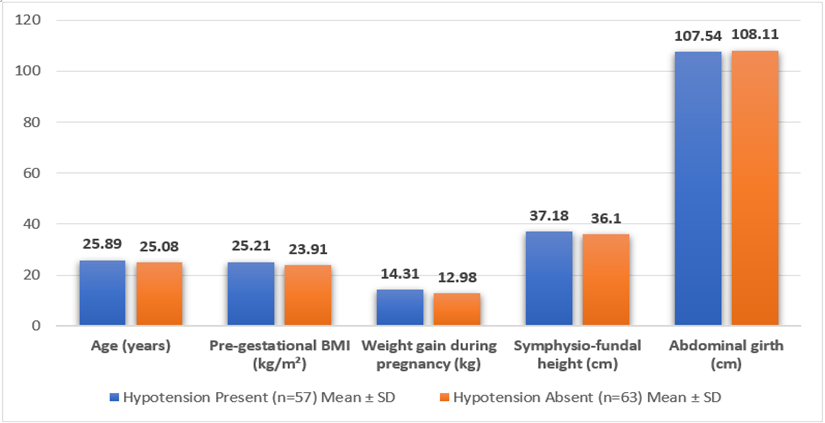
Figure 1: Baseline Demographic and Obstetric Characteristics in Relation to Post-Spinal Hypotension
Table 2: Baseline Heart Rate and Incidence of Post-Spinal Hypotension
|
Baseline HR |
Hypotension Present n (%) |
Hypotension Absent n (%) |
Total |
|
>87 bpm |
38 (66.7%) |
18 (28.6%) |
56 |
|
<87 bpm |
19 (33.3%) |
45 (71.4%) |
64 |
|
Total |
57 (100%) |
63 (100%) |
120 |
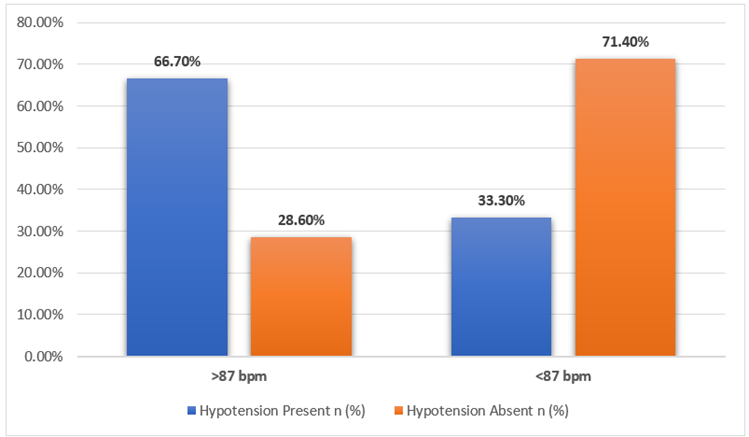
Figure 2: Baseline Heart Rate and Incidence of Post-Spinal Hypotension
|
Parameter |
Value |
|
Mean baseline HR in hypotension group |
89.21 ± 10.95 bpm |
|
Mean baseline HR in non-hypotension group |
84.43 ± 13.35 bpm |
|
Sensitivity |
66.67% |
|
Specificity |
71.43% |
|
Positive Predictive Value |
67.86% |
|
Negative Predictive Value |
70.31% |
|
Accuracy |
69.17% |
|
ROC Area Under Curve (AUC) |
0.636 |
|
P-value |
0.010 |
Table 2 shows the association between baseline heart rate and incidence of post-spinal hypotension. Among patients with baseline HR >87 bpm, 38 (66.7%) developed hypotension, whereas only 19 (33.3%) patients with HR <87 bpm developed hypotension. In contrast, the majority of patients without hypotension had baseline HR <87 bpm (71.4%).
The mean baseline heart rate was higher in the hypotension group (89.21 ± 10.95 bpm) compared to the non-hypotension group (84.43 ± 13.35 bpm). Baseline HR demonstrated moderate predictive ability for post-spinal hypotension with sensitivity of 66.67%, specificity of 71.43%, positive predictive value of 67.86%, negative predictive value of 70.31%, and overall accuracy of 69.17%. Receiver operating characteristic analysis showed an area under the curve (AUC) of 0.636, which was statistically significant (p=0.010).
These findings indicate that an elevated baseline heart rate is associated with an increased risk of developing post-spinal hypotension during elective caesarean section under spinal anaesthesia.
Table 3: Perfusion Index and Incidence of Post-Spinal Hypotension
|
Perfusion Index |
Hypotension Present n (%) |
Hypotension Absent n (%) |
Total |
|
>3.3 |
52 (91.2%) |
6 (9.5%) |
58 |
|
<3.3 |
5 (8.8%) |
57 (90.5%) |
62 |
|
Total |
57 (100%) |
63 (100%) |
120 |
|
Parameter |
Value |
|
Mean PI in hypotension group |
5.07 ± 1.60 |
|
Mean PI in non-hypotension group |
3.09 ± 0.99 |
|
Sensitivity |
91.23% |
|
Specificity |
90.48% |
|
Positive Predictive Value |
89.66% |
|
Negative Predictive Value |
91.94% |
|
Accuracy |
90.83% |
|
ROC Area Under Curve (AUC) |
0.932 |
|
P-value |
<0.001 |
Table 3 demonstrates the relationship between baseline perfusion index and incidence of post-spinal hypotension. Among patients with baseline PI >3.3, 52 (91.2%) developed hypotension, whereas only 5 (8.8%) patients with PI <3.3 experienced hypotension. Conversely, 57 (90.5%) patients with PI <3.3 did not develop hypotension.
The mean perfusion index was significantly higher in the hypotension group (5.07 ± 1.60) compared to the non-hypotension group (3.09 ± 0.99). Baseline PI showed excellent predictive ability for post-spinal hypotension with sensitivity of 91.23%, specificity of 90.48%, positive predictive value of 89.66%, negative predictive value of 91.94%, and overall diagnostic accuracy of 90.83%. Receiver operating characteristic analysis demonstrated an AUC of 0.932 with high statistical significance (p<0.001), indicating superior predictive performance of PI. These findings suggest that elevated baseline perfusion index is strongly associated with increased incidence of post-spinal hypotension in elective caesarean sections.
Table 4: Comparison of Hemodynamic Outcomes Among Study Groups
|
Variable |
P1 (PI <3.3) |
P2 (PI >3.3) |
H1 (HR <87 bpm) |
H2 (HR >87 bpm) |
P-value |
|
Number of hypotensive episodes (Mean ± SD) |
0.13 ± 0.35 |
1.63 ± 0.89 |
0.33 ± 0.71 |
1.03 ± 0.81 |
<0.001 |
|
Rescue ephedrine dose (mg) |
0.4 ± 1.52 |
6.2 ± 4.16 |
1.3 ± 2.91 |
3.8 ± 2.72 |
<0.001 |
|
Total IV fluids (mL) |
2370 ± 371.53 |
2736.67 ± 596.24 |
2511.67 ± 239.86 |
2823.33 ± 269.97 |
<0.001 |
Table 4 compares hemodynamic outcomes among groups categorized according to baseline perfusion index and baseline heart rate. Patients with PI >3.3 (P2 group) experienced significantly higher number of hypotensive episodes (1.63 ± 0.89) compared to those with PI <3.3 (0.13 ± 0.35). Similarly, patients with HR >87 bpm (H2 group) showed greater hypotensive episodes compared to the H1 group. The mean rescue ephedrine requirement was markedly higher in the P2 group (6.2 ± 4.16 mg) compared to the P1 group (0.4 ± 1.52 mg). Likewise, patients with HR >87 bpm required higher doses of ephedrine than those with HR <87 bpm. The total intravenous fluid requirement was also significantly greater among patients with elevated PI and HR values. All differences observed were statistically significant (p<0.001). These findings indicate that higher baseline PI and HR are associated with increased hemodynamic instability, greater vasopressor requirement, and higher fluid administration during spinal anaesthesia for elective caesarean section.
Table 5: Receiver Operating Characteristic (ROC) Analysis for Prediction of Post-Spinal Hypotension
|
Predictor Variable |
Area Under Curve (AUC) |
Standard Error |
95% Confidence Interval |
P-value |
|
Baseline Heart Rate |
0.636 |
0.053 |
0.532 – 0.739 |
0.010 |
|
Perfusion Index |
0.932 |
0.024 |
0.884 – 0.980 |
<0.001 |
Table 5 presents the receiver operating characteristic (ROC) analysis for prediction of post-spinal hypotension using baseline heart rate and perfusion index. Baseline heart rate showed an AUC of 0.636 with standard error of 0.053 and 95% confidence interval ranging from 0.532 to 0.739, which was statistically significant (p=0.010).
Perfusion index demonstrated a substantially higher AUC of 0.932 with standard error of 0.024 and 95% confidence interval of 0.884 to 0.980 (p<0.001).
The higher AUC value for perfusion index indicates superior diagnostic accuracy and better predictive ability for post-spinal hypotension compared to baseline heart rate. Therefore, baseline perfusion index appears to be a more reliable predictor of post-spinal hypotension in parturients undergoing elective caesarean section under spinal anaesthesia.
DISCUSSION:
Spinal anaesthesia remains the preferred anaesthetic technique for elective caesarean section because of its rapid onset, reliable sensory and motor blockade, lower risk of airway complications, and better maternal satisfaction.[19] Nonetheless, one of the most common and clinically significant side effects of spinal anaesthesia in obstetric patients is still post-spinal hypotension (PSH).[2] Anaesthesiologists may be able to anticipate severe hypotension and start early preventative interventions if they can identify trustworthy bedside predictors of PSH.
In this study, 57 out of 120 parturients (47.5%) experienced post-spinal hypotension. Both baseline perfusion index (PI) and baseline heart rate (HR) were useful predictors of PSH in our study, with PI demonstrating higher predictive accuracy than HR. Previous research by Toyama et al. [20] and Duggappa et al. [2] revealed similar findings.
Age and belly circumference were not statistically significant predictors of hypotension, but pre-gestational BMI, weight gain during pregnancy, and symphysiofundal height (SFH) were (Table 1). The BMI of parturients with hypotension was substantially greater (25.21 ± 1.69 kg/m²) than that of those without hypotension (23.91 ± 1.39 kg/m²; p<0.001). Increased aortocaval compression and exacerbated sympathetic blockade during spinal anaesthesia may be caused by elevated BMI and excessive prenatal weight gain.[21] Our study also found a strong correlation between increased SFH and PSH, which is consistent with the results of Prabha Parthasarathy et al. [22].
In our study, baseline heart rate showed a moderate capacity to predict PSH. Table 2 shows that the incidence of hypotension was considerably greater in parturients with baseline HR >87 bpm than in those with HR <87 bpm (66.7% vs. 33.3%). With a ROC AUC of 0.636, baseline HR's sensitivity and specificity in predicting PSH were 66.67% and 71.43%, respectively. These results are consistent with research by Shahram et al. [23] and Joshi et al. [24], who also showed that baseline heart rate had a modest predictive value for spinal hypotension. In pregnant women, elevated baseline heart rate reflects increased sympathetic activity and autonomic imbalance. Sympathetic blockade induces abrupt vasodilatation and venous pooling after spinal anaesthesia, resulting in significant hypotension.[25]
In this study, the Perfusion Index was found to be the best predictor of PSH. Table 3 illustrates that hypotension occurred in 91.2% of parturients with PI >3.3 and in 8.8% of those with PI <3.3. With an outstanding ROC AUC of 0.932, the sensitivity and specificity of PI were 91.23% and 90.48%, respectively (Table 5). These results are consistent with those of Toyama et al. [20], who used PI as a predictor of PSH and reported sensitivity and specificity of 81% and 86%, respectively; Duggappa et al. [2] also found comparable specificity values. Peripheral vascular tone and tissue perfusion as determined by pulse oximetry are reflected in the Perfusion Index. Increased baseline vasodilatation and decreased peripheral vascular resistance are indicated by higher PI readings, which put parturients at risk for exacerbated hypotension following sympathetic inhibition.[26]
The study also showed that patients needed more intraoperative hemodynamic support when their PI and HR were higher. Compared to the other groups, Group P2 (PI >3.3) had much more hypotensive episodes, a larger need for rescue ephedrine, and more IV fluid administration (Table 4). Group P2 required 6.2 ± 4.16 mg of ephedrine on average, while Group P1 only needed 0.4 ± 1.52 mg. The substantial positive connection between increased PI and the severity of hypotension is supported by these findings. Previous researchers found that individuals with high baseline PI required more vasopressors and fluids.[2,20]
For the purpose of predicting PSH, ROC analysis in this study showed that PI had substantially higher diagnostic accuracy than baseline HR (Table 5). With an AUC of 0.932 as opposed to 0.636 for HR, PI demonstrated exceptional discriminative power. Additionally, PI's positive and negative predictive values were much greater than HR's, indicating that PI could be a more trustworthy bedside screening method for detecting high-risk parturients prior to spinal anaesthesia. With no clinically significant difference in APGAR scores, neonatal outcomes were similar across groups, indicating that early detection and timely treatment of hypotension successfully averted unfavourable fetal outcomes. During the research period, no significant maternal problems were noted. Therefore, the results of this study indicate that post-spinal hypotension in elective caesarean sections may be predicted by both baseline PI and HR; however, baseline PI showed better sensitivity, specificity, and overall predictive accuracy.
CONCLUSION:
The present prospective observational study demonstrated that both baseline perfusion index and baseline heart rate are useful non-invasive predictors of post-spinal hypotension in parturients undergoing elective caesarean section under spinal anaesthesia. Parturients with elevated baseline PI and HR had significantly higher incidence of hypotension, greater vasopressor requirement, increased intravenous fluid administration, and more hypotensive episodes. The perfusion index outperformed baseline heart rate in terms of sensitivity, specificity, positive predictive value, negative predictive value, and ROC area under the curve. While baseline HR >87 bpm demonstrated modest predictive accuracy, a baseline PI cut-off value >3.3 was found to be a robust predictor of post-spinal hypotension.
According to the study's findings, baseline perfusion index, which can be readily and non-invasively measured using pulse oximetry, may be a simple, affordable, and reliable bedside tool for identifying parturients who are at high risk of experiencing severe hypotension after spinal anaesthesia. Anaesthesiologists may be able to improve maternal hemodynamic stability and perioperative outcomes by promptly initiating preventative and therapeutic treatments if high-risk patients are identified early.
LIMITATIONS OF THE STUDY
• The study was conducted in a single tertiary care centre with a relatively small sample size, which may limit the generalizability of the findings to the wider obstetric population.
• Slight patient movement, anxiety, peripheral temperature changes, and external stimuli could have affected perfusion index measurements, as PI is highly sensitive to peripheral vascular tone variations.
• Systemic vascular resistance and cardiac output were not directly measured, which could have provided a more detailed assessment of maternal hemodynamic changes.
• Maternal and neonatal arterial blood gas analysis was not performed to objectively assess tissue hypoperfusion and fetal acid–base status.
• The influence of uterotonic agents such as methylergometrine and prostaglandins on vascular tone and hemodynamic parameters could not be completely eliminated.
• Only healthy ASA II parturients undergoing elective caesarean section were included; therefore, the findings may not be applicable to high-risk obstetric patients such as pre-eclamptic or emergency caesarean cases.
• Baseline autonomic function was assessed indirectly using perfusion index and heart rate rather than advanced heart rate variability analysis or invasive hemodynamic monitoring.
• Long-term maternal and neonatal outcomes were not evaluated in the present study.
REFERENCES:
1. Fettes PD, Jansson JR, Wildsmith JA. Failed spinal anaesthesia: mechanisms, management, and prevention. British journal of anaesthesia. 2009 May 6;102(6):739- 48.
2. Duggappa DR, Lokesh MP, Dixit A, Paul R, Rao RR, Prabha P. Perfusion index as a predictor of hypotension following spinal anaesthesia in lower segment caesarean section. Indian journal of anaesthesia. 2017 Aug;61(8):649.
3. Mercier FJ, Bonnet MP, la Dorie De A, Moufouki M, Banu F, Hanaf A, Edouard D, Roger-Christoph S. Spinal anaesthesia for caesarean section: fluid loading, vasopressors and hypotension. In Annales francaises d'anesthesie et de reanimation 2007 (Vol. 26, No. 7-8, pp. 688-693).
4. Trabelsi W,Romdhani C, Elaskri H, Sammoud W, Bensalah M et al. Effect of Ondansetron on the occurrence of hypotension and on Neonatal Parameters during Spinal Anaesthesia for Elective Caesarean Section: A Prospective , Randomized
5. ,Controlled ,Double-blind Study . Anesthesiology Research and Practice 2015;2015:158061
6. Hon E.H,Reid BL,Hehre FW.The electronic evaluation of fetal heart rate with changes with maternal hypotension. American Society of Obstetrics and Gynaecology. 1960;79:209-15 .
7. Zilianti M,Salazar JR,Aller J,et al.Fetal Heart Rate and pH of fetal capillary blood during epidural analgesia in labour.Obstetrics Gynecology.1970;36:881-86.
8. Ryu C, Choi GJ, Park YH, Kang H. Vasopressors for the management of maternal hypotension during cesarean section under spinal anesthesia: A Systematic review and network meta-analysis protocol. Medicine. 2019 Jan;98(1).
9. Cyna AM, Andrew M, Emmett RS, Middleton P, Simmons SW. Techniques for preventing hypotension during spinal anaesthesia for caesarean section. Cochrane database of systematic reviews. 2006(4).
10. Fakherpour A, Ghaem H, Fattahi Z, Zaree S. Maternal and anaesthesia-related risk factors and incidence of spinal anaesthesia-induced hypotension in elective caesarean section: A multinomial logistic regression. Indian journal of anaesthesia. 2018 Jan;62(1):36.
11. Toyama S, Kakumoto M, Morioka M, Matsuoka K, Omatsu H, Tagaito Y, Numai T, Shimoyama M. Perfusion index derived from a pulse oximeter can predict the incidence of hypotension during spinal anaesthesia for Caesarean delivery. British Journal of Anaesthesia. 2013 Mar 21;111(2):235-41.
12. Joshi MC, Raghu K, Rajaram G, Nikhil N, Kumar S, Singh A. Baseline heart rate as a predictor of post-spinal hypotension in patients undergoing a caesarean section: An observational study. Journal of Obstetric Anaesthesia and Critical Care. 2018 Jan 1;8(1):20.
13. Frölich, Michael A, and Donald Caton. “Baseline heart rate may predict hypotension after spinal anesthesia in prehydrated obstetrical patients.” Canadian journal of anaesthesia = Journal canadien d'anesthesie vol. 49,2 (2002): 185-9. doi:10.1007/BF03020493
14. Khan S, Zahoor MU, Zaid AY, Buland. Effect of preoperative heart rate on post spinal hypotension in obstetric patients. Pak Armed Forces Med J 2010;60:237-40.
15. Mallawaarachchi RP, Pinto V, De Silva P H. Perfusion index as an early predictor of hypotension following spinal anesthesia for cesarean section. J Obstet Anaesth Crit Care 2020;10:38-41
16. Pyakurel K, Rajbanshi LK, Bhattarai R, Dahal S. Prediction of Post spinal anesthesia hypotension in patients undergoing cesarean section using Perfusion index. Birat J. Health Sci. [Internet]. 2020 Dec. 30 [cited 2022 Jan. 26];5(3):1241-5. Available from: https://www.nepjol.info/index.php/bjhs/article/view/33708
17. Nurmi, J., Olkkola, K., Kurola, J., Laitio, R., & Lassen, A. (n.d.). Helsinki.Fi. Retrieved January 30, 2022, from https://helda.helsinki.fi/bitstream/handle/10138/333343/pirneskoski_jussi_dissertation_2021.pdf?sequence=1&isAllowed=y
18. Elshal, M. M., Hasanin, A. M., Mostafa, M., & Gamal, R. M. (2021). Plethysmographic peripheral perfusion index: Could it be a new vital sign? Frontiers in Medicine, 8, 651909. https://doi.org/10.3389/fmed.2021.651909
19. Pulse oximeter perfusion index as a predicator for the effect of pediatric epidural block. (n.d.). Masimo.Co.Jp. Retrieved January 30, 2022, from https://www.masimo.co.jp/pdf/clinical/set/uemura-pulse-oximeter-perfusion-index-as-
a. predicator-for-the-effect-of-pediatric-epidural-block-oct-2006.pdf
20. Chestnut DH. Obstetric anesthesia: principles and practice. 5th ed. Philadelphia: Elsevier; 2014.
21. Toyama S, Kakumoto M, Morioka M, Matsuoka K, Omatsu H, Tagaito Y, et al. Perfusion index derived from a pulse oximeter can predict the incidence of hypotension during spinal anaesthesia for caesarean delivery. Br J Anaesth. 2013;111(2):235-241.
22. Corke BC, Datta S, Ostheimer GW, Weiss JB, Alper MH. Spinal anaesthesia for caesarean section. The influence of hypotension on neonatal outcome. Anaesthesia. 1982;37(6):658-662.
23. Parthasarathy P, Ravishankar M, Aravindan A. Symphysiofundal height and abdominal girth as predictors of hypotension during caesarean section under spinal anaesthesia. J Obstet Anaesth Crit Care. 2018;8(2):85-90.
24. Shahram N, Mohammadreza M, Mohammadreza S. Baseline heart rate as a predictor of hypotension after spinal anaesthesia in caesarean section. Middle East J Anaesthesiol. 2010;20(4):551-556.
25. Joshi S, et al. Baseline heart rate as a predictor of spinal hypotension in elective caesarean section. J Clin Diagn Res. 2017;11(4):UC01-UC04.
26. Hanss R, Bein B, Weseloh H, Bauer M, Cavus E, Steinfath M, et al. Heart rate variability predicts severe hypotension after spinal anaesthesia. Anesthesiology. 2005;102(6):1086-1093.
27. Mowafi HA, Ismail SA, Shafi MA, Al-Ghamdi AA. The efficacy of perfusion index as an indicator for intravascular injection of epinephrine-containing epidural test dose in propofol-anesthetized adults. Anesth Analg. 2009;108(2):549-553.