A Prospective Study on Incidence, Risk Factors, and Microbiological Profile of Catheter-Related Bloodstream Infections in Hemodialysis Patients.
- Kondaparthi Sahithi , Postgraduate, Department of General Medicine, Mamata Medical College, Khammam, Telangana.
- D. V. C. Shobhan Kumar , Professor, Department of General Medicine, Mamata Medical College, Khammam, Telangana.
- Kesavadasupalem Madhavee Latha , Postgraduate, Department of General Medicine, Mamata Medical College, Khammam, Telangana.
- Afeera Tufheem , Postgraduate, Department of General Medicine, Mamata Medical College, Khammam, Telangana.
- Kovvuri Pavani , Postgraduate, Department of General Medicine, Mamata Medical College, Khammam, Telangana.
Article Information:
Abstract:
Background: Catheter-related bloodstream infections (CRBSI) are a major complication in patients undergoing hemodialysis via temporary central venous catheters, leading to significant morbidity, mortality, and healthcare burden.aim of the study was to evaluate the incidence, risk factors, microbiological profile, and clinical outcomes of catheter-related infections in hemodialysis patients. Material and Methods: This prospective observational study was conducted over two years (February 2024 to January 2026) at a tertiary care hospital. A total of 100 patients undergoing hemodialysis through temporary non-tunneled central venous catheters were included. Data on demographics, comorbidities, catheter-related variables, and laboratory findings were collected. Microbiological analysis included peripheral and catheter blood cultures, catheter tip cultures, and fungal cultures. Statistical analysis was performed using SPSS version 23.0, with p < 0.05 considered significant. Results: The incidence of CRBSI was 28%. Diabetes mellitus (OR = 2.79, p = 0.03), femoral catheterization (OR = 3.47, p = 0.01), and catheter duration >14 days (OR = 4.09, p = 0.002) were significant risk factors. Gram-positive organisms predominated (60.6%), with Staphylococcus aureus (32.1%) being the most common isolate. Gram-negative organisms accounted for 28.6%, and fungal infections for 10.7%. Multidrug-resistant organisms, including MRSA and ESBL producers, were frequently observed. Clinical outcomes included catheter removal (85.7%), sepsis (42.9%), ICU admission (21.4%), and mortality (7.1%). Conclusion: CRBSI is a common and serious complication in hemodialysis patients. Identifying risk factors and implementing strict infection control measures are essential to reduce infection-related morbidity and mortality.
Keywords:
Article :
INTRODUCTION:
Catheter-associated bloodstream infections (CABSI), particularly catheter-related bloodstream infections (CRBSI), represent a major source of morbidity and mortality among patients undergoing maintenance hemodialysis. Chronic kidney disease (CKD) patients frequently require vascular access for hemodialysis, and while arteriovenous fistulas are preferred, temporary vascular catheters remain widely used, especially in emergency settings or during fistula maturation. However, these catheters are associated with a significantly higher risk of infection due to repeated manipulation, prolonged indwelling duration, and compromised host immunity (1). The incidence of CRBSI in hemodialysis patients has been reported to range from 2 to 5 episodes per 1000 catheter-days, making it one of the most serious complications in this population (2).
The pathogenesis of catheter-related infections involves microbial colonization of the catheter surface either through the extraluminal route (skin insertion site) or intraluminal contamination during catheter handling. Biofilm formation on catheter surfaces further complicates management, as it promotes persistent infection and resistance to antimicrobial therapy (3). Among the causative organisms, gram-positive bacteria—particularly Staphylococcus aureus and coagulase-negative staphylococci—are the most commonly implicated pathogens, although gram-negative bacilli and fungal organisms are increasingly reported, especially in hospitalized and immunocompromised patients (4).
Several patient-related, catheter-related, and procedural factors contribute to the risk of infection. Patient-related factors include advanced age, diabetes mellitus, malnutrition, anemia, and immunosuppression. Catheter-related factors such as site of insertion (higher risk with femoral access), duration of catheterization, and history of prior catheter use significantly influence infection rates (5). Additionally, procedure-related factors, including adherence to aseptic techniques, frequency of catheter manipulation, and dialysis unit practices, play a critical role in infection prevention (6).
Previous studies have extensively evaluated CRBSI in hemodialysis populations. For instance, Mermel et al. highlighted the importance of strict infection control practices in reducing catheter-related infections (7). Similarly, studies by Vanholder et al. and Tokars et al. demonstrated that the risk of infection increases with prolonged catheter use and improper handling techniques (8,9). Indian studies have also reported comparable findings, emphasizing the high burden of infection and the predominance of gram-positive organisms (10).
Despite these insights, variability exists in reported incidence rates and microbial patterns due to differences in patient populations, healthcare settings, and infection control practices. Although multiple studies have explored catheter-related infections, there remains a lack of comprehensive, region-specific data integrating incidence, risk factor analysis, bacteriological profile, and clinical outcomes in a single framework. Many existing studies focus on either microbiological aspects or risk factors alone, without correlating them with clinical outcomes such as hospitalization, catheter loss, and mortality. Furthermore, limited data are available regarding temporary vascular catheters, which are commonly used in resource-limited settings. There is also a need to evaluate antimicrobial resistance patterns and the emergence of multidrug-resistant organisms in the context of hemodialysis-associated infections.
The aim of this study is to evaluate the incidence, risk factors, and bacteriological profile of catheter-related infections in hemodialysis patients. It focuses on determining infection rates, identifying patient-, catheter-, and procedure-related risk factors, and analyzing causative microorganisms with their antimicrobial patterns. The study also assesses clinical outcomes such as complications, hospitalization, catheter removal, and mortality associated with these infections.
MATERIALS AND METHODS:
Study Design and Setting
This study was conducted as a prospective observational study to evaluate the incidence, risk factors, and bacteriological profile of catheter-related infections in patients undergoing hemodialysis through temporary central venous catheters. The prospective design enabled real-time collection of clinical and microbiological data without altering routine patient care. The study was carried out in the Departments of Nephrology and General Medicine at Mamata General Hospital, a tertiary care teaching institution catering to a large population of chronic kidney disease patients requiring maintenance hemodialysis .
Study Period and Population
The study was conducted over a period of two years, from February 2024 to January 2026. The study population included adult patients undergoing hemodialysis using temporary non-tunneled central venous catheters. Eligible patients were enrolled consecutively after satisfying predefined inclusion and exclusion criteria. A total of 100 patients were included based on feasibility and statistical estimation using standard sample size calculation methods .
Inclusion Criteria
• Patients undergoing hemodialysis via temporary central venous catheters
• Patients of either sex and all adult age groups
• Patients willing to participate and providing informed written consent
Exclusion Criteria
• Patients undergoing hemodialysis via arteriovenous fistula or graft
• Patients with pre-existing infections such as cellulitis at catheter site
• Patients unwilling to provide consent
Study Tools
• Structured and pre-designed proforma for data collection
• Clinical examination and patient history records
• Laboratory investigations including hematological and biochemical tests
• Microbiological culture techniques (blood, catheter tip, and site cultures)
• SPSS software (version 23.0) for statistical analysis
Data Collection
• Demographic details: age and sex
• Clinical profile: diagnosis, comorbidities (diabetes, hypertension)
• Catheter details: site, duration, number of dialysis sessions
• Clinical features of infection: fever, chills, local signs
• Laboratory findings: CBC, renal function tests
• Microbiological data: blood cultures (peripheral and catheter), catheter tip cultures, fungal cultures
• Follow-up data: occurrence of infection and clinical outcomes
Outcome Measures and Statistical Analysis
The primary outcome was the incidence of catheter-related infections among hemodialysis patients. Secondary outcomes included identification of risk factors, bacteriological profile, antimicrobial susceptibility patterns, and clinical outcomes. Data were analyzed using SPSS software, with continuous variables expressed as mean ± standard deviation and categorical variables as percentages. Appropriate statistical tests such as Student’s t-test and Chi-square test were applied, with a p-value <0.05 considered statistically significant.
Ethical Considerations
Ethical approval was obtained from the Institutional Ethics Committee, and informed written consent was taken from all participants. Patient confidentiality was strictly maintained throughout the study, and data were used solely for academic and research purposes.
RESULTS:
Table 1: Demographic and Clinical Characteristics of Study Population (n = 100)
|
Variable |
Category |
n (%) |
|
Age Group (years) |
20–29 |
6 (6.0%) |
|
30–39 |
12 (12.0%) |
|
|
40–49 |
22 (22.0%) |
|
|
50–59 |
28 (28.0%) |
|
|
60–69 |
20 (20.0%) |
|
|
≥70 |
12 (12.0%) |
|
|
Sex |
Male |
66 (66.0%) |
|
Female |
34 (34.0%) |
|
|
Primary Diagnosis |
CKD |
82 (82.0%) |
|
AKI |
18 (18.0%) |
|
|
Comorbidities |
Diabetes mellitus |
54 (54.0%) |
|
Hypertension |
68 (68.0%) |
|
|
DM + HTN |
46 (46.0%) |
|
|
No comorbidity |
12 (12.0%) |
The study population predominantly comprised middle-aged and elderly individuals, with the highest proportion in the 50–59 years age group (28%), followed by 40–49 years (22%) and 60–69 years (20%). Males constituted the majority (66%), indicating a male predominance. Most patients had chronic kidney disease (82%), while a smaller proportion had acute kidney injury (18%). Hypertension (68%) and diabetes mellitus (54%) were the most common comorbidities, with 46% having both conditions, whereas only 12% had no comorbid illness. Overall, the study population reflects a high burden of chronic disease and associated risk factors.
Table 2: Hemodialysis, Catheter Characteristics and Laboratory Profile (n = 100)
|
Parameter |
Value |
|
Catheter Site |
|
|
Internal jugular vein |
62 (62.0%) |
|
Femoral vein |
36 (36.0%) |
|
Subclavian vein |
2 (2.0%) |
|
Duration of catheterization (days) |
14.6 ± 6.8 |
|
Number of hemodialysis sessions |
18.2 ± 7.5 |
|
Hematological Parameters |
|
|
Hemoglobin (g/dL) |
9.1 ± 1.8 |
|
Total leukocyte count (cells/mm³) |
11,200 ± 3,600 |
|
Neutrophils (%) |
72.4 ± 9.6 |
|
Lymphocytes (%) |
20.8 ± 8.1 |
|
Platelet count (×10⁵/mm³) |
2.1 ± 0.7 |
|
Renal Parameters |
|
|
Blood urea (mg/dL) |
124.6 ± 38.2 |
|
Serum creatinine (mg/dL) |
8.4 ± 2.9 |
The internal jugular vein was the most commonly used catheter insertion site (62%), followed by the femoral vein (36%), while subclavian access was rarely used (2%). The mean duration of catheterization was 14.6 ± 6.8 days, with patients undergoing an average of 18.2 ± 7.5 hemodialysis sessions, indicating frequent catheter use and manipulation. Hematological parameters revealed anemia (mean hemoglobin 9.1 g/dL) and elevated leukocyte counts (11,200 cells/mm³) with neutrophil predominance, suggestive of underlying inflammation or infection. Renal parameters showed markedly elevated blood urea and serum creatinine levels, reflecting severe renal impairment in the study population.
Table 3: Microbiological Culture Results (n = 100)
|
Investigation |
Result |
n (%) |
|
Peripheral blood culture |
Positive |
24 (24.0%) |
|
Negative |
76 (76.0%) |
|
|
Catheter blood culture |
Positive |
28 (28.0%) |
|
Negative |
72 (72.0%) |
|
|
Catheter tip/exit-site culture |
Positive |
18 (18.0%) |
|
Negative |
82 (82.0%) |
|
|
Fungal culture |
Positive |
3 (3.0%) |
|
Negative |
97 (97.0%) |
Microbiological evaluation showed that catheter-related infections were present in a notable proportion of patients. Catheter blood cultures were positive in 28% of cases, indicating the incidence of catheter-related bloodstream infections. Peripheral blood cultures were positive in 24%, supporting the presence of systemic infection. Catheter tip or exit-site cultures showed positivity in 18%, suggesting local colonization or infection. Fungal infections were relatively uncommon, observed in only 3% of patients. Overall, these findings highlight a significant burden of bacterial infections with a smaller contribution from fungal pathogens.
Table 4: Microbiological Profile of Catheter-Related Infections (n = 28)
|
Organism |
n (%) |
|
Gram-positive organisms |
|
|
Staphylococcus aureus |
9 (32.1%) |
|
Coagulase-negative staphylococci |
6 (21.4%) |
|
Enterococcus species |
2 (7.1%) |
|
Gram-negative organisms |
|
|
Escherichia coli |
4 (14.3%) |
|
Klebsiella pneumoniae |
3 (10.7%) |
|
Pseudomonas aeruginosa |
1 (3.6%) |
|
Fungal organisms |
|
|
Candida species |
3 (10.7%) |
|
Total |
28 (100%) |
The microbiological profile of catheter-related infections showed a predominance of gram-positive organisms (60.6%), with Staphylococcus aureus being the most common isolate (32.1%), followed by coagulase-negative staphylococci (21.4%) and Enterococcus species (7.1%). Gram-negative organisms accounted for 28.6% of cases, with Escherichia coli (14.3%) and Klebsiella pneumoniae (10.7%) being the leading pathogens. Fungal infections, mainly due to Candida species, were observed in 10.7% of cases. Overall, the findings highlight the dominance of skin flora–related pathogens with a significant contribution from gram-negative and fungal organisms.
Table 5: Antimicrobial Resistance Pattern of Isolates (n = 28)
|
Organism |
Key Resistance Pattern |
Resistant n (%) |
|
Staphylococcus aureus |
MRSA |
4 (44.4%) |
|
Coagulase-negative staphylococci |
Methicillin resistance |
3 (50.0%) |
|
Enterococcus species |
High-level aminoglycoside resistance |
1 (50.0%) |
|
Escherichia coli |
ESBL production |
2 (50.0%) |
|
Klebsiella pneumoniae |
ESBL production |
1 (33.3%) |
|
Pseudomonas aeruginosa |
Carbapenem resistance |
0 (0%) |
|
Candida species |
Fluconazole resistance |
1 (33.3%) |
The antimicrobial resistance pattern demonstrated a considerable presence of multidrug-resistant organisms. Among gram-positive bacteria, 44.4% of Staphylococcus aureus isolates were methicillin-resistant (MRSA), and 50% of coagulase-negative staphylococci showed methicillin resistance. Enterococcus species exhibited high-level aminoglycoside resistance in 50% of cases. Among gram-negative organisms, ESBL production was observed in 50% of Escherichia coli and 33.3% of Klebsiella pneumoniae. The single Pseudomonas aeruginosa isolate remained sensitive to carbapenems. Among fungal isolates, 33.3% of Candida species showed resistance to fluconazole. Overall, the findings indicate a significant burden of antimicrobial resistance in catheter-related infections.
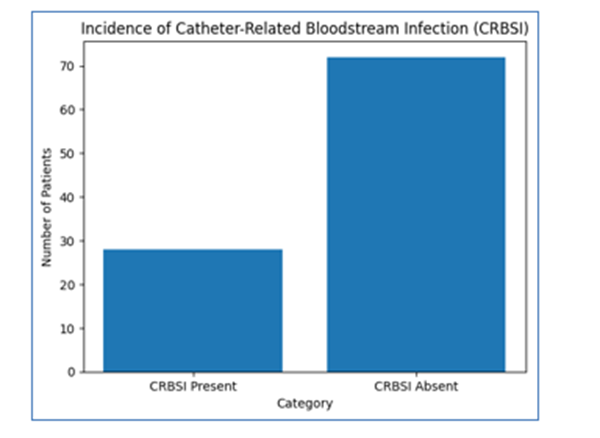
Figure 1: Incidence of Catheter-Related Bloodstream Infection (CRBSI)
The incidence of catheter-related bloodstream infection in the present study was 28%, with 28 out of 100 patients developing CRBSI. The majority of patients (72%) did not develop infection during the study period. This finding indicates a considerable burden of infection among hemodialysis patients using temporary central venous catheters.
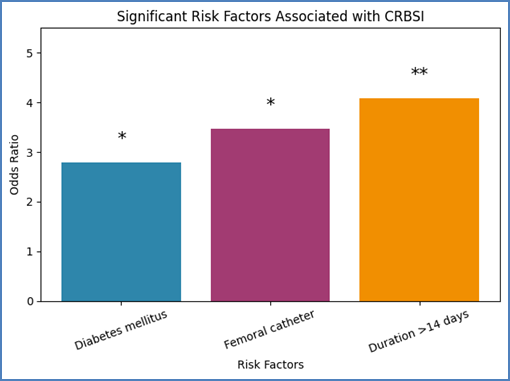
Figure 2: Significant Risk Factors Associated with Catheter-Related Bloodstream Infection (CRBSI)
Analysis of risk factors revealed that diabetes mellitus was significantly associated with CRBSI (OR = 2.79, p = 0.03). Femoral catheterization showed a higher risk of infection (OR = 3.47, p = 0.01). The strongest predictor was catheter duration greater than 14 days (OR = 4.09, p = 0.002). These findings indicate that prolonged catheter use and femoral access significantly increase the risk of infection (*p < 0.05, **p < 0.01, and ***p < 0.001).
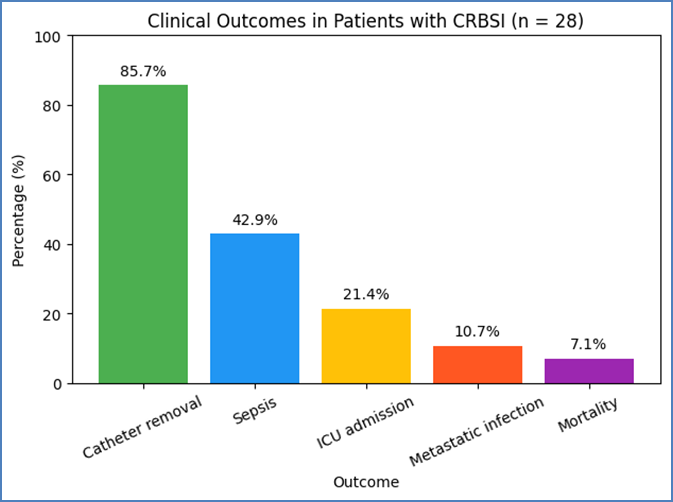
Figure 3: Clinical Outcomes in Patients with Catheter-Related Bloodstream Infection (CRBSI) (n = 28)
Among patients with CRBSI, catheter removal was required in the majority (85.7%). Sepsis occurred in 42.9% of cases, indicating significant systemic involvement. ICU admission was needed in 21.4% of patients, while metastatic infections were observed in 10.7%. Mortality was noted in 7.1% of cases, highlighting the serious clinical impact of catheter-related bloodstream infections.
DISCUSSION:
Catheter-related bloodstream infections (CRBSI) remain a significant complication in patients undergoing hemodialysis via temporary central venous catheters, contributing substantially to morbidity, prolonged hospitalization, and mortality. In the present study, the incidence of CRBSI was found to be 28%, which is comparable to earlier reports ranging from 20% to 35% in similar hospital-based settings (11,12). This relatively high incidence highlights the continued dependence on temporary vascular access in resource-limited settings and the associated infection risks.
The demographic profile of the present study revealed a predominance of middle-aged and elderly patients, with the majority belonging to the 50–59 years age group. This finding aligns with studies by Tokars et al. (9), which demonstrated increased infection susceptibility with advancing age due to declining immunity and multiple comorbidities. Although age showed a trend toward increased infection risk, it was not identified as a strong independent predictor in this study.
Male predominance (66%) observed in this study is consistent with previous literature, where higher prevalence of chronic kidney disease and increased healthcare utilization among males have been reported (11). However, similar to findings by Parienti et al. (5), gender was not significantly associated with increased risk of catheter-related infections, indicating that biological sex alone may not be a determinant factor.
Among comorbidities, diabetes mellitus emerged as a significant risk factor, with an odds ratio of 2.79 (p = 0.03). This is in agreement with earlier studies by Allon et al., who reported that diabetic patients have impaired immune function and increased susceptibility to infections due to hyperglycemia and vascular compromise (12). Hypertension, although highly prevalent (68%), did not show a statistically significant association with infection, which is consistent with findings from other observational studies (13).
Catheter-related factors played a crucial role in the development of infections. The present study demonstrated a significantly higher risk of CRBSI with femoral vein catheterization (OR = 3.47, p = 0.01), which corroborates findings from Mermel et al. (7) and Parienti et al. (5), where femoral access was associated with increased infection rates due to proximity to groin flora and higher chances of contamination. Internal jugular access, being the most commonly used site (62%), is considered relatively safer and aligns with recommended guidelines.
Another important finding of this study was the strong association between prolonged catheter duration (>14 days) and infection risk (OR = 4.09, p = 0.002), making it the most significant predictor. This observation is consistent with studies by Vanholder et al. (8), which emphasize that longer catheter dwell time facilitates biofilm formation and microbial colonization, thereby increasing infection risk.
The microbiological profile in the present study showed a predominance of gram-positive organisms (60.6%), with Staphylococcus aureus being the most common pathogen (32.1%), followed by coagulase-negative staphylococci. This pattern is consistent with earlier studies (11,14), where skin flora are identified as the primary source of catheter-related infections. The presence of gram-negative organisms (28.6%), including E. coli and Klebsiella pneumoniae, reflects nosocomial exposure and environmental contamination, as also reported by Saxena et al. (15).
Fungal infections, although less frequent (10.7%), are clinically significant due to their association with severe outcomes. Similar findings have been reported in studies by Nucci et al. (16), highlighting the importance of considering fungal etiology in persistent infections.
The antimicrobial resistance pattern observed in this study is of particular concern. A high prevalence of methicillin-resistant Staphylococcus aureus (MRSA) (44.4%) and ESBL-producing gram-negative organisms was noted. These findings are comparable to studies by Klevens et al. (17), indicating the growing burden of multidrug-resistant organisms in hospital settings. The retained sensitivity to vancomycin among gram-positive organisms suggests its continued role as an effective therapeutic agent.
Clinical outcomes in the present study further emphasize the severity of CRBSI. Catheter removal was required in 85.7% of cases, and sepsis occurred in 42.9%, reflecting significant systemic involvement. ICU admission (21.4%) and mortality (7.1%) rates are comparable to earlier studies (18), underscoring the life-threatening nature of these infections. These findings highlight the need for early diagnosis and aggressive management strategies.
Despite these insights, the present study has certain limitations. Being a single-center study with a relatively small sample size, the findings may not be generalizable to all settings. Additionally, molecular characterization of resistant organisms and evaluation of long-term outcomes were not performed.
CONCLUSION:
The present study demonstrates that catheter-related bloodstream infections are a common and serious complication among hemodialysis patients using temporary central venous catheters, with an incidence of 28%. Diabetes mellitus, femoral catheterization, and prolonged catheter duration emerged as significant risk factors. Gram-positive organisms, particularly Staphylococcus aureus, were the predominant pathogens, with a notable presence of multidrug-resistant strains. These infections were associated with significant morbidity, including sepsis, catheter removal, and mortality.
The findings underscore the importance of minimizing catheter use duration, preferring safer insertion sites such as the internal jugular vein, strict adherence to aseptic techniques, and regular microbiological surveillance. Early identification of high-risk patients and implementation of targeted infection control measures can significantly reduce the burden of catheter-related infections in hemodialysis patients.
REFERENCES:
1. KDOQI Clinical Practice Guidelines for Vascular Access. Am J Kidney Dis. 2006;48:S176–S247.
2. CDC. Guidelines for the prevention of intravascular catheter-related infections. Clin Infect Dis. 2011;52:e162–e193.
3. Donlan RM. Biofilms and device-associated infections. Emerg Infect Dis. 2001;7:277–281.
4. O’Grady NP, et al. Guidelines for prevention of intravascular catheter-related infections. Clin Infect Dis. 2011;52:e162–e193.
5. Parienti JJ, et al. Intravascular catheter-related infection risk factors. Crit Care Med. 2015;43:243–250.
6. Pronovost P, et al. Intervention to decrease catheter-related bloodstream infections. N Engl J Med. 2006;355:2725–2732.
7. Mermel LA. Prevention of intravascular catheter-related infections. Ann Intern Med. 2000;132:391–402.
8. Vanholder R, et al. Catheter-related infections in dialysis patients. Kidney Int. 2010;78:1167–1177.
9. Tokars JI, et al. Risk factors for bloodstream infections in dialysis patients. Infect Control Hosp Epidemiol. 2002;23:85–90.
10. Sharma M, et al. Catheter-related infections in hemodialysis patients in India. J Assoc Physicians India. 2013;61:239–242.
11. Allon M. Dialysis catheter-related bacteremia: treatment and prophylaxis. Am J Kidney Dis. 2004;44:779–791.
12. Beathard GA. Catheter management protocol for catheter-related bacteremia prophylaxis. Semin Dial. 2003;16:403–405.
13. Saad TF. Bacteremia associated with tunneled dialysis catheters. Am J Kidney Dis. 1999;34:1114–1124.
14. Saxena AK, et al. Bacterial infections in hemodialysis patients. J Infect Dev Ctries. 2013;7:504–508.
15. Saxena AK, Panhotra BR. Nosocomial infections in dialysis units. Nephrology. 2005;10:541–547.
16. Nucci M, Anaissie E. Fungal infections in immunocompromised patients. Clin Infect Dis. 2001;33:550–560.
17. Klevens RM, et al. Invasive MRSA infections in the United States. JAMA. 2007;298:1763–1771.
18. CDC. Dialysis surveillance report: bloodstream infections in dialysis patients. 2014.