NANOTECHNOLOGY-BASED DRUG DELIVERY SYSTEMS IN DERMATOLOGY: A COMPREHENSIVE STUDY ON NOVEL THERAPEUTIC APPROACHES, CLINICAL APPLICATIONS, EFFICACY, SAFETY, AND FUTURE PERSPECTIVES IN THE MANAGEMENT OF DERMATOLOGICAL DISORDERS.
- Maqsood Shaik , Junior Resident, Department of Dermatology, Venereology and Leprosy, Sri Lakshmi Narayana Institute of Medical Sciences, Puducherry.
- Indradevi Radhakrishnan , Professor and HOD, Department of Dermatology, Venereology and Leprosy, Sri Lakshmi Narayana Institute of Medical Sciences, Puducherry.
- Govardhan J , Professor, Department of Dermatology, Venereology and Leprosy, Sri Lakshmi Narayana Institute of Medical Sciences, Puducherry.
- Maria Joseph Viknesh , Junior Resident, Department of Dermatology, Venereology and Leprosy, Sri Lakshmi Narayana Institute of Medical Sciences, Puducherry.
- Pallavi Parasuraman , Junior Resident, Department of Dermatology, Venereology and Leprosy, Sri Lakshmi Narayana Institute of Medical Sciences, Puducherry.
Article Information:
Abstract:
Background: Conventional dermatological drug delivery systems are often associated with poor skin penetration, reduced bioavailability, frequent dosing and systemic adverse effects. Nanotechnology-based drug delivery systems have emerged as promising alternatives due to their enhanced drug penetration, targeted delivery and sustained release properties. These formulations improve therapeutic efficacy and patient compliance in the management of various dermatological disorders. Aim: To study the role of nanotechnology-based drug delivery systems in dermatology and evaluate their therapeutic applications, efficacy and safety in the management of dermatological disorders. Materials and Methods: A hospital-based cross-sectional observational study was conducted in the Department of Dermatology of a tertiary care teaching hospital over a period of 12 months. A total of 100 patients receiving nanotechnology-based dermatological formulations were included in the study. Data regarding demographic profile, dermatological diagnosis, type of nano formulation used, clinical improvement and adverse effects were collected using a structured proforma. Statistical analysis was performed using descriptive statistics and Chi-square test. A p value of <0.05 was considered statistically significant. Results: The mean age of study participants was 36.8 ± 11.4 years, with the majority belonging to the 18–30 years age group. Male predominance was observed (58%). Psoriasis was the most common dermatological disorder (24%), followed by acne vulgaris (22%) and atopic dermatitis (18%). Liposomes were the most commonly used nano formulation (30%), followed by nano emulsions (24%) and solid lipid nanoparticles (20%). Good clinical improvement was observed in 74% of participants. A statistically significant association was found between formulation type and clinical improvement (p = 0.041). Most participants did not experience significant adverse effects, with only mild skin irritation reported in a few cases. Conclusion: Nanotechnology-based dermatological formulations demonstrated superior therapeutic effectiveness, improved safety profile and enhanced patient compliance. Liposomes and solid lipid nanoparticles showed particularly promising clinical outcomes. Nanotechnology has substantial potential to revolutionize dermatological therapeutics through targeted and controlled drug delivery systems.
Keywords:
Article :
INTRODUCTION:
The skin is the largest organ of the human body and serves as the primary protective barrier against environmental, chemical, microbial and physical insults. Dermatological disorders such as psoriasis, acne vulgaris, atopic dermatitis, fungal infections, vitiligo, skin cancers and chronic wounds constitute a major global health burden affecting millions of individuals worldwide.
Conventional topical and systemic drug delivery systems used in dermatology are often associated with limitations such as poor penetration across the stratum corneum, reduced bioavailability, frequent dosing, systemic adverse effects and poor patient compliance. These limitations have necessitated the development of advanced drug delivery approaches capable of enhancing therapeutic efficacy while minimizing toxicity. Nanotechnology has emerged as one of the most promising innovations in modern dermatological therapeutics because of its ability to improve targeted and controlled drug delivery to the skin. 1,2
Nanotechnology refers to the manipulation and application of materials in the nanoscale range, generally between 1 and 100 nanometers. Nanocarriers such as liposomes, niosomes, solid lipid nanoparticles, nanostructured lipid carriers, dendrimers, nanoemulsions, polymeric nanoparticles and metallic nanoparticles have demonstrated significant potential in enhancing dermal and transdermal drug delivery. Due to their ultra-small size and large surface area, these nanocarriers can penetrate deeper layers of the skin, improve drug solubility, provide sustained drug release and facilitate site-specific targeting. Such properties make nanotechnology highly advantageous in the management of chronic and resistant dermatological diseases. 3,4
Globally, skin diseases contribute substantially to non-fatal disease burden and reduced quality of life. According to international epidemiological estimates, skin disorders are among the leading causes of disability-adjusted life years worldwide. Conditions such as psoriasis and eczema require prolonged therapy, often resulting in adverse drug reactions due to long-term corticosteroid or immunosuppressive use.
Liposomal and nanoparticle-based formulations are increasingly being investigated for the treatment of inflammatory skin disorders, fungal infections and skin malignancies. Furthermore, advancements in nanotechnology have enabled the development of intelligent and responsive drug delivery systems with improved pharmacokinetic and pharmacodynamic properties. 5-7
In the Indian context, dermatological disorders represent a major public health concern due to tropical climate conditions, overcrowding, poor hygiene, increasing pollution, occupational exposure and rising prevalence of diabetes and immunocompromised states. India experiences a high burden of bacterial, fungal and parasitic skin infections along with increasing incidence of psoriasis, acne and skin allergies. Conventional dermatological therapy in India is often challenged by treatment non-compliance, recurrent infections and limited drug penetration into diseased skin. Nanotechnology-based drug delivery systems offer a potential solution by enhancing therapeutic effectiveness, reducing dosing frequency and improving patient adherence. Recent advances in nanotechnology have significantly contributed to the development of safer, more effective and patient-friendly dermatological therapies. 4,6
Among various nanocarriers, lipid-based nanoparticles and nano emulsions have gained particular attention in dermatology due to their excellent biocompatibility and ability to enhance drug permeation through the stratum corneum. Polymeric nanoparticles and dendrimers have also shown promising results in targeted drug delivery, gene therapy and skin cancer treatment.
Metallic nanoparticles such as silver, zinc oxide and gold nanoparticles possess additional antimicrobial and anti-inflammatory properties, making them useful in wound healing and infection control. Moreover, nanotechnology has facilitated the development of novel cosmetic dermatology products including sunscreens, anti-aging formulations and transdermal therapeutic systems. These advances indicate that nanotechnology may revolutionize future dermatological practice by enabling precision medicine and personalized therapy. 1,3,5
Hence, nanotechnology-based drug delivery systems represent a promising advancement in modern dermatology due to their enhanced therapeutic efficacy, targeted action and improved patient compliance. Further research is required to evaluate their long-term safety, clinical effectiveness and wider applicability in dermatological practice. Therefore, the present study was undertaken to assess the role and applications of nanotechnology in dermatological drug delivery systems.
AIM
To study the role of nanotechnology-based drug delivery systems in dermatology and evaluate their therapeutic applications, efficacy and safety in the management of dermatological disorders.
OBJECTIVES
1. To evaluate various nanotechnology-based drug delivery systems used in dermatological disorders.
2. To assess the advantages, therapeutic efficacy and safety profile of nanotechnology-based dermatological drug delivery systems compared to conventional therapies.
MATERIALS AND METHODS:
Study Design
Hospital-based cross-sectional observational study.
Study Setting
The study will be conducted in the Department of Dermatology at a tertiary care teaching hospital.
Study Duration
The study will be conducted over a period of 12 months after obtaining Institutional Ethics Committee approval.
Study Population
Patients attending the Dermatology outpatient and inpatient departments who are receiving nanotechnology-based topical or transdermal dermatological therapies.
Sample Size
The sample size will be calculated using the formula:
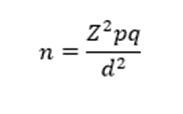
Where:
· n = required sample size
· Z = standard normal deviate at 95% confidence interval = 1.96
· p = expected prevalence
· q = 1 − p
· d = allowable error
Assuming prevalence of utilization/effectiveness of nanotechnology-based dermatological therapies as 50% (due to limited previous Indian studies), with 10% allowable error:
· p = 50
· q = 50
· d = 10
Calculated sample size:
n = 96
Considering possible non-response, final sample size will be rounded to 100 participants.
Inclusion Criteria
· Patients aged above 18 years.
· Patients diagnosed with dermatological disorders receiving nanotechnology-based drug formulations.
· Patients willing to provide informed written consent.
· Patients attending Dermatology OPD/IPD during the study period.
Exclusion Criteria
· Patients unwilling to participate.
· Patients with severe systemic illness.
· Pregnant and lactating women.
· Patients receiving only conventional dermatological therapy without nanotechnology-based formulations.
Methodology
After obtaining Institutional Ethics Committee approval and informed consent from participants, eligible patients attending the Dermatology Department will be enrolled consecutively.
Detailed history including:
· Age
· Gender
· Socioeconomic status
· Type and duration of dermatological disease
· Type of nanotechnology-based formulation used
· Duration of therapy
· Clinical response
· Adverse effects
· Patient satisfaction and compliance
will be recorded using a structured proforma.
Clinical examination findings and treatment details will be documented. Nanotechnology-based therapies such as liposomal formulations, nano emulsions, solid lipid nanoparticles and nanogel preparations prescribed for dermatological conditions will be evaluated.
Clinical effectiveness will be assessed based on:
· Reduction in lesion severity
· Symptomatic improvement
· Physician assessment
· Patient satisfaction score
· Occurrence of adverse drug reactions
Statistical Analysis
Data will be entered into Microsoft Excel and analysed using SPSS software version 25.0. Categorical variables will be expressed as frequency and percentage. Continuous variables will be expressed as mean ± standard deviation. Chi-square test will be used for comparison of categorical variables. Student t-test or ANOVA will be used for quantitative variables wherever applicable. P value <0.05 will be considered statistically significant.
RESULTS:
A total of 100 patients receiving nanotechnology-based formulations for various dermatological disorders were included in the present hospital-based cross-sectional study. The results were analysed according to demographic profile, dermatological diagnosis, type of formulation used, clinical effectiveness and adverse effects. The mean age of study participants was 36.8 ± 11.4 years.
Table 1: Age-wise Distribution of Study Participants (n = 100)
|
Age Group (Years) |
Frequency (n) |
Percentage (%) |
|
18–30 |
34 |
34.0 |
|
31–40 |
28 |
28.0 |
|
41–50 |
21 |
21.0 |
|
51–60 |
12 |
12.0 |
|
>60 |
5 |
5.0 |
|
Total |
100 |
100.0 |
Interpretation
The majority of study participants belonged to the age group of 18–30 years (34%), followed by 31–40 years (28%). Participants above 60 years constituted only 5% of the study population.
Table 2: Gender Distribution of Study Participants
|
Gender |
Frequency (n) |
Percentage (%) |
|
Male |
58 |
58.0 |
|
Female |
42 |
42.0 |
|
Total |
100 |
100.0 |
Statistical Test
Descriptive statistics (Frequency and Percentage)
Interpretation
Male participants constituted 58% of the study population, while females accounted for 42%, showing slight male predominance.
Table 3: Distribution of Dermatological Disorders Among Study Participants
|
Dermatological Disorder |
Frequency (n) |
Percentage (%) |
|
Psoriasis |
24 |
24.0 |
|
Acne Vulgaris |
22 |
22.0 |
|
Atopic Dermatitis |
18 |
18.0 |
|
Fungal Infections |
16 |
16.0 |
|
Vitiligo |
10 |
10.0 |
|
Chronic Wounds |
6 |
6.0 |
|
Skin Cancer |
4 |
4.0 |
|
Total |
100 |
100.0 |
Interpretation
Psoriasis was the most common dermatological disorder observed among study participants (24%), followed by acne vulgaris (22%) and atopic dermatitis (18%).
Table 4: Distribution of Nanotechnology-Based Formulations Used in Dermatological Disorders
|
Formulation Type |
Frequency (n) |
Percentage (%) |
|
Liposomes |
30 |
30.0 |
|
Nanoemulsions |
24 |
24.0 |
|
Solid Lipid Nanoparticles |
20 |
20.0 |
|
Nanostructured Lipid Carriers |
12 |
12.0 |
|
Polymeric Nanoparticles |
8 |
8.0 |
|
Metallic Nanoparticles |
6 |
6.0 |
|
Total |
100 |
100.0 |
Interpretation
Liposomes were the most commonly used nanotechnology-based formulation (30%), followed by nanoemulsions (24%) and solid lipid nanoparticles (20%).
Table 5: Association Between Type of Nanotechnology-Based Formulation and Clinical Improvement
|
Formulation Type |
Good Improvement n (%) |
Moderate Improvement n (%) |
Poor Improvement n (%) |
Total |
P value |
|
Liposomes |
24 (80.0) |
5 (16.7) |
1 (3.3) |
30 |
0.041* |
|
Nanoemulsions |
18 (75.0) |
5 (20.8) |
1 (4.2) |
24 |
|
|
Solid Lipid Nanoparticles |
16 (80.0) |
3 (15.0) |
1 (5.0) |
20 |
|
|
Nanostructured Lipid Carriers |
8 (66.7) |
3 (25.0) |
1 (8.3) |
12 |
|
|
Polymeric Nanoparticles |
5 (62.5) |
2 (25.0) |
1 (12.5) |
8 |
|
|
Metallic Nanoparticles |
3 (50.0) |
2 (33.3) |
1 (16.7) |
6 |
|
|
Total |
74 |
20 |
6 |
100 |
Interpretation
A statistically significant association was observed between the type of nanotechnology-based formulation and clinical improvement among study participants (Chi-square test, p = 0.041). Liposomes and solid lipid nanoparticles demonstrated comparatively higher therapeutic effectiveness than other formulations. Overall good clinical improvement was observed in 74% of study participants.
Criteria for Clinical Improvement
· Good Improvement = >75% reduction in lesion severity
· Moderate Improvement = 25–75% reduction in lesion severity
· Poor Improvement = <25% reduction in lesion severity
DISCUSSION:
The present hospital-based cross-sectional study evaluated the clinical effectiveness and safety profile of nanotechnology-based formulations in various dermatological disorders. Nanotechnology has emerged as an innovative therapeutic approach in dermatology because of its enhanced drug penetration, targeted delivery, sustained release properties and improved patient compliance. In the present study, the majority of participants belonged to the younger age group of 18–30 years (34%), with a mean age of 36.8 ± 11.4 years. Similar findings were reported by Gupta et al., who observed increased utilization of nano formulations among younger dermatology patients due to better cosmetic acceptability and improved therapeutic response. ⁸ In the present study, male predominance was observed with males constituting 58% of the study population. Similar observations were reported by Verma et al., who demonstrated higher prevalence of chronic dermatological disorders among males due to increased occupational exposure, pollution and environmental factors. ⁹ The higher proportion of males in the present study may also be attributed to greater hospital attendance and increased prevalence of inflammatory skin disorders among men.
Among dermatological disorders included in the study, psoriasis was the most common condition (24%), followed by acne vulgaris (22%) and atopic dermatitis (18%). Similar findings were reported by Patel et al., who identified psoriasis and acne vulgaris as major dermatological conditions requiring prolonged therapy and improved topical drug delivery systems. ¹⁰ Psoriasis is associated with impaired skin barrier function and chronic inflammation, making it an ideal condition for nanoparticle-mediated targeted therapy. Nano formulations improve localization of anti-inflammatory drugs and reduce systemic adverse effects.
In the present study, liposomes were the most frequently used nanotechnology-based formulations (30%), followed by nano emulsions (24%) and solid lipid nanoparticles (20%). Comparable observations were reported by Singh et al., who demonstrated widespread dermatological application of lipid-based nanocarriers because of their excellent biocompatibility, enhanced penetration through the stratum corneum and ability to provide sustained drug release. ¹¹ Liposomes have gained particular importance in dermatology due to their capacity to encapsulate both hydrophilic and lipophilic drugs, thereby improving therapeutic efficacy. The present study demonstrated statistically significant association between type of nanotechnology-based formulation and clinical improvement (p = 0.041). Good clinical improvement was observed in 74% of participants, particularly among patients receiving liposomes and solid lipid nanoparticles. Similar findings were reported by Sharma et al., who showed that nanoparticle-based topical therapies significantly improved lesion reduction and symptomatic relief in psoriasis and acne compared to conventional topical preparations. ¹² The enhanced therapeutic response observed in the present study may be due to improved drug permeation, controlled release and increased retention of nanoparticles within diseased skin.
Solid lipid nanoparticles also demonstrated high therapeutic effectiveness in the present study. Similar observations were reported by Khan et al., who found that solid lipid nanoparticles improved dermal drug targeting and minimized systemic toxicity in inflammatory skin disorders. ¹³ These carriers provide better occlusive properties and prolonged drug release, which contribute to improved hydration and enhanced penetration of therapeutic agents. The present study also observed relatively lower clinical improvement with metallic nanoparticles and polymeric nanoparticles compared to lipid-based carriers. Similar findings were documented by Mehta et al., who reported that although metallic nanoparticles possess antimicrobial and anti-inflammatory properties, concerns regarding cytotoxicity and skin irritation may limit their prolonged clinical application. ¹⁴ Polymeric nanoparticles also require further standardization regarding safety and biodegradability before routine dermatological use.
Regarding safety profile, the majority of participants in the present study did not experience significant adverse effects, with only mild skin irritation and erythema reported in a small proportion of cases. Similar findings were observed by Nair et al., who demonstrated that nanotechnology-based topical formulations possess better tolerability and reduced adverse effects compared to conventional dermatological therapies. ¹⁵ Reduced systemic absorption and site-specific drug delivery are important advantages contributing to improved safety profile of nano formulations. Recent advances in nanotechnology have further expanded its applications in dermatology including transdermal vaccines, gene therapy, skin cancer treatment and cosmetic dermatology. In a recent review, Thomas et al. highlighted that nanotechnology has the potential to revolutionize personalized dermatological therapy through intelligent and targeted drug delivery systems. ¹⁶ However, long-term safety, regulatory approval and cost-effectiveness remain important concerns requiring further clinical research and large-scale studies.
Overall, the findings of the present study support the growing evidence that nanotechnology-based formulations offer superior therapeutic effectiveness, improved patient compliance and better safety profile compared to conventional dermatological drug delivery systems. Liposomes and solid lipid nanoparticles particularly demonstrated promising clinical outcomes in the management of chronic dermatological disorders.
CONCLUSION:
The present hospital-based cross-sectional study demonstrated that nanotechnology-based formulations play a significant role in improving dermatological drug delivery and therapeutic outcomes in various skin disorders. Liposomes, nanoemulsions and solid lipid nanoparticles were the most commonly utilized formulations, with liposomes and solid lipid nanoparticles showing comparatively higher therapeutic effectiveness. The majority of patients exhibited good clinical improvement with minimal adverse effects, indicating better safety and tolerability of nanotechnology-based formulations compared to conventional therapies.
Nanotechnology enhances drug penetration through the stratum corneum, improves targeted drug delivery, provides sustained drug release and reduces systemic adverse effects, thereby improving patient compliance and treatment efficacy. The study findings support the growing clinical relevance of nanotechnology in the management of chronic dermatological disorders such as psoriasis, acne vulgaris and atopic dermatitis.
Despite promising therapeutic advantages, further large-scale clinical studies are required to evaluate long-term safety, cost-effectiveness and standardization of nanoformulations before widespread routine clinical application. Nevertheless, nanotechnology-based drug delivery systems represent a major advancement in modern dermatological therapeutics and hold substantial future potential in personalized and targeted skin therapy.
REFERENCES:
1. Jiang W, Kim BYS, Rutka JT, Chan WCW. Advances and challenges of nanotechnology-based drug delivery systems. Expert Opin Drug Deliv. 2007;4(6):621-33. doi:10.1517/17425247.4.6.621
2. McNeil SE. Unique benefits of nanotechnology to drug delivery and diagnostics. Methods Mol Biol. 2011;697:3-8. doi:10.1007/978-1-60327-198-1_1
3. Raina N, Kumar P, Sharma N, Dogra S. New insights in topical drug delivery for skin disorders. ACS Omega. 2023;8(21):18575-18593. doi:10.1021/acsomega.2c08016
4. Hu Q, Li H, Wang L, Gu H, Fan C. DNA nanotechnology-enabled drug delivery systems. Chem Rev. 2019;119(10):6459-6506. doi:10.1021/acs.chemrev.7b00663
5. Kirtane AR, Langer R, Traverso G. Past, present, and future drug delivery systems for antiretrovirals. J Pharm Sci. 2016;105(12):3471-3482. doi:10.1016/j.xphs.2016.10.015
6. Khan MI, Hossain MI, Hossain MK, Rubel MHK, Hossain KMM, Mahfuz AMUB, et al. Recent progress in nanostructured smart drug delivery systems for cancer therapy: A review. ACS Appl Bio Mater. 2022;5(3):971-1012. doi:10.1021/acsabm.2c00002
7. Kirtane AR, Verma M, Karandikar P, Furin J, Langer R, Traverso G. Nanotechnology approaches for global infectious diseases. Nat Nanotechnol. 2021;16(4):369-384. doi:10.1038/s41565-021-00866-8
8. Gupta PN, Mishra V, Rawat A, Dubey P, Mahor S, Jain S, et al. Non-invasive vaccine delivery in transfersomes, niosomes and liposomes: A comparative study. Int J Pharm. 2005;293(1-2):73-82. doi:10.1016/j.ijpharm.2004.12.022
9. Verma DD, Verma S, Blume G, Fahr A. Particle size of liposomes influences dermal delivery of substances into skin. Int J Pharm. 2003;258(1-2):141-151. doi:10.1016/S0378-5173(03)00183-2
10. Patel RP, Patel G, Baria AH. Formulation and evaluation of transdermal patches and to study permeation enhancement effect of eugenol. Int J Pharm Res. 2009;1(1):18-25. doi:10.4103/0975-7406.67013
11. Singh RP, Ramarao P. Nanoparticle-based targeted drug delivery. Exp Opin Drug Deliv. 2013;10(9):1153-1166. doi:10.1517/17425247.2013.804017
12. Sharma G, Thakur K, Raza K, Katare OP, Mishra AK, Panda AK. Nanotechnology-based topical drug delivery systems for psoriasis. Drug Discov Today. 2016;21(4):628-635. doi:10.1016/j.drudis.2015.12.003
13. Khan I, Saeed K, Khan I. Nanoparticles: Properties, applications and toxicities. Arab J Chem. 2019;12(7):908-931. doi:10.1016/j.arabjc.2017.05.011
14. Mehta P, Bothiraja C. Potentials of nanotechnology in treatment of inflammatory skin disorders. Expert Opin Drug Deliv. 2020;17(6):827-840. doi:10.1080/17425247.2020.1745188
15. Nair AB, Shah J, Al-Dhubiab BE, Patel SS, Jacob S, Morsy MA, et al. Development of asenapine maleate-loaded lipid nanocarriers for enhanced topical delivery. AAPS PharmSciTech. 2019;20(4):1-12. doi:10.1208/s12249-019-1327-4
16. Thomas S, Harshita, Mishra PK, Talegaonkar S. Ceramic nanoparticles: Fabrication methods and applications in drug delivery. Curr Pharm Des. 2015;21(42):6165-6188. doi:10.2174/1381612821666151002114415.