STUDY OF HEMATOLOGICAL AND BIOCHEMICAL PARAMETERS IN PATIENTS WITH DENGUE FEVER AND THEIR CORRELATION WITH DISEASE SEVERITY.
- Arvind Agrawal, , Assistant Professor, Department of General Medicine, NKP Salve Institute of Sciences & Research Centre, Nagpur, Maharashtra, India.
- Vaibhav Agrawal , Associate Professor, Department of General Medicine, NKP Salve Institute of Sciences & Research Centre, Nagpur, Maharashtra, India.
- Vivekanand , Associate Professor, Department of General Medicine, Chhattisgarh Institute of Medical Sciences (CIMS), Bilaspur, Chhattisgarh, India.
- Udit Kumar Agrawal , Associate Professor, Department of Biochemistry, Nandkumar Singh Chouhan Government Medical College, Khandwa, Madhya Pradesh, India.
Article Information:
Abstract:
Background: Dengue fever is a major mosquito-borne viral illness affecting tropical and subtropical regions worldwide. The disease exhibits a broad clinical spectrum ranging from uncomplicated febrile illness to severe dengue with hemorrhagic manifestations, plasma leakage, and shock. Early identification of laboratory abnormalities may help predict disease severity and improve patient outcomes. Objective: To evaluate hematological and biochemical parameters in patients with dengue fever and determine their correlation with disease severity. Materials and Methods: A hospital-based cross-sectional observational study was conducted among 120 serologically confirmed dengue patients admitted to a tertiary care hospital between June 2024 and November 2024. Patients were categorized into non-severe dengue (n=82) and severe dengue (n=38) according to WHO criteria. Hematological parameters including hemoglobin, total leukocyte count, platelet count, and hematocrit, along with biochemical parameters such as AST, ALT, serum albumin, and serum creatinine, were analyzed. Statistical analysis was performed using SPSS version 26.0. Results: The mean platelet count was significantly lower in severe dengue patients (48.7±18.3 ×10³/µL) compared to non-severe cases (108.5±42.6 ×10³/µL; p<0.001). Hematocrit and liver enzyme levels were significantly elevated in severe dengue. Hypoalbuminemia was more common among severe cases. Significant correlations were observed between platelet count, hematocrit, transaminase levels, and disease severity. Conclusion: Thrombocytopenia, hemoconcentration, elevated liver enzymes, and hypoalbuminemia were significantly associated with severe dengue. Routine assessment of these parameters may aid in early risk stratification and timely management of dengue patients.
Keywords:
Article :
INTRODUCTION:
Dengue fever is one of the most rapidly spreading arboviral infections globally and represents a major public health challenge, particularly in developing countries. The disease is caused by four serotypes of dengue virus (DENV-1 to DENV-4) transmitted primarily by Aedes aegypti mosquitoes. According to recent estimates, nearly half of the world's population is at risk of dengue infection, with a substantial burden in South-East Asia and India [1]. The clinical presentation of dengue ranges from asymptomatic infection and self-limiting febrile illness to severe forms characterized by plasma leakage, severe bleeding, organ dysfunction, and shock [2].
Disease progression is influenced by viral, host, and immunological factors. Early recognition of patients likely to develop severe dengue remains a challenge in clinical practice [3]. Laboratory investigations play an important role in monitoring disease progression. Hematological abnormalities such as thrombocytopenia, leukopenia, and increased hematocrit are commonly observed during the course of dengue infection and may reflect disease severity [4]. Similarly, biochemical disturbances including elevated liver enzymes, hypoalbuminemia, and altered renal function have been reported in severe cases due to systemic inflammatory responses and vascular permeability changes [5]. Several studies have emphasized the prognostic significance of platelet count and hematocrit; however, variations in laboratory profiles across different populations necessitate region-specific evaluation [6]. Identification of laboratory markers associated with severe dengue can facilitate early intervention, reduce complications, and improve patient outcomes.
Therefore, the present study was undertaken to evaluate hematological and biochemical parameters in patients with dengue fever and to assess their correlation with disease severity.
MATERIALS AND METHODS:
This hospital-based cross-sectional observational study was conducted in the Department of General Medicine in collaboration with the Department of Biochemistry at a tertiary care teaching hospital over a period of six months from June 2025 to November 2025. The study included adult patients admitted with serologically confirmed dengue fever diagnosed by NS1 antigen and/or IgM antibody positivity. A total of 120 dengue-positive patients who fulfilled the eligibility criteria were enrolled consecutively during the study period.
Inclusion Criteria
• Patients aged ≥18 years.
• Serologically confirmed dengue infection (NS1 antigen and/or IgM positive).
• Patients willing to participate in the study.
Exclusion Criteria
• Patients with chronic liver disease.
• Patients with chronic kidney disease.
• Patients with hematological disorders affecting blood counts.
• Patients with concurrent malaria, typhoid, or other acute infections.
• Pregnant women.
Data Collection: Detailed demographic and clinical information was recorded. Venous blood samples were collected at admission. The following parameters were analyzed:
Hematological Parameters
• Hemoglobin (g/dL)
• Total leukocyte count (×10³/µL)
• Platelet count (×10³/µL)
• Hematocrit (%)
Biochemical Parameters
• Aspartate aminotransferase (AST)
• Alanine aminotransferase (ALT)
• Serum albumin
• Serum creatinine
Patients were classified according to WHO dengue guidelines into:
• Non-severe dengue
• Severe dengue
Statistical Analysis: Data were analyzed using SPSS version 26.0. Continuous variables were expressed as mean ± standard deviation, while categorical variables were expressed as frequencies and percentages. Independent Student's t-test and Chi-square test were used for comparison between groups.
Pearson correlation analysis was applied to assess the association between laboratory parameters and disease severity. A p-value <0.05 was considered statistically significant.
RESULTS:
A total of 120 serologically confirmed dengue patients were included in the study. Based on WHO classification, 82 patients (68.3%) were categorized as non-severe dengue, while 38 patients (31.7%) were classified as severe dengue. Male patients constituted 60% of the study population. The majority of dengue cases were observed in the 18–30 years age group. (Table 1).
Table 1: Demographic Characteristics of Study Participants (n=120)
|
Variable |
Frequency |
Percentage (%) |
|
Male |
72 |
60 |
|
Female |
48 |
40 |
|
18–30 years |
46 |
38.3 |
|
31–45 years |
39 |
32.5 |
|
46–60 years |
24 |
20 |
|
>60 years |
11 |
9.2 |
Non-severe dengue cases constituted the majority (68.3%) of the study population, while 31.7% patients developed severe dengue. (Figure 1)
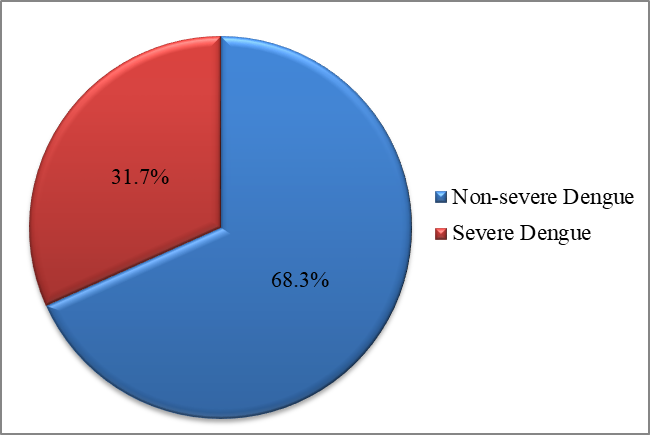
Figure 1: Non-Severe and Severe Dengue Patients
Severe dengue patients showed significantly lower platelet count and leukocyte count along with significantly higher hematocrit values compared to non-severe dengue patients. (Table 2)
Table 2: Comparison of Hematological Parameters According to Disease Severity
|
Parameter |
Non-Severe Dengue (n=82) |
Severe Dengue (n=38) |
p-value |
|
Hemoglobin (g/dL) |
12.8±1.5 |
13.4±1.7 |
0.061 |
|
TLC (×10³/µL) |
4.3±1.1 |
3.7±1.0 |
0.008 |
|
Platelet Count (×10³/µL) |
108.5±42.6 |
48.7±18.3 |
<0.001 |
|
Hematocrit (%) |
38.6±4.2 |
45.2±5.1 |
<0.001 |
Liver enzyme levels and serum creatinine were significantly elevated in severe dengue, while serum albumin levels were significantly reduced. (Table 3)
Table 3: Comparison of Biochemical Parameters According to Disease Severity
|
Parameter |
Non-Severe Dengue |
Severe Dengue |
p-value |
|
AST (U/L) |
72.4±30.5 |
168.7±64.3 |
<0.001 |
|
ALT (U/L) |
58.6±25.8 |
142.1±51.6 |
<0.001 |
|
Serum Albumin (g/dL) |
3.9±0.4 |
3.1±0.5 |
<0.001 |
|
Serum Creatinine (mg/dL) |
0.92±0.21 |
1.16±0.35 |
0.002 |
Platelet count and serum albumin demonstrated significant negative correlations with disease severity, whereas hematocrit and liver enzymes showed significant positive correlations. (Table 4)
Table4: Correlation of Laboratory Parameters with Severe Dengue
|
Parameter |
Correlation Coefficient (r) |
p-value |
|
Platelet Count |
-0.69 |
<0.001 |
|
Hematocrit |
+0.58 |
<0.001 |
|
AST |
+0.63 |
<0.001 |
|
ALT |
+0.60 |
<0.001 |
|
Serum Albumin |
-0.51 |
<0.001 |
Mean platelet count was markedly lower in severe dengue patients compared to non-severe dengue patients, indicating a strong association between thrombocytopenia and disease severity (Figure: 2).
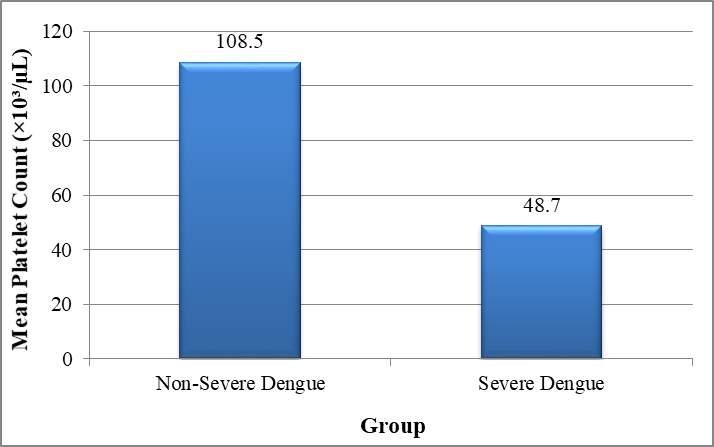
Figure 2: Mean Platelet Count in Non-Severe and Severe Dengue Patients
DISCUSSION:
The present study evaluated hematological and biochemical alterations in dengue patients and examined their association with disease severity. The findings demonstrated significant differences in platelet count, hematocrit, liver enzymes, serum albumin, and renal function parameters between severe and non-severe dengue cases.
Thrombocytopenia was one of the most prominent findings in the present study, with severe dengue patients exhibiting significantly lower platelet counts. Similar observations have been reported by Tsheten et al.[4], who identified thrombocytopenia as an important predictor of severe dengue and bleeding complications. Platelet destruction, bone marrow suppression, and immune-mediated mechanisms have been implicated in its pathogenesis.
The present study also found significantly higher hematocrit values among severe dengue patients. Elevated hematocrit reflects plasma leakage resulting from increased vascular permeability and has been recognized as a hallmark of severe dengue infection.[7] Our findings are consistent with previous investigations demonstrating hemoconcentration as a useful marker for disease progression.
Liver involvement was evident from significantly elevated AST and ALT levels in severe dengue patients. These findings support earlier studies suggesting that hepatic dysfunction is common in dengue infection and may result from direct viral injury, immune-mediated damage, or circulatory compromise.[5] Elevated AST levels were more pronounced than ALT levels, a pattern frequently reported in dengue-associated hepatitis.
Hypoalbuminemia observed in severe dengue cases likely reflects increased vascular permeability and protein leakage. Previous studies have reported serum albumin as an indicator of plasma leakage and disease severity.[8] The negative correlation between albumin levels and disease severity in our study further supports its prognostic value.
Mild but significant elevations in serum creatinine were also observed among severe cases. Similar findings have been described by Yang et al.[9], indicating that renal involvement may occur secondary to hypovolemia, shock, and systemic inflammatory responses.
Overall, the present study confirms that routine laboratory parameters provide valuable information regarding disease severity and can assist clinicians in identifying patients requiring close monitoring and aggressive management.
CONCLUSION:
The present study demonstrated that severe dengue is significantly associated with thrombocytopenia, elevated hematocrit, increased liver enzyme levels, hypoalbuminemia, and impaired renal function. Among these parameters, platelet count, hematocrit, AST, ALT, and serum albumin showed strong correlations with disease severity. Regular monitoring of these hematological and biochemical markers can facilitate early risk stratification, timely intervention, and improved clinical outcomes in dengue patients. Incorporating these laboratory indicators into routine assessment protocols may help reduce morbidity and prevent progression to life-threatening complications.
REFERENCES:
1. World Health Organization. Dengue and severe dengue. Geneva: World Health Organization; 2024. Available from: https://www.who.int/health-topics/dengue-and-severe-dengue.
2. Wilder-Smith A, Ooi EE, Horstick O, Wills B. Dengue. Lancet. 2019 Jan 26;393(10169):350-363. doi: 10.1016/S0140-6736(18)32560-1.
3. Sangkaew S, Ming D, Boonyasiri A, Honeyford K, Kalayanarooj S, Yacoub S, Dorigatti I, Holmes A. Risk predictors of progression to severe disease during the febrile phase of dengue: a systematic review and meta-analysis. Lancet Infect Dis. 2021 Jul;21(7):1014-1026. doi: 10.1016/S1473-3099(20)30601-0.
4. Tsheten T, Clements ACA, Gray DJ, Adhikary RK, Furuya-Kanamori L, Wangdi K. Clinical predictors of severe dengue: a systematic review and meta-analysis. Infect Dis Poverty. 2021 Oct 9;10(1):123. doi: 10.1186/s40249-021-00908-2.
5. Swamy AM, Mahesh PY, Rajashekar ST. Liver function in dengue and its correlation with disease severity: a retrospective cross-sectional observational study in a tertiary care center in Coastal India. Pan Afr Med J. 2021 Dec 23;40:261. doi: 10.11604/pamj.2021.40.261.29795.
6. Srisuphanunt M, Puttaruk P, Kooltheat N, Katzenmeier G, Wilairatana P. Prognostic Indicators for the Early Prediction of Severe Dengue Infection: A Retrospective Study in a University Hospital in Thailand. Trop Med Infect Dis. 2022 Jul 31;7(8):162. doi: 10.3390/tropicalmed7080162.
7. Hegazi MA, Bakarman MA, Alahmadi TS, Butt NS, Alqahtani AM, Aljedaani BS, Almajnuni AH. Risk Factors and Predictors of Severe Dengue in Saudi Population in Jeddah, Western Saudi Arabia: A Retrospective Study. Am J Trop Med Hyg. 2020 Mar;102(3):613-621. doi: 10.4269/ajtmh.19-0650.
8. Lazarus G, Nelwan EJ, Hamers RL. Transaminases and serum albumin as early predictors of severe dengue. Lancet Infect Dis. 2021 Nov;21(11):1488-1489. doi: 10.1016/S1473-3099(21)00583-1.
9. Yang CH, Lee IK, Chen YC, Huang WC, Hsu JC, Tai CH, et al. Prognostic factors in severe dengue patients: A multi-center retrospective cohort study. PLoS Negl Trop Dis. 2025 Jan 28;19(1):e0012846. doi: 10.1371/journal.pntd.0012846.