CLINICAL SPECTRUM AND MANAGEMENT OUTCOMES OF ENTROPION AND ECTROPION IN ELDERLY PATIENTS: A PROSPECTIVE OBSERVATIONAL STUDY.
- Archana Singh , Assistant Professor, Department of Ophthalmology, Netaji Subhash Chandra Bose medical College, Jabalpur, M.P
- Pooja Singh , Assistant Professor, Department of ophthalmology, Netaji Subhash Chandra Bose medical College, Jabalpur, M.P.
Article Information:
Abstract:
Background: Entropion and ectropion are common age-related eyelid malpositions that can significantly affect ocular comfort and visual function. These disorders frequently occur due to involutional changes of the eyelid support structures and often require surgical correction for symptomatic relief and prevention of ocular surface complications. Aim: To evaluate the demographic profile, clinical characteristics, management strategies, and treatment outcomes of entropion and ectropion among elderly patients attending a tertiary care ophthalmic center. Materials and Methods: This prospective observational study included 50 patients aged 60 years and above diagnosed with entropion or ectropion. Detailed ophthalmic evaluation was performed, including eyelid examination, snap-back test, distraction test, and corneal assessment. Management was individualized according to the etiology and severity of the disease. Patients were followed for six months. Anatomical correction, symptom relief, postoperative complications, and recurrence were assessed. Results: Among 50 patients, the mean age was 68.4 ± 6.2 years. Males constituted 60% of the study population. Involutional ectropion was the most common eyelid malposition (44%), followed by involutional entropion (36%). Watering (72%) and ocular irritation (58%) were the most frequent presenting symptoms. Lateral tarsal strip surgery was the most commonly performed procedure (48%). Anatomical success was achieved in 92% of patients, while symptomatic improvement was observed in 94%. Recurrence occurred in 6% of cases. Postoperative complications were generally mild and self-limiting. Conclusion: Involutional eyelid malpositions constitute the majority of entropion and ectropion cases in elderly patients. Early diagnosis and appropriate surgical intervention provide excellent anatomical and functional outcomes with minimal complications and low recurrence rates.
Keywords:
Article :
INTRODUCTION:
Entropion and ectropion are common eyelid malpositions frequently encountered in elderly individuals and represent an important cause of ocular discomfort and morbidity. These conditions may lead to chronic irritation, epiphora, conjunctival exposure, corneal epithelial damage, and visual disturbance, thereby affecting the quality of life of affected patients. With the progressive increase in life expectancy and the growing elderly population worldwide, age-related eyelid disorders are being observed more frequently in ophthalmic practice [1].
Entropion is characterized by inward turning of the eyelid margin, resulting in contact between the eyelashes and the ocular surface, whereas ectropion refers to outward eversion of the eyelid margin, leading to inadequate tear drainage and ocular surface exposure. Both disorders predominantly involve the lower eyelid and are commonly associated with involutional changes that occur with advancing age [2].
The development of involutional entropion and ectropion is multifactorial. Age-related horizontal eyelid laxity, weakening of the medial and lateral canthal tendons, and disinsertion or attenuation of the lower eyelid retractors contribute significantly to the alteration of normal eyelid anatomy and function [3]. These structural changes gradually predispose the eyelid to malposition and associated ocular symptoms.
Management of eyelid malpositions is determined by the underlying etiology, severity of the condition, and the extent of anatomical abnormalities. Several surgical techniques, including lateral tarsal strip (LTS), Quickert sutures, Wies procedure, medial spindle surgery, and full-thickness wedge resection, have been widely employed with satisfactory functional and anatomical outcomes [4].
Recent literature has emphasized the effectiveness of LTS-based procedures in correcting involutional eyelid malpositions, with high success rates and relatively low recurrence rates reported in most studies [5, 6]. However, prospective studies evaluating the clinical spectrum and treatment outcomes of entropion and ectropion among elderly Indian patients remain limited.
In view of these considerations, the present study was undertaken to assess the demographic profile, etiological characteristics, management approaches, and treatment outcomes of entropion and ectropion in elderly patients presenting to a tertiary care ophthalmic center.
MATERIALS AND METHODS:
This prospective observational hospital-based study was conducted in the Department of Ophthalmology of Netaji Subhash Chandra Bose medical College, Jabalpur, India, over a period of 18 months. The study included 50 elderly patients aged 60 years and above who were diagnosed with either entropion or ectropion and attended the Oculoplasty Clinic during the study period.
Inclusion Criteria
• Age ≥60 years.
• Clinically diagnosed entropion or ectropion.
• Willingness to participate and provide informed consent.
• Availability for follow-up.
Exclusion Criteria
• Previous eyelid surgery.
• Eyelid malignancy.
• Severe facial trauma.
• Patients lost to follow-up.
Data Collection: Eligible patients were enrolled consecutively and evaluated for their demographic profile, clinical presentation, associated risk factors, and management outcomes. Data were collected using a structured clinical assessment protocol and analyzed to determine the spectrum and treatment outcomes of eyelid malpositions in the elderly population.
All patients underwent: Best corrected visual acuity assessment, Slit lamp examination, Eyelid examination, Snap-back test, Distraction test, Assessment of horizontal lid laxity and Corneal evaluation
The surgical Procedures were done for Entropion surgery are Quickert sutures, Wies procedure, Lateral tarsal strip and combined procedures, while surgical procedure for Ectropion are Lateral tarsal strip, Medial spindle, Full-thickness wedge resection, Skin grafting where indicated.
The following outcome Measures
Primary Outcome
• Anatomical correction at six months.
Secondary Outcomes
• Symptom relief
• Patient satisfaction
• Postoperative complications
• Recurrence
Statistical Analysis: Data were entered into Microsoft Excel and analyzed using SPSS version 25. Continuous variables were expressed as mean ± standard deviation, while categorical variables were presented as frequencies and percentages.
Ethical Approval: The study was approved by the Institutional Ethics Committee of the tertiary care teaching hospital. Written informed consent was obtained from all participants prior to enrollment, and the study adhered to the principles of the Declaration of Helsinki.
RESULTS:
A total of 50 elderly patients diagnosed with entropion or ectropion were included in the study and completed the follow-up period. The demographic characteristics, clinical presentation, etiological distribution, surgical management, and treatment outcomes were analyzed. The findings are summarized in the following tables and figures.
Table 1: Demographic Characteristics of Study Participants (n=50)
|
Variable |
Number |
Percentage (%) |
|
60–69 years |
28 |
56% |
|
70–79 years |
16 |
32% |
|
≥80 years |
6 |
12% |
|
Male |
30 |
60% |
|
Female |
20 |
40% |
Most patients belonged to the 60–69 years age group. Male predominance was observed with a male-to-female ratio of 1.5:1. The mean age of the study population was 68.4 ± 6.2 years.
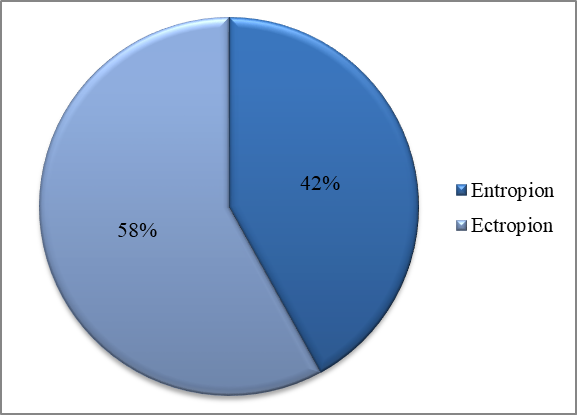
Figure 1: Distribution of Entropion and Ectropion Cases
Ectropion accounted for 58% of cases, while entropion constituted 42% of all eyelid malpositions.
Table 2: Distribution of Eyelid Malpositions
|
Type |
Number |
Percentage (%) |
|
Involutional Ectropion |
22 |
44% |
|
Involutional Entropion |
18 |
36% |
|
Cicatricial Ectropion |
4 |
8% |
|
Cicatricial Entropion |
3 |
6% |
|
Paralytic Ectropion |
2 |
4% |
|
Mechanical Ectropion |
1 |
2% |
Involutional ectropion was the most common eyelid malposition followed by involutional entropion, together accounting for 80% of all cases.
Table 3: Presenting Symptoms
|
Symptom |
Number |
Percentage (%) |
|
Watering |
36 |
72% |
|
Ocular irritation |
29 |
58% |
|
Redness |
22 |
44% |
|
Foreign body sensation |
20 |
40% |
|
Discharge |
12 |
24% |
|
Photophobia |
8 |
16% |
Watering and ocular irritation were the predominant presenting complaints among elderly patients.
Table 4: Surgical Procedures and Outcomes
|
Procedure |
Cases |
Successful Cases |
Success (%) |
|
Lateral Tarsal Strip |
24 |
23 |
95.8% |
|
Wies Procedure |
10 |
9 |
90% |
|
Quickert Sutures |
8 |
7 |
87.5% |
|
Medial Spindle |
5 |
5 |
100% |
|
Wedge Resection |
3 |
3 |
100% |
Lateral tarsal strip surgery was the most frequently performed procedure and demonstrated excellent anatomical success.
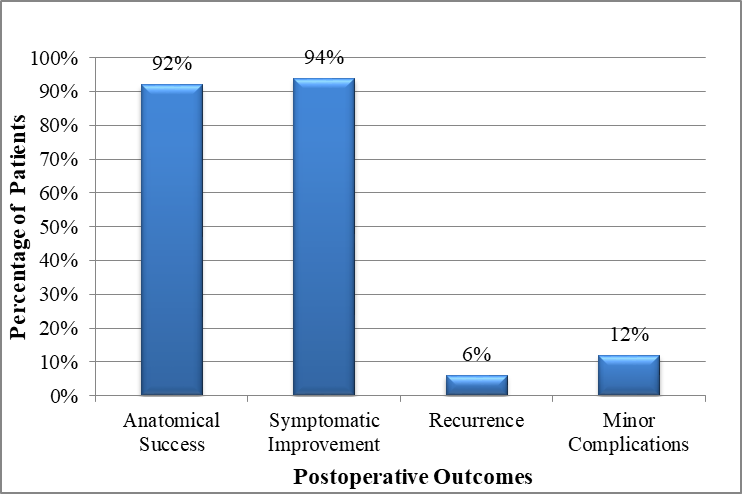
Figure 2: Postoperative Outcomes at Six Months
Anatomical success was achieved in 92% of patients, symptomatic improvement in 94%, recurrence occurred in 6%, and minor postoperative complications were observed in 12% of cases.
DISCUSSION:
The present study was conducted to evaluate the clinical characteristics and management outcomes of entropion and ectropion in elderly patients attending a tertiary care ophthalmic center. The mean age of the study population was 68.4 years, highlighting the close association between advancing age and the development of eyelid malpositions. Similar age-related trends have been reported in previous studies evaluating involutional eyelid disorders [7].
A majority of patients in the present study were diagnosed with involutional forms of entropion and ectropion. This finding is consistent with the established understanding that age-related weakening of eyelid support structures, including horizontal lid laxity, canthal tendon attenuation, and lower eyelid retractor disinsertion, plays a major role in the pathogenesis of these conditions [8]. Watering was the most frequently reported symptom, followed by ocular irritation and redness. These manifestations are expected consequences of abnormal eyelid position, which may result in tear film instability, impaired tear drainage, punctal malposition, and increased ocular surface exposure. Similar symptom profiles have been described in earlier studies on lower eyelid malpositions [9].
Among the various surgical procedures performed, lateral tarsal strip surgery was the most commonly utilized technique. The high success rate observed with this procedure may be attributed to its ability to effectively correct horizontal eyelid laxity, which represents a key anatomical abnormality in involutional eyelid malpositions. Previous studies have likewise demonstrated favorable outcomes and success rates exceeding 90% following LTS-based procedures [10-12]. The overall anatomical success rate in the present study was 92%, while symptomatic improvement was achieved in 94% of patients. These findings are comparable with those reported in studies evaluating lateral tarsal strip procedures and other combined surgical approaches for the management of involutional entropion and ectropion [13, 14].
Recurrence was observed in a small proportion of cases during follow-up. Most recurrent cases were associated with marked lid laxity or cicatricial changes, suggesting that the severity of underlying structural abnormalities may influence long-term surgical outcomes. Similar observations have been reported by previous investigators who identified complex pathology and advanced tissue changes as important factors affecting recurrence after corrective eyelid surgery [15]. Overall, the findings of the present study support the effectiveness of appropriately selected surgical interventions in achieving satisfactory anatomical correction and symptomatic relief in elderly patients with eyelid malpositions.
CONCLUSION:
Entropion and ectropion are common eyelid disorders among elderly individuals and remain important causes of ocular discomfort and ocular surface morbidity. Involutional changes constitute the predominant underlying etiology, reflecting the impact of age-related alterations in eyelid support structures. The findings of the present study demonstrate that timely diagnosis and appropriate surgical management can achieve high rates of anatomical correction and symptomatic improvement. Lateral tarsal strip-based procedures were particularly effective and were associated with favorable outcomes and low recurrence rates. Early recognition and intervention are essential for preventing ocular surface complications and improving the overall quality of life of affected patients.
REFERENCES:
1. Guthrie AJ, Kadakia P, Rosenberg J. Eyelid Malposition Repair: A Review of the Literature and Current Techniques. Semin Plast Surg. 2019 May;33(2):92-102. doi: 10.1055/s-0039-1685473.
2. Nakos EA, Boboridis KG, Kakavouti-Doudou AA, Almaliotis DD, Sioulis CE, Karampatakis VE. Randomized Controlled Trial Comparing Everting Sutures with a Lateral Tarsal Strip for Involutional Lower Eyelid Entropion. Ophthalmol Ther. 2019 Sep;8(3):397-406. doi: 10.1007/s40123-019-0189-3.
3. López-García JS, García-Lozano I, Giménez-Vallejo C, Jiménez B, Sánchez Á, de Juan IE. Modified lateral tarsal strip for involutional entropion and ectropion surgery. Graefes Arch Clin Exp Ophthalmol. 2017 Mar;255(3):619-625. doi: 10.1007/s00417-016-3536-2.
4. Goel R, Sanoria A, Kumar S, Arya D, Nagpal S, Rathie N. Comparison of Polypropylene Sling with Combined Transconjunctival Retractor Plication and Lateral Tarsal Strip for Correction of Involutional Lower Eye Lid Ectropion. Open Ophthalmol J. 2017 Aug 31;11:285-297. doi: 10.2174/1874364101711010285.
5. Hou X, Guo Y, Li S, Lin M, Jia R, Rokohl A, Heindl LM. Lateral tarsal strip procedure for involutional ectropion: A retrospective analysis of 85 cases and a comprehensive literature review. Adv Ophthalmol Pract Res. 2021 Sep 9;1(1):100004. doi: 10.1016/j.aopr.2021.100004.
6. Lee H, Cha E, Baek S. Outcomes of Lateral Tarsal Strip in Conjunction with a Minimal Skin Muscle Excision Underlying Cauterization in Korean Patients with Involutional Entropion. Front Surg. 2022 May 12;9:870751. doi: 10.3389/fsurg.2022.870751.
7. Kopecký A, Rokohl AC, Heindl LM. The role of the lateral tarsal strip procedure in modern ophthalmic plastic surgery-A review. Front Ophthalmol (Lausanne). 2022 Aug 26;2:871964. doi: 10.3389/fopht.2022.871964.
8. AlHarthi AS. Involutional ectropion: etiological factors and therapeutic management. Int Ophthalmol. 2023 Mar;43(3):1013-1026. doi: 10.1007/s10792-022-02475-3.
9. Sbitan L, Tanous H, Jardak MN, Camargo CP. Towards optimal management of lower eyelid malpositions: A systematic review of treatment effectiveness and safety. Clinics (Sao Paulo). 2024 Dec 3;80:100547. doi: 10.1016/j.clinsp.2024.100547.
10. Dulz S, Green S, Mehlan J, Schüttauf F, Keserü M. A comparison of the lateral tarsal strip with everting sutures and the Quickert procedure for involutional entropion. Acta Ophthalmol. 2019 Sep;97(6):e933-e936. doi: 10.1111/aos.14093.
11. Ezzeldin ER. Lateral tarsal strip vs. lower lid retractors reinsertion for treatment of involutional entropion. Delta J Ophthalmol. 2022;23(2):136-140. doi:10.4103/djo.djo_65_21.
12. Poon JS, Vahdani K, Thaller VT. Comparison of four Combined Procedures for Correction of Involutional Lower Eyelid Entropion. J Craniofac Surg. 2019 Jun;30(4):1239-1244. doi: 10.1097/SCS.0000000000005466.
13. Rubino C, Trignano E, Dore S, Pinna A, Tsatsaris N, Ziani F, Sangalli L, Tettamanzi M, Rampazzo S. 3-Step Combined Technique for Correction of Involutional Lower Eyelid Ectropion: A Case Series. J Clin Med. 2024 Dec 29;14(1):128. doi: 10.3390/jcm14010128.
14. Vahdani K, Ford R, Garrott H, Thaller VT. Lateral tarsal strip versus Bick's procedure in correction of eyelid malposition. Eye (Lond). 2018 Jun;32(6):1117-1122. doi: 10.1038/s41433-018-0048-9.
15. Nemoto H, Togo T, Maruyama N, Miyabe K, Nakae S, Sumiya N. Orbicularis oculi muscle tightening for involutional entropion. J Plast Reconstr Aesthet Surg. 2017 Jul;70(7):946-951. doi: 10.1016/j.bjps.2017.01.017.