ASSOCIATION OF SERIAL HYPOALBUMINEMIA AND LIVER DYSFUNCTION WITH CLINICAL OUTCOMES IN SEPSIS.
- K. SAI TATHAGATH , Postgraduate, Department of General Medicine, Mamata Medical College, Khammam, Telangana.
- K BABU RAO , Associate Professor, Department of General Medicine, Mamata Medical College, Khammam, Telangana.
- M. SAI KRISHNA , Postgraduate, Department of General Medicine, Mamata Medical College, Khammam, Telangana.
- M. SAI GEETHIKA , Postgraduate, Department of General Medicine, Mamata Medical College, Khammam, Telangana.
Article Information:
Abstract:
Background: Sepsis is a life-threatening condition characterized by dysregulated host response to infection resulting in significant morbidity and mortality. Hypoalbuminemia and liver dysfunction are commonly observed in sepsis due to systemic inflammation, endothelial dysfunction, and impaired hepatic function. Serial monitoring of serum albumin and liver parameters may provide valuable prognostic information and aid in early risk stratification. Aim of the study was to evaluate the association of serial hypoalbuminemia and liver dysfunction with clinical outcomes in patients with sepsis. Materials and Methods: This prospective observational study was conducted in the Department of General Medicine. A total of 75 patients diagnosed with sepsis according to Sepsis-3 criteria were included. Serial serum albumin levels and liver function parameters including serum bilirubin, AST, ALT, ALP, and INR were monitored during hospitalization. Clinical outcomes including ICU admission, septic shock, duration of hospital stay, and mortality were assessed and correlated with serial biochemical changes. Results: The mean serum albumin level progressively decreased from 3.02 ± 0.48 g/dL on admission to 2.54 ± 0.39 g/dL by Day 7. Non-survivors demonstrated significantly lower serum albumin levels compared to survivors throughout hospitalization (p < 0.001). Elevated bilirubin, AST, ALT, ALP, and INR levels were significantly associated with poor clinical outcomes and mortality. Serum albumin showed a significant negative correlation with SOFA score (r = -0.68, p < 0.001). Mortality was observed in 21.3% of study participants. Conclusion: Serial hypoalbuminemia and liver dysfunction are significantly associated with adverse clinical outcomes in patients with sepsis. Serial monitoring of serum albumin and liver parameters may serve as a simple, cost-effective, and valuable prognostic tool for early identification of high-risk septic patients.
Keywords:
Article :
INTRODUCTION:
Sepsis is a life-threatening clinical syndrome characterized by dysregulated host response to infection leading to organ dysfunction and high mortality. Despite advances in antimicrobial therapy, intensive care management, and supportive treatment modalities, sepsis remains one of the leading causes of morbidity and mortality worldwide, especially among critically ill patients admitted to intensive care units. According to recent global estimates, sepsis contributes significantly to hospital admissions and is associated with prolonged hospital stay, multiorgan dysfunction, and increased healthcare burden. Early identification of patients at high risk of deterioration is essential for timely intervention and improved outcomes. Hence, reliable prognostic biomarkers are increasingly being investigated to predict disease severity, therapeutic response, and mortality in patients with sepsis.
Among various biochemical markers, serum albumin has emerged as an important prognostic indicator in critically ill patients. Albumin is the most abundant plasma protein synthesized by the liver and plays a major role in maintaining plasma oncotic pressure, transport of endogenous and exogenous substances, antioxidant activity, and modulation of inflammatory responses. During sepsis, systemic inflammation leads to increased capillary permeability, altered hepatic synthesis, redistribution of albumin into the extravascular compartment, and accelerated catabolism, resulting in hypoalbuminemia. Persistent low serum albumin levels reflect severe inflammatory response, endothelial dysfunction, nutritional impairment, and poor physiological reserve. Several recent studies have demonstrated that hypoalbuminemia is associated with increased mortality, prolonged ICU stay, septic shock, and multiorgan failure in patients with sepsis.[1,2]
Serial monitoring of serum albumin levels may provide more valuable prognostic information than a single baseline measurement because dynamic changes in albumin concentration reflect the progression of inflammation and response to treatment. A declining trend in serum albumin during hospitalization has been shown to correlate with worsening organ dysfunction and adverse clinical outcomes. In addition to serum albumin, liver function parameters such as serum bilirubin, alanine aminotransferase (ALT), aspartate aminotransferase (AST), alkaline phosphatase (ALP), and prothrombin time are also frequently altered in sepsis due to sepsis-associated liver dysfunction. Hepatic dysfunction during sepsis occurs secondary to hypoperfusion, cytokine-mediated injury, microcirculatory disturbances, and mitochondrial dysfunction. Monitoring these liver parameters may therefore help in assessing disease severity and prognosis.[3,4]
Recent studies have evaluated the prognostic significance of albumin and other liver-related biomarkers in sepsis. Turcato et al. reported that low serum albumin levels measured during emergency department admission were significantly associated with 30-day mortality among septic patients.[5] Kumar et al. observed that hypoalbuminemia was independently associated with higher mortality and severe disease progression in patients with sepsis.[2] Jin et al. demonstrated that serial serum albumin trends could predict mortality in critically ill septic patients admitted to intensive care units.[3] Schupp et al. found that declining plasma albumin levels were strongly associated with increased sepsis-related mortality and poor clinical outcomes.[6] Recent studies have also investigated composite biomarkers such as lactate-to-albumin ratio, which showed promising predictive value for organ failure and mortality in septic patients.[7]
Although several studies have highlighted the importance of hypoalbuminemia in sepsis, most available studies are retrospective, involve limited sample sizes, or focus only on single albumin measurements at admission. There is limited prospective data evaluating serial serum albumin monitoring along with other liver function parameters as prognostic markers in sepsis, particularly in the Indian population. Furthermore, the combined prognostic utility of serial albumin changes and liver parameter alterations during the course of hospitalization has not been adequately explored. This represents an important research gap because early recognition of worsening biochemical trends may facilitate prompt therapeutic escalation and improve patient outcomes.
Therefore, the present study was undertaken to evaluate the prognostic significance of serial serum albumin and liver function parameter monitoring in patients with sepsis. The study aimed to assess the association between serial changes in serum albumin, liver parameters, and clinical outcomes including disease severity, ICU admission, septic shock, duration of hospital stay, and mortality in patients with sepsis.
MATERIALS AND METHODS:
Study Design
The present study was designed as a hospital-based prospective observational study conducted to evaluate serial serum albumin and other liver parameters as prognostic markers in patients with sepsis.
The study was conducted in the Department of General Medicine. All adult patients admitted to the Department of General Medicine with a diagnosis of sepsis fulfilling the inclusion criteria were included in the study. A total of 75 patients diagnosed with sepsis were included in the study.
Methodology
Patients admitted with clinical suspicion of sepsis were evaluated based on detailed history, clinical examination, laboratory investigations, and relevant radiological investigations. Sepsis was diagnosed according to the Sepsis-3 criteria, defined as life-threatening organ dysfunction caused by a dysregulated host response to infection. After obtaining informed written consent from the patient or patient attendants, eligible patients were enrolled into the study. Serial monitoring of serum albumin and liver function parameters was performed at admission and during the course of hospitalization. The laboratory findings were correlated with clinical severity, duration of hospital stay, requirement for intensive care support, and patient outcome including recovery or mortality.
Inclusion Criteria
· Patients aged ≥18 years.
· Patients diagnosed with sepsis according to Sepsis-3 criteria.
· Patients admitted to the Department of General Medicine.
· Patients willing to participate in the study and provide informed consent.
Exclusion Criteria
· Patients with chronic liver disease or cirrhosis.
· Patients with nephrotic syndrome.
· Patients with chronic kidney disease on dialysis.
· Patients with protein-losing enteropathy.
· Patients with malignancy receiving chemotherapy.
· Pregnant women.
· Patients receiving albumin infusion prior to admission.
· Patients with severe malnutrition or chronic debilitating illness.
Study Tools
The following tools and investigations were used in the study:
· Detailed clinical history and physical examination.
· Structured proforma for demographic and clinical data collection.
· Complete blood picture (CBP).
· Serum albumin estimation.
· Liver function tests including:
§ Serum bilirubin
§ Aspartate aminotransferase (AST)
§ Alanine aminotransferase (ALT)
§ Alkaline phosphatase (ALP)
§ Total protein
§ Prothrombin time/INR
· Renal function tests.
· Blood culture and other relevant cultures.
· C-reactive protein (CRP) and serum lactate where indicated.
· Radiological investigations including chest X-ray and ultrasonography when required.
· Sequential Organ Failure Assessment (SOFA) score for severity assessment.
Data Collection
The following data were collected from all enrolled patients:
· Age and gender of the patient.
· Presenting symptoms and duration of illness.
· Source of infection.
· Vital signs at admission.
· Presence of comorbidities such as diabetes mellitus and hypertension.
· Baseline laboratory parameters.
· Serial serum albumin levels during hospitalization.
· Serial liver function test parameters.
· SOFA score at admission.
· Requirement of ICU admission or ventilatory support.
· Duration of hospital stay.
· Clinical outcome:
§ Recovered and discharged
§ Referred
§ Death
Statistical Analysis
The collected data were entered into Microsoft Excel and analyzed using Statistical Package for Social Sciences (SPSS) software version 25.0. Continuous variables were expressed as mean ± standard deviation, while categorical variables were expressed as frequencies and percentages. Appropriate statistical tests such as Chi-square test, Student’s t-test, and correlation analysis were applied. A p-value of less than 0.05 was considered statistically significant.
Ethical Consideration
Ethical committee clearance was obtained from the Institutional Ethics Committee prior to commencement of the study. Informed written consent was obtained from all study participants or their attendants before enrollment into the study.
RESULTS:
Table 1: Baseline Demographic Characteristics of Study Population (n = 75)
|
Variable |
Value |
|
Age (years) |
56.8 ± 14.2 |
|
Male Gender |
46 (61.3%) |
|
Female Gender |
29 (38.7%) |
|
Diabetes Mellitus |
31 (41.3%) |
|
Hypertension |
27 (36.0%) |
|
Chronic Kidney Disease |
9 (12.0%) |
|
Chronic Alcohol Consumption |
18 (24.0%) |
|
Mean SOFA Score at Admission |
7.4 ± 2.6 |
|
ICU Admission |
28 (37.3%) |
|
Mortality |
16 (21.3%) |
The mean age of the study population was 56.8 ± 14.2 years, indicating that sepsis was more common among middle-aged and elderly individuals. Male patients constituted 61.3% of the study population. Diabetes mellitus and hypertension were the most common comorbidities, observed in 41.3% and 36.0% of patients respectively. The mean SOFA score at admission was 7.4 ± 2.6. ICU admission was required in 37.3% of patients, while the overall mortality rate was 21.3%.
Table 2: Source of Sepsis among Study Participants
|
Source of Infection |
Number (n) |
Percentage (%) |
|
Respiratory Tract Infection |
24 |
32.0 |
|
Urinary Tract Infection |
18 |
24.0 |
|
Gastrointestinal Infection |
10 |
13.3 |
|
Skin and Soft Tissue Infection |
8 |
10.7 |
|
Bloodstream Infection |
7 |
9.3 |
|
CNS Infection |
3 |
4.0 |
|
Others |
5 |
6.7 |
|
Total |
75 |
100 |
Respiratory tract infection was the most common source of sepsis, accounting for 32.0% of cases, followed by urinary tract infections in 24.0% of patients. Gastrointestinal infections contributed to 13.3% of cases, while bloodstream infections accounted for 9.3%. Skin and soft tissue infections were observed in 10.7% of patients. These findings indicate that pulmonary and urinary infections were the predominant causes of sepsis in the present study.
Table 3: Serial Serum Albumin Levels during Hospitalization
|
Time of Measurement |
Mean Serum Albumin (g/dL) Mean ± SD |
|
Day 1 (Admission) |
3.02 ± 0.48 |
|
Day 3 |
2.76 ± 0.44 |
|
Day 5 |
2.61 ± 0.41 |
|
Day 7 |
2.54 ± 0.39 |
|
At Discharge / Final Outcome |
2.72 ± 0.46 |
The mean serum albumin level on admission was 3.02 ± 0.48 g/dL and showed a progressive decline during hospitalization. By Day 3, the mean albumin level decreased to 2.76 ± 0.44 g/dL and further declined to 2.54 ± 0.39 g/dL by Day 7. The declining trend reflects ongoing systemic inflammation and worsening disease severity in septic patients. Serial monitoring demonstrated the prognostic significance of hypoalbuminemia in sepsis.
Table 4: Comparison of Serial Serum Albumin Levels between Survivors and Non-Survivors
|
Time Point |
Survivors Mean ± SD |
Non-Survivors Mean ± SD |
p-value |
|
Day 1 |
3.18 ± 0.42 |
2.46 ± 0.31 |
<0.001 |
|
Day 3 |
2.94 ± 0.36 |
2.18 ± 0.28 |
<0.001 |
|
Day 5 |
2.82 ± 0.34 |
1.98 ± 0.26 |
<0.001 |
|
Day 7 |
2.74 ± 0.31 |
1.86 ± 0.22 |
<0.001 |
Non-survivors had significantly lower serum albumin levels compared to survivors at all serial measurements. On admission, mean serum albumin among survivors was 3.18 ± 0.42 g/dL compared to 2.46 ± 0.31 g/dL among non-survivors. By Day 7, albumin levels further declined to 1.86 ± 0.22 g/dL among non-survivors. The difference between the two groups was statistically highly significant (p < 0.001), indicating the strong prognostic value of serial albumin monitoring.
Table 5: Liver Function Parameters among Study Participants
|
Parameter |
Mean ± SD |
|
Total Bilirubin (mg/dL) |
1.86 ± 0.92 |
|
Direct Bilirubin (mg/dL) |
0.94 ± 0.48 |
|
AST (U/L) |
72.4 ± 34.8 |
|
ALT (U/L) |
64.2 ± 29.5 |
|
ALP (U/L) |
156.8 ± 54.6 |
|
Total Protein (g/dL) |
5.94 ± 0.72 |
|
Serum Albumin (g/dL) |
3.02 ± 0.48 |
|
PT/INR |
1.54 ± 0.36 |
The mean total bilirubin level among study participants was 1.86 ± 0.92 mg/dL. Mean AST and ALT levels were elevated at 72.4 ± 34.8 U/L and 64.2 ± 29.5 U/L respectively, indicating hepatic involvement in sepsis. Serum albumin was reduced with a mean value of 3.02 ± 0.48 g/dL, while PT/INR was elevated at 1.54 ± 0.36. These findings suggest significant liver dysfunction among septic patients.
Table 6: Correlation of Serum Albumin with Clinical Outcomes
|
Clinical Outcome |
Serum Albumin Mean ± SD |
p-value |
|
ICU Admission Present |
2.38 ± 0.34 |
<0.001 |
|
ICU Admission Absent |
3.26 ± 0.42 |
|
|
Mechanical Ventilation Required |
2.22 ± 0.28 |
<0.001 |
|
No Mechanical Ventilation |
3.14 ± 0.39 |
|
|
Hospital Stay >7 Days |
2.48 ± 0.36 |
0.002 |
|
Hospital Stay ≤7 Days |
3.18 ± 0.44 |
|
|
Septic Shock Present |
2.16 ± 0.27 |
<0.001 |
|
Septic Shock Absent |
3.22 ± 0.41 |
|
|
Mortality Present |
2.08 ± 0.24 |
<0.001 |
|
Mortality Absent |
3.20 ± 0.40 |
Patients requiring ICU admission had significantly lower serum albumin levels (2.38 ± 0.34 g/dL) compared to those not requiring ICU care (3.26 ± 0.42 g/dL). Similarly, patients with septic shock and mortality demonstrated markedly reduced albumin levels of 2.16 ± 0.27 g/dL and 2.08 ± 0.24 g/dL respectively. Lower albumin levels were also associated with prolonged hospital stay and requirement for mechanical ventilation. These associations were statistically significant (p < 0.001).
Table 7: Association of Liver Parameters with Mortality in Sepsis
|
Parameter |
Survivors Mean ± SD |
Non-Survivors Mean ± SD |
p-value |
|
Serum Albumin (g/dL) |
3.20 ± 0.40 |
2.08 ± 0.24 |
<0.001 |
|
Total Bilirubin (mg/dL) |
1.42 ± 0.64 |
3.08 ± 1.12 |
<0.001 |
|
AST (U/L) |
58.6 ± 22.4 |
122.4 ± 42.6 |
<0.001 |
|
ALT (U/L) |
52.8 ± 18.6 |
104.2 ± 36.4 |
<0.001 |
|
ALP (U/L) |
142.6 ± 46.8 |
208.4 ± 58.2 |
<0.001 |
|
PT/INR |
1.32 ± 0.22 |
2.12 ± 0.44 |
<0.001 |
Non-survivors showed significantly higher levels of bilirubin, AST, ALT, ALP, and INR compared to survivors. Mean serum bilirubin among non-survivors was 3.08 ± 1.12 mg/dL compared to 1.42 ± 0.64 mg/dL among survivors. Serum albumin levels were significantly lower in non-survivors (2.08 ± 0.24 g/dL). Elevated liver enzymes and coagulation abnormalities were strongly associated with poor prognosis and mortality in septic patients.
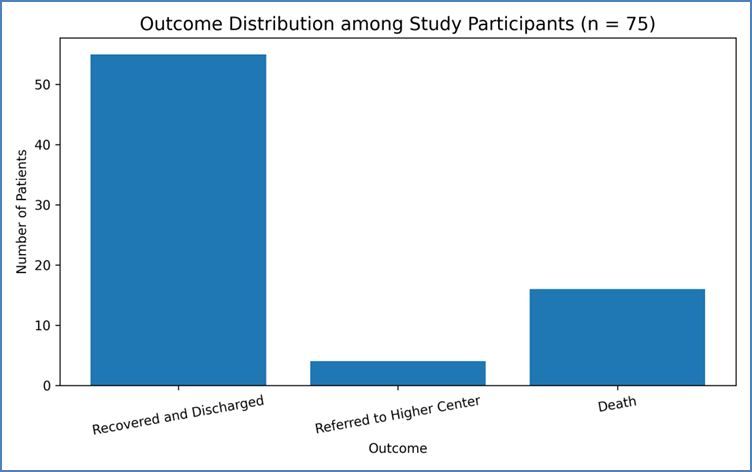
Figure 1: Outcome Distribution among Study Participants
Among the 75 study participants, 55 patients (73.3%) recovered and were discharged successfully. Four patients (5.3%) required referral to higher centers for advanced management. Mortality was observed in 16 patients, accounting for 21.3% of the study population. These findings highlight the significant morbidity and mortality associated with sepsis despite standard treatment measures.
Table 8: Correlation between SOFA Score and Serum Albumin Levels
|
Parameter |
Correlation Coefficient (r) |
p-value |
|
SOFA Score vs Serum Albumin |
-0.68 |
<0.001 |
A significant negative correlation was observed between serum albumin levels and SOFA score (r = -0.68, p < 0.001). Lower serum albumin levels were associated with higher SOFA scores, indicating increased organ dysfunction severity. This finding suggests that hypoalbuminemia may serve as an indirect marker of disease severity and progression in patients with sepsis.
DISCUSSION:
Sepsis remains a major cause of morbidity and mortality among hospitalized patients despite advances in critical care management. Early prognostic assessment is essential for identifying high-risk patients and initiating timely interventions. The present study evaluated the role of serial serum albumin and other liver parameters as prognostic markers in patients with sepsis admitted to the Department of General Medicine. In the present study, hypoalbuminemia was significantly associated with disease severity, ICU admission, septic shock, prolonged hospital stay, and mortality.
In the present study, the mean age of the study population was 56.8 ± 14.2 years, with male predominance (61.3%). Similar demographic findings were observed by Kumar et al., who reported higher prevalence of sepsis among elderly male patients due to increased comorbid conditions and susceptibility to infections.[2] The mortality rate in the present study was 21.3%, which is comparable to findings reported by Turcato et al., who demonstrated high short-term mortality among septic patients with hypoalbuminemia.[5]
The present study demonstrated a progressive decline in serum albumin levels during hospitalization. Mean serum albumin decreased from 3.02 ± 0.48 g/dL on admission to 2.54 ± 0.39 g/dL by Day 7. This finding indicates worsening systemic inflammation and capillary leakage during the course of sepsis. Similar observations were made by Tie et al., who identified persistently low albumin trajectories as strong predictors of adverse outcomes in septic patients.[11] Likewise, Sheng et al. reported that lower albumin levels were independently associated with increased 28-day and 90-day mortality in septic patients with acute kidney injury.[12]
In the present study, non-survivors had significantly lower serum albumin levels compared to survivors at all serial measurements. By Day 7, mean serum albumin among non-survivors was 1.86 ± 0.22 g/dL compared to 2.74 ± 0.31 g/dL among survivors (p < 0.001). These findings strongly support the prognostic significance of serial albumin monitoring in sepsis. Turcato et al. also demonstrated that admission serum albumin levels were independently predictive of 30-day mortality among septic patients.[13] Similarly, Rabi et al. confirmed that low serum albumin levels were strongly associated with higher mortality rates among critically ill ICU patients.[14]
The pathophysiological basis for hypoalbuminemia in sepsis is multifactorial. Increased vascular permeability caused by inflammatory cytokines leads to albumin extravasation into the interstitial space. In addition, impaired hepatic synthesis, increased catabolism, and hemodilution contribute to declining albumin levels. These mechanisms reflect endothelial dysfunction and systemic inflammatory response, both of which are major determinants of organ failure and mortality in sepsis.[15]
The present study also demonstrated significant abnormalities in liver function parameters among septic patients. Mean AST and ALT levels were markedly elevated in non-survivors compared to survivors. Elevated bilirubin and prolonged INR were also significantly associated with mortality. These findings indicate the presence of sepsis-associated liver dysfunction, which develops secondary to hepatic hypoperfusion, microcirculatory failure, inflammatory injury, and mitochondrial dysfunction. Kim et al. observed similar associations between liver dysfunction and increased mortality risk in septic patients.[16]
In the present study, serum albumin showed significant association with ICU admission, mechanical ventilation, septic shock, and prolonged hospital stay. Patients requiring ICU admission had significantly lower albumin levels (2.38 ± 0.34 g/dL) compared to non-ICU patients (3.26 ± 0.42 g/dL). Similar findings were reported by Hu et al., who observed that hypoalbuminemia correlated strongly with sepsis severity and organ dysfunction.[17] Furthermore, Tie et al. demonstrated that persistently low albumin levels were associated with prolonged ICU stay and poor clinical recovery.[11]
The present study also demonstrated a strong negative correlation between serum albumin levels and SOFA score (r = -0.68, p < 0.001). This suggests that lower albumin levels reflect increasing organ dysfunction severity. Similar findings were reported by Kim et al., who demonstrated improved mortality prediction when serum albumin was combined with severity assessment scores in sepsis.[16]
Several recent studies have explored the utility of albumin-based prognostic indices in sepsis. Lu et al. demonstrated that D-dimer-to-albumin ratio was a reliable predictor of 28-day mortality among septic patients.[18] Turcato et al. further demonstrated that combining serum albumin with coagulopathy scores significantly improved risk stratification in sepsis.[19] These findings support the growing evidence that albumin is not merely a nutritional marker but an important indicator of endothelial dysfunction and inflammatory severity.
The findings of the present study emphasize the importance of serial monitoring rather than relying solely on a single baseline albumin value. Dynamic decline in serum albumin during hospitalization reflects ongoing inflammatory injury and worsening physiological reserve. Serial assessment of albumin along with liver function parameters may therefore serve as a simple, inexpensive, and easily available prognostic tool in resource-limited settings.
However, the present study has certain limitations. The sample size was relatively small and the study was conducted at a single tertiary care center. Long-term follow-up after discharge was not performed. In addition, the influence of nutritional interventions and albumin replacement therapy on outcomes was not evaluated. Larger multicentric studies are required to validate these findings further.
CONCLUSION:
The present study demonstrated that serial serum albumin monitoring is a valuable prognostic marker in patients with sepsis. Progressive hypoalbuminemia was significantly associated with increased disease severity, ICU admission, septic shock, prolonged hospital stay, and mortality. Abnormal liver function parameters including elevated bilirubin, AST, ALT, ALP, and INR were also associated with poor clinical outcomes. Serial monitoring of serum albumin and liver parameters provides a simple, cost-effective, and clinically useful approach for early risk stratification and prognostic assessment in septic patients.
REFERENCES:
1. Turcato G, Zaboli A, Pfeifer N, Ciccariello L, Bonora A, Zorzi E, et al. Albumin as a prognostic marker of 30-day mortality in septic patients admitted to the emergency department. Intern Emerg Med. 2023;18(7):1975-1983.
2. Kumar HG, Kumar N, Reddy KS, Rao VS. The relationship between serum albumin levels and sepsis outcomes in critically ill patients. Cureus. 2024;16(5):e60124.
3. Jin X, Yu X, Zhou T, Wang Z, Cui Y. Prognostic value of serum albumin level in critically ill patients: A retrospective study. Front Med (Lausanne). 2022;9:822970.
4. Schupp T, Weigand MA, Brenner T. Diagnostic and prognostic performance of plasma albumin in patients with sepsis and septic shock. J Clin Med. 2023;12(12):4011.
5. Turcato G, Zaboli A, Pfeifer N, Bonora A, Zorzi E. Serum albumin concentration as an early predictor of mortality in sepsis. Intern Emerg Med. 2023;18(7):1975-1983.
6. Schupp T, Brenner T, Hofer S, Weigand MA. Declining plasma albumin levels and sepsis-related mortality. J Clin Med. 2023;12(12):4011.
7. Ponce-Orozco O, Ramirez-Vega A, Torres-Mendoza BM, et al. Prognostic value of the lactate/albumin ratio in sepsis patients admitted to intensive care units. Med Intensiva. 2025;49(2):101-109.
8. Ren D, Li Y, Zhao H, et al. On-treatment serum albumin levels can predict 28-day mortality in patients with sepsis. BMC Infect Dis. 2025;25(1):412.
9. Shao S, Zhang Y, Liu H, et al. Pathogen-specific hypoalbuminemia in patients with sepsis and its prognostic significance. Infect Drug Resist. 2026;19:1453-1462.
10. Ranzani OT, Zampieri FG, Forte DN, et al. Prognostic value of liver dysfunction biomarkers in sepsis and septic shock. Crit Care. 2021;25(1):197.
11. Tie X, Zhang Z, Wang Y, et al. Associations between serum albumin level trajectories and prognosis in patients with sepsis. Front Nutr. 2024;11:1433544. doi:10.3389/fnut.2024.1433544.
12. Sheng S, Wang L, Han Y, et al. Albumin levels predict mortality in sepsis patients with acute kidney injury undergoing continuous renal replacement therapy. BMC Nephrol. 2022;23(1):25. doi:10.1186/s12882-021-02629-y.
13. Turcato G, Zaboli A, Pfeifer N, et al. Prognostic role of serum albumin in predicting 30-day mortality in patients with infection. Life (Basel). 2023;13(6):1345. doi:10.3390/life13061345.
14. Rabi R, Altheeb Z, Alenzi M, et al. The role of serum albumin in critical illness, predicting poor outcome and mortality in ICU patients. Cureus. 2024;16(7):e64512. doi:10.7759/cureus.64512.
15. Gounden V, Vashisht R, Jialal I. Hypoalbuminemia. StatPearls. 2023. PMID: 29261938.
16. Kim SM, Kim JH, Lee HJ, et al. Early mortality stratification with serum albumin and the lactate-albumin ratio in sepsis. Life (Basel). 2024;14(10):1257. doi:10.3390/life14101257.
17. Hu J, Sun X, Wang Z, et al. Effect of hypoproteinemia on the mortality of sepsis patients in the ICU: a retrospective cohort study. Sci Rep. 2021;11(1):24379. doi:10.1038/s41598-021-03865-w.
18. Lu J, Chen Y, Zhang X, et al. Association between D-dimer-to-albumin ratio and 28-day mortality in patients with sepsis. Sci Rep. 2024;14:79911. doi:10.1038/s41598-024-79911-0.
19. Turcato G, Zorzi E, Zaboli A, et al. Sepsis-induced coagulopathy and hypoalbuminemia: integrated prognostic role in septic patients. J Clin Med. 2025;14(13):4483. doi:10.3390/jcm14134483.